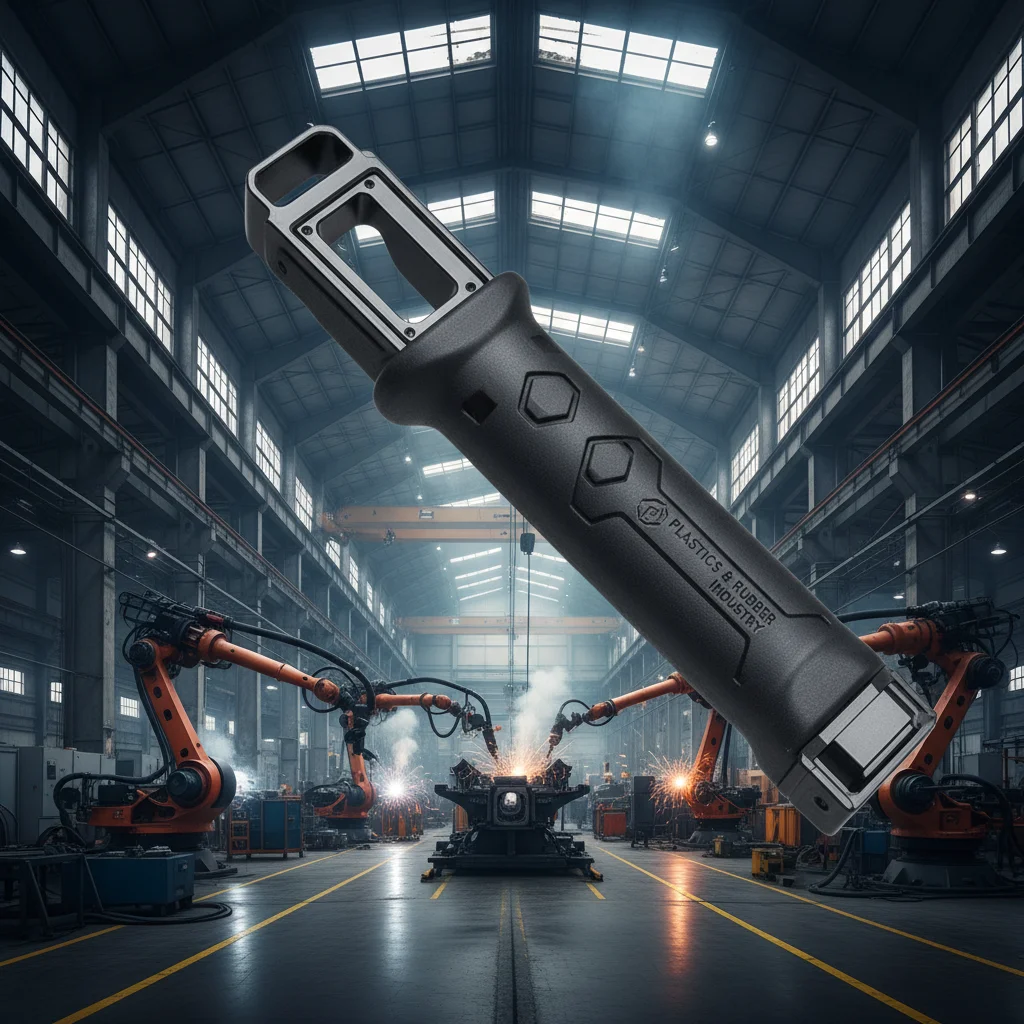
The integration of high-performance materials in the aerospace and unmanned aerial vehicle (UAV) sector has become a critical factor in enhancing operational reliability. As the demand for precision increases, the physical interface between the operator and the machine—specifically the components surrounding the drone controller—requires advanced damping and sealing solutions to ensure stability and user comfort.
Modern engineering challenges, such as high-frequency vibration and environmental exposure, necessitate the use of microcellular foam rubber. These materials provide the essential cushioning needed to protect sensitive internal electronics and improve the ergonomic grip of handheld devices, reducing operator fatigue during extended flight missions.
By implementing specialized rubber micro-foamed tubes, manufacturers can significantly enhance the durability of a Drone controller, ensuring that vibration transmission is minimized and critical components are shielded from external impacts and moisture.

Material Importance for Drone Controller Stability
Stability is the cornerstone of any successful UAV operation. The use of high-performance microcellular foam rubber tubes allows for the isolation of sensitive electronics within the drone controller housing, preventing mechanical noise and high-frequency vibrations from interfering with signal transmission or causing component fatigue over time.
Furthermore, the lightweight nature of these foam materials is essential for portable equipment. By replacing heavy solid rubbers with micro-foamed alternatives, engineers can reduce the overall mass of the device without compromising its structural integrity or its ability to absorb sudden shocks.
Core Functions of Microcellular Foam Rubber
Microcellular foam rubber is engineered to provide exceptional compression-set resistance. This means that even after repeated compression—such as when a drone controller is packed for transport or subjected to constant pressure during use—the material returns to its original thickness, ensuring a consistent seal and cushioning effect.
Beyond physical cushioning, these materials offer critical sealing capabilities. The closed-cell structure prevents the ingress of dust, moisture, and air into the internal cavities of the equipment. This protects the delicate circuit boards and sensors from environmental degradation, which is vital for devices used in outdoor or industrial settings.
Thermal insulation is another primary function. The foam structure reduces heat transfer, helping to maintain a stable operating temperature for the batteries and processors inside the device, thereby preventing overheating during high-performance maneuvers.
Engineering the Ergonomics of Drone Controller Interfaces
Ergonomics play a vital role in the precision of UAV piloting. Applying micro-foamed rubber as a handle covering for the Drone controller enhances grip comfort and prevents slipping, even in humid conditions or when the operator is wearing gloves.
The soft, cushioning properties of the foam effectively reduce vibration transmission from the device to the operator's hands. This reduction in mechanical stress allows for finer control over the Drone controller, reducing user fatigue during long-duration surveillance or mapping missions.
Moreover, the ability to customize the hardness and density of the foam allows manufacturers to tailor the Drone controller interface to specific user needs, whether it be a soft-touch feel for consumer drones or a rugged, high-density grip for industrial-grade equipment.
Performance Comparison of Vibration Damping Materials
When selecting materials for vibration control, engineers must balance density, recovery speed, and environmental resistance. Microcellular foam outperforms traditional sponges and solid rubbers in terms of energy absorption and weight efficiency.
The following data illustrates how different foam formulations impact the performance of a Drone controller in terms of shock absorption and weight reduction.
Vibration Damping Performance for Drone Controller Components
Global Application Scenarios in UAV Systems
In the realm of professional UAVs, the application of microcellular foam is widespread. From cable sheaths that protect internal wiring against wear and extrusion to air inlet buffer rings that reduce noise transmission, these components are essential for operational stealth and reliability.
In remote industrial zones and post-disaster relief operations, equipment is exposed to extreme temperatures and humidity. The weather-resistant properties of EPDM and NBR foam ensure that the seals within a Drone controller do not crack or harden, maintaining a reliable barrier against the elements.
Environmental Compliance and Material Durability
Sustainability and safety are paramount in modern manufacturing. The rubber micro-foamed tubes used in these applications are manufactured with environmentally friendly formulas, ensuring they are safe for direct skin contact.
These materials comply with strict international regulations, including RoHS 2.0, REACH, PAHs, POPs, TSCA, and PFAS. This compliance is critical for companies exporting UAV technology globally, as it ensures the product meets the health and safety standards of diverse markets.
Long-term durability is proven through rigorous testing. With an operating temperature range of -40℃ to 120℃ and no signs of cracking after 1000 hours of outdoor exposure, these materials ensure that the Drone controller remains functional in both arctic and desert environments.
Customization Standards for Industrial Sealing
To meet the precise engineering requirements of different UAV models, customization is key. Manufacturers can adjust the inner and outer diameters, wall thickness, and density of the foam to create a perfect fit for any specific Drone controller internal layout.
Beyond dimensions, material formulation can be tailored. For example, flame-retardant grades are available for safety-critical military applications, while anti-static versions are used to prevent electrostatic discharge (ESD) from damaging sensitive microchips.
The versatility of the production process allows for additive coatings and precision-cut lengths, reducing assembly time and ensuring that every protective tube provides maximum efficiency in shock absorption and sealing.
Customization Parameters for Drone controller Protective Components
| Material Type |
Primary Benefit |
Temp Range |
Application in Controller |
| EPDM Foam |
UV/Ozone Resistance |
-40 to 120°C |
Outdoor Handle Grip |
| NBR Foam |
Oil/Chemical Resistance |
-30 to 100°C |
Internal Battery Seal |
| CR Foam |
Flame Retardancy |
-30 to 110°C |
Circuit Board Support |
| PU Microcellular |
High Recovery Speed |
-20 to 80°C |
Shock-absorbing Tube |
| Silicone Foam |
Extreme Temp Stability |
-60 to 200°C |
High-Heat Components |
| Specialty Blend |
Custom Hardness |
-40 to 100°C |
Custom User Interface |
FAQS
It significantly reduces the impact of mechanical vibrations and shocks on internal circuitry. By isolating sensitive components, it prevents solder joint fatigue and component loosening, while its sealing properties protect the interior from corrosive moisture and dust, extending the overall operational life of the device.
Yes, the materials are specifically engineered for versatility. With an operating range from -40℃ to 120℃ and superior UV and ozone resistance, they maintain flexibility and sealing performance in both freezing arctic temperatures and intense desert heat without cracking or hardening.
Absolutely. The products are manufactured using environmentally friendly formulas that comply with RoHS 2.0, REACH, and other international safety standards. They are hypoallergenic and non-toxic, making them ideal for handle coverings that are in direct contact with the operator's skin.
Closed-cell foam, used in our microcellular tubes, does not absorb water and provides a superior airtight seal. This is critical for Drone controllers to prevent moisture ingress. Open-cell foam is more breathable but lacks the sealing and moisture-resistance properties required for professional aerospace hardware.
Yes, we offer full customization of density, hardness, and dimensions. Additionally, we provide specialized grades such as flame-retardant or anti-static formulations to meet specific industry certifications or safety requirements for high-risk environments.
Vibrations can cause "noise" in the sensors and controllers. By using high-performance damping tubes, the mechanical interference is filtered out, allowing the operator to have a more stable and precise tactile connection with the controls, which is essential for complex flight maneuvers.
Conclusion
The implementation of microcellular foam rubber in the design of a Drone controller provides a comprehensive solution for vibration damping, environmental sealing, and ergonomic enhancement. By leveraging advanced material science, manufacturers can ensure that their UAV systems are not only more durable and reliable but also more comfortable for the operator, regardless of the environmental challenges they face.
As the UAV industry continues to evolve toward greater automation and industrial application, the role of high-performance protective materials will only grow. Investing in customizable, compliant, and durable sealing solutions is the key to maintaining a competitive edge in aerospace engineering. Visit our website for more information: www.sunlitetek.com

 Select Language