Welcome to the official website of Sunlite Tech
Specialist in Elastomer Applications
Best Solutions to NVH SINCE 1998
ibanner

0%

Table of Contents

Look, I've spent the last fifteen years on construction sites – everything from high-rise builds downtown to remote solar farms. And if there's one thing that’ll bring a project to a screeching halt, it's busted charging ports on essential equipment. We're talking drones, laser levels, even tablets for blueprints. It’s not just about downtime, it’s about data loss, delays, and frankly, a lot of frustrated crews. That’s where a reliable Waterproof charging port protective plug becomes absolutely critical. It’s a small piece, but it saves a whole lot of headache.

We're seeing more and more tech integrated into every aspect of construction now. It boosts efficiency, improves safety, and provides better documentation. But all that tech needs power, and that means exposed charging ports. Rain, dust, mud – the job site is a harsh environment. We've tried everything from taping ports up (don't even get me started on the residue) to building makeshift shelters. None of it was a real solution. A Waterproof charging port protective plug is a simple, effective answer to a persistent problem.

Honestly, it’s the little things that make or break a project. A well-designed Waterproof charging port protective plug isn't just about keeping water out; it’s about extending the lifespan of expensive equipment, reducing repair costs, and ultimately, keeping the job moving forward. It’s a preventative measure, and in this business, prevention is always cheaper than cure.
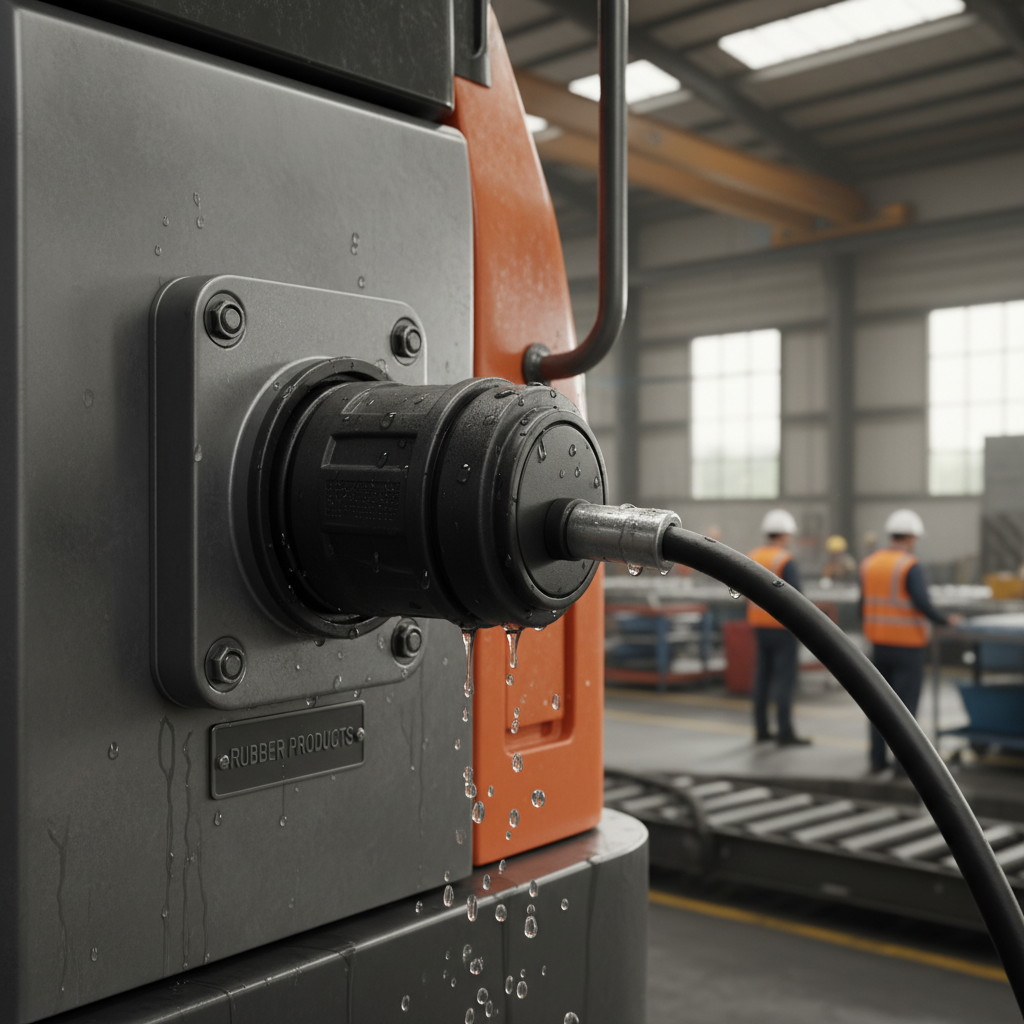
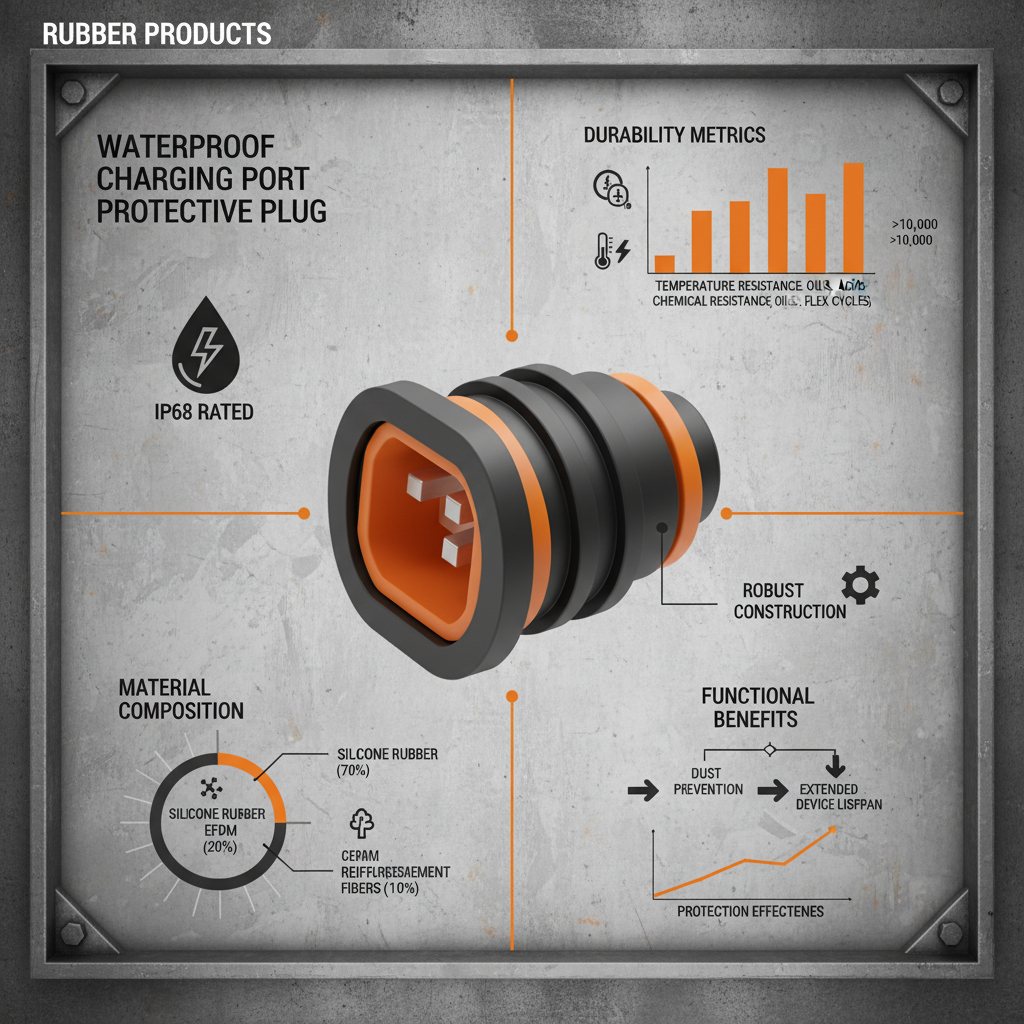
Waterproof charging port protective plug

The Importance of Waterproof Charging Port Protection

Waterproof charging port protective plug

I've seen entire days lost because a drone’s charging port got gunked up with mud. That’s a whole lot of lost survey data, project delays, and a team standing around waiting. It’s a surprisingly common issue, especially with the increasing reliance on tech in outdoor industries. Think about it: construction, agriculture, surveying, even emergency response. These environments are brutal on equipment, and the charging port is often the weakest link. Waterproof charging port protective plugs aren't just an accessory, they're a necessity.

The cost of replacing or repairing damaged equipment quickly adds up. And it’s not always a straightforward fix. Sometimes, you’re looking at weeks of downtime while a specialized technician gets involved. Preventative maintenance is key, and that includes protecting those vulnerable charging ports. It’s about minimizing risk and maximizing uptime.

Defining Waterproof Charging Port Protective Plugs

A Waterproof charging port protective plug is essentially a small cover designed to seal off the charging port of electronic devices, preventing the ingress of water, dust, and debris. They come in various materials – silicone, rubber, plastic – and different designs, from simple caps to more elaborate hinged covers. The key is a tight seal, providing a barrier against the elements.

These aren’t new, mind you. We've been using basic port covers for years, but the quality and effectiveness have really improved lately. Modern designs are more durable, easier to use, and offer a more secure fit. They’re also becoming more specialized, with options tailored to specific device types and charging port configurations.

The connection to modern industry is clear. As we move towards more data-driven workflows and rely on technology in increasingly harsh environments, the need for robust port protection becomes even more critical. It’s about ensuring the reliability of the tools we depend on.

Key Factors for Effective Protection

When I’m looking at a Waterproof charging port protective plug, there are a few things I pay attention to. First, the material. Silicone is generally a good choice – flexible, durable, and resistant to temperature extremes. Second, the seal. It needs to be tight and consistent, even after repeated use.

Third, the ease of use. If it’s a pain to put on and take off, people won’t use it. It needs to be quick and simple, even with gloves on. Fourth, the fit. It needs to be snug and secure, without interfering with the charging cable. Finally, durability is crucial. A plug that breaks after a few uses isn’t worth the money.

These factors directly impact the practical application. A poorly designed plug will fail, leaving your equipment vulnerable. A well-designed one will provide reliable protection, minimizing downtime and extending the lifespan of your devices.

Global Applications in Demanding Environments

I’ve seen these plugs used everywhere – from oil rigs in the North Sea to solar farms in the Australian Outback. In post-disaster relief operations, where communication is critical, protecting charging ports on satellite phones and radios is a lifesaver. Agricultural tech, with drones spraying crops and sensors monitoring soil conditions, relies heavily on these.

In remote industrial zones, where access to repair services is limited, preventing equipment failure is paramount. Even in relatively controlled environments like construction sites, the constant exposure to dust, mud, and rain demands robust protection.

Waterproof Charging Port Protective Plug Effectiveness by Environment

Advantages and Long-Term Value Proposition

The tangible benefits are pretty straightforward: reduced repair costs, minimized downtime, and extended equipment lifespan. But it goes beyond that. A Waterproof charging port protective plug contributes to a safer work environment by preventing equipment failures that could lead to accidents.

The emotional aspect is important too. Knowing your equipment is protected gives peace of mind, allowing crews to focus on the job at hand. It’s a small investment that builds trust and reliability. And, increasingly, sustainability is a key consideration. Extending the life of equipment reduces waste and minimizes the environmental impact.

Future Trends and Innovations in Port Protection

We're starting to see smart plugs with built-in sensors that can detect moisture or corrosion. These can send alerts to maintenance teams, allowing for proactive intervention. Another trend is self-healing materials – polymers that can repair minor damage, extending the lifespan of the plug itself.

Integration with wireless charging technologies is also on the horizon. Imagine a system where equipment automatically charges wirelessly when docked, eliminating the need for physical ports altogether. It's still a few years away, but the direction is clear: towards more robust, intelligent, and convenient port protection solutions.

Common Challenges and Practical Solutions

One common issue is compatibility. Not all plugs fit all devices. It’s crucial to choose a plug that is specifically designed for your equipment. Another challenge is user compliance. Even the best plug won’t work if people don’t use it consistently.

Training and education are key. Make it part of the standard operating procedure. Also, consider making it easy to access plugs – keep them readily available near charging stations. And finally, don’t skimp on quality. A cheap plug that breaks easily is a false economy.

The goal is to create a culture of preventative maintenance, where protecting equipment is just as important as operating it. It’s about making smart choices that save time, money, and headaches in the long run.

Summary of Waterproof Charging Port Protective Plug Performance Characteristics

Material Durability (1-10) Ease of Use (1-10) Water Resistance (1-10)
Silicone 8 9 9
Rubber 7 7 8
Hard Plastic 6 5 7
Thermoplastic Polyurethane (TPU) 9 8 10
Hybrid Silicone/Plastic 7 6 8
Reinforced Rubber 8 7 9

FAQS

What level of water resistance can I expect from these plugs?

Most reputable Waterproof charging port protective plugs offer an IP67 or IP68 rating, meaning they can withstand immersion in water up to 1 meter for 30 minutes. However, it's crucial to check the specific rating for the plug you choose, as it can vary. We’ve found that even a basic IP67 rating provides significant protection in most job site conditions.

Will these plugs work with all types of charging cables?

Compatibility can be an issue, so it's important to select a plug that's designed for your specific cable type – USB-C, Micro-USB, Lightning, etc. Some plugs are universal, but they may not provide as secure a fit. I recommend measuring your cable diameter before purchasing to ensure a proper seal.

How durable are these plugs in extreme temperatures?

The durability of a plug in extreme temperatures depends on the material. Silicone and TPU generally perform best in both hot and cold environments. Avoid using plugs made of hard plastic in extremely cold conditions, as they can become brittle and crack. Check the manufacturer’s specifications for the operating temperature range.

Are these plugs reusable, or do they wear out quickly?

Good quality Waterproof charging port protective plugs are designed to be reusable. However, they will eventually wear out with repeated use. Factors like exposure to UV light and harsh chemicals can also affect their lifespan. Inspect the plugs regularly for signs of damage and replace them as needed.

What's the best way to clean a dirty charging port plug?

A simple wash with mild soap and water is usually sufficient. Avoid using harsh chemicals or abrasive cleaners, as they can damage the material. Make sure the plug is completely dry before reinstalling it. A quick wipe down after each use can help prevent buildup.

How do I ensure a proper seal with the plug?

First, ensure the charging port is clean and free of debris. Then, insert the plug firmly, applying even pressure around the edges. Some plugs have a locking mechanism to provide a more secure fit. If you're not getting a tight seal, try a different plug size or model. A properly fitted plug is essential for effective protection.

Conclusion

Ultimately, a Waterproof charging port protective plug is a small investment that delivers significant returns. It minimizes downtime, reduces repair costs, extends equipment lifespan, and improves overall job site efficiency. It’s a proactive solution to a common problem, and in my experience, it’s a must-have for anyone working with tech in demanding environments.

Don't underestimate the importance of protecting your investment. Take the time to choose the right plugs for your equipment and encourage their consistent use. A little prevention can save you a lot of trouble down the road. Visit our website at www.sunlitetek.com to explore our range of protective solutions and find the perfect fit for your needs.

David Miller

David Miller

David Miller serves as the Senior Application Engineer at Guangdong Sunlite Science & Technology, specializing in elastomer applications within the UAV and robotics industries. With a Master's degree in Mechanical Engineering, David has over 10 years of experience in material science and product development. He’s instrumental in collaborating with clients on front-end innovation projects, utilizing Sunlite’s DFM concurrent engineering and CAE simulation to optimize designs for performance and manufacturability. David’s expertise lies in identifying optimal polymer solutions for vibration damping and noise reduction, directly contributing to shorter R&D cycles and improved product reliability. He frequently contributes to industry publications, sharing insights on the latest advancements in material technology. He’s a key figure in ensuring Sunlite’s products meet the stringent demands of the aerospace and defense sectors.
Previous Essential Charging Port Rubber Plug Protection for Durable Device Performance
Next Protect Your Investment with a Durable Nailer Bumper for Jobsite Safety

If you are interested in our products, you can choose to leave your information here, and we will be in touch with you shortly.

  • captcha