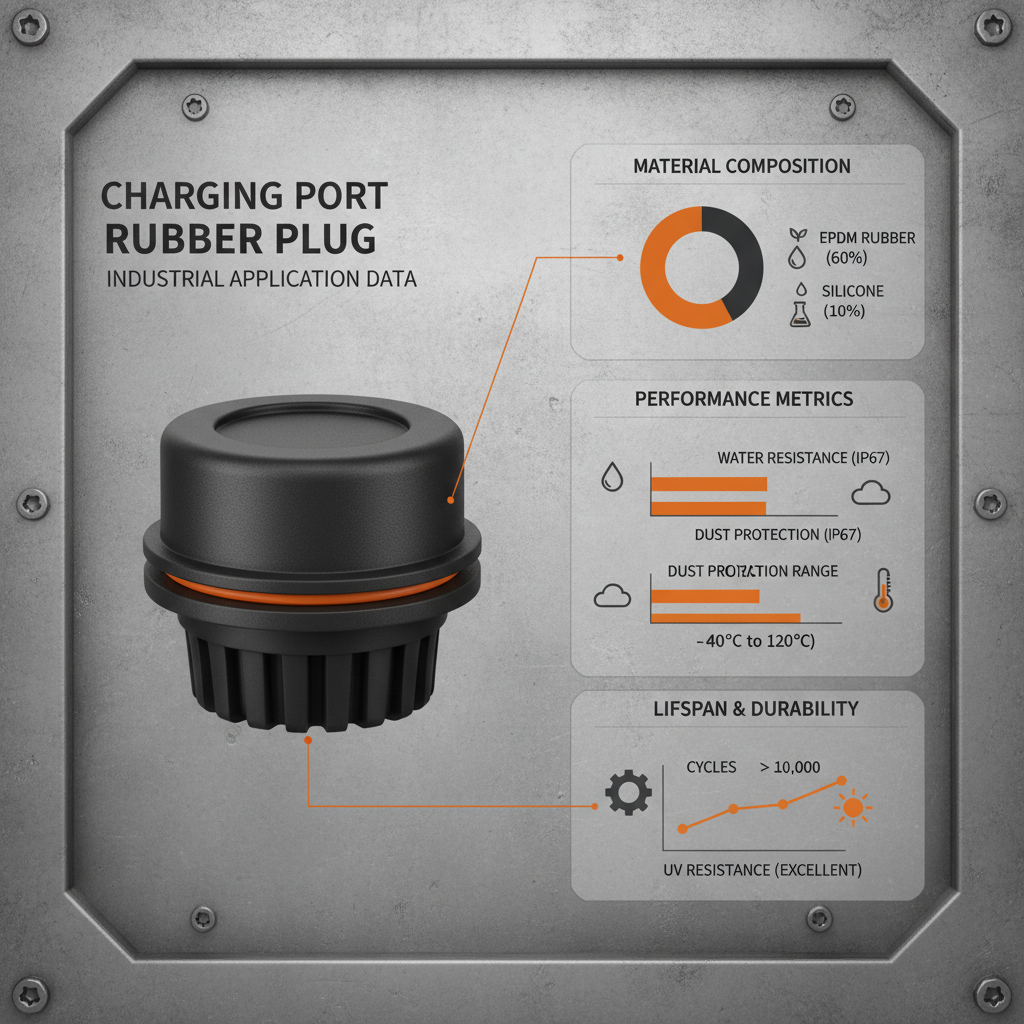
Look, I've spent the last fifteen years crawling around construction sites, getting my hands dirty with the folks who actually build things. And let me tell you, the little things are what make or break a project. We're talking about details like keeping dust and debris out of sensitive electronics, and that’s where a good charging port rubber plug comes in. It's not glamorous, but a failed port due to water or grime? That’s downtime, that's delays, and that’s money flying out the window. We need reliable protection for those ports, plain and simple.
I’ve seen too many field devices, from drones to sensors, go down because someone skimped on a little protective cover. It's frustrating. These tools are essential for accuracy and efficiency, and a simple charging port rubber plug can be the difference between a smooth workflow and a costly repair. It’s about preventing headaches before they even start, and keeping projects on schedule and under budget.
I'm not a lab guy, I’m a site guy. I need solutions that work in the real world – dirt, rain, extreme temperatures, constant jostling. It’s not enough for something to test well; it has to perform well when a worker drops his tablet in the mud or leaves a sensor exposed overnight. The durability and reliability of a seemingly small component like a charging port rubber plug directly impacts the bottom line.
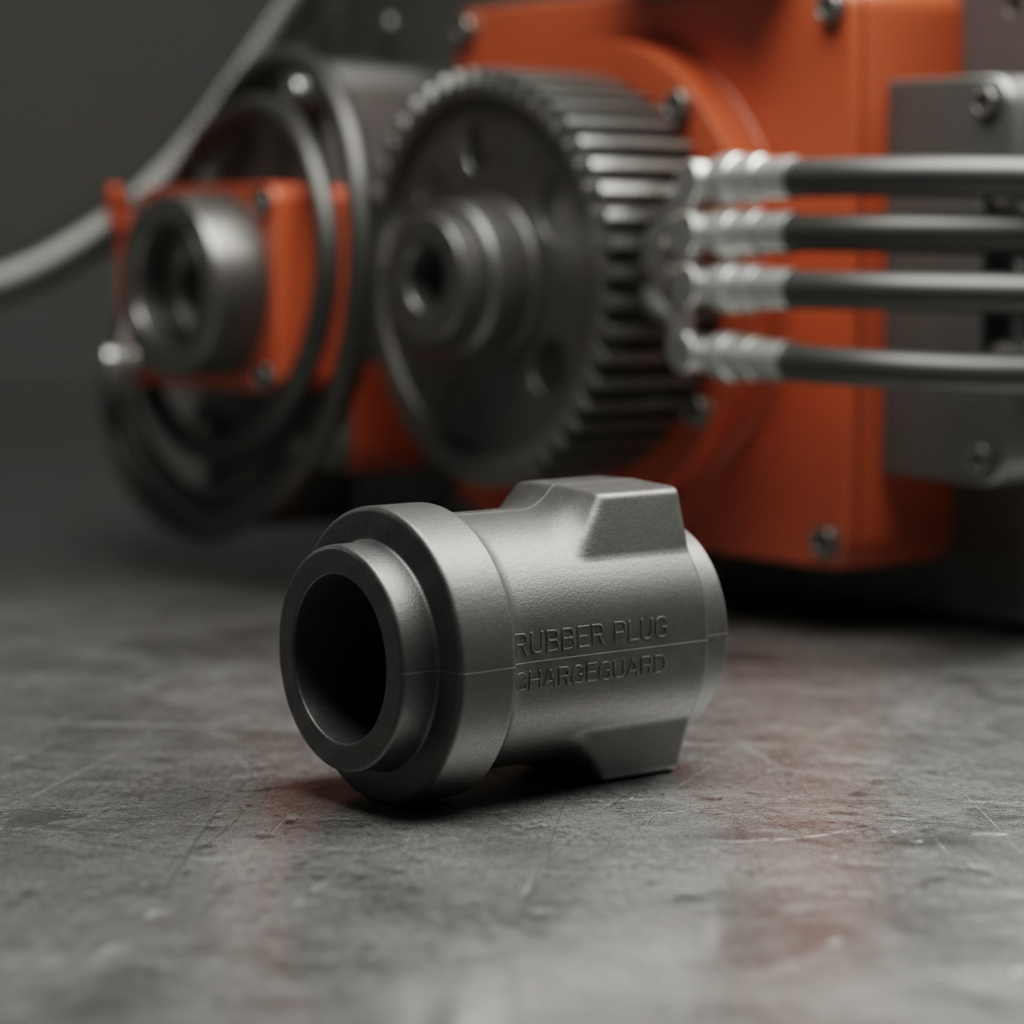
The Importance of Charging Port Protection
From a practical standpoint, construction sites are brutal environments. Dust, water, mud, and accidental impacts are daily occurrences. The charging ports on everything from smartphones and tablets to more specialized equipment like laser levels and drone controllers are incredibly vulnerable. A compromised port means lost data, downtime, and costly repairs. A charging port rubber plug isn’t a luxury, it's a necessity for maintaining operational efficiency.
Beyond construction, think about agricultural equipment, field research tools, public safety devices, even industrial maintenance robots. These all rely on dependable charging, and are routinely exposed to harsh conditions. The economic impact of widespread port failures across these sectors is significant. That’s why focusing on preventative measures like using quality plugs makes a lot of sense.
Defining Charging Port Rubber Plugs
Simply put, a charging port rubber plug is a small, typically silicone or rubber, cover designed to physically protect the charging port on electronic devices. It’s a passive barrier against dust, moisture, and physical damage. They come in various shapes and sizes, tailored to fit different port types - USB-C, Micro-USB, Lightning, and so on. It seems basic, and it is, but the quality of the material and the fit are critical.
These aren’t just about protecting the electronics themselves. They safeguard data integrity. Corrosion from moisture can lead to data loss or corruption, and a damaged port can interrupt critical data transfers. In industries where precise data collection is paramount – surveying, environmental monitoring, even quality control – a simple plug can be a crucial element of data reliability.
It’s a surprisingly vital component in extending the lifespan of expensive equipment. Repairing or replacing a device is far more costly than proactively protecting its charging port with a well-designed charging port rubber plug.
Core Characteristics of Effective Plugs
The best plugs aren’t just about being a cover, they're about being the right cover. First, material durability is key. Silicone is generally preferred over cheaper rubber compounds because it's more resistant to temperature extremes, UV exposure, and cracking. We need something that won't degrade and become brittle after a few months in the sun.
Second, the fit has to be snug. A loose plug offers minimal protection. It needs to create a solid seal to keep out dust and moisture. I've seen plugs that are too tight, too – they can be difficult to remove and can potentially damage the port. There’s a sweet spot, and it requires precision molding. Third, consider the tethering mechanism. A small loop or lanyard attachment prevents the plug from getting lost in the field.
Finally, ease of use is important. It needs to be easy to install and remove, even with gloves on. Complex designs are often more trouble than they're worth. A simple, robust design that performs its function reliably is always the best approach.
Real-World Applications Across Industries
I've personally used these on everything from handheld scanners in bridge inspections to rugged tablets used for site mapping. In the oil and gas industry, they’re crucial for protecting the ports on remote monitoring equipment exposed to harsh weather and corrosive environments. Agriculture benefits from protecting sensors used for soil analysis and irrigation control.
Think about public safety. First responders rely on radios and mobile devices in all conditions. A compromised charging port during an emergency could be a critical failure. Similarly, in logistics and transportation, tracking devices and scanners need reliable charging to ensure efficient operations. Even something as simple as protecting a drone’s charging port during transport and setup makes a difference.
Charging Port Rubber Plug Performance Metrics
Benefits & Long-Term Value Proposition
The immediate benefit is, of course, reduced repair costs. Replacing a damaged port or entire device is far more expensive than a few cents for a quality plug. But the long-term value extends beyond simple cost savings. Reliable equipment means increased productivity and reduced downtime, which translates into significant financial gains.
There’s a sustainability aspect, too. Extending the lifespan of electronic devices reduces e-waste and minimizes the environmental impact. It’s a small step, but it contributes to a more responsible approach to technology consumption. And honestly, the peace of mind knowing your equipment is protected is worth something.
Future Trends and Material Innovations
We’re seeing a move towards self-healing materials that could automatically seal minor damage to plugs, extending their lifespan even further. Biodegradable or compostable plug options are also being explored to address sustainability concerns. I'm also keeping an eye on integrated port protection systems – designs where the port itself is recessed or shielded, eliminating the need for a separate plug.
Smart plugs with sensors that detect moisture or damage are another potential development. These could provide early warnings, allowing for proactive maintenance. As devices become more reliant on wireless charging, we might see a shift in focus towards protecting the wireless charging coils themselves, rather than the traditional charging ports.
The push for more durable and environmentally friendly materials will continue to drive innovation in this space.
Common Challenges & Practical Solutions
One of the biggest issues is user compliance. People often remove the plugs and then forget to replace them, rendering them useless. Better designs that are easier to use and more visually prominent can help address this. Another challenge is finding plugs that fit a wide range of devices. Standardization would be ideal, but it's unlikely to happen quickly.
Quality control is also critical. Cheaply made plugs can easily break or become dislodged, offering little to no protection. Sourcing from reputable manufacturers and conducting thorough testing is essential. Providing clear instructions and training on proper plug installation and maintenance can also improve effectiveness.
Finally, it's about educating users on the importance of port protection. Highlighting the cost savings and productivity gains can incentivize them to adopt this simple preventative measure.
Summary of Challenges & Solutions for Charging Port Rubber Plug Implementation
| Challenge |
Impact Area |
Severity (1-10) |
Proposed Solution |
| User Non-Compliance |
Port Protection Effectiveness |
7 |
Simplified, visually distinct plug design |
| Port Fit Inconsistency |
Universal Applicability |
6 |
Develop a range of sizes, offer custom options |
| Low-Quality Materials |
Durability & Longevity |
8 |
Source from reputable manufacturers, rigorous testing |
| Lack of User Awareness |
Adoption Rate |
5 |
Educational materials, emphasize cost savings |
| Difficult Installation |
User Experience |
4 |
Ergonomic design, clear instructions |
| Environmental Impact |
Sustainability |
3 |
Explore biodegradable material options |
FAQS
Most quality charging port rubber plugs are made from silicone due to its durability, flexibility, and resistance to temperature extremes and UV exposure. Cheaper options may use lower-grade rubber compounds, but these tend to crack and degrade faster. The material choice impacts the plug’s lifespan and effectiveness at protecting the port from dust and moisture.
It's crucial to get the right fit. A plug that’s too loose won’t provide adequate protection, while one that’s too tight could potentially damage the port. Most manufacturers specify which plug sizes are compatible with their devices. If you're unsure, measure the outer diameter of your charging port and compare it to the plug's dimensions. A snug, secure fit is key.
While they offer excellent protection against splashes and light moisture, most aren’t fully waterproof. They are water-resistant, meaning they can prevent water damage in typical conditions. However, prolonged submersion or exposure to heavy rain can still lead to water ingress. They’re designed to minimize the risk of water damage, not eliminate it entirely.
The lifespan of a plug depends on usage and environmental conditions. Inspect it regularly for cracks, tears, or signs of degradation. If it appears damaged, replace it immediately. As a general guideline, replace it every 6-12 months, or more frequently if exposed to harsh environments. Proactive replacement is better than waiting for it to fail and risk damaging your device.
No, a charging port rubber plug shouldn't interfere with wireless charging, as it covers the physical charging port and doesn’t affect the wireless charging coil. However, make sure the plug isn't made of metallic materials that could potentially disrupt the wireless charging field. Silicone or rubber plugs are generally safe to use with wireless charging.
Yes, there are! Different devices use different charging port types (USB-C, Micro-USB, Lightning, etc.), so you'll need a plug specifically designed for that port. There are also variations in size and shape to accommodate different device designs. Always check compatibility before purchasing a plug to ensure a proper fit and optimal protection.
Conclusion
Ultimately, a charging port rubber plug is a deceptively simple yet incredibly valuable component. It’s not about flashy innovation, it’s about reliable protection, preventing downtime, and saving money in the long run. From construction sites to field research, these little plugs play a critical role in keeping our devices operational and our projects on track. They represent a small investment with a significant return.
Don’t underestimate the power of preventative maintenance. Implementing a simple practice like using quality charging port plugs can have a ripple effect, improving productivity, reducing costs, and extending the lifespan of valuable equipment. To learn more about our durable and reliable solutions for port protection, visit our website: www.sunlitetek.com.

 Select Language