Let's talk rubber stoppers. Sounds simple, right? Just a plug. But after years walking construction sites, seeing what works and, frankly, what doesn’t in the real world, you quickly realize the difference between a cheap plug and a reliable one. These aren’t just for lab beakers; they're critical for everything from concrete curing to sealing off pipes during inspections. I’ve seen projects delayed, budgets blown, and even safety compromised because someone skimped on something as seemingly insignificant as a rubber stopper. It’s a tiny component with a massive impact.
What I've found is people underestimate the harshness of field conditions. UV exposure, temperature swings, chemical resistance… it’s not a controlled lab environment. A stopper that works perfectly on a benchtop might crumble after a week outside. You need something robust, reliable, and engineered for the job, not just something that fits the hole. That’s why understanding the nuances of materials, sizes, and applications is so important.
We're not talking about a luxury item here. A good rubber stopper prevents leaks, maintains pressure, and ultimately, saves time and money. I've seen whole schedules thrown off because of inferior seals. It’s about building things right the first time, and that starts with attention to detail, even down to the smallest parts.
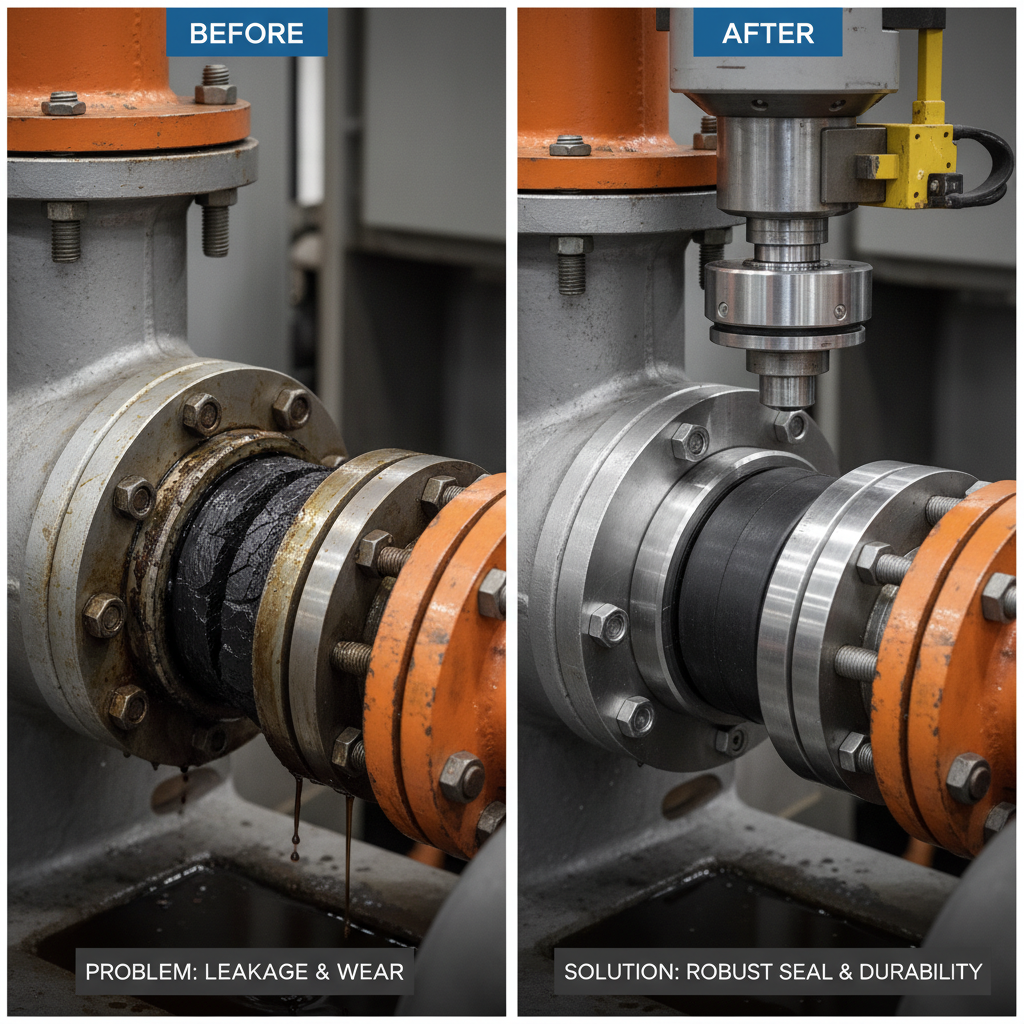
The Critical Role of Rubber Stoppers
Rubber stoppers are often overlooked, but they are fundamentally important across a multitude of industries. It’s not just about plugging a hole; it’s about maintaining integrity, preventing contamination, and ensuring safety. I’ve seen firsthand how a failed stopper can derail a project, leading to costly repairs and delays. The seemingly small cost of a quality stopper is a tiny fraction of the potential expenses caused by a failure.
From construction to chemical processing, food and beverage production to pharmaceuticals, the demand for reliable sealing solutions is constant. We’re talking about billions of units used annually globally. The need for standardization and quality control is paramount, and that’s where understanding the different materials and applications comes into play.
Defining Rubber Stoppers for Industrial Use
A rubber stopper, in its simplest form, is a cylindrical or tapered plug designed to seal an opening. However, the ‘rubber’ part is where it gets interesting. It's rarely just natural rubber anymore. You've got synthetic options like neoprene, silicone, EPDM, and nitrile, each offering different properties like chemical resistance, temperature tolerance, and flexibility. Choosing the right material is crucial – a silicone stopper might be perfect for food-grade applications, but useless against strong solvents.
These aren't just off-the-shelf parts. Industrial-grade stoppers often require custom sizing, specific durometers (hardness), and specialized coatings to meet demanding requirements. I work with engineers constantly who are tweaking designs to get the perfect fit and performance for their applications. It's a constant process of refinement.
The connection to modern industry and humanitarian needs is direct. Think about maintaining sterile environments in pharmaceutical production, ensuring the safe storage of chemicals, or even providing temporary seals in emergency water purification systems. The quality of the stopper directly impacts the success and safety of these critical processes.
Key Factors in Rubber Stopper Performance
First, Material Compatibility is huge. You absolutely must know what the stopper will be exposed to. Acids, bases, oils, UV light – it all matters. A stopper that degrades quickly isn’t saving you money, it’s costing you headaches.
Then there's Dimensional Accuracy. A stopper that’s even slightly off size won’t create a proper seal. That’s where precision manufacturing and quality control come in. I always check the tolerances, especially when dealing with critical applications. We've seen variations ruin entire batches.
Temperature Resistance is another big one. Construction sites can swing wildly in temperature. A stopper that softens in the heat or cracks in the cold is a failure waiting to happen. Again, material selection is key.
Diverse Applications Across Industries
Let’s look at some real-world examples. In concrete work, we use rubber stoppers to control the curing process, preventing cracks and ensuring strength. In the chemical industry, they're crucial for safely storing and transporting hazardous materials. I've seen them used in pipelines to isolate sections for maintenance without requiring a full shutdown.
The food and beverage industry relies heavily on silicone stoppers for maintaining sterility and preventing contamination in processing and packaging. Pharmaceutical companies demand the highest levels of purity and consistency, using specialized stoppers for vials and bottles. These aren’t just plugging holes; they’re protecting public health.
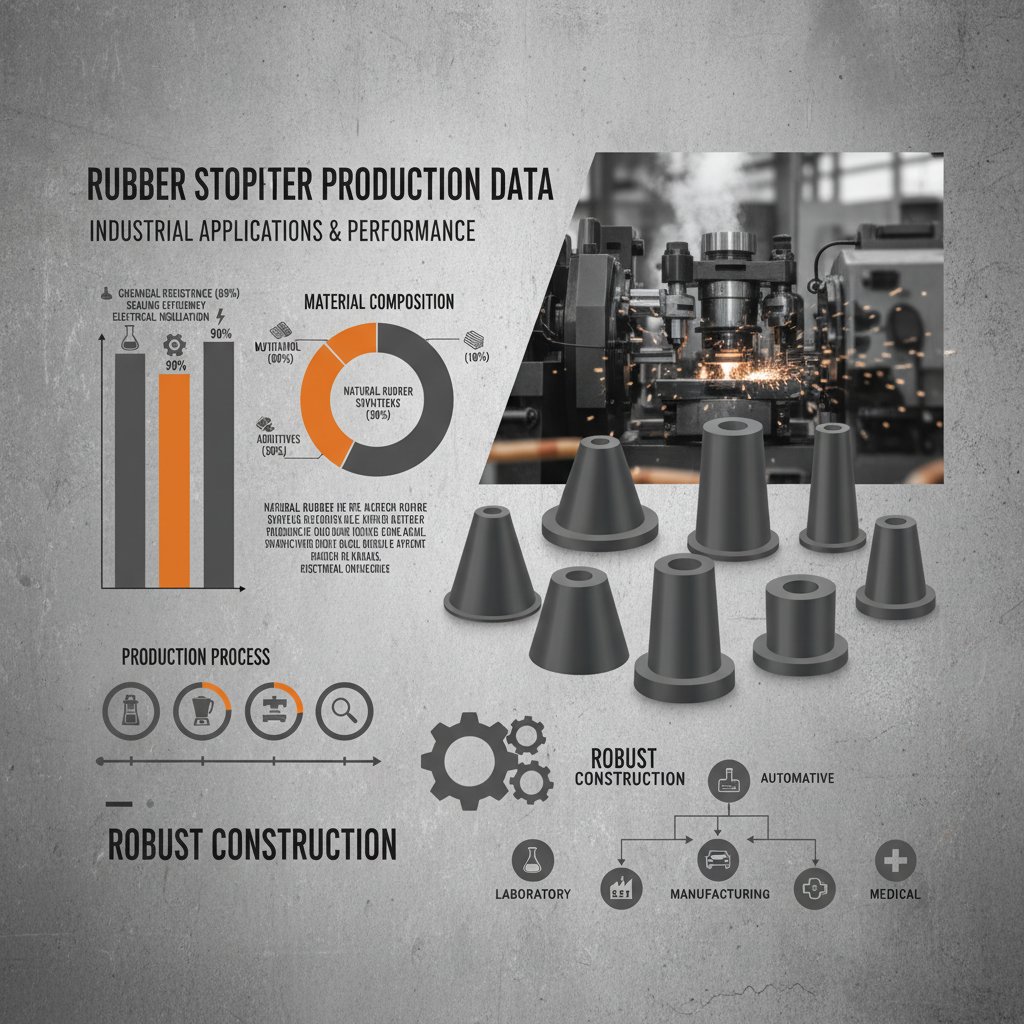
Rubber Stopper Performance by Application
Advantages and Long-Term Value
The immediate benefit is cost savings – a reliable stopper prevents leaks and waste, reducing material loss and rework. But the long-term value goes beyond that. Using high-quality stoppers improves the overall durability and lifespan of whatever you’re sealing, whether it's a concrete structure or a chemical storage tank.
From a sustainability standpoint, reducing waste and extending the life of infrastructure is huge. And from a safety perspective, a reliable seal prevents hazardous leaks and protects workers and the environment. That peace of mind is invaluable.
Future Trends and Innovations in Stopper Technology
We’re seeing a growing trend towards bio-based and biodegradable rubber compounds, offering a more sustainable alternative to traditional synthetic materials. Smart stoppers with embedded sensors are also on the horizon – these could monitor pressure, temperature, and even detect leaks in real-time. That kind of preventative maintenance is a game-changer.
Automation and digital manufacturing are also playing a role, allowing for more precise and consistent stopper production. The ability to customize stoppers on demand, tailored to specific applications, will become increasingly important.
Increased emphasis on stricter regulations and quality standards will drive innovation and a focus on materials traceability.
Challenges and Solutions in Stopper Implementation
One of the biggest challenges is inconsistent quality control. Not all manufacturers adhere to the same standards, leading to variations in performance. That’s where rigorous testing and supplier vetting are crucial. We demand certificates of analysis and conduct our own inspections.
Another challenge is proper installation. Even the best stopper won’t work if it’s not installed correctly. Training personnel and providing clear instructions is essential. We’ve developed installation guides and even on-site training programs for some of our clients.
Finally, the ever-increasing demands for chemical resistance and temperature tolerance require ongoing research and development. We collaborate with material scientists to find new and improved compounds that can meet these challenges.
Key Comparison of Rubber Stopper Materials
| Material Type |
Chemical Resistance |
Temperature Range (°C) |
Typical Application |
| Natural Rubber |
Low |
-50 to 80 |
General Purpose Sealing |
| Neoprene |
Moderate |
-40 to 100 |
Oil and Fuel Resistance |
| Silicone |
Good |
-60 to 200 |
Food and Pharmaceutical |
| EPDM |
Excellent |
-50 to 150 |
Weather and Ozone Resistance |
| Nitrile |
Very Good |
-40 to 120 |
Oil and Solvent Resistance |
| Viton |
Exceptional |
-40 to 200 |
Extreme Chemical Environments |
FAQS
For outdoor projects, EPDM is typically your best bet. It excels in weather resistance – handling UV exposure, ozone, and temperature fluctuations far better than natural rubber or neoprene. It's durable and holds up well to the elements. Proper installation is still key, but the material itself is a solid starting point.
Accurate measurement is vital. Measure the inner diameter of the opening you need to seal. The stopper should fit snugly, but not so tightly that it’s difficult to insert or remove. Consider the shape – tapered stoppers are often used for conical openings. We also recommend checking manufacturer specifications for sizing charts.
It depends on the application and the material. For temporary seals in non-critical applications, reuse may be possible if the stopper isn’t damaged. However, for applications requiring a consistent, reliable seal – like chemical storage – it’s best to replace the stopper each time to avoid any potential leaks or contamination.
Silicone is inert and non-toxic, making it ideal for food contact applications. It’s also temperature resistant, able to withstand both freezing and high heat, and it doesn't impart any taste or odor to the food. These qualities make it a safe and reliable choice for sealing food containers and processing equipment.
Avoid exposing the stopper to harsh chemicals or extreme temperatures it’s not rated for. Store stoppers in a cool, dry place away from direct sunlight. Proper cleaning and maintenance can also extend their lifespan. Inspect stoppers regularly for signs of wear and tear, and replace them when necessary.
Yes, increasingly there are! Bio-based rubber compounds derived from renewable resources are becoming more prevalent. These offer a more sustainable alternative to traditional synthetic rubbers. Also, looking for suppliers with responsible manufacturing practices and waste reduction programs is a good step.
Conclusion
From the seemingly simple act of plugging a hole to maintaining critical processes in diverse industries, rubber stoppers play a far more significant role than many realize. Choosing the right material, ensuring proper sizing, and prioritizing quality control are all crucial for maximizing performance and preventing costly failures. A little attention to detail with these seemingly minor components can have a major impact on project success, safety, and sustainability.
As technology advances and environmental concerns grow, we’ll continue to see innovation in rubber stopper materials and designs. Staying informed about these trends and adopting best practices will be essential for professionals across all industries. For expert advice and a wide range of high-quality rubber stoppers, visit our website: rubber stopper.

 Select Language