Select Language

Modern industrial equipment is becoming faster, more precise, and more automated, which also creates higher requirements for vibration control. Automotive systems, UAV platforms, industrial robots, and precision manufacturing equipment all face challenges caused by mechanical vibration, resonance, and structural noise. For manufacturers, these issues are not only related to product performance but also influence equipment reliability, maintenance cycles, and long-term operating costs.
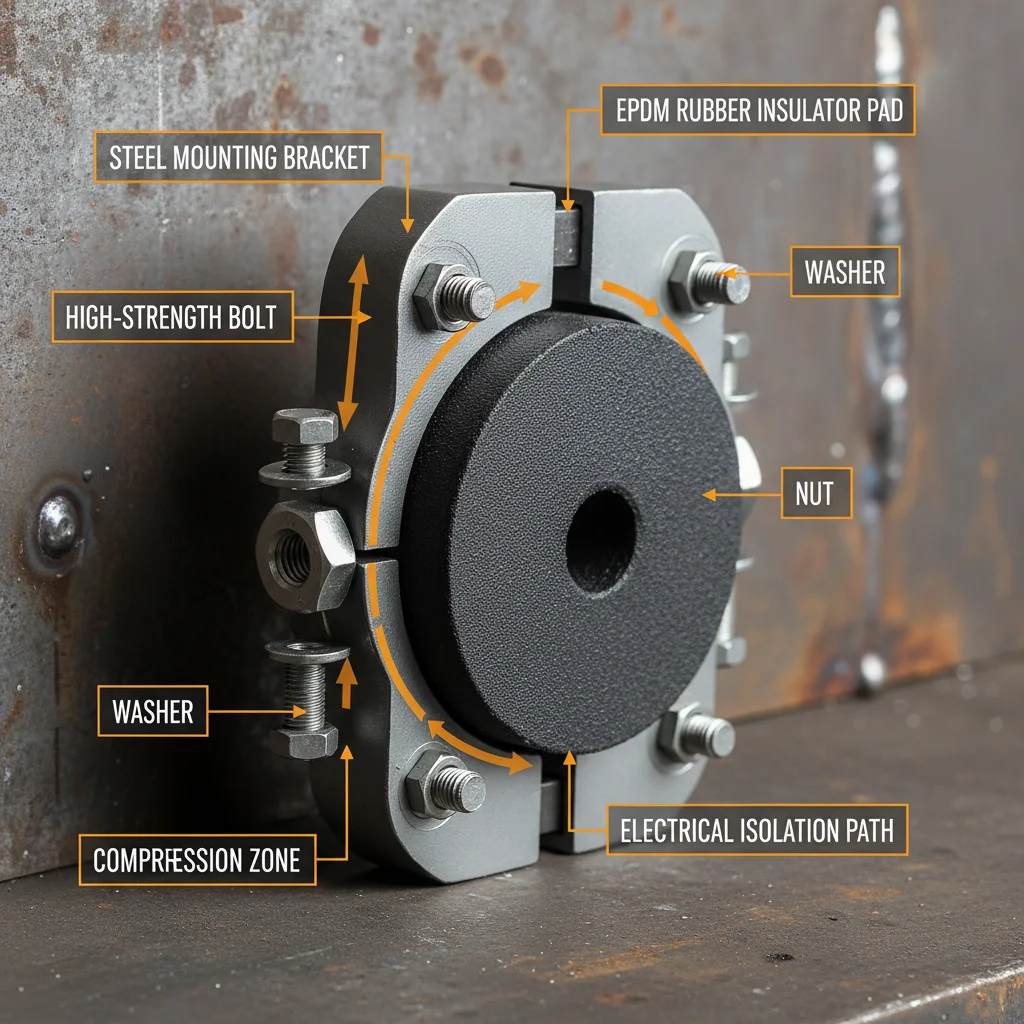
Advanced elastomer solutions such as vibration reduction rubber pad , rubber vibration isolators, and other damping components are increasingly used to control vibration transmission and improve mechanical stability. Through their unique viscoelastic properties, these materials can absorb vibration energy, reduce resonance effects, and protect sensitive components from continuous mechanical stress.
For OEM manufacturers and industrial buyers, choosing suitable damping materials requires consideration of application conditions, load requirements, temperature range, material durability, and production consistency. A well-designed damping solution can help improve equipment accuracy while extending service life in demanding industrial environments.
As industries continue moving toward automation and intelligent manufacturing, high-performance rubber damping materials are becoming an important part of modern engineering design.

With the rapid development of electric vehicles, intelligent manufacturing, and automated equipment, vibration control has become a critical engineering challenge. Although modern machines are designed with higher efficiency and precision, motors, actuators, rotating components, and mechanical movement still generate vibration during operation.
In automotive manufacturing, NVH (Noise, Vibration, and Harshness) performance has become an important factor in vehicle development. The quieter operating characteristics of electric vehicles make certain mechanical vibrations more noticeable, requiring manufacturers to adopt more effective damping solutions. Elastomer components help reduce vibration transmission between different structures, improving driving comfort and protecting vehicle components from long-term mechanical stress.
UAV manufacturers face similar challenges. Propellers, motors, and lightweight structures can generate high-frequency vibration that affects onboard sensors, cameras, and control systems. Without proper vibration isolation, these effects may influence flight stability and equipment accuracy. Rubber vibration isolators provide a flexible connection between vibration sources and sensitive components, helping maintain stable performance during operation.
Industrial robots also depend on effective vibration control. High-speed movement and repeated positioning require mechanical systems to remain accurate over long periods. Damping materials help reduce vibration generated by motors and joints, allowing robotic equipment to maintain consistent performance in automated production environments.
That's why they need a professional UAV accessoriesand robot accessories manufacturer.
Traditional vibration control methods often rely on rigid structures or metal-based components. While these materials provide strong mechanical support, they are less effective at absorbing vibration energy. In many cases, vibration can still travel through connected structures, creating resonance and increasing component fatigue.
This limitation has encouraged manufacturers to develop more advanced functional polymer materials. Compared with rigid materials, elastomers can deform under mechanical forces and recover their original shape, allowing them to absorb and dissipate energy during repeated vibration cycles.
Modern rubber material formulations can be adjusted according to different application requirements. By controlling hardness, elasticity, damping characteristics, and environmental resistance, manufacturers can develop solutions suitable for automotive components, industrial equipment, robotics, and outdoor applications.
For industrial buyers, the advantage of advanced damping materials is not simply vibration reduction. Stable material performance also contributes to lower maintenance requirements, improved equipment reliability, and longer product lifecycles.
The working principle of damping materials is based on the viscoelastic characteristics of elastomers. Unlike rigid materials that mainly transfer mechanical energy, rubber materials can absorb external forces through internal molecular movement.
When equipment generates vibration, elastomer materials deform slightly and convert part of the mechanical energy into heat energy through internal friction. This process reduces vibration amplitude and prevents excessive energy from spreading through the equipment structure.
A damping pad vibration reduction solution uses this principle to improve vibration isolation between connected components. The performance of the damping pad depends on factors suach as material formulation, thickness design, compression rate, and working environment.
In precision machinery, this vibration control capability helps protect sensitive components from mechanical disturbance. In industrial automation systems, it supports more stable operation by reducing unwanted movement during high-speed processes.
For manufacturers designing equipment that requires long-term accuracy, selecting the correct damping material is an important part of the overall engineering process.
Industrial equipment is often required to operate in environments with significant temperature changes. Outdoor machinery, transportation systems, and specialized industrial devices may experience both extreme heat and cold during daily operation.
Conventional rubber materials may become harder at low temperatures or lose elasticity after prolonged exposure to heat. Therefore, advanced damping materials need carefully developed formulations to maintain stable performance across different conditions.
High-quality elastomer solutions such as rubber vibration isolators provide consistent flexibility, compression recovery, and damping performance even when environmental conditions change. This makes them suitable for applications where equipment reliability cannot depend on stable indoor conditions.
For global manufacturers, temperature resistance is an important factor when selecting damping components because material degradation can directly affect equipment performance and service life.
As industries continue moving toward automation, electrification, and precision manufacturing, vibration control will remain an important part of product design. Modern equipment requires materials that can provide multiple functions, including vibration absorption, noise reduction, sealing protection, and environmental resistance.
Solutions based on vibration reduction rubber pad, rubber vibration isolators, damping pad vibration reduction, and floor vibration dampers are helping manufacturers improve equipment performance across different industries.
For companies developing automotive systems, UAV platforms, robotics, and industrial machinery, the selection of damping materials directly affects product quality and reliability. Beyond basic vibration isolation, advanced elastomer technology provides a foundation for creating products that can operate more efficiently in increasingly complex environments.
With experience in rubber material development and precision manufacturing, Sunlite focuses on providing elastomer solutions that meet the requirements of global industrial applications. Through optimized material performance and application-oriented design, high-quality damping components continue to support the development of more reliable and durable industrial products.