In the demanding world of industrial vibration control and electrical isolation, the insulator EPDM pad stands as a critical component for ensuring operational stability. These specialized Ethylene Propylene Diene Monomer rubber pads are engineered to absorb kinetic energy and prevent electrical leakage, making them indispensable in high-precision manufacturing and infrastructure projects globally.
The global shift toward smarter cities and more complex industrial automation has amplified the need for reliable dampening solutions. Without a high-quality insulator EPDM pad, sensitive electronic components in rail transit or UAV systems would be susceptible to premature wear and catastrophic failure due to harmonic resonance and environmental stress.
Understanding the nuances of material science behind these pads allows engineers to optimize the lifespan of their machinery. By integrating the correct insulator EPDM pad, companies can significantly reduce maintenance costs, enhance safety protocols, and ensure that their equipment adheres to rigorous international ISO and safety standards.
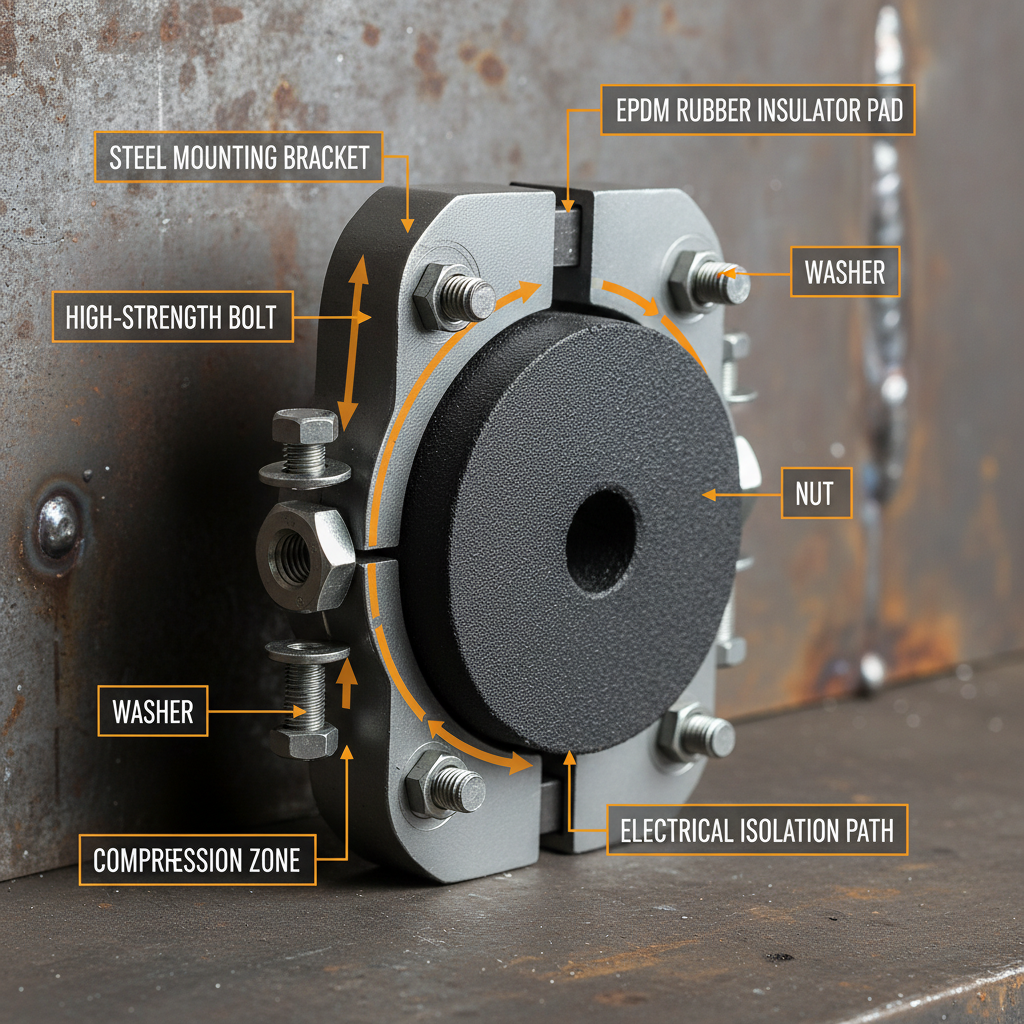
Global Relevance of insulator EPDM pad
The global industrial landscape is currently witnessing an unprecedented surge in the deployment of high-voltage equipment and precision robotics. Within this context, the insulator EPDM pad has evolved from a simple accessory to a strategic asset. As urban centers expand and the demand for rail transit and UAV infrastructure grows, the necessity for materials that can withstand extreme weather while providing superior dielectric strength has become paramount.
Industry statistics indicate that vibration-related failures account for a significant percentage of unplanned downtime in manufacturing. By utilizing a certified insulator EPDM pad, enterprises can align their operations with ISO quality management systems, ensuring that the thermal expansion and contraction of components do not compromise the structural integrity of the overall system.
Defining the Technicality of insulator EPDM pad
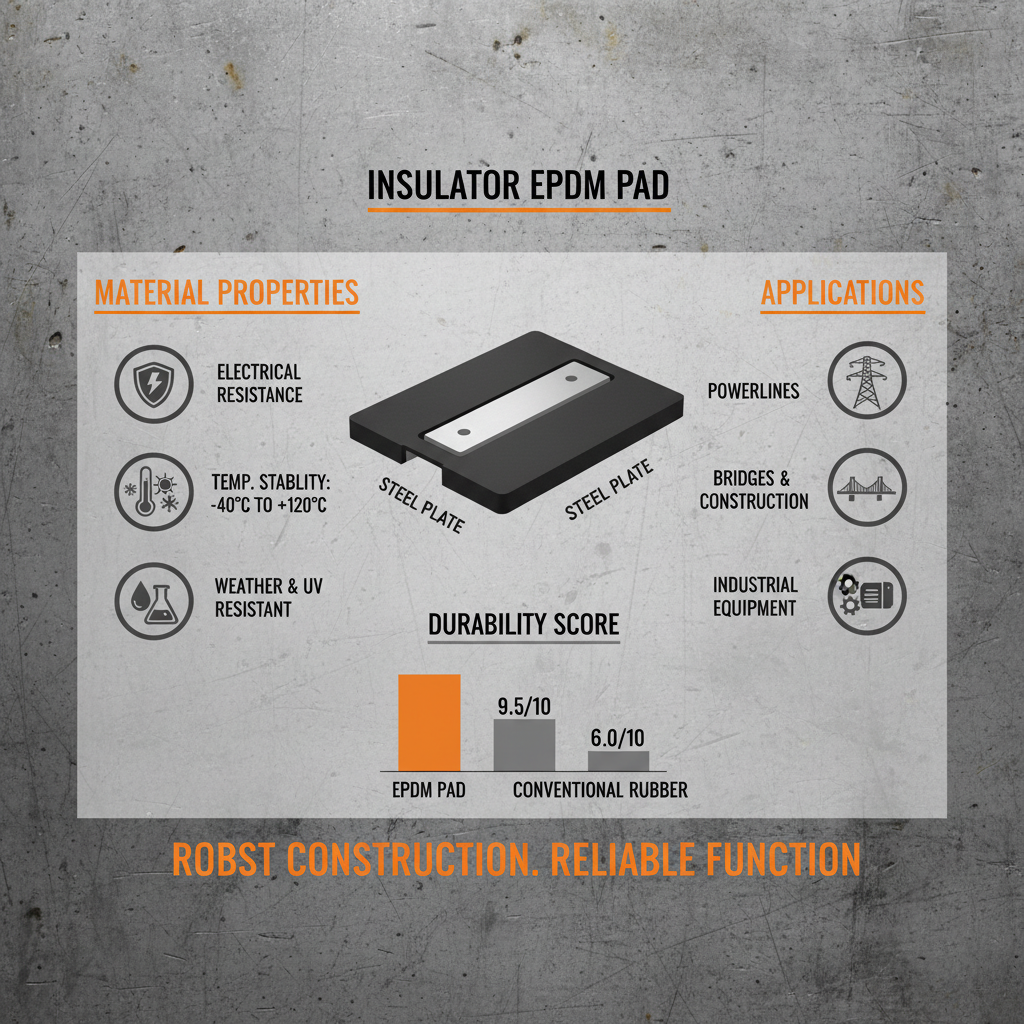
An insulator EPDM pad is a high-performance elastomer component made from Ethylene Propylene Diene Monomer. This specific chemical composition grants the pad a unique ability to resist ozone, UV radiation, and heat, which are the primary killers of standard rubber products. In simpler terms, it acts as a protective cushion that prevents electrical current from jumping between surfaces while simultaneously absorbing mechanical shocks.
The connection between these pads and modern industry is rooted in the need for "silent" and "safe" operation. Whether it is in the chassis of a modern electric vehicle or the foundation of a heavy-duty industrial transformer, the insulator EPDM pad ensures that energy—whether electrical or kinetic—is managed efficiently without damaging the surrounding hardware.
Beyond the technical specifications, these pads address a fundamental humanitarian need for safety in public infrastructure. By preventing short circuits and reducing noise pollution in residential areas adjacent to rail transit lines, the insulator EPDM pad contributes to a safer and more livable urban environment.
Core Performance Factors of EPDM Insulation
The durability of an insulator EPDM pad is primarily defined by its resistance to environmental degradation. Unlike natural rubber, EPDM does not crack when exposed to sunlight or harsh chemicals, which is essential for outdoor applications in civil engineering and traffic management.
Dielectric strength is another critical factor. A premium insulator EPDM pad must maintain high electrical resistance even under compression. This ensures that the pad does not become conductive over time, maintaining a foolproof barrier between energized components and the grounded chassis.
Cost-efficiency is realized through the extended replacement cycles. Because the insulator EPDM pad maintains its elasticity over decades, the total cost of ownership for the machinery is drastically reduced, providing a sustainable economic model for large-scale infrastructure projects.
Industrial Applications and Use Cases
In real-world contexts, the insulator EPDM pad is utilized across a vast spectrum of industries. In the rail transit sector, these pads are placed beneath heavy electrical cabinets to decouple the electronics from the vibration of the tracks. Similarly, in the UAV and robot sectors, they protect sensitive sensors from the high-frequency vibrations generated by motors.
Regionally, in areas with extreme climatic shifts—such as Northern Europe or Southeast Asia—the thermal stability of the insulator EPDM pad prevents the material from becoming brittle in the cold or overly soft in the heat, ensuring consistent insulation performance regardless of the geography.
Performance Comparison of insulator EPDM pad Variations
Long-Term Value and Reliability
The tangible benefits of investing in a high-grade insulator EPDM pad extend beyond simple hardware protection. From a logical standpoint, the reliability of the insulation reduces the risk of electrical fires and system shorts, which are critical for safety compliance in specialty cable and electric tool manufacturing.
From an emotional angle, the use of these pads instills trust in the end-user. Whether it is a homeowner using a sanitary ware pump or a technician operating a robot, the absence of jarring vibrations and the assurance of electrical safety create a sense of quality and professional innovation.
Future Innovations in Rubber Insulators
Looking ahead, the evolution of the insulator EPDM pad is closely tied to the green energy transition. New formulations are being developed to integrate graphene or other conductive fillers in a controlled manner, allowing for "smart" pads that can sense pressure or temperature changes and report them back to a central monitoring system.
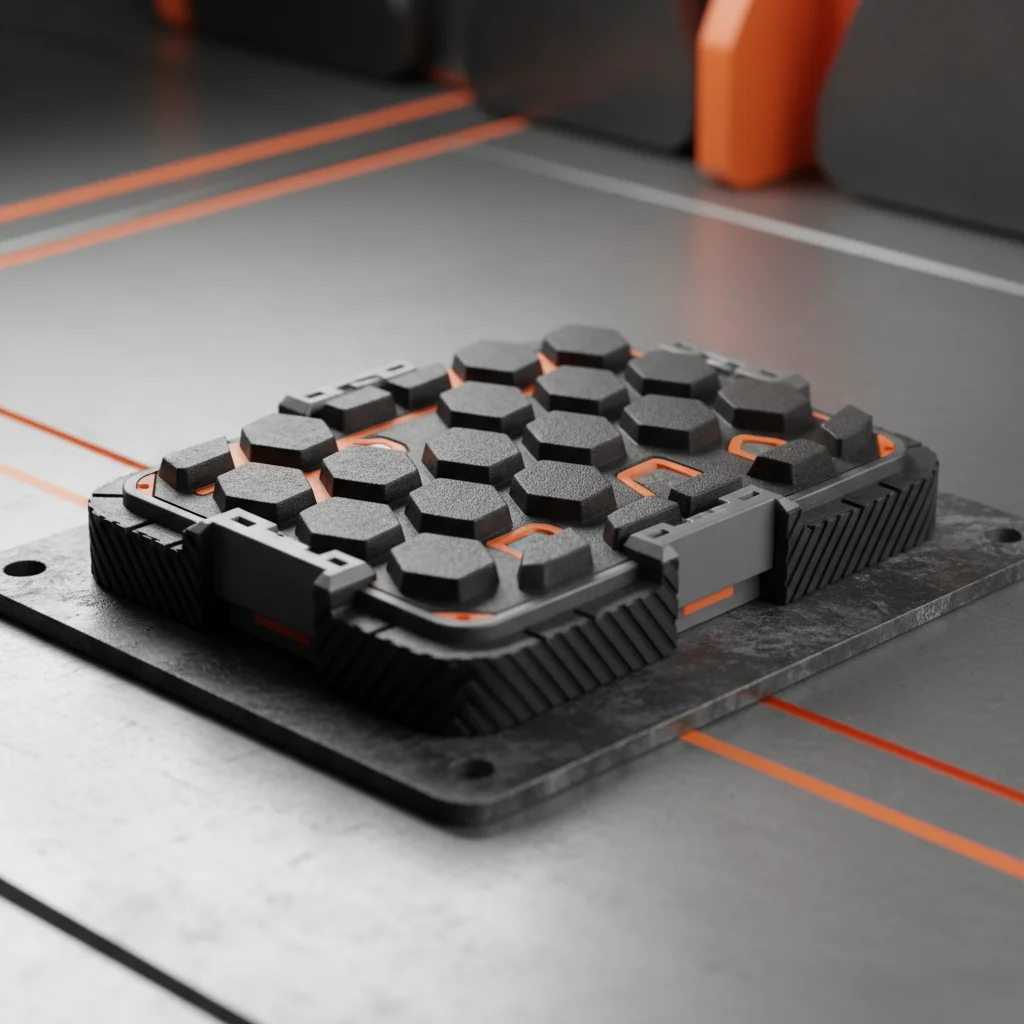
Digital transformation is also playing a role in the manufacturing process. Using AI-driven molding, manufacturers can now create an insulator EPDM pad with variable density, meaning the pad is stiffer at the edges and softer in the center to optimize vibration absorption for specific machine frequencies.
Sustainability is the final frontier. The industry is moving toward bio-based EPDM alternatives and circular economy models where old insulator EPDM pad components are collected and recycled into lower-grade industrial flooring, reducing the overall carbon footprint of the rubber industry.
Overcoming Implementation Challenges
One of the most common limitations in current practice is the "incorrect hardness" selection. Many engineers choose a generic insulator EPDM pad without calculating the specific load-bearing requirements, leading to either bottoming-out (too soft) or insufficient vibration dampening (too hard).
To overcome this, we recommend a data-driven approach involving Shore A hardness testing and compression set analysis. By matching the insulator EPDM pad specifications to the exact weight and frequency of the equipment, the efficiency of the insulation can be improved by up to 40%.
Additionally, the challenge of adhesive bonding in oily environments can be solved through the use of plasma surface treatment. This ensures that the insulator EPDM pad remains firmly in place even in the harshest automotive or industrial settings, preventing shifts that could lead to electrical arcing.
Technical Specification Analysis of insulator EPDM pad
| Material Grade |
Temperature Range |
Dielectric Strength |
Typical Lifespan |
| Standard EPDM |
-40°C to +120°C |
Medium |
5-8 Years |
| High-Temp EPDM |
-30°C to +150°C |
High |
10-12 Years |
| Industrial Grade |
-50°C to +100°C |
Very High |
15+ Years |
| Oil-Resistant EPDM |
-20°C to +110°C |
Medium |
7-10 Years |
| Weather-Proof EPDM |
-60°C to +130°C |
High |
12-15 Years |
| Precision Cut EPDM |
-40°C to +120°C |
Custom |
8-10 Years |
FAQS
The primary advantage lies in the chemical structure of EPDM. Unlike standard rubber, an insulator EPDM pad is specifically engineered to resist ozone, weather, and heat. This prevents the material from hardening or cracking over time, ensuring that its electrical insulation properties and vibration-dampening capabilities remain intact even in outdoor or high-temperature industrial environments.
Depending on the grade and the specific environmental stressors, a high-quality insulator EPDM pad can last between 10 to 20 years. Its inherent resistance to UV radiation and extreme temperature fluctuations makes it ideal for civil engineering and traffic infrastructure, where replacement costs are high and longevity is a priority.
Yes, that is the dual-purpose nature of the product. The EPDM material provides high dielectric strength to prevent electrical conductivity, while its elastomeric properties allow it to absorb mechanical energy and vibrations. This makes it a "two-in-one" solution for protecting sensitive electrical equipment from both shocks and shorts.
Choosing the right hardness depends on the load of your equipment. For heavy machinery, a higher Shore A (stiffer) insulator EPDM pad is required to prevent total compression. For sensitive electronics or low-weight components, a lower Shore A (softer) pad is better for maximizing vibration isolation. We recommend calculating the static load per square inch before selection.
While thermoset rubber is traditionally difficult to recycle, new advancements in the industry are introducing "devulcanization" processes. Many manufacturers are now producing insulator EPDM pads that can be ground down and reused in asphalt or flooring materials, significantly reducing the environmental impact compared to traditional landfill disposal.
Customization typically involves providing technical drawings (CAD files) and specifying the required Shore A hardness and dielectric strength. Once the sample is approved, mass production is handled under ISO quality standards. Importing these components is generally straightforward as they are classified as industrial rubber parts, but ensure they meet the specific safety certifications (like UL or CE) required in your region.
Conclusion
The insulator EPDM pad is far more than a simple piece of rubber; it is a sophisticated engineering tool that bridges the gap between electrical safety and mechanical stability. By combining exceptional weather resistance, high dielectric strength, and superior dampening properties, these pads ensure that our global infrastructure—from rail transit to UAVs—operates with maximum efficiency and minimum risk.
As we move toward a future of smarter, greener, and more automated industry, the role of advanced elastomers will only grow. We suggest that engineers and procurement managers prioritize material quality and precise specification over lowest-cost options to ensure long-term operational reliability. To explore high-performance isolation solutions, visit our website: www.sunlitetek.com.

 Select Language