To be honest, these days everyone's talking about prefabrication, modular stuff. Not just houses, but entire sections of buildings, even data centers. It's all about speed, right? Getting things up faster, cheaper. And, well, less reliant on having a whole crew of skilled labor on site. But you spend enough time on construction sites, like I do, and you see how quickly 'faster' and 'cheaper' can turn into 'more headaches'. It’s always the details, isn’t it?
Have you noticed how everyone wants everything thinner, lighter? Especially with these new composite materials. It *looks* good on paper, reduces shipping costs, makes installation easier… but then you’re handling it in the wind and it feels like it’s going to snap. I encountered this at a factory in Ningbo last time; they were so proud of their new lightweight panels, but the installers were complaining they were bending just carrying them.
Anyway, I think a lot of folks underestimate how crucial the vulcanize rubber parts are in all this. Not just the big, obvious seals, but the little vibration dampeners, the gaskets around windows and doors, the grommets for wiring… They’re the things that actually *make* a modular building feel solid, weatherproof, and, frankly, not rattle apart.
The Rising Demand for Vulcanize Rubber Parts in Modern Construction
Strangely, with all the high-tech materials coming out, the demand for good old vulcanize rubber parts hasn’t gone down. In fact, it’s increased. That’s because, no matter how fancy the materials, you still need something flexible to seal gaps, absorb vibration, and prevent corrosion. It’s the unsung hero of modern building, honestly.
Prefabrication needs these parts *more* than traditional construction, because you’re joining sections made in different places. Those joints have to be airtight and waterproof, and that means good seals, and those seals? Usually vulcanize rubber.
Design Pitfalls and Common Mistakes
I see a lot of engineers try to skimp on these parts, thinking ‘it’s just a gasket.’ Big mistake. Undersized gaskets leak. Too-stiff grommets crack. The wrong compound for the environment degrades quickly. I once saw an entire project delayed because they used a rubber that wasn’t UV resistant, and it crumbled within months of installation.
Another common issue is neglecting the compression set. You need to account for how much the rubber will compress over time and still maintain a seal. A cheap rubber will flatten out, leaving gaps. It's not just about the initial fit; it’s about long-term performance.
And don’t even get me started on the tolerances. Everything has to fit *precisely*. You can't just assume a rubber part will magically fill a gap. Precise dimensions are key!
Materials Deep Dive: From Raw Compound to Finished Product
You wouldn't believe the variety of compounds they use. Natural rubber still has its place, especially for heavy-duty applications where abrasion resistance is critical. But you've got EPDM for weather resistance, silicone for high temperatures, neoprene for oil resistance… and then a million blends in between. It smells different, feels different, stretches differently. I can usually tell what a rubber part is made of just by the smell and feel. Seriously.
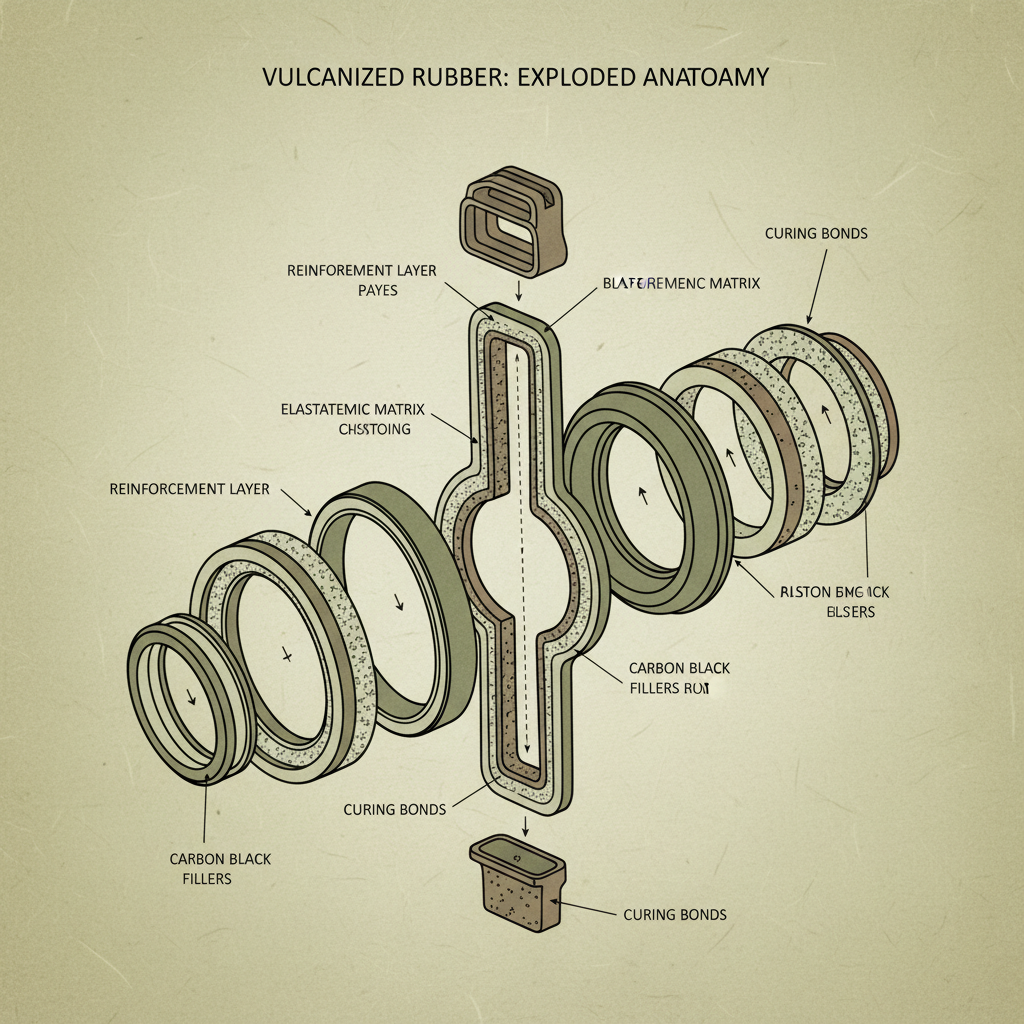
The compounding process is where the magic happens. That’s where they add the fillers, plasticizers, curing agents, and other ingredients to get the desired properties. It’s not just about the base polymer; it's about the whole recipe. And getting that recipe right takes experience and expertise. I've been to places where they treat the compound like a secret sauce, guarded more closely than the Colonel's eleven herbs and spices.
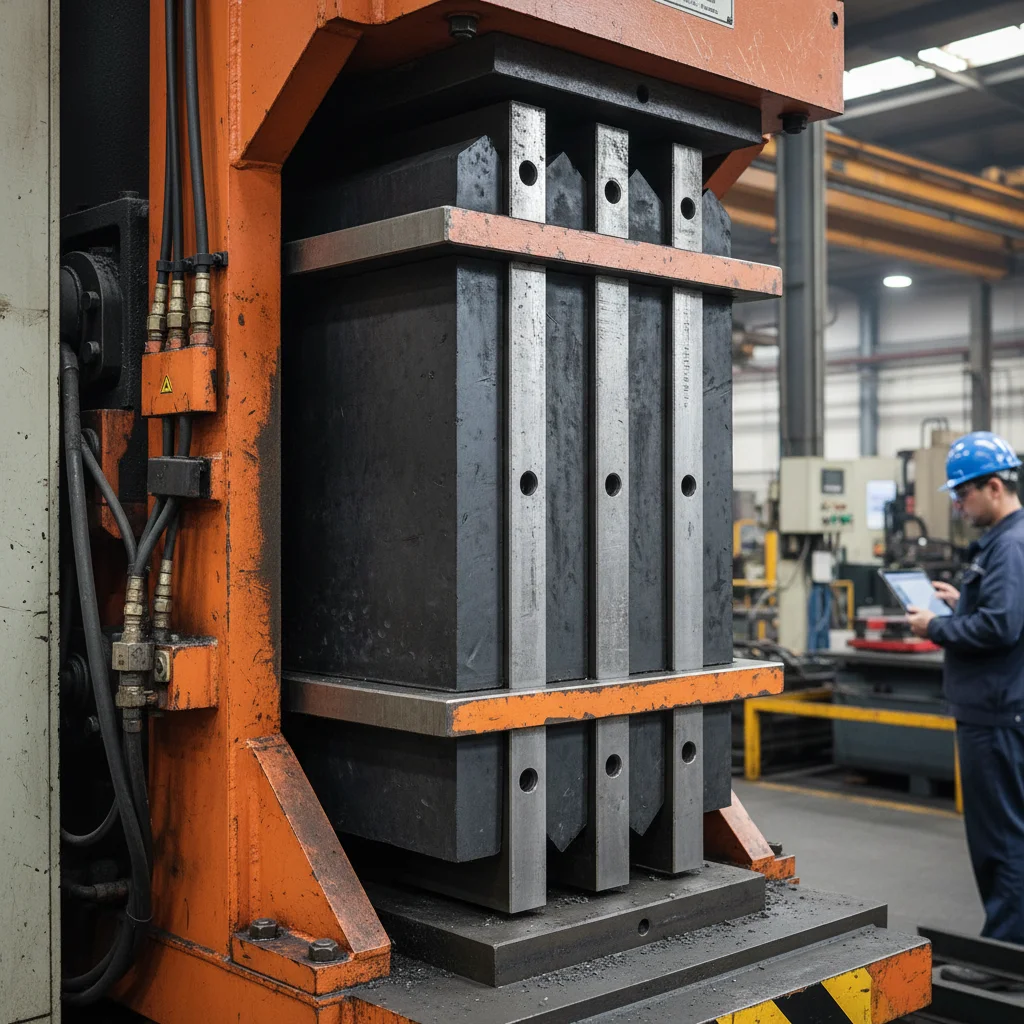
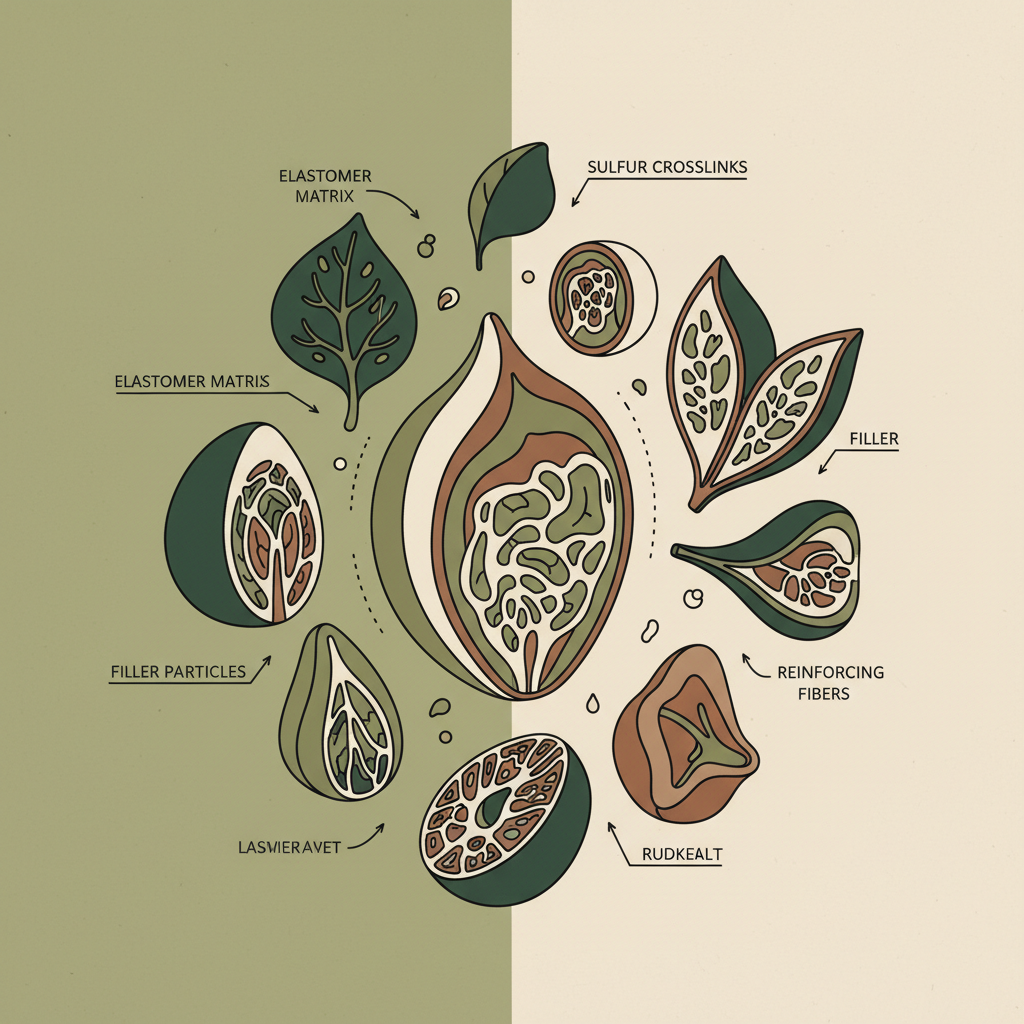
Then there's the vulcanization process itself. That's where you heat the rubber with sulfur to cross-link the polymer chains, making it strong and elastic. You have to control the temperature and pressure precisely, otherwise you end up with a brittle mess or an under-cured blob. It’s an art, really.
Real-World Testing: Beyond the Lab
Lab tests are fine, but they don’t tell the whole story. I’ve seen rubber parts pass every lab test and then fail miserably on site. That’s why I always push for real-world testing. Expose the parts to sunlight, rain, extreme temperatures, and physical stress.
We’ve started doing more on-site pull tests, just to verify the holding strength of anchors and seals. And we do a lot of visual inspections, looking for signs of cracking, degradation, or deformation. It’s old-fashioned, but it works.
Vulcanize Rubber Parts Performance Ratings
User Applications: Expect the Unexpected
People use these parts in ways you wouldn’t believe. I had a client who was using rubber grommets to soundproof a recording studio. Another one was using rubber seals to create a waterproof enclosure for outdoor electronics. It’s always something creative and unexpected.
What surprises me is how often they’re used for temporary fixes. ‘Just needs to hold for a week’ turns into six months. I always tell them, if you’re going to use it, use the right part for the long haul. Don’t cheap out.
Advantages, Disadvantages, and Customization Options
The advantage of vulcanize rubber is obvious: it’s durable, flexible, and relatively inexpensive. It handles extreme weather, resists chemicals, and provides excellent vibration damping.
The disadvantages? Well, it can degrade over time, especially when exposed to UV light and ozone. It can also be susceptible to tearing and abrasion if the wrong compound is used. And, frankly, it’s not the most environmentally friendly material. But there’s a lot of research going into sustainable rubber alternatives, which is good.
Customization is key. You can tailor the compound, shape, size, and color to meet specific requirements. For example, we had a client who needed a custom-shaped gasket for a curved window. We worked with the manufacturer to develop a unique mold and compound that met their exact specifications.
A Customer Story: The Debacle
Last month, that small boss in Shenzhen who makes smart home devices – real sharp guy, always pushing the limits – insisted on changing the interface on his weatherproof enclosures to . Said it was ‘future-proof’. I tried to warn him, told him the rubber seal around the port would be a nightmare to design and manufacture to keep out water. He wouldn’t listen.
He wanted a sleeker design, smaller profile. We spent weeks prototyping different seals, different rubber compounds… nothing worked perfectly. The initial tests looked good, but after a few cycles of wetting and drying, water started seeping in. He lost a whole batch of enclosures, costing him a fortune. He finally caved and went back to the old micro-USB design.
Later… Forget it, I won't mention it. But the point is, sometimes the simplest solution is the best.
Key Performance Indicators of Vulcanize Rubber Parts
| Material Compound |
Environmental Resistance |
Tensile Strength (MPa) |
Compression Set (%) |
| Natural Rubber |
Moderate |
20 |
25 |
| EPDM |
Excellent |
15 |
18 |
| Silicone |
Excellent |
11 |
12 |
| Neoprene |
Good |
18 |
20 |
| Nitrile Rubber |
Moderate |
16 |
22 |
| Viton |
Excellent |
14 |
15 |
FAQS
The lifespan really depends on the environment. UV exposure, temperature swings, and chemical exposure all play a role. Generally, you’re looking at anywhere from 5 to 15 years, but a well-formulated compound and proper installation can extend that considerably. We always recommend regular inspections and replacements as needed. It's not a 'set it and forget it' kind of thing.
That’s a great question, and it's where experience comes in. You need to consider the temperature range, the chemicals it will be exposed to, the amount of abrasion, and the desired flexibility. EPDM is great for weather resistance, Viton for harsh chemicals, and natural rubber for high abrasion. We usually start by understanding your environment and then recommending a suitable compound.
Recycling rubber is tricky. It's not as straightforward as plastic or metal. Some rubber can be ground up and used in asphalt or playground surfaces, but it's not a closed-loop system. There’s a lot of research going into more sustainable rubber recycling methods, but it’s still a challenge.
Premature failure usually comes down to a few things: improper installation, the wrong rubber compound, exposure to incompatible chemicals, or physical damage. Over-compression or under-compression during installation can also cause issues. It is often a combination of all these things! You have to be careful, and don't rush.
Absolutely! We can add pigments to the rubber compound to achieve a wide range of colors. It's often done for aesthetic reasons or to differentiate between different parts. Keep in mind that some pigments can affect the rubber's properties, so we need to carefully consider the application.
Lead times depend on the complexity of the part, the quantity, and the availability of materials. For simple parts, we can often deliver within 2-3 weeks. More complex designs or large orders can take 6-8 weeks or longer. It’s best to get in touch with us early in your design process to discuss your requirements and get an accurate estimate.
Conclusion
Ultimately, vulcanize rubber parts are the silent workhorses of modern construction. They may not be glamorous, but they're essential for ensuring the durability, weather resistance, and safety of buildings and infrastructure. Choosing the right compound, designing properly, and paying attention to the details can make all the difference.
Don’t underestimate the importance of these small but critical components. And remember, whether this thing works or not, the worker will know the moment he tightens the screw.

 Select Language