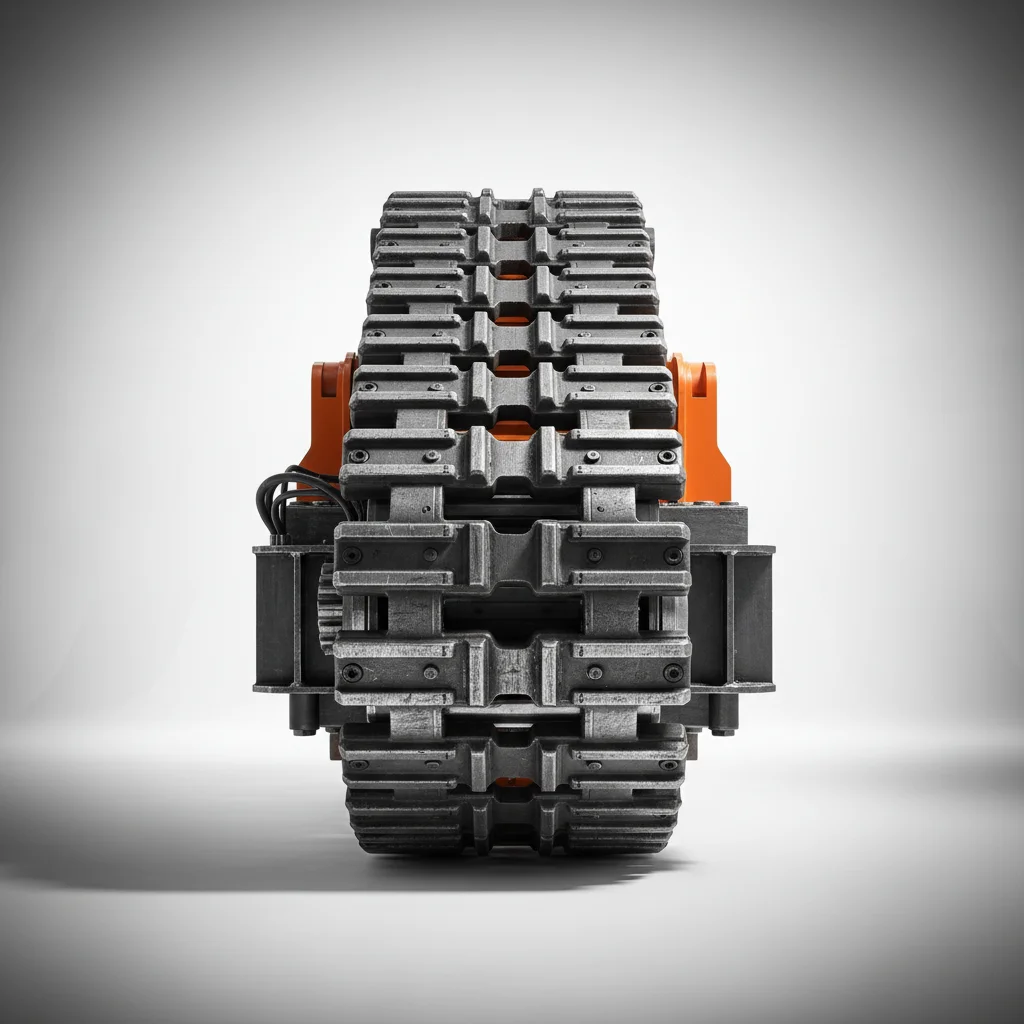
Heavy duty robot tracks are becoming increasingly vital in a world demanding robust and adaptable robotic solutions. From navigating challenging terrains in disaster relief to streamlining operations in demanding industrial environments, these tracks offer a superior locomotion system for robots tasked with heavy loads and complex maneuvers. Understanding their design, capabilities, and future potential is crucial for engineers, researchers, and anyone involved in the rapidly evolving field of robotics.
The global robotics market is experiencing exponential growth, driven by advancements in automation and artificial intelligence. According to a recent report by the International Federation of Robotics (IFR), robot density in manufacturing increased to 141 robots per 10,000 workers in 2022. This surge in demand necessitates robust and reliable mobility solutions, making heavy duty robot tracks a critical component. This technology isn’t limited to industrial applications; its role is expanding in sectors like agriculture, security, and exploration.
The need for robots that can operate reliably and efficiently in diverse and often harsh environments is a primary driver for the development and refinement of heavy duty robot tracks. Traditional wheeled robots often struggle with uneven surfaces, obstacles, and steep inclines. These tracks offer increased stability, traction, and load-carrying capacity, addressing these limitations and expanding the range of possible applications for robotic systems.
Introduction to heavy duty robot tracks
Heavy duty robot tracks are specialized locomotion systems designed to provide robots with exceptional stability, traction, and the ability to traverse challenging terrains. Unlike wheeled robots, tracked robots distribute their weight over a larger surface area, reducing ground pressure and minimizing the risk of getting stuck in soft or uneven environments. heavy duty robot tracks are essential where maneuverability and payload capacity are paramount.
These tracks are engineered to withstand significant loads and stresses, making them ideal for applications involving heavy equipment, materials transport, and demanding operational conditions. They are a critical technology in the evolution of mobile robotics, enabling machines to perform tasks previously impossible or impractical for traditional robotic platforms.
Defining Heavy Duty Robot Tracks
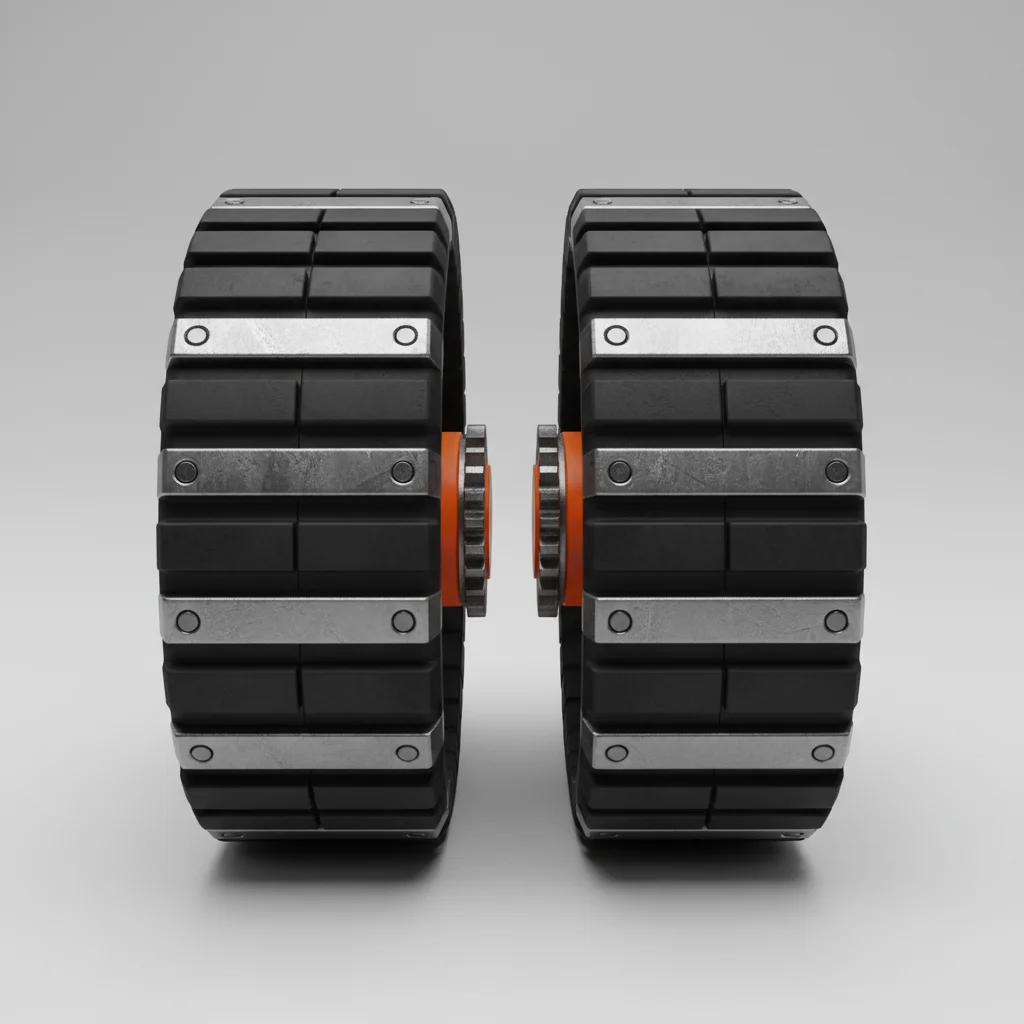
Heavy duty robot tracks are continuous, flexible tracks that wrap around the wheels or sprockets of a robotic platform, providing a large contact area with the ground. This design dramatically increases traction and distributes the robot's weight, enabling it to navigate obstacles and uneven terrain with greater ease. They are distinguishable from lighter-duty track systems by their robust construction, utilizing durable materials and reinforced designs to support substantial loads.
The concept stems from the tracked vehicles used in military and construction applications, adapted and refined for the unique requirements of robotic systems. Modern heavy duty robot tracks often incorporate advanced materials, such as high-strength polymers, composite materials, and specialized rubber compounds, to maximize performance and durability.
Their use extends beyond simply mobility; they enable robots to accomplish tasks critical in modern industry and humanitarian efforts. From inspecting pipelines in hazardous environments to delivering supplies in disaster zones, heavy duty robot tracks provide the necessary foundation for robust and reliable robotic operations.
Core Components of Robust Track Systems
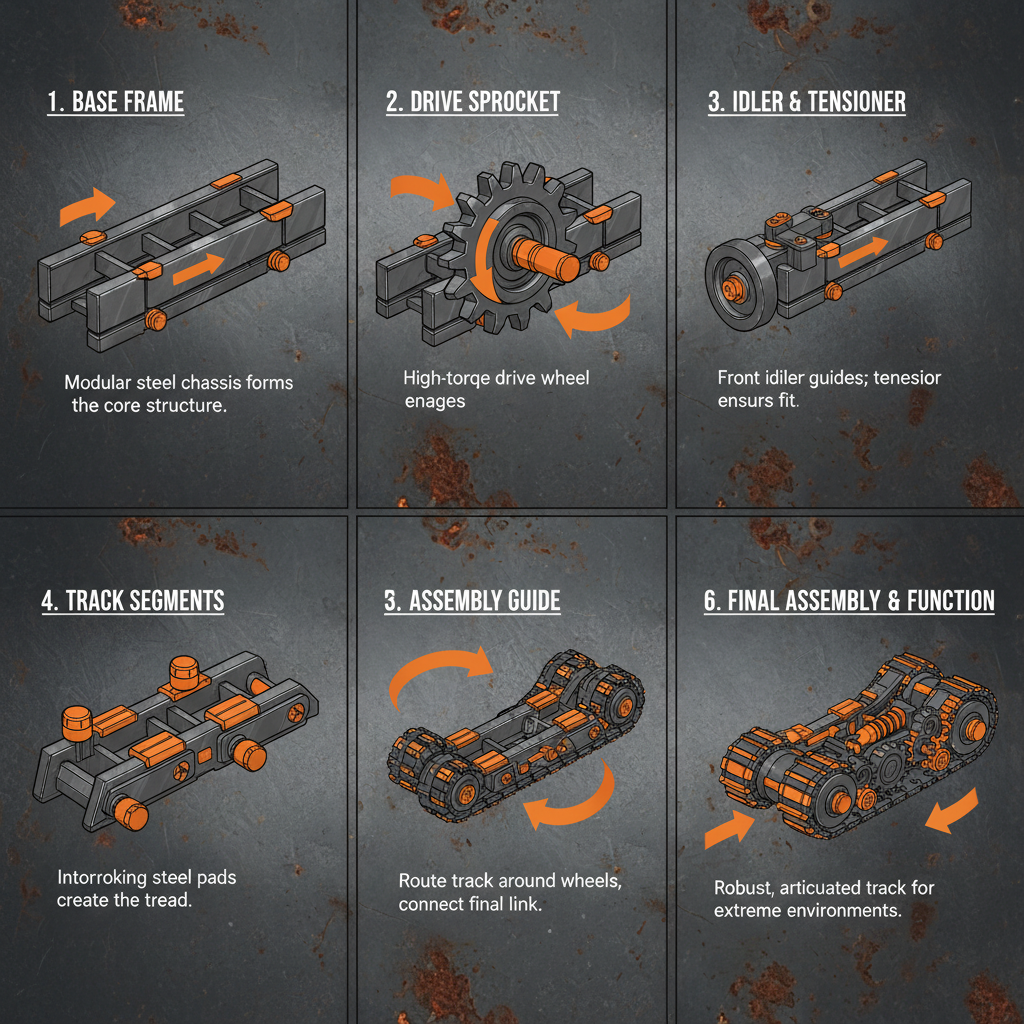
The performance of heavy duty robot tracks relies on several key components working in harmony. Firstly, the track itself, typically constructed from interconnected segments, needs to be durable and resistant to wear and tear. The material selection – often a specialized rubber or polymer composite – is critical. Secondly, the drive sprockets, which engage with the track to propel the robot, must be precisely engineered to ensure efficient power transfer.
A crucial element is the suspension system, which absorbs shocks and maintains consistent track tension. Effective suspension design is paramount for navigating rough terrain and preventing track slippage. Finally, the track tensioning mechanism is vital for ensuring proper track alignment and preventing premature wear. These elements, when optimized, deliver a reliable and efficient locomotion solution.
Beyond these core components, the overall design and integration of the track system with the robotic chassis are essential. Factors like track width, length, and the number of links all contribute to the robot's stability, maneuverability, and load-carrying capacity. A well-designed system accounts for these interdependencies to achieve optimal performance.
Key Performance Indicators for heavy duty robot tracks
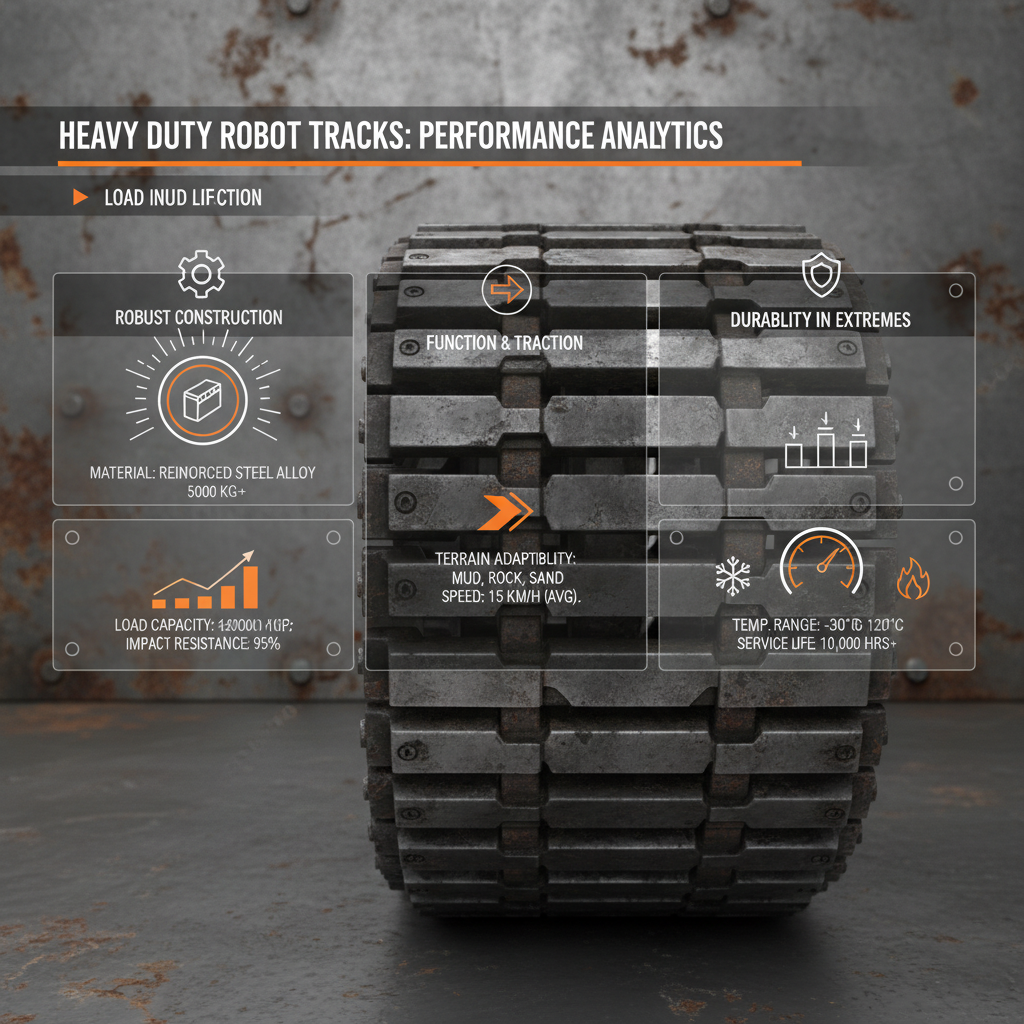
Evaluating the effectiveness of heavy duty robot tracks requires consideration of several key performance indicators (KPIs). One critical KPI is traction force, measuring the amount of force the tracks can exert without slipping. This is directly related to the track material, design, and the surface it's operating on. Another important metric is ground pressure, representing the weight of the robot distributed over the contact area with the ground. Lower ground pressure indicates better performance on soft or unstable surfaces.
Durability and wear resistance are also crucial KPIs. The tracks must withstand repeated stress, abrasion, and environmental factors without significant degradation. Load capacity, the maximum weight the tracks can support, is a primary consideration for applications involving heavy payloads.
Comparison of heavy duty robot tracks Performance Metrics
Real-World Applications of heavy duty robot tracks
Heavy duty robot tracks are employed across a diverse range of industries and applications. In agriculture, tracked robots are used for tasks such as harvesting, planting, and crop monitoring, navigating uneven fields and carrying heavy loads. In construction, they provide a stable platform for demolition, material handling, and site inspection.
In post-disaster relief operations, these tracks allow robots to access damaged areas and deliver critical supplies, even in challenging terrain. They are also utilized in military and security applications, providing a robust and reliable locomotion system for surveillance, reconnaissance, and bomb disposal robots.
Advantages and Long-Term Value
The adoption of heavy duty robot tracks offers significant advantages, including enhanced stability, improved traction, and increased load-carrying capacity. This translates to greater operational efficiency, reduced downtime, and the ability to tackle tasks that are impossible for traditional wheeled robots. From a sustainability perspective, the increased efficiency reduces energy consumption and minimizes environmental impact.
The long-term value extends beyond operational benefits. Investing in robust robotic systems equipped with high-quality tracks enhances reliability, reduces maintenance costs, and increases the overall return on investment. Moreover, the enhanced safety provided by stable and capable robots minimizes risks to human personnel in hazardous environments, promoting a culture of worker wellbeing.
Future Trends and Innovations
The future of heavy duty robot tracks is focused on materials science, advanced design, and integration with smart technologies. Researchers are exploring new materials, such as shape memory alloys and self-healing polymers, to create tracks that are even more durable and resilient. Adaptive track designs, which can adjust their shape and properties based on terrain conditions, are also under development.
Integration with artificial intelligence and machine learning algorithms will enable robots to optimize track performance in real-time, adapting to changing conditions and maximizing efficiency. Furthermore, advancements in energy storage and propulsion systems will contribute to more sustainable and environmentally friendly robotic solutions. The development of biodegradable or easily recyclable track materials will further address sustainability concerns.
The drive towards greater autonomy and the demand for robots capable of operating in increasingly complex environments will continue to fuel innovation in heavy duty robot tracks, solidifying their role as a critical component of the future robotics landscape.
FAQS
Heavy duty robot tracks are typically constructed from a combination of materials, including high-strength polymers, reinforced rubber compounds, and sometimes metal components like steel or aluminum. The specific materials used are selected based on the intended application and the desired performance characteristics, such as durability, traction, and resistance to environmental factors. The track links are often made of a durable polymer, while internal reinforcement might include steel cables or belts to enhance tensile strength.
Heavy duty robot tracks excel on steep inclines and uneven terrain due to their large contact area and distributed weight. This design significantly improves traction and reduces the risk of slippage compared to wheeled robots. The flexible nature of the tracks allows them to conform to the terrain, providing a more stable and secure grip. A well-designed suspension system further enhances performance by absorbing shocks and maintaining consistent track tension.
Regular maintenance for heavy duty robot tracks includes inspecting the tracks for wear and tear, checking track tension, and lubricating the drive sprockets and other moving parts. Periodic cleaning is also essential to remove debris that can accumulate and compromise performance. The frequency of maintenance will depend on the operating conditions and the intensity of use. Timely replacement of worn track segments is crucial to prevent further damage.
The lifespan of heavy duty robot tracks varies significantly depending on the operating environment, the load carried, and the quality of maintenance. Generally, tracks can last for several hundred to several thousand hours of operation. However, abrasive environments or heavy loads can shorten their lifespan. Regular inspections and preventative maintenance can significantly extend the usable life of the tracks.
The initial cost of heavy duty robot tracks is typically higher than that of a comparable wheeled system. However, this cost is often offset by the increased capabilities, durability, and reduced maintenance requirements of tracked robots. In applications where terrain challenges or heavy payloads are involved, the long-term cost of ownership may be lower for a tracked system due to its increased reliability and efficiency.
The industry is increasingly focused on developing eco-friendly options for heavy duty robot tracks. This includes utilizing recycled materials in track construction and exploring biodegradable polymers. Furthermore, the increased efficiency of tracked robots can lead to reduced energy consumption and lower carbon emissions. Ongoing research aims to create fully sustainable track systems that minimize environmental impact throughout their lifecycle.
Conclusion
Heavy duty robot tracks represent a pivotal technology in the evolution of robotics, enabling machines to navigate challenging terrains, carry heavy loads, and perform tasks previously unattainable. Their robust design, superior traction, and adaptability make them indispensable in a wide range of industries, from agriculture and construction to disaster relief and security. Understanding their core components, performance metrics, and future trends is crucial for maximizing their potential.
As research and development continue, we can expect to see even more innovative track designs, materials, and integration with intelligent systems. By embracing these advancements, we can unlock new possibilities for robotic applications, creating safer, more efficient, and more sustainable solutions for a rapidly changing world.