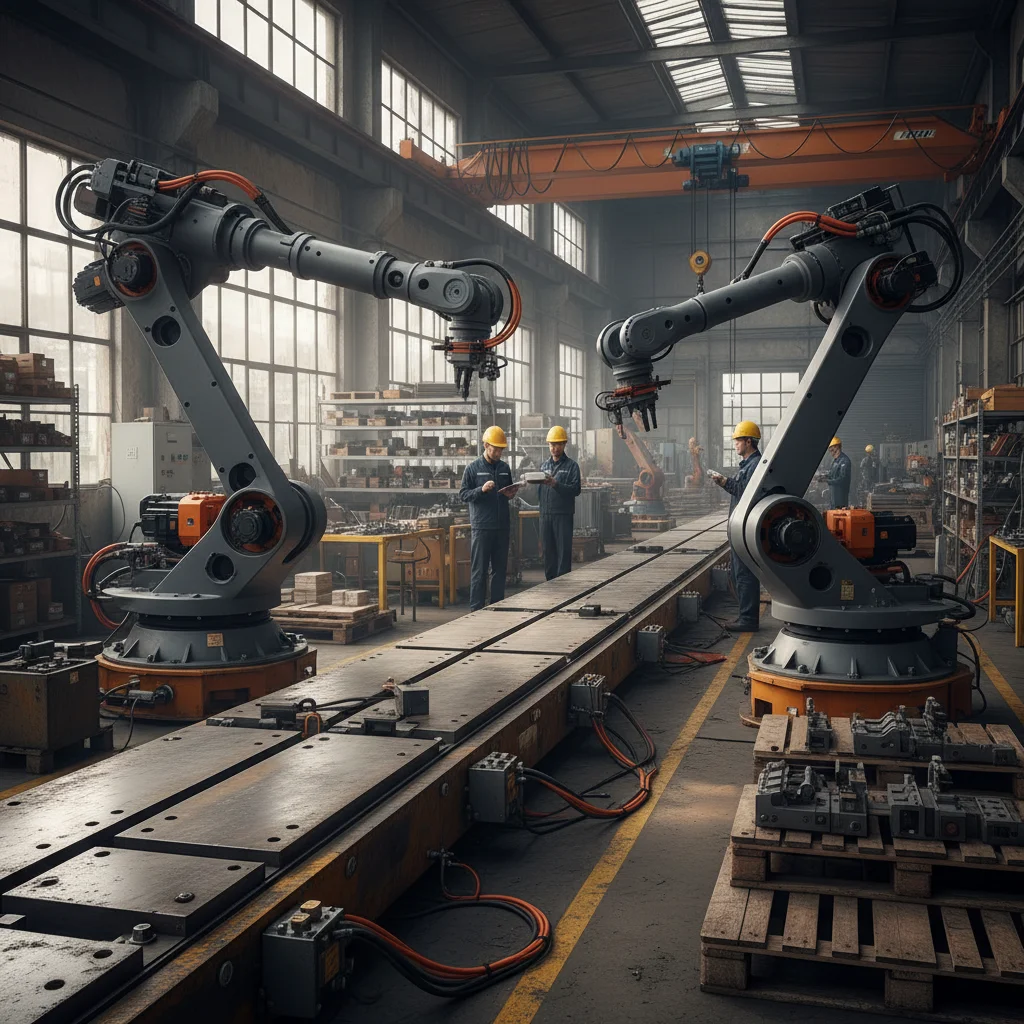
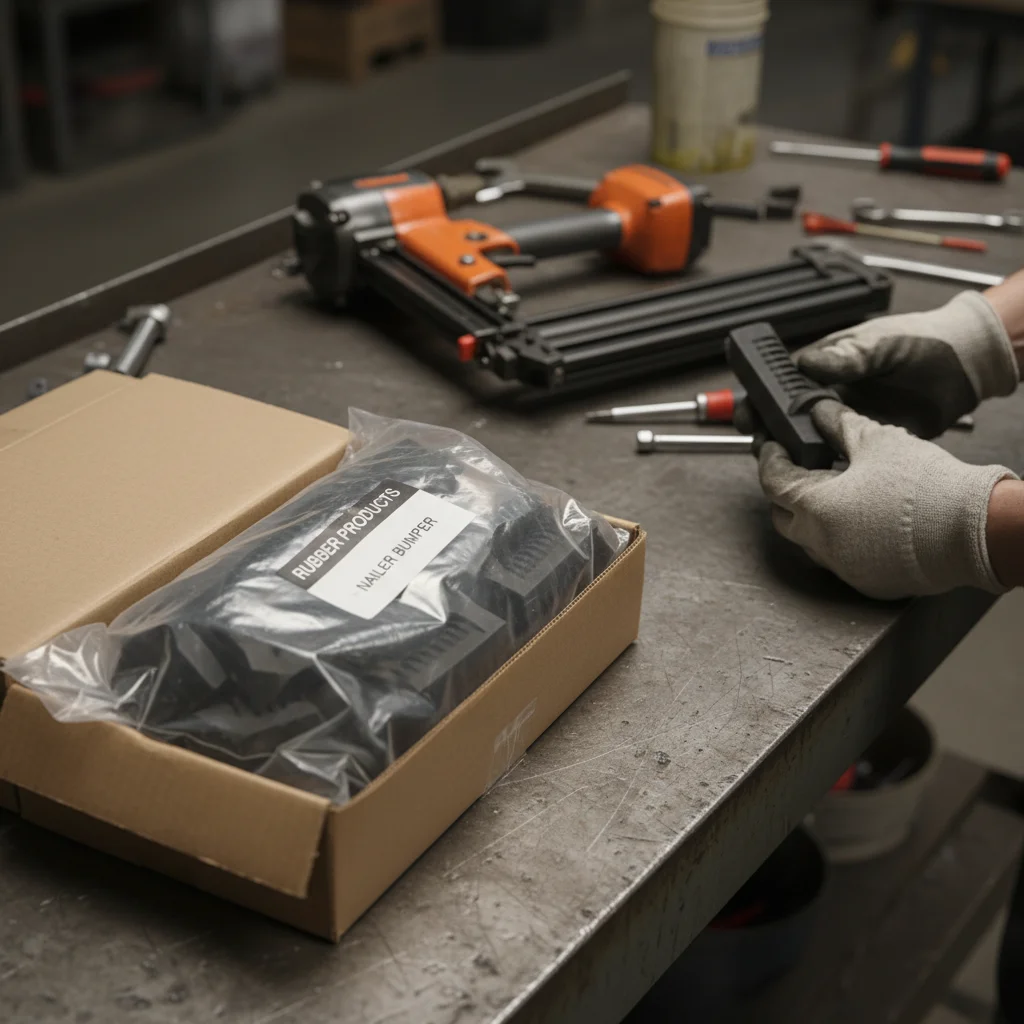
In the demanding landscape of industrial power transmission, the role of precision sealing and gripping components is paramount. While many industries rely on generic solutions, the integration of high-performance silicone o rings and specialized rubber belts ensures that mechanical systems operate with minimal friction and maximum reliability. Understanding the synergy between material science and mechanical application is the first step toward optimizing industrial throughput.
Across the globe, the shift toward high-speed automation and precision cutting has placed immense pressure on rubber components. The need for materials that can withstand cyclic loading, resist abrasion from metal chips, and maintain tensile stability has led to the development of advanced Nitrile Butadiene Rubber (NBR) formulations. These materials act as the unsung heroes of the factory floor, preventing slippage and reducing downtime in critical machinery.
By exploring the technical specifications of high-strength rubber belts and the sealing versatility of silicone o rings, engineers can significantly extend the service life of their equipment. This comprehensive guide examines how optimized reinforcement systems and material chemistry translate into tangible operational gains, from electric saw pulley coatings to heavy-duty conveyor systems.

Global Industrial Context of Silicone O Rings
The global demand for precision rubber components, including silicone o rings and industrial belts, is driven by the relentless pursuit of efficiency in the manufacturing sector. According to ISO standards for industrial rubber, the ability of a component to maintain a seal or a grip under extreme temperature fluctuations is a critical KPI for plant safety and productivity. In high-speed environments, even a micron-level failure in a sealing ring or a slight slip in a drive belt can lead to catastrophic machine failure.
Current industry challenges revolve around the "wear-and-tear" cycle of traditional rubbers. As factories transition toward 24/7 autonomous operations, the requirement for materials with low stress relaxation and high fatigue resistance has skyrocketed. This has shifted the focus toward specialized NBR and silicone composites that can handle the friction of high-speed rotations—such as 580 SPM in electric saws—without peeling or cracking.
Defining High-Performance Sealing and Transmission
At its core, a high-performance sealing or transmission component is designed to manage the interface between two moving or static parts. While silicone o rings provide the airtight and watertight barriers necessary for hydraulic and pneumatic stability, high-strength rubber belts facilitate the transfer of torque from motors to transmission devices. Both rely on the elastomeric properties of the material to create a tight fit that adapts to surface irregularities.
In the context of modern manufacturing, these components are no longer viewed as consumables but as engineered assets. For instance, rubber belts used in gearbox internal synchronous drives must exhibit specific tensile stress at a given elongation to prevent detachment. This level of precision ensures that power transmission is seamless, reducing the energy loss typically associated with mechanical slippage.
The synergy between these elements is what allows an electric saw to cut through rebar at high speeds. The belt provides the frictional force necessary for rotation, while the sealing components protect the internal motor and gearbox from the ingress of metal chips and industrial dust, illustrating a holistic approach to machine longevity.
Core Components of Material Durability
The durability of silicone o rings and industrial belts is rooted in their chemical formulation. The use of Nitrile Butadiene Rubber (NBR) is particularly effective due to its inherent oil resistance and mechanical toughness. By optimizing the vulcanization system, manufacturers can achieve a tensile strength exceeding 24 MPa, ensuring the material does not rupture under heavy industrial loads.
A critical factor in longevity is the "anti-aging system" integrated into the rubber matrix. This system prevents the material from becoming brittle when exposed to ozone or extreme heat. For components like silicone o rings, this means maintaining a constant compression set, which is essential for preventing leaks in high-pressure environments over thousands of operational hours.
Furthermore, the reinforcement layer—often composed of fabric cords or specialized fillers—provides the structural stability needed to resist "creep" or permanent deformation. This is especially vital for belt-driven grinders and polishers, where the belt must maintain a tight fit with plastic wheels without slipping, even when subjected to continuous high-speed rotation and centrifugal force.
Mechanical Performance Metrics and Analysis
To quantify the effectiveness of these components, engineers look at several key performance indices. For industrial rubber belts, the 100% tensile stress at elongation must typically be greater than 9 MPa to ensure that the belt can stretch and recover without permanent loss of tension. Similarly, the right-angle tear strength (measured at >50 N/mm) determines how well the material resists the jagged edges of metal cutting chips.
When comparing these metrics to standard sealing solutions like silicone o rings, the focus shifts to stress relaxation. A low stress attenuation rate means the component maintains its sealing force over time, which is the primary metric for reliability in vacuum or high-pressure fluid systems.
Performance Comparison of Rubber Components
Global Applications in Precision Cutting
The application of these high-strength materials is most evident in the precision cutting industry. Electric saws and band saws utilize rubber-coated pulley structures to drive blades at speeds of 580 SPM. In these scenarios, the rubber must offer extreme friction to prevent slippage while remaining resilient enough to withstand the impact of flying metal chips. This prevents rubber peeling and maintains the integrity of the cutting operation.
Beyond the cutting tool itself, the auxiliary systems—such as the motor's cooling fans and lubrication pumps—rely on silicone o rings to prevent oil leaks and maintain internal pressure. Whether it is in a remote mining site or a high-tech automotive plant, the combination of robust drive belts and precise seals ensures that the machinery operates at peak efficiency regardless of environmental humidity or dust.
Long-Term Value and Operational Reliability
Investing in premium rubber components provides a tangible return on investment through the reduction of maintenance downtime. When a belt is engineered for low stress relaxation, the frequency of tension adjustments is drastically reduced. This operational stability translates to higher consistency in the finished product, particularly in precision metal cutting where any fluctuation in speed can affect the cut quality.
From a sustainability perspective, the enhanced fatigue life of these materials means fewer replacements and less industrial waste. A belt that resists surface cracking under cyclic loading stays in service longer, reducing the carbon footprint associated with the manufacture and transport of replacement parts.
Ultimately, the reliability provided by silicone o rings and high-tensile belts fosters trust in the equipment. For operators, the peace of mind knowing that a seal will not fail under pressure or a belt will not snap during a critical cut is invaluable, allowing for a focus on production rather than repair.
Future Innovations in Rubber Engineering
The future of rubber components is moving toward "smart materials" and greener chemistry. We are seeing the emergence of bio-based elastomers that mimic the properties of NBR while reducing reliance on petroleum. These new materials are being tested for use in silicone o rings and belts to maintain high tensile strength while improving biodegradability.
Digital transformation is also playing a role, with the integration of embedded sensors in conveyor belts to monitor wear in real-time. This predictive maintenance approach allows factories to replace a belt just before it fails, rather than on a fixed schedule, further optimizing cost and efficiency.
As we push toward higher speeds and more extreme environments—such as aerospace or underwater robotics—the demand for customized rubber formulations will grow. The ability to tailor hardness, surface patterns (like diamond or chevron), and chemical resistance will remain the cornerstone of industrial evolution.
Technical Analysis of High-Performance Rubber Components
| Material Type |
Primary Metric |
Key Application |
Reliability Score |
| NBR (Optimized) |
Tensile Strength >24MPa |
Electric Saw Pulley |
9.5/10 |
| Silicone Elastomer |
Thermal Stability |
silicone o rings |
9.8/10 |
| EPDM Rubber |
Ozone Resistance |
Outdoor Conveyors |
8.2/10 |
| Polyurethane |
Abrasion Resistance |
Mining Belts |
8.7/10 |
| Neoprene |
Chemical Resistance |
Industrial Pumps |
7.9/10 |
| Natural Rubber |
Elasticity |
General Purpose Belts |
7.0/10 |
FAQS
NBR belts are primarily engineered for power transmission, utilizing high friction and tensile strength to drive machinery like electric saws. In contrast, silicone o rings are designed for sealing, leveraging their elasticity and thermal stability to prevent fluid or gas leaks. While both are elastomers, NBR is optimized for mechanical load, and silicone is optimized for environmental resistance and sealing integrity.
Stress relaxation occurs when a belt loses its tension over time despite no physical stretching of the material. Signs include increased slippage during high-speed operation, audible squealing, or a noticeable drop in the RPM of the driven pulley (e.g., the saw blade rotating slower than the motor speed). High-quality NBR belts are formulated to have a low stress relaxation rate to avoid this.
Yes, silicone o rings are excellent for vibration damping. Their molecular structure allows them to absorb mechanical shocks without losing their shape or seal. This makes them ideal for use in motor housings and gearbox seals where high-frequency vibration is present, ensuring the seal remains tight without cracking.
Rubber peeling is typically caused by a combination of excessive frictional heat and abrasion from metal cutting chips. If the rubber lacks sufficient tear strength or an optimized vulcanization system, the surface layer breaks away. Using belts with a right-angle tear strength >50 N/mm and specific anti-abrasion additives can prevent this issue.
Absolutely. Customization is critical for industrial fit. Factors such as belt width, thickness, reinforcement layer material (fabric vs. steel), hardness (Shore A), and surface patterns (ribbed, smooth, or chevron) can be tailored to the specific requirements of the machinery to optimize grip and lifespan.
Replacement intervals depend on the operating environment. In high-heat or chemically aggressive settings, quarterly inspections are recommended. However, high-grade silicone o rings are designed for long-term stability; if there are no visible cracks or leaks, they can often last for years due to their superior aging resistance.
Conclusion
The integration of high-performance elastomeric components, from the high-tensile NBR belts used in power transmission to the precision-engineered silicone o rings used in sealing, is fundamental to industrial success. By prioritizing material specifications such as tensile strength, tear resistance, and low stress relaxation, manufacturers can drastically reduce operational downtime and increase the precision of their machinery. The synergy between robust friction-driven transmission and airtight sealing creates a stable environment for high-speed production.
Looking forward, the industry must embrace sustainable materials and predictive monitoring to further enhance the lifecycle of these critical components. Investing in customized rubber solutions is not merely a maintenance choice but a strategic upgrade that ensures safety, efficiency, and long-term reliability in an increasingly automated world. For those seeking to optimize their industrial infrastructure, focusing on the chemistry and mechanical properties of their rubber components is the most effective path to operational excellence. Visit our website for more professional solutions: www.sunlitetek.com

 Select Language