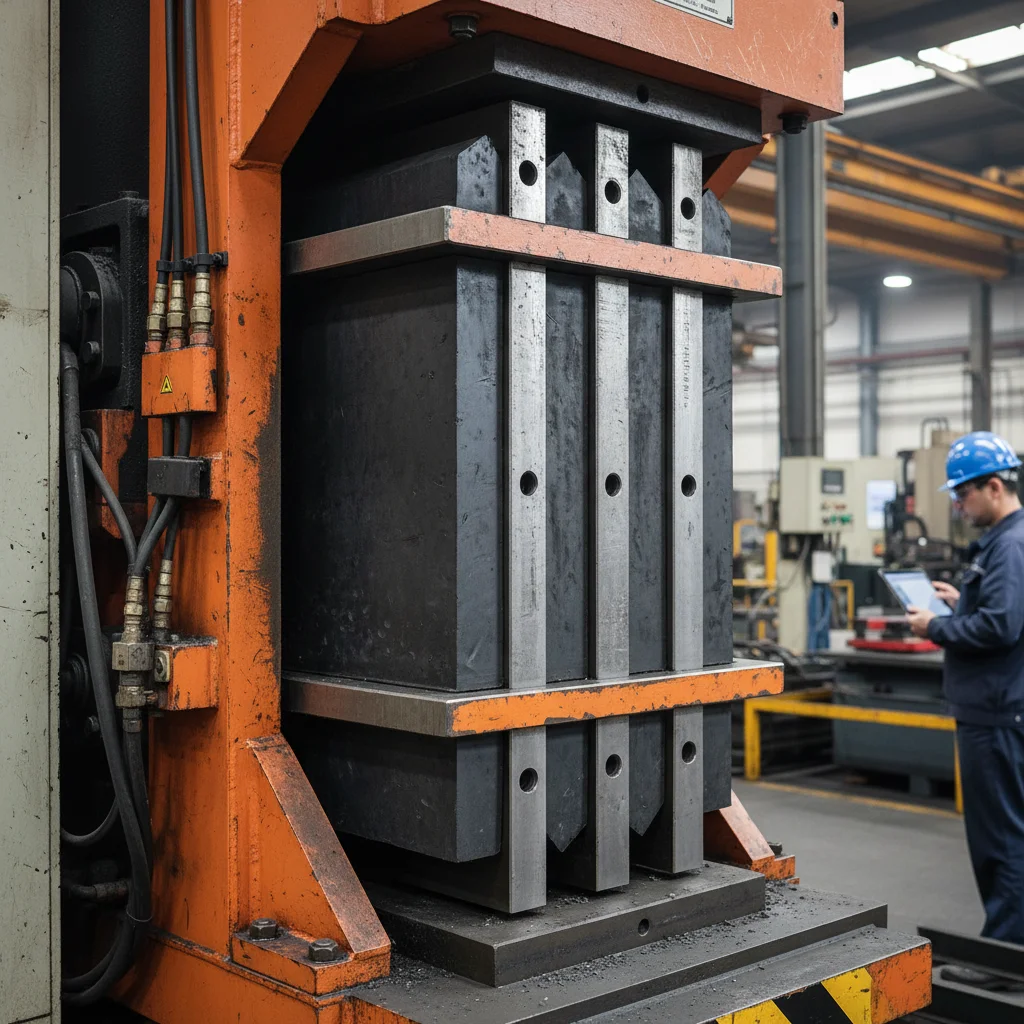
The integration of high-performance vibration damping solutions is becoming increasingly critical in the field of precision agriculture. As unmanned aerial vehicles take over complex spraying and monitoring tasks, the need for specialized materials to protect sensitive electronics and mechanical structures from operational stress has grown. Proper damping ensures that the structural integrity of the aircraft is maintained despite the constant vibrations of high-RPM motors.
Across the globe, the demand for stability in drone operations is driving a shift toward advanced composite materials. By implementing specialized damping plates, manufacturers can significantly reduce resonance, which otherwise leads to structural fatigue and premature component failure. This evolution in material science allows for more precise flight control and increased reliability in harsh outdoor environments.
For those designing next-generation UAVs, sourcing high-quality Rubber Parts for Agricultural Drones is essential to maximize equipment lifespan. These components, particularly the butyl rubber and aluminum foil composites, serve as a primary defense against mechanical noise and high-frequency vibrations, ensuring that sensors and batteries remain secure during heavy-duty agricultural missions.

The Role of Vibration Damping in Modern UAVs
In the context of agricultural drones, mechanical vibration is a constant challenge. The rapid rotation of propellers and the movement of fluid pumps create a spectrum of frequencies that can cause metal sheets and composite frames to resonate. This resonance not only generates noise but can lead to the loosening of fasteners and the degradation of delicate electronic soldering.
By applying viscoelastic damping plates, the kinetic energy from these vibrations is converted into low-grade heat. This process prevents the "speaker effect" where the drone's chassis amplifies motor hum, resulting in a more stable platform for high-precision sensors and a longer overall operational life for the airframe.
Material Composition and Technical Specifications
The effectiveness of high-performance damping plates lies in their multi-layer composite design. The core consists of high-grade butyl rubber, a material chosen for its exceptional loss factor (≥0.15), which allows it to absorb and dissipate energy far more efficiently than standard foams. This viscoelastic core acts as the primary engine for vibration suppression.
To enhance structural rigidity and thermal management, a premium aluminum foil layer is laminated to the surface. This foil does not only protect the butyl rubber from external abrasion but also helps distribute the mass evenly across the surface of the drone's components. Furthermore, the aluminum layer provides a degree of heat reflection, which is vital when the parts are installed near battery packs or motor controllers.
Installation is streamlined through the use of a professional-grade pressure-sensitive adhesive. This peel-and-paste mechanism ensures a bond that is resistant to the shifting loads and centrifugal forces experienced during flight. The result is a non-toxic, odorless solution that maintains its physical properties across a wide temperature spectrum, from -40℃ to 80℃.
Engineering Benefits for Agricultural Drone Systems
Implementing high-quality Rubber Parts for Agricultural Drones allows engineers to focus on payload efficiency without worrying about structural fatigue. When the resonance of the chassis is controlled, the precision of onboard GPS and IMU sensors is significantly improved, leading to more accurate spraying patterns and better crop coverage.
The use of butyl rubber composites as Rubber Parts for Agricultural Drones provides a critical advantage in noise reduction. By suppressing the vibration of thin-walled sections, these materials reduce the acoustic footprint of the drone, which is an increasing requirement for operations in proximity to residential areas or protected wildlife zones.
Beyond noise, the long-term durability provided by these Rubber Parts for Agricultural Drones is unmatched. Because the materials are resistant to UV exposure and industrial chemicals, they do not harden or seep oil over time, ensuring that the damping performance remains consistent throughout several farming seasons.
Performance Comparison of Damping Materials
When comparing standard foam padding to professional vibration damping plates, the difference in energy dissipation is stark. Standard foams primarily address airborne sound (insulation) but fail to stop the physical oscillation of the material itself. In contrast, butyl-based plates target the root cause of resonance, preventing the drone's frame from acting as a soundboard.
From a maintenance perspective, the shift to self-adhesive composite plates reduces installation time and eliminates the need for mechanical fasteners, which can add unnecessary weight to a UAV. The stability of these materials in extreme temperatures ensures that they will not degrade during the heat of mid-summer operations or the chill of early spring deployments.
Comparative Efficiency of Rubber Parts for Agricultural Drones
Global Applications and Industrial Use Cases
The application of these damping solutions extends across diverse agricultural landscapes. In the vast rice paddies of Southeast Asia and the wheat fields of North America, drones are subjected to varying humidity and temperature levels. The use of weather-resistant butyl rubber ensures that the damping properties do not falter under these taxing conditions.
Beyond the airframe, these plates are integrated into battery housings and electronics bays. By isolating the battery packs from high-frequency motor vibrations, manufacturers can prevent internal cell fatigue and improve the overall safety of the energy storage system, which is critical for heavy-payload agricultural aircraft.
Environmental Resilience and Compliance Standards
Safety and environmental compliance are paramount in modern manufacturing. Our damping plates are produced using non-toxic, odorless materials that align with the strict requirements for automotive and aviation interiors. This ensures that operators are not exposed to harmful volatile organic compounds (VOCs) during the assembly or maintenance of their equipment.
Compliance with global standards such as REACH and RoHS is not just a legal necessity but a commitment to sustainability. By utilizing materials that are free from hazardous substances, we ensure that the end-of-life disposal of drone components does not contribute to environmental pollution.
Furthermore, the resistance to industrial chemicals and UV radiation makes these parts ideal for drones that are frequently exposed to pesticides and fertilizers. These chemicals can often degrade lower-grade rubbers, but our high-performance composite maintains its elasticity and adhesion, preventing the need for frequent, costly replacements.
Future Innovations in Specialized Rubber Components
The future of drone damping lies in the development of "smart" materials that can adapt to different vibration frequencies in real-time. While current butyl rubber composites provide a stable baseline of high-efficiency damping, the next generation will likely incorporate nano-fillers to further increase the loss factor without adding significant weight.
Automation in the manufacturing process is also playing a key role. Precision cutting via CNC and laser technology allows for perfectly contoured damping plates that match the complex curves of carbon fiber drone frames, eliminating edge warping and ensuring 100% surface contact for maximum energy absorption.
As the industry moves toward greener energy and fully autonomous swarms, the role of reliable, long-lasting rubber components will only grow. The focus will remain on increasing the power-to-weight ratio, making ultra-light yet ultra-efficient damping solutions a priority for the next decade of agricultural aviation.
Analysis of Damping Material Performance Metrics
| Material Type | Vibration Loss Factor | Temp Stability | Longevity Score |
|---|
| Butyl Composite | ≥ 0.15 (Excellent) | -40℃ to 80℃ | 9.5/10 |
| Natural Rubber | 0.05 - 0.10 (Fair) | -20℃ to 60℃ | 6.0/10 |
| EPDM Foam | 0.02 - 0.06 (Low) | -30℃ to 70℃ | 7.5/10 |
| Silicone Composite | 0.08 - 0.12 (Good) | -60℃ to 150℃ | 8.0/10 |
| Polyurethane | 0.04 - 0.09 (Fair) | -10℃ to 50℃ | 5.0/10 |
| SBR Rubber | 0.03 - 0.07 (Low) | -20℃ to 70℃ | 6.5/10 |
FAQS
Sound insulation focuses on blocking airborne noise from traveling between spaces. Vibration damping, however, stops the physical vibration (resonance) of the drone's structural surfaces. By using butyl rubber damping plates, we prevent the airframe from acting like a speaker, which effectively eliminates the humming noise caused by motors and prevents mechanical fatigue.
Yes, these specialized plates are engineered for extreme resilience. They maintain stable damping performance across a wide temperature range, from -40℃ to 80℃. This makes them ideal for drones operating in freezing early-spring conditions or scorching mid-summer heat without the risk of the material hardening or losing its adhesive properties.
No special tools are required for installation. The plates feature a high-strength, professional-grade pressure-sensitive adhesive backing. The process is a simple peel-and-paste application: you just remove the release paper and press the plate firmly onto a cleaned surface. They can also be easily cut to size using standard industrial shears.
Absolutely. The materials used are non-toxic and odorless, ensuring a healthy environment for the technicians and operators. Furthermore, the product is customizable to meet global REACH and RoHS standards, ensuring that no hazardous substances are used in the manufacturing process and that the materials are environmentally responsible.
The aluminum foil layer serves several purposes: it provides structural rigidity to the butyl rubber core, ensures that the mass is distributed evenly across the surface to eliminate "dead zones," and offers heat reflection. This protect the core rubber from overheating near electronics, thereby extending the lifespan of the damping component.
The most significant results are achieved when plates are installed on thin-walled sections prone to vibration. This includes inner motor mounts, battery housing walls, electronics bays, and the main structural ribs of the chassis. By targeting these "resonance hotspots," you can maximize the reduction of mechanical stress and noise.
Conclusion
In summary, the implementation of high-performance vibration damping plates is a cornerstone of reliability for modern agricultural UAVs. By combining the high energy-absorption capabilities of butyl rubber with the structural support of aluminum foil, these components effectively eliminate resonance and protect sensitive electronics from structural fatigue. This leads to higher operational precision, reduced noise pollution, and a significant extension of the equipment's service life.
As the agricultural industry continues to embrace automation and precision farming, the demand for durable, compliant, and efficient materials will only intensify. Investing in professional-grade damping solutions today ensures that your fleet remains competitive and resilient against the rigors of the field. To learn more about optimizing your equipment's performance, visit our website: www.sunlitetek.com.

 Select Language