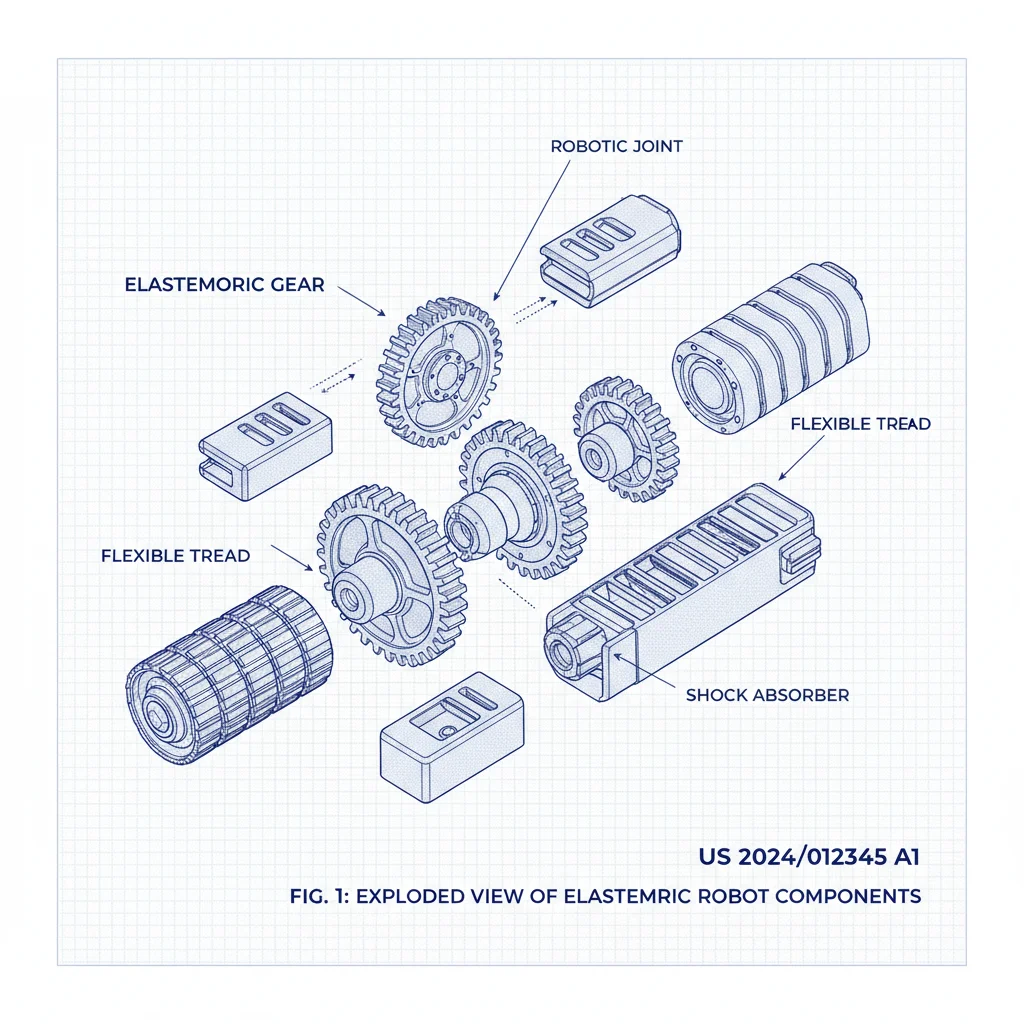
In the demanding environment of winter maintenance, the integrity of equipment often hinges on the smallest components. SNOW MOWER rubber parts serve as the critical interface between powerful machinery and unpredictable frozen terrains, ensuring that traction is maintained and vibrations are dampened. Understanding the material science behind these components is essential for operators who prioritize machine longevity and operational safety in extreme cold.
Globally, the reliance on specialized rubber compounds for snow removal equipment has surged as urban centers implement more rigorous winter safety standards. From heavy-duty industrial blowers to residential snow mowers, the demand for high-performance SNOW MOWER rubber solutions reflects a broader industry shift toward materials that can withstand thermal shock and abrasive ice crystals without cracking.
By investing in high-grade elastomers, users can significantly reduce downtime and maintenance costs. This guide explores the technical nuances of SNOW MOWER rubber, from its chemical composition to its real-world application, providing a comprehensive resource for procurement managers and equipment technicians seeking to optimize their winter fleet performance.
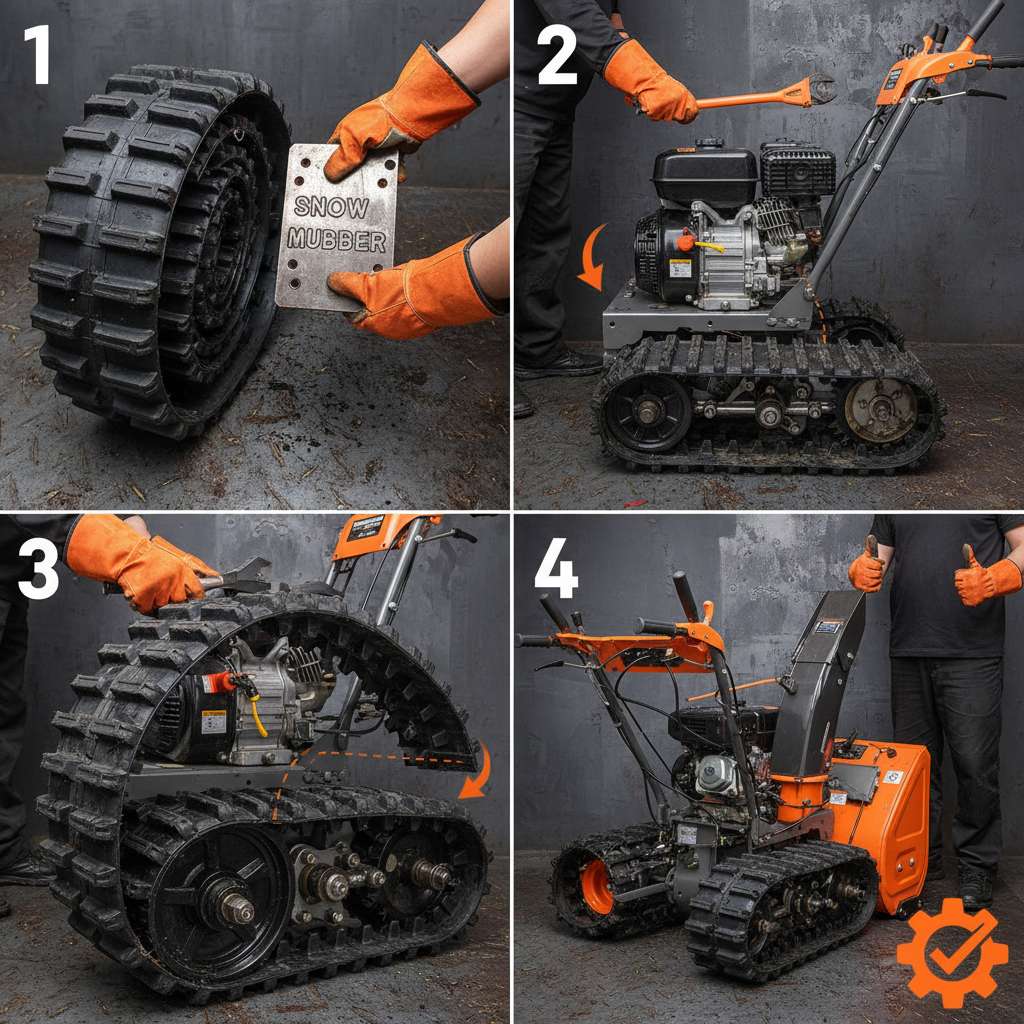
Global Industry Context of SNOW MOWER rubber
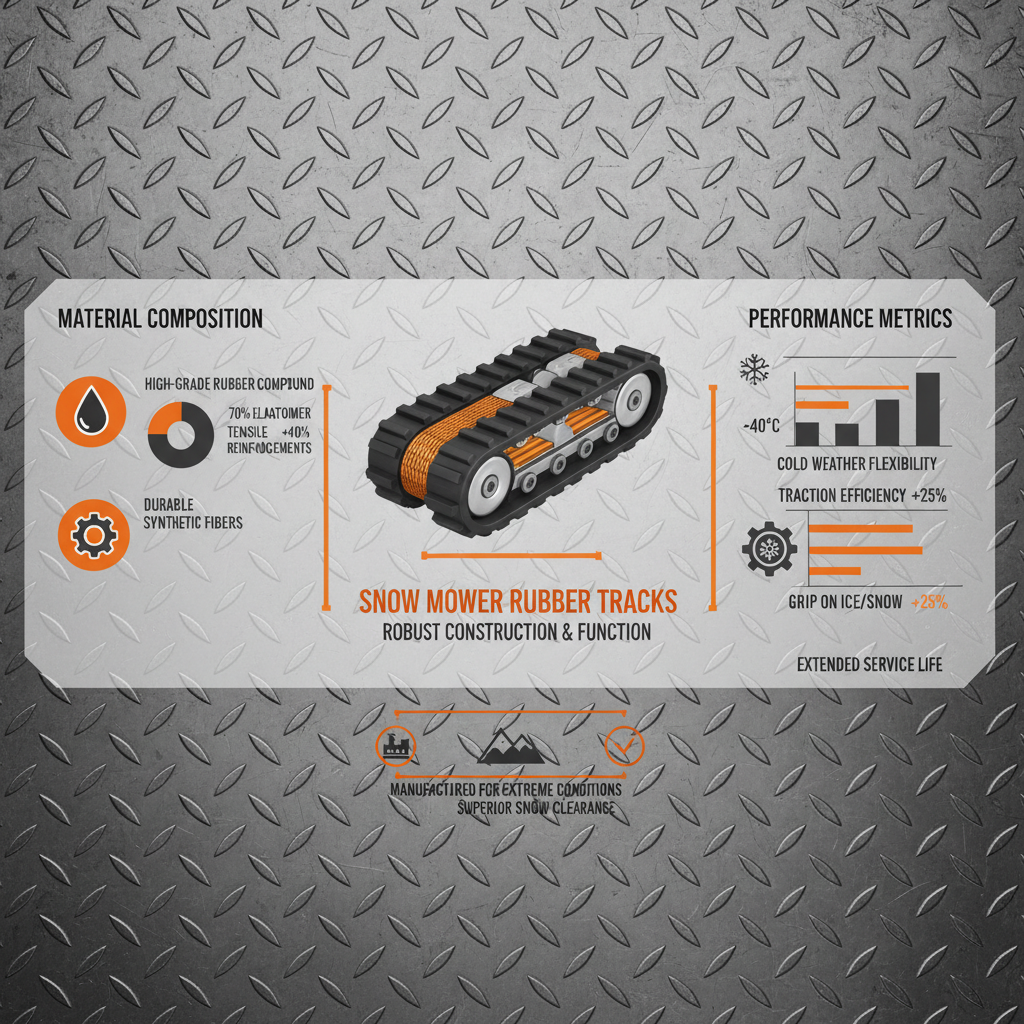
The global market for winter maintenance equipment is heavily influenced by climate volatility and the expanding infrastructure of northern hemispheric cities. According to ISO standards for machinery safety, the failure of a single sealing or dampening component can lead to catastrophic machine failure. SNOW MOWER rubber plays a pivotal role here, as it must remain flexible at temperatures as low as -40°C while resisting the corrosive effects of road salts and chemicals.
The primary challenge facing the industry is "glass transition"—the temperature at which rubber loses its elasticity and becomes brittle. In the context of high-torque snow removal, brittle rubber leads to rapid wear and failure. Consequently, manufacturers are moving away from generic polymers toward specialized nitrile (NBR) or EPDM blends to ensure that SNOW MOWER rubber components provide consistent performance regardless of the plummeting mercury.
Definition and Technical Meaning of Rubber Components
At its core, SNOW MOWER rubber refers to the engineered elastomeric materials used in the construction of belts, seals, gaskets, and vibration isolators specifically designed for snow-clearing machinery. Unlike standard garden mower rubber, these components are formulated to resist "cold-set" and maintain a high coefficient of friction on icy surfaces, which is vital for the machine's propulsion and steering.
From a technical standpoint, these components are the unsung heroes of mechanical efficiency. They act as the primary defense against the ingress of slush and grit into the engine and transmission systems. By providing a hermetic seal, SNOW MOWER rubber prevents moisture from causing internal oxidation, thereby extending the operational life of the entire machine in harsh winter climates.
Furthermore, the connection between these rubber elements and modern industrial needs is rooted in the demand for reduced noise pollution and increased operator comfort. Advanced dampening properties in specialized rubber reduce the transfer of high-frequency vibrations from the auger to the chassis, satisfying strict occupational health and safety regulations regarding vibration-induced white finger (VWF) and other repetitive strain injuries.
Key Factors Affecting Rubber Durability
The longevity of SNOW MOWER rubber is primarily determined by its chemical cross-linking density. A higher density generally increases tensile strength and resistance to abrasion, but if over-vulcanized, the rubber can lose the flexibility required for extreme cold. Balancing these two factors is the key to creating a component that survives an entire winter season without replacement.
Another critical factor is ozone and UV resistance. Even in winter, high-altitude snow environments expose SNOW MOWER rubber to intense ultraviolet radiation, which can cause "dry rot" or surface cracking. The integration of anti-ozonants and stabilizers into the rubber matrix is essential to prevent the material from degrading when stored in outdoor sheds or operated under clear winter skies.
Finally, the interaction between the rubber and chemical agents—such as calcium chloride used for de-icing—cannot be ignored. Low-quality SNOW MOWER rubber often swells or softens when exposed to these salts, leading to seal failure. Professional-grade elastomers utilize polar groups in their polymer chain to repel these chemicals, ensuring a stable volumetric size and consistent sealing pressure.
Global Applications and Real-World Use Cases
The application of high-performance SNOW MOWER rubber extends far beyond simple residential use. In municipal fleet management across Scandinavia and Canada, these rubber components are utilized in heavy-duty snow blowers and industrial plows. These machines operate 24/7 during storm events, where the rubber seals must withstand constant friction and the abrasive impact of salt-laden slush.
In remote industrial zones, such as mining sites in the Arctic, the reliability of SNOW MOWER rubber is a matter of operational survival. When a rubber belt snaps in a remote location, it can halt critical logistics. Consequently, these regions often specify "extreme-cold" grade rubber that incorporates silicone blends to ensure the material remains pliable even at temperatures that would freeze standard rubber solid.
Performance Metrics of Various SNOW MOWER rubber Grades
Advantages and Long-Term Operational Value
The shift toward premium SNOW MOWER rubber provides immediate tangible benefits in terms of cost-per-hour of operation. While high-grade elastomers may have a higher initial purchase price, their resistance to wear and tear reduces the frequency of replacement cycles. This not only saves money on parts but also eliminates the labor costs associated with frequent disassembly of the machinery.
Beyond the financial metrics, there is a significant psychological and safety value. Operators can trust that their equipment will not fail during a critical storm window, providing peace of mind and ensuring the dignity of a job well done. The innovation in rubber chemistry translates to a more reliable, quieter, and safer machine, which fosters long-term trust between equipment manufacturers and their end-users.
Future Trends in Elastomer Innovation
The future of SNOW MOWER rubber is moving toward "smart materials." Researchers are exploring the integration of conductive particles within the rubber matrix, which could allow the component to signal its own wear level through changes in electrical resistance. This transition toward predictive maintenance would allow operators to replace rubber parts exactly when needed, rather than on a fixed schedule.
Sustainability is also driving a revolution in material sourcing. We are seeing a rise in bio-based elastomers derived from renewable feedstocks that match the performance of petroleum-based rubber. These eco-friendly SNOW MOWER rubber alternatives reduce the carbon footprint of the manufacturing process without compromising the critical cold-weather flexibility required for winter tools.
Additionally, the advent of 3D printing (additive manufacturing) for elastomers allows for the creation of complex, optimized geometries that were previously impossible. This means SNOW MOWER rubber components can now be designed with varying density zones—stiff where structural support is needed and soft where dampening is priority—further enhancing the efficiency of snow removal equipment.
Common Challenges and Expert Solutions
One of the most pervasive challenges with SNOW MOWER rubber is the "cold-crack" phenomenon, where rapid temperature drops cause the material to shrink and split. The expert solution is the use of plasticizers that specifically lower the glass transition temperature, ensuring the rubber remains "rubbery" even in the most extreme frost.
Another issue is the accumulation of ice crystals within the rubber treads or seals, which can lead to mechanical jamming. To combat this, manufacturers are implementing hydrophobic coatings and specialized surface textures on SNOW MOWER rubber components to prevent ice adhesion and facilitate easier cleaning during operation.
Finally, the compatibility between different rubber grades and lubrication oils often leads to premature degradation. The solution lies in precise material pairing; ensuring that the rubber compound is chemically compatible with the specific synthetic oils used in the snow mower's transmission. This holistic approach to material selection is what separates professional-grade equipment from consumer-level tools.
Comparative Analysis of SNOW MOWER rubber Material Specifications
|
Rubber Compound
|
Cold Flex Temp
|
Abrasion Resistance
|
Lifespan Score (1-10)
|
| Standard NBR |
-20°C |
Moderate |
5 |
| Low-Temp EPDM |
-40°C |
High |
8 |
| Silicone Hybrid |
-60°C |
Low |
7 |
| Polyurethane |
-10°C |
Extreme |
6 |
| Fluorocarbon |
-30°C |
Very High |
9 |
| Advanced Bio-Rubber |
-45°C |
High |
8 |
FAQS
This is typically caused by "cold-set" or the glass transition effect. If the rubber wasn't formulated with the correct plasticizers for extreme cold, the material becomes brittle. When the machine starts, the sudden mechanical stress causes the brittle rubber to snap. Switching to an EPDM or silicone-blend rubber can resolve this issue.
It is highly discouraged. Standard rubber is designed for warm-weather flexibility and lacks the chemical additives needed to resist freezing temperatures and road salts. Using non-specialized rubber in a snow mower will likely lead to premature failure, leaks, and potential damage to the engine's internal components.
While it depends on usage, a professional inspection should occur before every winter season. If you notice surface glazing, small cracks, or a loss of tension, replace the rubber components immediately. High-quality SNOW MOWER rubber usually lasts 2-3 seasons, but extreme salt exposure may shorten this window.
Yes, indirectly. Worn or slipping rubber belts increase mechanical friction and energy loss, forcing the engine to work harder to maintain the same auger speed. High-traction, precision-engineered rubber ensures maximum power transfer, which optimizes fuel consumption and reduces engine strain.
Modern bio-based elastomers have reached a point of parity with petroleum-based rubber. In many cases, they offer superior resistance to specific chemicals and better thermal stability. When choosing an eco-friendly SNOW MOWER rubber, look for certifications that guarantee cold-flex performance.
Store your machinery in a cool, dry area away from direct sunlight and ozone-producing electric motors. Avoiding extreme heat during the summer prevents the rubber from drying out. Applying a thin layer of rubber-safe protectant can also help maintain elasticity during the off-season.
Conclusion
The critical role of SNOW MOWER rubber in winter maintenance cannot be overstated. From the molecular stability of the polymer chains to the macroscopic performance of the seals and belts, every detail contributes to the reliability of the machinery. By prioritizing materials that resist glass transition and chemical corrosion, operators can ensure their equipment performs optimally under the most grueling conditions, reducing costs and enhancing safety.
As we look toward the future, the integration of smart elastomers and sustainable materials will continue to redefine the industry. For those managing fleets or maintaining home equipment, the transition to specialized, high-performance rubber is not just a maintenance choice—it is a strategic investment in operational continuity. To ensure your machinery is equipped with the best materials, visit our website: www.sunlitetek.com

 Select Language