Welcome to the official website of Sunlite Tech
Specialist in Elastomer Applications
Best Solutions to NVH SINCE 1998
ibanner

0%

Table of Contents

Robot rubber accessories are increasingly vital components in modern robotics, offering a unique blend of flexibility, durability, and cost-effectiveness. These specialized accessories, ranging from protective coverings and grip enhancers to sealing components and vibration dampeners, are fundamental to extending the operational lifespan and improving the performance of robotic systems across diverse industries. Understanding the nuances of Robot rubber accessories is crucial for engineers, manufacturers, and researchers alike.

The global robotics market is experiencing exponential growth, fueled by advancements in artificial intelligence, automation, and a rising demand for efficient solutions in manufacturing, healthcare, logistics, and exploration. This growth directly translates into a heightened need for high-quality Robot rubber accessories that can withstand harsh operating conditions, maintain precision, and contribute to the overall reliability of robotic systems. According to the International Federation of Robotics (IFR), robot density (robots per 10,000 workers) continues to climb globally, indicating a robust and expanding market.

The benefits of employing tailored Robot rubber accessories are multifaceted. They protect sensitive robotic components from environmental factors, reduce wear and tear, enhance gripping capabilities, and minimize noise and vibration – all contributing to increased efficiency, reduced downtime, and enhanced safety. This ultimately leads to a lower total cost of ownership for robotic implementations, making them more accessible and attractive to a broader range of businesses.
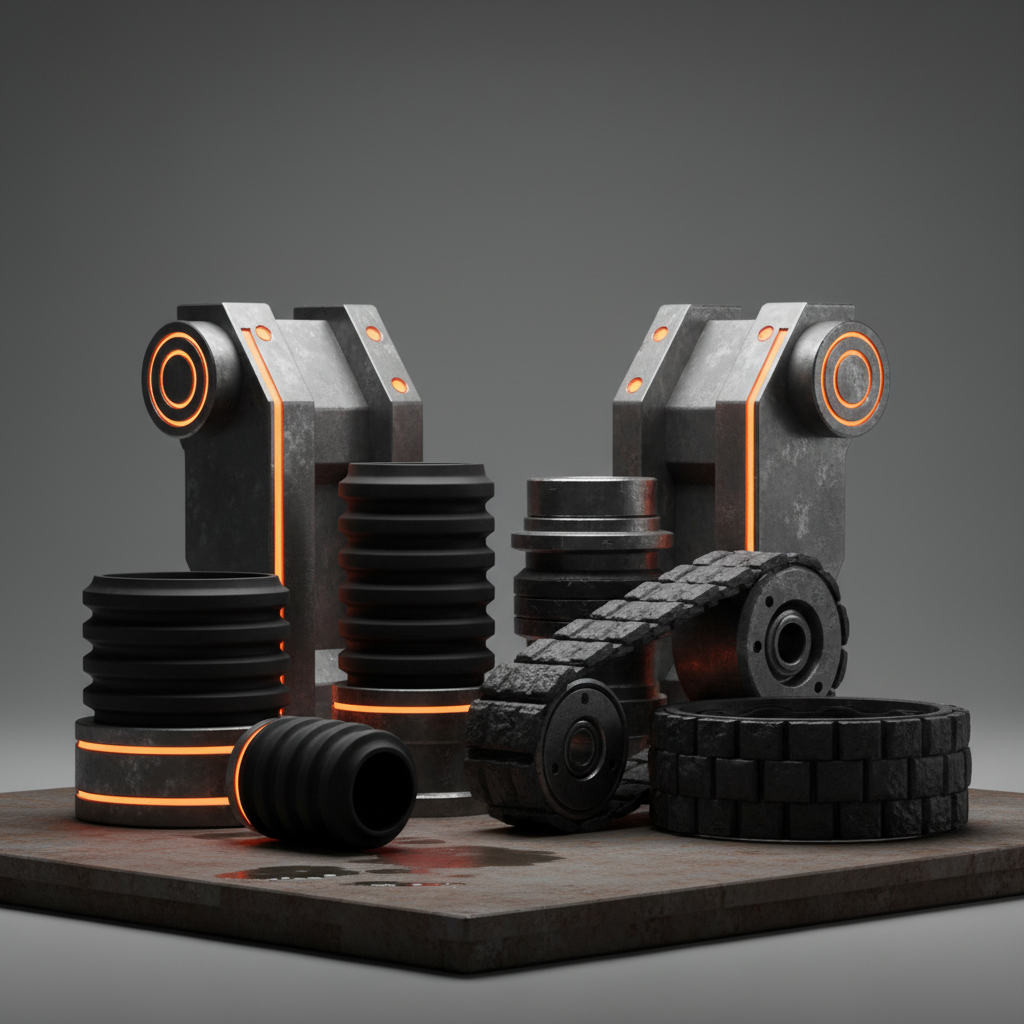
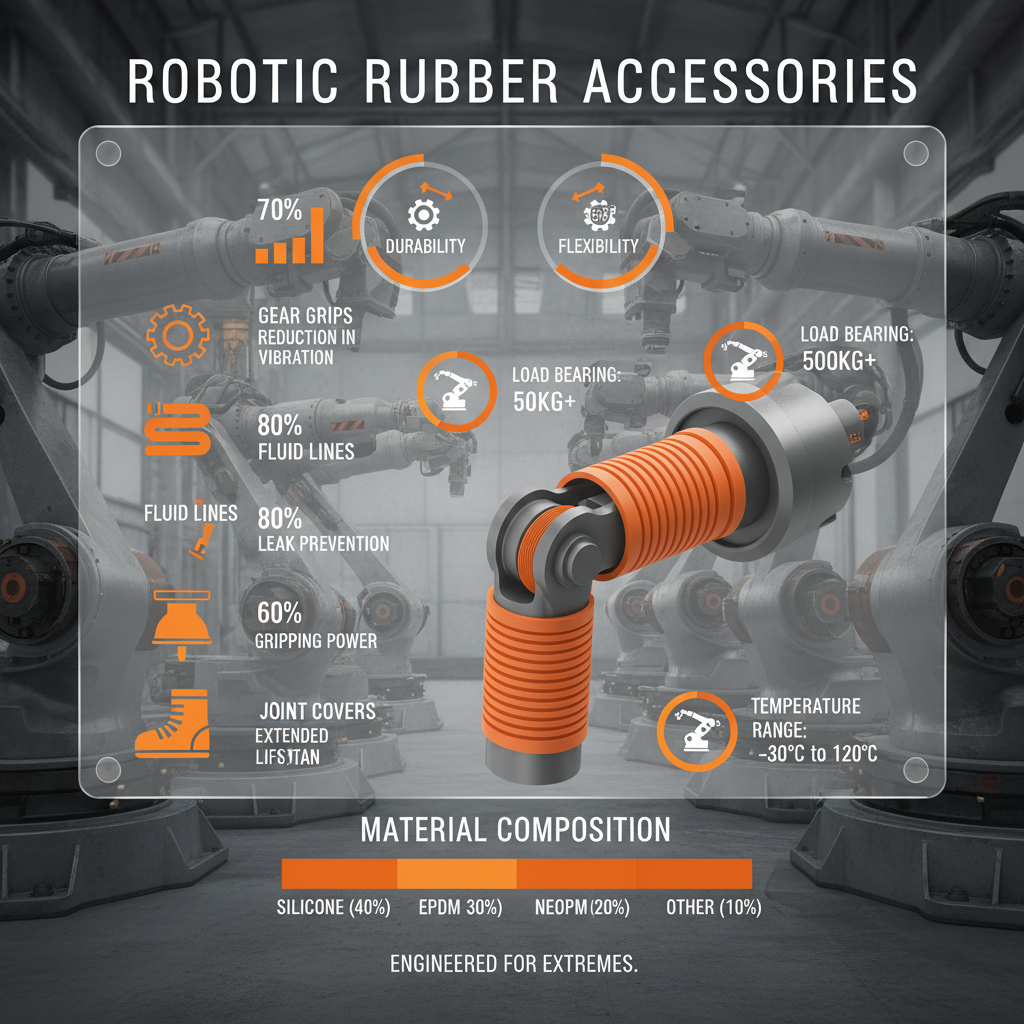
Robot rubber accessories

Introduction to Robot rubber accessories

Robot rubber accessories

Robot rubber accessories are specialized components crafted from various rubber materials, designed to enhance the functionality, protection, and lifespan of robotic systems. These aren't simply 'off-the-shelf' parts; they are often custom-engineered to meet the unique demands of specific robotic applications, considering factors like temperature extremes, chemical exposure, and mechanical stress. Robot rubber accessories are a critical, yet often overlooked, element of successful robotic deployments.

The selection of appropriate rubber compounds is paramount. Materials like silicone, neoprene, EPDM, and fluorocarbon elastomers are frequently employed, each possessing distinct properties in terms of resilience, chemical resistance, temperature tolerance, and abrasion resistance. Understanding these characteristics is crucial for ensuring optimal performance and longevity of the robotic system.

Defining Robot rubber accessories

Robot rubber accessories encompass a diverse range of components engineered to interface with or protect robotic systems. These accessories include, but are not limited to, robotic grippers (fingertips, pads), seals and gaskets for joints and actuators, protective bumpers and covers, vibration dampeners, cable management solutions, and custom molded parts designed for specific robotic tasks.

The primary function of these accessories is to bridge the gap between the rigid mechanical elements of a robot and the often-complex and unpredictable real-world environment. They provide cushioning, sealing, gripping power, and protection against external factors, contributing to improved performance and reliability.

This application of rubber components is intrinsically linked to the increasing demand for robots in environments previously inaccessible or too dangerous for human workers, highlighting the importance of robust and reliable Robot rubber accessories.

Key Characteristics of Robot rubber accessories

Durability is arguably the most critical characteristic of Robot rubber accessories. Robotic applications often involve repetitive motion, high forces, and exposure to harsh chemicals or extreme temperatures. Accessories must withstand these conditions without degradation or failure, ensuring consistent performance over extended periods.

Another key characteristic is adaptability. Robotic systems are incredibly diverse, performing a wide range of tasks in various industries. Robot rubber accessories must be adaptable to different robot designs, application requirements, and environmental conditions. Customization and material selection play a crucial role in achieving this adaptability.

Furthermore, precision is vital. In many robotic applications, even small inaccuracies can lead to significant errors or damage. Robot rubber accessories must be manufactured to tight tolerances and maintain their shape and dimensions under stress, ensuring accurate and reliable performance.

Applications of Robot rubber accessories

Robot rubber accessories find applications across a wide spectrum of industries. In manufacturing, they're used in grippers for handling delicate parts, seals for pneumatic and hydraulic systems, and vibration dampeners to minimize noise and improve precision.

In healthcare, Robot rubber accessories are crucial for surgical robots, providing soft-touch interfaces for delicate procedures and ensuring patient safety. They also play a role in prosthetic limbs, offering comfortable and reliable gripping capabilities.

Performance Comparison of Robot rubber accessories Materials

Global Use Cases of Robot rubber accessories

In automotive manufacturing, Robot rubber accessories are extensively used in robotic arms for welding, painting, and assembly tasks, ensuring precise and reliable operations. The automotive industry's demand for high-quality Robot rubber accessories is continually increasing due to the rising complexity of vehicle manufacturing processes.

Within the logistics and warehousing sector, robotic picking and packing systems rely heavily on Robot rubber accessories for grippers and end-of-arm tooling, enabling the efficient and gentle handling of diverse products. This is particularly crucial for e-commerce fulfillment centers where speed and accuracy are paramount.

Advantages and Long-Term Value

The primary advantage of using high-quality Robot rubber accessories lies in reduced downtime and maintenance costs. Durable accessories withstand harsh operating conditions, minimizing the need for frequent replacements and repairs. This translates to significant cost savings over the lifespan of the robotic system.

Beyond cost savings, Robot rubber accessories contribute to improved safety. Properly designed accessories can enhance gripping force, prevent slippage, and provide cushioning, reducing the risk of accidents and injuries. They also help ensure the long-term reliability of the robotic system, minimizing the potential for unexpected failures.

The long-term value of investing in Robot rubber accessories extends to sustainability. By extending the lifespan of robotic components and reducing the need for replacements, these accessories contribute to a more environmentally responsible manufacturing process.

Future Trends in Robot rubber accessories

One emerging trend is the development of self-healing rubber materials. These materials have the ability to repair minor damage automatically, extending the lifespan of Robot rubber accessories and reducing maintenance requirements. Research in this area is rapidly progressing, and self-healing rubbers are expected to become more prevalent in robotic applications in the coming years.

Another significant trend is the integration of sensors and smart materials into Robot rubber accessories. This allows for real-time monitoring of stress, strain, and temperature, providing valuable data for predictive maintenance and optimizing robotic performance.

Furthermore, the increasing use of 3D printing is enabling the creation of highly customized Robot rubber accessories tailored to specific robotic applications. This allows for greater design flexibility and faster prototyping, accelerating the development of innovative robotic solutions.

Analysis of Robot rubber accessories Quality Dimensions

Material Composition Durability Score (1-10) Application Suitability Cost-Effectiveness
Silicone Rubber 9 Medical, Food Processing Medium
Neoprene Rubber 7 Automotive, General Industrial High
EPDM Rubber 8 Outdoor Applications, Weather Sealing Medium
Fluorocarbon Rubber 10 Chemical Processing, High Temperature Low
Natural Rubber 6 General Purpose, Low Cost Very High
Polyurethane Rubber 8 High Wear Applications, Load Bearing Medium

FAQS

What are the most common materials used in Robot rubber accessories?

The most frequently used materials include silicone rubber for its flexibility and temperature resistance, neoprene for its oil and chemical resistance, EPDM for outdoor applications, and fluorocarbon rubber for extreme chemical environments. The selection depends heavily on the specific application and required performance characteristics. Choosing the right material for Robot rubber accessories is critical for longevity and functionality.

How do I determine the right durometer for my robotic gripper?

Durometer, measuring rubber hardness, is key to gripper performance. Lower durometer (softer) provides better grip on smooth surfaces but may wear faster. Higher durometer (harder) offers durability but reduced grip. Consider the object’s weight, surface texture, and required gripping force. Consult with a materials specialist for optimal selection to ensure reliable Robot rubber accessories functionality.

Can Robot rubber accessories be customized to fit specific robotic applications?

Absolutely! Customization is a significant advantage. Many manufacturers offer tailored solutions, including custom molding, material selection, and design modifications to meet unique requirements. This ensures the Robot rubber accessories perfectly integrates with the robotic system, maximizing performance and efficiency. 3D printing is also becoming increasingly popular for creating custom parts.

How do I protect Robot rubber accessories from chemical exposure?

Selecting a chemically resistant rubber material is the first step. Fluorocarbon rubber (Viton) is excellent for harsh chemicals, while neoprene offers good resistance to oils and many solvents. Consider the specific chemicals involved and their concentrations. Protective coatings can also be applied to enhance resistance. Proper maintenance and regular inspection are essential for the lifespan of Robot rubber accessories.

What is the typical lifespan of Robot rubber accessories?

Lifespan varies significantly depending on the material, application, and operating conditions. High-quality silicone and fluorocarbon accessories can last for several years, while natural rubber may require more frequent replacement. Factors like temperature, UV exposure, and mechanical stress all impact longevity. Predictive maintenance and regular inspection help maximize Robot rubber accessories lifespan.

Where can I source high-quality Robot rubber accessories?

Several reputable manufacturers specialize in robotic rubber components. Sunlite Tek is a leading supplier offering a wide range of standard and customized solutions. Look for companies with strong quality control processes and experience in serving the robotics industry. It's also wise to check for certifications and industry approvals.

Conclusion

In conclusion, Robot rubber accessories represent a critical, often understated, component of modern robotics. Their ability to enhance performance, protect sensitive components, and improve safety makes them indispensable across a diverse range of industries. Understanding the key characteristics of these accessories – durability, adaptability, and precision – is crucial for successful robotic deployments.

Looking ahead, innovations in materials science and manufacturing techniques, such as self-healing rubbers and 3D printing, promise to further enhance the capabilities and longevity of Robot rubber accessories. By embracing these advancements and investing in high-quality components, businesses can unlock the full potential of robotics and drive greater efficiency, productivity, and innovation. Visit our website at www.sunlitetek.com to explore our comprehensive range of Robot rubber accessories.

Ryan Clark

Ryan Clark

Ryan Clark is a Sales and Application Engineer at Sunlite Science & Technology, focusing on the tool and automotive markets. With a background in Mechanical Engineering, Ryan excels at understanding customer needs and translating them into effective solutions utilizing Sunlite’s advanced polymer materials. He frequently collaborates with the R&D team during the front-end innovation phase, providing valuable feedback from a customer perspective. Ryan is responsible for building strong relationships with key accounts, demonstrating the benefits of Sunlite’s full-lifecycle support system, and driving revenue growth within his target markets. He regularly presents Sunlite’s capabilities at industry trade shows.
Previous Optimizing Fluid Handling Systems with High Performance FKM Impeller Solutions
Next Exploring the Crucial Role of Robot Rubber Parts in Modern Robotics

If you are interested in our products, you can choose to leave your information here, and we will be in touch with you shortly.

  • captcha