Select Language
The realm of fluid handling systems often hinges on the reliability and performance of its components, and within this landscape, the FKM impeller stands out as a crucial element. This isn’t just a technical detail; it’s a cornerstone of efficiency and longevity across diverse industries, from automotive and aerospace to chemical processing and medical devices. Understanding the properties and applications of an FKM impeller is therefore essential for engineers, designers, and operators seeking to optimize their fluid transfer processes.
Globally, the demand for robust and chemically resistant materials in fluid handling is steadily increasing, driven by stricter environmental regulations, the growth of specialized chemical industries, and the need for enhanced safety standards. According to the UN’s Sustainable Development Goals, responsible industrialization and infrastructure are paramount. The FKM impeller, offering superior resistance to harsh chemicals and extreme temperatures, directly contributes to achieving these goals by minimizing leaks, extending equipment life, and reducing environmental impact.
The escalating cost of downtime and maintenance further amplifies the importance of durable components like the FKM impeller. Industries are increasingly seeking solutions that minimize disruptions and maximize operational efficiency, and this is where the unique properties of fluoroelastomers become particularly valuable. The integration of FKM impeller designs translates into a reduced total cost of ownership and a more sustainable operational model.
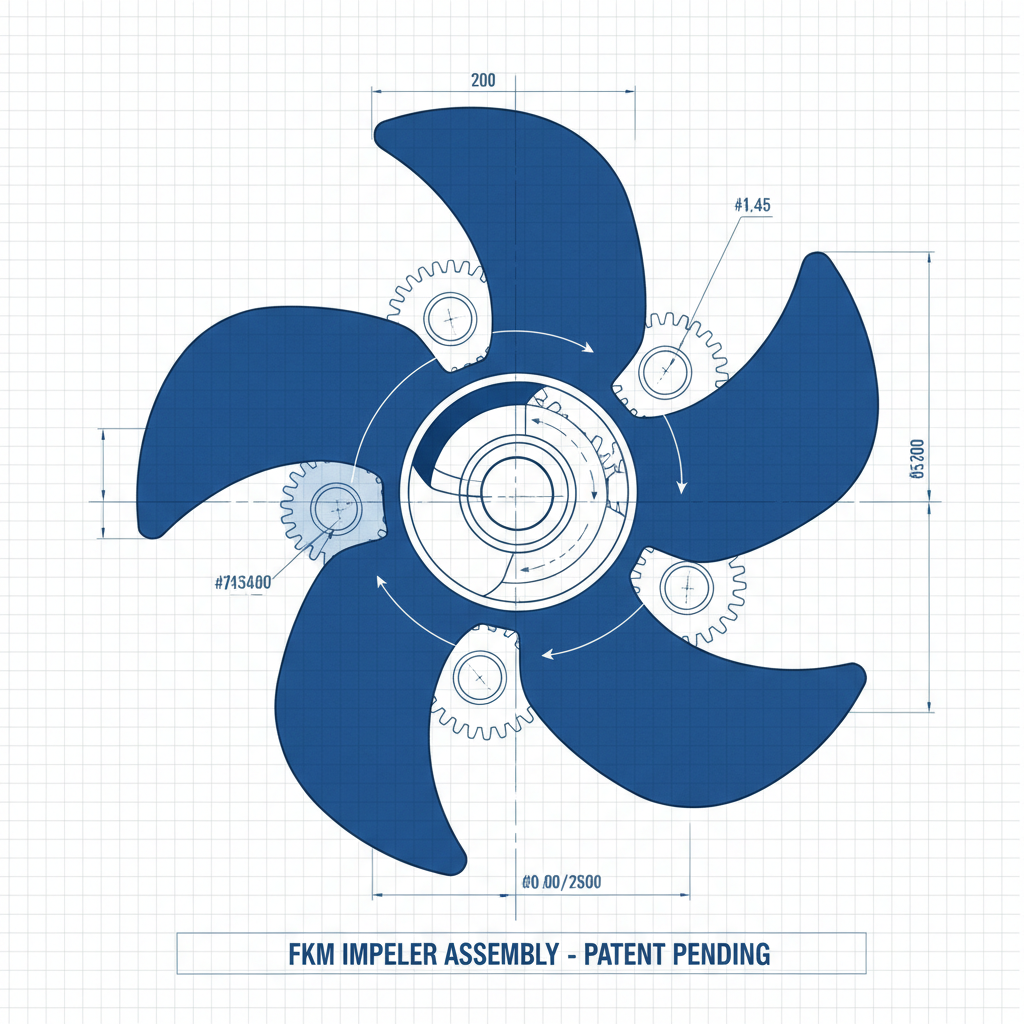
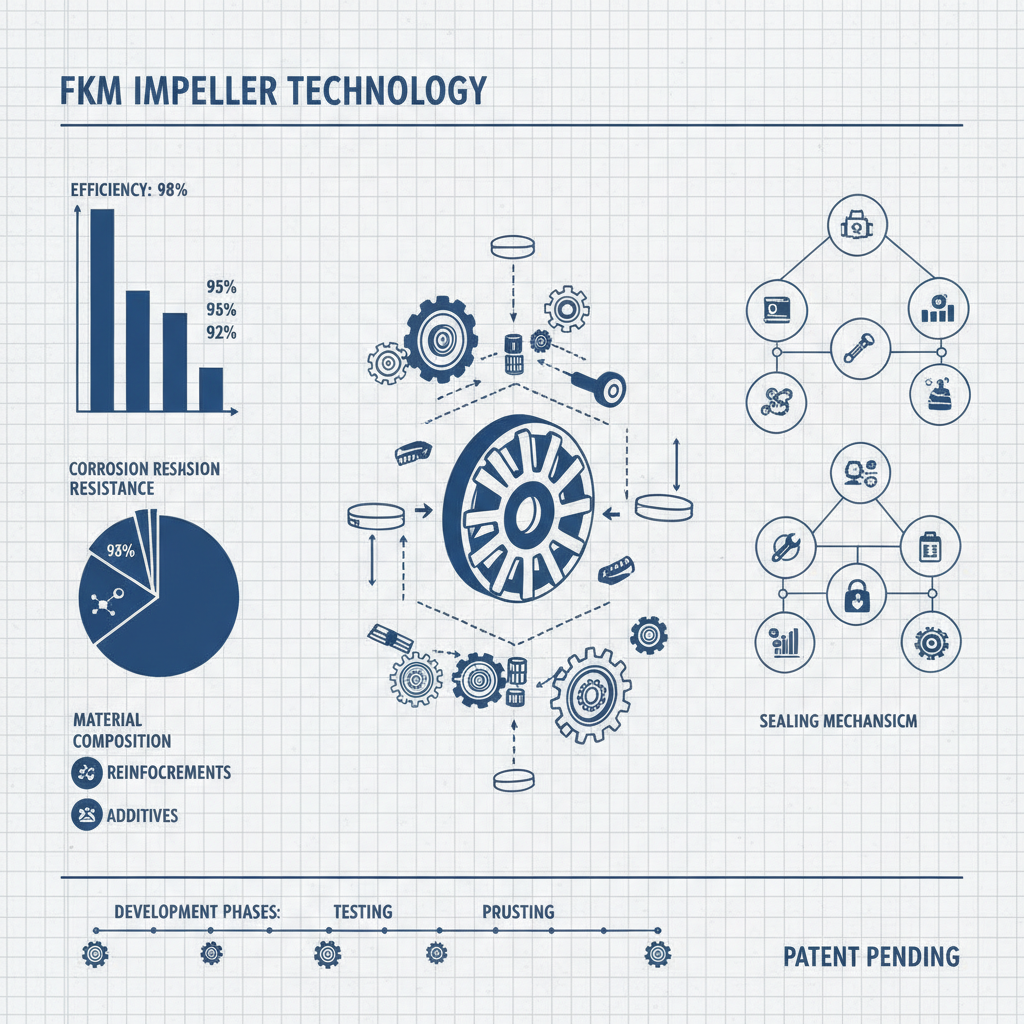
The foundation of the FKM impeller’s effectiveness lies in its unique material properties. Fluoroelastomers, specifically Viton™, exhibit exceptional resistance to a wide range of chemicals, including acids, fuels, oils, and solvents. This inherent resistance prevents degradation and swelling, ensuring long-term dimensional stability and consistent performance. FKM impeller designs benefit significantly from this intrinsic resilience.
Beyond chemical resistance, FKM also boasts a broad operating temperature range, typically from -20°C to 200°C (and sometimes higher with specialized formulations). This makes it ideal for applications involving extreme temperature fluctuations or sustained high-temperature operation, where other materials might fail prematurely. The ability to maintain structural integrity under these conditions is critical for reliable fluid transfer.
FKM impellers offer superior chemical resistance, thermal stability, and durability compared to rubber or plastic alternatives. Rubber often degrades quickly when exposed to harsh chemicals, while plastics may lack the necessary temperature resistance. FKM maintains its integrity under these conditions, leading to a longer lifespan and reduced maintenance. This translates to cost savings and increased reliability, making it ideal for critical fluid handling applications.
Selecting the appropriate FKM grade requires careful consideration of the fluid composition, operating temperature, and pressure requirements. Consulting with a materials specialist or an impeller manufacturer is highly recommended. They can assess your specific needs and recommend the FKM formulation that provides the optimal balance of chemical resistance, thermal stability, and mechanical properties. Datasheets outlining chemical compatibility and temperature limits for different FKM grades are also valuable resources.
The lifespan of an FKM impeller varies depending on the application and operating conditions. However, compared to alternative materials, FKM impellers generally offer a significantly longer service life. Under typical conditions, an FKM impeller can last for several years, even when exposed to aggressive fluids and high temperatures. Regular inspection and preventative maintenance can further extend its lifespan.
While FKM offers excellent chemical resistance, it’s not universally compatible with all chemicals. Certain highly polar solvents and strong bases can cause swelling or degradation. It's crucial to verify chemical compatibility before selecting an FKM impeller for a specific application. Consulting chemical resistance charts and conducting compatibility tests are recommended to ensure optimal performance and prevent premature failure.
FKM impellers require minimal maintenance. Regular visual inspections for signs of wear, cracks, or swelling are recommended. Periodic cleaning to remove buildup or contaminants can also help maintain optimal performance. Avoid exposing the impeller to incompatible chemicals or exceeding its temperature and pressure limits. Following the manufacturer’s recommendations for operation and maintenance is crucial.
FKM impellers typically have a higher upfront cost compared to those made from rubber or plastic. However, this higher initial investment is often offset by their longer lifespan, reduced maintenance requirements, and improved reliability. Considering the total cost of ownership—including replacement costs, downtime, and potential environmental remediation—FKM impellers frequently represent a more cost-effective solution in the long run.
In conclusion, the FKM impeller represents a significant advancement in fluid handling technology, offering a unique combination of chemical resistance, thermal stability, and durability. Its ability to perform reliably in harsh environments and its contribution to minimizing downtime and maintenance costs make it a valuable asset across diverse industries. Understanding the properties and applications of FKM impeller is crucial for optimizing fluid transfer processes and achieving long-term operational efficiency.
Looking ahead, continued innovation in FKM materials and manufacturing techniques promises to further enhance the performance and sustainability of these critical components. Embracing these advancements will not only drive cost savings but also contribute to a more environmentally responsible and reliable industrial landscape. Visit our website at www.sunlitetek.com to learn more about our range of FKM impeller solutions.