Look, I’ve been running around construction sites for twenty years, and let me tell you, things are changing fast. Everyone’s talking about drones now, right? Not just for fancy aerial shots, but for real work – inspections, deliveries, even precision placement. And the first thing that goes when a drone takes a tumble? That controller. The grip, specifically. That’s why a good replacement rubber grip for drone controller is becoming more and more important. It’s not glamorous work, worrying about rubber grips, but it’s essential. To be honest, I used to think it was just a minor detail, but I’ve seen too many good pilots fumble because of a slippery controller.
The demand's going up, definitely. Used to be, guys would just tape something onto their controller if the grip wore down. Now, they're looking for proper replacements. And it's not just hobbyists. Commercial drone operations – surveying, agriculture, infrastructure – they're all relying on these things day in and day out. That means durability isn't just a nice-to-have, it's critical. Have you noticed how quickly some of these grips get…tacky? Like, they start out feeling okay, and then after a couple of weeks, they're attracting dust and grime like magnets. Not good.
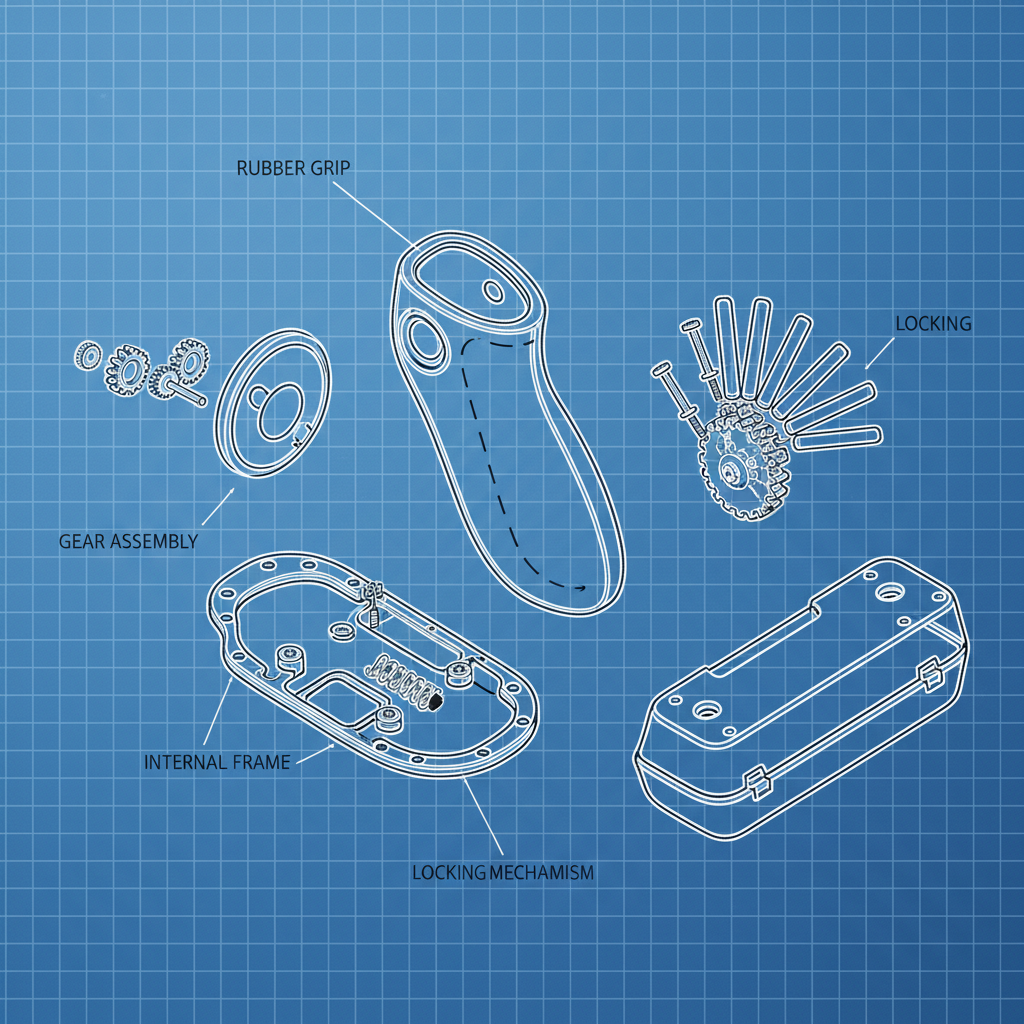
It's a surprisingly complex little component, actually. People think, "it's just rubber," but there’s a lot more to it than that. Anyway, I think the biggest challenge is making something that's comfortable, durable, and provides a good grip in all kinds of conditions – hot sun, cold rain, sweaty hands…you name it.
The Growing Demand for Drone Controller Grips
I encountered this at a big drone manufacturer in Shenzhen last time. They were scrambling to find a consistent supply of high-quality grips. Turns out, the original ones were failing way faster than expected, especially with the increased use of drones in hotter climates. It's not just about replacing a broken grip, it’s about preventing downtime. A pilot can't do their job if they're constantly worried about losing control because of a slippery grip.
Strangely enough, the demand isn’t just coming from professional users. Hobbyists are realizing that investing in a good replacement rubber grip for drone controller is a worthwhile upgrade. It makes flying more enjoyable, and it can actually improve their precision.
Defining a Quality Replacement Rubber Grip
Okay, so what makes a good grip? It's not just about the rubber itself. The texture is critical. You want something that provides a secure hold without being abrasive. And it needs to be resistant to UV degradation – that’s a big one. Cheaper rubbers get brittle and crack in the sun in no time. I’ve seen it happen. You can tell a good rubber by the smell, too. Not that chemical stink, but…well, it’s hard to explain. A good, solid rubber smell.
The material itself is usually a blend of different rubbers – silicone, polyurethane, sometimes even a bit of neoprene. Each one brings something different to the table. Silicone is good for flexibility and temperature resistance, polyurethane for abrasion resistance, and neoprene for a softer feel. The trick is finding the right balance.
And it’s not just the material. The way it’s molded matters too. You want a seamless grip, no rough edges or weak points. We're seeing more grips now with integrated patterns or ridges for even better grip, especially in wet conditions.
Key Factors Influencing Grip Performance
Durability is paramount. These grips take a beating. Constant handling, exposure to the elements… they need to be able to withstand a lot. Then there's ergonomics. A grip that's uncomfortable to hold will cause fatigue and reduce control. It sounds simple, but a lot of manufacturers get it wrong.
The density of the rubber plays a huge role. Too soft, and it’ll compress and lose its shape quickly. Too hard, and it’ll be uncomfortable and won’t provide enough grip. There's a sweet spot, and it takes a lot of testing to find it. And let’s not forget about chemical resistance. Some cleaning agents can degrade rubber over time. It’s a small detail, but it adds up.
Finally, it needs to adhere properly to the controller. No one wants a grip that slips off mid-flight. That's just asking for trouble. Some use adhesives, others rely on a tight friction fit. Both have their pros and cons.
Global Applications and Industry Impact
The biggest demand is definitely in commercial applications. Agriculture, for example – spraying crops, monitoring fields. Those pilots are using their drones all day long, and they need reliable equipment. Then there’s infrastructure inspection – power lines, bridges, wind turbines. It’s dangerous work, and they need to be able to rely on their controllers.
I also see a growing market in search and rescue. Drones are becoming invaluable tools for finding missing persons, especially in remote areas. And in those situations, a reliable controller is literally a matter of life and death.
Replacement Rubber Grip For Drone Controller Performance Metrics
Advantages and Long-Term Value Proposition
Look, a decent replacement rubber grip for drone controller isn't expensive. It’s a small investment that can save you a lot of headaches down the road. Better control means more efficient operation, fewer accidents, and ultimately, a higher return on investment. That makes sense, right?
It’s also about peace of mind. Knowing your grip isn’t going to fail at a critical moment is worth something. It's about safety, really. And let's face it, it feels better to fly with a comfortable, secure grip. It makes the whole experience more enjoyable.
Future Trends and Innovations in Grip Technology
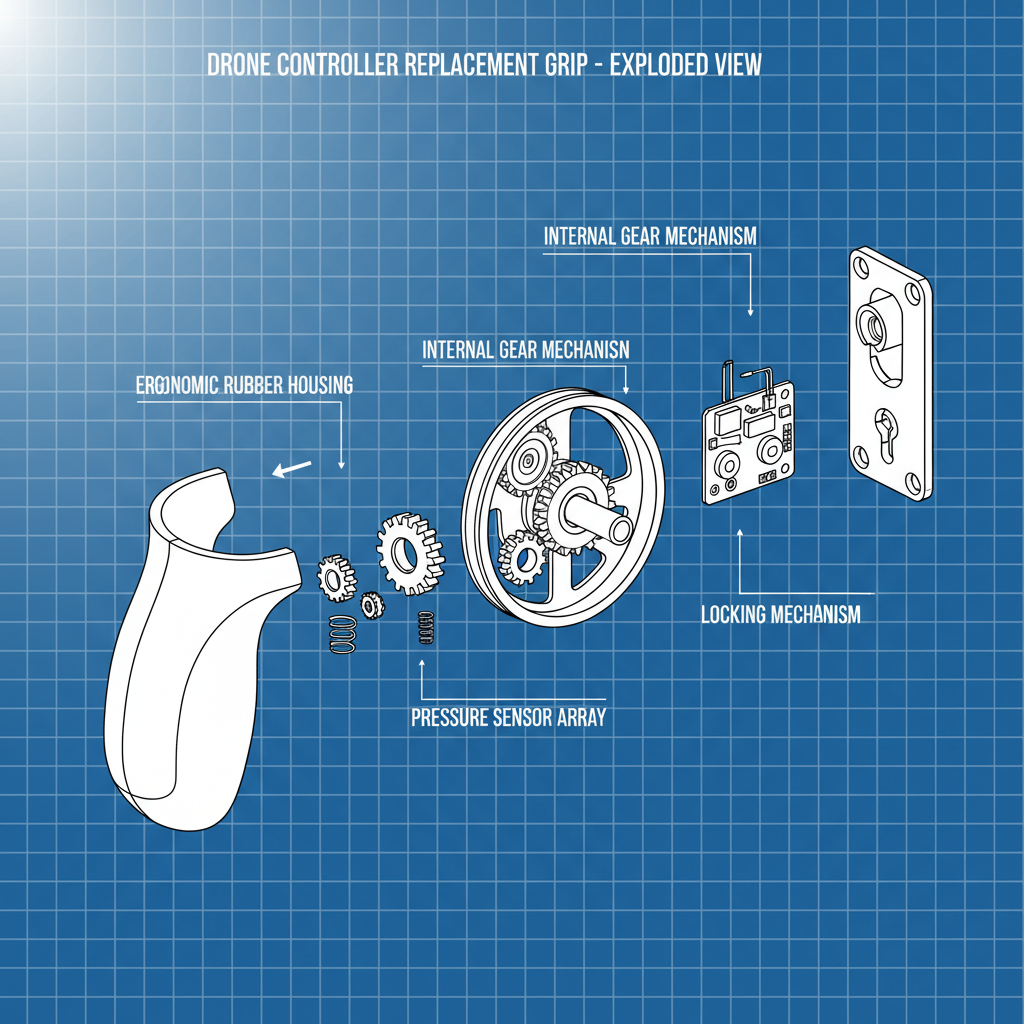
I'm starting to see more grips with integrated sensors – pressure sensors, even bio-sensors that can monitor the pilot’s heart rate. It sounds fancy, but it could be useful for detecting fatigue or stress. There's also some work being done on self-healing polymers – materials that can repair minor damage automatically. That could drastically extend the lifespan of a grip.
And of course, 3D printing is going to play a bigger role. It allows for a lot more customization and rapid prototyping. We could see grips tailored to the specific hand size and grip style of each pilot.
Anyway, I think the biggest trend will be towards more sustainable materials. People are starting to demand products that are environmentally friendly, and that includes drone accessories.
Common Challenges and Innovative Solutions
One of the biggest problems is maintaining grip in extreme temperatures. Rubber gets hard in the cold and sticky in the heat. We’re looking at different polymer blends and coatings to address that. It's not easy.
Another challenge is wear and tear. Constant friction eventually breaks down any material. That’s where those self-healing polymers could come in handy. We're also exploring more durable coatings and surface treatments.
And then there's the issue of customization. Everyone has different preferences. That’s why I think 3D printing is so promising. It allows us to create grips that are perfectly tailored to the individual user.
Summary of Common Challenges & Solutions for Drone Controller Grips
| Challenge |
Impact on Performance |
Proposed Solution |
Implementation Difficulty (1-5) |
| Temperature Sensitivity |
Reduced grip in extreme cold/heat |
Advanced Polymer Blends & Coatings |
3 |
| Wear & Tear |
Loss of texture & grip over time |
Self-Healing Polymers & Durable Coatings |
4 |
| Lack of Customization |
Ergonomic discomfort & reduced control |
3D Printing & Modular Design |
2 |
| Adhesion Issues |
Grip slipping or detaching during flight |
Improved Adhesive Technology & Friction Fit |
3 |
| Chemical Degradation |
Rubber breakdown from cleaning agents |
Chemical-Resistant Materials & Protective Coatings |
2 |
| Cost Constraints |
Balancing performance with affordability |
Optimized Material Selection & Manufacturing Processes |
4 |
FAQS
Honestly, it depends on how much you fly. If you’re a professional pilot using your drone daily, you’ll need to replace it much more frequently than a hobbyist. As a general rule, if you start noticing cracking, wear, or a loss of grip, it’s time for a replacement. Don’t risk it!
There’s no single “best” material. Silicone is good for flexibility and temperature resistance, but polyurethane is more durable. It really depends on your priorities and flying conditions. A blend of materials often gives you the best of both worlds, but those can be more expensive. We carry options for different needs.
No, unfortunately not. Drone controllers come in all shapes and sizes. You need to make sure you get a grip that’s specifically designed for your controller model. Check the product description carefully, or contact us if you’re not sure. Getting the wrong size is a waste of money.
Most replacement grips are designed to be easy to install. Some simply slide over the existing controller grips, while others require a bit of adhesive. We provide clear instructions with every grip, and there are plenty of tutorials online. If you’re not comfortable doing it yourself, you can always ask a local drone repair shop for help.
Absolutely! We’re starting to offer customized grips with different colors, textures, and even logos. Last month, that small boss in Shenzhen who makes smart home devices insisted on changing the interface to and wanted a bright orange grip with his company logo. It was a bit of a headache, but we got it done. Customization options are expanding all the time.
We take quality control seriously, but sometimes things happen during shipping. If you receive a damaged grip, please contact us immediately and we’ll send you a replacement free of charge. We want to make sure you’re completely satisfied with your purchase.
Conclusion
So, yeah, a replacement rubber grip for drone controller might seem like a small thing, but it’s a critical component for safe and efficient drone operation. It's not just about comfort; it's about control, durability, and reliability. The industry is evolving rapidly, with new materials and technologies constantly emerging. It’s a fascinating field, even if it does involve a lot of getting your hands dirty.
Ultimately, whether this thing works or not, the worker will know the moment he tightens the screw. That’s the truth of it. Visit our website at www.sunlitetek.com to find the perfect grip for your drone controller today!

 Select Language