The increasing reliance on drone technology across various sectors—from agriculture and infrastructure inspection to delivery and emergency response—has created a demand for specialized components ensuring operational safety and efficiency. A critical, often overlooked aspect of drone functionality is the seemingly simple, yet vital, drone rubber stopper. This component, designed to protect sensitive drone components during transport and operation, is becoming increasingly sophisticated to meet the demands of evolving drone applications and increasingly complex operating environments. Understanding the nuances of drone rubber stoppers is crucial for drone manufacturers, operators, and maintenance personnel alike.
Globally, the drone industry is experiencing exponential growth. The United Nations projects a significant increase in commercial drone operations within the next decade, particularly in logistics and environmental monitoring. This growth necessitates a parallel increase in the availability of high-quality, reliable components like the drone rubber stopper. Challenges stemming from varying climates, impact resistance, and material degradation demand innovative solutions. The quality and design of these stoppers directly impact the longevity and safety of the drones they protect, affecting both financial investments and operational success.
Furthermore, the development of advanced drone technology, including autonomous flight and long-range capabilities, adds further pressure on component performance. A drone rubber stopper is not merely a protective cap; it's an integral part of the drone’s overall system integrity, contributing to its reliability and operational lifespan.
Introduction to Drone Rubber Stoppers
The drone rubber stopper, at its most basic, is a protective covering designed for vulnerable drone components, such as gimbal cameras, sensors, and propellers. However, the scope of its functionality extends far beyond simple physical protection. Modern drone rubber stoppers are engineered to withstand extreme temperatures, resist UV degradation, and provide impact absorption, ensuring the continued reliability of sophisticated drone systems.
The quality of a drone rubber stopper directly correlates with the overall lifespan and operational effectiveness of the drone. A poorly designed or manufactured stopper can lead to component damage during transportation, storage, or even routine operation, resulting in costly repairs and downtime. Consequently, selecting the appropriate stopper is a critical decision for both drone manufacturers and operators.
Defining the Drone Rubber Stopper
A drone rubber stopper is a specifically engineered component designed to safeguard sensitive parts of a drone from physical damage during transportation, storage, and operation. Unlike generic protective caps, these stoppers are often custom-designed to fit the precise contours of the drone component they are intended to protect, offering a secure and snug fit.
This component's relevance extends beyond merely preventing scratches. It plays a crucial role in protecting delicate sensors and camera systems from vibrations, impacts, and environmental factors. In the context of modern industry, particularly in sectors like aerial photography, surveying, and inspection, maintaining the integrity of these components is paramount.
Furthermore, the increasing use of drones in humanitarian applications—such as search and rescue or disaster relief—highlights the importance of robust component protection. A drone rubber stopper ensures that critical equipment remains functional in challenging and unpredictable environments, enabling effective response efforts.
Core Components and Material Science
The effectiveness of a drone rubber stopper hinges on the materials used in its construction. Commonly employed materials include silicone, thermoplastic elastomers (TPE), and various grades of polyurethane. Each material offers a unique set of properties – silicone provides excellent temperature resistance, TPE offers good flexibility and durability, and polyurethane excels in impact absorption.
Material selection isn’t solely about inherent properties. Factors such as UV resistance, chemical compatibility, and overall weight also play a significant role. Advanced formulations often incorporate additives to enhance specific characteristics, such as anti-static agents to prevent dust accumulation or flame retardants for enhanced safety. The internal structure of the stopper is also vital; some designs incorporate internal ribbing or cushioning layers to maximize shock absorption.
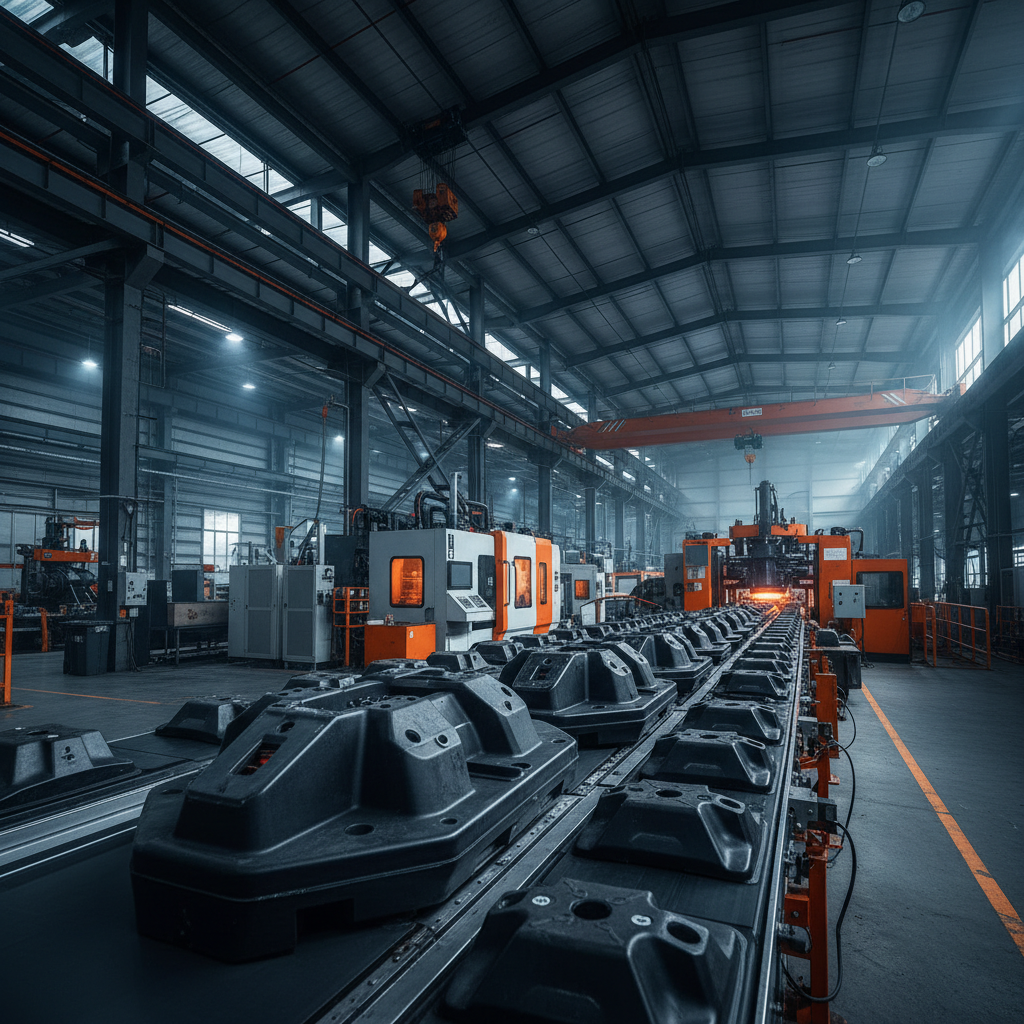
The design process also takes into account the manufacturing method. Injection molding is a common technique for producing complex stopper shapes with high precision. However, other methods, like compression molding or 3D printing, are increasingly used for specialized applications or low-volume production runs.
Key Performance Indicators
Evaluating the performance of a drone rubber stopper requires assessing several key indicators. These include impact resistance – measured by the energy the stopper can absorb before deformation or failure – temperature tolerance, which defines the range of operating temperatures without material degradation, and UV resistance, indicating the stopper's ability to withstand prolonged exposure to sunlight.
Other crucial metrics include tensile strength, elongation at break, and hardness, all of which contribute to the stopper’s overall durability and longevity. A comprehensive testing regimen, often adhering to industry standards like ASTM or ISO, is essential for verifying performance characteristics.
Drone Rubber Stopper Performance Comparison
Global Applications and Industry Integration
The application of drone rubber stoppers is widespread across diverse industries. In the agricultural sector, they protect camera systems used for crop monitoring and analysis. In infrastructure inspection—bridges, power lines, wind turbines—they safeguard sensors from harsh environmental conditions.
Furthermore, in remote industrial zones, where drones are utilized for routine inspections, these stoppers prevent damage during transport and operation. In post-disaster relief operations, ensuring the integrity of drone-mounted cameras and sensors is critical for assessing damage and coordinating rescue efforts.
Advantages and Long-Term Value Proposition
The benefits of investing in high-quality drone rubber stoppers extend far beyond mere component protection. Reduced downtime due to component failure translates to significant cost savings, particularly for commercial drone operators. Improved reliability enhances operational efficiency and minimizes the risk of data loss.
The long-term value also encompasses sustainability. By extending the lifespan of drone components, these stoppers reduce the need for frequent replacements, thereby minimizing waste and contributing to a more environmentally responsible approach to drone operations. Moreover, ensuring the safety and reliability of drone systems fosters trust and confidence among stakeholders.
Beyond the tangible benefits, there is an element of peace of mind. Knowing that valuable equipment is adequately protected allows operators to focus on their core tasks, increasing productivity and innovation.
Future Trends and Innovations in Drone Rubber Stoppers
The future of drone rubber stopper technology is likely to be shaped by several key trends. The integration of smart materials—those that respond to environmental stimuli—is one promising avenue. For example, stoppers that automatically adjust their rigidity based on temperature could provide enhanced protection in extreme conditions.
Another area of innovation is the development of biodegradable or bio-based materials, aligning with the growing emphasis on sustainability. Furthermore, the increasing use of 3D printing will allow for the creation of highly customized stoppers tailored to specific drone models and components.
Finally, the convergence of digital technologies, such as sensor integration and data analytics, could enable proactive monitoring of stopper performance, alerting operators to potential issues before they escalate into failures.
Summary of Factors Influencing Drone Rubber Stopper Selection
| Material Type |
Environmental Resistance |
Impact Absorption Capacity |
Cost Efficiency (Scale 1-10) |
| Silicone |
High Temperature & UV Resistance |
Moderate |
6 |
| TPE |
Good All-Round Resistance |
Good |
7 |
| Polyurethane |
Moderate; Requires UV Protection |
Excellent |
8 |
| Bio-Based Polymer |
Variable, Dependent on Formulation |
Moderate |
5 |
| Smart Material Composites |
Adaptive, Environmentally Responsive |
High |
4 |
| Hybrid Materials |
Optimized for Specific Applications |
Variable |
9 |
FAQS
Polyurethane and certain grades of TPE generally offer superior durability and impact resistance compared to standard silicone. However, the “best” material depends on the specific operating environment. If UV exposure is a concern, silicone or TPE with UV stabilizers might be preferred. The most durable stoppers often utilize a combination of materials to leverage their individual strengths.
Accurate measurement is crucial. Consult your drone's documentation for recommended stopper dimensions. If not available, carefully measure the diameter and shape of the component you're protecting. A snug fit is ideal—too loose and the stopper won't provide adequate protection, too tight and it could damage the component. Many manufacturers offer a range of sizes to accommodate various drone models.
The temperature resistance varies depending on the material. Silicone generally has the widest temperature range, maintaining flexibility and performance in both extreme heat and cold. TPE offers good temperature resistance, while polyurethane’s performance can degrade at very high or low temperatures. Check the product specifications for the stopper's operating temperature limits.
Standard rubber stoppers do not typically offer significant ESD protection. However, stoppers manufactured with anti-static additives can mitigate this risk, particularly important when protecting sensitive electronic components. Look for stoppers specifically labeled as ESD-safe if you’re operating in an environment prone to static electricity.
Replacement frequency depends on usage and environmental conditions. Inspect stoppers regularly for signs of wear and tear, such as cracks, tears, or deformation. If exposed to harsh chemicals, UV radiation, or extreme temperatures, more frequent replacement may be necessary. As a general guideline, replace stoppers annually or whenever signs of degradation are observed.
Custom-designed stoppers provide a superior fit, maximizing protection and preventing movement during transport or operation. They can be tailored to specific drone models and component shapes, ensuring optimal coverage. Custom designs also allow for the incorporation of specialized features, such as integrated sensor holders or enhanced cushioning.
Conclusion
In conclusion, the drone rubber stopper is a deceptively simple, yet critically important component in the broader drone ecosystem. Its effectiveness directly impacts drone reliability, operational lifespan, and ultimately, the success of applications across diverse industries. From selecting the right material to considering environmental factors and ensuring a proper fit, a thoughtful approach to stopper selection is essential.
Looking ahead, continued innovation in materials science and manufacturing techniques will drive further enhancements in drone rubber stopper technology. Embracing these advancements—such as the integration of smart materials and sustainable alternatives—will not only improve drone performance but also contribute to a more responsible and resilient drone industry. For optimal drone protection and performance, visit our website: www.sunlitetek.com.

 Select Language