 Select Language
Look, I’ve been running around construction sites for fifteen years, and let me tell you, things are changing. It’s not just about bigger drones anymore, it’s about what you hang on those drones. Drone accessories for sale are exploding – not just the obvious stuff like extra batteries, but everything from specialized cameras to delivery mechanisms and even little robotic arms. To be honest, everyone’s trying to figure out how to make drones do more than just take pretty pictures, and that means a whole lot of new kit.
It's funny, you spend hours in the design office, getting everything perfect on the CAD software, then you get to a real building site and everything falls apart. Have you noticed that? Like, a perfectly designed gimbal mount that vibrates like crazy in a real wind? It happens. It always happens. The market for drone accessories for sale is only going to grow as more and more industries start relying on these things.
And it’s not just about new gadgets. People are demanding better quality, more reliability. They’re tired of flimsy plastic breaking after a week. They want stuff that can take a beating, because, trust me, these things do take a beating.
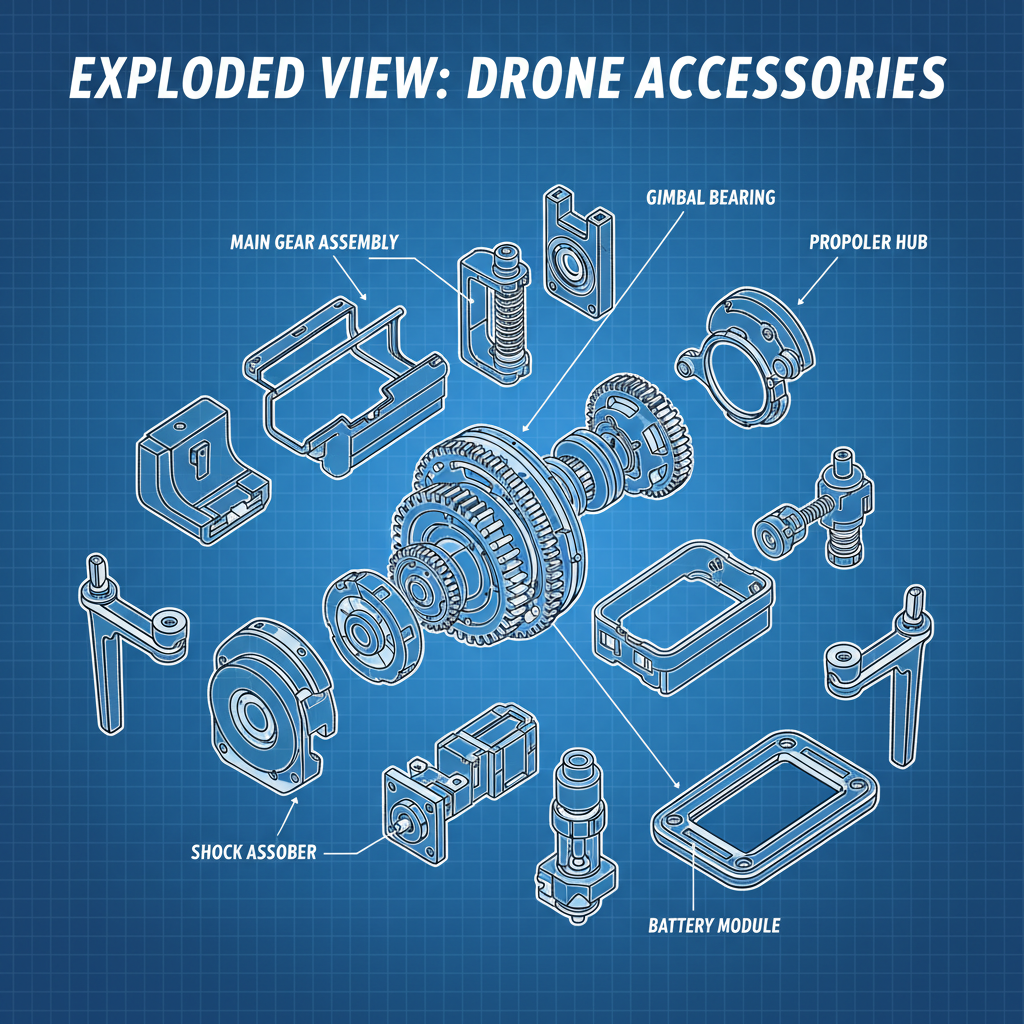
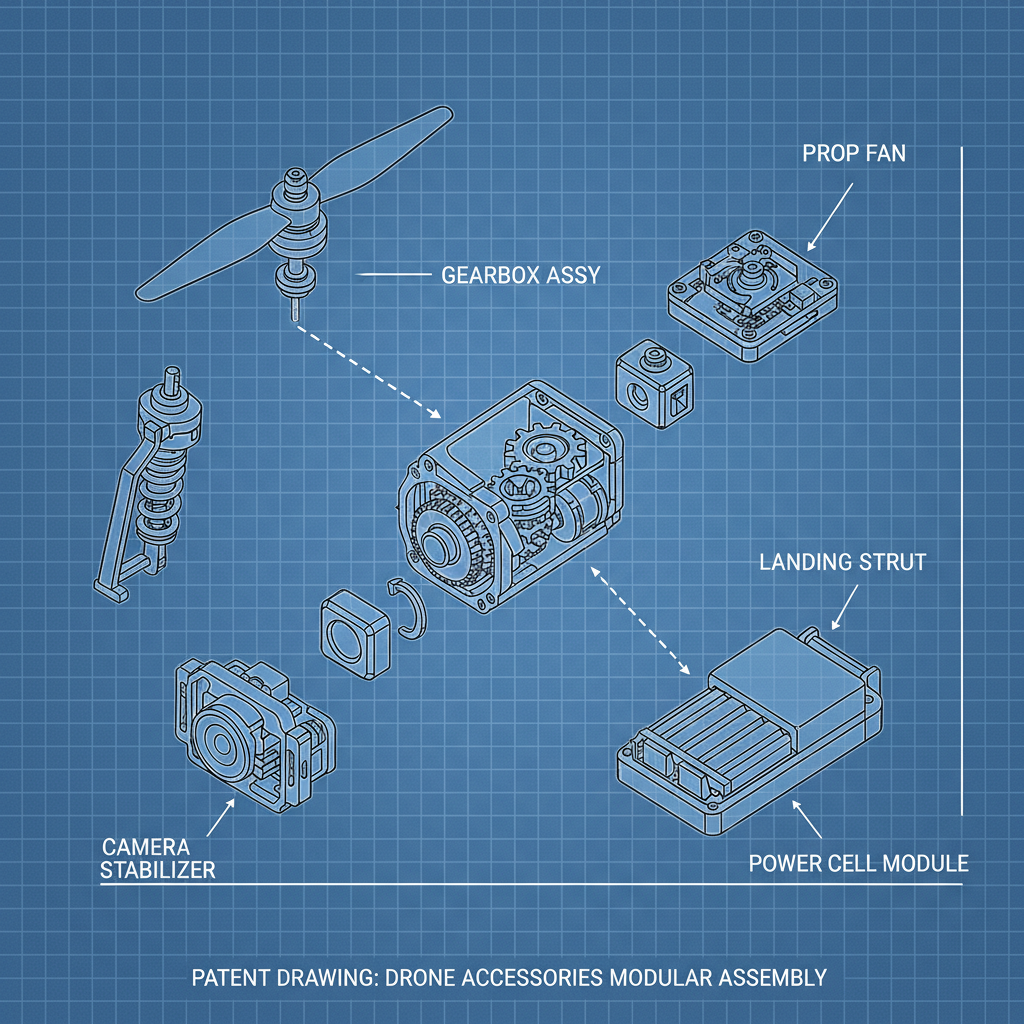
Honestly, it’s a bit of a Wild West out there. You’ve got everything from cheap plastic bits imported from overseas to incredibly sophisticated, custom-engineered solutions. The biggest sellers right now? Definitely extended flight batteries – everyone wants more airtime. Then there's the thermal imaging cameras, those are going like hotcakes with inspectors. Strangely, I’m seeing a lot more demand for specialized delivery attachments for small packages, it's not always about fun and games.
The whole ‘drone accessories for sale’ market is driven by this need for specialization. People aren’t just buying drones; they're building complete systems to solve specific problems. It's all about maximizing efficiency.
Honestly, it's balancing weight with strength. You want something that can withstand a beating, but adding too much weight dramatically reduces flight time. It's a constant trade-off. We've seen a lot of accessories fail because they were simply too heavy. Material selection is crucial, and so is smart design – distributing stress effectively.
Big time. Extreme temperatures can make plastics brittle or cause metal components to expand and contract, leading to failures. Humidity is a killer for electronics. Salt spray is especially nasty, corroding connectors and causing shorts. We always test in simulated environmental chambers, but nothing beats real-world testing in different climates.
Waterproofing is surprisingly complex. It's not just about sealing everything up. You need to consider pressure differentials, condensation, and ingress points. We use a combination of O-rings, gaskets, and conformal coatings. But honestly, "water resistant" is often a more realistic goal than fully waterproof. And even then, you need to clearly define what "water resistant" means.
Crucial. Drones generate a lot of vibration, and that can wreak havoc on sensitive components like cameras and sensors. We use a variety of materials – rubber, silicone, even specialized foams – to dampen vibrations. It’s a surprisingly complex field, and getting it right can make the difference between a smooth, stable image and a blurry mess.
It's a hidden problem. Power lines, radio towers, even other electronic devices can generate EMI that interferes with drone signals. We use shielding materials and careful grounding techniques to minimize interference. We also test in environments with high EMI levels to make sure our accessories can operate reliably.
It depends on the accessory, but regular maintenance is key. Gimbals need to be balanced, sensors need to be calibrated, and connections need to be checked for corrosion. We recommend a pre-flight checklist for every flight, and a more thorough inspection every few weeks. Preventative maintenance saves a lot of headaches in the long run.
So, what does it all boil down to? Drone accessories for sale are changing the game, enabling new applications and pushing the boundaries of what's possible. But it’s not just about the tech. It's about understanding the real-world challenges, choosing the right materials, and designing for durability and reliability. And remember, a fancy feature is useless if it breaks after a few flights.
Ultimately, whether this thing works or not, the worker will know the moment he tightens the screw. You can have all the lab tests and simulations in the world, but nothing beats getting your hands dirty and seeing how it performs in the field. And, if you want quality drone accessories for sale, check out SunliteTek.