 Select Language
You know, these days everyone's talking about modular design and prefabrication. It's all the rage. But honestly, it's not new. We've been trying to simplify things on site for decades. The real trick is finding that sweet spot between standardization and adaptability. Because let me tell you, every site is different, every engineer has their quirks… and every client has a “special request.”
What I've noticed is a lot of designers get caught up in making things look good on paper. They forget what it’s actually like to wrestle with a component in the rain, or try to fit something into a space that’s… well, let’s just say the architect wasn’t thinking about real-world tolerances. It's frustrating. It really is.
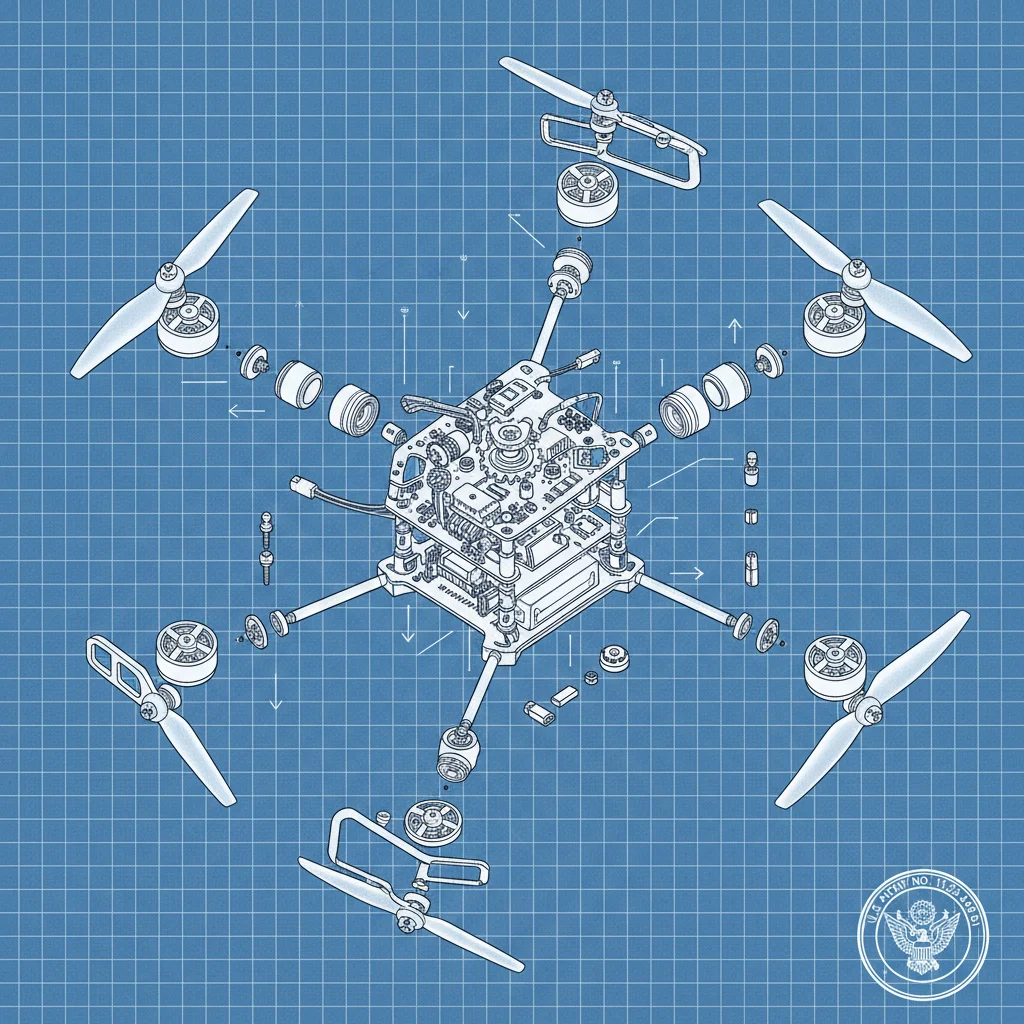
We're mainly working with high-strength aluminum alloys for the drone handle frames – 6061-T6 usually. Feels solid, you know? A bit cold to the touch at first, but you get used to it. The coating, though… that’s important. We’ve tested a few different powder coats, and honestly, the textured ones hold up best against scratches and abrasions. We even experimented with a coating that smelled faintly of citrus for a while. Marketing’s idea. Didn't last. Too weird.
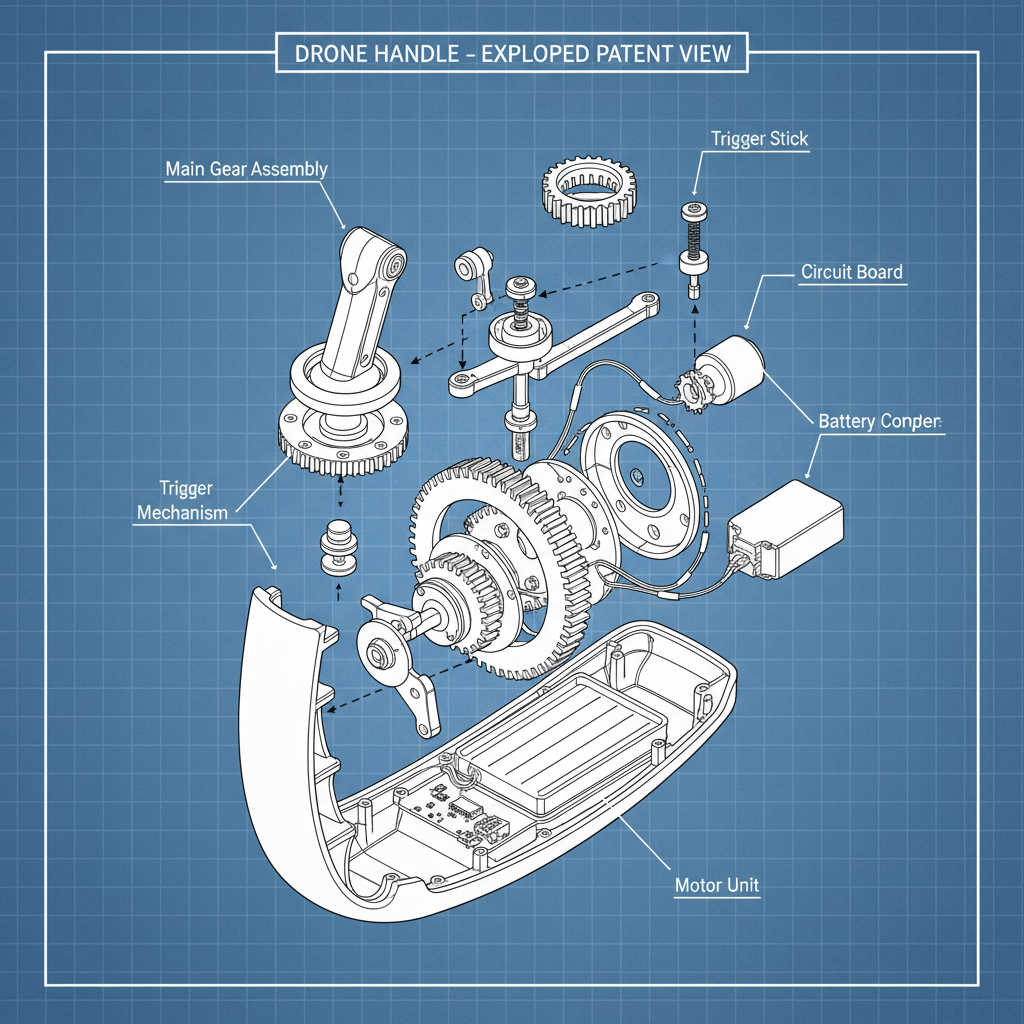
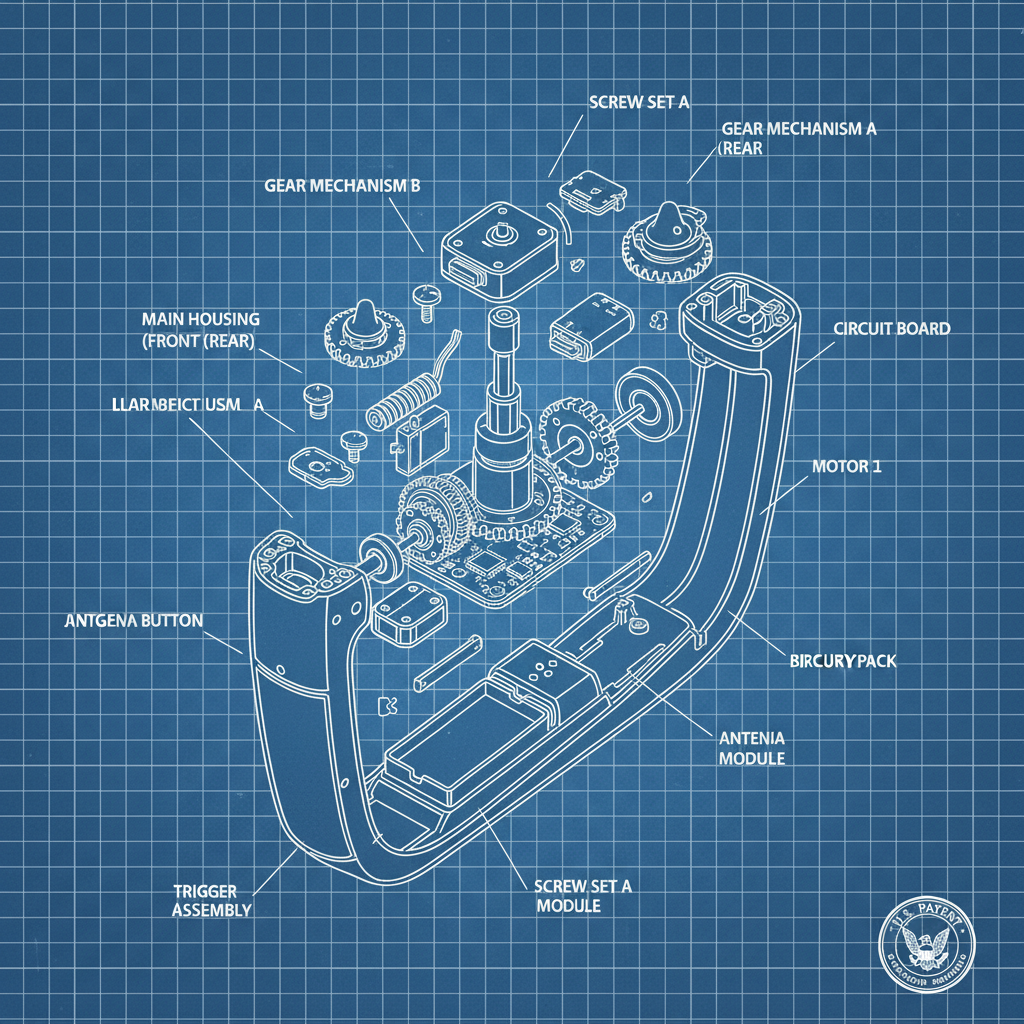
To be honest, the biggest shift I've seen is the move towards lighter materials. Everyone wants longer flight times, right? So, the handles need to shed weight. Carbon fiber is great, when you can afford it. But it's brittle. You drop it, and… snap. We’re focusing on aluminum composites now. They're more durable, easier to work with, and surprisingly light.
Have you noticed the demand for ergonomic designs? Seems like everyone wants a handle that “feels right”. Which is… subjective, to say the least. But we're incorporating more textured grips and adjustable features to try and cater to different hand sizes and preferences. It's a constant balancing act.
Our drone handles are predominantly constructed from high-strength 6061-T6 aluminum alloy for the frame. This offers a great balance of weight and durability. The grips typically utilize polyurethane for comfortable handling and secure grip, even in wet conditions. We're also exploring incorporating bio-based polymers for certain non-structural components to enhance sustainability. It's a constant balance between performance, cost, and environmental impact, to be honest.
We go beyond lab tests. We conduct drop tests from various heights and onto different surfaces. Crucially, we provide handles to actual drone operators for field testing. They subject them to the stresses of real-world use. We collect feedback on grip comfort, vibration levels, and failure points. This user feedback is invaluable and guides our design improvements. It’s the only way to truly understand how these handles perform in the hands of professionals.
We offer a surprising amount of customization. Color and finish are readily adjustable. We can integrate accessories like LED lights or specialized camera mounts. The type of interface—USB or —is also customisable, but as that one project in Shenzhen proved, sometimes it's better just to stick with what works! Seriously though, we aim to adapt to specific client needs while maintaining structural integrity.
Water resistance is a complex issue. We aim for robust water protection, but defining ‘waterproof’ is tricky. Our handles are designed to withstand rain and splashes. We employ tight seals and waterproof coatings. However, prolonged submersion is generally not recommended. We subject them to rigorous water ingress testing, but real-world conditions can always present unexpected challenges.
The lifespan varies depending on usage intensity and environmental factors. However, with proper maintenance, our handles are designed to last for several years. We've seen examples lasting over 5 years in relatively mild conditions. Factors like exposure to UV radiation, extreme temperatures, and abrasive materials can shorten the lifespan. Regular inspection and cleaning are crucial for maximizing longevity.
We prioritize weight reduction. Our handles are typically lighter than those made from heavier materials like steel. We achieve this through the use of aluminum alloys and optimized designs. The exact weight varies depending on the configuration and accessories, but we consistently aim to be competitive in the lightweight category. Lighter handles translate to longer flight times, which is what everyone wants, right?
Ultimately, we spend a lot of time thinking about these handles, trying to balance weight, durability, ergonomics, and cost. It’s a constant iterative process, fueled by feedback from the field and a healthy dose of trial and error. But at the end of the day, the real test is how they perform in the hands of the operator.
Whether this thing works or not, the worker will know the moment he tightens the screw. And that’s what matters. If it feels solid, if it’s comfortable, if it doesn’t fall apart after a few hours, then we’ve done our job. It's a simple thing, really. But it's important.