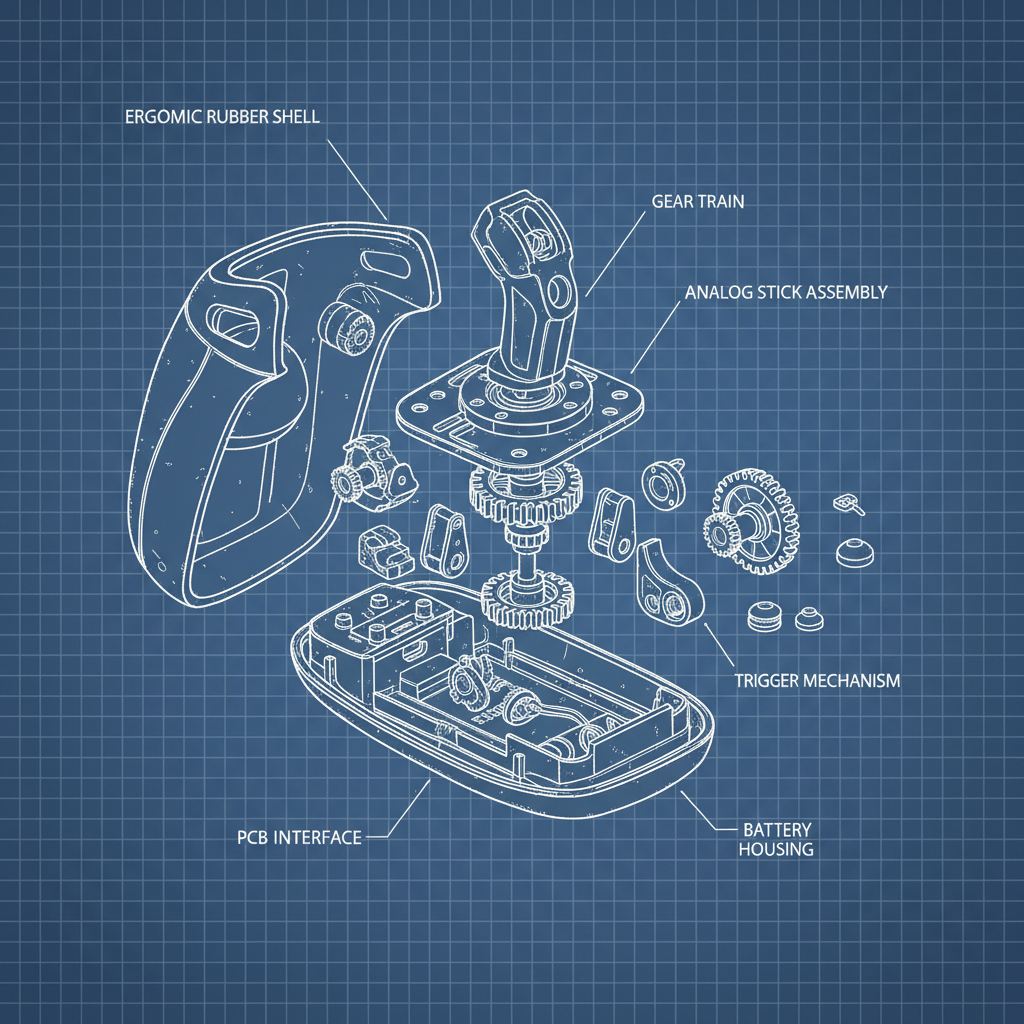
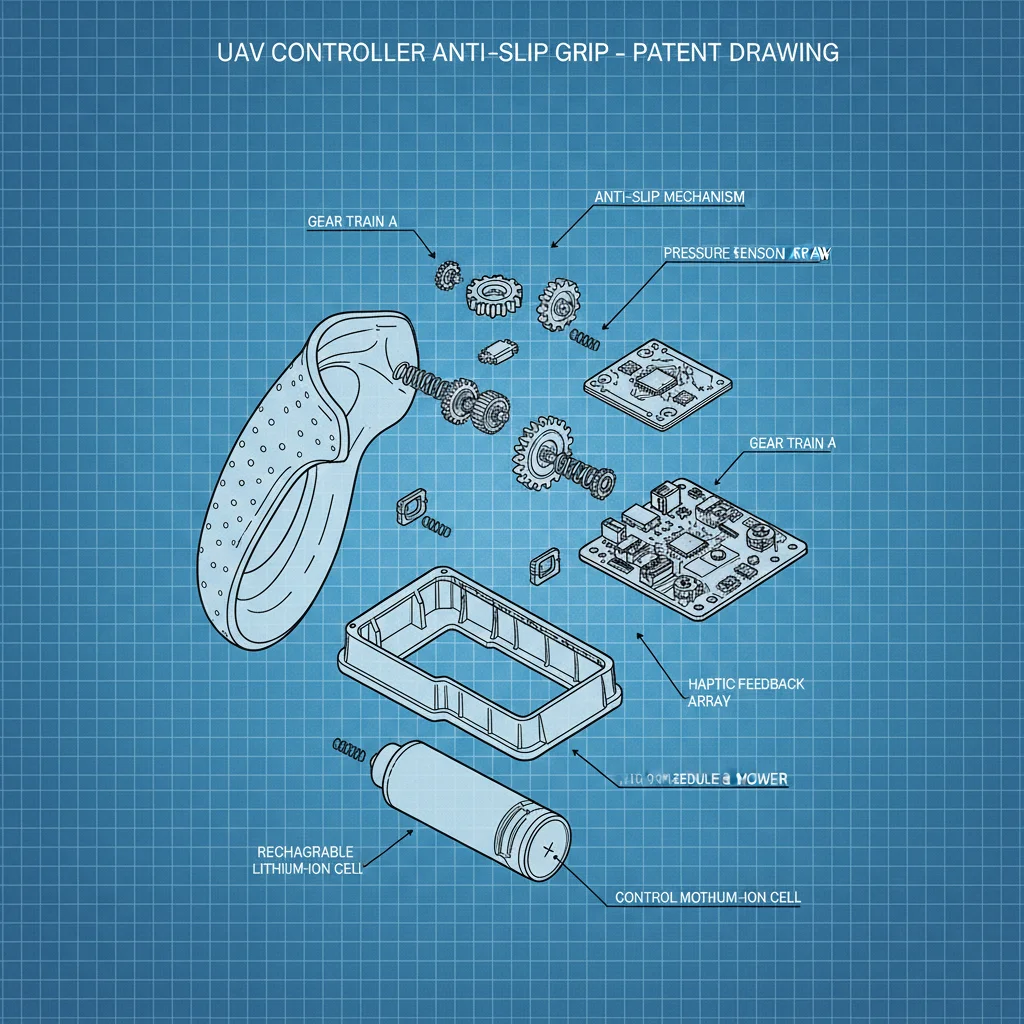
To be honest, this industrial UAV remote control rubber grip… you wouldn't think much about it, right? It’s just a grip. But man, I’ve seen so many pilots, good ones and not-so-good ones, completely lose it because of a bad grip. It's the interface between you and hundreds of thousands of dollars worth of equipment. And lately, everyone’s going for these more complex drone operations – mapping, inspections, agriculture… it’s not just hobbyists anymore. They’re flying in all sorts of conditions, longer hours. Grip fatigue is a real thing.
Have you noticed how many companies are trying to get into the drone space now? It’s a gold rush. Everyone thinks they can build a drone, but nobody wants to talk about the little things, like what your hands are actually doing for eight hours straight. It's always about the sensors, the cameras, the payload… which is fine, I guess.
Anyway, I think the biggest shift I've seen lately is the demand for more ruggedized grips. Used to be, everyone wanted lightweight. Now, they're realizing they need something that can take a beating, especially if they're working in harsh environments. And it's not just about drop protection, it’s about handling.
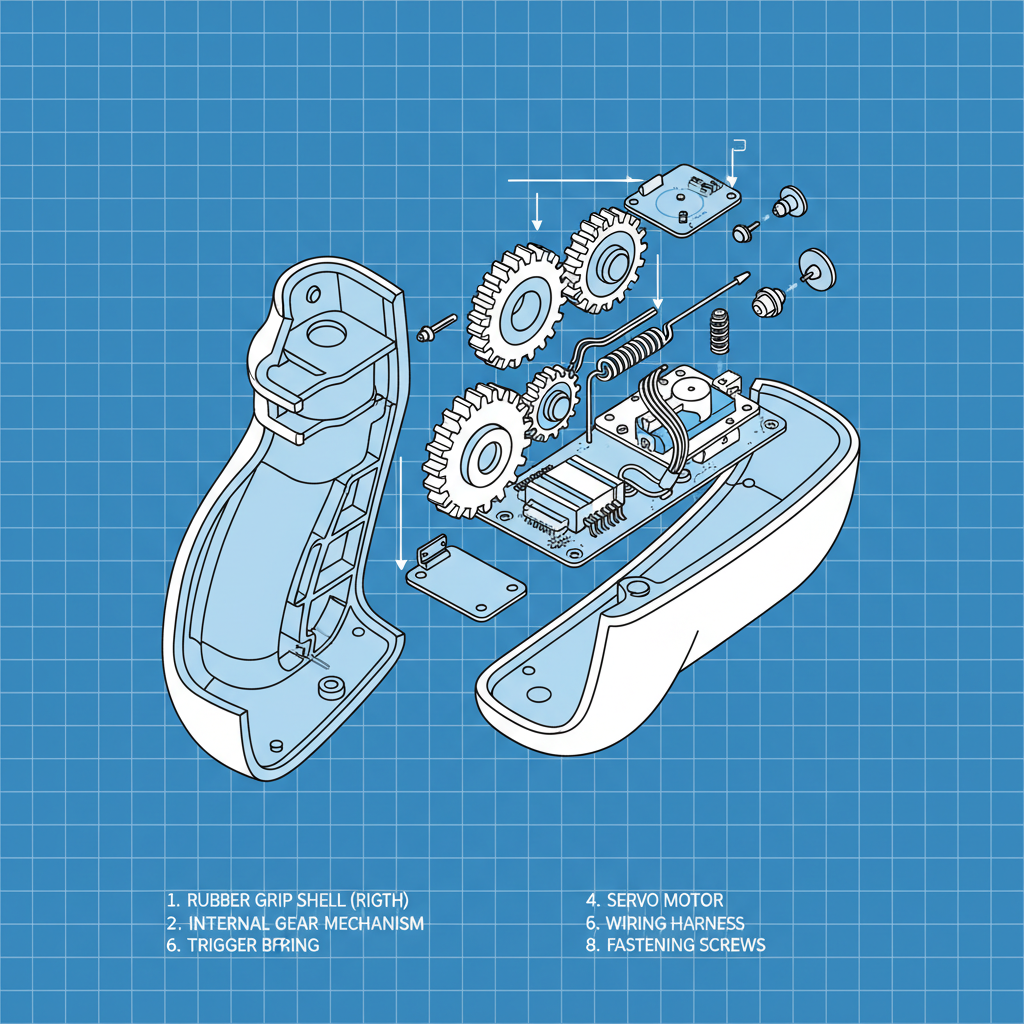
The Growing Importance of Industrial UAV Remote Control Rubber Grips
Strangely enough, people spend so much money on the drone itself, but then cheap out on the part they're physically interacting with all day. It's like building a Ferrari and putting bicycle tires on it. I encountered this at a power line inspection company last time – they were using these super high-end drones, but the grips were… well, let’s just say they were causing blisters. And when you're 200 feet in the air, the last thing you need is a distraction.
I've seen everything from basic foam grips to these high-tech molded silicone ones. But it's not just about comfort; it's about control. A good grip should feel like an extension of your hand, not something you're constantly fighting against. It’s also about reducing hand fatigue, especially in longer missions. industrial UAV remote control rubber grip / tactical drone controller grip sleeve plays a critical role here.
Defining the Industrial UAV Remote Control Rubber Grip
So, what is an industrial UAV remote control rubber grip? It’s the exterior layer on the controller that you actually hold onto. It's not just rubber, though. Most of the good ones now are made with a combination of materials – silicone for the tactile feel, a denser rubber for shock absorption, and sometimes even a textured polymer for improved grip in wet conditions. It's the point of contact, the crucial link between the operator’s commands and the drone’s actions.
It's a small component, but it connects directly to modern industry needs – precision, reliability, and operator safety. Think about it: drone pilots are increasingly involved in critical infrastructure inspections, precision agriculture, search and rescue operations… the stakes are higher. A comfortable, secure grip isn't a luxury; it's a necessity.
A poorly designed grip can lead to errors, fatigue, and even accidents. A good one can dramatically improve operator efficiency and reduce the risk of costly mistakes. It’s a relatively low-cost investment with a potentially huge return.
Key Factors for a Superior Grip
Durability is huge. These things take a beating. Drops, exposure to the elements… they need to withstand a lot. I've seen grips crack and tear after just a few weeks of use. You want something that's made with high-quality materials and a robust construction. The material needs to resist UV degradation, too – sun exposure is brutal.
Ergonomics is also critical. It needs to fit comfortably in a wide range of hand sizes. That means considering the shape, the texture, and the overall size. A grip that's too small will cause fatigue, while one that's too large will be difficult to control. We’ve been getting requests for grips that accommodate gloves, too – winter operations are becoming more common.
Then there’s the “feel.” It sounds silly, but the texture matters. A slightly tacky surface provides a more secure grip, even in wet conditions. And the density of the material is important – you want something that absorbs vibrations and reduces hand fatigue. I always tell the engineers, “Give me something that feels solid, but not hard as a rock.” tactical drone controller grip sleeve manufacturers often overlook this part.
Real-World Applications Across Industries
You see these grips being used everywhere now. Power line inspection, as I mentioned before, is a big one. Those guys are flying for hours, constantly adjusting the drone’s position. They need a grip that's comfortable and reliable. Precision agriculture is another huge market. Farmers are using drones to monitor crop health, spray pesticides, and even plant seeds. Accuracy is key, and a good grip helps them maintain precise control.
Construction sites are another hotspot. Drones are being used for surveying, progress monitoring, and safety inspections. Those environments are tough on equipment – dust, dirt, and potential drops. A ruggedized grip is essential.
And then there's search and rescue. Time is of the essence in those situations, and a comfortable, secure grip can make all the difference. A lot of these guys are working in stressful conditions, and they need equipment they can rely on.
Industrial UAV Remote Control Rubber Grip Performance Metrics
Advantages and Long-Term Value Proposition
The biggest advantage is improved operator performance. A comfortable grip reduces fatigue, allowing pilots to fly for longer periods and maintain better control. That translates to more efficient operations and fewer errors. Plus, a durable grip saves money in the long run – you’re not constantly replacing worn-out parts.
From a safety perspective, it’s huge. Reduced fatigue means fewer mistakes, and a secure grip minimizes the risk of losing control of the drone. That’s especially important in sensitive environments, like near power lines or populated areas. It’s about reliability, about trust in your equipment when you are relying on your equipment.
Future Trends and Innovations in Grip Technology
I think we're going to see more customization in the future. Right now, most grips are one-size-fits-all. But pilots have different hand sizes and preferences. We're already starting to see companies offering grips with adjustable features – things like interchangeable inserts or adjustable palm rests.
We’re also looking at integrating more sensors into the grips themselves – things like pressure sensors and haptic feedback. Imagine a grip that can actually feel the drone’s movements and provide feedback to the pilot. It'd be a game-changer. And, of course, material science is always evolving – new polymers, new composites… there are always opportunities to improve grip performance.
Common Challenges and Solutions
One of the biggest challenges is finding the right balance between durability and comfort. A super-tough grip might be able to withstand a lot of abuse, but it might also be uncomfortable to hold for extended periods. And vice-versa. It’s a constant trade-off.
Another challenge is customization. It’s expensive to produce custom grips, especially in small quantities. But there's a growing demand for it. I think 3D printing could be a solution here – it allows for rapid prototyping and low-volume production.
Lastly, there's the issue of compatibility. Not all grips fit all controllers. It’s important to make sure that the grip you choose is compatible with your specific drone model. I remember last month, that small boss in Shenzhen who makes smart home devices insisted on changing the interface to , and the result was a nightmare of adapter issues and frustrated customers. It’s the same with grips – compatibility is key.
Summary of Key Grip Challenges and Solutions
| Challenge |
Impact on Operations |
Potential Solution |
Implementation Cost (1-10) |
| Durability vs. Comfort |
Increased fatigue, frequent replacements |
Hybrid material construction, ergonomic testing |
6 |
| Customization Limitations |
Suboptimal fit for diverse hand sizes |
3D printing, modular design |
7 |
| Controller Compatibility |
Limited grip options for specific drones |
Universal adapter systems, standardized grip interfaces |
5 |
| Environmental Degradation (UV, moisture) |
Reduced grip life, material failure |
UV-resistant coatings, waterproof materials |
4 |
| Integration of Sensors |
Increased complexity, higher cost |
Miniaturized sensor technology, wireless connectivity |
8 |
| Ergonomic Testing & Validation |
Subjective feedback, difficulty in quantifying comfort |
Biometric sensors, user studies, iterative design |
6 |
FAQs
That depends heavily on usage. A pilot who flies daily in harsh conditions might go through a grip every six months. Someone who flies occasionally in a controlled environment could easily get a year or more out of it. We generally recommend inspecting the grip regularly for cracks, tears, or loss of elasticity. If it's starting to feel worn, it's time to replace it. Ignoring it can lead to discomfort and decreased control. industrial UAV remote control rubber grip / tactical drone controller grip sleeve are designed for durability.
Some are, some aren’t. Most silicone-based grips offer good chemical resistance, but it's always best to check the manufacturer's specifications. Harsh cleaning agents can definitely degrade the material over time. Sunscreen can also cause problems, especially with certain types of rubber. We recommend wiping down the grip with a damp cloth and mild soap. Avoid using abrasive cleaners or solvents. Prevention is the key.
Absolutely! We offer customization options, including logo imprinting and custom textures. A lot of companies want to brand their grips with their logo, which is a simple process. We can also work with you to develop a custom texture that provides optimal grip in your specific application. It's a great way to add a personal touch and enhance the overall user experience.
You'll typically find a combination of materials. Silicone is popular for its soft feel and good grip. Various types of rubber are used for durability and shock absorption. Some grips also incorporate textured polymers for enhanced grip in wet conditions. The specific material mix depends on the intended application and performance requirements. A good grip will be made with high-quality materials that can withstand the rigors of industrial use.
We don’t just rely on lab tests. We send our grips out into the field with real pilots working in real-world conditions. That’s the best testing you can get. We look for things like durability, comfort, and grip strength in various environments. We also conduct rigorous drop tests and stress tests to ensure the grips can withstand the abuse they’re likely to encounter.
Yes, we've seen a growing demand for grips that can accommodate gloves, especially for winter operations or specialized industries. These grips often have a slightly larger diameter or a more textured surface to provide a secure grip even when wearing gloves. It's a small detail, but it can make a big difference in comfort and control. industrial UAV remote control rubber grip / tactical drone controller grip sleeve offer this option.
Conclusion
Ultimately, industrial UAV remote control rubber grips are more than just a comfort feature—they’re a crucial link in a complex operation, impacting pilot performance, safety, and long-term cost-effectiveness. From material selection to ergonomic design and real-world testing, every detail matters. Investing in a high-quality grip is a smart move for any serious drone operator.
So, whether it’s a sprawling agricultural survey or a critical infrastructure inspection, the worker will know the moment he tightens the screw, or rather, his hand wraps around the grip – if it feels right, the job gets done right. And that's what it all comes down to.

 Select Language