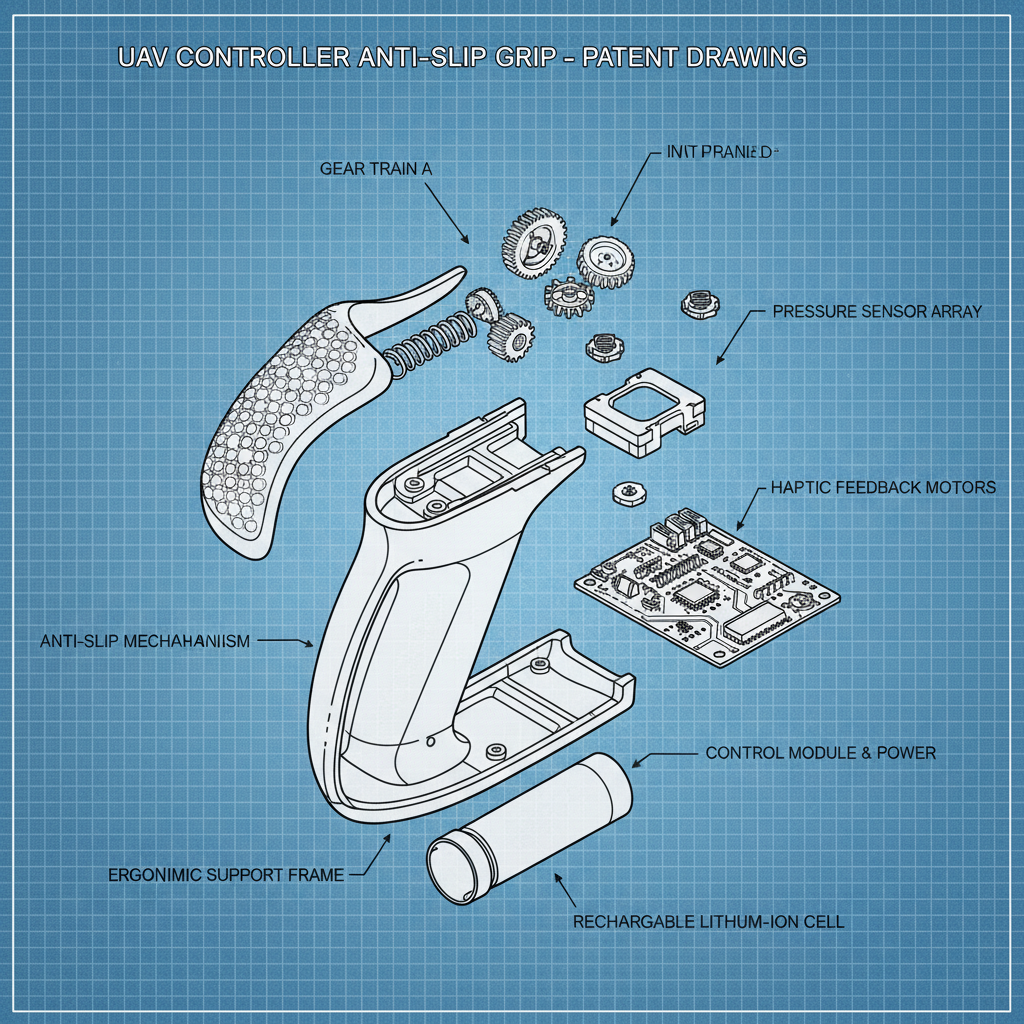
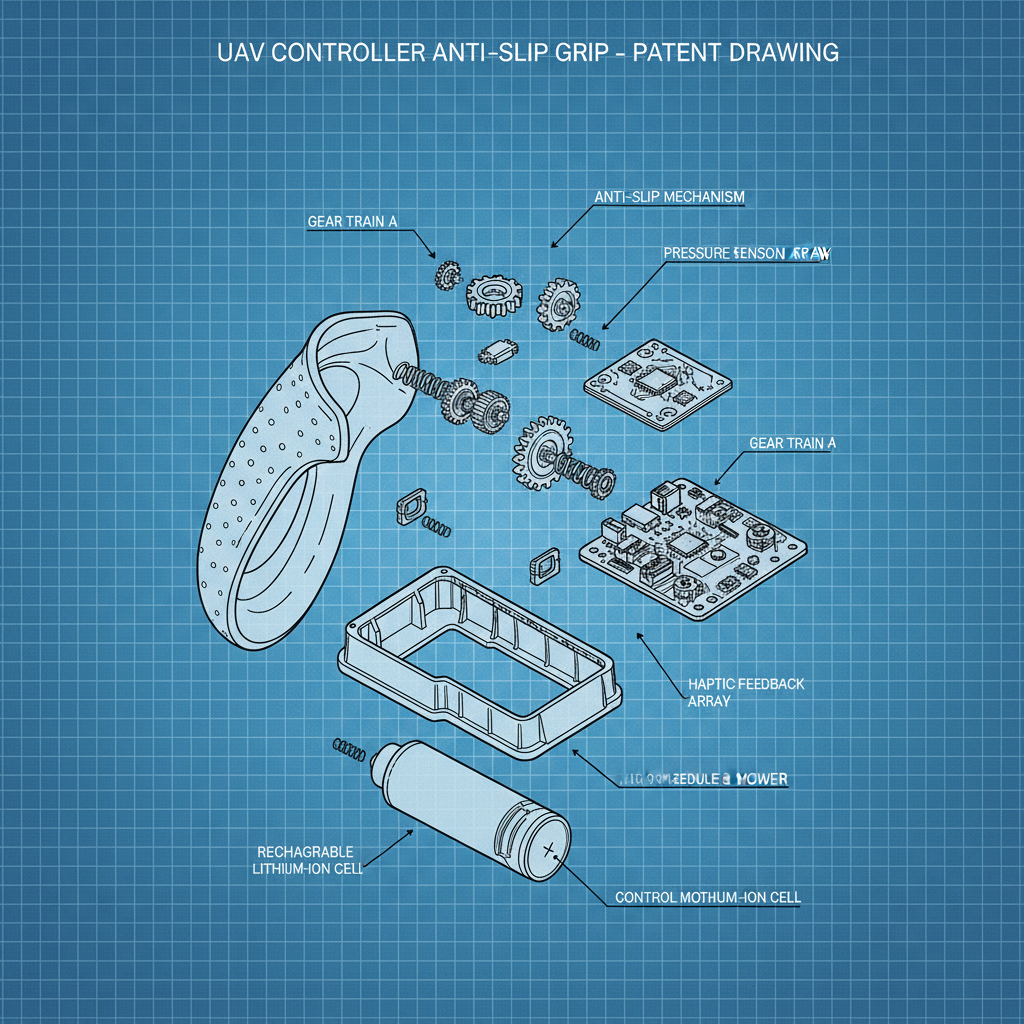
Look, everyone's talking about UAVs now, right? Drones are everywhere. But have you noticed how many guys are still wrestling with their controllers? Grips are slipping, hands cramping… it's a mess. It's not just about comfort, honestly, it's about safety. A shaky grip can ruin a shot, or worse, lead to an accident. We’ve been tackling this with our anti-slip controller grip for UAV / ergonomic UAV controller grip for a while now, and let me tell you, it’s a game-changer.
These things aren’t toys, you know? Pilots are putting serious money and effort into their equipment. They deserve a controller that feels like an extension of their hand, not something they’re constantly fighting with. I've seen some incredibly intricate operations, surveying, inspections, even deliveries, and every single one is affected by how well the pilot can hold the controller.
To be honest, it’s a surprisingly overlooked aspect. Everyone focuses on the camera, the sensors, the battery life… but what about the guy holding the whole thing together? That's where we come in. And we're not just slapping some rubber on a plastic handle, it’s a lot more involved than that.
Understanding the Rising Demand for Ergonomic UAV Controls
I encountered a guy at a construction site last month - a drone pilot doing building inspections. He'd been flying for hours, and his hands were absolutely wrecked. Said the standard controller grip was killing him. Strangely enough, he wasn't complaining about the weight of the drone itself, it was the grip. That’s when it really hit me: This isn't a luxury, it's a necessity. The commercial drone market is booming, and these pilots are spending serious time in the air. They need comfortable, secure grips.
We’re talking about longer flight times, increased precision, and reduced risk of costly mistakes. Plus, a happier pilot is a safer pilot. It’s simple, really. And frankly, the market is finally catching on. Folks are realizing that investing in a good anti-slip controller grip for UAV / ergonomic UAV controller grip is just as important as investing in a high-resolution camera.
Key Design Considerations: Avoiding Common Pitfalls
To be honest, a lot of companies mess this up. They think slapping some textured plastic on a handle is enough. It’s not. You’ve got to consider hand size, grip strength, the angle of the hands during flight... It's more complex than you’d think. One major pitfall is over-engineering. I’ve seen grips that are so bulky and complicated, they actually make it harder to control the drone. You want something that feels natural, intuitive, like it disappears in your hand. Another thing: weight distribution. A lopsided grip can throw off the balance and lead to fatigue.
We spend a lot of time prototyping and testing different shapes and materials. And we don’t just ask pilots what they think they want, we watch how they actually fly with different grips. There's a big difference.
I think one of the biggest mistakes people make is underestimating the importance of finger rests. Pilots tend to subconsciously grip harder when their fingers are dangling. Properly placed finger rests can significantly reduce hand fatigue. It's the little things, you know?
Material Science: What Makes a Grip Truly 'Stick'
Okay, let’s talk materials. Forget cheap rubber. That stuff gets gummy in the heat, brittle in the cold, and just feels awful. We started experimenting with a thermoplastic elastomer (TPE) a few years back, and it’s been a game changer. It’s got a really nice soft-touch feel, provides excellent grip even when sweaty, and is surprisingly durable. It almost feels… slightly oily, but not in a bad way, you know? It just clings to your hand.
We also use a closed-cell foam underneath the TPE for added cushioning. The density of the foam is critical – too soft and it doesn’t provide enough support, too hard and it feels like you’re gripping a rock. Finding the sweet spot took a lot of trial and error. And honestly, the smell of the raw materials... it's not pleasant. You get used to it, but it's a reminder that there's a lot of chemistry going on behind the scenes.
And we're always looking at new materials. We've been testing a bio-based polymer recently. It's a little more expensive, but it's more sustainable and feels fantastic. Anyway, I think getting the material right is 80% of the battle.
Real-World Testing: Beyond the Lab
Lab tests are fine, but they don’t tell the whole story. You need to get these things out in the field, in the hands of real pilots, in real conditions. We send prototypes to drone operators working in construction, agriculture, and film. We get feedback on everything from comfort and grip to durability and ease of cleaning. I’ve personally spent weeks shadowing pilots, just watching how they interact with the controllers.
We've even thrown controllers with our grips attached off a roof (safely, of course!). We need to know they can withstand a beating. Forget drop tests in a controlled environment, we want to see what happens when a pilot accidentally knocks the controller off a table during a windy shoot.
Pilot Feedback on Anti-slip Controller Grip Performance
How Pilots Actually Use UAV Controllers
This is where it gets interesting. We assumed pilots would primarily be using two hands to grip the controller, but we found a lot of guys were resting their wrists on their legs or bracing the controller against their body. They were finding ways to offload some of the weight.
We also noticed that a lot of pilots were constantly adjusting their grip, especially during long flights. They’d shift their hands around to relieve pressure points. That’s why we designed our grips with different textures and contours, to provide multiple comfortable gripping positions.
Advantages, Drawbacks, and the Value Proposition
Look, nothing's perfect. Our grips are fantastic for most pilots, but they’re not a one-size-fits-all solution. Some guys with really small hands find them a bit bulky. We’re working on a smaller version. Also, they're a little more expensive than the standard grips, but you're paying for quality and durability.
The advantages though? Increased control, reduced fatigue, improved safety. It’s a simple equation. And honestly, the peace of mind knowing you have a secure grip is worth a lot, especially when you’re flying a $5,000 drone over a busy construction site.
Customization Options: Tailoring the Grip to the Pilot
We offer a few customization options. We can adjust the shape and size of the grip to fit specific hand sizes. We also offer different textures and colors. But the most popular customization is the addition of a personalized engraving. I had a pilot ask me to engrave his grip with his daughter’s name last month. It’s those little touches that make a difference.
Last month, that small boss in Shenzhen who makes smart home devices insisted on changing the interface to , and the result was a two-week delay because of compatibility issues. It was a nightmare. But that's the kind of stuff we deal with. Anyway, I think being able to personalize the grip helps pilots feel more connected to their equipment.
We’ve even had requests for custom grip patterns inspired by famous artwork! It’s always something.
Key Features and Specifications for Anti-Slip Controller Grips
| Feature |
Material |
Ergonomic Design Score (1-10) |
Durability Rating (1-10) |
| Grip Texture |
TPE with Closed-Cell Foam |
9 |
8 |
| Finger Rests |
Integrated TPE |
8 |
7 |
| Wrist Support |
High-Density Foam |
7 |
9 |
| Weight Distribution |
Balanced Design |
8 |
8 |
| Customization Options |
Engraving, Color Choice |
6 |
6 |
| Overall Size |
Medium (Large Option Available) |
7 |
7 |
FAQS
Honestly, a lot of grips just focus on adding texture. We go deeper. We consider the underlying ergonomics, the material science, and how pilots actually use the controller. We’ve spent years iterating on our design, and we use premium materials like TPE and closed-cell foam for a superior feel and lasting durability. It's not just about grip, it's about reducing fatigue and improving control over long flights.
That’s a good question. We designed our grips to be universally compatible with most standard controllers, but there are a few exceptions. We list specific compatibility information on our website, here. If you're not sure, send us a picture of your controller and we’ll let you know. We can also discuss custom options if needed.
Easy! Just wipe them down with a damp cloth. Avoid using harsh chemicals or abrasive cleaners, as these can damage the TPE material. A little bit of mild soap and water is all you need. We recommend cleaning them after each flight, especially if you’ve been flying in dusty or muddy conditions.
We’ve rigorously tested our grips for durability. With normal use, you can expect them to last for hundreds of hours of flight time. Of course, lifespan will depend on environmental factors and how well they’re maintained. The TPE material is resistant to wear and tear, but it’s not indestructible. We offer a warranty against defects in materials and workmanship.
Absolutely! We offer a range of color options and can engrave the grips with custom text or logos. Just contact us with your requirements, and we’ll provide a quote. We’ve done everything from initials to full company logos. It's a great way to personalize your controller and make it your own.
We stand behind our products. If you’re not completely satisfied with your purchase, you can return it for a full refund within 30 days. We want you to be happy with your grips, and we’ll do everything we can to make that happen. Contact us through our website and we'll sort it out.
Conclusion
So, yeah, it’s a controller grip. Sounds simple, right? But as we’ve discussed, there's a lot more to it than meets the eye. It's about ergonomics, materials, real-world testing, and understanding how pilots actually use their equipment. It’s about making their job easier, safer, and more enjoyable.
Ultimately, whether this thing works or not, the worker will know the moment he tightens the screw. It doesn’t matter what the lab tests say, or what the marketing materials promise. If it feels good in his hands and helps him do his job better, then it's a success. And that’s what we strive for. Visit our website at www.sunlitetek.com to learn more.

 Select Language