In the demanding world of outdoor maintenance and industrial cleaning, the comfort and efficiency of the operator are often dictated by the smallest components. Backpack Blower foam serves as a critical interface between the heavy machinery and the human body, providing the necessary cushioning and vibration dampening to ensure long-term operational health. By absorbing the high-frequency oscillations generated by powerful combustion engines, high-quality foam prevents musculoskeletal fatigue and enhances the overall user experience.
From a global perspective, the adoption of advanced polymer materials in garden tools and industrial blowers has shifted from basic padding to engineered shock absorption. The integration of specialized Backpack Blower foam allows professional landscapers and municipal workers to operate equipment for extended periods without the debilitating effects of vibration-induced white finger or chronic back pain. This evolution in materials science directly correlates with increased productivity and a reduction in workplace injury claims.
Understanding the technical nuances of foam density, closed-cell structures, and chemical resistance is essential for anyone sourcing components for high-performance equipment. Whether it is used in the harness straps or the engine mounting pads, Backpack Blower foam must withstand extreme weather conditions, fuel spills, and constant compression. This guide explores the critical role of these materials in ensuring that powerful cleaning tools remain ergonomic and sustainable in the long run.
The Fundamentals of Backpack Blower Foam Engineering
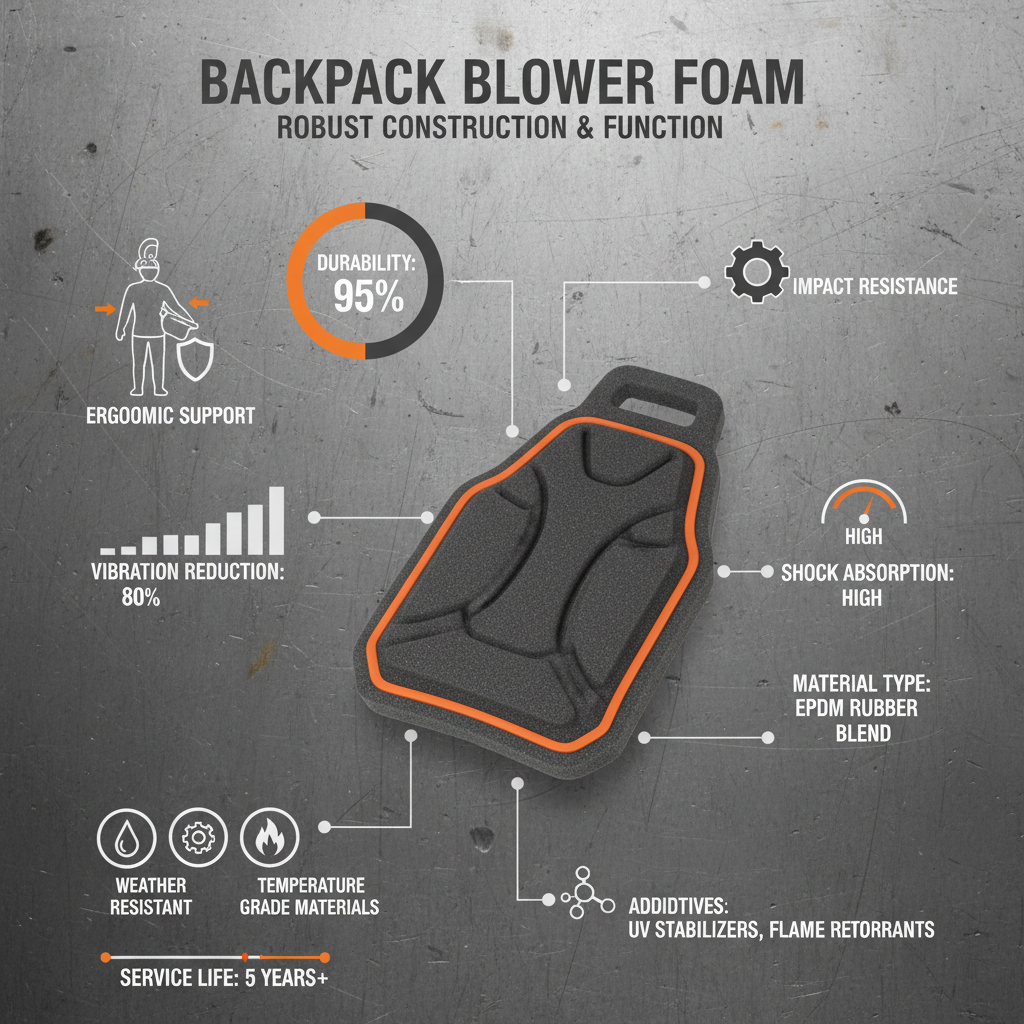
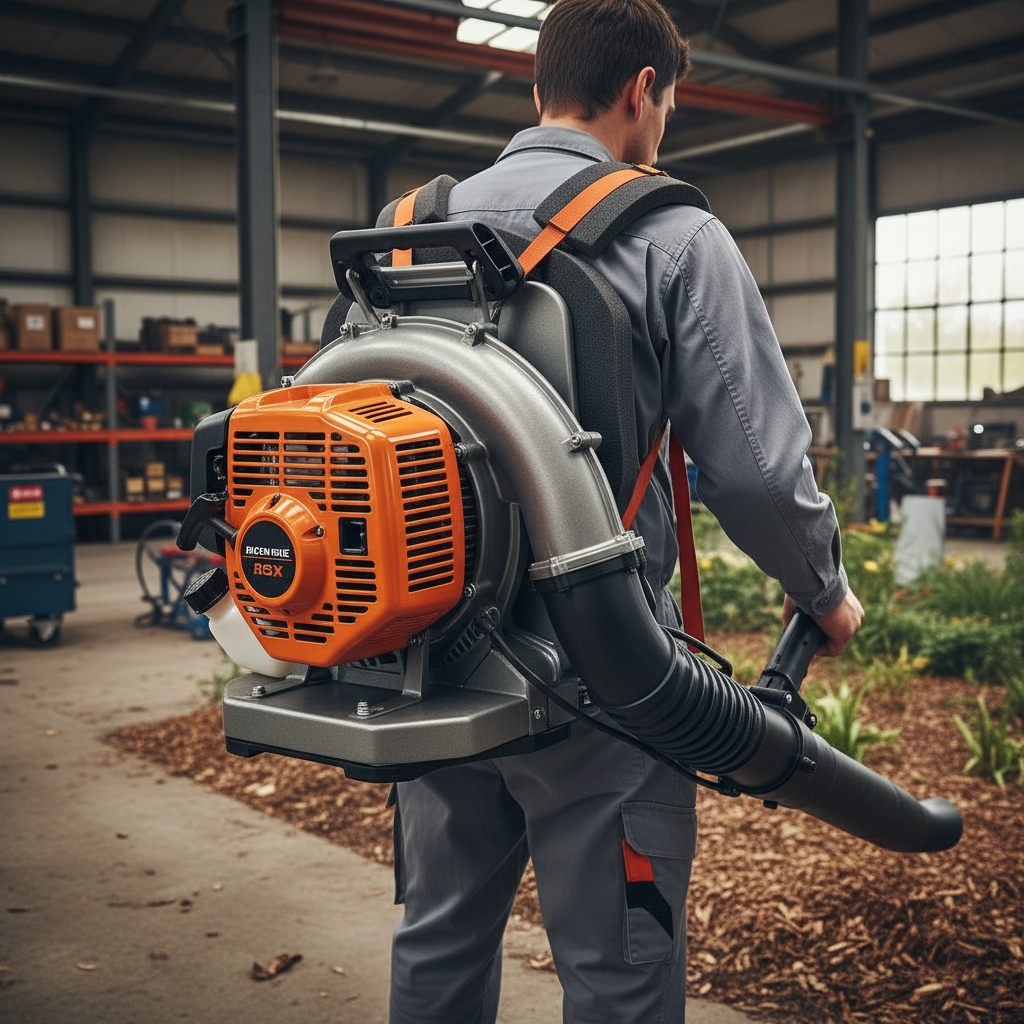
The engineering behind Backpack Blower foam is a delicate balance between compressibility and support. Unlike standard upholstery foam, these specialized components must utilize a closed-cell structure to prevent the absorption of water, oil, and gasoline, which would otherwise degrade the material and increase the weight of the blower during operation. The primary goal is to redistribute the load of the machine across the user's back and shoulders, minimizing pressure points that cause discomfort.
Furthermore, the damping coefficient of the foam is meticulously tuned to counteract the specific frequency of the engine's vibration. By utilizing advanced elastomers, the Backpack Blower foam acts as a mechanical filter, ensuring that the energy generated by the piston and fan does not transfer directly into the wearer's skeletal system, thereby enhancing safety and operational longevity.
Global Market Trends in Ergonomic Equipment Padding
Across North America and Europe, there is a growing emphasis on occupational health and safety standards, such as those outlined by ISO and OSHA. This has led to a surge in demand for high-performance Backpack Blower foam that meets rigorous durability and hypoallergenic requirements. As municipal budgets for landscaping increase, the focus has shifted from the raw power of the blower to the ergonomics of the operator's gear.
In emerging markets, the challenge lies in balancing cost-efficiency with quality. Many low-cost alternatives use open-cell foams that collapse under pressure or absorb moisture, leading to premature failure. However, as the global professional landscaping industry matures, there is a clear trend toward adopting the same high-grade Backpack Blower foam standards used in premium Western brands to reduce long-term worker turnover.
The integration of "smart materials" is also beginning to surface in the global market. We are seeing the development of temperature-regulating foams that keep the operator cool during summer months while maintaining structural integrity. This evolution ensures that Backpack Blower foam is no longer viewed as a mere accessory, but as a critical safety component of the tool.
Material Composition and Performance Metrics
The chemical composition of Backpack Blower foam typically involves Ethylene Vinyl Acetate (EVA) or specialized Polyurethane (PU) blends. These materials are chosen for their exceptional resilience and ability to return to their original shape after thousands of compression cycles, ensuring that the blower remains comfortable throughout its lifecycle.
A key performance metric for Backpack Blower foam is its "Compression Set," which measures the permanent deformation after a specific load is applied. High-quality foam exhibits a low compression set, meaning it doesn't "bottom out" or flatten over time, which is essential for maintaining the ergonomic gap between the engine and the operator's spine.
Additionally, chemical resistance is paramount. Because Backpack Blower foam is often exposed to hydrocarbon fuels and synthetic lubricants, the polymer chains must be cross-linked to prevent swelling or melting. This ensures that the padding remains structurally sound even in the harshest industrial environments.
Comparative Analysis of Foam Density and Comfort
Selecting the right density for Backpack Blower foam is a trade-off between immediate softness and long-term support. Low-density foams feel comfortable initially but lack the support needed for heavy industrial blowers, leading to rapid compression and increased fatigue. Conversely, ultra-high-density foams provide excellent support but can feel rigid and uncomfortable during short-term use.
The ideal solution often involves a dual-layer approach: a soft outer layer for immediate skin comfort and a high-density core for structural load distribution. This tiered system allows Backpack Blower foam to perform optimally across different weight capacities and operator sizes.
Comparative Performance of Backpack Blower Foam Variants
Practical Applications Across Diverse Industries
The use of Backpack Blower foam extends far beyond residential lawn care. In civil engineering and construction, heavy-duty blowers are used to clear debris from sensitive electronic installations or aircraft runways. In these environments, the foam must not only provide comfort but also be fire-retardant and resistant to abrasive dust particles that can wear down softer materials.
Additionally, in the agricultural sector, blowers are used for applying granular fertilizers or pest control. The Backpack Blower foam used in these machines must be chemically inert to avoid reacting with corrosive agricultural chemicals. This versatility demonstrates that the "foam" is actually a highly engineered technical component tailored to specific industrial hazards.
Long-Term Reliability and Maintenance Value
From a financial perspective, investing in premium Backpack Blower foam is a strategy for reducing the Total Cost of Ownership (TCO). Cheap foams degrade quickly, leading to frequent replacements and increased downtime for equipment. High-grade materials maintain their loft and damping properties for years, ensuring a consistent user experience and reducing the risk of operator injury.
Moreover, the reliability of the foam affects the stability of the machine. When foam pads degrade, the blower can shift or wobble during use, which not only reduces cleaning efficiency but can also cause the engine to vibrate against the chassis, leading to mechanical failure. Thus, Backpack Blower foam is an insurance policy for the machine's mechanical integrity.
Regular inspection of the foam's condition is recommended. Signs of "pitting," hardening, or permanent compression indicate that the material has reached its fatigue limit. Replacing the Backpack Blower foam proactively is a simple maintenance task that can extend the operational life of the blower and protect the health of the operator.
Future Innovations in Sustainable Polymer Foams
The future of Backpack Blower foam is leaning heavily toward sustainability and the circular economy. We are seeing a transition from petroleum-based polymers to bio-based elastomers derived from castor oil or sugarcane. These new materials aim to provide the same vibration-dampening properties while significantly reducing the carbon footprint of the manufacturing process.
Furthermore, the integration of 3D-printed lattice structures is poised to replace traditional foam blocks. By using additive manufacturing, engineers can create Backpack Blower foam with variable density—stiffer in areas that require support and softer in areas that contact the body—all within a single, seamless piece of material.
Digital transformation is also playing a role, with sensors being embedded directly into the foam layers to monitor vibration levels in real-time. This "smart foam" could alert the operator when vibration levels exceed safe thresholds, making Backpack Blower foam a proactive health monitoring tool rather than a passive cushion.
Comparison of Foam Material Specifications for Industrial Blowers
| Material Type |
Vibration Damping |
Chemical Resistance |
Lifespan Rating |
| Standard PU Foam |
Moderate |
Low |
3/10 |
| EVA Closed-Cell |
High |
Moderate |
7/10 |
| Nitrile Rubber Foam |
Very High |
Exceptional |
9/10 |
| Bio-Polymer Foam |
Moderate |
Moderate |
6/10 |
| Dual-Layer Hybrid |
Exceptional |
High |
8/10 |
| Silicone-Based Foam |
High |
High |
10/10 |
FAQS
Typically, professional-grade foam should be inspected every 6 months. If you notice that the material has become permanently compressed (losing its "bounce") or if there are visible cracks from UV exposure or chemical spills, it is time for a replacement. For daily industrial use, a replacement every 12-24 months is recommended to maintain ergonomic safety.
While foam doesn't increase the air-blowing power, it directly affects "operational performance." High-quality Backpack Blower foam reduces operator fatigue, allowing the worker to be more precise and work for longer durations without breaks, which effectively increases the total productivity per hour.
Yes, absolutely. Open-cell foams act like sponges, absorbing sweat, rain, and fuel, which makes the machine heavier and can lead to bacterial growth or chemical degradation. Closed-cell foam is impervious to liquids, making it more hygienic, durable, and consistent in its support characteristics over time.
It is not recommended. General-purpose foams lack the vibration-damping coefficients and chemical resistance required for blower engines. Using non-specialized foam can lead to increased vibration transfer to the spine and may result in the material melting or degrading when exposed to engine heat or fuel leaks.
The foam acts as a mechanical decoupler. By absorbing the high-frequency energy of the engine, it prevents the vibration from reaching the nerves and blood vessels in the hands and back. This is critical for preventing conditions like Hand-Arm Vibration Syndrome (HAVS) and chronic lumbar strain.
Yes, the industry is moving toward bio-based EVA and recycled polymers. These sustainable Backpack Blower foam options are designed to match the performance of traditional plastics while being biodegradable or easier to recycle at the end of the product's life.
Conclusion
In summary, Backpack Blower foam is far more than a simple cushion; it is a sophisticated engineering component that safeguards the operator's health and ensures the mechanical stability of the equipment. By balancing density, chemical resistance, and vibration-damping properties, high-quality foam transforms a grueling task into a sustainable professional operation, directly impacting productivity and workplace safety.
As we look toward the future, the integration of sustainable materials and smart-sensing technology will further refine the role of ergonomic padding. For businesses and individual operators, prioritizing the quality of these components is an investment in human capital. To explore the best materials for your equipment, visit our website: www.sunlitetek.com.

 Select Language