In the demanding world of winter maintenance and heavy-duty equipment, the performance of a SNOW MOWER pad is often the unsung hero of operational efficiency. These specialized rubber components are engineered to absorb extreme shocks, reduce vibration, and protect critical machinery from the harsh realities of freezing temperatures and abrasive debris. Understanding the material science behind these pads is essential for fleet managers and equipment operators who aim to maximize uptime and reduce maintenance costs.
Globally, the demand for high-performance vibration damping solutions has surged as municipalities and private contractors invest in more powerful, automated snow removal systems. A failure in a simple mounting component, like a SNOW MOWER pad, can lead to catastrophic structural fatigue or engine misalignment, resulting in expensive downtime during the peak of winter. By integrating advanced elastomer technology, these pads ensure that heavy equipment can operate at maximum capacity without sacrificing structural integrity.
This guide explores the technical specifications, global applications, and future innovations surrounding the SNOW MOWER pad. From the selection of EPDM and Nitrile rubbers to the implementation of ISO-standardized testing, we will examine how these small but critical components drive the reliability of global snow removal infrastructure, ensuring safety and efficiency in the most challenging climates on Earth.
Global Relevance of the SNOW MOWER pad
The global reliance on winter maintenance machinery has made the SNOW MOWER pad a critical component in the supply chain for developed regions. According to industrial standards aligned with ISO quality management, the stability of heavy equipment in sub-zero temperatures depends heavily on the shore hardness and elasticity of the damping materials used. In regions like North America, Northern Europe, and East Asia, where snow removal is a matter of public safety, the reliability of these pads directly impacts the efficiency of urban logistics and emergency response.
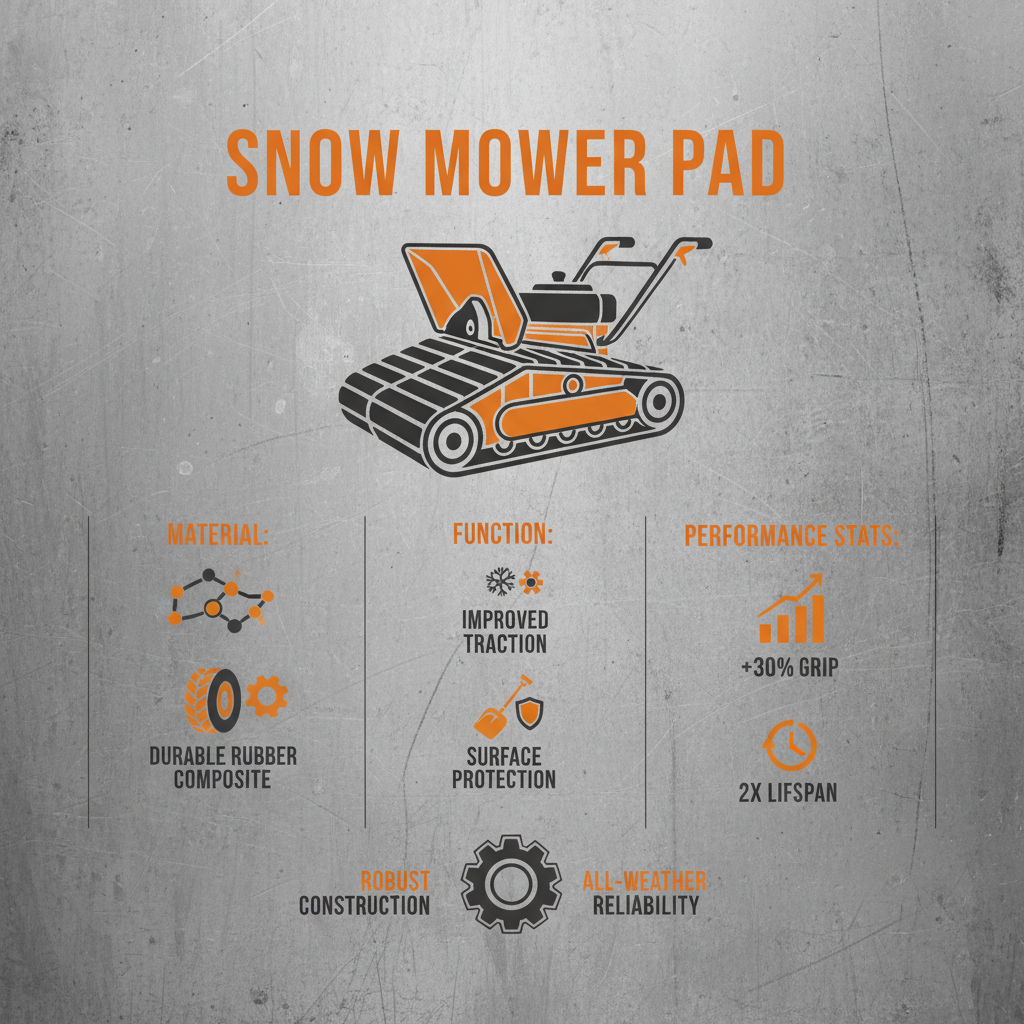
The primary challenge addressed by the SNOW MOWER pad is the phenomenon of "cold-set" and material embrittlement. Standard rubbers often crack or lose their damping properties when temperatures drop below -20°C. By employing specialized rubber compounds, these pads prevent the transmission of high-frequency vibrations from the mower blades to the chassis, effectively extending the lifespan of the entire machine and reducing the risk of structural failure during critical operations.
Technical Definition and Industrial Meaning
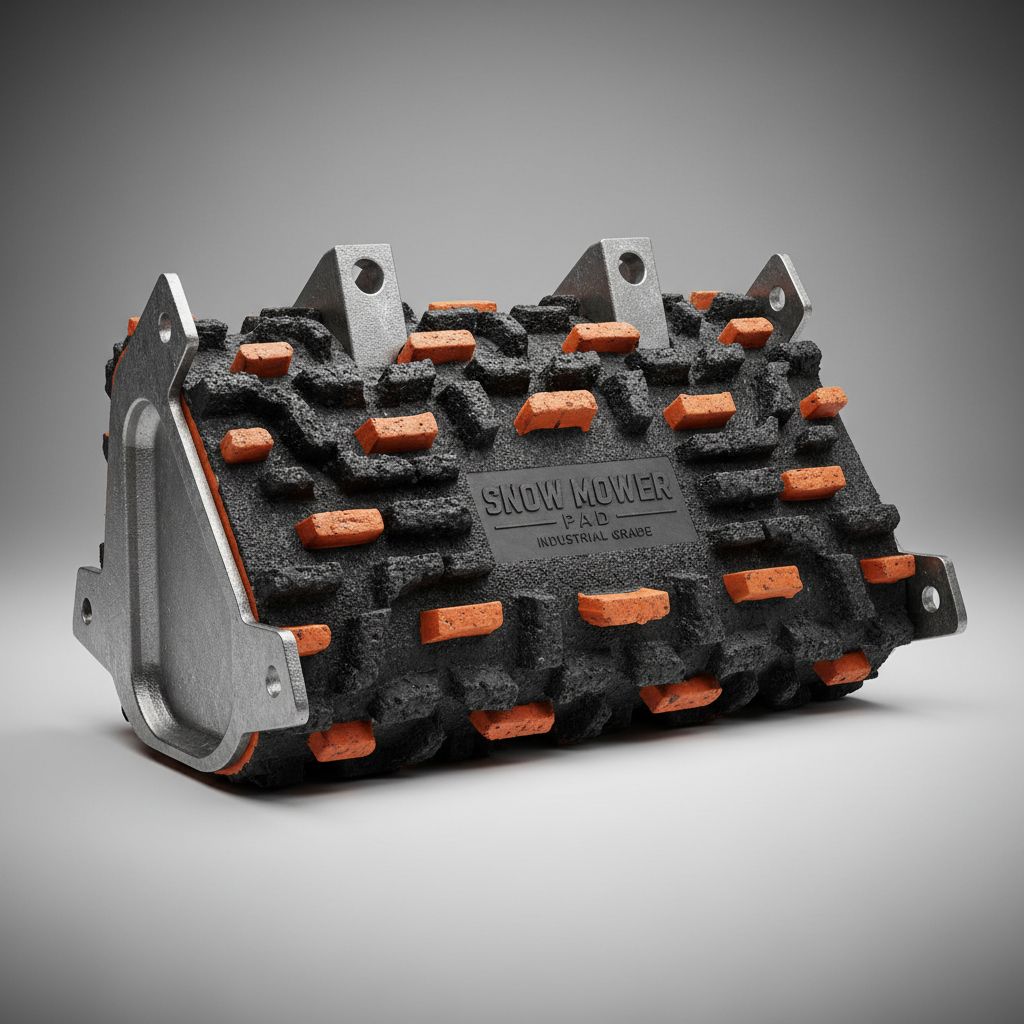
At its core, a SNOW MOWER pad is a precision-engineered elastomer component designed to act as a mechanical buffer between a vibrating power source (such as a high-torque engine or rotating blade assembly) and the equipment's frame. Unlike general-purpose rubber mats, these pads are formulated with specific polymers—often a blend of EPDM or specialized synthetic rubbers—to maintain a consistent modulus of elasticity across a wide thermal spectrum.
In the context of modern industry, these pads represent the intersection of materials science and mechanical engineering. They are not merely "spacers" but are critical damping elements that manage energy dissipation. By converting kinetic energy from vibration into low-level heat, the SNOW MOWER pad protects sensitive electronics and hydraulic lines from fatigue, which is essential for the transition toward autonomous and remotely operated snow removal vehicles.
Beyond the technical specs, the industrial meaning of these components relates to "operational resilience." In humanitarian contexts, such as clearing roads for aid delivery in disaster-stricken snowy regions, the failure of a single damping pad can sideline a vehicle for days. Thus, the SNOW MOWER pad is a fundamental building block of infrastructure reliability, ensuring that critical machinery remains functional regardless of environmental extremity.
Core Components of High-Performance Pads
The effectiveness of a SNOW MOWER pad is determined by several key material factors. First is Thermal Stability; the pad must resist hardening in extreme cold and softening in the heat of the engine compartment. This requires a precise chemical balance during the vulcanization process to ensure the polymer chains remain flexible.
Secondly, Compression Set Resistance is vital for the SNOW MOWER pad. This refers to the pad's ability to return to its original thickness after being subjected to a heavy load for a prolonged period. If a pad "bottoms out," it loses its damping capacity, allowing vibrations to pass directly into the chassis, which leads to rapid wear and tear of the equipment.
Finally, Chemical Inertia ensures the SNOW MOWER pad does not degrade when exposed to road salts, oils, and hydraulic fluids. Using high-grade synthetic rubbers prevents the swelling or cracking that typically occurs with low-quality alternatives, thereby maintaining the seal and support integrity over multiple winter seasons.
Practical Applications and Global Use Cases
In real-world scenarios, the SNOW MOWER pad is deployed across a diverse array of machinery, from small residential snow blowers to massive industrial plow systems. In municipal fleet operations in Canada and Scandinavia, these pads are used to isolate the heavy-duty gearboxes from the vehicle frame, reducing operator fatigue and preventing the loosening of critical fasteners caused by constant harmonic vibration.
Furthermore, in remote industrial zones—such as mining sites in the Arctic—the SNOW MOWER pad is integrated into specialized track-cleaning equipment. In these environments, where maintenance facilities are hundreds of miles away, the long-term durability of the damping pad is the difference between a successful operation and a costly equipment recovery mission.
Performance Comparison of SNOW MOWER pad Materials
Long-Term Value and Operational Advantages
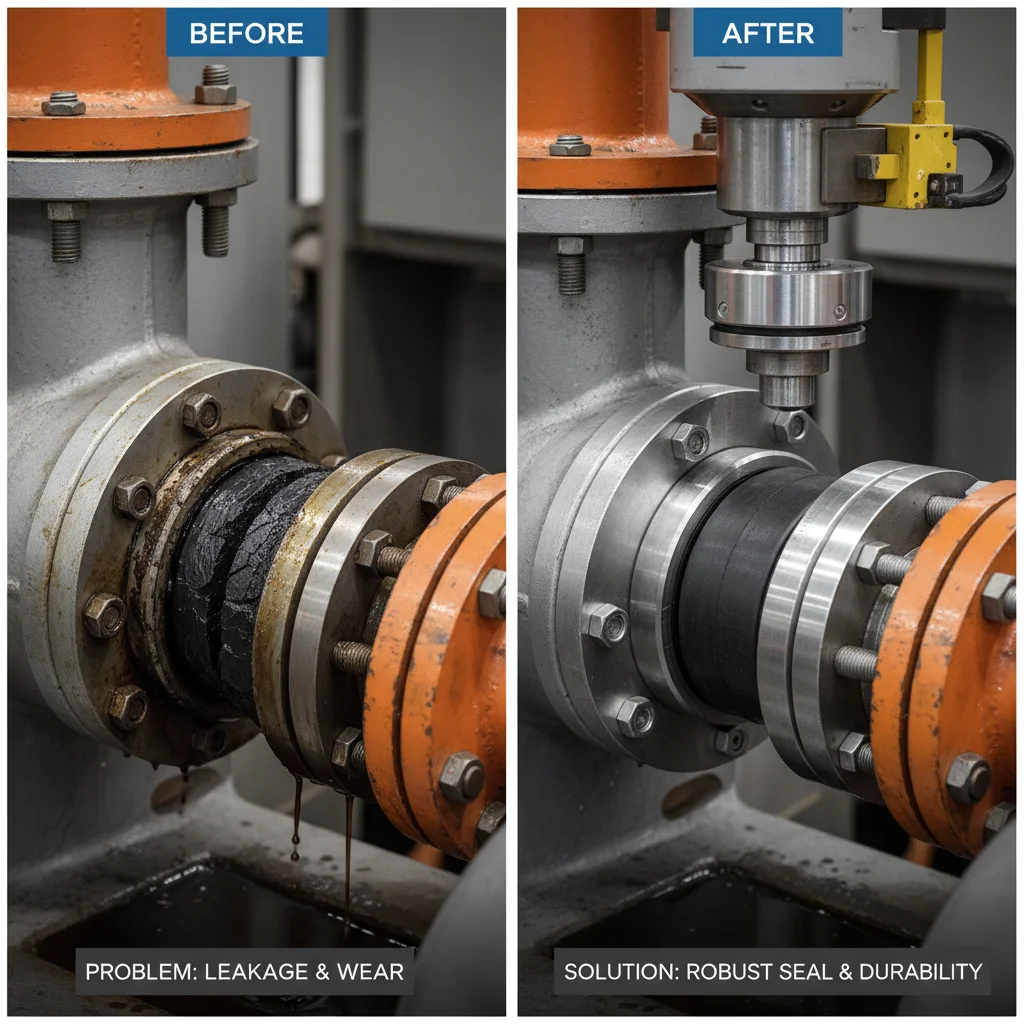
Investing in high-quality SNOW MOWER pad solutions yields significant tangible benefits, most notably the reduction in Total Cost of Ownership (TCO). By mitigating the transmission of vibration, these pads prevent the premature failure of bearings and bolts, which significantly lowers the frequency of scheduled maintenance and prevents unplanned breakdowns during peak winter loads.
From a logical and emotional perspective, the use of a premium SNOW MOWER pad enhances operator safety and comfort. Excessive vibration is a primary cause of Hand-Arm Vibration Syndrome (HAVS) in equipment operators. By absorbing these shocks, the pads provide a more stable and comfortable working environment, fostering trust in the machinery and ensuring that operators can perform their duties with greater precision and less physical strain.
Future Trends in Rubber Damping Tech
The future of the SNOW MOWER pad is being shaped by the drive toward sustainability and the digital transformation of machinery. We are seeing a shift toward "Green Elastomers"—biodegradable or recycled rubber compounds that maintain industrial-grade performance while reducing the carbon footprint of manufacturing. These eco-friendly materials are designed to match the longevity of traditional synthetic rubbers, proving that sustainability and durability are no longer mutually exclusive.
Furthermore, the integration of "Smart Damping" is on the horizon. Future SNOW MOWER pad iterations may include embedded sensors capable of monitoring compression levels and material fatigue in real-time. This shift toward predictive maintenance allows fleet managers to replace a pad just before it fails, rather than relying on fixed schedules, thereby maximizing equipment availability.
Automation is also playing a role, as 3D printing of custom rubber geometries allows for the creation of pads tailored to the specific vibration frequency of a particular engine model. This level of customization ensures that the SNOW MOWER pad provides the absolute optimal damping ratio, further increasing the energy efficiency and lifespan of the equipment.
Overcoming Common Implementation Challenges
Despite their simplicity, implementing the correct SNOW MOWER pad often presents challenges, such as incorrect hardness selection. Many operators choose a pad that is too hard, which fails to absorb vibration, or too soft, which leads to excessive movement and instability. The solution lies in conducting a vibration analysis of the equipment to determine the ideal Shore A hardness required for the specific load.
Another common issue is improper installation, where pads are over-tightened, effectively "locking" the rubber and eliminating its ability to flex. Expert insights suggest using calibrated torque wrenches and following strict installation guidelines to ensure the SNOW MOWER pad can perform its intended function of energy dissipation without being crushed.
Finally, environmental contamination remains a hurdle. To overcome the degradation caused by harsh road salts, we recommend implementing a periodic cleaning regimen and choosing pads with high-grade chemical resistance. By combining the right material choice with a proactive maintenance strategy, the operational life of the SNOW MOWER pad can be extended by up to 50%.
Comparative Analysis of SNOW MOWER pad Material Performance
| Material Type |
Cold Resistance (-40°C) |
Vibration Damping Score |
Chemical Stability |
| Premium EPDM |
Excellent |
9/10 |
High |
| Nitrile Rubber |
Moderate |
7/10 |
Excellent (Oil) |
| Natural Rubber |
Poor |
8/10 |
Low |
| Silicone Blend |
Excellent |
6/10 |
Very High |
| Polyurethane |
Moderate |
7/10 |
High |
| Custom Hybrid |
Excellent |
10/10 |
High |
FAQS
Generally, a high-quality SNOW MOWER pad should be inspected before every winter season. Depending on the usage intensity, replacement is typically recommended every 2-3 years. Signs of failure include visible cracking (dry rot), a permanent deformation where the pad no longer returns to its original shape, or an increase in chassis vibration during operation. Regular inspection prevents catastrophic failure of the mounting hardware.
It is not recommended. Standard rubber pads are not formulated for extreme cold and typically become brittle and crack at temperatures where a specialized SNOW MOWER pad remains flexible. Furthermore, standard pads lack the specific oil and salt resistance required for snow removal environments, leading to rapid degradation and loss of damping efficiency, which can damage your machine's engine mounts.
For extreme Arctic conditions, EPDM (Ethylene Propylene Diene Monomer) or high-grade Silicone blends are the best choices. EPDM offers a superior balance of cold-weather flexibility, ozone resistance, and durability. These materials maintain their elastomeric properties at temperatures as low as -40°C, ensuring that the damping effect remains consistent even in the harshest polar environments.
Shore hardness determines the stiffness of the pad. A lower shore hardness provides better vibration absorption but less structural support, while a higher hardness offers more stability but transmits more vibration. The ideal SNOW MOWER pad is matched to the weight of the equipment; heavier industrial mowers require higher hardness to prevent the pad from compressing fully (bottoming out).
Indirectly, yes. By reducing parasitic vibration and ensuring that the drivetrain remains perfectly aligned, a high-performance SNOW MOWER pad reduces the energy lost to heat and friction. While the fuel savings per hour may be small, across a large municipal fleet operating thousands of hours per season, the increase in mechanical efficiency contributes to a lower overall fuel spend.
You can identify a 'bottomed out' pad by observing the thickness of the rubber while the machine is under load. If the rubber appears completely compressed with no visible gap or cushion, it has lost its elastic recovery. You will also notice a significant increase in noise and a "harsh" feeling in the controls, as the pad is now acting as a solid spacer rather than a damper.
Conclusion
The SNOW MOWER pad may seem like a minor accessory, but it is a cornerstone of mechanical reliability in winter maintenance. From ensuring thermal stability in sub-zero temperatures to protecting operators from chronic vibration fatigue, these specialized elastomer components provide the essential bridge between raw power and structural longevity. By focusing on material science, proper hardness selection, and proactive maintenance, equipment owners can significantly reduce downtime and operational costs.
As we move toward a future of smarter, more sustainable machinery, the evolution of damping technology will continue to play a pivotal role. Investing in premium, precision-engineered pads today ensures that your fleet is not only prepared for the current winter but is also resilient enough to handle the challenges of tomorrow. To ensure your equipment operates at peak efficiency, we invite you to explore our professional damping solutions. Visit our website: www.sunlitetek.com

 Select Language