
Welcome to the official website of Sunlite Tech
Specialist in Elastomer Applications
Best Solutions to NVH SINCE 1998
ibanner

0%

Table of Contents

In the demanding world of industrial sealing and vibration control, epdm rubber pads have emerged as a cornerstone material for ensuring structural integrity and operational longevity. These specialized components are engineered to withstand the most grueling environmental conditions, providing a reliable barrier against moisture and a critical buffer against mechanical shock. Whether applied in heavy machinery or delicate electronics, their versatility makes them indispensable in modern manufacturing.

The global shift toward more sustainable and durable infrastructure has placed a premium on materials that offer high resistance to ozone, UV radiation, and extreme temperature fluctuations. EPDM (Ethylene Propylene Diene Monomer) is uniquely suited for these challenges, offering a chemical structure that prevents the premature cracking and degradation common in standard rubber. Consequently, the adoption of high-quality pads has become a standard practice for engineers aiming to reduce maintenance cycles and avoid costly system failures.

Understanding the technical nuances of these pads—from their Shore hardness to their compression set—allows businesses to optimize their product performance and safety standards. By integrating precision-engineered
epdm rubber pads, industries can achieve a perfect balance between flexibility and strength, ensuring that equipment remains stable and sealed even under significant pressure or environmental stress.

epdm rubber pads

The Material Science of EPDM Rubber Pads

epdm rubber pads

The exceptional performance of epdm rubber pads stems from their unique copolymer structure. Unlike natural rubber, which is susceptible to oxidation and ozone attack, EPDM is synthesized to be chemically stable. This makes it the ideal choice for outdoor applications where exposure to sunlight and air would otherwise lead to rapid brittleness and failure.

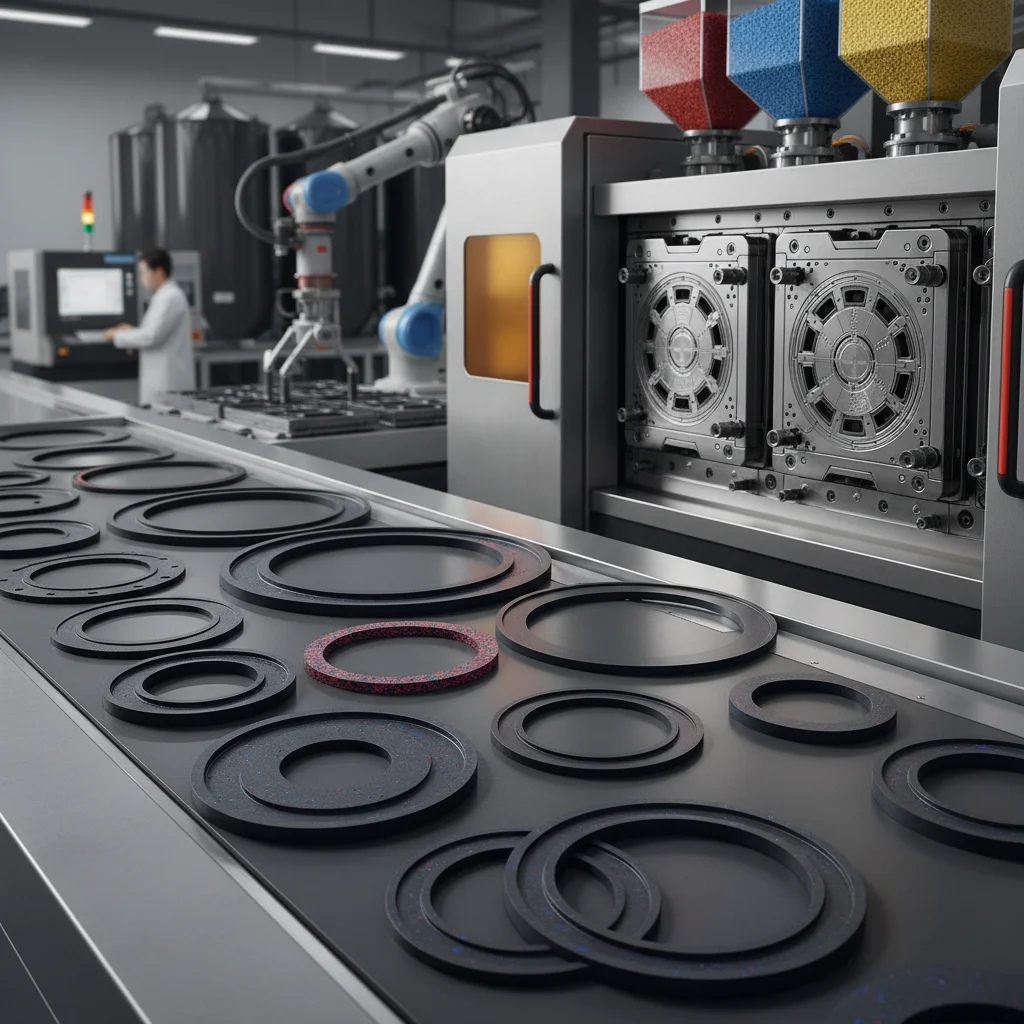
From a manufacturing perspective, the vulcanization process used to create these pads ensures a tight cross-linked network. This molecular architecture allows the pads to absorb energy and return to their original shape after deformation, a property known as elastic recovery. This characteristic is vital for maintaining a watertight seal in air conditioning units or reducing vibration in automotive chassis components.

Core Performance Factors and Engineering Standards

When specifying epdm rubber pads, engineers prioritize several critical metrics to ensure system reliability. Shore Hardness is the first primary consideration; a softer pad provides superior vibration isolation, while a harder pad is required for load-bearing structural support. Balancing these needs ensures that the component doesn't collapse under pressure nor fail to dampen unwanted harmonics.

Temperature range is another pivotal factor. High-grade EPDM pads can operate effectively from -40°C to over 150°C without significant loss of physical properties. This thermal stability is essential for industries such as rail transit or UAV manufacturing, where components are subjected to rapid temperature shifts during operation or transport across different climatic zones.

Finally, the compression set—the permanent deformation remaining after a load is removed—defines the long-term sealing capability. A low compression set ensures that the epdm rubber pads continue to exert pressure against the mating surface for years, preventing leaks in sanitary ware or moisture ingress in electronic tool housings.

Industrial Applications Across Global Sectors

The versatility of epdm rubber pads allows them to be integrated into a vast array of products. In the automotive sector, they are used extensively for sound insulation and engine mounting, reducing the noise, vibration, and harshness (NVH) experienced by passengers. In civil engineering, they act as expansion joints and bridge bearings, allowing structures to move safely during thermal expansion.

In specialized fields like underwater cleaning robots and UAVs, the demand for waterproof sealing is absolute. epdm rubber pads provide the necessary hydrostatic pressure resistance to protect sensitive circuitry from saltwater and humidity, ensuring that high-tech equipment can operate in extreme depths or humid tropical environments without short-circuiting.

Furthermore, in the building and furniture industry, these pads serve as non-slip bases and vibration dampeners for heavy appliances. From industrial-grade air conditioners to residential sanitary ware, the consistent use of EPDM ensures that mechanical energy is dissipated efficiently, preventing structural wear and enhancing the overall lifespan of the installation.

Comparative Analysis of Dampening Efficiency

To evaluate the effectiveness of different sealing solutions, it is necessary to look at how epdm rubber pads compare to alternative elastomers like Neoprene or Nitrile. While Nitrile offers better oil resistance, EPDM is vastly superior in weatherproofing and ozone resistance, making it the logical choice for any application exposed to the elements.

The following data illustrates the performance rating of various EPDM formulations across different industrial requirements, highlighting where specific densities provide the optimal balance of shock absorption and durability.

Performance Rating of EPDM Rubber Pads by Grade

Long-term Economic and Sustainability Value

Investing in premium epdm rubber pads offers significant long-term cost savings. Although the initial procurement cost may be slightly higher than lower-grade rubbers, the extended replacement interval drastically reduces labor costs and system downtime. In large-scale industrial setups, replacing a seal once every five years instead of every two years can save thousands of dollars in operational expenses.

From a sustainability perspective, the durability of EPDM contributes to a reduction in landfill waste. By extending the lifecycle of the components they protect, epdm rubber pads help reduce the overall environmental footprint of the machinery. Furthermore, modern manufacturing processes are increasingly incorporating recycled rubber content without compromising the essential properties of the material.

Overcoming Implementation Challenges

One common challenge in the application of epdm rubber pads is ensuring proper adhesion to diverse substrates. Since EPDM is naturally non-polar, it can be difficult to bond using standard adhesives. To overcome this, professional installers use specialized primers or mechanical fastening methods to ensure the pads remain securely in place under high-vibration conditions.

Another hurdle is the precise calculation of compression. Over-compressing a pad can lead to permanent deformation (compression set), while under-compressing may result in leakage or insufficient dampening. Expert consultants recommend using calibrated torque wrenches and following strict engineering specifications to achieve the "sweet spot" of compression.

Finally, ensuring the purity of the material is critical. Counterfeit or low-grade "EPDM-like" materials often contain fillers that degrade rapidly under UV exposure. Implementing a rigorous quality control process, including hardness testing and aging simulations, is the only way to guarantee that the epdm rubber pads will perform as expected over a decade of service.

Future Trends in Polymer Sealing Technology

The future of epdm rubber pads is leaning heavily toward "smart materials." Research is currently underway to integrate conductive fillers into the EPDM matrix, allowing pads to act as sensors that can detect excessive pressure or wear in real-time. This would enable predictive maintenance, where a system alerts the operator to replace a pad before a failure occurs.

Additionally, the drive toward green energy is pushing the development of bio-based EPDM precursors. Reducing the reliance on petroleum-based feedstocks while maintaining the same high standards of ozone and heat resistance is a primary goal for polymer chemists worldwide. This evolution will make the use of these pads even more attractive for eco-conscious architectural projects.

Automation in manufacturing is also refining the precision of pad geometry. Using 3D printing and advanced injection molding, epdm rubber pads can now be produced with complex internal structures that optimize energy absorption for specific frequencies, providing a level of customization previously impossible with traditional die-cutting.

Comparative Analysis of EPDM Pad Specifications by Application

Application Sector Recommended Hardness Key Priority Expected Lifespan
Auto Parts / NVH 40-60 Shore A Vibration Dampening 7-10 Years
Civil Engineering 70-90 Shore A Load Bearing 20+ Years
HVAC / AC Units 50-70 Shore A Weather Resistance 10-15 Years
Underwater Robots 60-80 Shore A Waterproofing 5-8 Years
Electric Tools 30-50 Shore A Shock Absorption 3-5 Years
Rail Transit 80-95 Shore A Wear Resistance 15+ Years

FAQS

What makes EPDM rubber pads better than natural rubber for outdoor use?

EPDM is a synthetic polymer specifically engineered to resist ozone, UV radiation, and oxidation. Natural rubber contains double bonds in its molecular chain that are easily attacked by ozone and sunlight, leading to "ozone cracking" and brittleness. EPDM's saturated backbone makes it almost immune to these environmental factors, ensuring that pads remain flexible and intact for decades in outdoor exposure.

How do I choose the right Shore hardness for my EPDM pads?

Choice depends on the primary goal: vibration isolation or structural support. For absorbing high-frequency noise or soft cushioning (e.g., electric tools), a lower Shore A rating (30-50) is best. For heavy machinery, bridge bearings, or high-pressure seals where the pad must support weight without flattening, a higher rating (70-90) is required. Always consult the load-bearing specs of your equipment.

Can EPDM rubber pads be used in contact with oil or fuel?

Generally, no. EPDM is excellent for water, steam, and weather, but it has poor resistance to petroleum-based oils, fuels, and greases, which cause it to swell and lose strength. If your application involves oil exposure, Nitrile (NBR) or Viton is a better choice. However, for air conditioner condensate lines or outdoor drainage, EPDM is the gold standard.

What is 'compression set' and why does it matter for sealing?

Compression set refers to the permanent deformation a rubber pad retains after being compressed for a period. A high compression set means the pad "forgets" its original shape and stays flat, which leads to leaks. High-quality EPDM pads have a low compression set, meaning they push back against the surface continuously, maintaining a tight, waterproof seal over many years.

Are these pads eco-friendly and sustainable?

Yes, primarily through their longevity. By reducing the frequency of replacements and protecting expensive machinery from failure, they minimize waste. Furthermore, the industry is moving toward peroxide-cured EPDM and the integration of recycled elastomers, reducing the carbon footprint of production while maintaining high industrial performance standards.

How should I install EPDM pads to prevent slipping?

Because EPDM is chemically inert, standard glues often fail. The best methods include using mechanical fasteners (bolts/washers) or applying a specialized rubber-to-metal primer before using a high-strength industrial adhesive. Ensuring the mating surface is clean and free of oils is critical for a secure bond.

Conclusion

In summary, epdm rubber pads represent a critical intersection of material science and practical engineering. Their ability to provide consistent sealing, superior weather resistance, and effective vibration dampening makes them an essential component across diverse sectors—from the precision of UAVs to the scale of civil engineering projects. By focusing on key metrics like Shore hardness and compression set, industries can significantly enhance the reliability and lifespan of their infrastructure.

Looking ahead, the integration of smart sensing and bio-based polymers will likely redefine the role of elastomers in the industry. As we strive for a more sustainable and automated future, the continued evolution of EPDM technology will play a pivotal role in reducing operational waste and increasing safety. To ensure your projects benefit from the highest engineering standards, we invite you to explore our specialized solutions. Visit our website: www.sunlitetek.com

David Miller

David Miller

David Miller serves as the Senior Application Engineer at Guangdong Sunlite Science & Technology, specializing in elastomer applications within the UAV and robotics industries. With a Master's degree in Mechanical Engineering, David has over 10 years of experience in material science and product development. He’s instrumental in collaborating with clients on front-end innovation projects, utilizing Sunlite’s DFM concurrent engineering and CAE simulation to optimize designs for performance and manufacturability. David’s expertise lies in identifying optimal polymer solutions for vibration damping and noise reduction, directly contributing to shorter R&D cycles and improved product reliability. He frequently contributes to industry publications, sharing insights on the latest advancements in material technology. He’s a key figure in ensuring Sunlite’s products meet the stringent demands of the aerospace and defense sectors.
Previous High Performance Battery Rubber Solutions for Energy Storage
Next Industrial Rubber Sealing Pad for Vibration Isolation and Sealing

If you are interested in our products, you can choose to leave your information here, and we will be in touch with you shortly.

  • captcha