In the intricate world of industrial engineering, the humble sealing gasket serves as the unsung hero of system integrity. From the massive turbines in power plants to the delicate valves in medical devices, these components are essential for preventing leaks, maintaining pressure, and ensuring the safe containment of fluids and gases. Understanding the nuances of gasket selection is not merely a technical requirement but a critical safety imperative for any high-performance operation.
Globally, the demand for advanced sealing solutions has surged as industries push the boundaries of temperature and pressure. Whether it is the aerospace sector battling extreme atmospheric shifts or the automotive industry transitioning to hydrogen fuel cells, the reliability of a sealing gasket often determines the success or failure of the entire assembly. The ability to maintain a hermetic seal under fluctuating stresses is what allows modern machinery to operate with unprecedented efficiency.
For professionals in the manufacturing and maintenance sectors, mastering the application of these components leads to significant reductions in downtime and operational risks. By integrating high-grade materials and precise engineering, a well-chosen sealing gasket minimizes environmental contamination and maximizes energy conservation. This comprehensive guide explores the technical depth and practical applications of these essential components across various global industries.
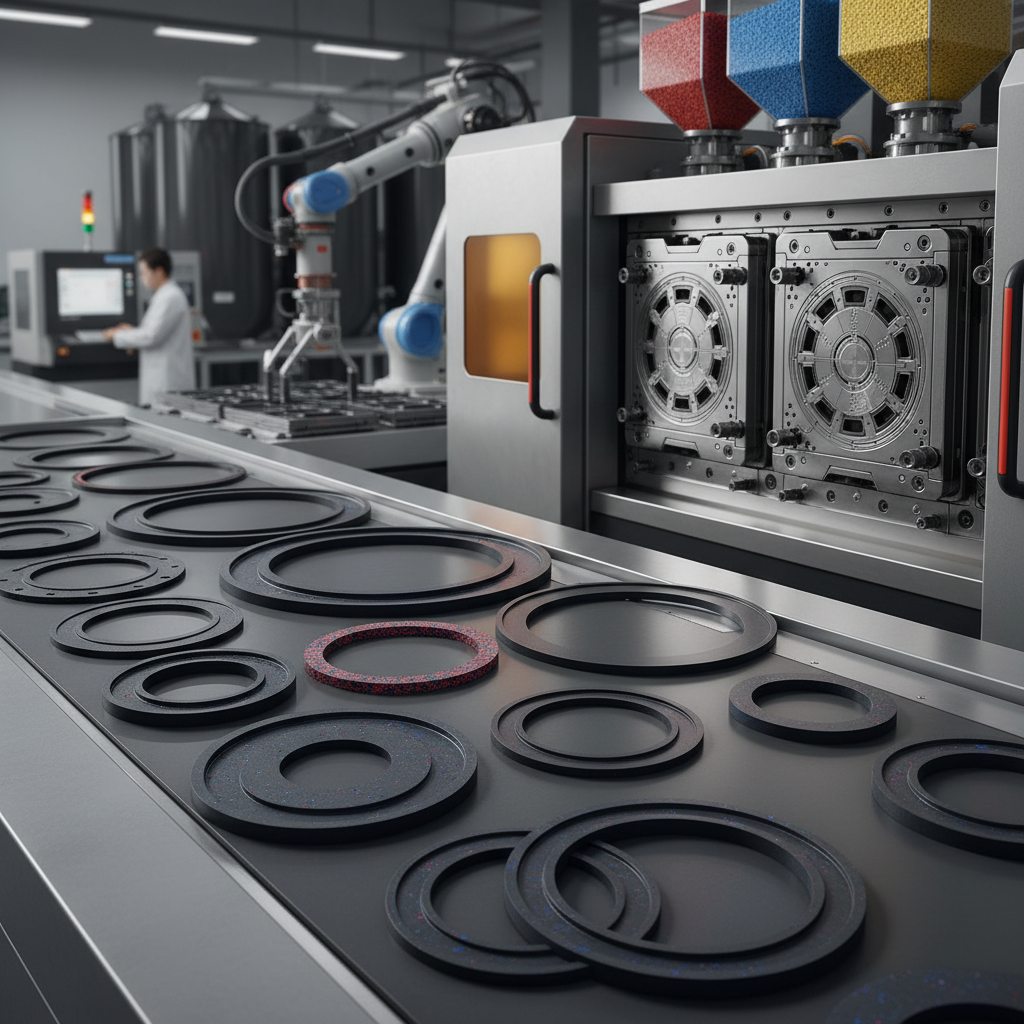
Global Industrial Context of Sealing Gaskets
The global industrial landscape relies heavily on the precision of sealing technologies to maintain safety and productivity. According to ISO standards regarding fluid power and sealing, the failure of a single sealing gasket can lead to catastrophic system failures, resulting in millions of dollars in losses and potential environmental disasters. In heavy industries such as oil and gas or chemical processing, the "zero-leakage" goal is a primary driver for innovation in material science.
Across diverse regions, from the high-tech hubs of East Asia to the industrial corridors of Europe and North America, the challenge remains the same: combating the degradation of seals due to thermal cycling and chemical corrosion. The industry is currently shifting toward more sustainable, longer-lasting materials to reduce the waste generated by frequent replacement cycles, aligning with global green initiatives and strict environmental regulations.
Defining the Mechanics of Sealing Gaskets
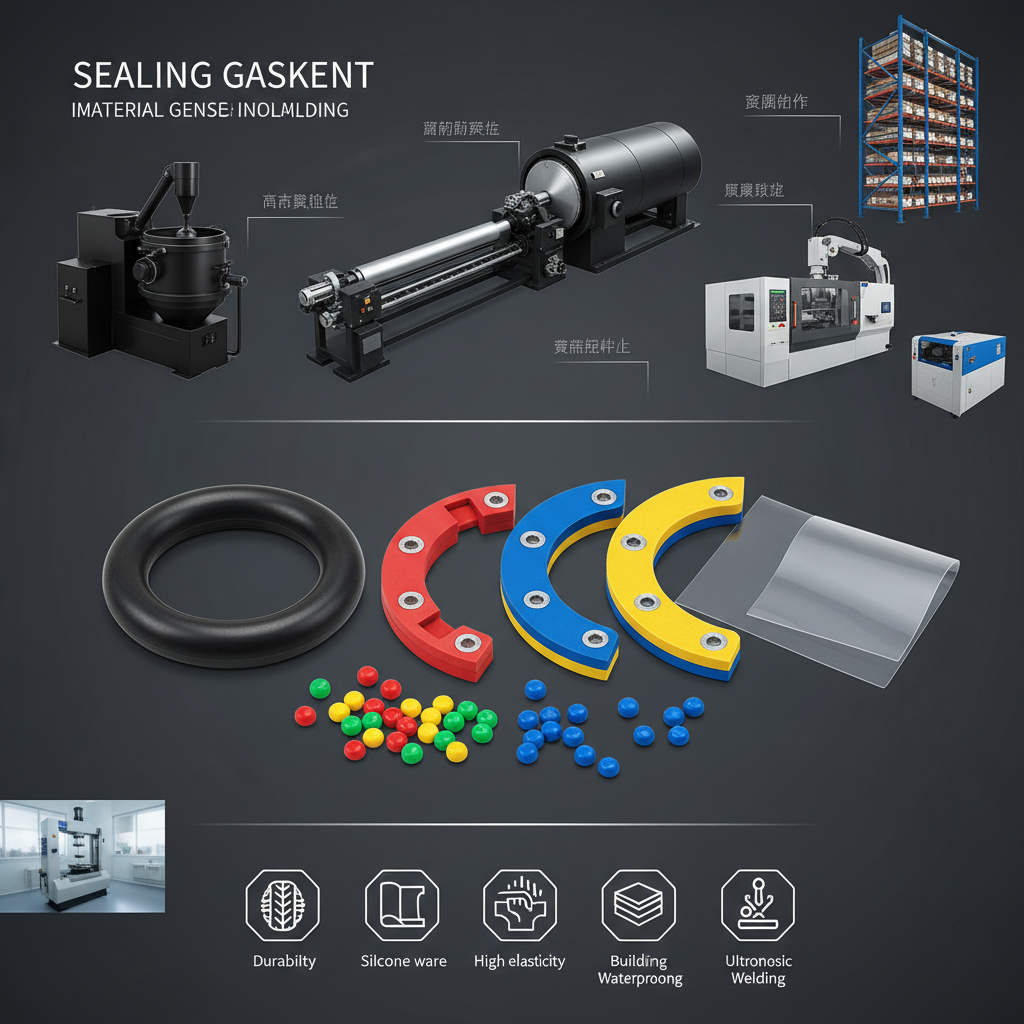
At its simplest level, a sealing gasket is a mechanical seal which fills the space between two or more mating surfaces, generally to prevent leakage from one or both sides. It works by creating a compressed barrier that conforms to the irregularities of the flange surfaces, effectively blocking the path of the medium—whether it be air, water, oil, or a corrosive chemical.
In modern industry, these components have evolved from simple rubber rings to complex composite structures. They are no longer just "fillers" but engineered components designed with specific hardness (Shore A/D), compression set resistance, and tensile strength. This evolution is driven by the need for seals that can withstand the extreme environments found in UAV engines, underwater cleaning robots, and high-speed rail transit systems.
The connection between the sealing gasket and humanitarian needs is often overlooked but vital. In the production of clean water systems for disaster relief or the sealing of vaccine transport containers, the integrity of the seal ensures that life-saving resources reach their destination without contamination, proving that a small piece of rubber or plastic can have a massive global impact.
Core Components and Performance Factors
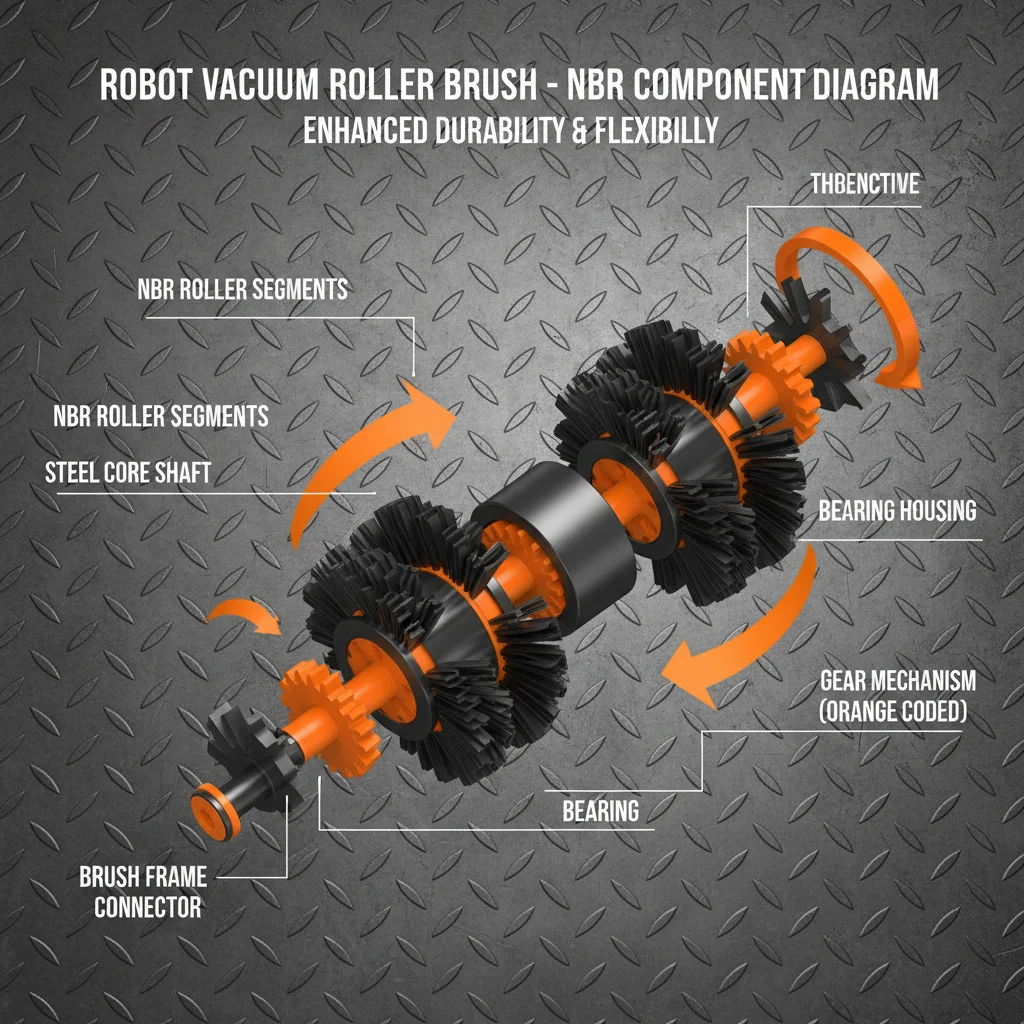
Material Compatibility is the cornerstone of any successful sealing gasket design. Depending on the application, engineers must choose between EPDM for weather resistance, Nitrile (NBR) for oil resistance, or Viton (FKM) for high-temperature chemical exposure. Selecting the wrong elastomer can lead to rapid swelling or embrittlement, compromising the entire system's safety.
Compression Set and Recovery are critical metrics that define how well a sealing gasket maintains its seal over time. A high-quality gasket must be able to deform to fill surface gaps but possess enough "memory" to push back against the mating surfaces. If a material loses its elasticity, the resulting gap allows for micro-leaks that can escalate into systemic failures.
Thermal Stability and Pressure Rating ensure that the seal does not fail under operational stress. In applications like automotive parts or industrial electric tools, gaskets are subjected to rapid temperature swings. The ability of the sealing gasket to remain stable without melting or cracking under pressure is what ensures the long-term reliability of the equipment.
Global Applications and Use Cases
The application of the sealing gasket spans nearly every sector of human productivity. In the realm of civil engineering and waterproofing in buildings, specialized gaskets prevent groundwater ingress, protecting the structural integrity of skyscrapers and subway tunnels. Similarly, in the automotive industry, from engine head gaskets to sound insulation seals, these components are vital for both performance and passenger comfort.
Beyond urban infrastructure, we see critical use cases in remote industrial zones. For instance, in offshore oil rigs or underwater cleaning robots, gaskets must withstand immense hydrostatic pressure and saltwater corrosion. In the aerospace sector, particularly for UAVs, lightweight yet high-strength seals are used to maintain pressurized cabins and protect sensitive electronics from altitude-related pressure drops.
Performance Efficiency of Different Sealing Gasket Types
Tangible Advantages and Long-Term Value
Investing in high-quality sealing gasket solutions provides an immediate increase in operational safety and a long-term reduction in maintenance costs. By preventing leaks, companies avoid the costly "hidden" expenses of product loss, energy inefficiency, and unplanned emergency shutdowns. The logical value is clear: the cost of a premium gasket is a fraction of the cost of a system-wide failure.
Beyond the numbers, there is an emotional and ethical dimension to quality sealing. In industries like sanitary ware and bathroom fixtures, a reliable seal prevents mold growth and water damage, ensuring the health and dignity of the end-user. In heavy machinery, the trust an operator places in their equipment is rooted in the invisible reliability of these components. Innovation in this field isn't just about materials; it's about building trust and safety into the very fabric of our infrastructure.
Future Trends in Sealing Technology
The future of the sealing gasket is being shaped by the digital transformation of manufacturing. We are seeing the rise of "Smart Seals"—gaskets embedded with microscopic sensors that can detect pressure drops or chemical breakthroughs in real-time. This transition from reactive maintenance to predictive maintenance allows industries to replace a seal exactly when it needs it, rather than on a fixed schedule, drastically reducing waste.
Sustainability is also driving a revolution in bio-based elastomers. Researchers are developing gaskets derived from renewable sources that maintain the performance of synthetic rubbers while reducing the carbon footprint of production. As green energy expands, these eco-friendly seals are becoming essential for hydrogen storage and carbon capture technologies, where extreme purity and zero leakage are non-negotiable.
Furthermore, additive manufacturing (3D printing) is enabling the creation of custom-geometry sealing gasket designs that were previously impossible to mold. This allows for optimized seal paths that distribute pressure more evenly, extending the lifespan of the component and allowing for more compact, efficient machinery in sectors like robotics and UAVs.
Challenges and Engineering Solutions
Despite advancements, the industry still faces the challenge of "creep" and permanent deformation under high loads. When a sealing gasket is compressed for years, it can lose its ability to bounce back, leading to leaks. To solve this, engineers are implementing hybrid designs—combining a soft elastomer for initial sealing with a hard metallic or plastic core for structural support.
Another common limitation is the conflict between chemical resistance and elasticity. Often, the materials that resist the harshest chemicals are the least flexible, making it difficult to achieve a perfect seal on uneven surfaces. The solution lies in advanced compounding, where nanoparticles are infused into the rubber matrix to enhance toughness without sacrificing the flexibility required for a tight fit.
Finally, the complexity of installation often leads to human error, such as over-tightening bolts which crushes the sealing gasket. Modern solutions include the use of torque-limiting tools and the development of "self-centering" gaskets that align themselves automatically during assembly, ensuring that the seal is achieved consistently across different skill levels of technicians.
Comparative Analysis of Sealing Gasket Material Selection
| Material Type |
Temp Resistance |
Chemical Stability |
Durability Score |
| Nitrile (NBR) |
Medium (-40 to 120°C) |
Excellent for Oils |
7/10 |
| EPDM |
High (-50 to 150°C) |
Excellent for Steam |
8/10 |
| Silicone |
Very High (-60 to 230°C) |
Moderate/Food Grade |
6/10 |
| Viton (FKM) |
Extreme (-20 to 200°C) |
Superior Chemical |
10/10 |
| PTFE |
Very High (-200 to 260°C) |
Universal Resistance |
9/10 |
| Neoprene |
Medium (-40 to 100°C) |
Good General Purpose |
7/10 |
FAQS
Selecting the right material depends on three main factors: the medium being sealed (oil, water, acid), the operating temperature, and the pressure. For example, if you are dealing with automotive oils, Nitrile (NBR) is ideal. If you need extreme heat and chemical resistance, Viton (FKM) is the professional choice. Always check a chemical compatibility chart before finalizing your selection to prevent premature degradation.
In most professional and industrial applications, it is strongly recommended to replace the sealing gasket upon disassembly. Once a gasket has been compressed, it undergoes "compression set," meaning it may not return to its original shape. Reusing a gasket often leads to micro-leaks because the material can no longer provide the same sealing force against the mating surfaces.
Common causes of failure include chemical incompatibility (causing the seal to swell or shrink), thermal degradation (hardening due to over-heating), and mechanical failure due to over-tightening. Over-tightening can crush the cellular structure of the elastomer, leading to a permanent loss of elasticity. Environmental factors like UV exposure or ozone can also crack certain rubber types if they are not specifically formulated for outdoor use.
It depends on the application. PTFE (Teflon) offers nearly universal chemical resistance and can handle much higher temperatures than rubber. However, it lacks the elasticity and "spring-back" of rubber. In many cases, a PTFE-faced rubber gasket is used to combine the chemical resistance of the plastic with the sealing capability of the elastomer, providing the best of both worlds.
In pressurized systems—such as HVAC or steam boilers—even a tiny leak caused by a failing sealing gasket forces the pump or compressor to work harder to maintain pressure. This leads to increased electricity consumption and higher operational costs. High-efficiency seals ensure that energy is contained within the system, directly reducing the carbon footprint and utility bills of the facility.
While both are types of seals, a sealing gasket is generally a flat component used between two flat surfaces (flanges). An O-ring is a circular loop specifically designed to be seated in a groove, creating a seal through radial compression. Gaskets are typically used for larger surface areas, while O-rings are used for tighter, more compact cylindrical connections.
Conclusion
In summary, the sealing gasket is an indispensable component of modern industrial infrastructure, providing the essential barrier that ensures safety, efficiency, and environmental protection. From the careful selection of materials like EPDM and Viton to the implementation of predictive maintenance through smart sensors, the engineering behind these seals is what allows our most complex machines to operate reliably in the harshest conditions on Earth.
Looking forward, the integration of sustainable bio-materials and additive manufacturing will further refine how we approach sealing challenges. We encourage engineers and procurement specialists to move beyond "standard" replacements and instead analyze the specific thermal and chemical stresses of their systems to choose optimized sealing solutions. For high-performance, durable, and custom-engineered sealing components, visit our website: www.sunlitetek.com

 Select Language