In the demanding environment of modern industrial power tools, the integrity of battery interfaces is paramount. The M12 battery pad serves as a critical vibration-damping and protective interface, ensuring that high-performance lithium-ion batteries remain securely seated and shielded from the mechanical stresses of heavy-duty use. By integrating specialized rubber compounds, these pads prevent premature wear and electrical instability in professional-grade equipment.
Globally, the shift toward cordless electrification in sectors like construction and automotive repair has increased the reliance on compact power systems. However, the constant vibration inherent in drilling and fastening can lead to structural fatigue in battery housings. The implementation of a precision-engineered M12 battery pad mitigates these risks, extending the lifespan of the battery pack and ensuring consistent power delivery under extreme conditions.
Understanding the technical specifications of an M12 battery pad is not merely about accessory selection but about optimizing operational safety and tool longevity. From reducing acoustic noise to preventing moisture ingress, these specialized rubber components embody the intersection of material science and ergonomic industrial design, providing a foundation of reliability for professionals worldwide.
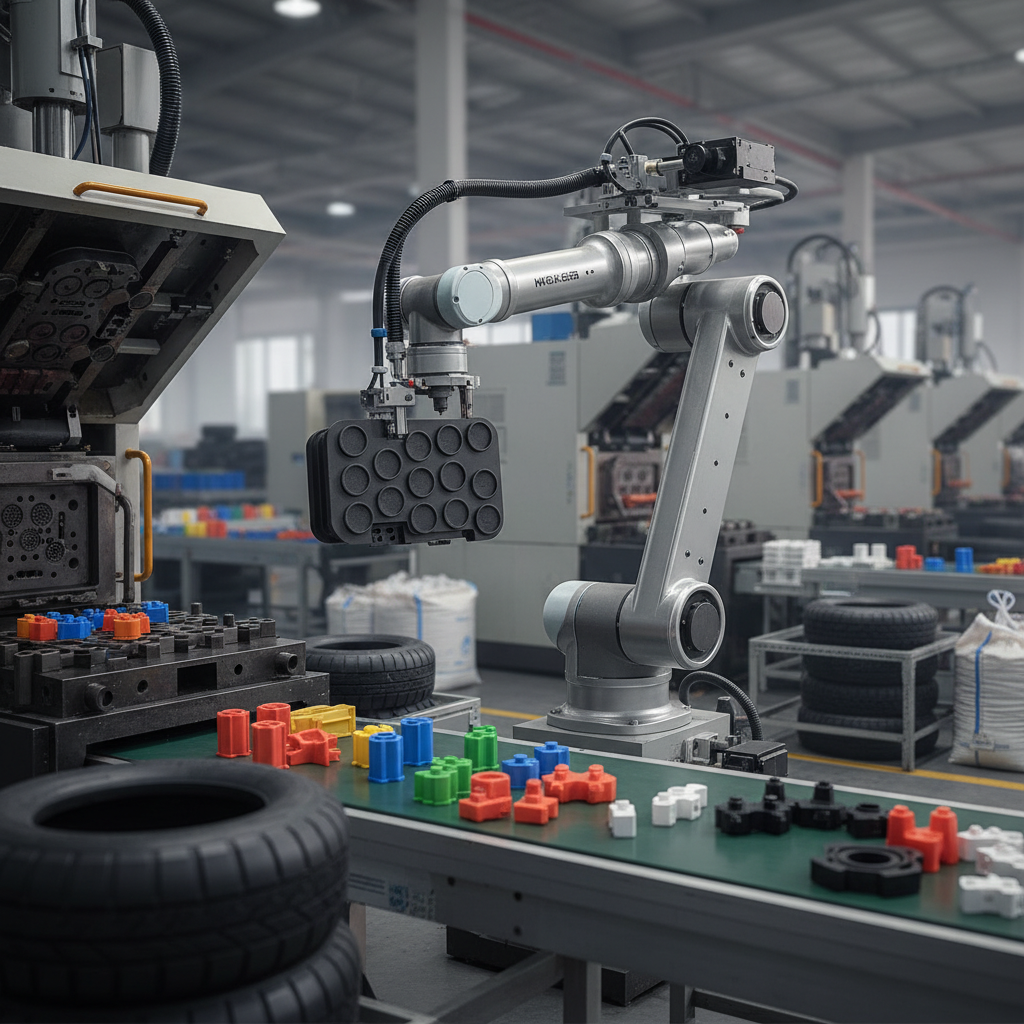
Global Relevance of M12 Battery Pad in Power Tools
The global surge in cordless tool adoption has highlighted a critical vulnerability: the physical junction between the power source and the tool. In industrial settings, where ISO standards for vibration and shock resistance are strictly monitored, the M12 battery pad acts as the primary defense mechanism. Without proper damping, the high-frequency oscillations from brushless motors can degrade the battery's internal cell connections, leading to efficiency loss.
Across North America and Europe, the construction industry has seen a significant reduction in tool downtime when utilizing high-grade rubber interfaces. The integration of an M12 battery pad ensures that the battery remains snug, preventing the "micro-chatter" that often leads to intermittent power failure during critical operations in civil engineering and automotive assembly.
Technical Definition and Material Composition
At its core, an M12 battery pad is a precision-molded elastomer component designed to fit the specific footprint of M12-style battery systems. Unlike generic rubber sheets, these pads are engineered using specialized synthetic rubbers—such as EPDM or Nitrile (NBR)—that offer a balance of compressibility and resilience, ensuring they do not permanently deform under the weight of the battery.
The technical purpose of this component is to provide a "buffer zone" that absorbs kinetic energy. By controlling the Shore hardness of the material, manufacturers can tune the M12 battery pad to either prioritize maximum shock absorption for handheld tools or high stability for stationary equipment, effectively isolating the battery cells from external mechanical noise.
Furthermore, the chemical composition is tailored to resist environmental degradation. Industrial batteries are often exposed to oils, grease, and UV radiation; therefore, the M12 battery pad is treated to prevent cracking and hardening over time, maintaining its elastic properties even in the harsh conditions found in automotive workshops or outdoor construction sites.
Core Components for Maximum Durability
The efficacy of an M12 battery pad depends heavily on its geometric precision. The exact fit ensures that there is no lateral movement during operation, which is critical for maintaining a constant electrical connection between the battery terminals and the tool's receptor.
Material scalability is another key factor. High-end M12 battery pad designs often incorporate multi-density layering, where a softer top layer provides initial grip and a firmer base layer prevents bottoming out under heavy loads, optimizing the overall shock-load distribution.
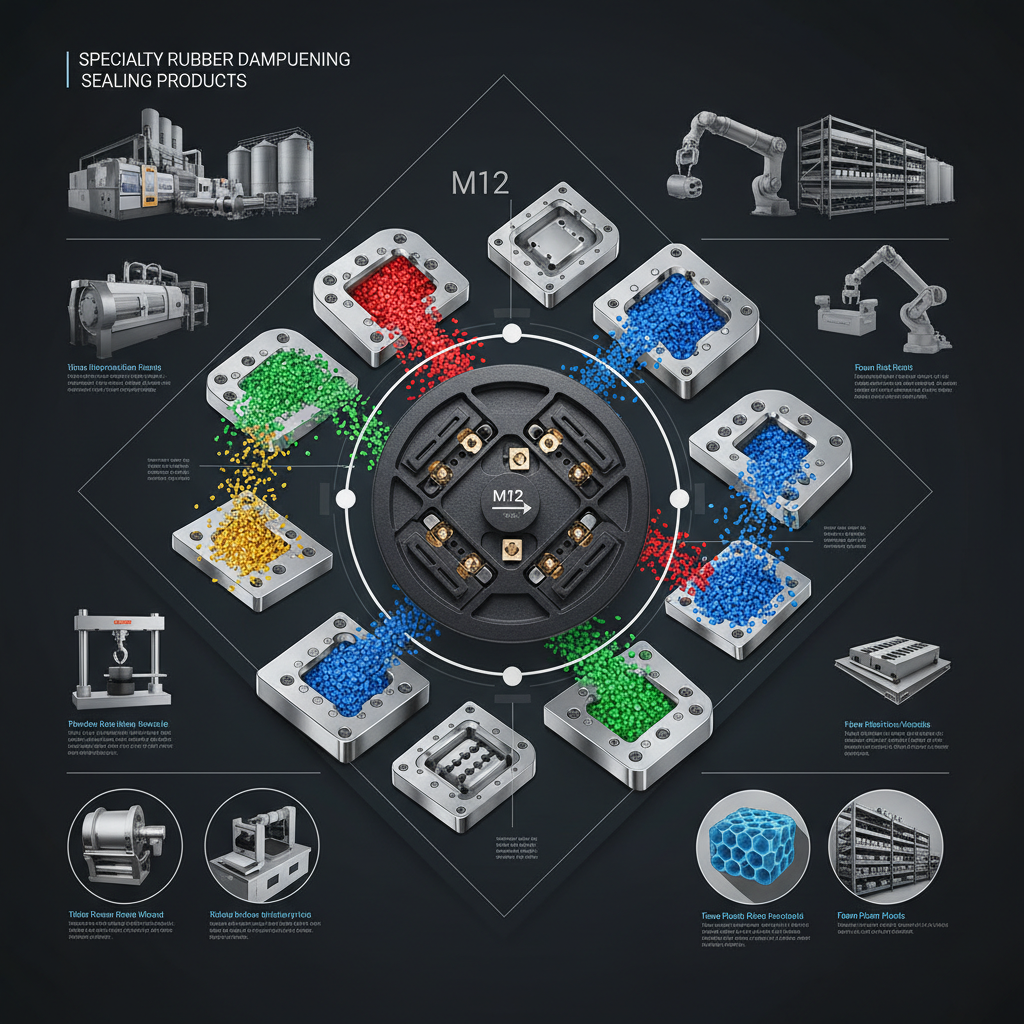
Finally, cost-efficiency is achieved through advanced injection molding techniques. By optimizing the rubber flow during production, the M12 battery pad can be produced with zero flashing and high dimensional consistency, reducing waste and ensuring that every single unit meets rigorous industrial tolerances.
Industrial Performance Analysis and Metrics
Evaluating the performance of an M12 battery pad requires looking at quantitative metrics such as damping ratios and compression set. When comparing different rubber formulations, the ability of the pad to return to its original shape after thousands of compression cycles is the primary indicator of long-term reliability.
In practical testing, the use of a professional M12 battery pad significantly lowers the peak acceleration felt by the battery internals during impact-driven tasks, such as using a cordless impact driver. This data-driven approach allows engineers to select the perfect material hardness for specific tool categories.
M12 Battery Pad Performance Rating by Material
Global Applications Across Diverse Sectors
The versatility of the M12 battery pad allows it to be deployed in various high-stakes environments. In the rail transit and UAV sectors, where electronic stability is non-negotiable, these pads are used to isolate battery modules from chassis vibrations, preventing signal interference and ensuring a steady current flow to sensitive sensors.
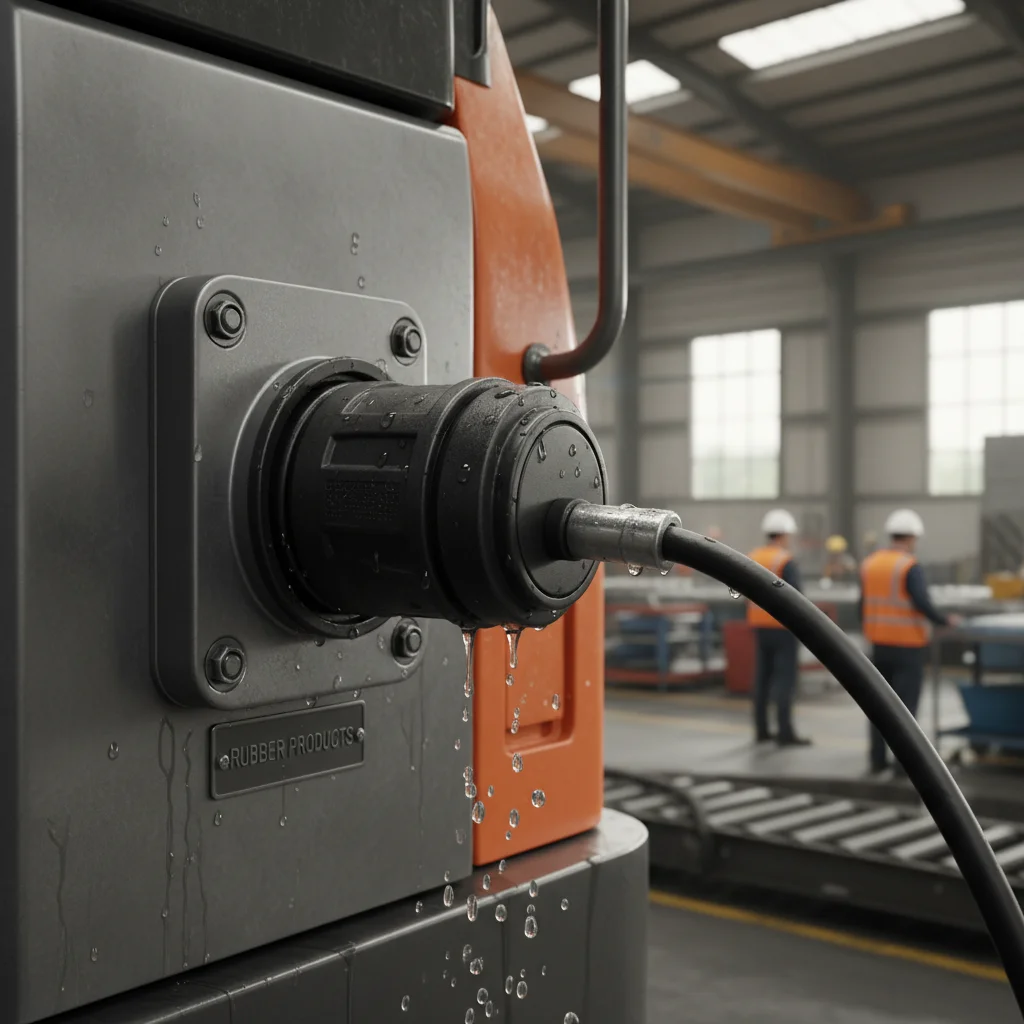
In remote industrial zones, such as offshore oil rigs or mining sites, the M12 battery pad provides an essential layer of protection against salt-spray corrosion and extreme temperature fluctuations. By creating a tight seal between the battery and the device, it minimizes the risk of moisture penetrating the electrical contacts.
Long-term Value and Operational Advantages
Investing in high-quality M12 battery pad components yields significant long-term financial benefits. By reducing the frequency of battery replacements caused by mechanical failure, companies can lower their total cost of ownership (TCO) for power tool fleets. This reliability translates directly into increased productivity and less operational downtime.
Beyond the economics, there is a strong safety and trust component. A securely seated battery, held in place by a precision M12 battery pad, reduces the risk of the battery ejecting during use—a potential hazard in overhead work or confined spaces. This adds a layer of psychological security for the operator, knowing their gear is structurally sound.
Sustainability is also enhanced. When the M12 battery pad extends the life of the lithium cells, it reduces the volume of electronic waste entering landfills. This aligns with global green energy initiatives and corporate social responsibility goals, proving that a small rubber component can have a large environmental impact.
Future Innovations in Battery Interface Design
The next generation of the M12 battery pad is moving toward "smart materials." We are seeing the emergence of piezoelectric rubber that can not only dampen vibration but also harvest small amounts of energy from that vibration to supplement the battery's charge or power a diagnostic sensor that monitors battery health in real-time.
Digital transformation is also influencing the design process. Using AI-driven generative design, engineers are creating M12 battery pad structures with biomimetic lattices. These internal geometries provide superior shock absorption with less material, reducing the weight of the tool while increasing its durability.
Furthermore, the transition to biodegradable elastomers is becoming a priority. Future M12 battery pad iterations will likely utilize bio-based polymers that maintain industrial-grade strength but decompose safely at the end of their lifecycle, ensuring a truly circular economy for power tool accessories.
Comparative Analysis of M12 Battery Pad Material Evolution
| Material Type |
Damping Ability |
Chemical Resistance |
Lifespan Rating |
| Standard Rubber |
Moderate (6/10) |
Low |
2 Years |
| Industrial NBR |
High (8/10) |
High (Oil Resistant) |
5 Years |
| Advanced EPDM |
High (7/10) |
Very High (UV/Heat) |
7 Years |
| TPU Elastomer |
Excellent (9/10) |
Moderate |
6 Years |
| Bio-Polymer |
Moderate (7/10) |
Moderate |
4 Years |
| Hybrid Lattice |
Superior (10/10) |
High |
10 Years |
FAQS
An M12 battery pad is essential because it acts as a mechanical buffer. It absorbs high-frequency vibrations produced by the motor, which otherwise would be transferred directly to the battery's internal cells and connections. This prevents terminal wear, reduces the risk of accidental battery detachment, and protects the battery housing from impact damage during heavy-duty industrial use.
The material determines the damping coefficient. For example, NBR rubber provides excellent oil resistance for automotive tools, while EPDM is better for outdoor construction due to its UV stability. A higher-grade material ensures the pad doesn't compress permanently (low compression set), maintaining a tight fit that ensures consistent electrical conductivity and minimizes power loss.
Yes. If a pad is too soft or degrades quickly, it may allow the battery to shift or "bounce" during operation. This micro-movement can cause intermittent contact between the battery terminals and the tool's receptor, leading to sudden power cuts, sparking, or increased resistance, which can overheat the connection points and reduce the overall efficiency of the tool.
In professional industrial environments, we recommend a visual inspection every 3-6 months. Look for signs of "flattening" (permanent deformation), cracking, or chemical degradation (becoming sticky or brittle). If the battery feels loose when clicked into place, it is a clear sign that the M12 battery pad has lost its resilience and needs replacement to avoid damaging the battery.
While most M12 battery pads are designed to follow the industry-standard footprint, slight variations exist between different brands and generations. It is crucial to ensure that the pad's dimensions match your specific battery model exactly to avoid creating gaps that could allow dust and moisture to enter the tool's internal compartment.
Absolutely. By decoupling the rigid battery housing from the tool body, the pad reduces the transmission of structural noise. This results in a lower decibel output during operation, which contributes to a safer and more comfortable working environment for the operator, especially when using tools for extended periods in enclosed spaces.
Conclusion
The M12 battery pad may appear to be a simple accessory, but it is a cornerstone of industrial reliability. By integrating advanced elastomer science with precision engineering, these pads protect the most expensive part of a cordless tool—the battery—from mechanical fatigue, environmental hazards, and electrical instability. From enhancing user safety to promoting sustainability through extended hardware lifespans, the value of a high-quality interface cannot be overstated.
As the industry moves toward smarter, more sustainable power solutions, the evolution of battery damping technology will continue to play a pivotal role. We encourage professionals and procurement managers to prioritize material quality and geometric precision when selecting their interface components to ensure maximum operational uptime. For more information on high-performance rubber solutions, visit our website: www.sunlitetek.com