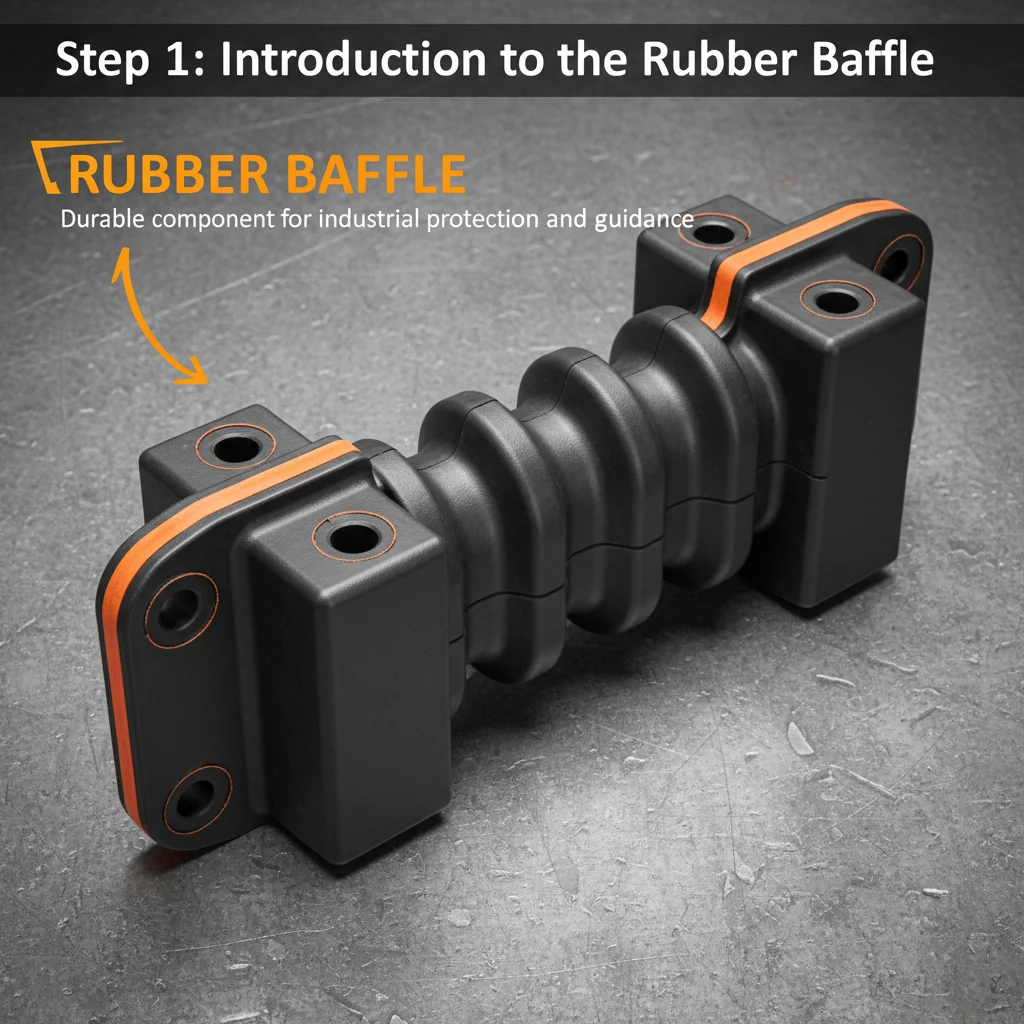
In the intricate world of mechanical engineering, the rubber bumper serves as a silent guardian, essential for mitigating the destructive effects of vibration and mechanical shock. Across global industries—from precision robotics to heavy-duty civil engineering—these components ensure that machinery operates within safe tolerances, preventing premature fatigue and catastrophic structural failure.
The global demand for high-performance damping solutions has surged as industries push for higher operational speeds and tighter tolerances. According to ISO standards for vibration and shock, the implementation of a specialized rubber bumper can reduce noise pollution and mechanical wear by up to 40%, addressing the critical challenge of "system resonance" that often plagues high-frequency motor applications.
Understanding the material science behind these components—particularly the use of Nitrile Butadiene Rubber (NBR)—allows engineers to optimize equipment longevity. By transforming kinetic energy into thermal energy, the rubber bumper does more than just "cushion" a blow; it provides a dynamic stabilization layer that is indispensable for modern industrial sustainability and safety.

The Mechanics of High-Elasticity Vibration Absorption
The primary function of a rubber bumper is to manage the transfer of energy between two oscillating bodies. By utilizing a high elastic modulus, these components absorb impact loads and dynamic torque, which is critical during the start-stop cycles of industrial motors. This prevents the transmission of harmful vibrations through the machine frame, thereby protecting sensitive electronic components and reducing the risk of system resonance.
In practice, this absorption mechanism converts kinetic energy into low-grade heat. For instance, when installed at the compressor position of an air conditioning unit, the bumper ensures that the rhythmic pulsations of the piston do not amplify through the chassis. This not only extends the fatigue life of the metal housing but also significantly lowers the decibel levels emitted by the equipment, enhancing operational comfort.
Material Synergy: NBR and Metal Composite Engineering
The effectiveness of a modern rubber bumper relies heavily on the synergistic bond between its elastomer and its structural core. Most high-end industrial bumpers utilize Nitrile Butadiene Rubber (NBR) thermal-bonded to aluminum alloy or SECC steel. This composite approach ensures that while the rubber provides the necessary flexibility and damping, the metal insert provides the dimensional stability required for precision alignment.
Thermal bonding is a critical process here; unlike simple adhesive gluing, thermal bonding creates a molecular-level connection between the NBR and the metal. This ensures that under extreme high-frequency loads—often exceeding one million cycles—the rubber does not peel or delaminate from the core. This structural integrity is what allows the bumper to maintain a consistent spring rate over years of service.
Furthermore, the choice of NBR is intentional. NBR is prized for its superior oil resistance and mechanical strength. In environments where lubricating oils or hydraulic fluids are present, standard natural rubber would swell and lose its damping properties. The NBR-based rubber bumper remains stable, ensuring that the machinery's dynamic balance is never compromised by chemical degradation.
Environmental Resilience in Hostile Conditions
Deploying a rubber bumper in an industrial setting means exposing it to a cocktail of thermal and chemical stresses. From the freezing temperatures of outdoor HVAC units to the intense heat generated by CNC spindles, the elastomer must maintain its viscoelastic properties without becoming brittle or overly soft.
The operational window of a professional-grade rubber bumper typically ranges from -40°C to +120°C. This wide thermal tolerance is achieved through specific compounding agents that prevent the NBR from crystallizing in the cold or oxidizing under high heat, ensuring a consistent damping coefficient regardless of the season or load.
Beyond temperature, chemical resistance is paramount. Industrial media such as fuel oil and hydraulic fluids can penetrate porous rubbers, causing them to soften. By utilizing a high-density NBR matrix, the rubber bumper acts as a barrier, preserving its high elastic modulus and preventing the "bottoming out" effect that occurs when a degraded bumper fails to support the load.
Performance Metrics and Damping Efficiency
Evaluating the performance of a rubber bumper involves analyzing its fatigue life and energy dissipation rate. A high-quality bumper is rated not just by its hardness (Shore A), but by its ability to withstand millions of cycles of high-frequency dynamic loading without permanent deformation. This ensures that the machine's alignment remains precise over time.
When comparing different damping methods, the integrated metal-rubber coupling consistently outperforms simple rubber pads in terms of torque transmission and axial stability. The following data illustrates the relative efficiency of various bumper configurations in reducing vibration amplitude across different industrial loads.
Vibration Reduction Efficiency by Rubber Bumper Type
Applications in High-Speed Transmission Systems
In high-speed fan and motor transmission systems, the rubber bumper is critical for maintaining dynamic balance. Even a microscopic imbalance in a rotating shaft can generate centrifugal forces that lead to violent shaking. By integrating a flexible coupling bumper, these forces are absorbed before they can reach the bearing housing, preventing asymmetric wear and premature bearing failure.
Furthermore, these components are essential for noise reduction in commercial settings. By converting high-frequency mechanical noise into thermal energy, the bumper ensures that industrial fans and blowers operate silently. This is particularly vital in "silent" air conditioning units, where the bumper prevents the motor's hum from resonating through the building's structural walls.
Strategic Integration in HVAC and Robotics
The application of a rubber bumper extends far beyond simple padding. In HVAC systems, they are strategically placed at the base of outdoor units and within indoor mounting brackets. This prevents the "drum effect," where the metal casing of the unit amplifies the compressor's vibration, turning the entire appliance into a giant speaker for mechanical noise.
In the realm of robotics and CNC equipment, the bumper serves a different but equally vital purpose: shock absorption during rapid acceleration and deceleration. When a robotic arm stops abruptly, the kinetic energy must go somewhere. A precision-engineered rubber bumper absorbs this impulse, ensuring that the robot's positioning accuracy is not compromised by "bounce-back" or overshoot.
Additionally, these components are utilized in agricultural power tools and UAVs. In these mobile environments, the rubber bumper protects the internal electronics from the erratic vibrations of internal combustion engines or high-RPM brushless motors, ensuring consistent signal processing and structural integrity.
Future Trends in Smart Damping Materials
The future of the rubber bumper lies in the intersection of material science and digital transformation. We are seeing a shift toward "adaptive damping," where elastomers are blended with smart materials that can change their stiffness in response to electrical currents or temperature changes. This would allow a machine to automatically stiffen its bumpers during high-load phases and soften them for noise reduction during idle phases.
Sustainability is also driving innovation. The industry is moving toward bio-based NBR alternatives and recyclable thermoplastic elastomers (TPE) that offer similar oil resistance to NBR but with a significantly lower carbon footprint. These green materials are being engineered to meet the same strict ISO fatigue life standards, ensuring that "eco-friendly" does not mean "low-performance."
Lastly, the integration of embedded sensors within the bumper structure is becoming a reality. By placing a piezo-electric sensor inside the rubber matrix, a rubber bumper can become a diagnostic tool, alerting operators to abnormal vibration patterns that signal a failing bearing or an imbalanced shaft long before a breakdown occurs.
Comparative Analysis of Rubber Bumper Material Performance
| Material Type |
Oil Resistance |
Temp Range |
Fatigue Life |
| Standard NBR |
Excellent |
-30°C to 100°C |
High (800k cycles) |
| High-Grade NBR+CR |
Superior |
-40°C to 120°C |
Ultra-High (1.2M cycles) |
| Natural Rubber |
Poor |
-20°C to 70°C |
Medium (500k cycles) |
| Silicone Rubber |
Moderate |
-60°C to 200°C |
Low (300k cycles) |
| EPDM Rubber |
Moderate |
-40°C to 150°C |
High (700k cycles) |
| Fluorocarbon (FKM) |
Ultimate |
-20°C to 230°C |
High (900k cycles) |
FAQS
Nitrile Butadiene Rubber (NBR) is the gold standard for oily environments. Unlike natural rubber or silicone, NBR is specifically engineered to resist swelling and degradation when exposed to hydraulic oils, fuel, and lubricating grease, making it the ideal choice for engine mounts and industrial couplings.
Replacement is necessary if you notice visible cracking (dry rot), permanent deformation (compression set), or a significant increase in machine noise and vibration. In high-load systems, we recommend a preventive replacement schedule every 1 million cycles or every 2-3 years depending on the temperature exposure.
Yes. By absorbing the initial shock of the compressor's piston movement and preventing resonance, the bumper reduces the stress on bolts, weld joints, and internal bearings. This prevents the "loosening" of components, which is a primary cause of mechanical failure in HVAC systems.
A rubber pad only provides surface cushioning. An integrated bumper uses a metal core to ensure the rubber stays centered and aligned under heavy loads. This prevents the rubber from "walking" or shifting, which is critical for high-speed rotating equipment where axial alignment is key.
Absolutely. Most rubbers harden in extreme cold (increasing noise transmission) and soften in extreme heat (reducing load support). Professional-grade bumpers use NBR compounds that maintain a stable elastic modulus between -40°C and +120°C to ensure consistent performance year-round.
Yes, they are essential for CNC machinery. They absorb the high-frequency vibrations generated during rapid tool changes and high-speed milling, which ensures that the positioning accuracy of the machine is not disrupted by external mechanical noise.
Conclusion
The rubber bumper is far more than a simple accessory; it is a critical engineering component that bridges the gap between raw power and precision stability. From the chemical resilience of NBR to the structural strength of thermal-bonded alloys, these components protect global infrastructure by suppressing resonance, reducing noise, and extending the operational lifespan of everything from home air conditioners to industrial robots.
As we move toward an era of smarter, greener manufacturing, the evolution of damping technology will continue to play a pivotal role in energy efficiency and machine reliability. Investing in high-quality, material-specific damping solutions today is the most cost-effective way to prevent tomorrow's mechanical failures. For professional-grade vibration control and custom damping solutions, visit our website: www.sunlitetek.com

 Select Language