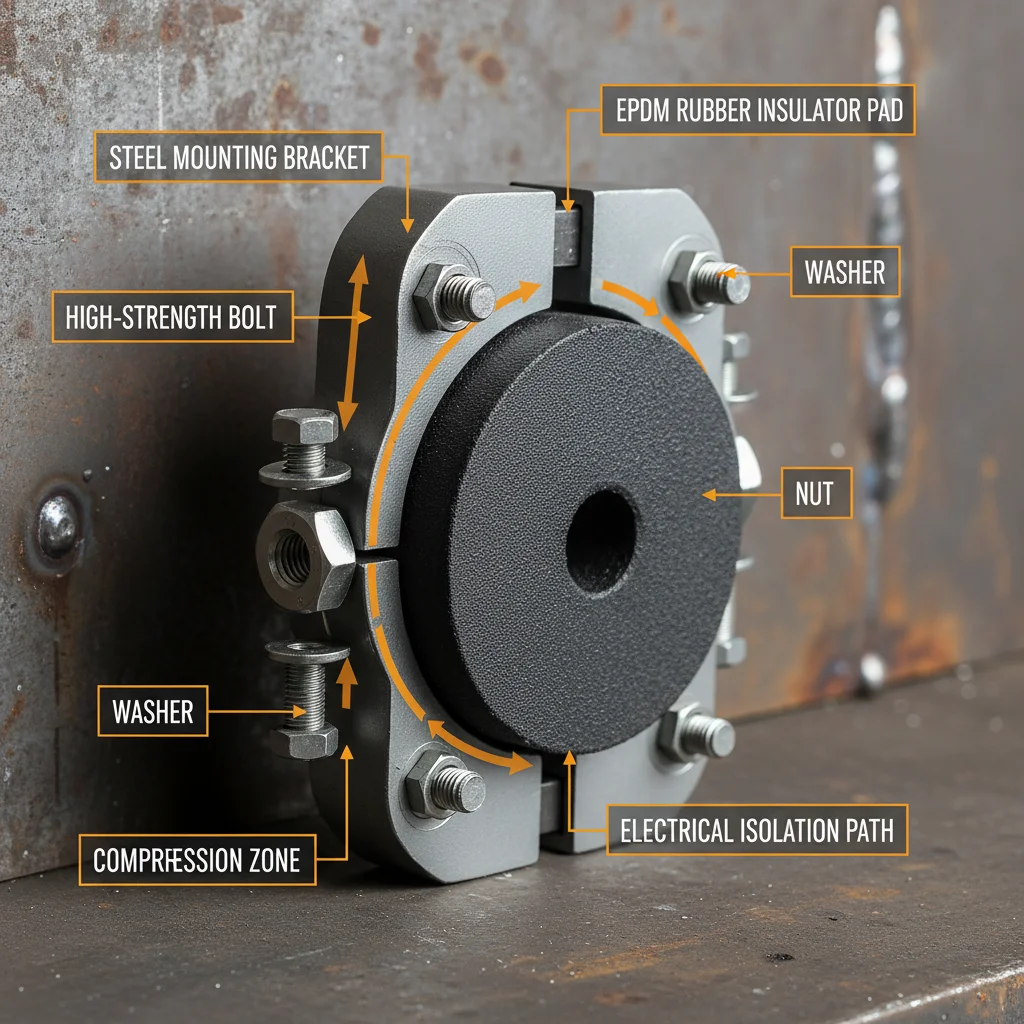
In the demanding world of high-performance power tools, the integrity of every single component determines the overall lifespan of the equipment. M18XC battery rubber parts serve as the unsung heroes of this ecosystem, providing critical sealing, vibration dampening, and structural support that protect sensitive electrical cells from the harsh environments of construction sites and industrial workshops. Understanding the material science behind these rubber components is essential for any professional seeking to maximize the efficiency and safety of their cordless tool fleet.
The global shift toward lithium-ion technology has placed an unprecedented premium on thermal management and physical protection. As battery capacities increase, the risk of internal degradation due to external shocks or moisture ingress rises, making the quality of M18XC battery rubber parts a primary factor in preventing premature battery failure. By employing advanced synthetic elastomers, these parts ensure that the connection between the battery and the tool remains secure and airtight, regardless of the operating conditions.
From a commercial and operational perspective, investing in high-grade rubber components reduces long-term maintenance costs and minimizes downtime. When we analyze the failure rates of power tool batteries, a significant percentage can be attributed to the degradation of seals and gaskets. By prioritizing the engineering of M18XC battery rubber parts, manufacturers can deliver a product that not only meets ISO quality standards but exceeds the expectations of users in the most grueling professional environments.
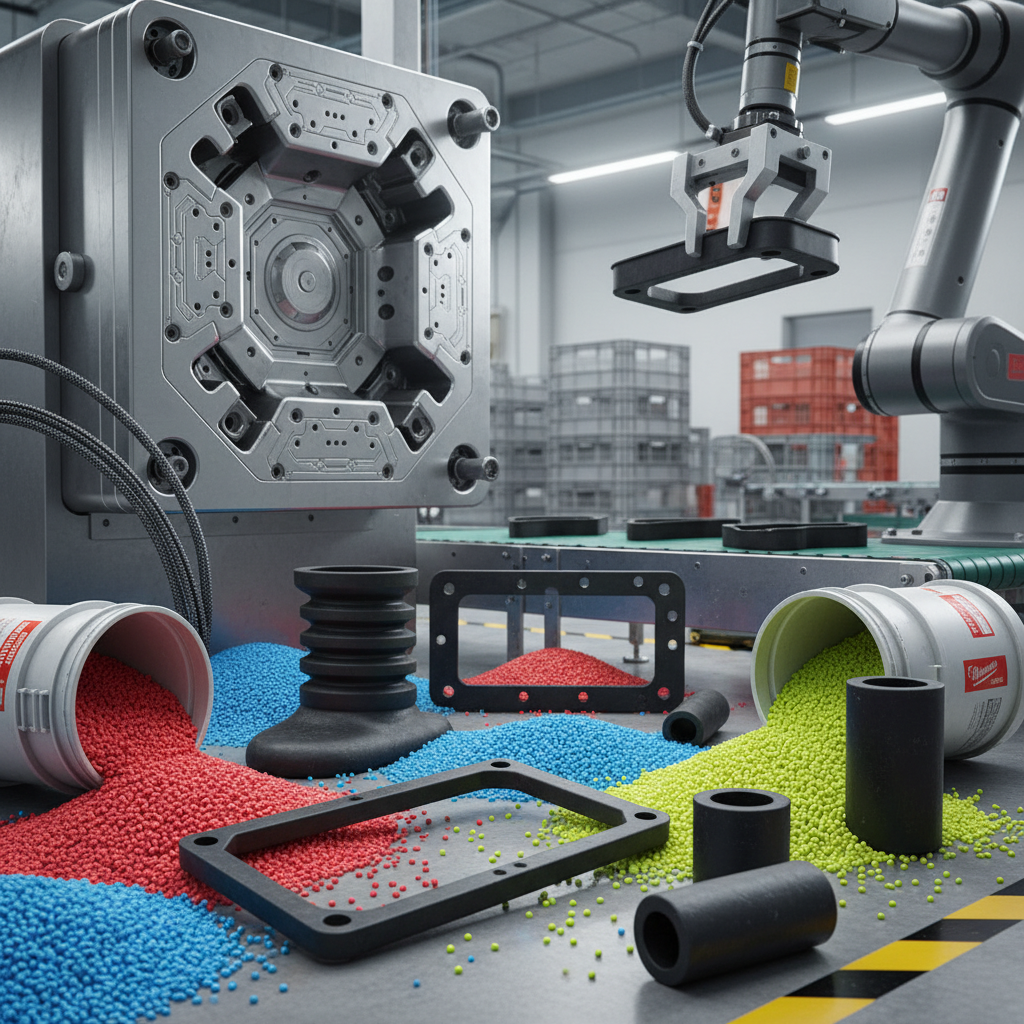
Global Industrial Relevance of M18XC Battery Rubber Parts
On a global scale, the demand for cordless industrial tools has surged by over 15% annually, driven by the need for mobility in civil engineering and UAV maintenance. In this context, M18XC battery rubber parts are no longer viewed as simple accessories but as critical safety components. Adhering to international standards such as ISO 9001 and ASTM, these components prevent the ingress of particulate matter and liquids, which is paramount in regions with extreme humidity or high dust concentrations, such as Southeast Asian construction hubs or Middle Eastern oil fields.
The challenge lies in the paradoxical requirement for materials that are soft enough to create a perfect seal yet durable enough to withstand constant mechanical stress and chemical exposure. Poorly engineered rubber parts lead to oxidation of the battery terminals and catastrophic failure of the cell housing. By implementing high-grade EPDM or Nitrile rubber in M18XC battery rubber parts, industry leaders are reducing the global electronic waste footprint by extending the operational life of battery packs.
Defining the Function of M18XC Battery Rubber Parts
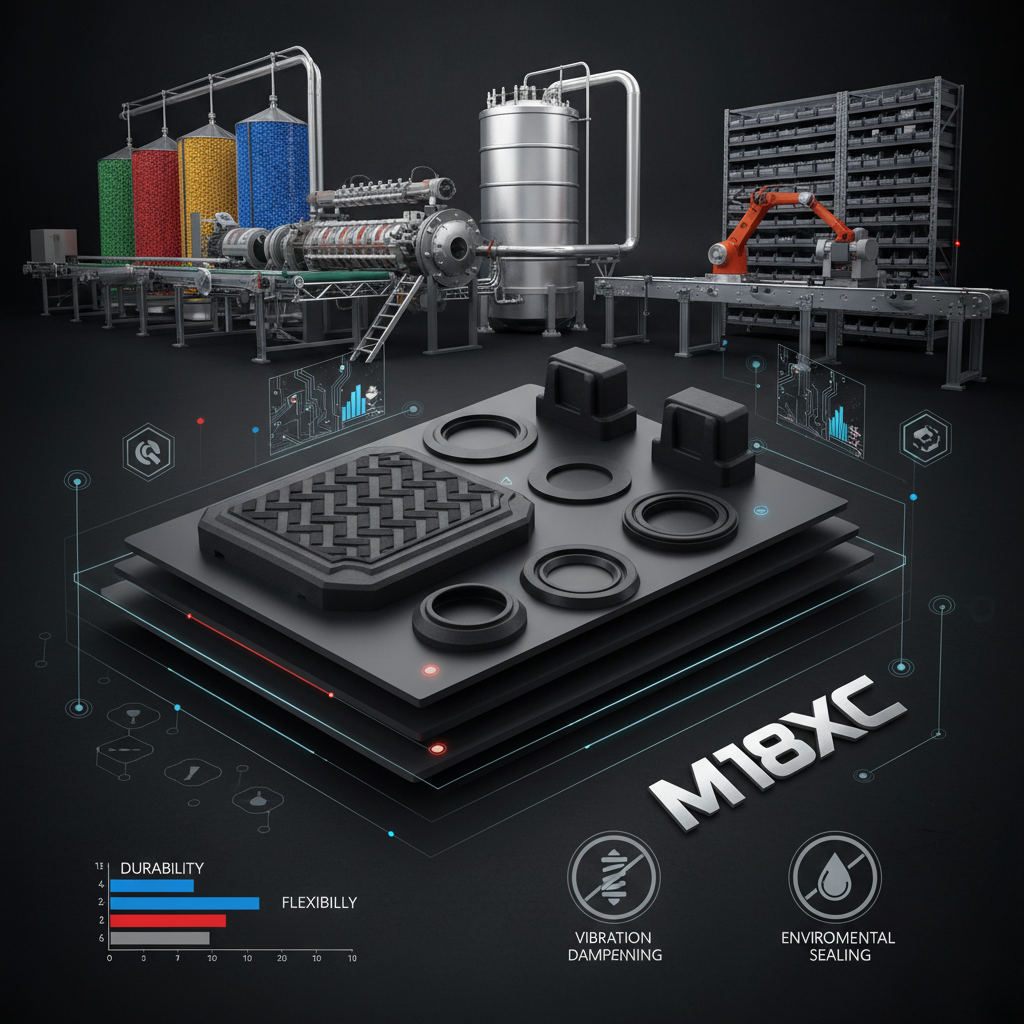
Simply put, M18XC battery rubber parts are specialized elastomeric components—including gaskets, O-rings, and shock-absorbing pads—designed specifically for the M18XC battery architecture. Their primary purpose is to create a physical barrier between the delicate internal circuitry of the battery and the chaotic external environment. This involves not just blocking water, but also absorbing the high-frequency vibrations generated by heavy-duty tools, which can otherwise lead to solder joint fatigue.
In the broader context of modern industry, these parts address the critical need for "ruggedization." As tools are deployed in more extreme environments—from underwater cleaning robots to rail transit maintenance—the reliance on high-performance rubber becomes absolute. These components ensure that the energy delivery system remains stable, providing the consistent voltage required for high-torque applications without the risk of short-circuiting due to moisture.
Furthermore, the connection to humanitarian needs is evident in disaster relief operations. In post-earthquake zones, where power grids are non-existent and tools are operated in mud and rubble, the reliability of M18XC battery rubber parts ensures that rescue equipment remains operational. The durability of a simple rubber seal can be the difference between a functioning tool and a dead battery during a critical rescue window.
Core Engineering Factors for Rubber Components
Durability is the foremost requirement for M18XC battery rubber parts. This involves resistance to UV radiation, ozone degradation, and temperature fluctuations. When a battery is left in a hot vehicle or used in freezing climates, the rubber must maintain its elasticity without becoming brittle or overly soft, ensuring the seal remains airtight across a temperature range of -20°C to 80°C.
Material Compatibility is another critical factor. The M18XC battery rubber parts must be chemically inert to the lubricants and cleaning agents commonly found in automotive and industrial shops. If the rubber reacts with oils or solvents, it may swell or dissolve, compromising the waterproof rating of the battery pack and leading to internal corrosion of the lithium cells.
Precision Fit and Scalability ensure that the parts can be mass-produced while maintaining micron-level tolerances. Because the M18XC system requires a snap-fit connection, the rubber components must provide exactly the right amount of compressive force. Too much pressure can warp the plastic housing, while too little allows moisture to seep in, making precision molding a cornerstone of the production process.
Performance Metrics of Specialized Rubber Materials
When evaluating the efficacy of M18XC battery rubber parts, engineers look at several key performance indicators (KPIs). These include Shore A hardness, which measures the resistance to indentation, and the compression set, which indicates how well the rubber returns to its original shape after prolonged pressure. A low compression set is vital for batteries that stay docked in tools for weeks at a time.
The following data illustrates the comparative performance of different rubber formulations used in M18XC battery rubber parts across various industrial stressors, highlighting why specific synthetic blends are chosen over natural rubber.
Comparative Performance of M18XC Battery Rubber Parts Formulations
Real-World Applications in Industrial Zones
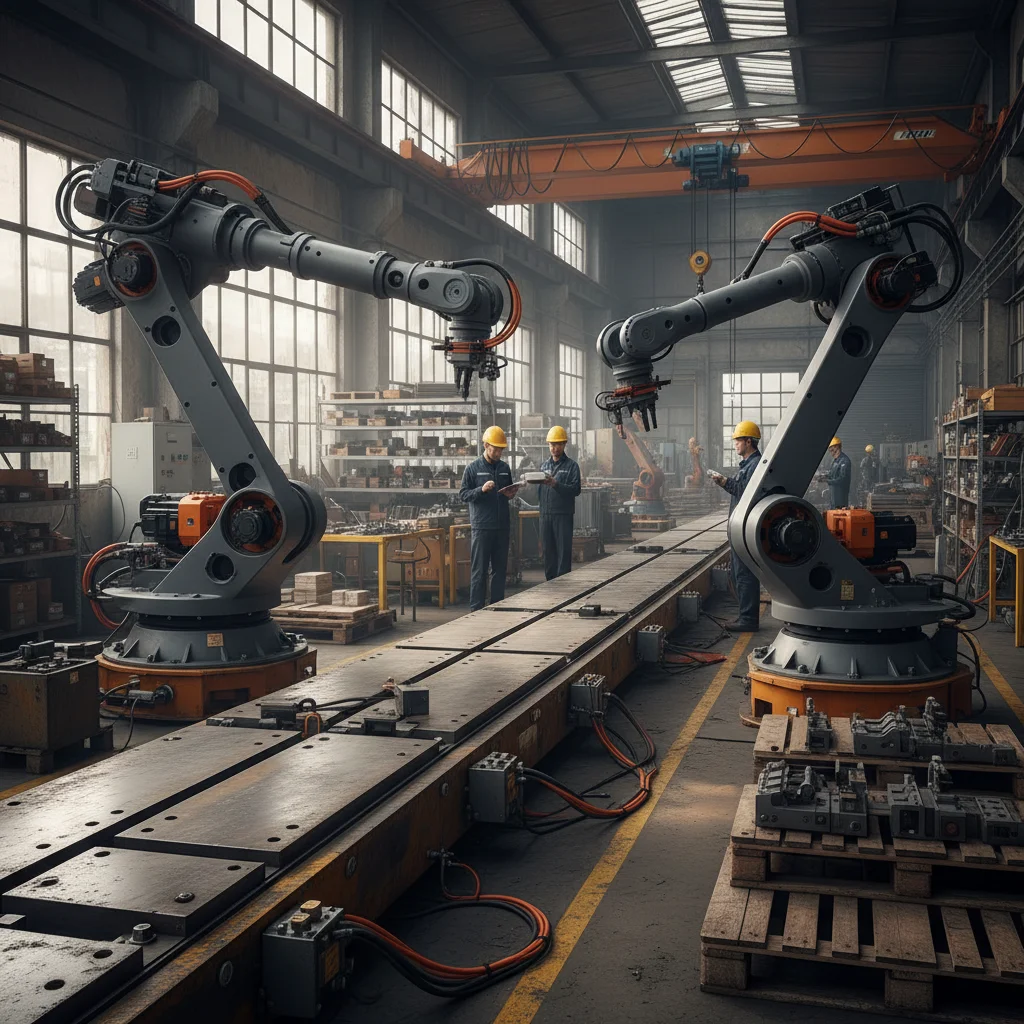
In large-scale rail transit projects, where tools are exposed to metallic dust and grease, the use of high-grade M18XC battery rubber parts is mandatory to prevent conductive dust from entering the battery casing. In these environments, a single breach in the rubber seal could lead to a short circuit, causing expensive downtime for critical infrastructure repairs.
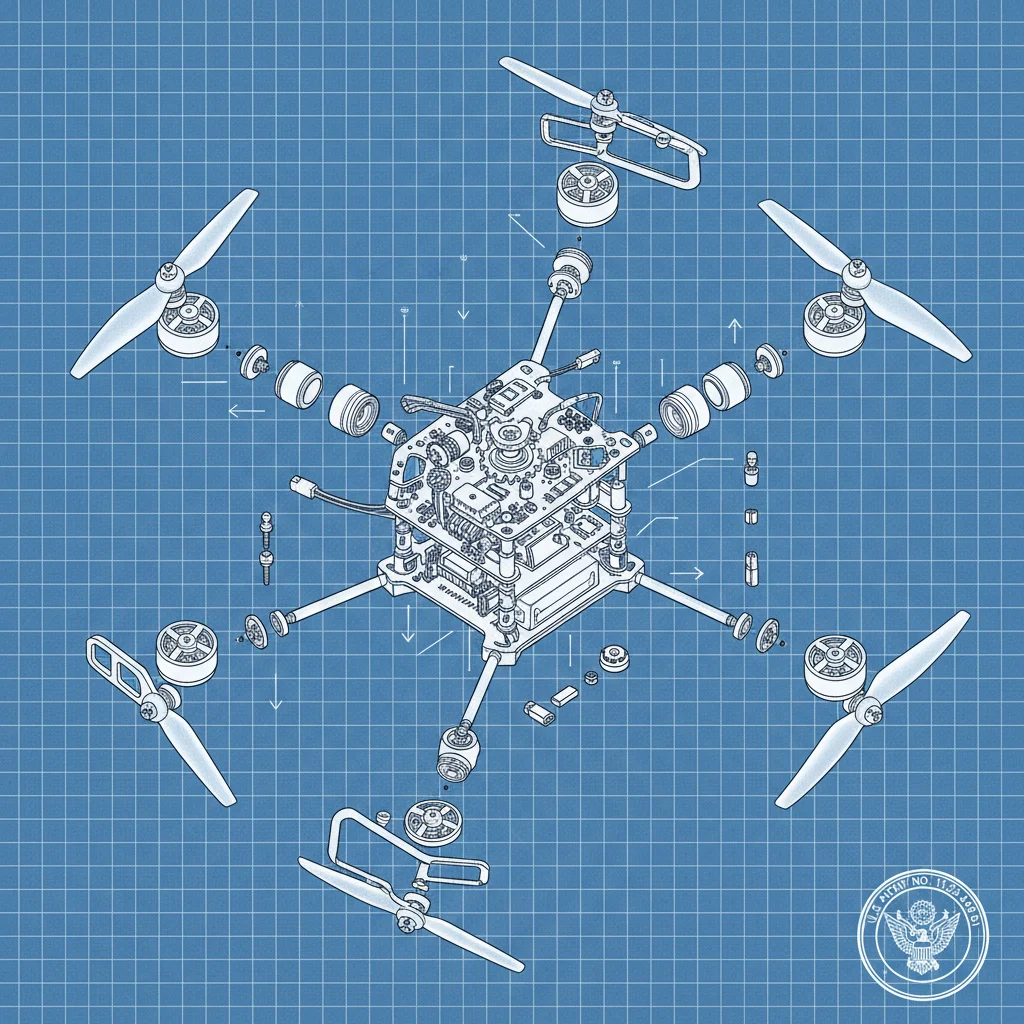
Similarly, in the UAV (Unmanned Aerial Vehicle) sector, battery packs are often subjected to rapid altitude changes and pressure fluctuations. The M18XC battery rubber parts used in these contexts are engineered to maintain a vacuum-tight seal, ensuring that the lithium cells do not expand or leak under low-pressure conditions, thereby guaranteeing flight safety and power stability.
Long-Term Value and Sustainability Benefits
The tangible benefits of utilizing premium M18XC battery rubber parts extend far beyond simple protection. From a cost perspective, the "cost per hour of operation" decreases significantly when the battery lifespan is extended by 20-30% through superior sealing. This represents a massive saving for fleet managers who oversee hundreds of tools across multiple job sites.
Beyond the logic of cost, there is an emotional angle: trust. A professional contractor needs to know that their tool will start every single time, regardless of whether it was left in the rain overnight. The reliability provided by high-quality rubber components fosters a sense of security and professional dignity, knowing that the equipment is as resilient as the worker using it.
From a sustainability standpoint, the durability of M18XC battery rubber parts directly correlates with a reduction in lithium-ion waste. By preventing the premature death of batteries due to environmental ingress, we reduce the frequency of battery replacements, thereby lowering the demand for raw cobalt and lithium mining and decreasing the volume of hazardous waste entering landfills.
Future Innovations in Battery Sealing Technology
The future of M18XC battery rubber parts is leaning heavily toward "smart materials." We are seeing the emergence of self-healing elastomers that can automatically close small punctures or tears caused by sharp debris. This innovation would virtually eliminate the need for manual inspection of seals, allowing the battery to maintain its integrity autonomously throughout its lifecycle.
Integration with digital transformation is also on the horizon. Imagine rubber components embedded with conductive nano-particles that can signal a "seal breach" to a smartphone app via the battery's BMS (Battery Management System). This proactive maintenance approach would allow users to replace M18XC battery rubber parts before a failure occurs, shifting the paradigm from reactive repair to predictive prevention.
Finally, the push for green energy is driving the development of bio-based synthetic rubbers. Moving away from petroleum-based polymers toward sustainable, plant-derived elastomers will ensure that the entire M18XC ecosystem is not only high-performing but also eco-friendly, meeting the stringent carbon-neutral goals of the next decade.
Technical Analysis of M18XC Battery Rubber Parts Material Performance
|
Material Type
|
Environmental Resistance
|
Wear Life (Cycles)
|
Seal Efficiency Rating
|
|
Standard EPDM
|
High UV / Low Oil
|
5,000+
|
8/10
|
|
Nitrile (NBR)
|
High Oil / Med UV
|
7,000+
|
9/10
|
|
Viton (FKM)
|
Extreme Chem / Heat
|
15,000+
|
10/10
|
|
Silicone Rubber
|
Temp Stability / Low Wear
|
3,000+
|
7/10
|
|
TPE Blend
|
General Purpose / Recyclable
|
4,000+
|
6/10
|
|
Reinforced Polyurethane
|
High Abrasion / Low Heat
|
10,000+
|
8/10
|
FAQS
These rubber parts act as the primary gasket between the battery casing and the tool interface. Without a precise, high-elasticity seal, capillary action can draw moisture into the battery's internal circuitry, leading to short circuits and permanent cell damage. High-quality rubber ensures a tight seal that resists the pressure of water ingress even in heavy rain.
Look for signs of "dry rot," such as small cracks or a hardened texture. If the battery feels loose when clicked into the tool, or if you notice a powdery residue around the seal area, the rubber has likely lost its compression set and should be replaced immediately to prevent environmental damage to the cells.
No. Natural rubber, for example, degrades quickly when exposed to UV light and oils. For M18XC battery rubber parts, synthetic elastomers like EPDM or Nitrile are preferred because they offer superior resistance to ozone, heat, and chemical solvents, ensuring the seal remains effective over years of professional use.
Yes, significantly. Most "battery failures" are actually failures of the protection system. By replacing degraded rubber seals, you prevent moisture and dust from reaching the electronics, which reduces the risk of corrosion and thermal runaway, effectively extending the usable lifespan of the lithium-ion cells.
Absolutely. Extreme cold can make rubber brittle, causing it to crack under pressure, while extreme heat can cause it to soften and lose its sealing force. Professional-grade M18XC battery rubber parts are formulated to maintain a stable Shore A hardness across a wide temperature spectrum to avoid these issues.
Yes, the industry is moving toward TPE (Thermoplastic Elastomers) and bio-based rubbers. These materials provide similar performance to traditional synthetics but are significantly easier to recycle at the end of the battery's life, reducing the environmental impact of power tool maintenance.
Conclusion
In summary, M18XC battery rubber parts are far more than simple gaskets; they are the critical line of defense that ensures the safety, longevity, and reliability of high-performance power systems. From managing thermal expansion to blocking industrial contaminants and absorbing mechanical shocks, the engineering of these components directly impacts the operational efficiency of professional tools across the globe.
Looking ahead, the integration of self-healing materials and smart sensing will further revolutionize how we protect energy storage systems. For businesses and professionals, prioritizing the quality of these rubber components is a strategic investment in sustainability and risk management. To ensure your equipment is protected by the highest industry standards, we invite you to explore our professional solutions. Visit our website: www.sunlitetek.com

 Select Language