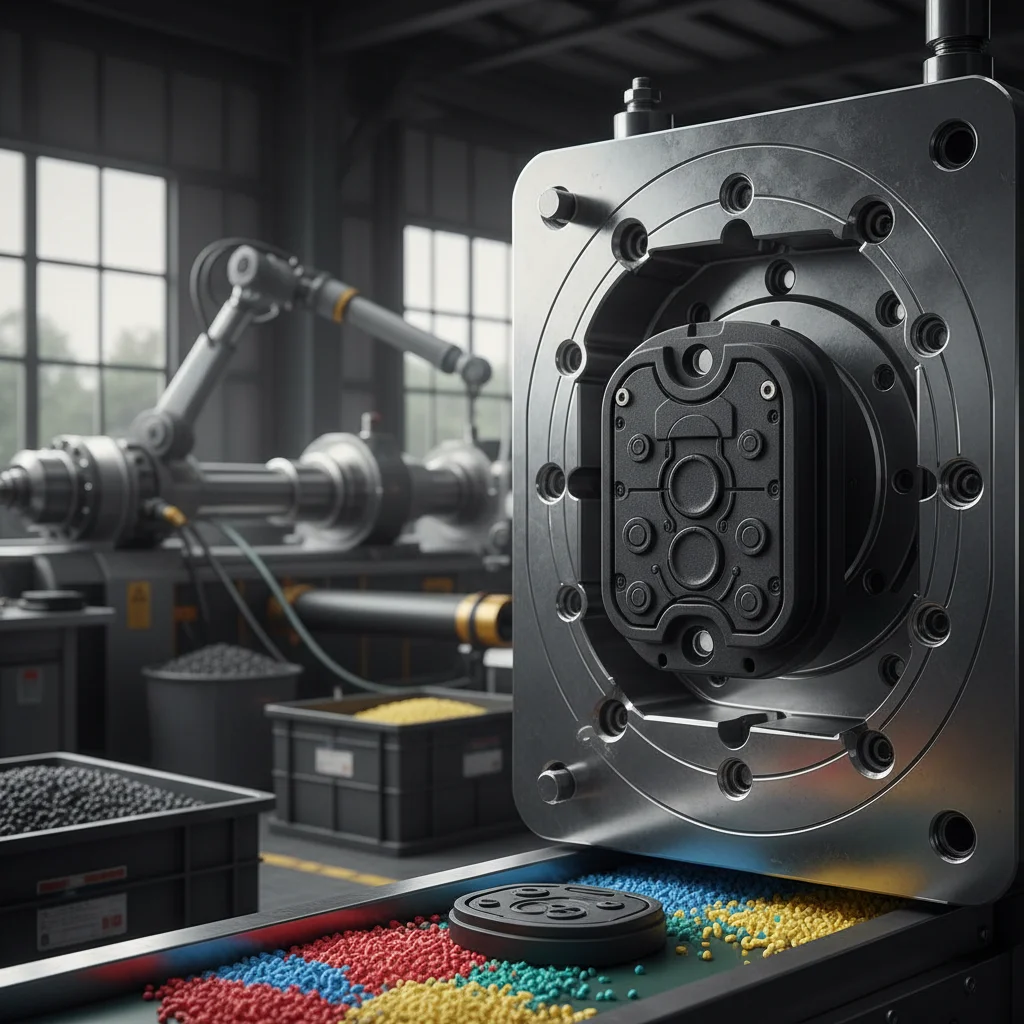
In the demanding world of industrial engineering, the integrity of seals and vibration dampeners can determine the lifespan of an entire system. The epdm pad has emerged as a critical component in this regard, offering a unique blend of weather resistance and mechanical durability that few other elastomers can match. By mitigating structural stress and preventing fluid ingress, these pads ensure that machinery operates at peak efficiency even in the most hostile environments.
From the intricate assemblies of automotive parts to the massive scale of civil engineering projects, the adoption of Ethylene Propylene Diene Monomer (EPDM) technology has revolutionized how we approach isolation. The global shift toward sustainable infrastructure requires materials that do not degrade under UV exposure or extreme temperature fluctuations, making the versatility of the epdm pad an indispensable asset for modern designers and procurement specialists.
Understanding the technical nuances of these components allows industries to reduce maintenance overhead and enhance safety protocols. Whether it is used for sound insulation in a luxury vehicle or as a waterproof barrier in a skyscraper's foundation, the strategic implementation of an epdm pad provides a long-term insurance policy against the inevitable wear and tear of industrial operation.
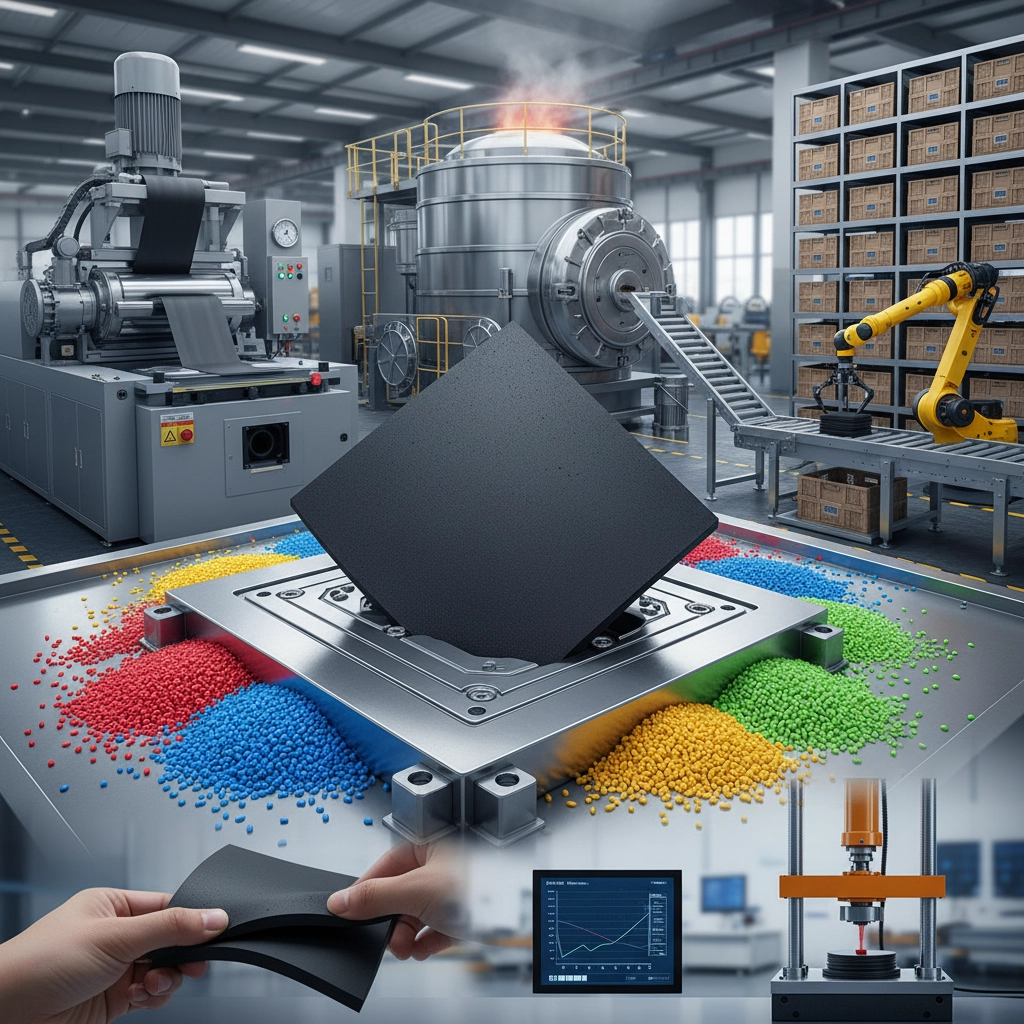
Global Relevance of EPDM Pad Technology
The global industrial landscape is currently facing a crisis of material fatigue, where traditional rubber seals fail prematurely due to climate volatility. According to ISO standards for elastomeric materials, the demand for high-performance polymers has surged as infrastructure in regions like Southeast Asia and Northern Europe faces extreme humidity and freeze-thaw cycles. The epdm pad addresses these challenges by providing a stable chemical structure that resists ozone cracking and thermal oxidation.
By integrating these specialized pads into critical systems, companies can align with international sustainability goals by extending the lifecycle of their hardware. This reduction in replacement frequency not only lowers capital expenditure but also minimizes the environmental footprint associated with rubber waste, positioning the EPDM solution as a cornerstone of the "green" industrial revolution.
Defining the EPDM Pad in Modern Industry
At its most fundamental level, an epdm pad is a precision-engineered elastomer consisting of ethylene, propylene, and a non-conjugated diene monomer. Unlike natural rubber, which can degrade rapidly when exposed to sunlight or oils, EPDM is synthesized to remain flexible and impermeable. This makes it the gold standard for gaskets, vibration isolators, and weather-stripping in high-stakes environments.
In the context of modern humanitarian and industrial needs, these pads serve as more than just "rubber blocks." They are essential for maintaining the vacuum in medical equipment, ensuring the watertight integrity of emergency shelters in flood-prone areas, and isolating sensitive electronics from the rhythmic vibrations of heavy machinery. Their ability to maintain a seal under compression is what allows modern robotics and UAVs to operate in dusty or wet conditions.
The synergy between the chemical composition of the epdm pad and its physical form allows for immense customization. Whether a project requires a high-density pad for load-bearing support or a soft, porous version for acoustic dampening, EPDM can be tuned to meet the exact Shore A hardness required by the engineer, bridging the gap between raw material and functional component.
Core Components of Performance
Durability is the hallmark of a high-quality epdm pad. The material's inherent resistance to UV radiation and ozone prevents the "dry rot" typically seen in cheaper alternatives. This ensures that in outdoor applications, such as rail transit or bridge bearings, the component retains its elasticity for decades rather than years.
Thermal Stability plays a critical role in versatility. An epdm pad can typically withstand temperatures ranging from -50°C to +150°C without losing its structural integrity. This wide operating window is essential for automotive parts that must endure both arctic winters and the intense heat of an engine bay.
Cost Efficiency and Scalability allow these components to be deployed across massive projects. Because EPDM is compatible with various molding and die-cutting processes, producing a custom epdm pad in millions of units is economically viable, ensuring that high-performance sealing is accessible for everything from pet toys to civil engineering works.
Global Applications and Use Cases
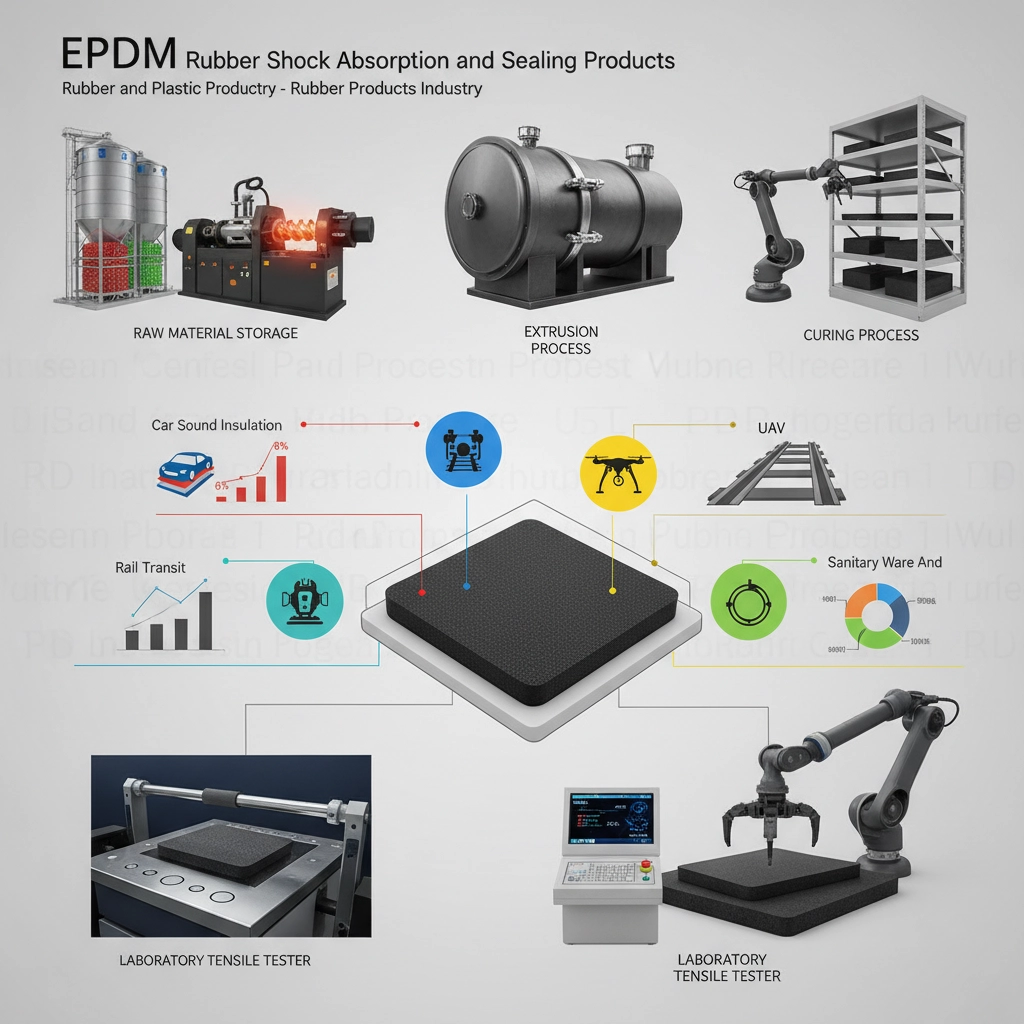
The versatility of the epdm pad is best demonstrated in its diverse application across global sectors. In the automotive industry, these pads are utilized for car sound insulation and door seals, significantly improving passenger comfort by blocking wind noise and external pollutants. Similarly, in the realm of UAVs and underwater cleaning robots, EPDM provides the necessary waterproofing to protect delicate circuitry from high-pressure water ingress.
In large-scale infrastructure, such as rail transit and civil engineering, these pads act as shock absorbers that prevent structural cracks during seismic events or under the weight of heavy freight. For instance, in remote industrial zones in South America or the Middle East, where maintenance crews are scarce, the reliability of an epdm pad reduces the frequency of emergency repairs, ensuring continuous operational uptime.
Performance Comparison of EPDM Pad Variants
Long-Term Value and Advantages
The adoption of an epdm pad yields tangible economic benefits through the drastic reduction of downtime. When a seal fails in a sanitary ware system or an electric tool, the cost of the part is negligible compared to the cost of labor and lost productivity. By investing in EPDM, operators secure a level of reliability that fosters trust with end-users and stakeholders.
Beyond the logic of cost, there is an emotional component: safety and peace of mind. In civil engineering, knowing that a bridge bearing or a building's waterproofing layer is supported by a high-grade epdm pad ensures the dignity and safety of thousands of people. This reliability translates into brand equity for manufacturers who refuse to compromise on material quality.
Future Trends and Material Innovations
The next generation of the epdm pad is moving toward "smart elastomers." Researchers are integrating conductive nanoparticles into the EPDM matrix to create pads that can sense pressure changes or material fatigue in real-time. This digital transformation will allow for predictive maintenance, where a pad can signal its own need for replacement before a catastrophic failure occurs.
Sustainability is also driving the shift toward bio-based fillers and recyclable EPDM compounds. As the global push for a circular economy intensifies, the ability to reclaim and re-process used epdm pad materials will be a key competitive advantage. This evolution aligns with green energy initiatives, particularly in the wind and solar sectors where durable seals are required for decades of outdoor exposure.
Furthermore, automation in the manufacturing process, such as 3D printing of elastomeric structures, is allowing for the creation of complex, non-linear pad geometries. These optimized shapes can provide variable dampening rates, allowing a single epdm pad to handle multiple frequencies of vibration, further enhancing the performance of high-precision robotics and specialty cables.
Challenges and Expert Solutions
Despite its strengths, the epdm pad is not without limitations. One primary challenge is its poor compatibility with petroleum-based oils and fuels, which can cause the material to swell and lose its sealing properties. For applications involving heavy oil exposure, experts recommend utilizing a hybrid coating or switching to a Viton-based elastomer, although EPDM remains superior for weather-related needs.
Another common issue is improper installation, where over-compression of the pad leads to permanent deformation, known as "compression set." To solve this, engineers must precisely calculate the required compression percentage based on the material's hardness. Providing detailed installation guides and using precision-machined housings ensures that the epdm pad performs within its intended elastic range.
Lastly, the challenge of bonding EPDM to other substrates can be difficult due to its low surface energy. The solution lies in advanced surface treatments, such as plasma activation or the use of specialized primers. By optimizing the bonding process, the epdm pad can be seamlessly integrated into composite assemblies, ensuring a leak-proof and structurally sound connection.
Technical Specification and Application Analysis of EPDM Pads
| Application Sector |
Primary Function |
Environmental Stress |
Durability Rating (1-10) |
| Automotive Parts |
Sound & Heat Insulation |
Thermal Cycling |
9 |
| Civil Engineering |
Vibration Dampening |
Heavy Static Loads |
10 |
| UAV / Robotics |
Waterproofing Seals |
Atmospheric Pressure |
8 |
| Rail Transit |
Impact Absorption |
Ozone Exposure |
9 |
| Sanitary Ware |
Fluid Containment |
Chemical Detergents |
7 |
| Electric Tools |
Hand-Arm Vibration |
High-Frequency Shock |
8 |
FAQS
While neoprene is excellent for oil resistance, the epdm pad is significantly superior in terms of UV and ozone resistance. Neoprene tends to crack and harden when exposed to direct sunlight over long periods, whereas EPDM's molecular structure is designed to withstand extreme weather without losing flexibility, making it the ideal choice for exterior building and automotive applications.
Thickness should be determined by the required compression rate and the gap you are filling. Generally, for vibration isolation, a compression of 15-25% of the total thickness is recommended. If the epdm pad is too thin, it may bottom out; if it is too thick, it may lack the necessary stability to support the load. Always consult the material's Shore A hardness rating to ensure the thickness matches the load requirements.
No, it is generally not recommended. The epdm pad is highly susceptible to swelling and degradation when exposed to petroleum-based oils, gasoline, or mineral spirits. For such environments, Nitrile (NBR) or Fluorocarbon (FKM) elastomers are much more appropriate. However, EPDM is excellent for water, steam, and polar solvents.
EPDM is a synthetic rubber, meaning it does not biodegrade naturally. However, it is highly durable, which reduces the need for frequent replacements and thus lowers waste. Many modern manufacturers are now implementing "closed-loop" recycling where used epdm pad materials are ground down and used as fillers for new rubber products, improving the overall sustainability of the production cycle.
Depending on the grade and the environment, a high-quality epdm pad can last anywhere from 20 to 50 years. Its resistance to oxidative aging means that it maintains its seal and dampening properties far longer than natural rubber or SBR. Regular inspections for deep mechanical tears are recommended, but chemical degradation is rarely a primary failure point.
Because EPDM has low surface energy, standard adhesives often fail. The most effective method is using a dedicated EPDM primer followed by a high-strength contact adhesive or a specialized structural acrylic. For industrial-scale applications, heat-vulcanization or using mechanical fasteners in conjunction with a thin epdm pad interface ensures the most secure and long-lasting bond.
Conclusion
In summary, the epdm pad represents a critical intersection of chemical engineering and practical industrial application. From its unparalleled resistance to UV and ozone to its ability to function in extreme thermal environments, it provides the essential reliability needed for everything from micro-robotics to massive civil infrastructure. By focusing on durability, cost-efficiency, and precise mechanical performance, EPDM technology solves the persistent problem of material fatigue and environmental degradation.
Looking forward, the integration of smart materials and sustainable recycling processes will further elevate the value of EPDM solutions. We encourage engineers and procurement managers to prioritize high-grade elastomer specifications to ensure the longevity and safety of their projects. For those seeking the highest standards in special rubber damping and sealing products, we invite you to explore our professional range. Visit our website: www.sunlitetek.com