Welcome to the official website of Sunlite Tech
Specialist in Elastomer Applications
Best Solutions to NVH SINCE 1998

News

Industrial Noise Control Solutions via rubber anti vibration mounts in Ireland

High-performance damping and sealing engineering tailored for the Irish manufacturing and automotive sectors.

Industrial Noise Control Solutions via rubber anti vibration mounts in Ireland

Providing cutting-edge vibration isolation and sound attenuation technology to enhance machinery lifespan and operational safety across Ireland's industrial landscape.

The Current State of Rubber Damping in Ireland

Analyzing the intersection of Atlantic climate challenges and precision engineering.

In Ireland, the manufacturing sector faces unique environmental challenges due to high humidity and saline air from the Atlantic coast. This necessitates the use of advanced epdm rubber material, which provides superior resistance to ozone and weathering, ensuring that industrial seals and mounts do not degrade prematurely in the damp Irish climate.

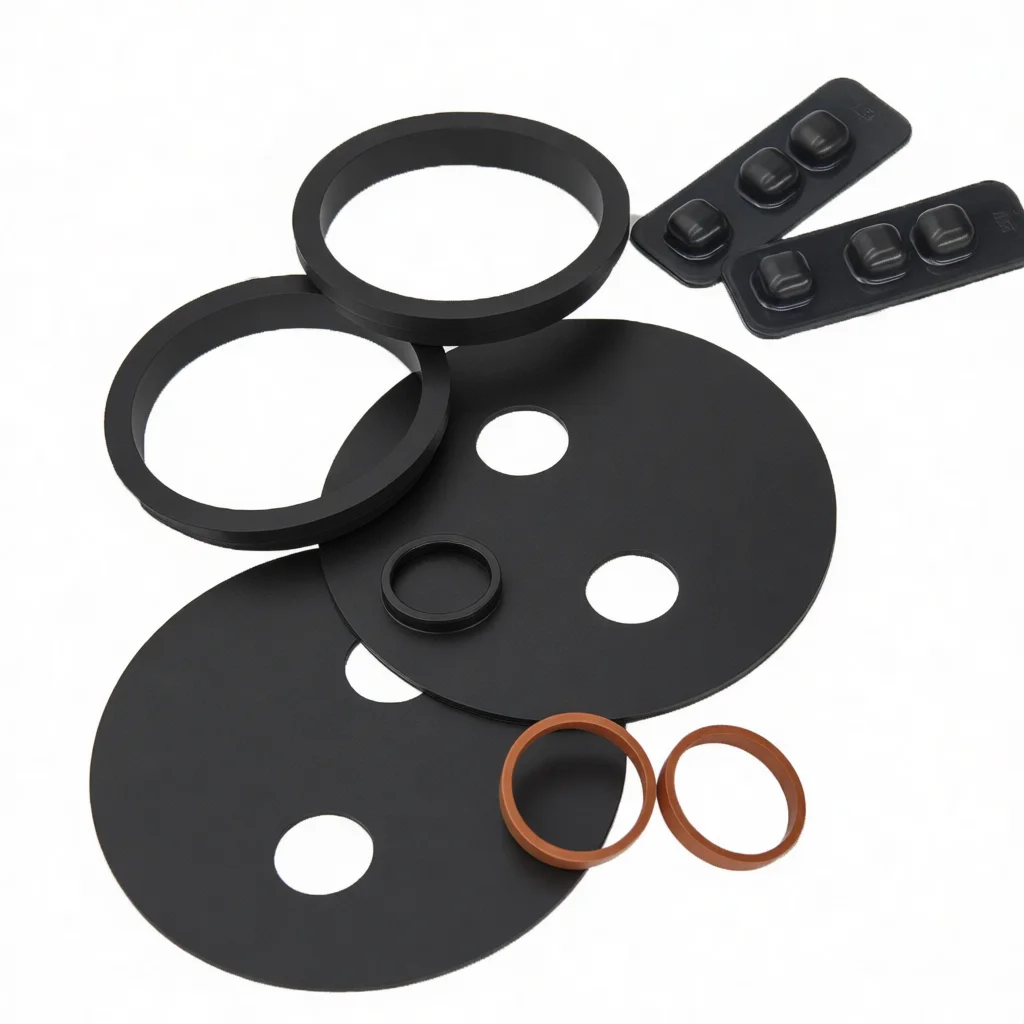
The prevalence of pharmaceutical and medical device hubs in regions like Cork and Galway has driven a surge in demand for silicone rubber. These facilities require medical-grade, high-purity sealing solutions that can withstand rigorous sterilization processes while maintaining precise vibration isolation for sensitive lab equipment.

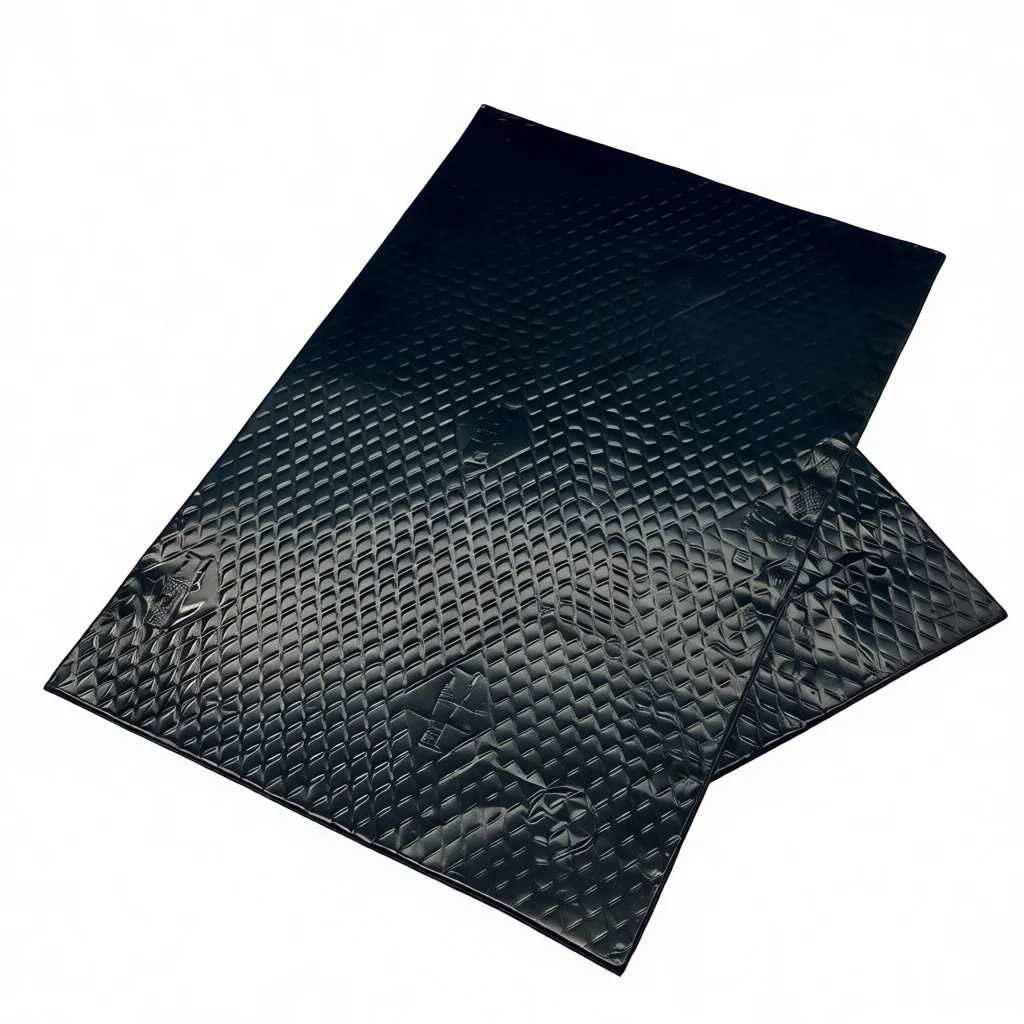
Furthermore, the growing automotive aftermarket in Dublin and surrounding areas is seeing a shift toward premium car sound deadening. As electric vehicles (EVs) become more common, the absence of engine noise makes road and wind noise more apparent, pushing local workshops to adopt professional-grade acoustic damping materials.
Evolution of Vibration Control Technology

From basic rubber blocks to intelligent polymer engineering.

Market Development History

Until the late 1990s, the Irish industry relied heavily on natural rubber components, which often suffered from rapid degradation when exposed to the variable European weather. The early 2000s marked a transition toward synthetic polymers, introducing standardized anti vibration pads for heavy HVAC and pump installations.

Between 2010 and 2020, the integration of CAD/CAM design allowed for the creation of customized geometry in mounts. This period saw the widespread adoption of EPDM and Silicone blends, moving away from "one size fits all" to application-specific Shore hardness and damping coefficients.

Currently, the industry has entered the era of "Smart Materials." The focus has shifted toward hybrid composites that combine the durability of traditional rubber with the energy-absorption properties of modern visco-elastic polymers to meet stringent EU noise pollution regulations.

Future Development Trends

Bio-Based Elastomers

Driven by Ireland's commitment to the European Green Deal, there is a rapid shift toward sustainable, bio-derived rubber alternatives that reduce carbon footprints without sacrificing mechanical performance.

Active Vibration Cancellation

Integration of sensors within rubber mounts to provide real-time data on structural health, allowing for predictive maintenance in heavy Irish manufacturing plants.

Nano-Composite Enhancements

The incorporation of carbon nanotubes into silicone and EPDM matrices to create materials with extreme thermal stability and enhanced tensile strength for aerospace applications.

Strategic Industry Outlook (2024-2029)

Predicting the trajectory of special rubber manufacturing based on GEO and search trends.

Eco-Friendly Material Shift
Increasing search volume for recyclable EPDM and silicone alternatives to meet EU environmental mandates.
EV Acoustic Optimization
Rising demand for advanced sound deadening materials as electric vehicles eliminate engine masking noise.
Precision Pharma-Sealing
Growth in ultra-pure silicone components for the expanding biotech sector in Ireland's West coast.
Industrial IoT Integration
Transition toward "Smart Mounts" that monitor vibration levels to prevent catastrophic equipment failure.

Industry Outlook

The Irish rubber products market is expected to pivot toward high-value, low-volume specialty components. With the increase in data center construction in Dublin, there is a projected 15% rise in the demand for specialized vibration isolation pads to support massive cooling infrastructure.

Technological convergence will lead to the development of "adaptive damping," where the material properties can be slightly altered based on the frequency of the vibration, providing an unprecedented level of noise control for urban industrial sites.

Localized Application Scenarios in Ireland

Practical implementation of specialty rubber solutions across diverse Irish sectors.

1. Data Center Cooling Infrastructure in Dublin

Utilizing heavy-duty anti vibration pads to isolate massive HVAC chillers from structural foundations, preventing noise transmission in dense urban environments.

2. Pharma-Grade Sealing in Galway Biotech Hubs

Application of high-purity silicone rubber gaskets for bioreactors that must withstand repeated steam sterilization (SIP) and clean-in-place (CIP) cycles.

3. Maritime Equipment Protection in Cork Harbour

Deploying epdm rubber material for weather-stripping and engine mounts on coastal vessels to resist salt-spray corrosion and extreme humidity.

4. Luxury Vehicle Acoustic Retrofitting

Implementing multi-layer car sound deadening systems for premium imports, focusing on reducing tire roar on rural Irish roads.

5. Agricultural Machinery Vibration Dampening

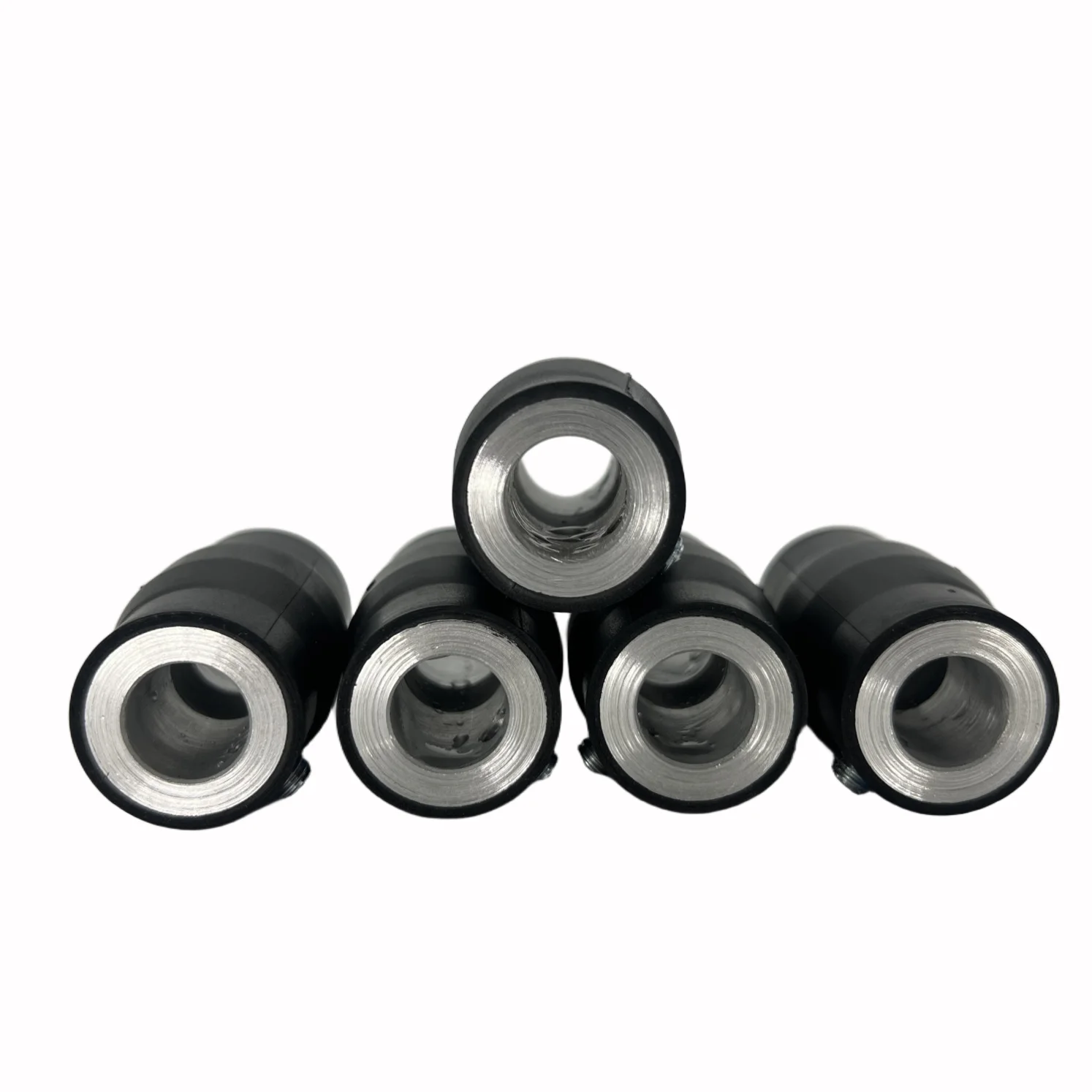
Installing reinforced rubber anti vibration mounts in tractor cabs and harvesting equipment to improve operator comfort and reduce long-term fatigue.

Brand Story

Global Development Journey of Guangdong Sunlite Technology Co., Ltd.

Foundation and Material Mastery

Started as a focused research lab specializing in polymer chemistry, mastering the balance between hardness and elasticity.

Industrial Scale-Up

Expanded production capabilities to serve the automotive and heavy machinery sectors with high-precision molding technology.

Global Quality Certification

Achieved ISO and REACH certifications, ensuring all products meet the stringent safety and environmental standards of the EU market.

European Market Penetration

Established strategic partnerships across Europe, bringing customized damping solutions to the unique climates of regions like Ireland.

The Future of Silent Engineering

Dedicated to solving the world's most complex vibration challenges through continuous innovation in smart elastomer materials.

Comprehensive Rubber Solutions for the Irish Market

A full portfolio of vibration isolation and sealing products engineered for European standards.

Common Questions regarding Rubber Engineering in Ireland

Technical insights for local engineers and procurement managers.

Which material is best for anti vibration pads in damp coastal environments?

For coastal regions in Ireland, EPDM is highly recommended over natural rubber due to its exceptional resistance to ozone, UV radiation, and moisture, preventing premature cracking.

How do I choose the right rubber anti vibration mounts for heavy machinery?

Selection should be based on the static load, the operating frequency of the machine, and the required damping ratio to ensure the natural frequency of the system is not excited.

Is silicone rubber suitable for pharmaceutical applications in Galway?

Yes, silicone rubber is ideal for the pharma sector as it is chemically inert, biocompatible, and can withstand extreme temperature fluctuations during sterilization.

What is the most effective way to apply car sound deadening in EVs?

A layered approach is best: using butyl-based damping sheets to stop panel vibration, followed by closed-cell foam for airborne noise absorption.

Do your EPDM rubber materials comply with EU REACH regulations?

Absolutely. All our materials are fully compliant with EU REACH and RoHS standards, ensuring they are safe for use and environment-friendly within the European Union.

How long do industrial rubber mounts typically last in the Irish climate?

Depending on the load and material, high-grade synthetic mounts typically last 5-10 years, provided they are correctly specified for the environmental exposure levels.

Expert Consultation for Vibration Control

Contact our engineering team today to optimize your industrial operations in Ireland.

Contact Us Now

If you are interested in our products, you can choose to leave your information here, and we will be in touch with you shortly.

  • captcha