Select Language


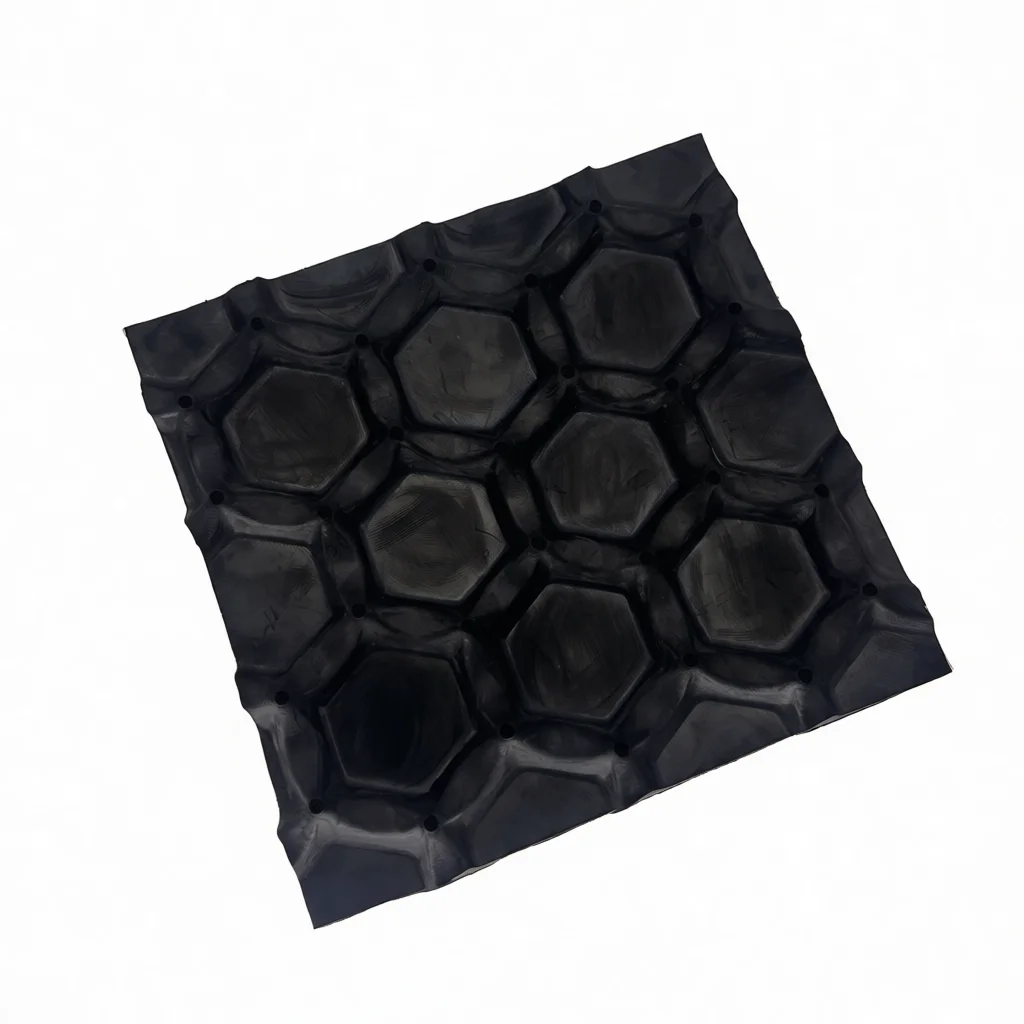
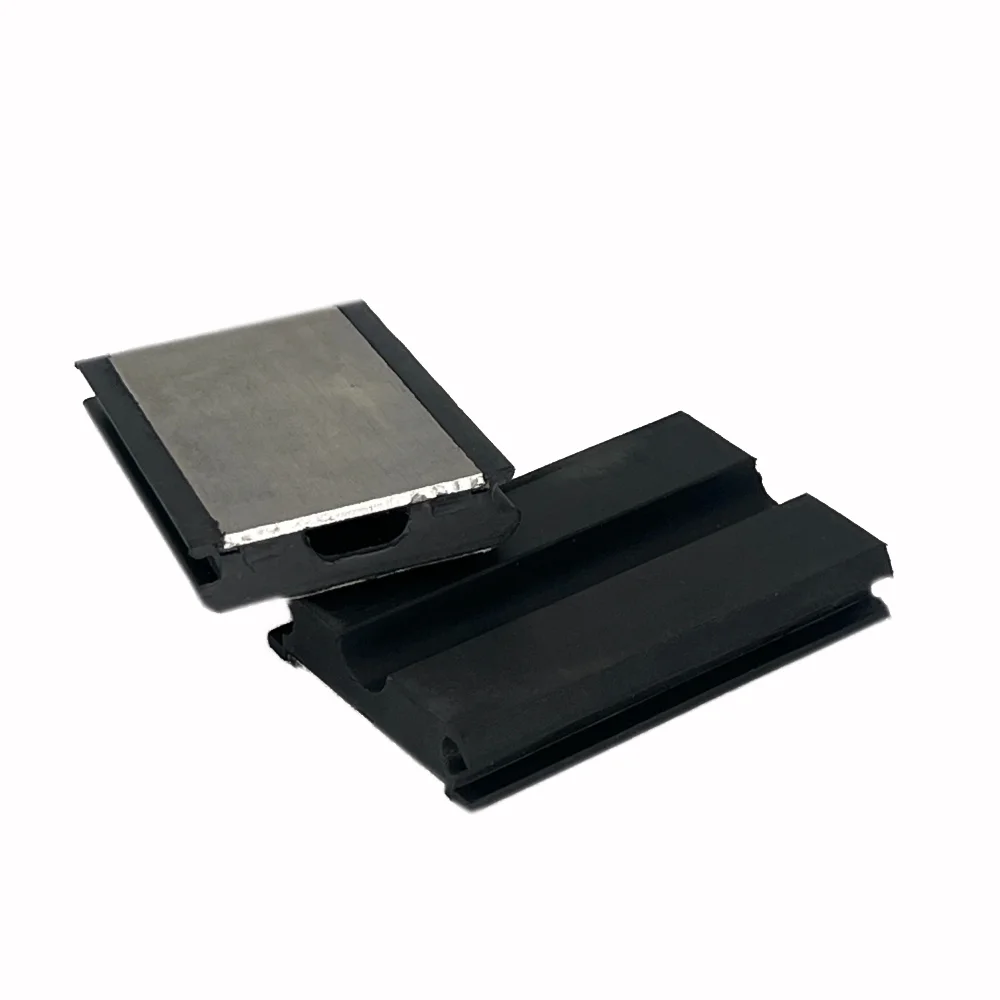
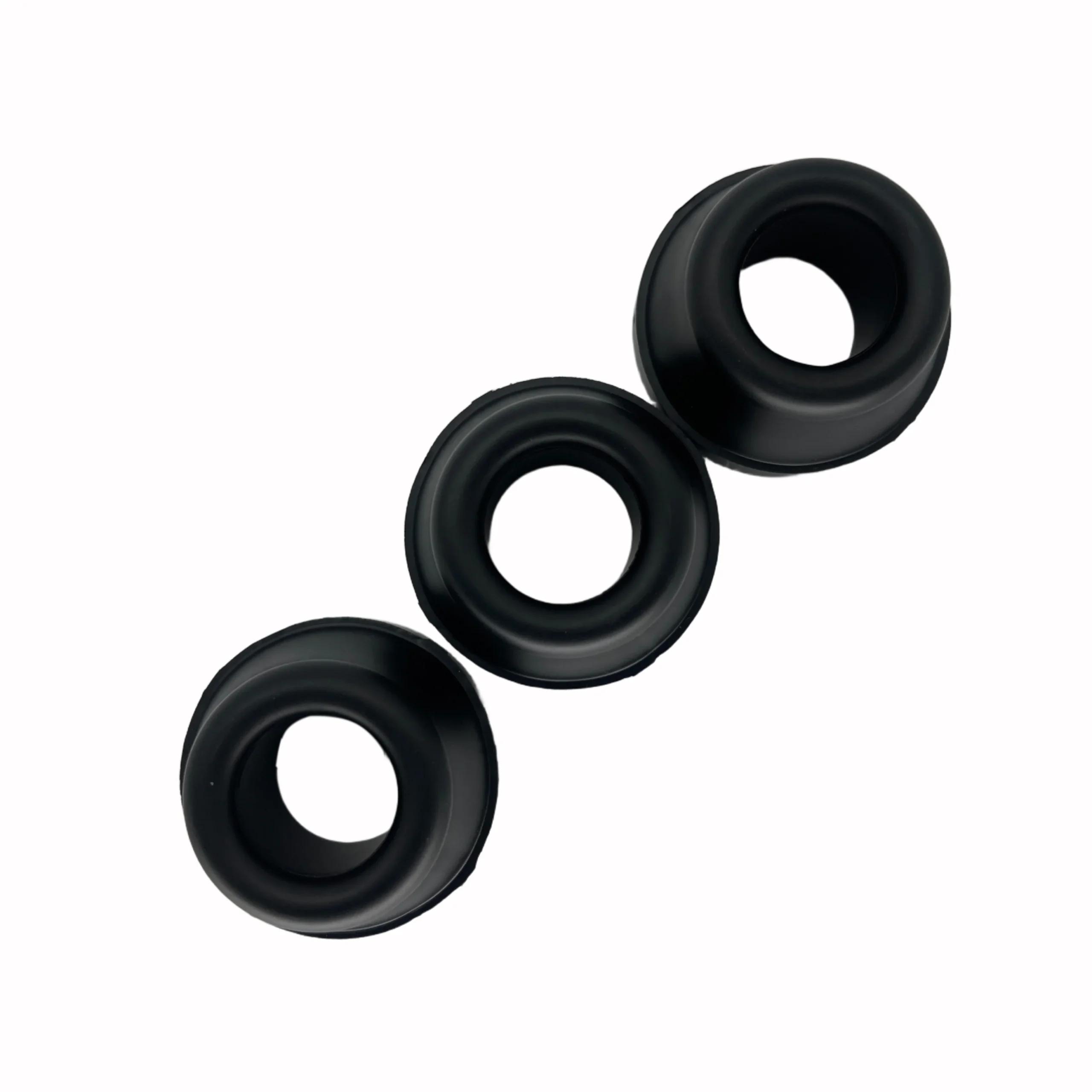
The Shock-Absorbing Air Bladder is a high-performance engineering solution designed to mitigate mechanical stress, absorb high-energy impacts, and isolate vibrations in critical systems. By utilizing a sophisticated closed-airbag structure and advanced composite materials, it provides a dynamic buffering mechanism that adapts to varying pressure fluctuations and protects sensitive components from long-term fatigue and structural failure.
Engineered for extreme environments, these bladders leverage a specialized blend of ACM (polyacrylate rubber) and FSR (high-temperature resistant elastomer) to ensure operational stability across a wide temperature spectrum. Whether integrated into UAVs, precision industrial machinery, or automotive engine accessories, our air bladders deliver unmatched durability, airtight reliability, and superior energy dispersion for modern engineering applications.
| Material Composition | ACM + FSR (Custom Composite Formula) | Operating Temperature | -60℃ to +200℃ |
|---|---|---|---|
| Tensile Strength | ≥15 MPa | Compression Set | ≤25% (150℃ × 72h) |
| Air Tightness | No leakage under 1 MPa for 30 mins | Structural Design | Closed Airbag / Multi-chamber Options |
| Energy Absorption | High-efficiency Dynamic Buffering | Environmental Resistance | Oil, Chemical, and UV Resistant |
| Customization | Shape, Volume, and Wall Thickness | Application Type | Dynamic Vibration-Damping Seals |
Efficiently redistributes force across a wider area, preventing localized damage and protecting delicate internal modules from sudden shocks.
Maintains structural integrity and elasticity from -60℃ to 200℃, ideal for high-temperature power equipment and thermal shock scenarios.
Isolates high-frequency vibrations and prevents resonance, reducing mechanical fatigue in sensors and flight controllers.
Advanced air-pressure buffering technology allows for dynamic adjustability compared to traditional solid rubber or foam pads.
Optimized weight-to-strength ratio enhances efficiency in UAVs and portable electronics without compromising on resilience.
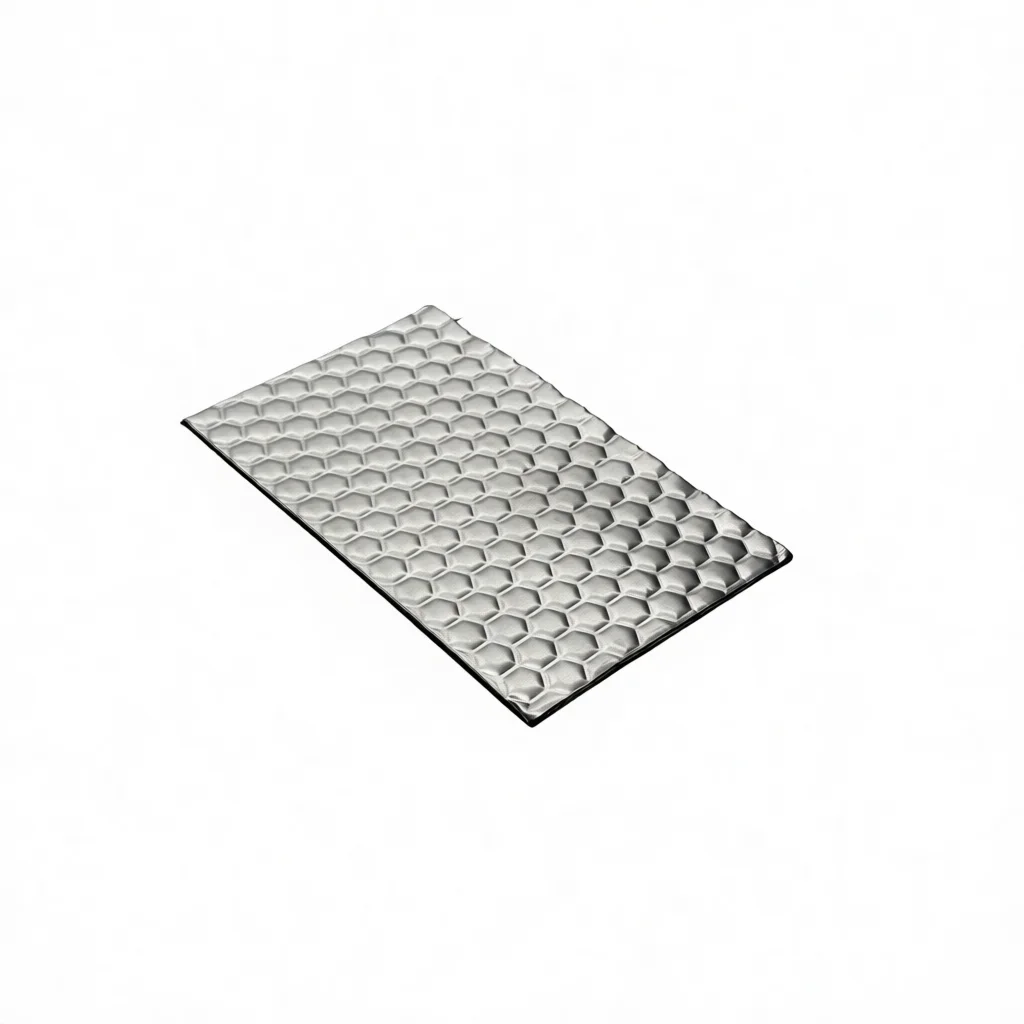
Available in various shapes (cylindrical, wave-patterned) and chamber configurations to meet specific load requirements.



Utilizing advanced vulcanization processes to ensure consistent wall thickness and airtight seals.
Tailoring the ACM/FSR composite ratio to match specific chemical or temperature requirements.
Rigorous 1 MPa air pressure leakage testing for 30 minutes to guarantee zero-fail performance.
Computational analysis of compression behavior to optimize load distribution and reset rates.
Scalable production for automotive, aerospace, and industrial tool manufacturers worldwide.
Testing for compression set and fatigue resistance to extend equipment service life.
| Performance Metric | Solid Rubber Dampers | Shock-Absorbing Air Bladders |
|---|---|---|
| Energy Absorption | Linear / Limited | Dynamic / High Capacity |
| Temperature Range | Moderate | Extreme (-60℃ to 200℃) |
| Weight Impact | Heavy / Bulkier | Lightweight / Optimized |
| Maintenance Cycle | Frequent Replacement | Extended Life / High Resilience |
| Vibration Isolation | Basic Damping | Precision Resonance Control |
They are manufactured using a high-performance composite of ACM (polyacrylate rubber) and FSR (high-temperature resistant elastomer), ensuring stability in harsh thermal and chemical environments.
Unlike solid materials, the air-based cushioning mechanism allows for dynamic compression and redistribution of force, which effectively isolates resonance and adapts to unpredictable impact intensities.
Yes, their lightweight design and superior vibration isolation make them ideal for protecting UAV navigation components, flight controllers, and high-resolution cameras from mechanical stress.
Our specialized ACM+FSR composite formula allows the bladders to operate reliably in environments ranging from -60℃ up to 200℃.
Absolutely. We offer customizable designs including cylindrical, rectangular, and wave-patterned structures, with adjustable wall thickness and multi-chamber configurations.
Every unit undergoes a rigorous air tightness test where it is subjected to 1 MPa of air pressure for 30 minutes to ensure there is no leakage before shipment.