 Select Language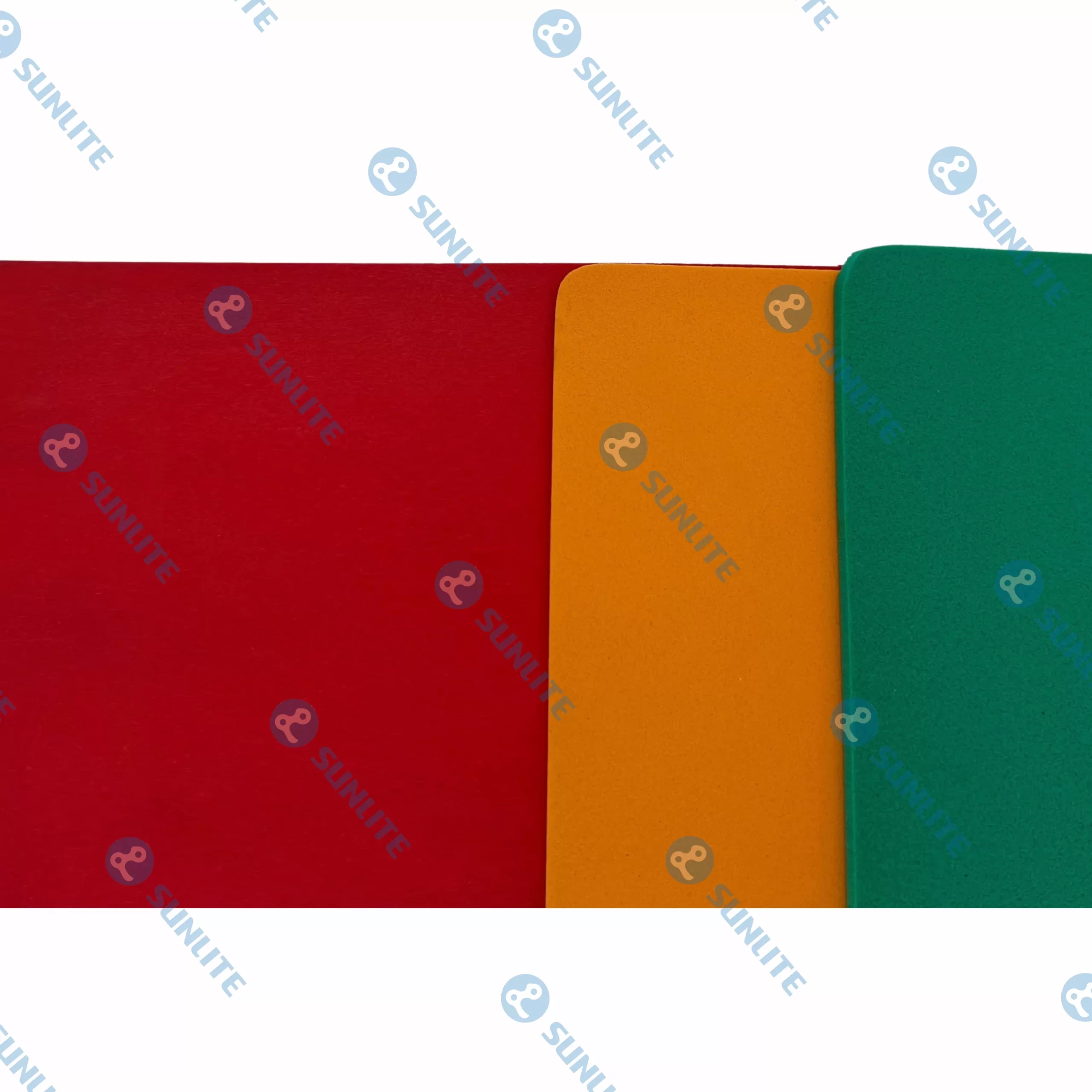
APPLICATION SCENARIOS
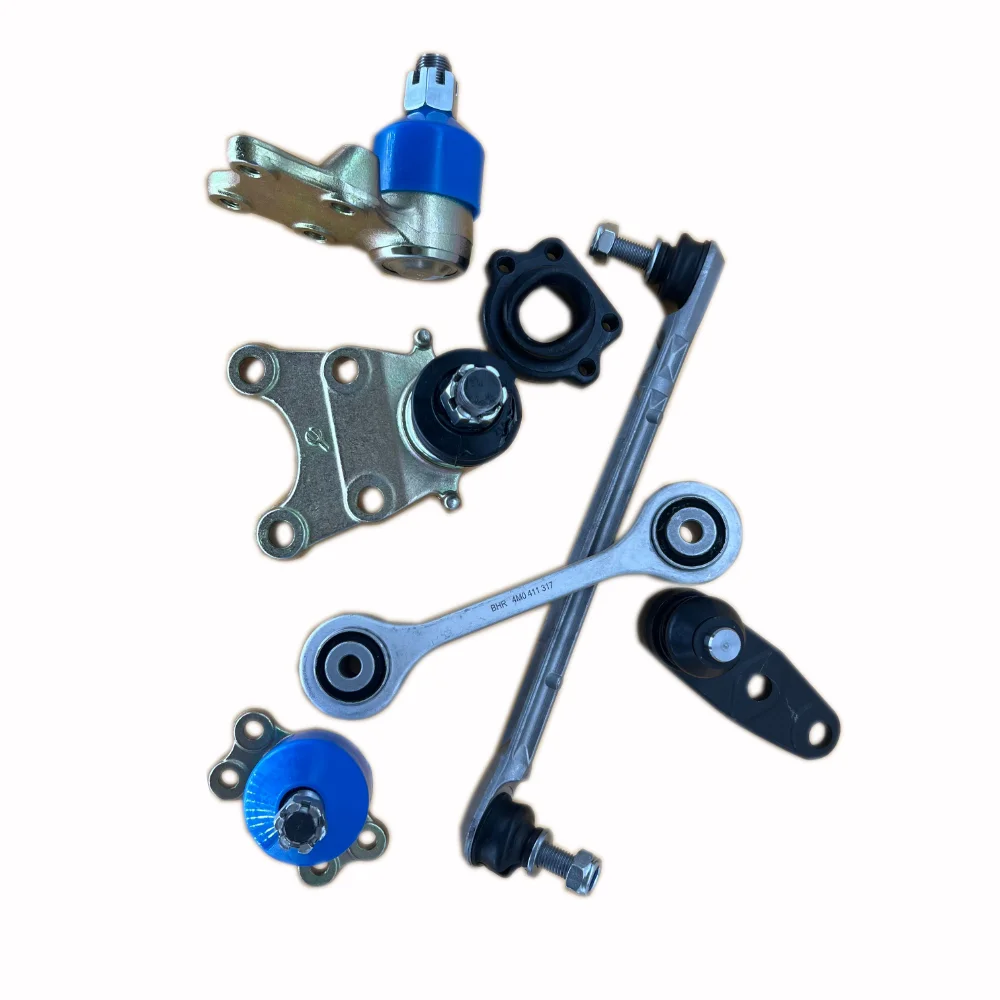
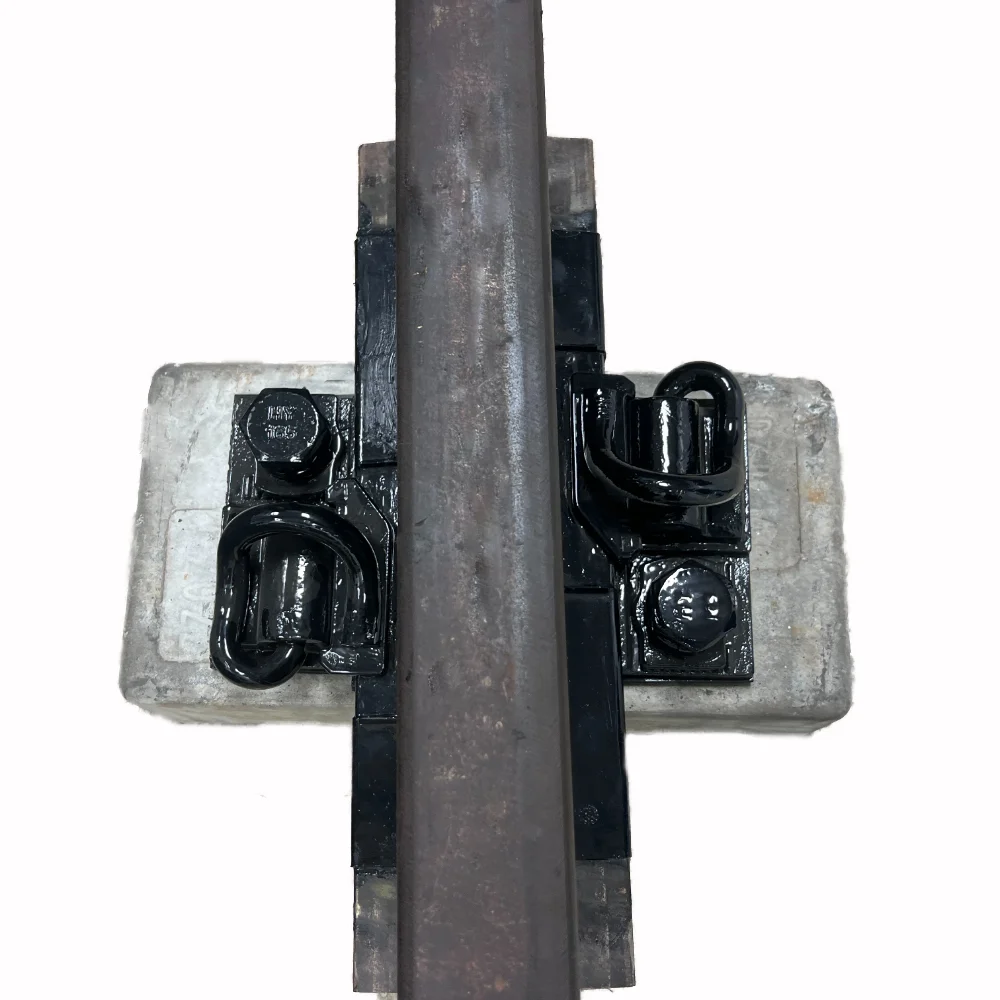
Tools, automobiles, machinery, bridges, rail transit, etc.
Product Description
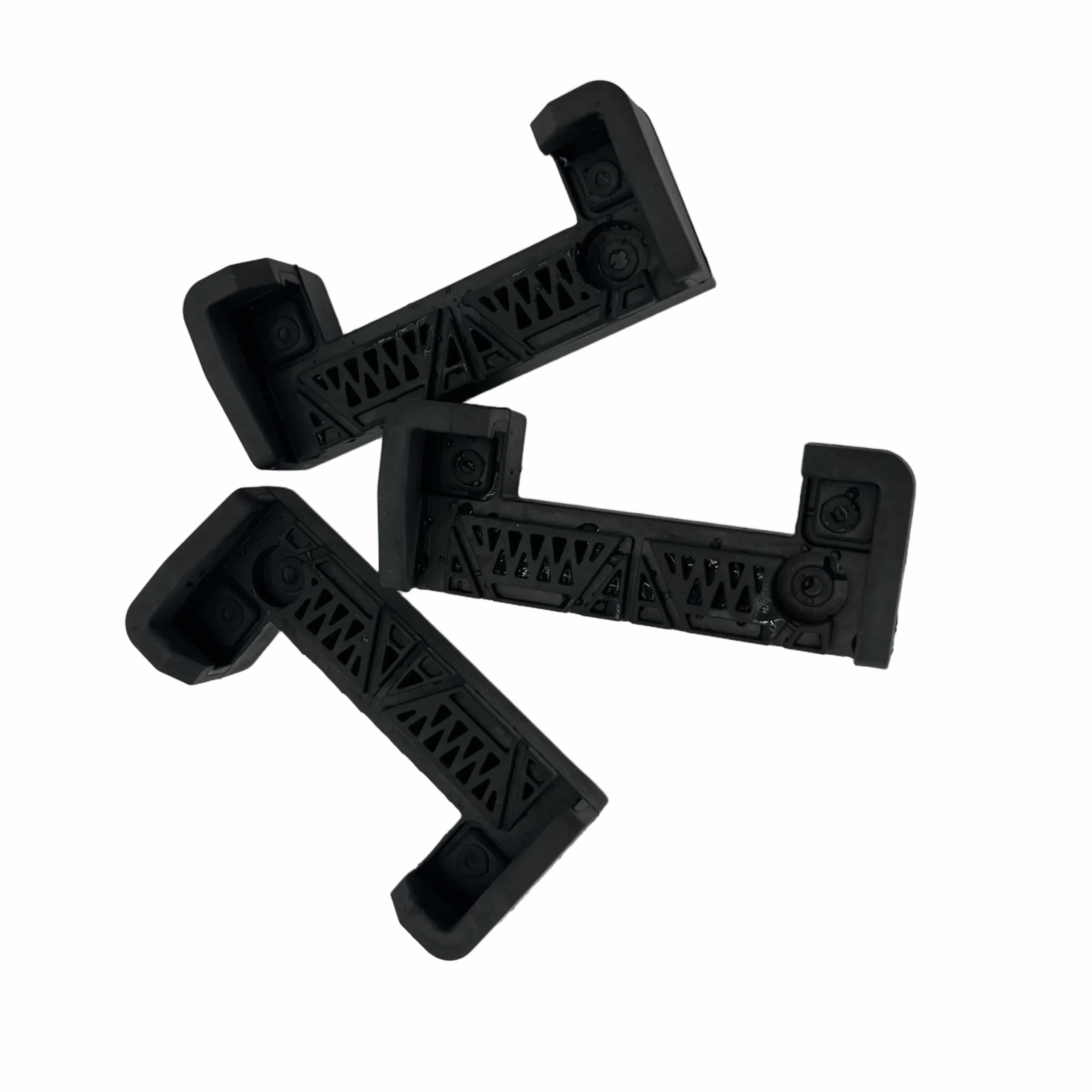
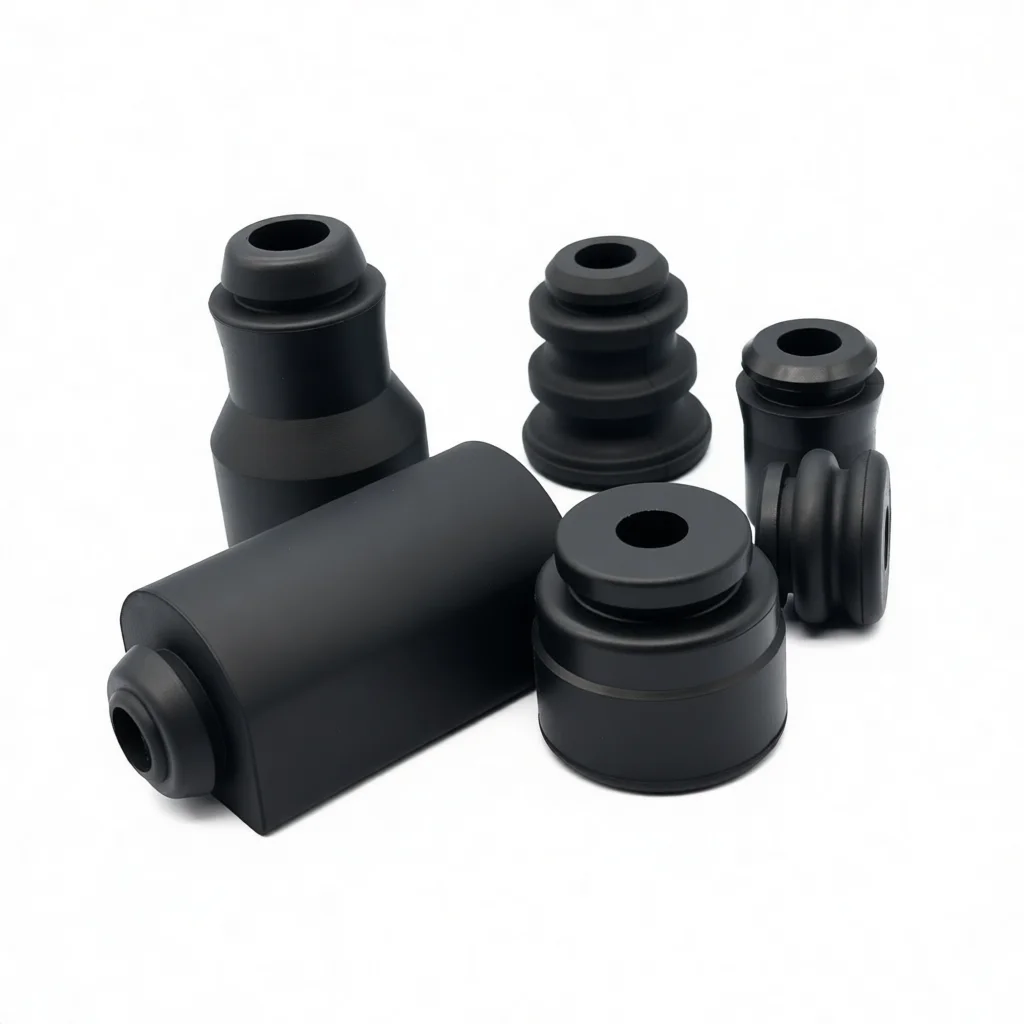
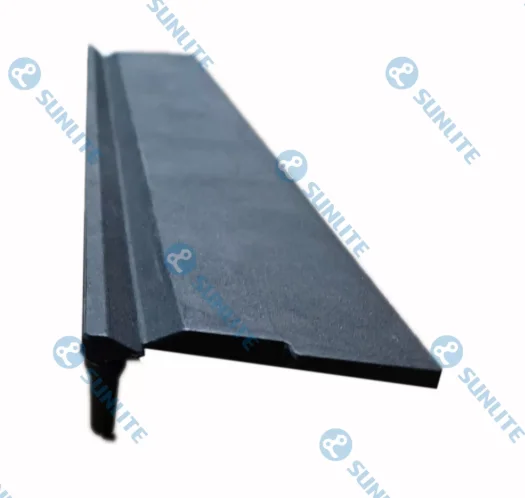
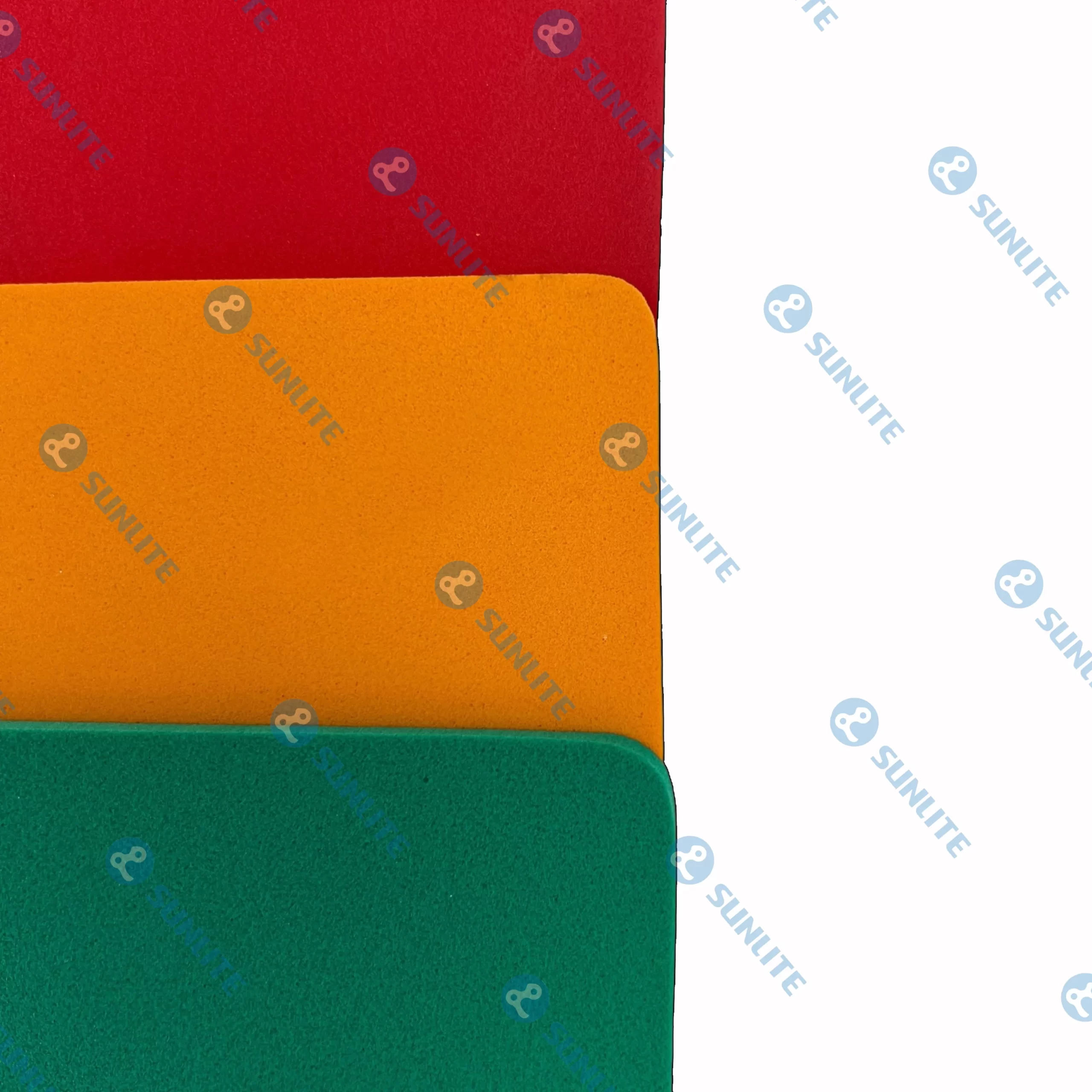
This series of micro-foam polyurethane buffer blocks are manufactured using advanced micro-foam technology, with the main material being high-performance polyurethane. They feature excellent properties such as lightweight, high elasticity, and wear resistance. These buffer blocks are suitable for vibration damping, cushioning, and noise reduction in various industrial fields, and customisation services are available.
PRODUCT FUNCTION
This product has excellent shock absorption and vibration reduction capabilities, effectively absorbing impact energy and reducing mechanical equipment vibration and noise. Its lightweight structure and high elasticity ensure durability for long-term use, while its oil resistance, hydrolysis resistance, and excellent weather resistance make it suitable for complex environmental conditions.
PERFORMANCE INDEX
Density range: 400-800 kg/m³
Tensile strength: 1.0-4.5 MPa
Elongation at break: 200%-400%
Operating temperature: -40°C to 80°C
Oil resistance: Excellent
Hydrolysis and weather resistance: Stable performance, suitable for outdoor and harsh environments
APPLICATION AREA
Microcellular polyurethane cushioning blocks are widely used in tool vibration damping pads, automotive cushioning systems, mechanical equipment vibration isolation, and bridge vibration damping devices, effectively improving equipment stability and service life.
The Microcellular Polyurethane Cushioning Block is an advanced cushioning and impact-absorbing component engineered to provide exceptional vibration control, compression resistance, and long-term durability. Designed using a microcellular polyurethane foam structure, this material features a uniform closed-cell internal architecture that offers outstanding performance in both dynamic and static load environments. As industries increasingly demand lightweight, resilient, and high-precision cushioning solutions, the microcellular polyurethane cushioning block has become a preferred choice across automotive, robotics, UAV systems, industrial machinery, transportation equipment, and consumer electronics.
One of the key advantages of the microcellular polyurethane cushioning block is its remarkable shock absorption ability. The micro-foamed structure compresses consistently under impact, dispersing force evenly and minimizing stress transfer to surrounding components. This makes the PU cushioning block ideal for applications requiring stable and repeatable performance under vibration, such as drones, EV batteries, sensors, medical devices, and precision instruments. Even under repeated high-frequency vibration, the cushioning block maintains its elasticity, preventing fatigue, cracks, or permanent deformation.
In addition to impact resistance, the microcellular PU block offers excellent energy-return control, allowing the material to slowly recover to its original shape, reducing rebound forces and providing smooth, controlled cushioning. This characteristic is especially important for equipment that undergoes continuous motion, abrupt stops, or repeated mechanical shocks. The material also provides superior acoustic damping, reducing noise and enhancing user comfort in applications such as controllers, handheld devices, and mobility equipment.
Another significant feature is its environmental adaptability. Microcellular polyurethane performs reliably across a wide range of temperatures, maintaining flexibility in cold conditions and stability under heat exposure. Its chemical resistance allows it to withstand oils, fuels, moisture, and certain cleaning agents, making it suitable for outdoor, industrial, and automotive environments. The cushioning block is also lightweight, helping reduce overall equipment weight without compromising structural protection.
With customizable density, hardness, dimensions, and compression characteristics, the microcellular polyurethane cushioning block meets the specific engineering requirements of various industries. Its combination of strength, resilience, and environmental resistance makes it a highly efficient solution for demanding cushioning and isolation applications.
The Microcellular Polyurethane Cushioning Block is engineered for industrial and commercial applications where shock isolation, precision tolerance, and long-term reliability are essential. Manufactured using advanced polyurethane microcellular technology, the cushioning block features millions of uniformly distributed microcells that deliver consistent performance even under heavy and repeated loads. This unique material construction provides exceptional compression set resistance, ensuring the cushioning block retains its shape and mechanical properties over thousands of cycles.
The microcellular polyurethane cushioning block is widely used in automotive chassis systems, electric vehicle battery protection, industrial machinery mounts, power tools, drones, robotics, and packaging protection for fragile equipment. Its ability to absorb high-energy impacts while minimizing rebound makes it superior to traditional rubber, EVA, or standard foam materials. The cushioning block can handle both sudden impacts and continuous vibration, making it ideal for high-precision applications where stability is critical.
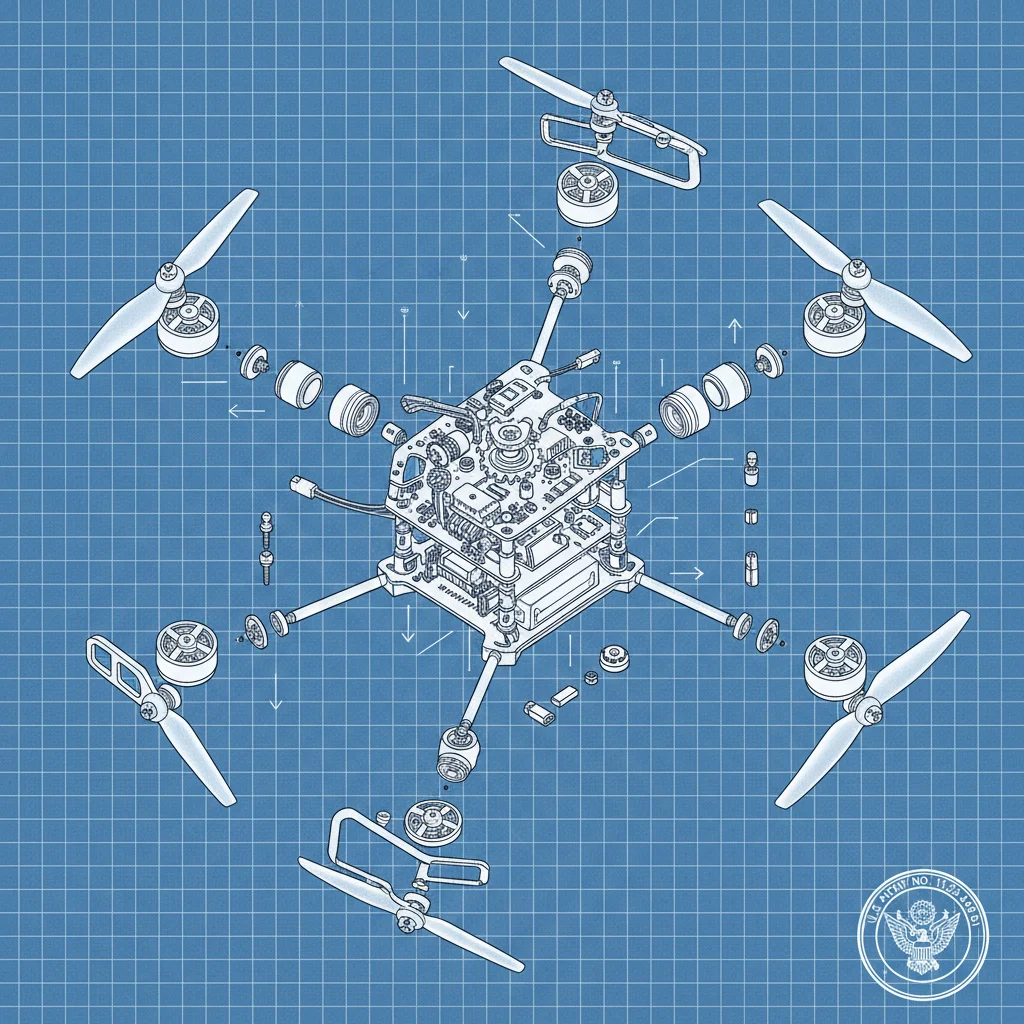
In UAV and robotics applications, the microcellular PU block serves as a vibration isolation pad, protecting sensors, electronic systems, and structural components from flight-induced or motion-induced vibrations. Its low rebound and controlled compression help maintain accurate data transmission and stable operation, even in high-speed or high-altitude environments. In automotive applications, the cushioning block reduces noise, damping harsh movements, and improving system comfort and reliability.
The cushioning block also features strong environmental resistance, including UV stability, moisture resistance, and chemical durability. Whether used in outdoor environments, near chemical processing equipment, or in high-temperature machinery zones, the material maintains consistent performance. Its microcellular structure prevents water absorption, ensuring long-term stability and reducing degradation.
One of the key strengths of microcellular polyurethane is its customizability. Manufacturers can tailor hardness levels from soft to high-density rigid blocks depending on the required compression strength. Thickness, dimensions, shapes, and mounting surfaces can also be customized to fit mechanical housings, battery packs, frame joints, or packaging systems.
As industries continue adopting more advanced and lightweight materials, the microcellular polyurethane cushioning block stands out as a versatile and high-performance solution, capable of replacing traditional damping materials while offering superior functional benefits.