Select Language APPLICATION SCENARIOS
1. Under railway sleepers, buffering the impact force from train operation
2. Ballast beds of metro and light rail lines, reducing vibration transmission
3. High-speed railway track systems, enhancing the durability of track structures
4. Track renovation and maintenance projects, improving the elasticity and stability of ballast beds
Product Description
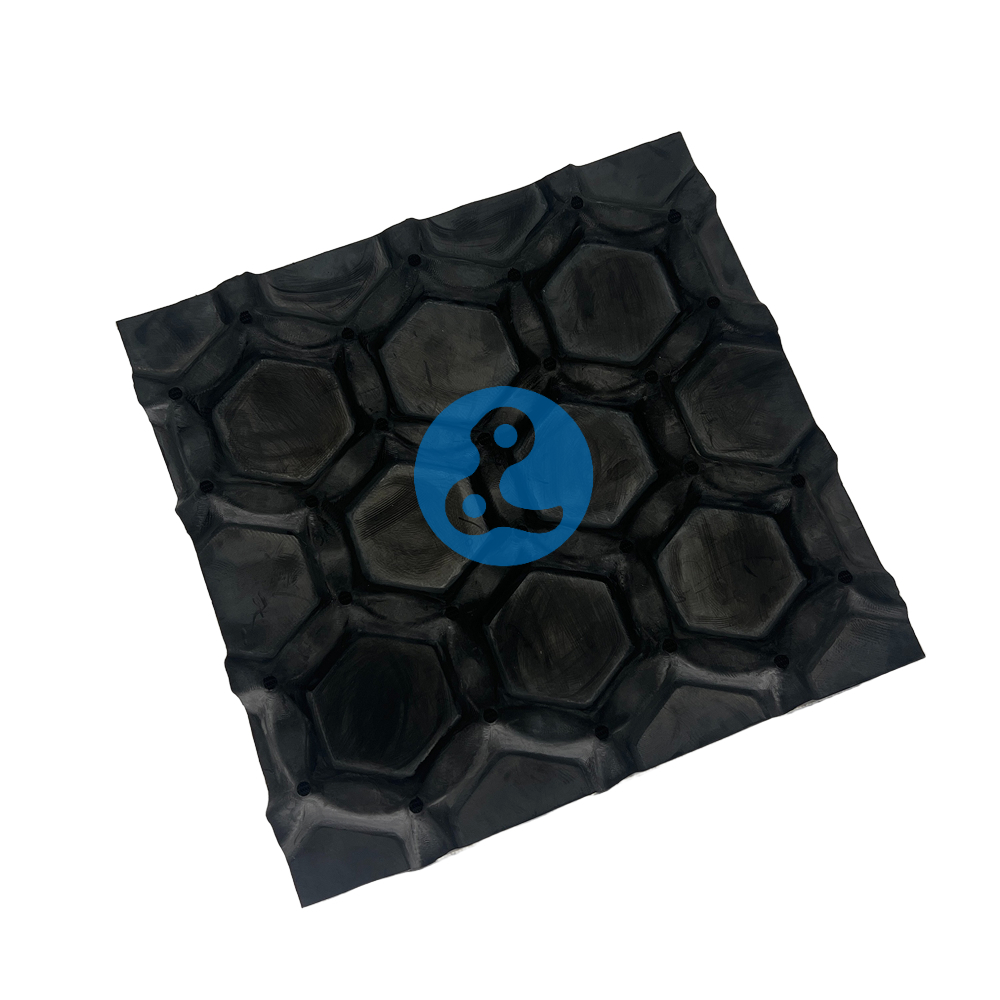
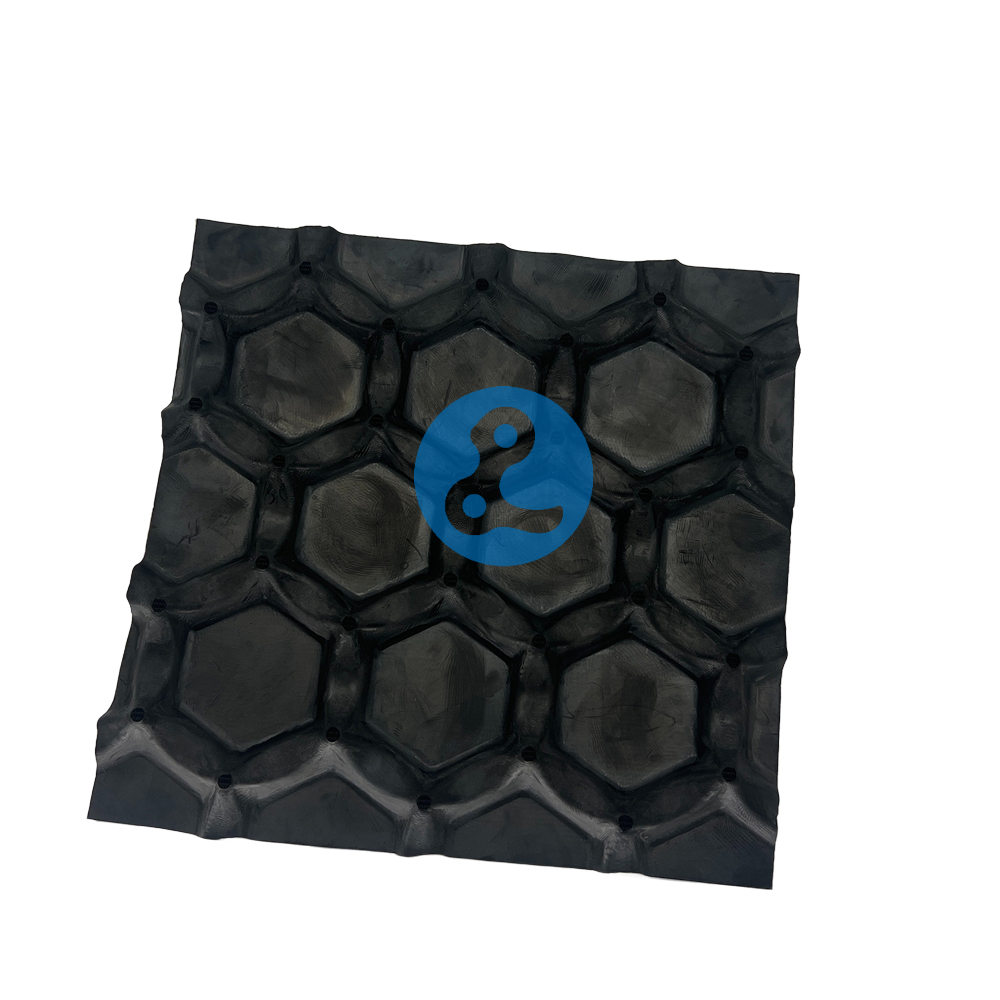
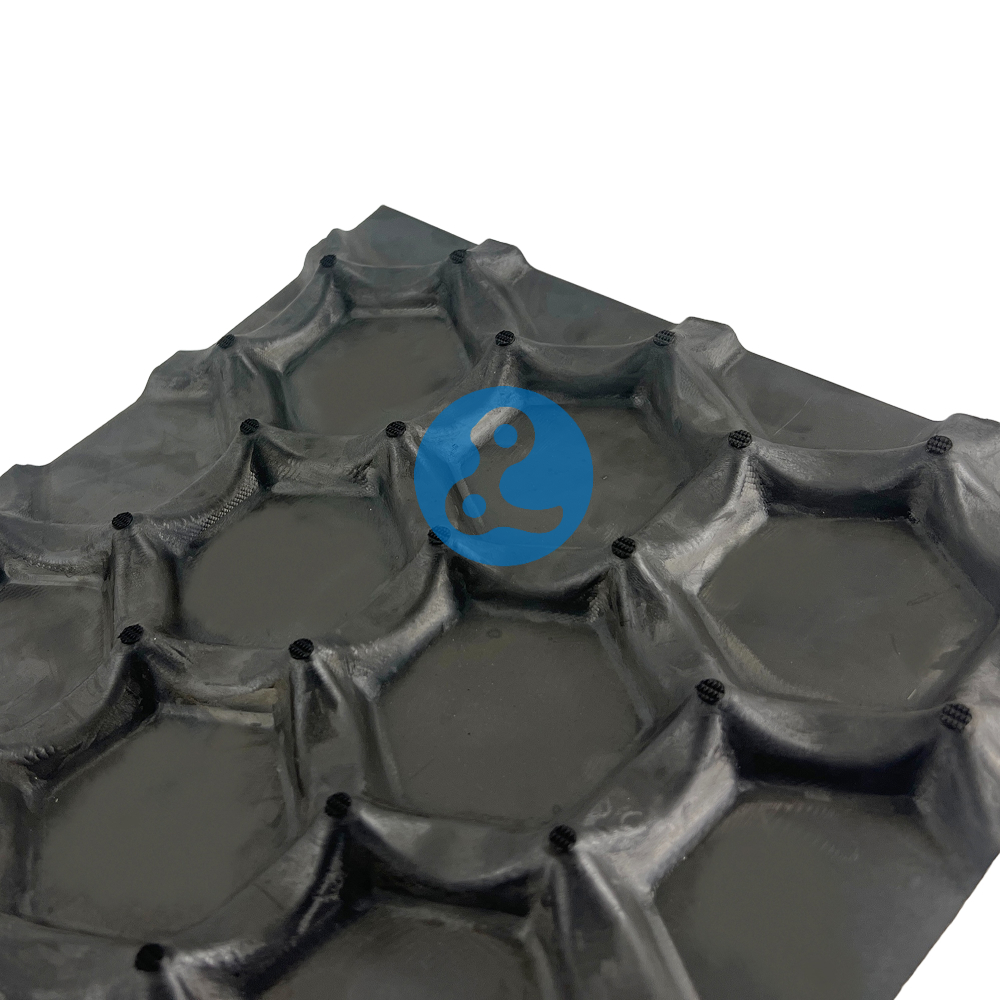
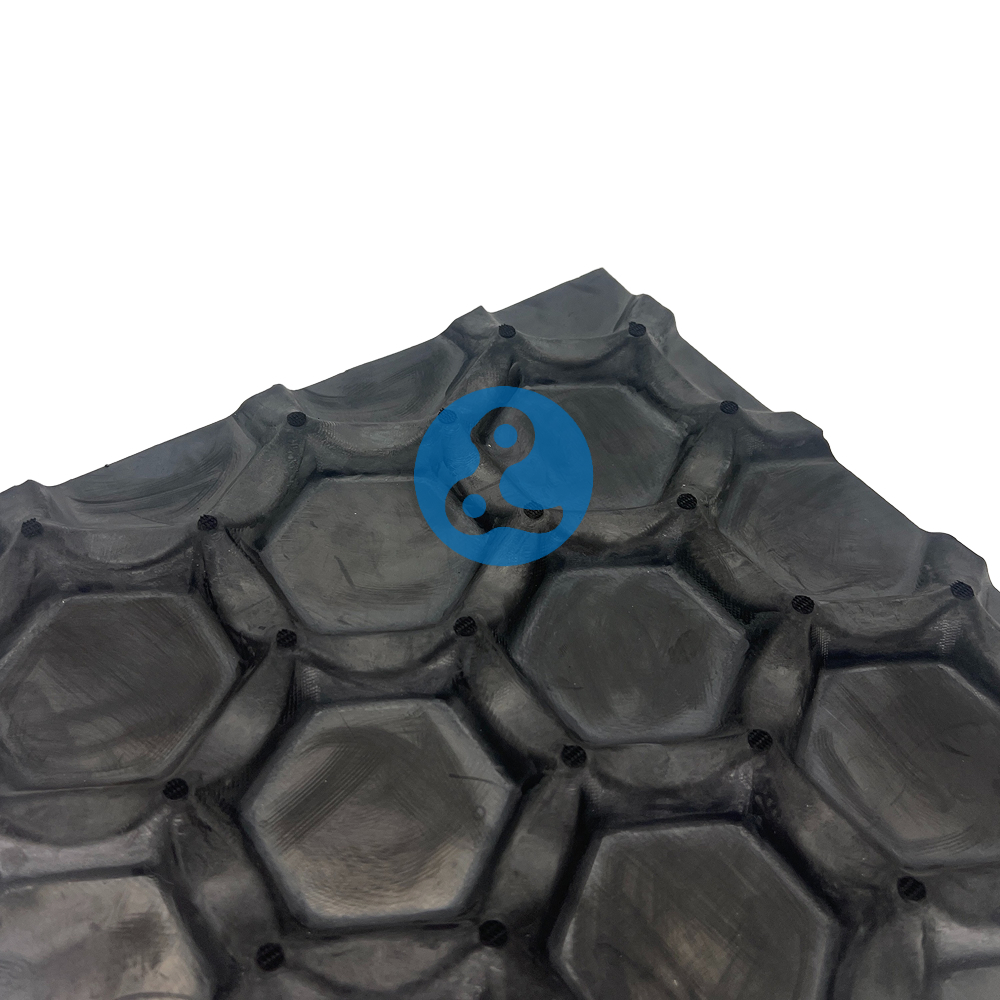
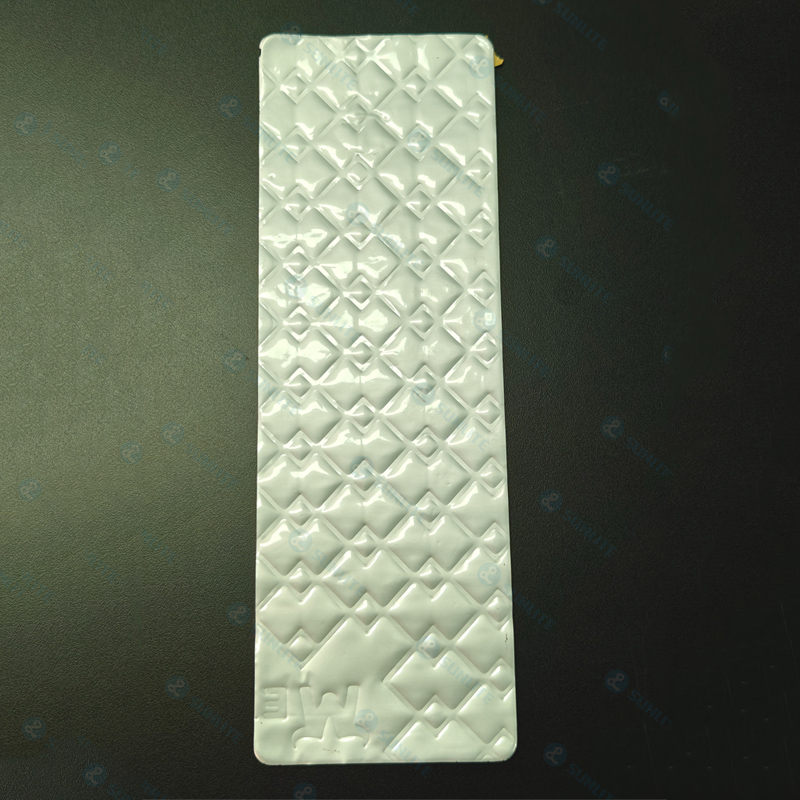
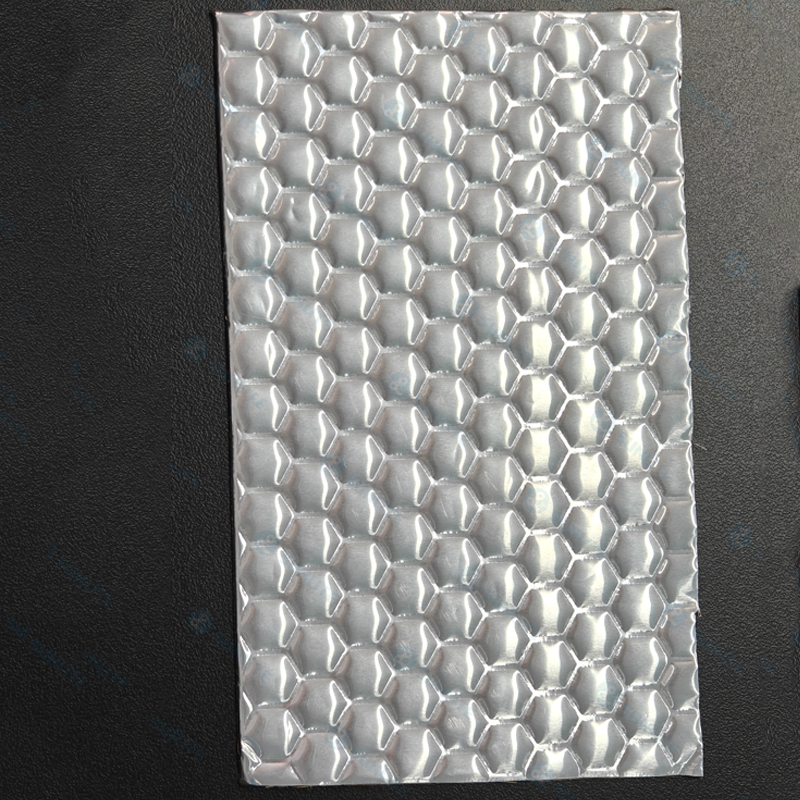
Regular hexagonal bionic vibration damping pad|20-22mm thickness|8-12dB high-efficiency noise reduction|30% structural material reduction|Ultra-high cost performance
PRODUCT FUNCTION
Bionic structure efficiency enhancement:
- The regular hexagonal honeycomb structure precisely disperses shock waves, increasing vibration energy conversion efficiency by 40%
- Achieves 8-12dB noise reduction at a thickness of 20-22mm, breaking through the performance limit of thin vibration-damping materials
Lightweight and cost reduction:
- The mesh structure reduces material usage by 30% while maintaining equivalent load strength (≥12MPa)
- Reduces unit area cost by 35%, significantly optimizing engineering budgets
Broadband vibration damping:
- Non-linear stiffness characteristics cover the main vibration frequency band of 50-500Hz, suppressing equipment resonance peaks
Convenient engineering adaptation:
- Molded sheets support on-site cutting, flexibly matching special-shaped equipment bases
PERFORMANCE INDEX
Structural form: Regular hexagonal bionic mesh integrated design
Standard thickness: 20mm/22mm (tolerance ±0.5mm)
Vibration damping performance: 8-12dB insertion loss (per ISO 10846 test standard)
Mechanical strength: Vertical bearing capacity ≥25kN/㎡, static stiffness 8-12kN/mm
Material efficiency: 30%+ weight reduction compared to solid structures under the same performance
Temperature range: Long-term service at -40℃~80℃
Service life: ≥15 years (5 million cycles of dynamic load)
APPLICATION AREA
Rail transit: Reconstruction of metro tunnel sleeper cushions, replacement of viaduct vibration-damping bearings
Industrial machinery: Vibration isolation for stamping machine foundations, noise-reducing pads for air compressors
Building vibration damping: Floating floors in precision instrument laboratories, sound insulation layers in elevator shafts
Energy facilities: Generator set pedestals, vibration damping for pipeline supports
Reconstruction projects: Vibration damping upgrading of existing equipment (can be directly laid on the original foundation)

The nr shock-absorbing pads, designed as track bed vibration damping pad components, are strategically placed under railway sleepers to provide essential noise reduction and protection for the underlying track structures. The implementation of these advanced roadbed damping pad solutions is key to extending the life of the rail infrastructure and minimizing environmental impact in rail corridors.
The primary function of these pads is to buffer the impact force from train operation. When a train passes, the dynamic load and shock waves transferred from the wheel to the rail and then to the sleeper are immense. The regular hexagonal bionic vibration damping pad structure is specifically designed to precisely disperse these shock waves. This bionic structure significantly increases vibration energy conversion efficiency, meaning it absorbs and dissipates the impact energy generated by the train's passage, preventing it from being fully transferred to the ballast and track substructure.
This absorption capacity leads directly to enhanced durability of track structures. By reducing the peak impact force and cyclical stress on the sleepers and ballast, the shock absorbing pads alleviate wear and tear, reducing the rate of ballast breakdown and minimizing the need for frequent track maintenance. This protection ensures that all track components maintain their mechanical stability and alignment over a longer operational period.
Furthermore, the damping pad vibration reduction feature provides high-efficiency noise reduction. The pad achieves a significant level of noise reduction at a thin thickness. This is a crucial benefit for railway lines passing through populated areas, as the pad effectively suppresses the vibrations that would otherwise propagate through the ground and radiate as audible noise. The broadband vibration damping characteristics, which cover a wide main vibration frequency band, ensure that resonance peaks are suppressed, contributing to a quieter and more sustainable rail environment. The use of a lightweight design that reduces material usage while maintaining high load strength ensures this superior performance is delivered with ultra-high cost performance for large-scale railway projects.
Damping pad vibration reduction solutions are essential for urban rail and light rail ballast beds to mitigate the severe vibration transmission that affects both adjacent buildings and the quality of the ride. In dense urban environments, the noise and vibration generated by metro and light rail operations must be strictly controlled, making these track bed vibration damping pad components critical infrastructure elements.
The primary application of the roadbed damping pad in this context is to act as a highly effective vibration barrier, specifically reducing vibration transmission from the rail operation into the urban subsoil and structures. The regular hexagonal bionic mesh integrated design is engineered with non-linear stiffness characteristics that enable broadband vibration damping. This characteristic allows the pads to effectively suppress the main vibration frequency band generated by metro equipment, preventing it from being transmitted to building foundations, thereby safeguarding neighboring buildings from structural fatigue and reducing disturbance to occupants.
The superior bionic structure efficiency enhancement means the pads provide high-efficiency noise and vibration reduction even with a relatively thin thickness. This is a significant advantage in urban rail and tunnel environments where space constraints are often a major factor in track design and maintenance. The pads break through the performance limit of thin vibration-damping materials, delivering high attenuation while fitting within existing track profiles, making them ideal for reconstruction of metro tunnel sleeper cushions and viaduct vibration-damping bearings.
Moreover, the lightweight and cost-reduction features of the shock absorbing pads are highly advantageous for publicly funded urban transit projects. By using a mesh structure that maintains equivalent load strength while reducing material usage, the design not only lowers the unit area cost but also makes handling and installation more convenient for large-scale ballast bed projects. The flexibility of the pads, which supports on-site cutting, flexibly matching special-shaped equipment bases, further simplifies engineering adaptation during track renovation and maintenance projects, ensuring improved the elasticity and stability of ballast beds.
The roadbed damping pad is a high-performance solution for high-speed railway track systems, delivering superior broadband vibration damping and noise reduction performance that is indispensable for maintaining the integrity and safety of fast-moving rail infrastructure. The intense dynamic loads and high operational speeds of high-speed rail generate powerful and wide-ranging vibrations that must be controlled with high precision.
The pad's performance is fundamentally based on its advanced broadband vibration damping capability. The specialized regular hexagonal bionic vibration damping pad structure is designed to specifically cover a wide main vibration frequency band. This comprehensive coverage ensures that the shock absorbing pads can suppress all critical equipment resonance peaks generated by high-speed trains, providing a stable foundation for the track. By efficiently controlling these vibrations, the pads actively enhance the durability of track structures, reducing the likelihood of track settlement and structural fatigue caused by continuous, high-intensity dynamic loads.
Crucially, the pad achieves high-efficiency noise reduction through its design. By acting as a highly efficient vibration energy converter, the pads significantly suppress the transmission of vibrations that radiate as audible noise. This is critical for high-speed lines, where aerodynamic noise and ground-borne vibration can affect vast stretches of surrounding areas. The pads' performance ensures a quieter rail line, which supports environmental compliance and public acceptance of high-speed rail expansion.
The efficiency of the structure is complemented by its mechanical strength and material properties. The lightweight mesh structure reduces material usage while simultaneously providing high vertical bearing capacity and mechanical strength, ensuring the pads can reliably handle the immense loads of high-speed trains. This optimized balance between weight, cost, and load strength contributes to an ultra-high cost performance. The convenience of the track renovation and maintenance projects is enhanced, as the pads can be directly laid on existing foundations, making it an excellent solution for vibration damping upgrading of existing equipment and ensuring the longevity and stability of the entire high-speed track system.