 Select Language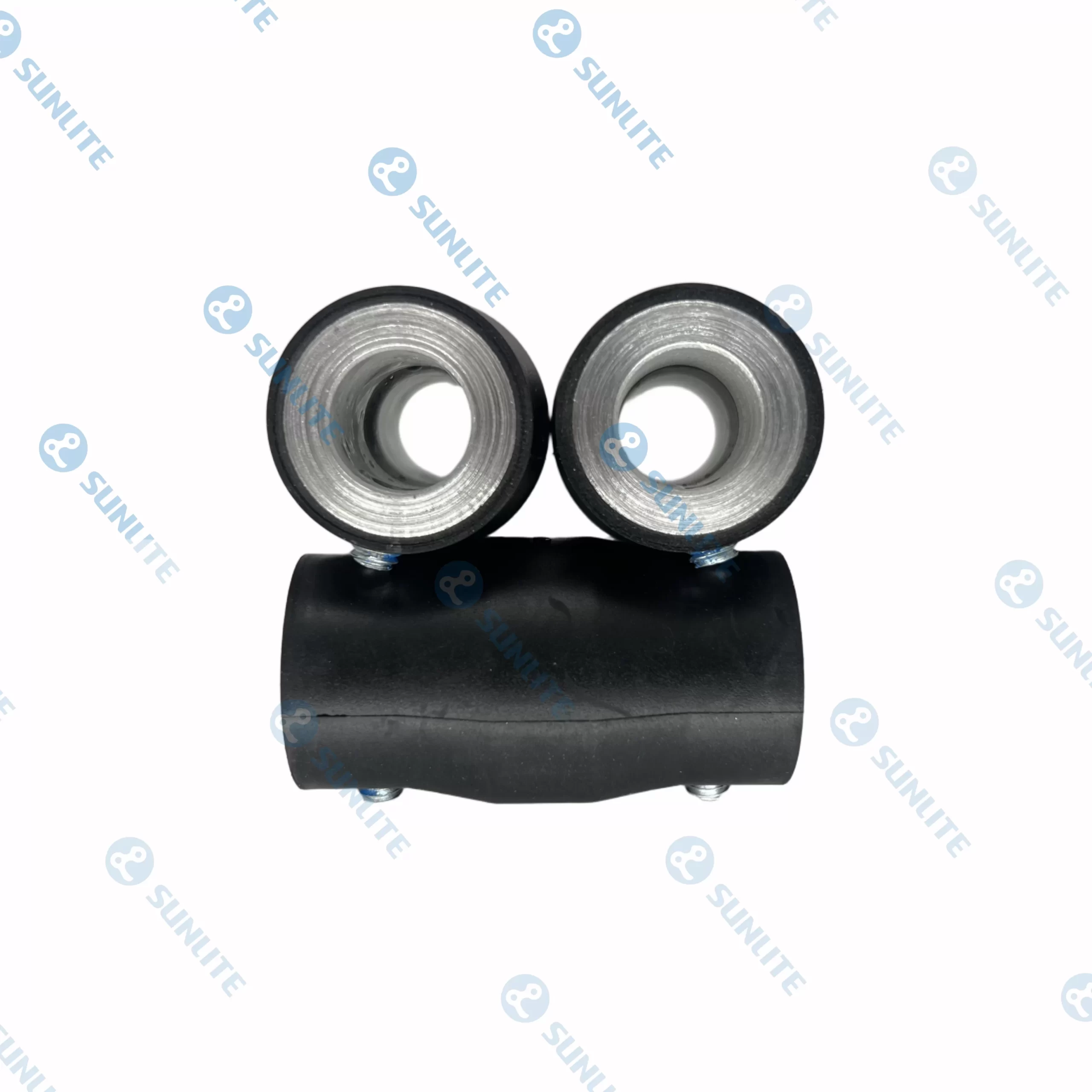
APPLICATION SCENARIOS
1. Connection between motor and fan shaft to transmit power and achieve rotation
2. Absorb mechanical vibrations to reduce equipment noise and wear
3. Compensate for installation errors to ensure stable operation of the transmission system
4. Connect compressor and motor to ensure efficient power transmission
Product Description
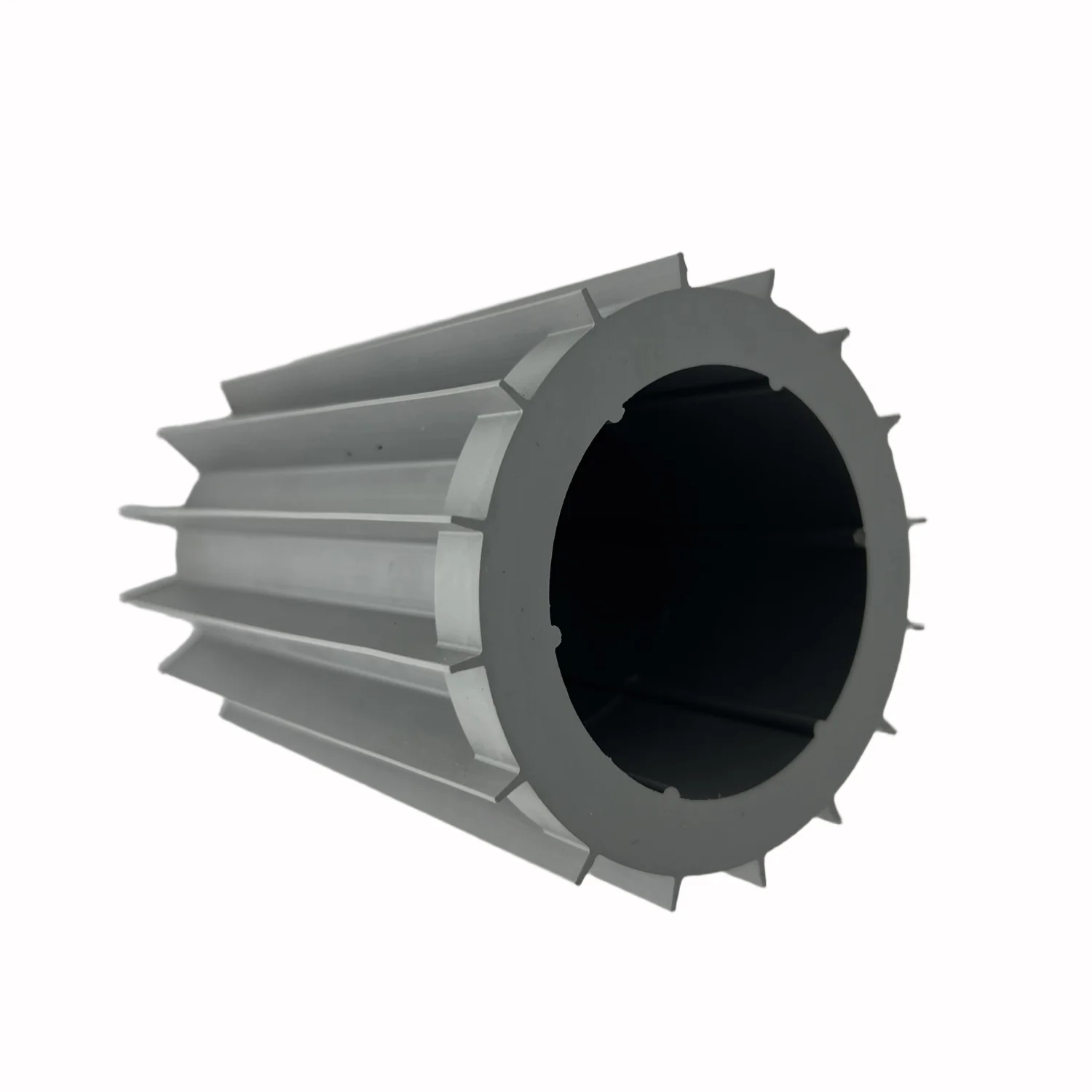
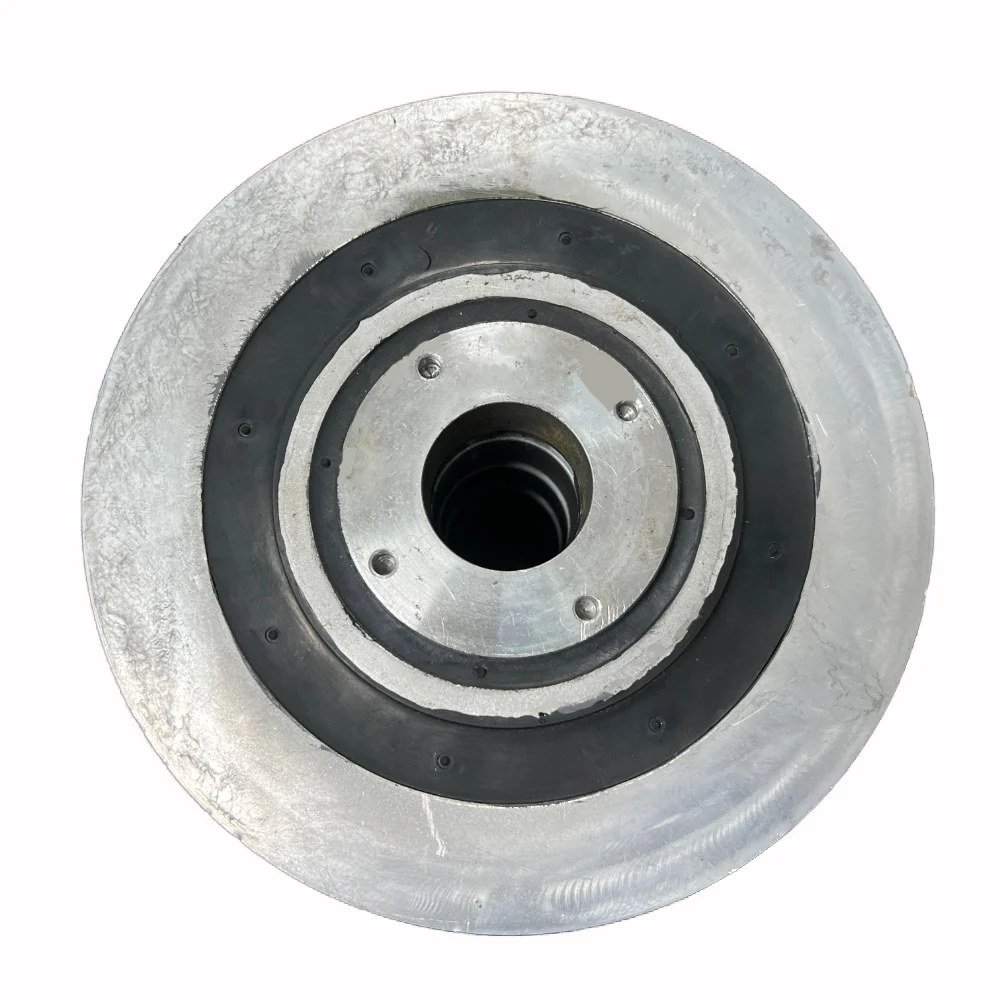
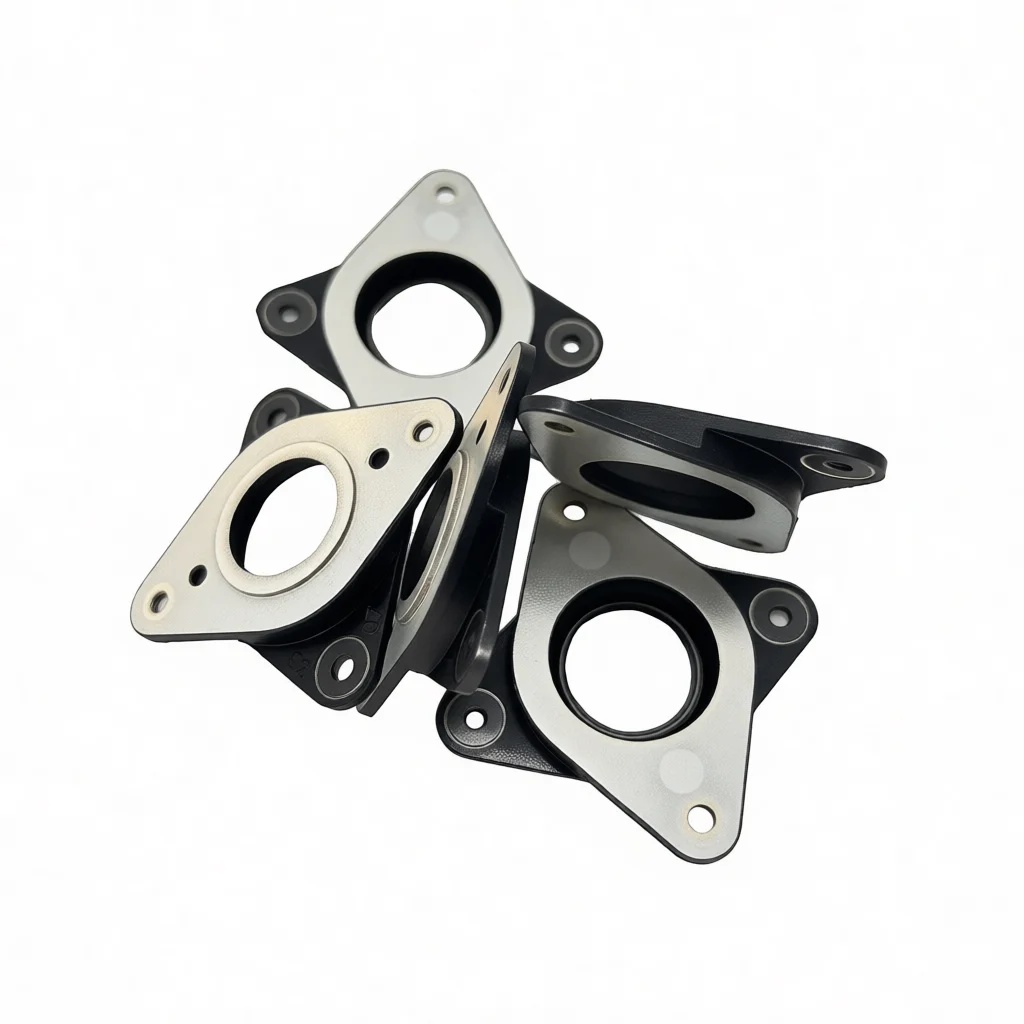
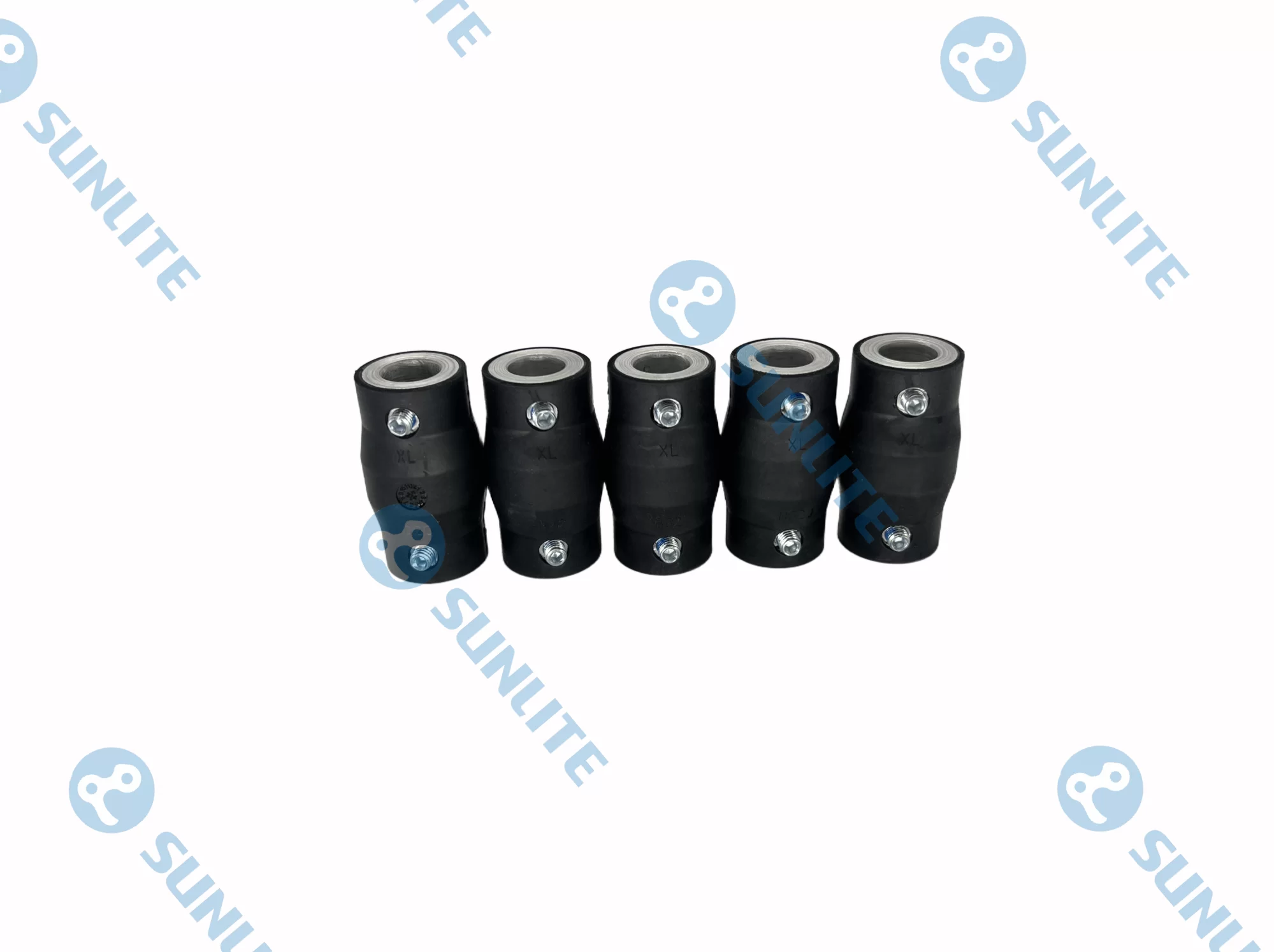
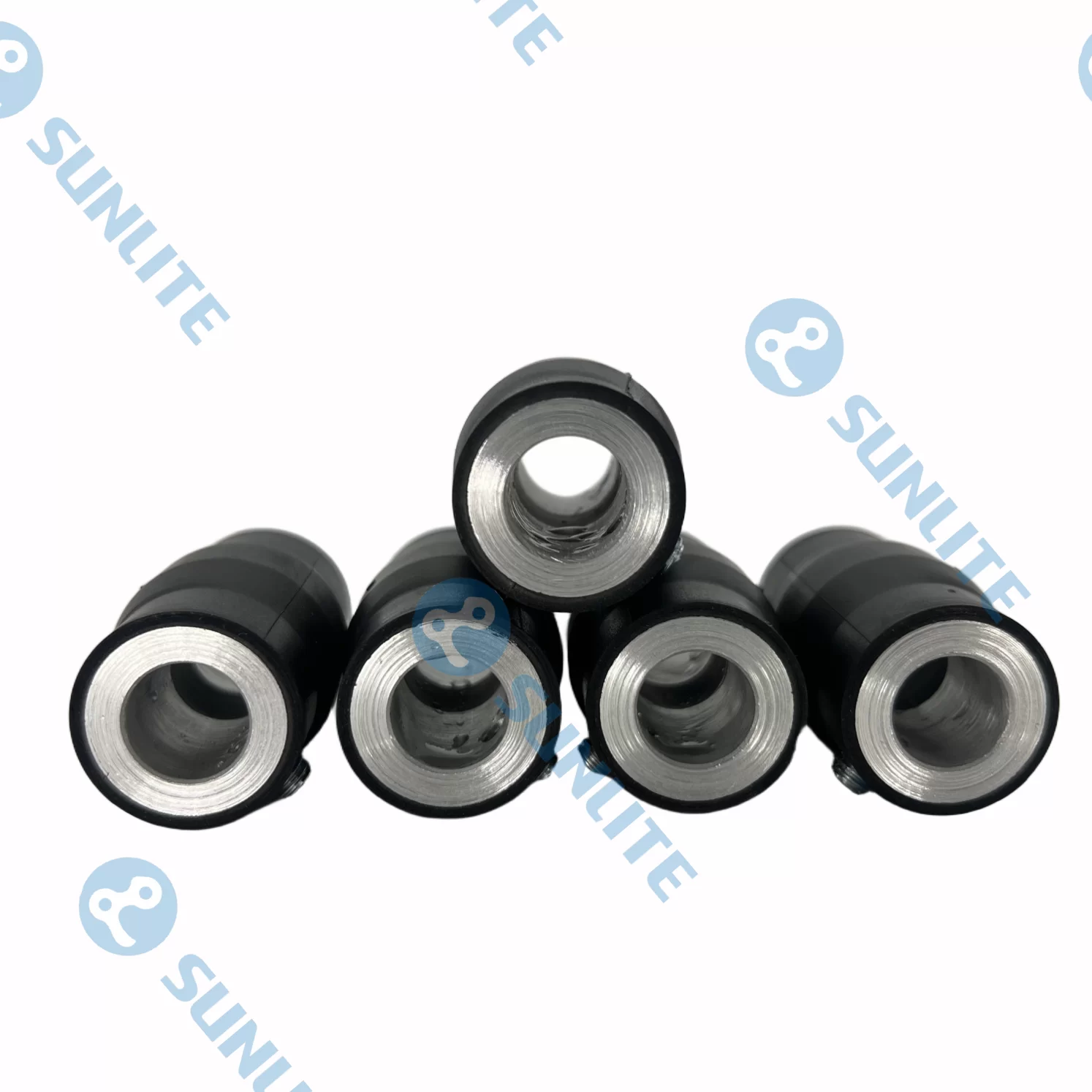
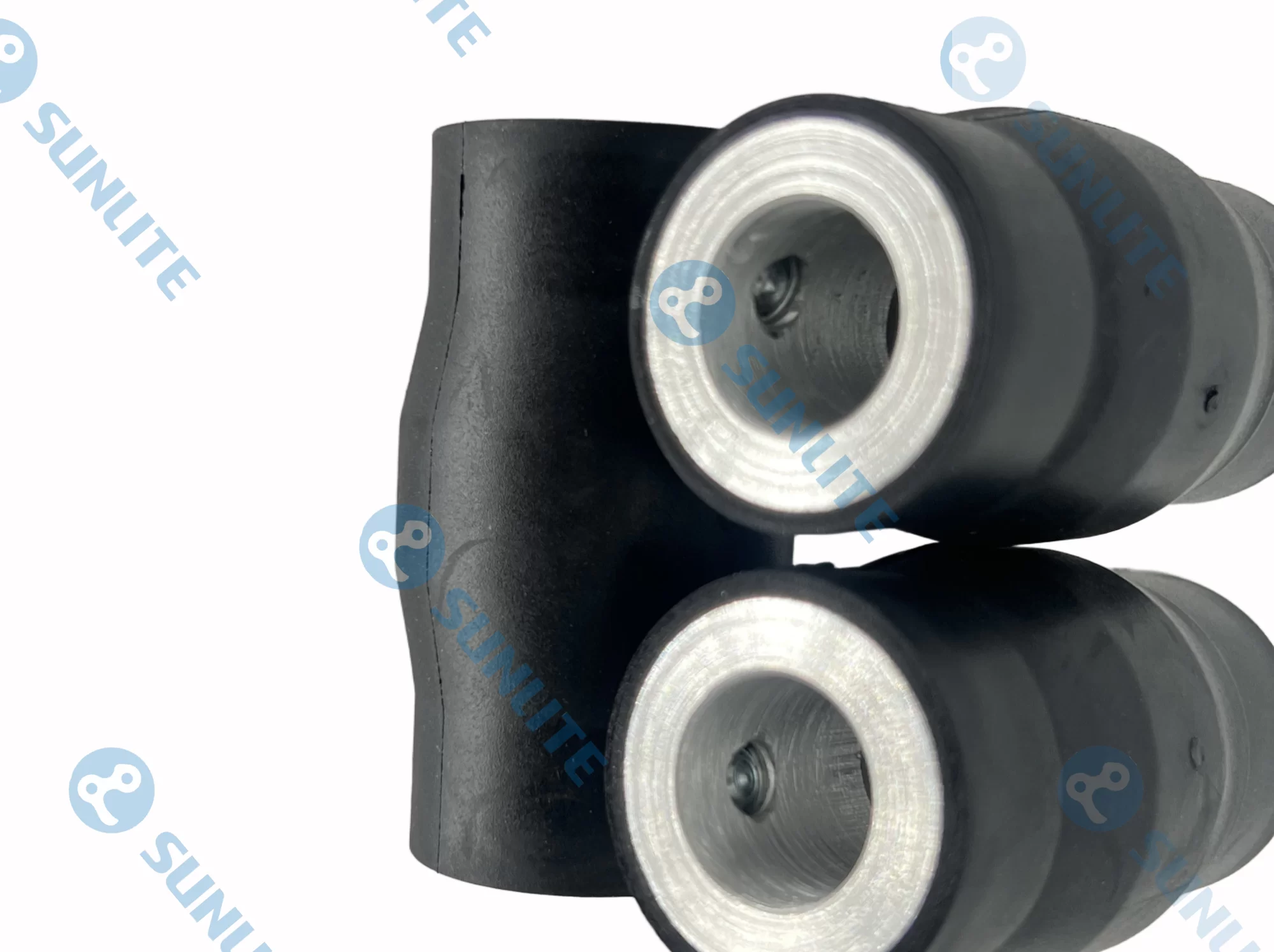
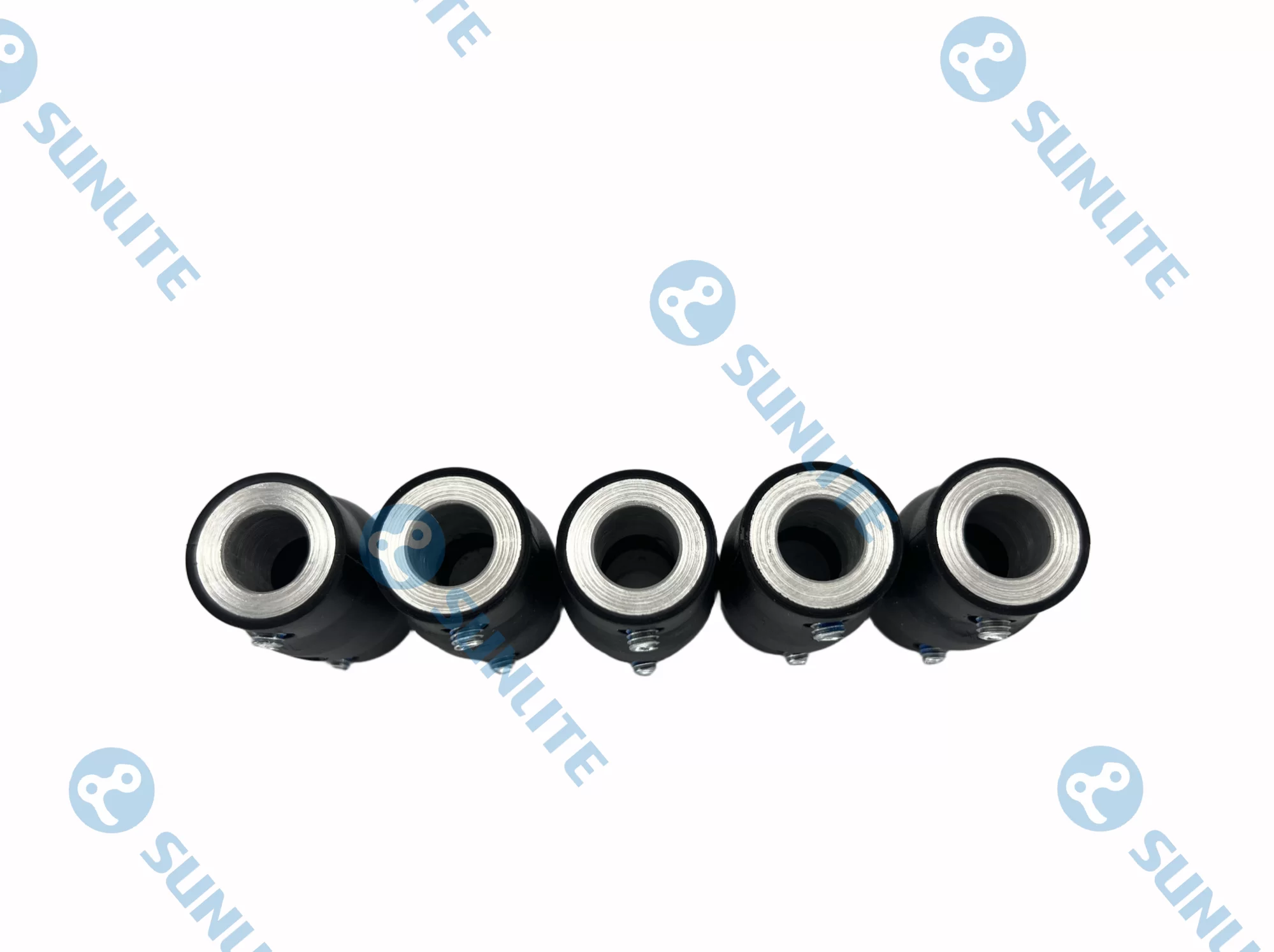
This product is a metal-rubber integrated flexible coupling component, with high-elasticity NBR (nitrile butadiene rubber) as the main material. It uses a thermal bonding process to firmly bond the rubber elastomer with aluminum alloy structural parts. It features excellent flexible buffering, vibration suppression and torque transmission functions, making it the preferred choice for flexible connection solutions in various fans, motors and precision equipment.
PRODUCT FUNCTION
Highly elastic vibration absorption: NBR features a high elastic modulus, capable of absorbing impact loads and dynamic torque, reducing the risk of system resonance;
Transmission noise reduction: Effectively converts vibration energy into thermal energy, reduces high-frequency noise, and enhances the quietness of equipment operation;
Dynamic balance assurance: Particularly suitable for fan blades and rotating shaft systems, maintaining stable high-speed operation and avoiding asymmetric wear;
Excellent durability and oil resistance: The rubber has outstanding oil resistance (to lubricating oil, fuel oil) and fatigue resistance, extending service life;
Adaptability to complex working conditions: Operating temperature range from -40℃ to +120℃, suitable for scenarios with high temperature, high load, and high-frequency vibration.
PERFORMANCE INDEX
Core material: NBR (nitrile butadiene rubber), supplemented with a CR bonding layer
Accessory structure: Thermal bonding molding / aluminum alloy inserts
High elastic modulus: With excellent energy buffering capacity
Operating temperature: -40℃ ~ 120℃
Oil resistance: Resistant to industrial media such as fuel oil, hydraulic oil, and lubricating oil
Fatigue life: ≥1,000,000 cycles under dynamic high-frequency load conditions
APPLICATION AREA
Industrial fans: Used for flexible connection between motor and fan blades, enhancing stability and safety;
Air conditioning compressor systems: Buffer rotor impact and extend the service life of mechanical components;
CNC equipment and precision motors: Absorb impact loads during rapid start-stop, ensuring positioning accuracy;
Agricultural equipment and power tools: Provide vibration damping and noise reduction, enhancing operational comfort and structural protection performance.
The air conditioner coupling is an essential flexible connection component used in HVAC systems, specifically engineered to manage the challenging power delivery between the compressor and its driving motor. This application is critical because the compressor is subject to severe dynamic loads, high-frequency vibrations, and continuous high-speed rotation. The NBR coupling is designed to mitigate these stresses while efficiently transmitting torque.
A key application is the function of connecting the compressor and motor to ensure efficient power transmission. Unlike rigid couplings, the air conditioner coupling acts as a flexible component, primarily to buffer rotor impact and extend the service life of mechanical components. During the compressor's operation, it generates significant torsional and impact loads due to the nature of the mechanical process. The high-elasticity vibration absorption provided by the NBR core absorbs these shock loads, preventing them from being transmitted back to the motor's shaft or forward into the compressor itself. This buffering action is vital for preventing premature wear and mechanical fatigue in both the motor and the compressor bearings and internal components.
Another indispensable function is compensating for installation errors to ensure stable operation of the transmission system. Perfect alignment between a motor and a compressor is difficult to achieve and maintain over time. The inherent flexibility of the NBR coupling allows it to accommodate minor angular, parallel, and axial misalignments that occur during installation or due to thermal expansion. By accommodating these errors, the coupling prevents undue stress and side loads on the shafts and seals, which would otherwise lead to vibration, excessive noise, and catastrophic failure.
The aluminum alloy thermal bonding integrated moulding used in the NBR coupling provides distinct structural benefits that make it the preferred choice for flexible connection solutions in various fans, motors and precision equipment, particularly those requiring high-performance industrial vibration control. This composite design solves the perennial engineering challenge of simultaneously requiring structural rigidity for power transmission and elasticity for vibration damping.
The first structural benefit is the combination of high-strength support and flexible buffering. The aluminum alloy component forms a robust, precise interface for connection, ensuring the coupling can handle the required torque and resist outward forces. The NBR (nitrile butadiene rubber) core, characterized by its high elastic modulus, is bonded within this metal structure. This elastomer provides the necessary compliance and high-elasticity vibration absorption to mitigate impact loads and dynamic torque, safeguarding the connected machinery from stress and resonance.
The second critical benefit is the strength of the bond itself. The thermal bonding process ensures the rubber elastomer is firmly bonded to the aluminum alloy structural parts. This permanent, high-integrity bond means that the coupling will not suffer delamination or peeling even under constant high-frequency vibration and high-load cycles. A rigid bond is essential for reliably transmitting torque and power while simultaneously ensuring that the vibration isolation function of the rubber layer remains fully engaged throughout the equipment's lifetime.
The third advantage is the system's enhanced suitability for dynamic balance assurance. For systems like fan blades and rotating shaft systems, maintaining stable high-speed operation is vital. The integrated metal-rubber structure contributes to this stability, helping to prevent the asymmetrical wear that can arise from uncontrolled vibration. This structural integrity allows the coupling to smoothly connect compressor and motor or motor and fan shaft to transmit power and achieve rotation reliably, ensuring precision and stability in applications ranging from industrial fans to cnc equipment and precision motors. This structural synergy makes the NBR coupling an essential component for reliable power transmission and damping.
The design of the air conditioner coupling specifically incorporates features that make it highly adaptable to complex working conditions, particularly environments characterized by high temperature and oil-resistant requirements. These are common factors in air conditioning compressor systems and other power transmission applications where lubricants and operational heat are constant concerns.
The foundation of this adaptability is the excellent durability and oil resistance provided by the NBR material. NBR rubber is intrinsically resistant to degradation caused by petroleum-based substances, including lubricating oil, fuel oil, and hydraulic oil. This chemical resilience is paramount because leaks or exposure to lubricants are highly probable in motor and compressor connections. If the air conditioner coupling were made of conventional rubber, it would swell, soften, or crack, leading to loss of its elastic properties and catastrophic failure of the coupling and the connected shafts. Its oil resistance ensures the coupling maintains its flexible buffering, vibration suppression and torque transmission functions regardless of chemical exposure.
Coupled with oil resistance is the material's superior thermal performance. The coupling is designed to maintain operational stability across a wide range of temperatures, ensuring its suitability for scenarios with high temperature, high load, and high-frequency vibration. This thermal stability is essential for components mounted near heat-generating sources, such as motors and compressors. By preventing material softening or hardening due to thermal cycling, the pads ensure the damping characteristics remain optimal, thereby guaranteeing stable performance and reliability.
This robust material specification allows the air conditioner coupling to be widely used beyond just air conditioners, extending its service life in harsh application area environments like agricultural equipment and power tools. Its ability to withstand simultaneous thermal and chemical stress ensures it reliably fulfills its role to absorb mechanical vibrations to reduce equipment noise and wear and to connect compressor and motor to ensure efficient power transmission under the toughest conditions. The integrated design, featuring NBR and aluminum alloy, is built for endurance against these combined environmental stresses.
Dec . 12, 2025
Railway Stray-Current Protection: Materials, Specs & Cases
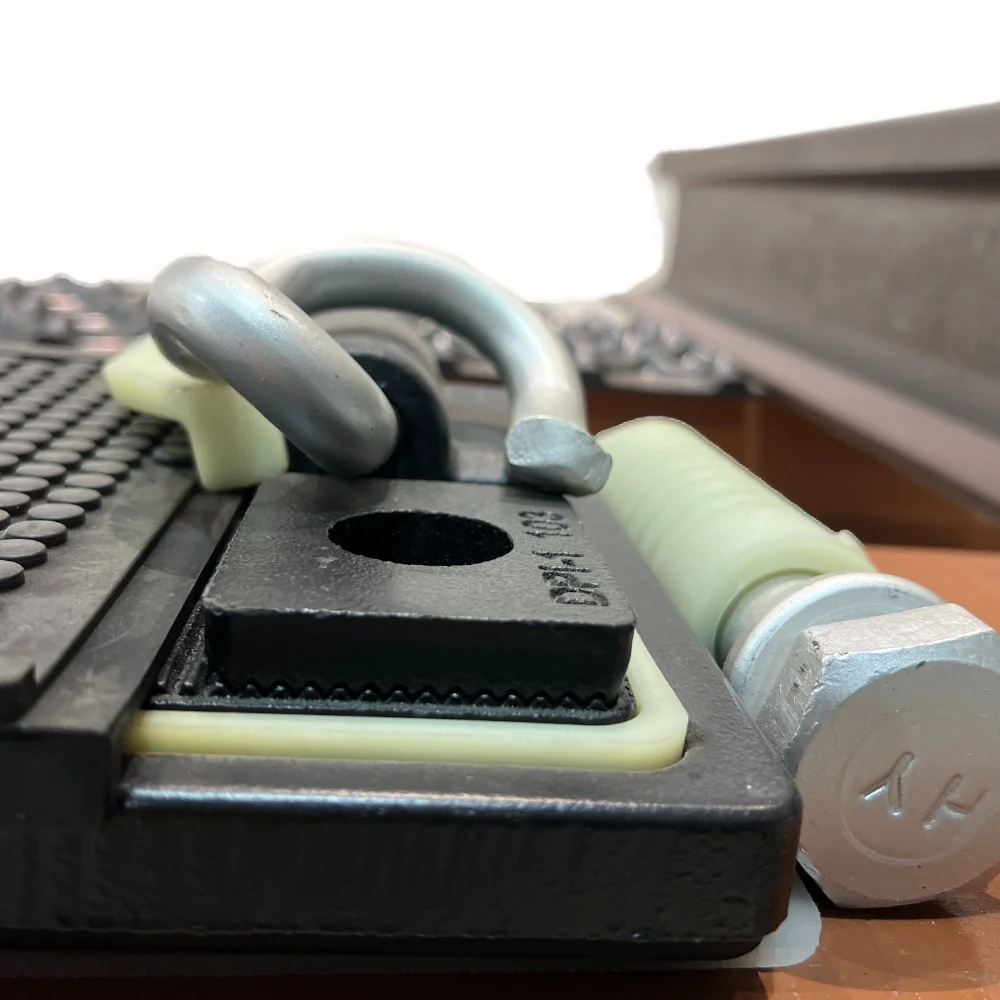
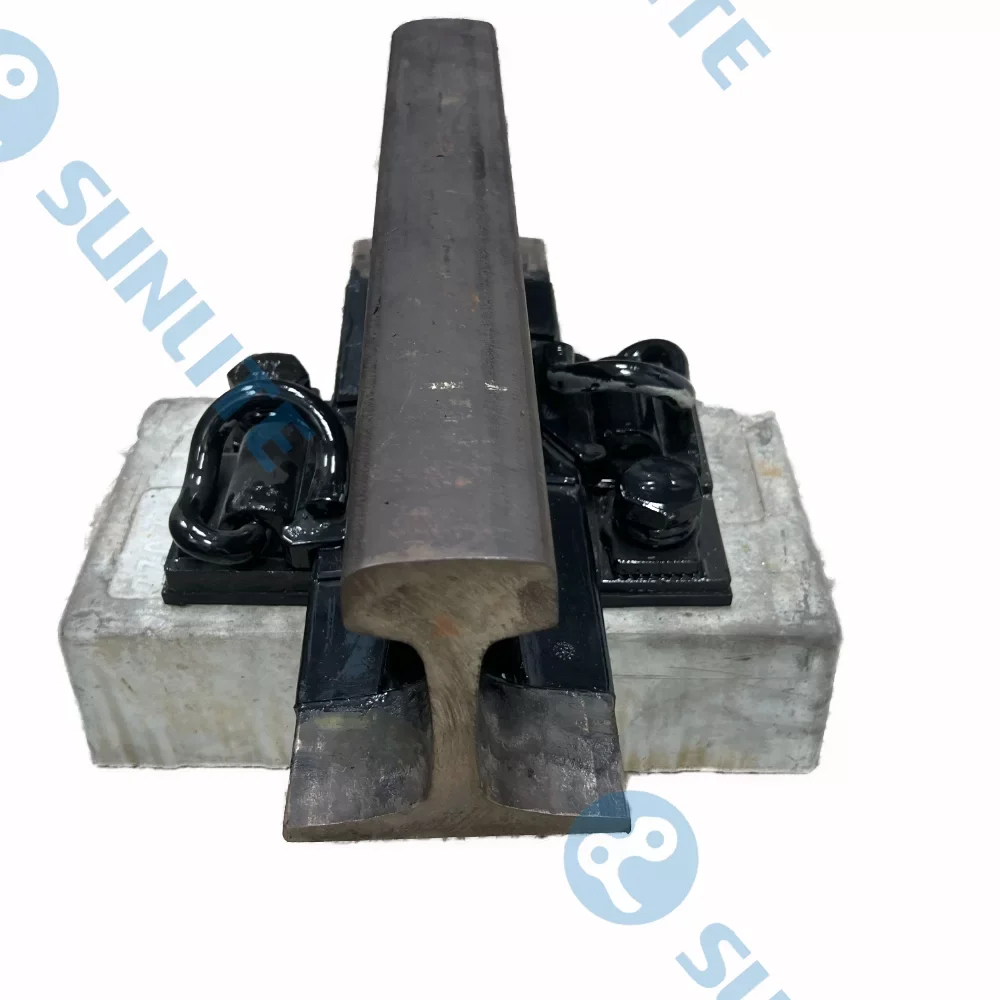
I've been keeping an eye on trackside corrosion tech for years, and one product that keeps coming up in specs and site visits is the stray current insulation protection parts, stray current rubber parts, stray current corrosion prevention system.
Read More