 Select Language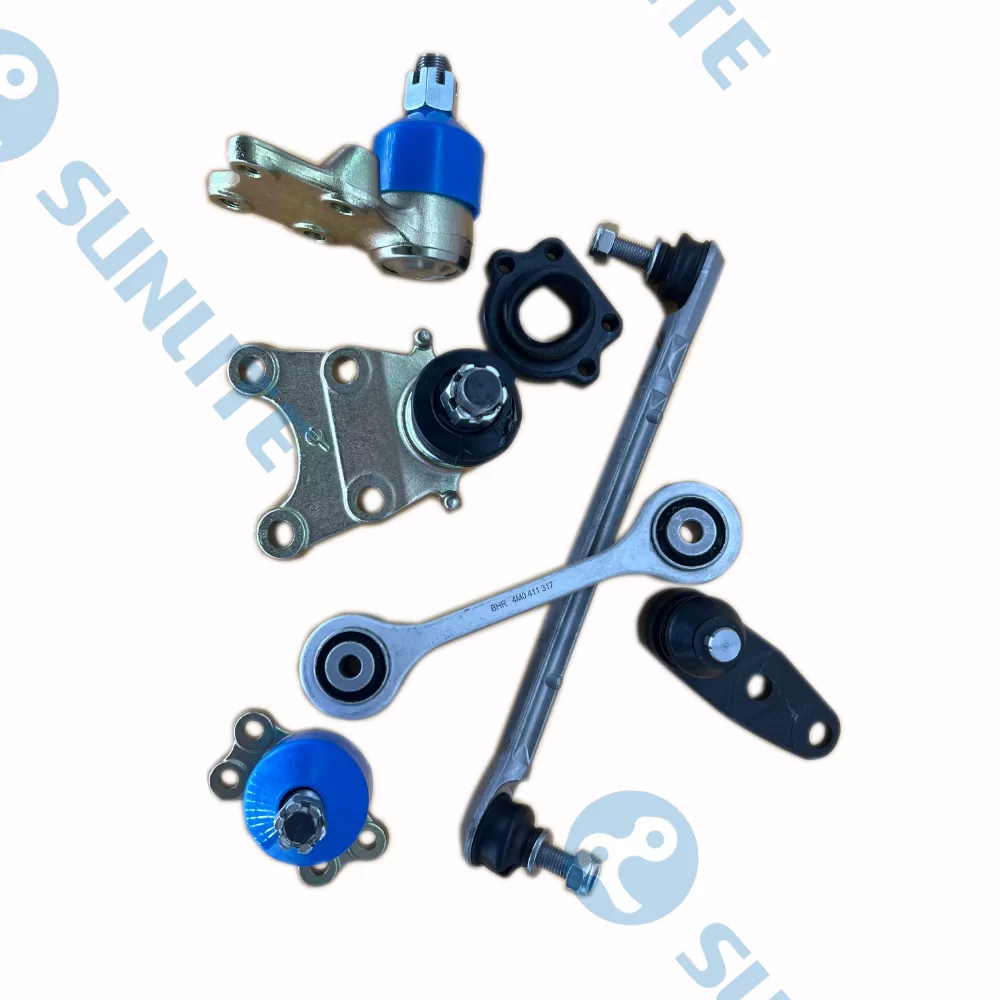
APPLICATION SCENARIOS
1. Suspension system connections, serving as pivot points between steering knuckles and control arms
2. Steering system ball joints, ensuring steering flexibility and precision
3. Suspension stabilizer bar connections, absorbing road impacts and vibrations
4. Various movable connection points in the chassis system, enabling multi-directional movement and adjustment
Product Description
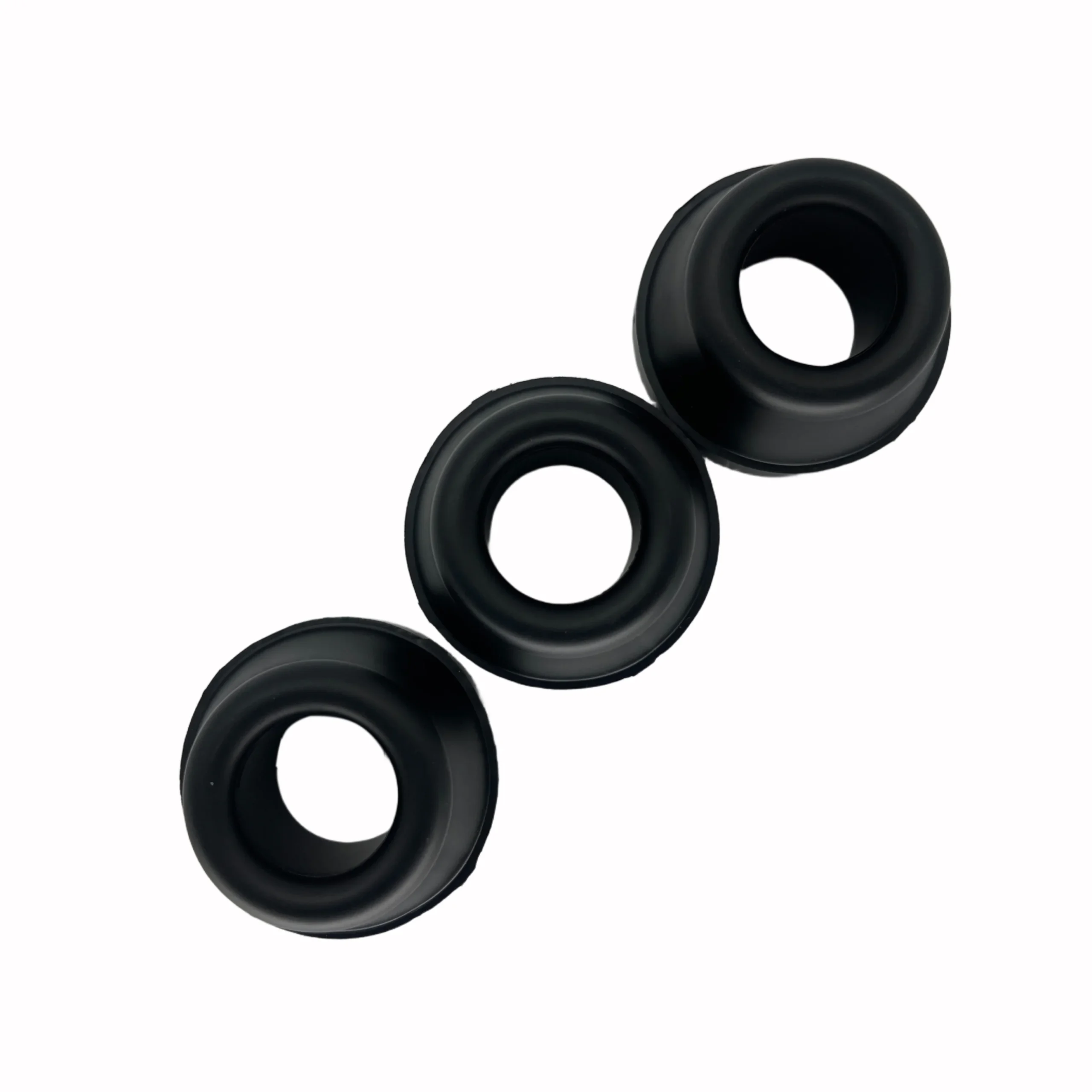
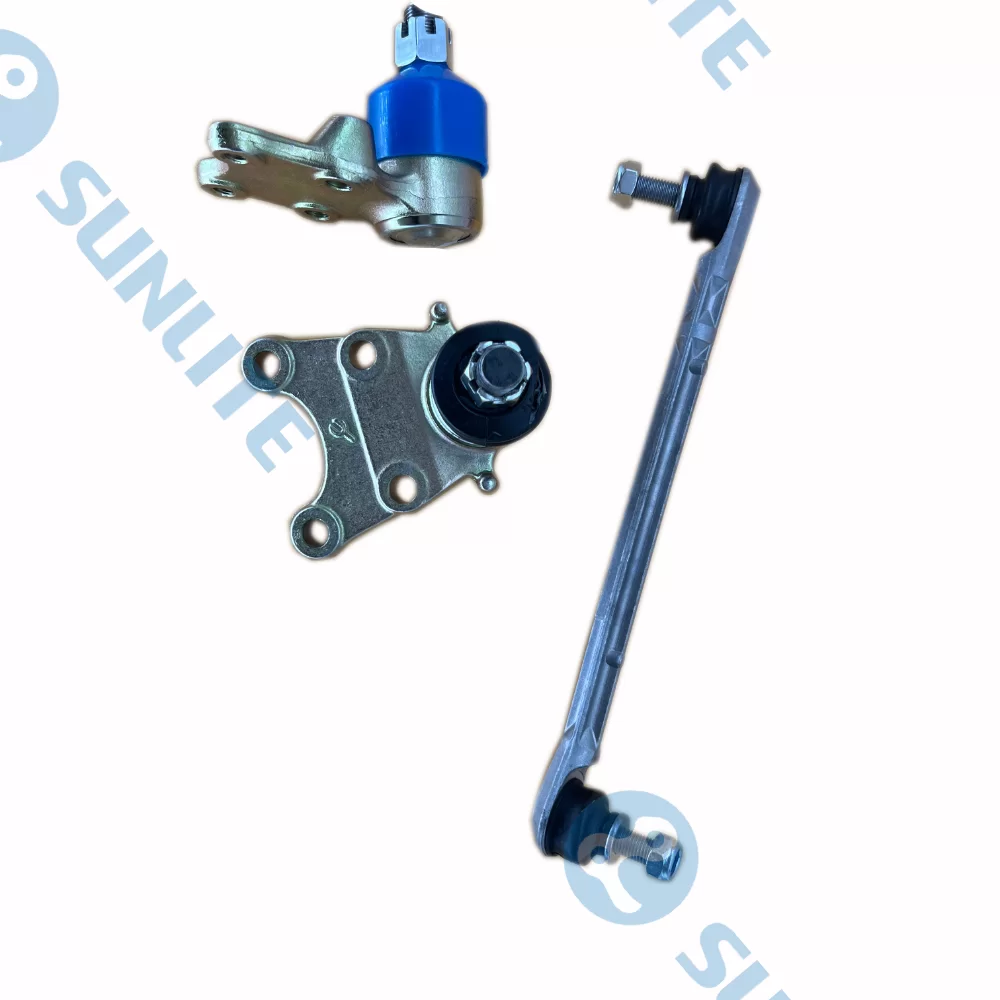
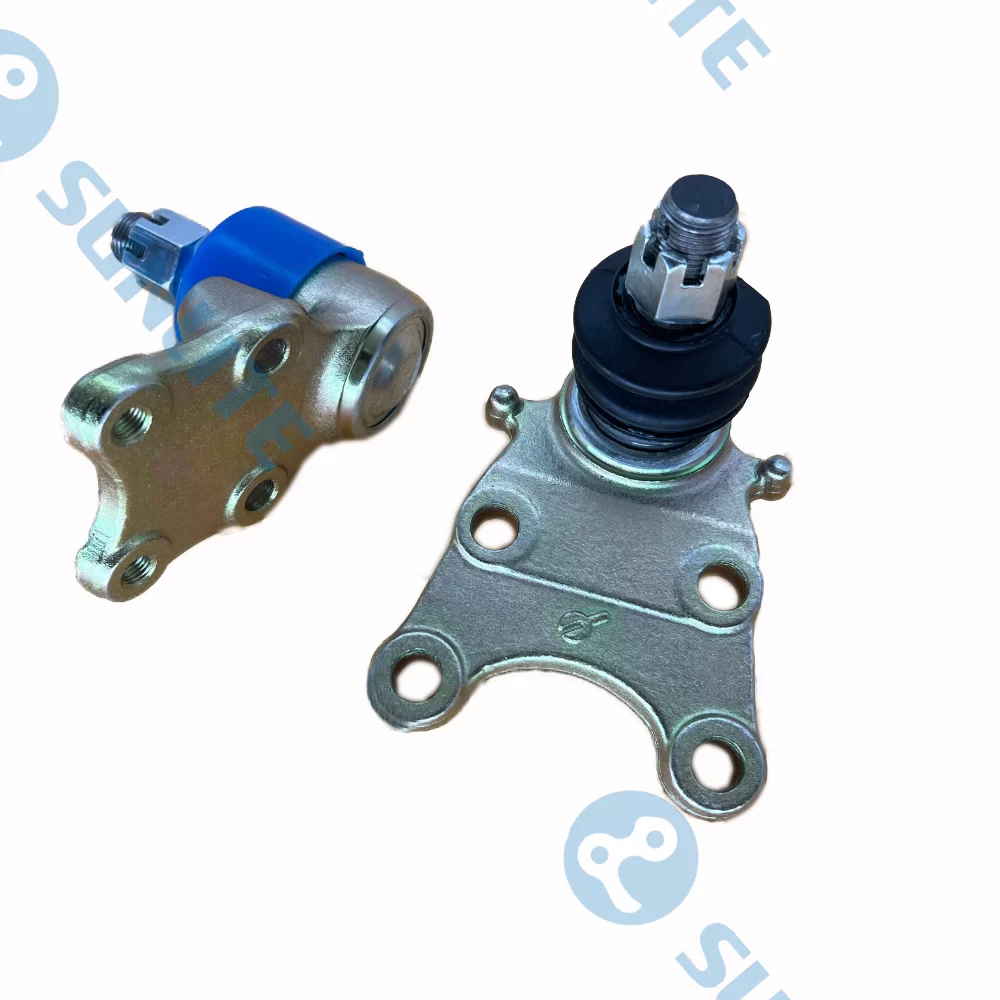
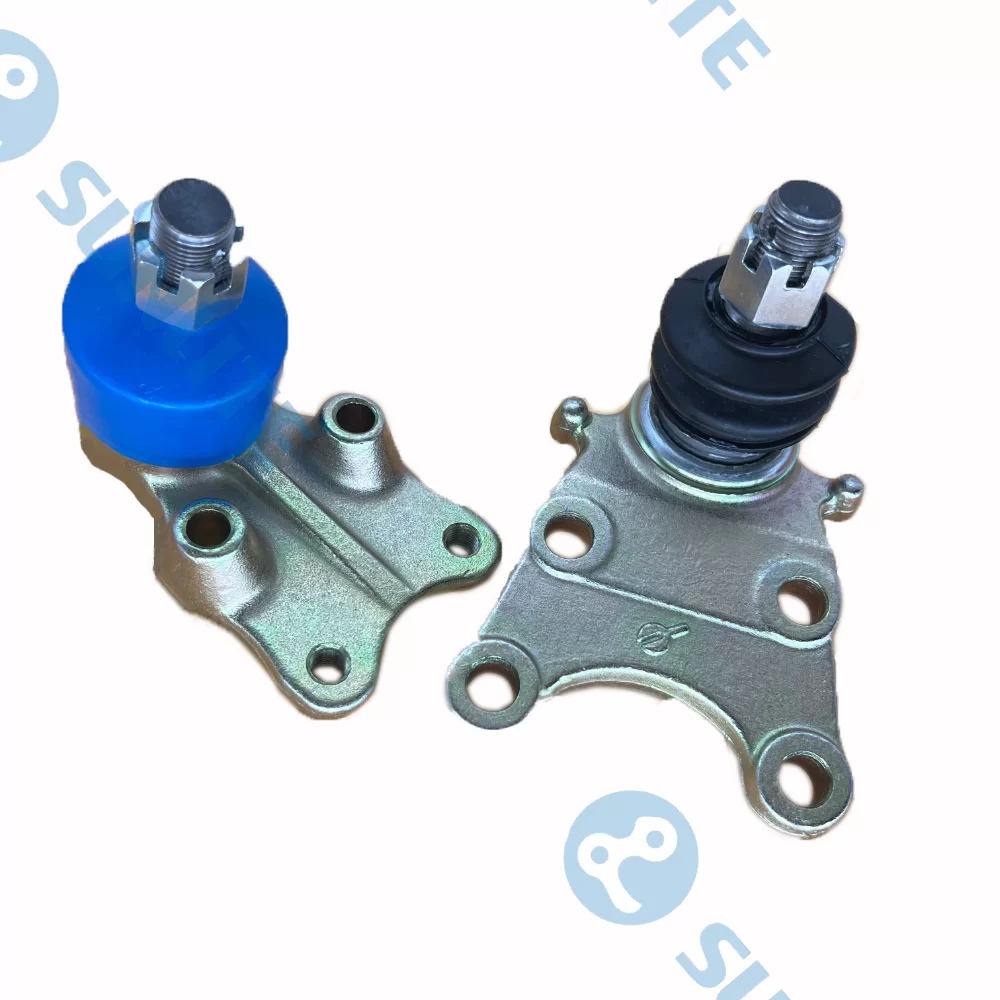
This series of automotive ball joint assemblies consist of metal ball joint components and high-performance dust-proof rubber boots, serving as key connecting parts in automotive suspension and steering systems. The product enables multi-angle flexible rotation, bears vehicle weight and dynamic impact loads, and ensures precise wheel steering and driving stability. The dust-proof rubber boots feature excellent sealing and protective capabilities, preventing foreign objects from entering the interior of the ball joint and causing wear or grease leakage. With a compact structure and reliable sealing, it is compatible with chassis systems of various passenger cars and commercial vehicles. Customization services are available.
PRODUCT FUNCTION
Dual functions of bearing rotation and load: The ball joint connects the control arm and steering knuckle, enabling multi-directional free rotation of suspension components and ensuring the wheels flexibly respond to steering actions;
Maintaining wheel alignment angles: Ensures the stability of geometric parameters such as toe angle and camber angle, improving handling and tire lifespan;
Rubber boot sealing protection: Dust-proof, mud-proof, and water-proof, blocking foreign matter intrusion and sealing in grease to extend the service life of the ball joint assembly;
Shock absorption and strong corrosion resistance: Prevents ball pin wear, loosening, and premature failure caused by lack of lubrication.
PERFORMANCE INDEX
Ball joint assembly:
Dynamic load-bearing capacity: >25kN (lower ball joint)
Rotation life test: ≥500,000 cycles without abnormality
Ball pin hardness: HRC 55–65; anti-rust surface treatment, passing ≥96h salt spray test
Dust-proof rubber boot:
Main material: High-strength synthetic rubber (e.g., CR/NBR/EPDM)
Tensile strength: ≥12MPa; elongation at break ≥400%
Anti-aging performance: Ozone resistance ≥72 hours without cracks; UV irradiation retention rate ≥80%
Oil resistance: Performance change rate ≤20% after 168-hour immersion
Sealing performance: Grease leakage rate <1%
APPLICATION AREA
Automotive ball joints and dust-proof rubber boots are widely used in:
Suspension systems (e.g., control arm connections, lower ball joint load-bearing);
Steering systems (e.g., connections between steering knuckles and tie rods);
Chassis dynamic support systems, used to enhance vehicle body stability and handling response;
Compatible with multiple vehicle models such as new energy vehicles, commercial vehicles, and SUVs, suitable for reliable operation under working conditions including urban roads, highways, and unpaved road conditions.
The Ball Joint is a critical component in automotive suspension and steering systems, designed to provide smooth pivoting, multi-directional movement, and reliable connection between various mechanical parts. Its precision engineering allows it to function as a pivot point between the steering knuckles and control arms, ensuring optimal suspension performance, steering flexibility, and vehicle stability.
In suspension systems, Ball Joints serve as pivotal connections, absorbing road impacts and vibrations while maintaining consistent alignment. This enhances ride comfort, improves handling, and reduces stress on other suspension components. By allowing controlled movement between the steering knuckle and control arm, ball joints ensure that vehicles respond accurately to road conditions and driver inputs.
In steering systems, Ball Joints play a crucial role in maintaining precision and flexibility. They allow the wheels to turn smoothly while keeping the suspension aligned, which is essential for accurate steering response and vehicle control. High-quality ball joints minimize play and reduce the risk of premature wear, contributing to safer driving conditions.
Additionally, ball joints are used in suspension stabilizer bar connections to absorb shocks and vibrations from the road. Their durable design allows for long-term performance under dynamic loads, enhancing the stability and handling of the vehicle. These joints help distribute forces evenly across the suspension system, reducing mechanical stress and improving component longevity.
Ball joints are also applied to various movable connection points in the chassis system, enabling multi-directional movement and adjustment. This adaptability is essential for maintaining correct wheel alignment, supporting suspension articulation, and ensuring precise handling. Advanced ball joints feature corrosion-resistant coatings, robust steel housings, and high-strength bearing materials to withstand harsh environmental conditions and extended operational life.
With their combination of strength, flexibility, and durability, Ball Joints are indispensable for modern automotive engineering. They contribute to ride comfort, safety, steering accuracy, and suspension reliability, making them a key component in both OEM and aftermarket applications. Proper maintenance and timely replacement of ball joints are critical to ensure continued vehicle performance and safety.
In summary, the Ball Joint provides essential pivot functionality, absorbing impacts, enabling multi-directional movement, and ensuring precise suspension and steering operation. Its durability and reliability make it a vital component for vehicle safety and performance.
The Ball Joint is an essential automotive component that facilitates smooth and precise movement in suspension, steering, and chassis systems. It acts as a pivot point between control arms and steering knuckles, allowing multi-directional motion, absorbing road shocks, and maintaining accurate wheel alignment. This ensures both vehicle stability and handling performance across various driving conditions.
In suspension systems, Ball Joints are pivotal in connecting control arms to the steering knuckles. They absorb vibrations, shocks, and dynamic loads from uneven road surfaces, providing a smoother ride and reducing stress on other suspension components. By enabling controlled pivoting motion, ball joints improve handling, responsiveness, and overall driver comfort.
In the steering system, ball joints maintain flexibility and precision. They allow wheels to turn accurately while keeping the suspension geometry intact. High-quality ball joints reduce play, minimize noise, and prevent uneven tire wear, enhancing safety and driving efficiency. They are particularly crucial for vehicles with advanced steering mechanisms and tight handling requirements.
Ball joints also serve as connection points for stabilizer bars, distributing forces from road impacts evenly across the suspension system. This reduces mechanical stress, enhances chassis stability, and improves traction during cornering or over rough terrain. The multi-directional movement capability of ball joints ensures that suspension components can adjust dynamically while maintaining alignment and vehicle balance.
Additionally, ball joints are widely used in movable chassis connections, providing the necessary flexibility for suspension articulation and adjustment. They are engineered with high-strength steel, precision bearings, and protective coatings to resist wear, corrosion, and environmental damage, ensuring long-lasting performance even in harsh conditions.
The Ball Joint is indispensable for maintaining steering accuracy, suspension reliability, and overall vehicle safety. Its durability, load-bearing capability, and precision engineering make it ideal for both OEM and aftermarket applications. Regular inspection and maintenance are essential to ensure continued performance, prevent premature wear, and maintain safe driving conditions.
In conclusion, the Ball Joint is a versatile and durable component that absorbs shocks, allows multi-directional movement, and ensures precise suspension and steering function. Its robust design and reliability make it critical for modern automotive systems, contributing to ride comfort, vehicle stability, and driver safety.