Select Language APPLICATION SCENARIOS
1. Inner motor compartment walls – reduce the transmission of operational noise
2. Inside the housing – absorb resonance noise and enhance quiet performance
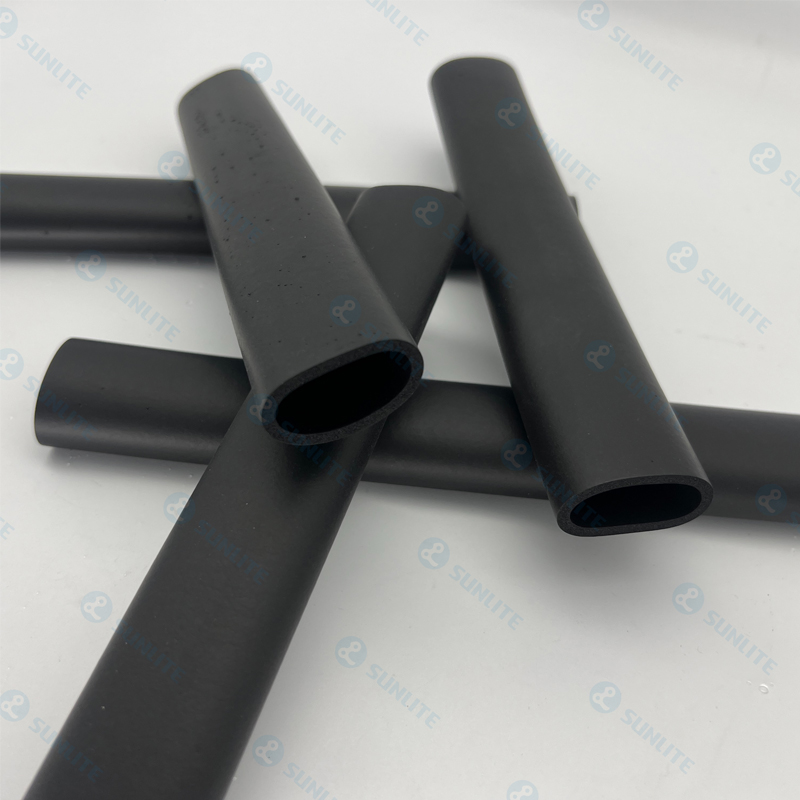
3. Within air ducts – minimize airflow noise
4. Packaging liners – reduce noise caused by vibrations during transportation
Product Description
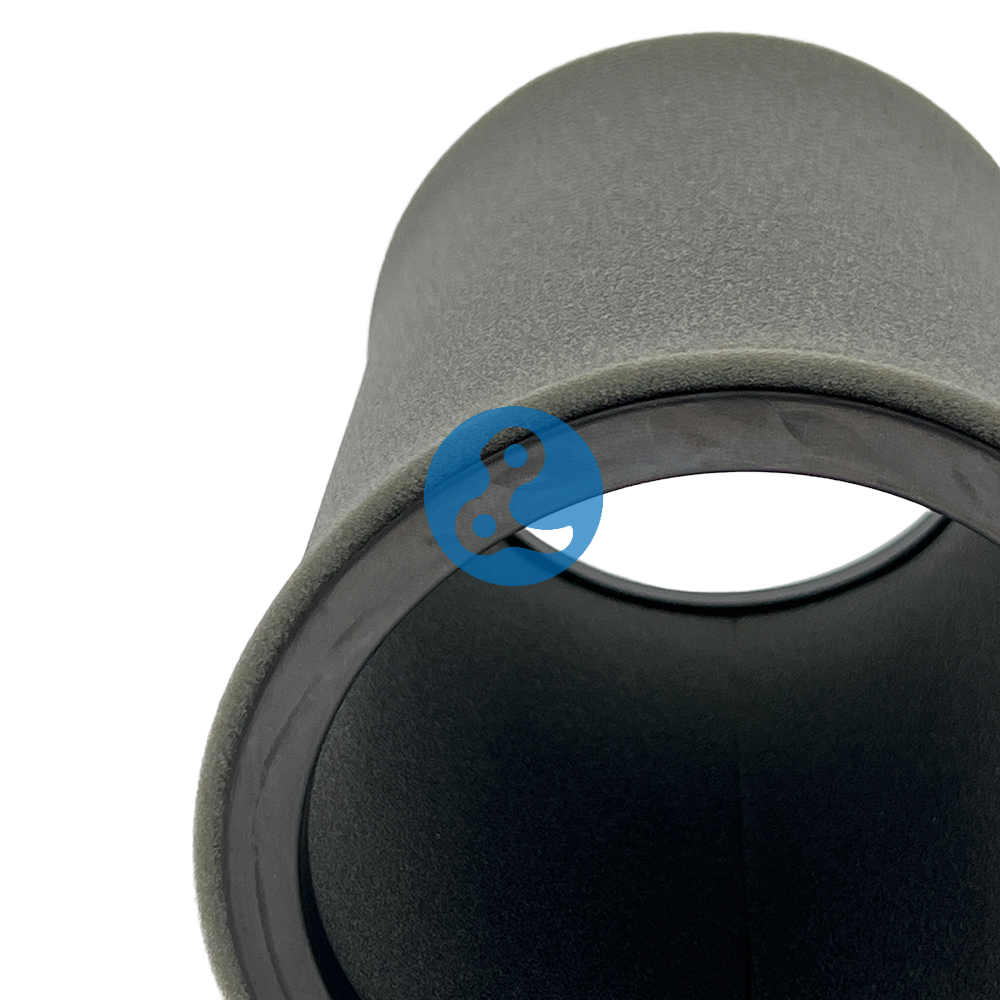
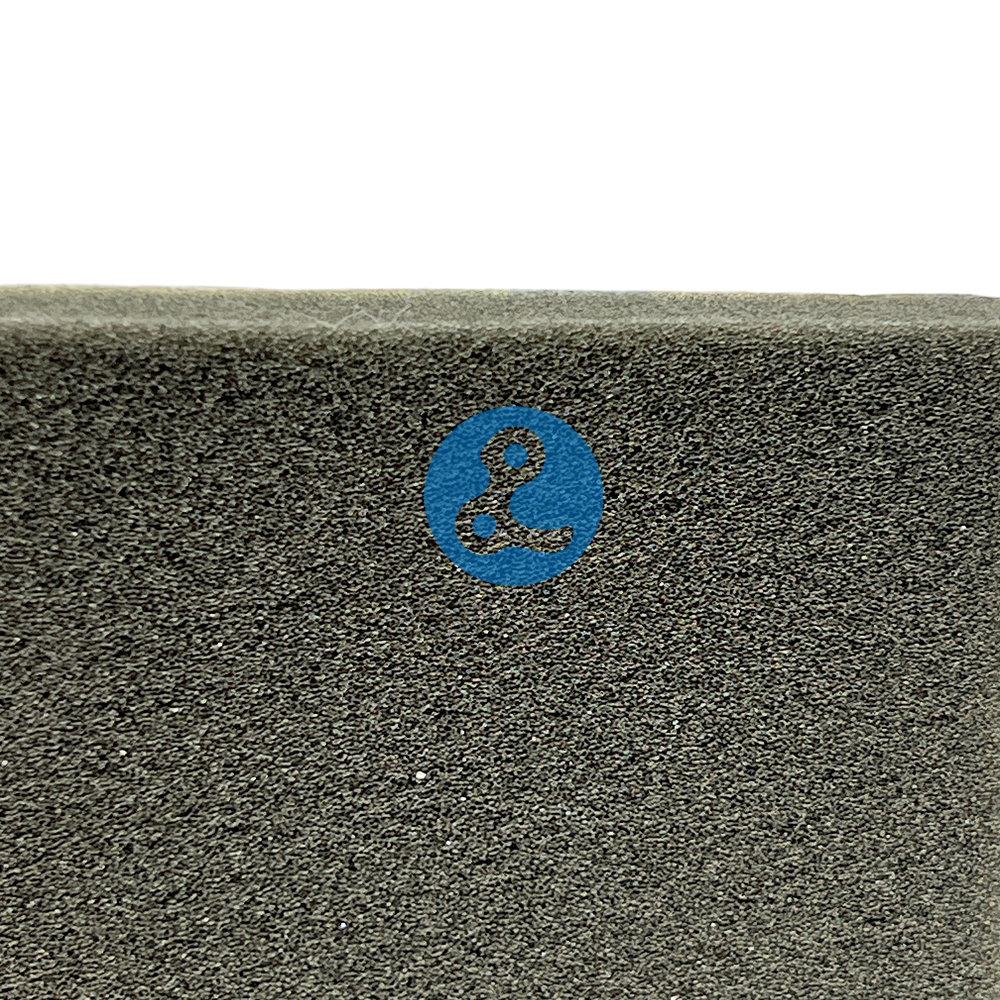
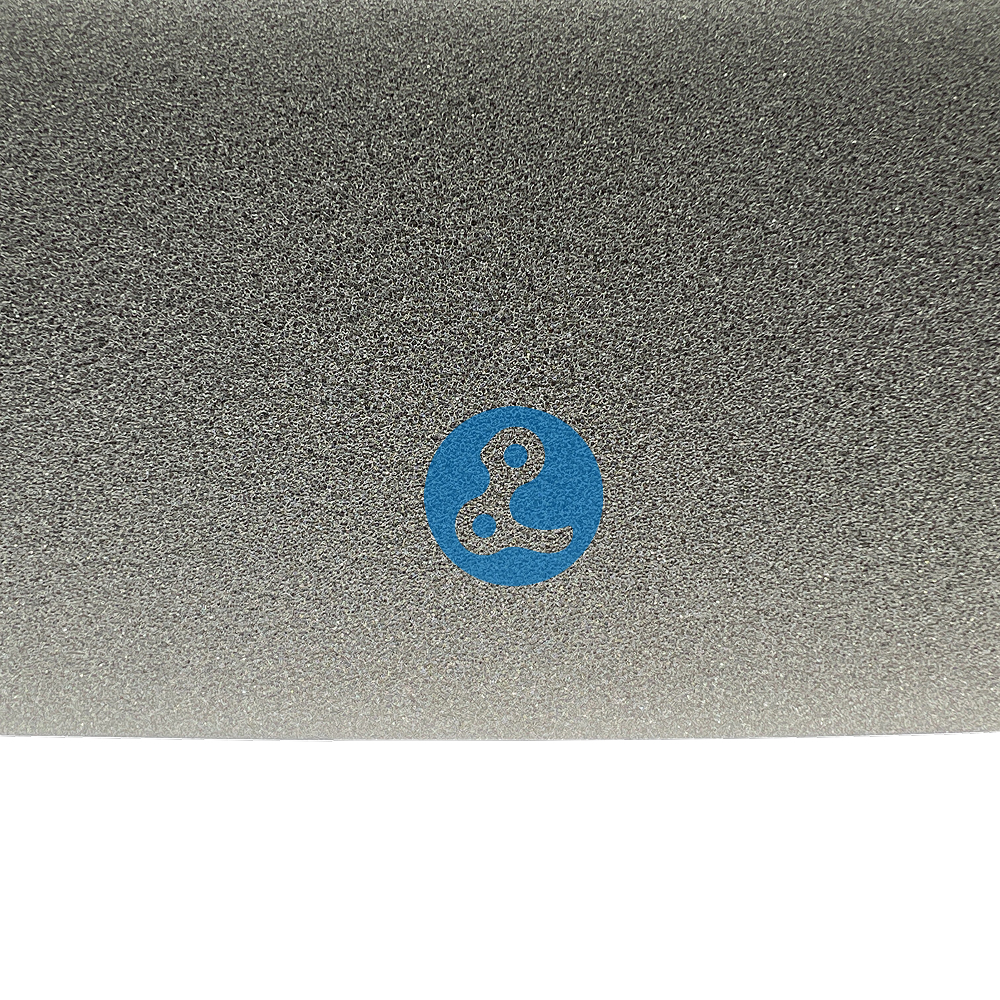
This product series is manufactured using open-cell polyurethane foam technology, featuring a high open-cell rate (≥98%) and excellent acoustic attenuation performance. While maintaining airflow, it effectively suppresses both structural and airflow-related noise. With outstanding temperature resistance (-40℃ to 120℃) and long-term aging durability, it is suitable for a wide range of electroacoustic noise reduction and energy-absorbing cushioning applications. Customizable in dimensions and acoustic parameters to meet specific needs, offering system-level acoustic solutions.
PRODUCT FUNCTION
The ultra-high open-cell structure delivers broad-spectrum sound absorption, with particularly effective attenuation of high-frequency noise (5–10dB).
Lightweight and resilient, it offers cushioning and protective functions to safeguard equipment from vibration and impact.
The material maintains stable performance across high and low temperatures—resistant to cracking and powdering—making it suitable for various industrial and outdoor environments.
Its low compression set ensures long-term structural integrity and sound-absorbing performance under repeated compression use.
PERFORMANCE INDEX
Density: 25 ± 2 kg/m³
Hardness (Shore F): ≥78
Open-Cell Rate: ≥98%
Tensile Strength: 127.5 ± 19.6 kPa
Elongation: ≥100%
Compression Set: ≤7%
Temperature Resistance: -40℃ to 120℃
Acoustic Performance: High-frequency noise reduction up to 5–10 dB (based on typical application tests)
APPLICATION AREA
Motor compartment sound insulation**: Absorbs high-frequency noise generated by motor operation, reducing overall noise levels
Acoustic lining for equipment housings**: Dampens structural resonance and improves overall NVH (Noise, Vibration, Harshness) performance
Ventilation system silencers**: Reduces airflow noise within ducts while maintaining ventilation efficiency
Packaging for precision electronics/instruments**: Provides cushioning protection against vibration damage during transportation or operation

The Sound-Absorbing Foam is a high-efficiency acoustic material specifically engineered to reduce unwanted noise, control reverberation, and enhance sound clarity in a wide range of environments. Manufactured using open-cell polyurethane or melamine foam, this product effectively captures sound waves by allowing them to enter the foam structure, where they are diffused and dissipated. This mechanism makes sound-absorbing foam essential for studios, offices, home theaters, industrial equipment enclosures, UAVs, electronic devices, and any environment where noise reduction is critical.
One of the key strengths of sound-absorbing foam is its excellent sound absorption across mid- to high-frequency ranges, which are the most commonly problematic sound bands in human environments. By reducing echo, flutter, and reflected noise, it significantly enhances acoustic performance, resulting in clearer speech, better music quality, and improved working or recording conditions. This material is ideal for applications such as vocal booths, mixing rooms, conference rooms, server cabinets, and machinery housings where acoustic control is essential.
Another major advantage is the foam’s lightweight and flexible structure, which allows easy installation in various configurations. Whether mounted on walls, ceilings, inside equipment enclosures, or wrapped around mechanical components, sound-absorbing foam adapts easily to different shapes and surfaces. Available in panels, rolls, wedges, pyramids, and custom-cut pieces, it provides exceptional design flexibility for professional and consumer applications alike.
In addition to acoustic performance, durability and safety are critical factors. Sound-absorbing foam is often formulated to be flame retardant, dust-resistant, and long-lasting, ensuring stable performance even in environments exposed to vibration, airflow, or movement. Specialized versions such as melamine foam offer higher fire ratings, making them suitable for public buildings, transportation interiors, and electronic equipment.
The foam also plays a critical role in reducing mechanical noise and vibration in industrial and electronic applications. Its cushioning structure helps absorb vibration from motors, compressors, fans, and drones, thereby lowering operational noise and protecting sensitive components. This makes sound-absorbing foam essential for UAV manufacturing, 3D printers, air purifiers, and high-speed automation equipment.
Overall, the Sound-Absorbing Foam is a versatile and high-performance material designed to meet modern acoustic and noise-control needs. Its superior absorption efficiency, lightweight structure, and customizable design make it an ideal choice for professionals seeking effective, durable, and flexible noise management solutions.
The Sound-Absorbing Foam is a professional-grade acoustic solution engineered for precise noise control and improved sound quality across diverse environments. Utilizing advanced open-cell technology, the foam effectively captures airborne noise, reduces reverberation, and minimizes sound reflections that distort clarity. Its performance makes it widely used in recording studios, broadcast rooms, commercial spaces, industrial machinery enclosures, automotive interiors, and consumer electronics.
One of the defining characteristics of sound-absorbing foam is its open-cell structure, which allows sound energy to penetrate deeply into the foam. Once the waves enter the porous network, friction dissipates the energy into heat, dramatically reducing sound intensity. This natural and efficient absorption mechanism provides consistent performance in both small enclosed spaces and large architectural environments.
For studio and multimedia applications, sound-absorbing foam helps achieve balanced acoustics, enhancing vocal recording, mixing accuracy, and music production quality. It reduces common issues such as standing waves, slap-back echoes, and comb filtering. With design options including wedge, egg-crate, wave panels, and bass traps, users can build optimized acoustic environments that combine performance with aesthetic appeal.
In industrial settings, this foam is a valuable component for reducing equipment noise, motor vibration, and airflow sound. By lining machinery housings, generator rooms, HVAC ducts, and air compressor enclosures, it prevents noise from escaping while also reducing equipment fatigue caused by vibration. This contributes to safer work environments and improved equipment longevity.
In electronics, sound-absorbing foam is used inside drones, vacuum cleaners, air purifiers, home appliances, and automotive components to minimize high-frequency noise generated by motors and airflow. Its lightweight construction ensures minimal additional weight while providing significant acoustic improvement—an essential requirement for UAV manufacturers seeking flight stability and noise reduction.
Additionally, sound-absorbing foam offers excellent customization capabilities, including thickness, density, flame resistance rating, color, and surface texture. This adaptability allows it to meet different engineering specifications, regulatory standards, and performance goals. The foam can also be laminated with adhesive backing, aluminum foil, or PET film for enhanced durability and ease of installation.
Thanks to its combination of acoustic performance, thermal insulation, vibration damping, and structural flexibility, Sound-Absorbing Foam is an indispensable material for designers, engineers, and builders requiring professional acoustic solutions. Its reliability and long-term performance ensure effective noise control across a broad range of industries, making it a top choice for both commercial and technical applications.