 Select Language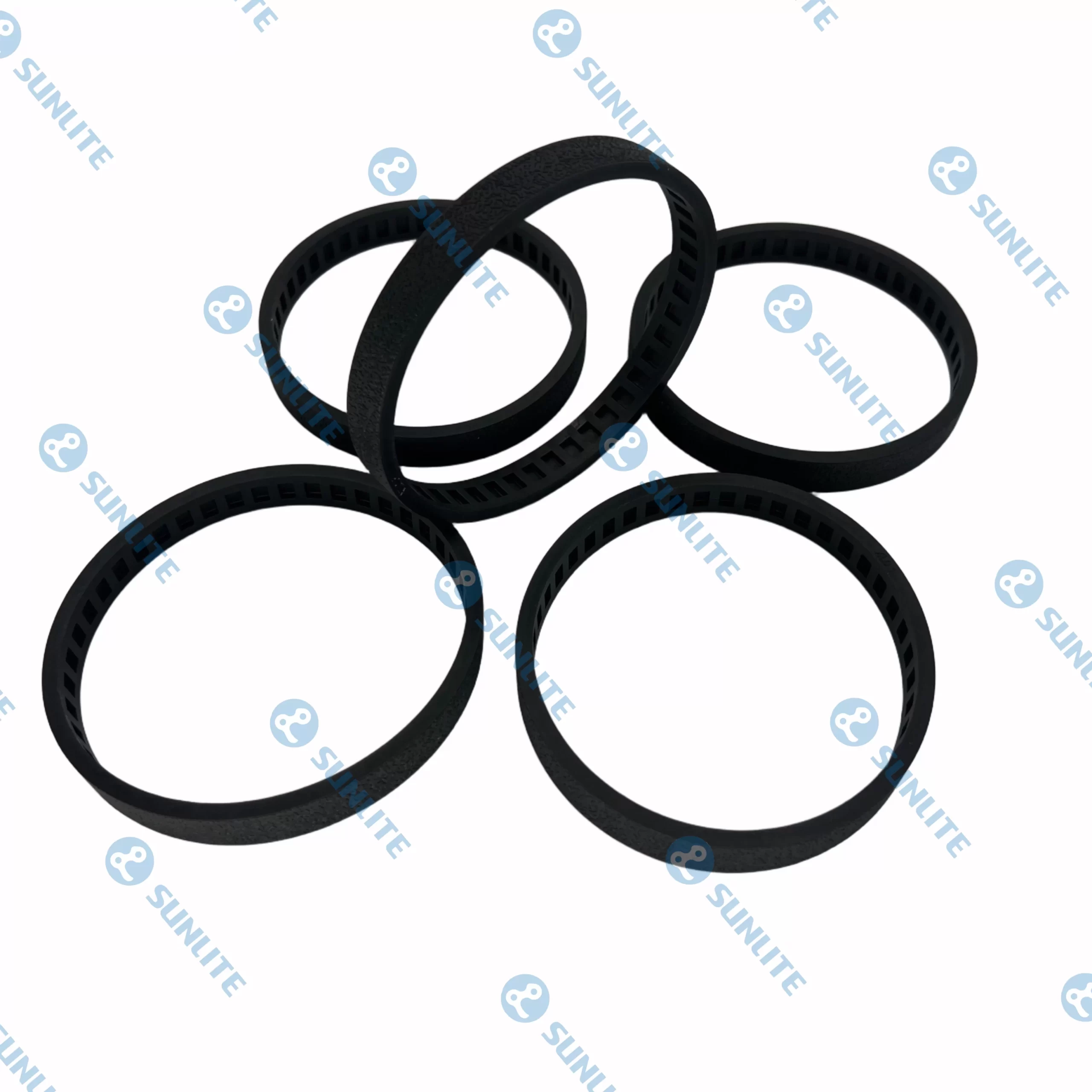
APPLICATION SCENARIOS
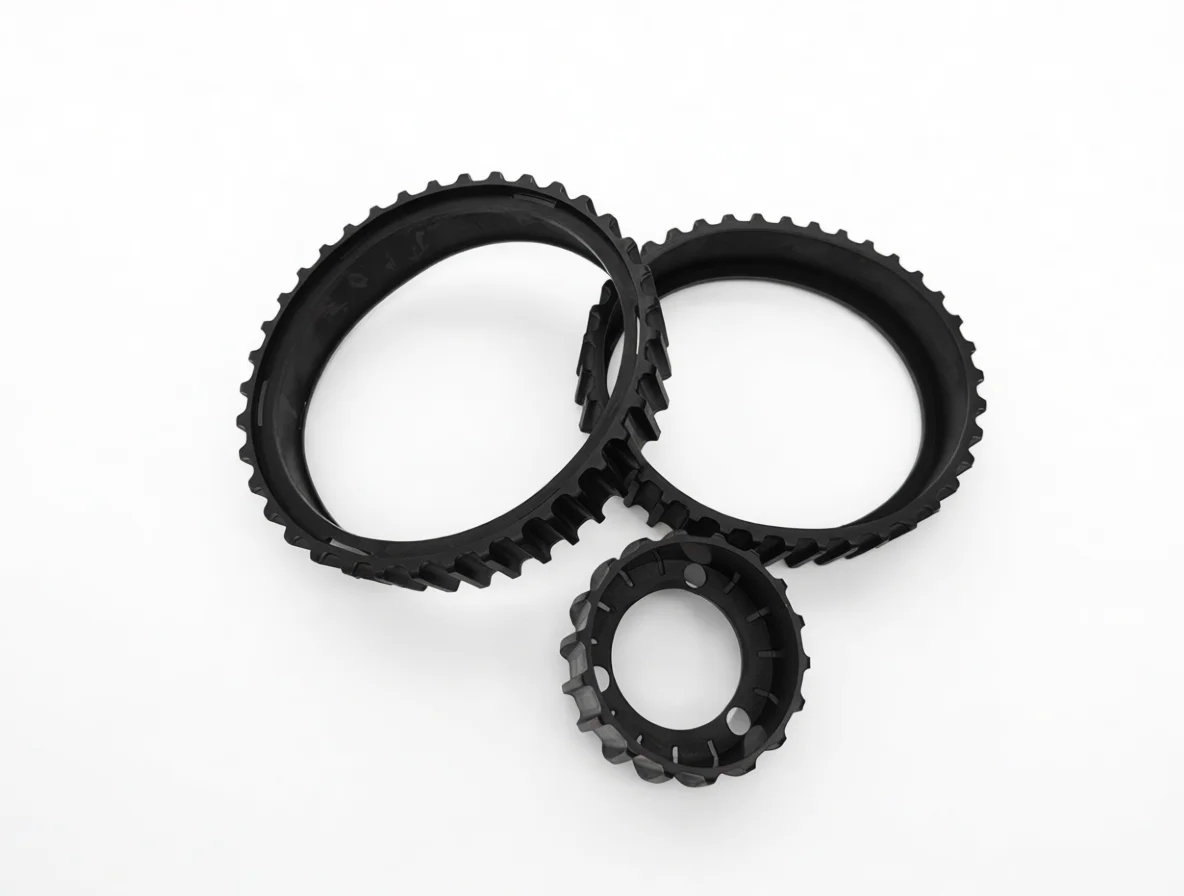
1. The rubber belt for power transmission between the motor and transmission device
2. Internal synchronous belt drive in the gearbox
3. Belt-driven grinders or polishers
4. Transmission connection in the speed control system
Product Description
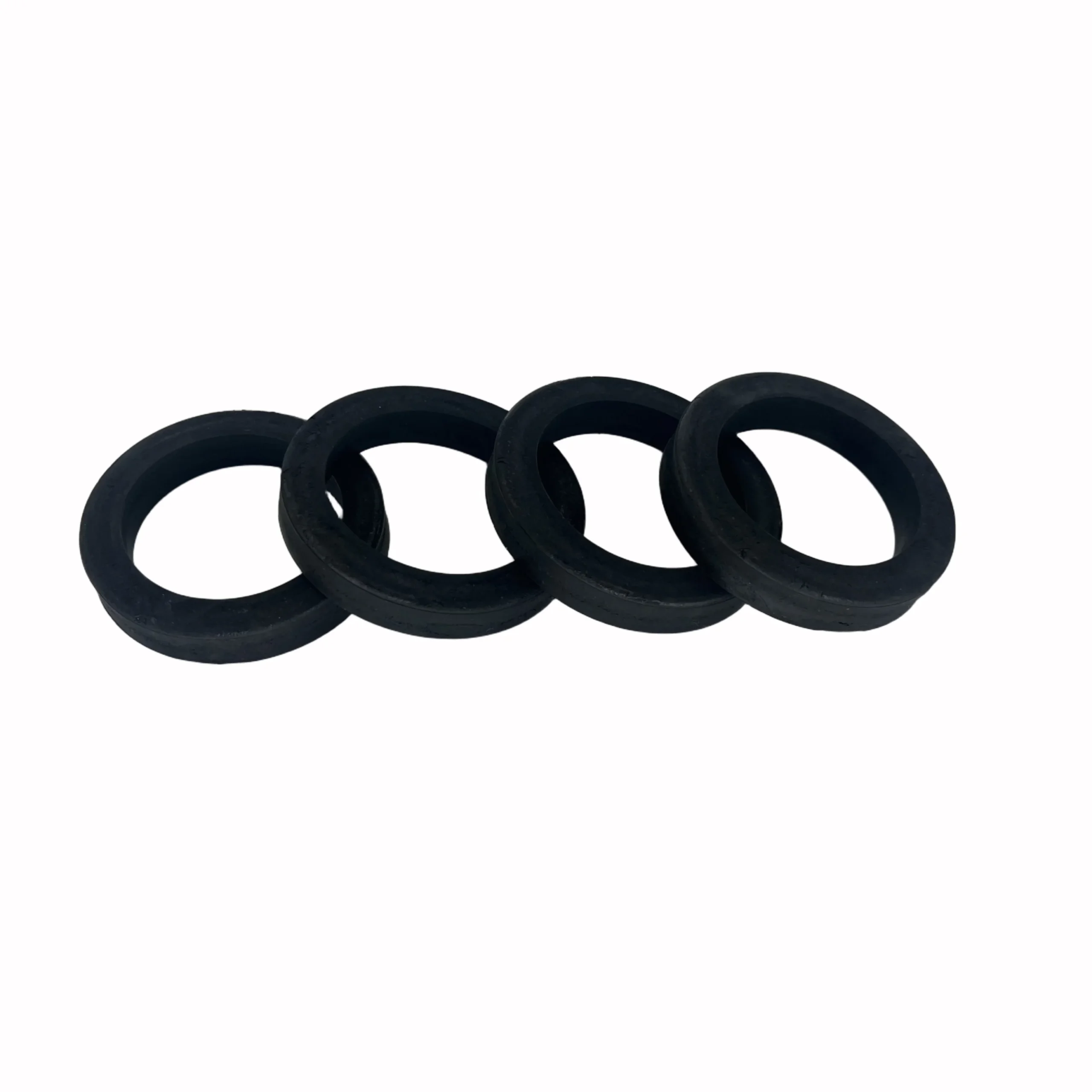
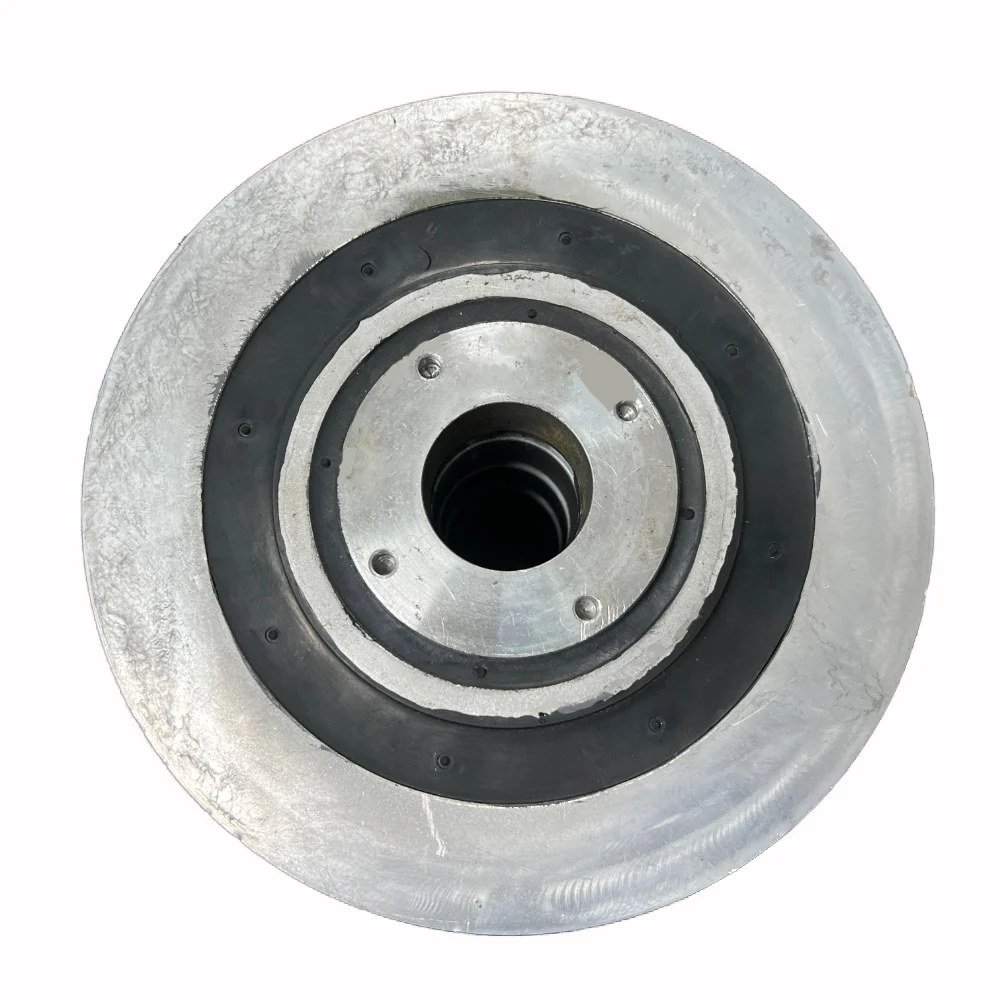
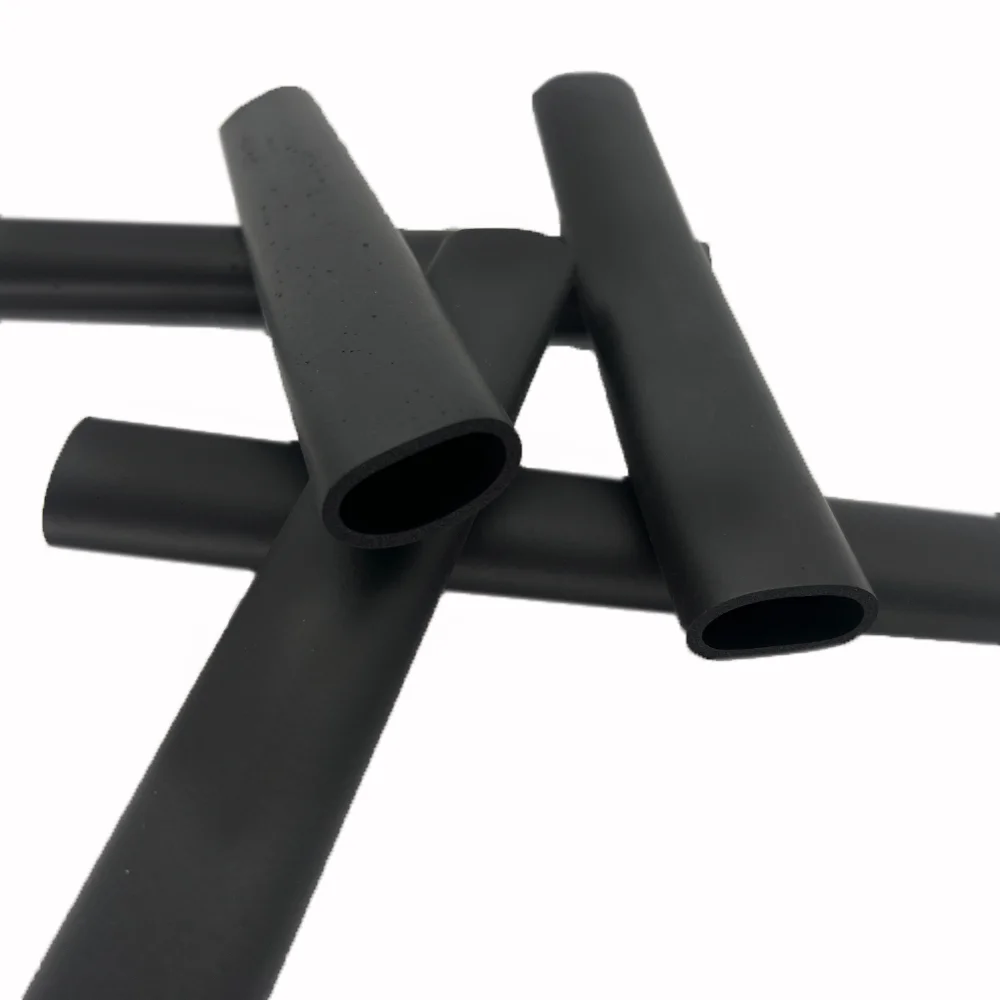
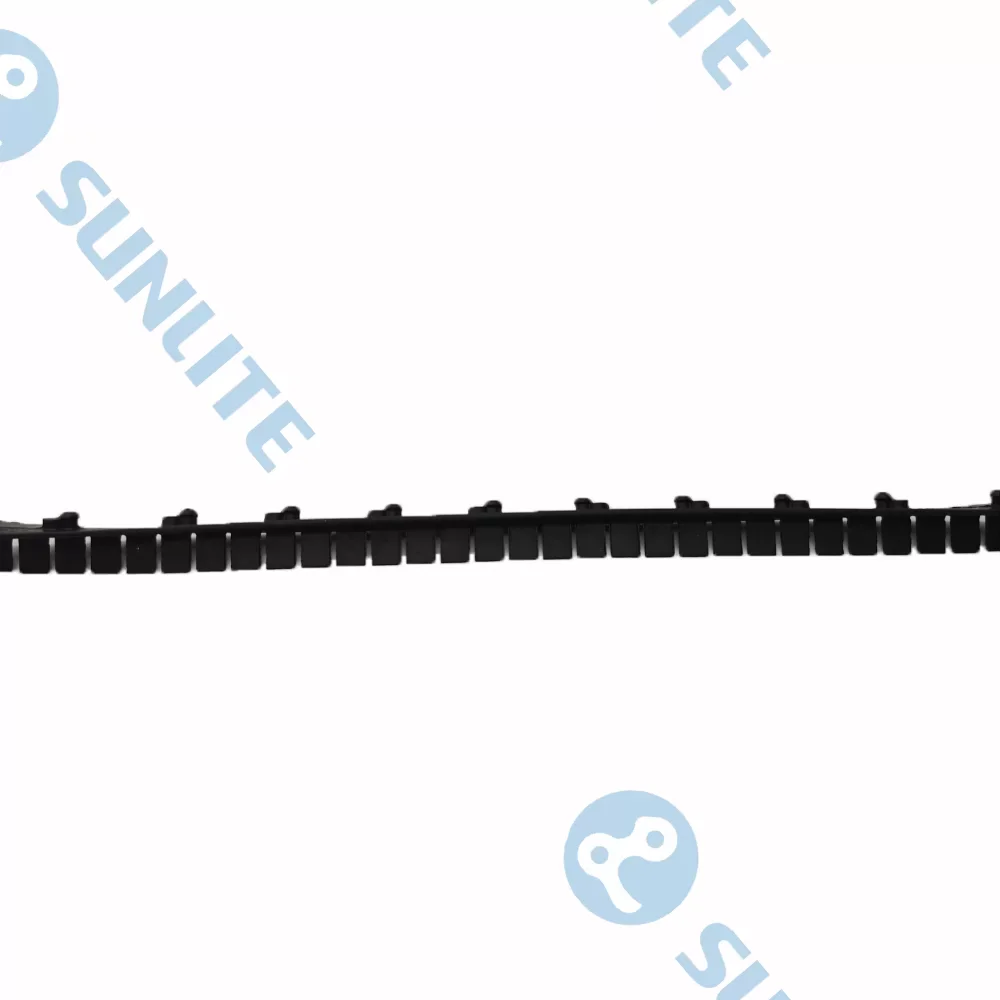
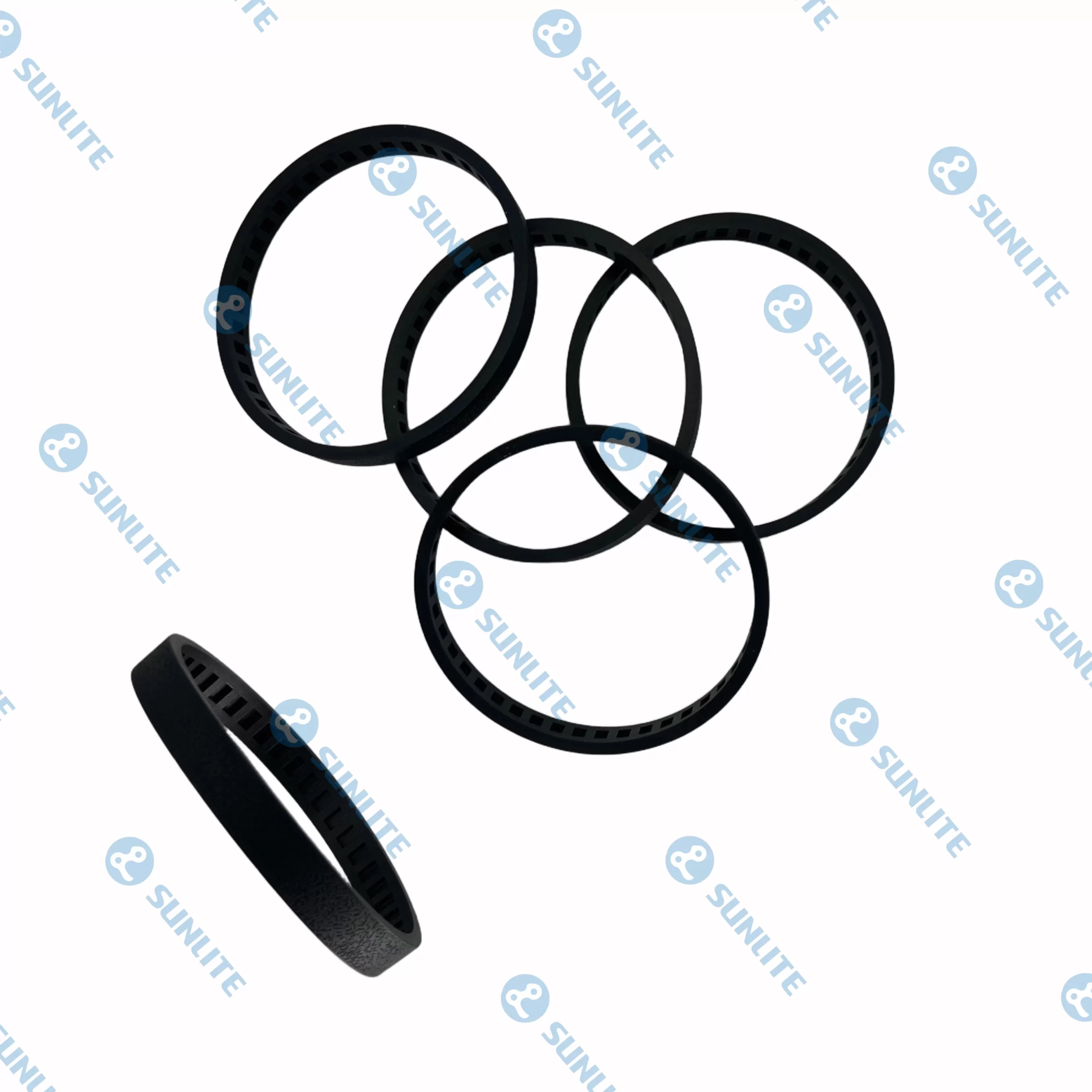
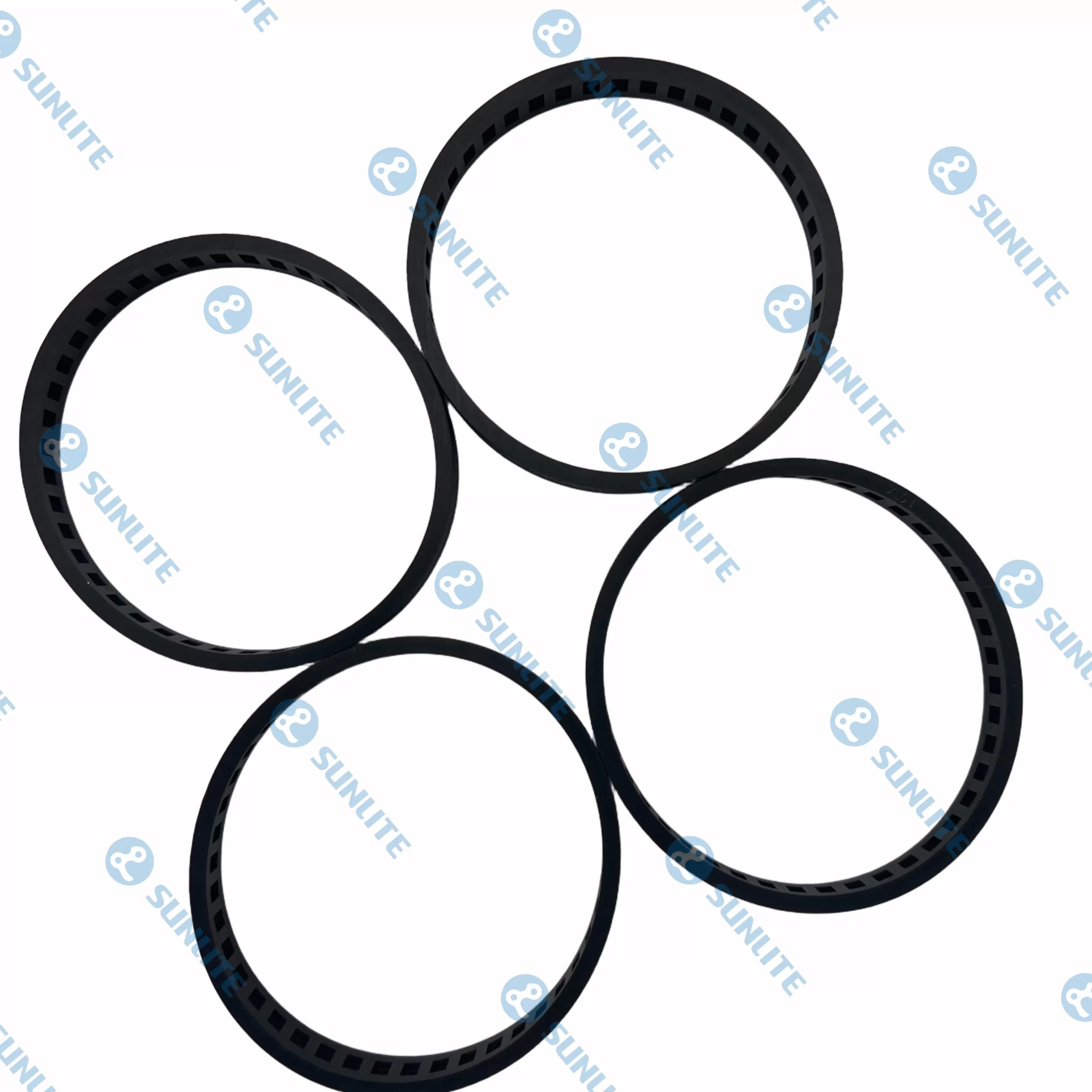
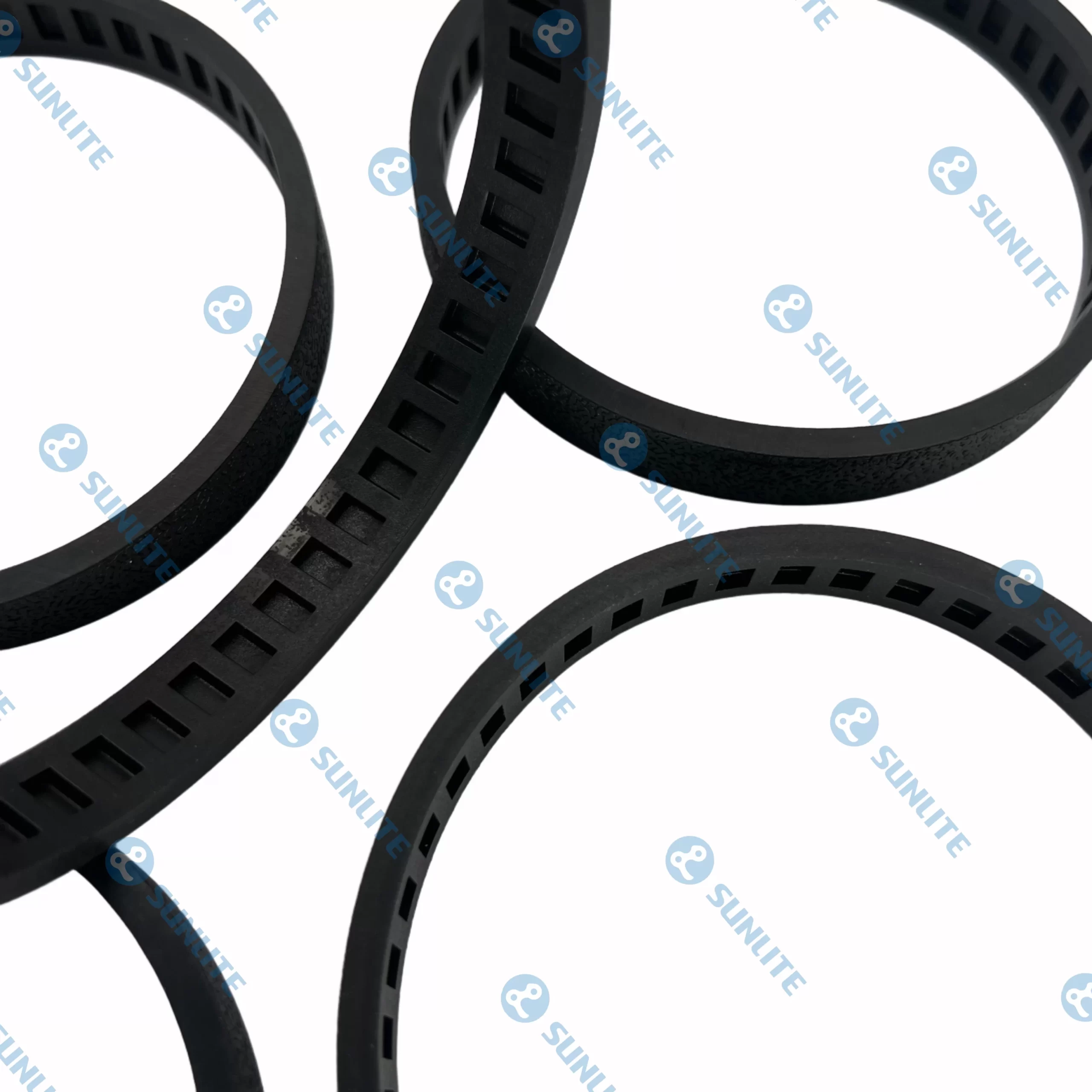
This series of ruber belt are mainly made of nitrile butadiene rubber (NBR). Through optimized reinforcement systems, anti-aging systems, and vulcanization systems, the tensile stress at a given elongation and adhesion stability of the material are significantly improved. Specifically designed for electric saw pulley coating applications, they can efficiently drive saw blade rotation through frictional force under high-speed conditions, maintaining stable operation for a long time. They feature excellent fatigue resistance and wear resistance, and support customization services.
PRODUCT FUNCTION
The belt Provides high tensile stress at a given elongation and low stress relaxation rate, ensuring tight fit with plastic wheels without detachment or slipping;
Utilize rubber friction for efficient transmission, driving electric saw blades to cut metal materials such as rebar at high speed;
Possess good fatigue resistance, wear resistance, and resistance to impact from cutting chips, extending service life;
Exhibit excellent mechanical stability and operational reliability under continuous high-speed rotation.
PERFORMANCE INDEX
100% tensile stress at elongation: >9 MPa;
Tensile strength: >24 MPa;
Right-angle tear strength: >50 N/mm;
Speed adaptability: Suitable for electric saw pulley speed of 580 SPM (revolutions per minute);
Stress relaxation performance: Low stress attenuation, no slippage during long-term use;
Fatigue life: Resistant to long-term cyclic loading, with no surface cracking;
Cutting chip resistance: Resistant to abrasion from metal chips, with no rubber peeling off when subjected to cutting.
APPLICATION AREA
The belt widely used in rubber-coated pulley structures of equipment such as electric saws, band saws, and metal cutting tools, they are suitable for high-speed transmission, friction-driven, and precision cutting operations. They are especially suitable for industrial-grade power tool environments requiring high tensile stress at a given elongation, high wear resistance, and non-slipping stability.
A Rubber Belt is a critical component widely used in industrial machinery, conveyor systems, automotive engines, agricultural equipment, and manufacturing environments. Known for its durability, flexibility, and superior load-bearing capability, the Rubber Belt delivers stable performance in both power transmission and material conveying applications. Its ability to maintain consistent friction, absorb vibration, and resist environmental wear makes it indispensable across heavy-duty and precision industries.
One of the main advantages of a high-quality Rubber Belt is its excellent mechanical strength. Industrial rubber formulations—such as natural rubber, nitrile rubber (NBR), EPDM, neoprene, or polyurethane—provide exceptional tensile strength and elongation properties. Reinforced layers using fabric cords, steel wires, or aramid fibers enhance the belt’s structural stability, ensuring minimal stretching and long-term service life in demanding working conditions.
In power transmission systems, the Rubber Belt ensures efficient torque transfer between pulleys while minimizing noise and vibration. This is essential for equipment such as compressors, pumps, fans, agricultural machinery, and automotive engines. By cushioning mechanical impacts and reducing slippage, the belt supports smoother operation and helps extend the lifespan of rotating components.
For conveyor applications, the Rubber Belt plays a critical role in steady and safe material handling. It is suitable for transporting bulk materials including coal, gravel, grains, chemicals, packaging goods, and electronic components. Depending on industry requirements, belts can be designed with anti-static properties, heat resistance, oil resistance, abrasion resistance, flame retardancy, or food-grade certification.
Another strength of the Rubber Belt is its adaptability to diverse working environments. It performs reliably under high temperatures, low temperatures, high humidity, dusty factories, or outdoor agricultural conditions. The belt’s surface texture can be customized—smooth, patterned, ribbed, or cleated—to improve traction and material stability during conveying.
Customization options are extensive: width, thickness, joint type, reinforcement layer, hardness, and surface pattern can all be tailored to specific machinery or industry needs. This ensures compatibility with automated production lines, mining conveyors, logistics equipment, and precision manufacturing systems.
Overall, the Rubber Belt remains a vital industrial component that combines high durability, excellent performance, and broad application versatility. Its efficient energy transfer, stable conveying ability, and strong environmental resistance make it a cost-effective and dependable solution for modern industry.
The Rubber Belt is engineered to provide superior reliability and long-lasting performance in both industrial and commercial environments where continuous operation is essential. Designed to withstand heavy loads, repetitive motion, and harsh operating conditions, the Rubber Belt ensures stable mechanical performance, making it a core component in conveyor systems, automated assembly lines, mining operations, and transportation equipment.
A key benefit of the Rubber Belt lies in its exceptional wear resistance. Advanced rubber compounds are formulated to resist abrasion from rough materials, frictional heat generated during movement, and repeated mechanical stress. This significantly reduces maintenance frequency, which is especially crucial for industries that operate 24/7, such as logistics centers, mining facilities, and manufacturing plants.
In conveyor applications, the Rubber Belt ensures smooth and continuous material flow. Its flexibility allows it to bend over pulleys without cracking, while its strong reinforcement layers maintain structural integrity under high tension. Whether transporting raw minerals, construction materials, packaged goods, or agricultural products, the belt provides dependable performance even under extreme loading conditions.
The Rubber Belt also excels in vibration damping and noise reduction, making it ideal for power transmission systems that prioritize stability and quiet operation. In automotive and mechanical environments, the belt supports engine components, alternators, air-conditioning compressors, and various belt-driven mechanisms with consistent tension and reduced slippage.
Environmental resistance is another major strength. Rubber Belts can be equipped with:
Heat-resistant coatings for high-temperature environments
Oil and chemical-resistant formulations for manufacturing and chemical processing
Cold-resistant rubber for outdoor or low-temperature operations
Anti-static properties to comply with safety standards in electronics and mining
Additionally, the surface profile of the Rubber Belt can be customized—such as diamond patterns, chevron patterns, rough top textures, or ribbed finishes—to enhance grip and improve carrying stability.
Many manufacturers also offer endless belts, open-end belts, perforated belts, and food-grade belts to meet specialized technical requirements. This ensures compatibility across diverse industries including food processing, logistics automation, CNC machinery, textiles, packaging, and large-scale industrial transport systems.
In summary, the Rubber Belt stands out as a robust, efficient, and versatile industrial belt solution that enhances productivity, ensures system stability, and reduces maintenance downtime. Its wide adaptability and performance reliability make it an essential component across modern industrial operations.