 Select Language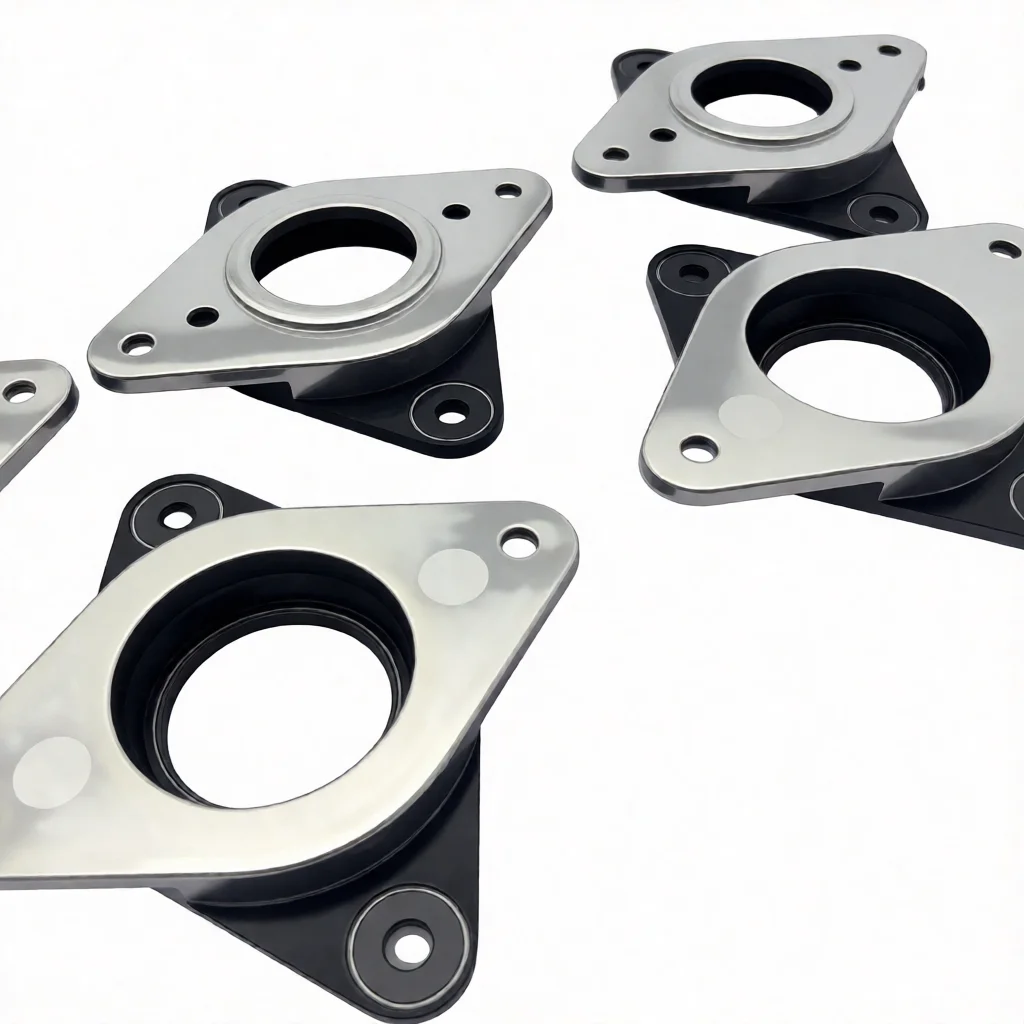
APPLICATION SCENARIOS
Motor transmission vibration damping
Product Description
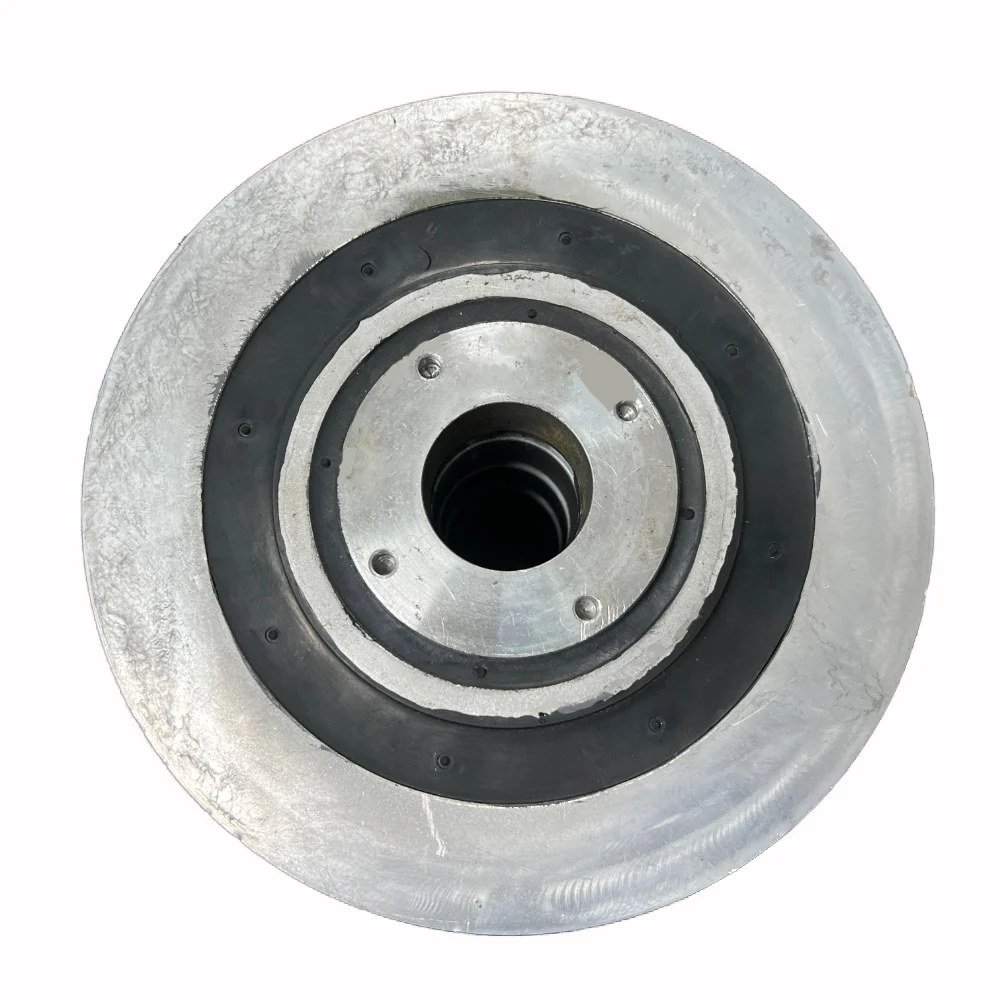
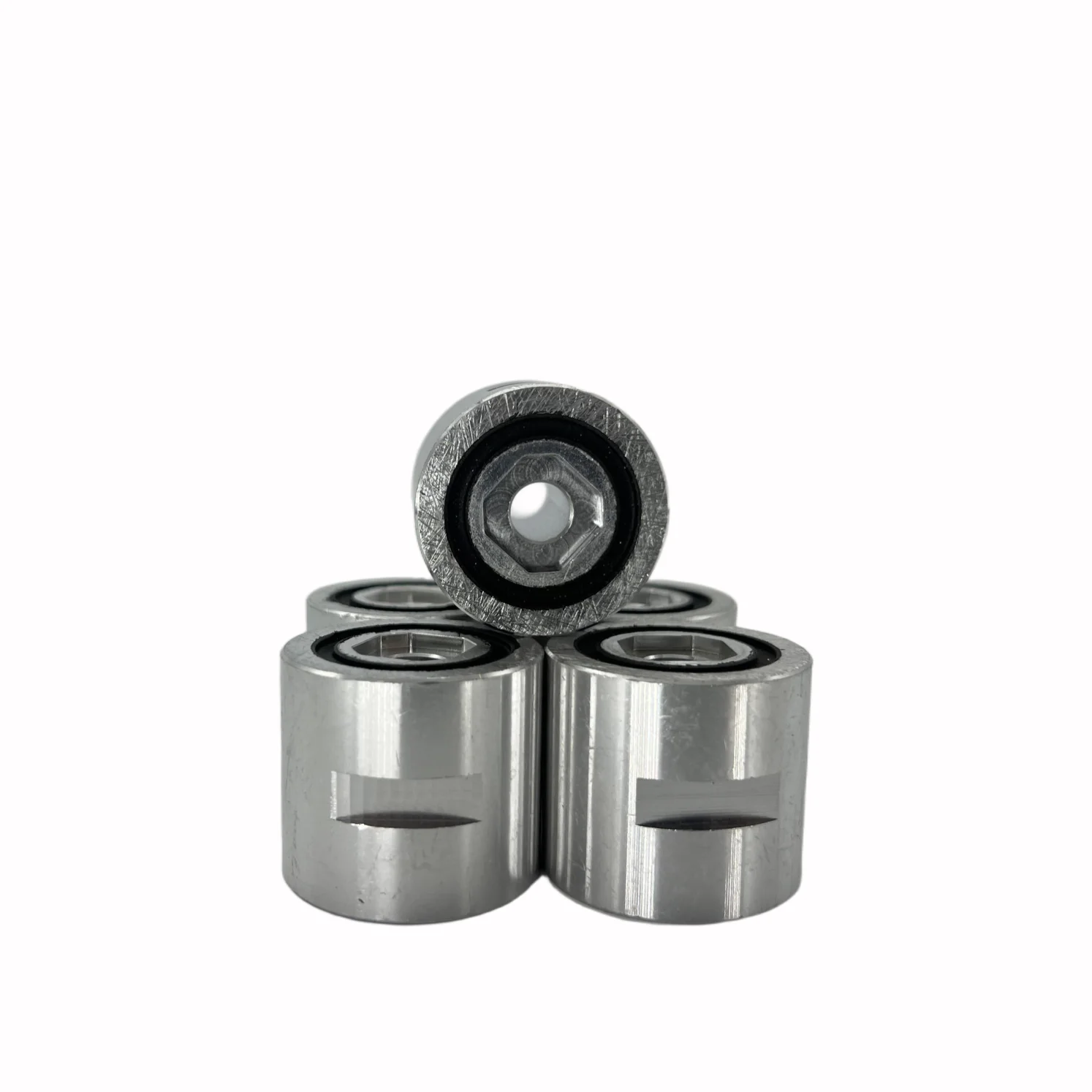
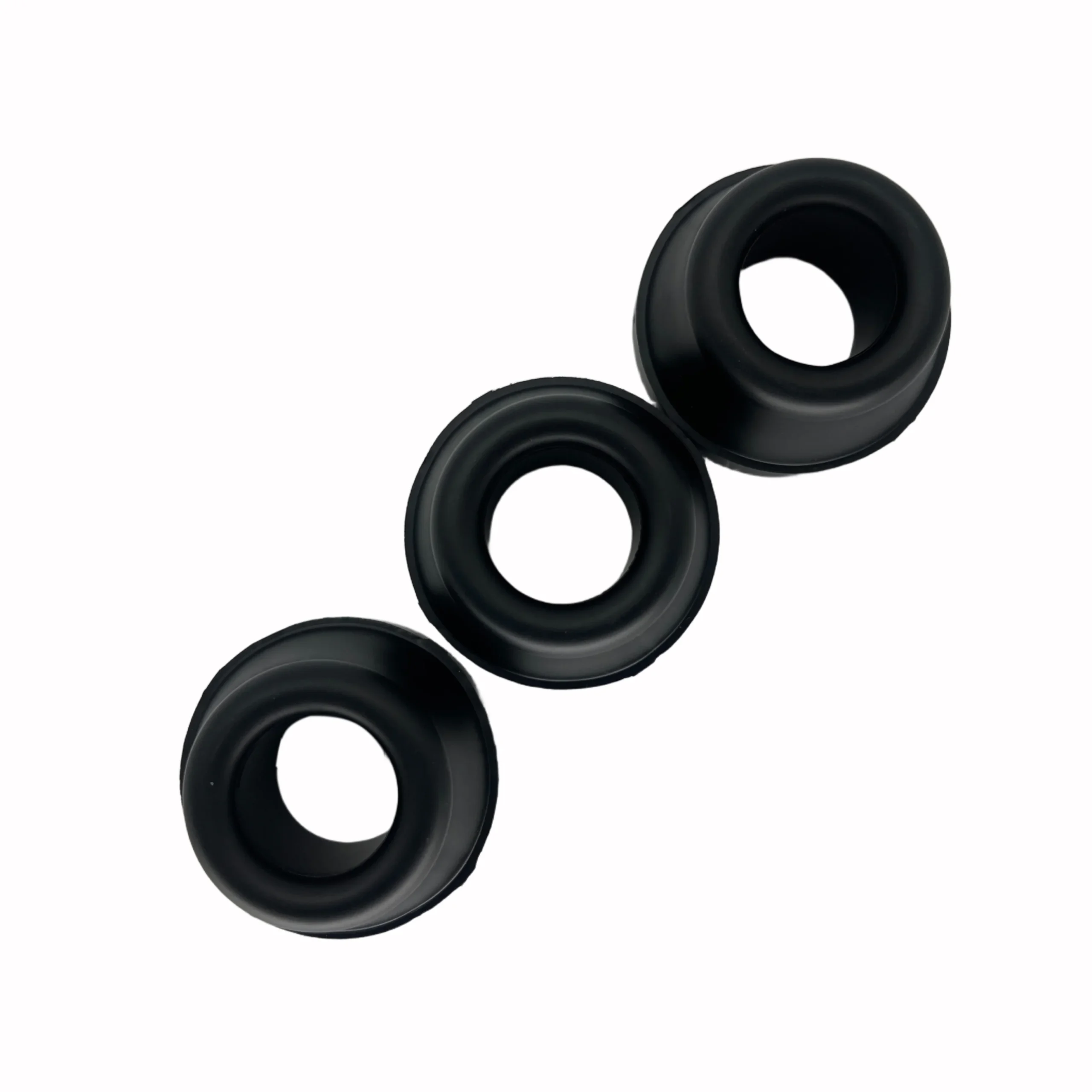
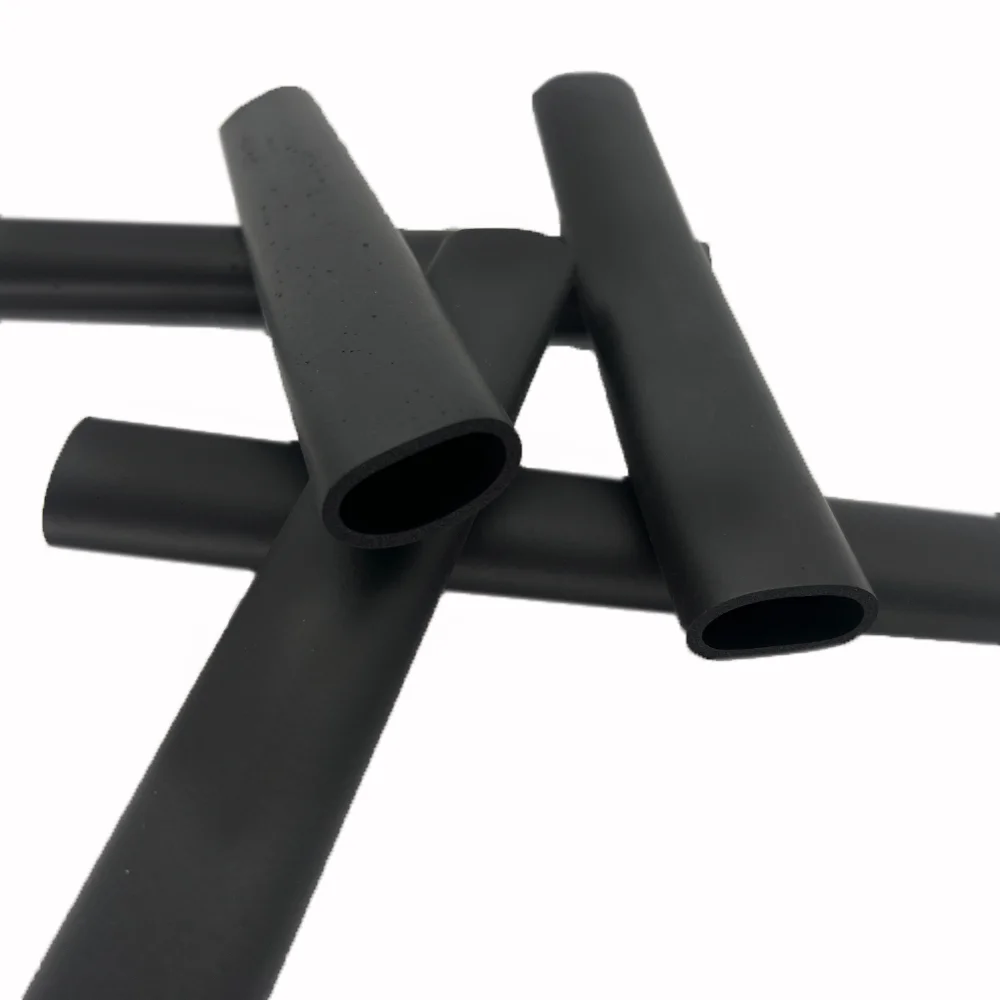
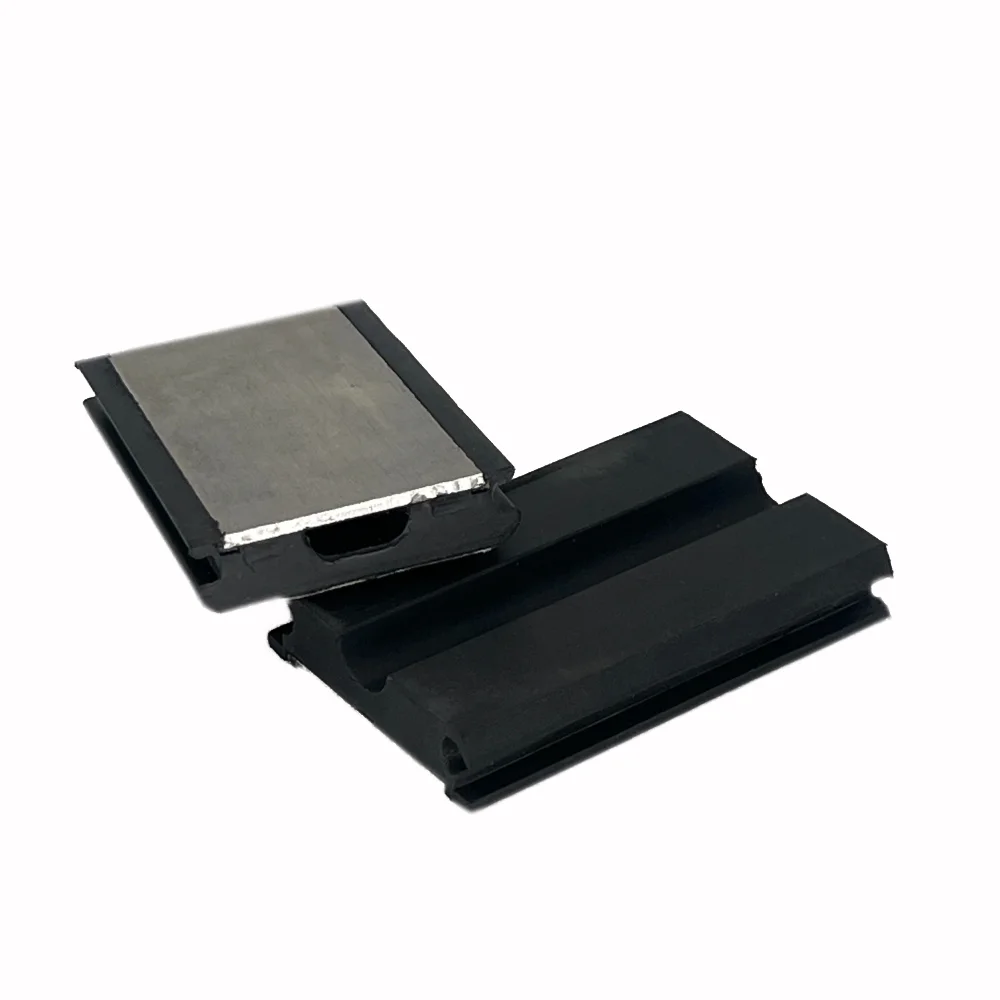
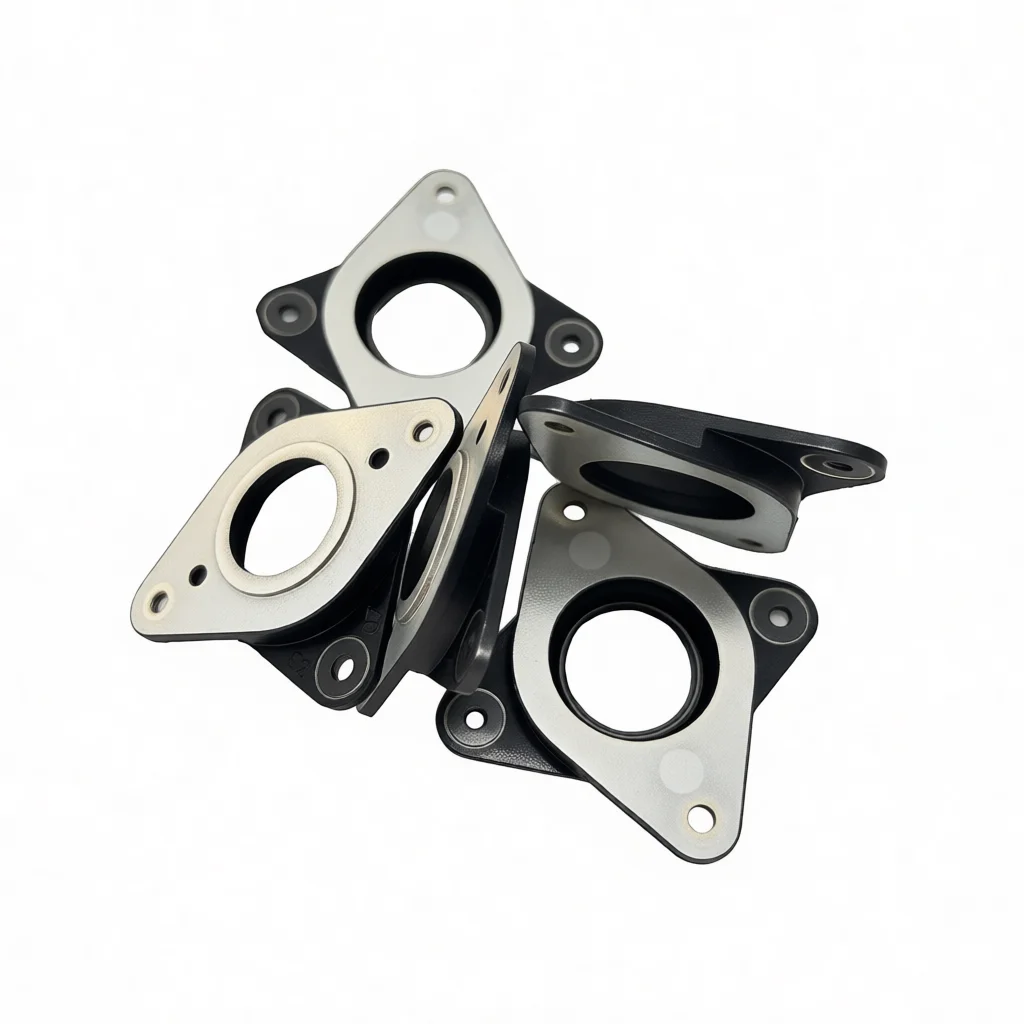
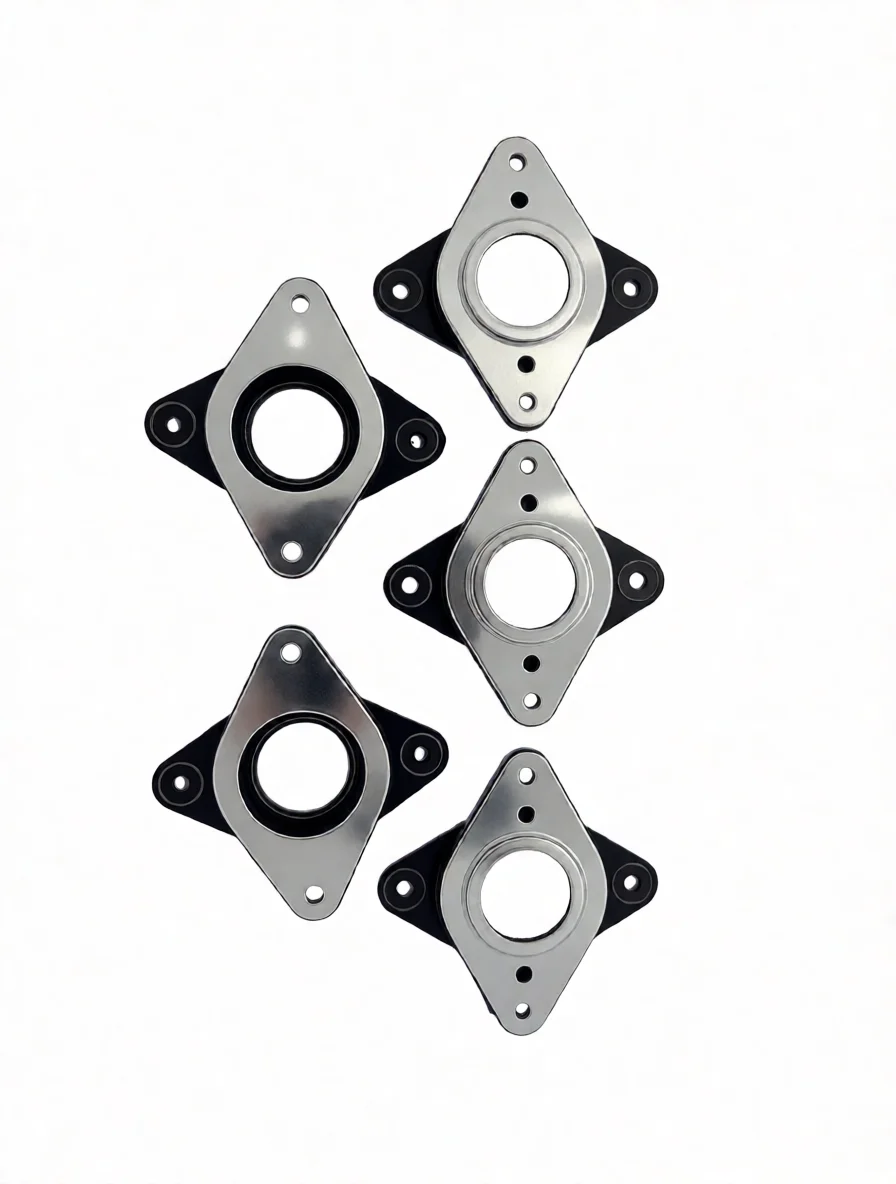
This series of rubber vibration isolation mounts are made of heat-resistant nitrile rubber (NBR) and SECC metal skeleton composite moulding, featuring excellent structural stability and vibration isolation capabilities. They are key components in mechanical equipment vibration control systems. The products have high elastic modulus, excellent vibration absorption and noise reduction capabilities, and impact resistance, making them suitable for a variety of industrial applications. Customisation services are available.
PRODUCT FUNCTION
This rubber vibration isolation mount effectively absorbs impact loads and torsional vibrations generated during mechanical operation, improving the stability and comfort of equipment operation. The rubber layer is firmly bonded to the metal skeleton, combining high-strength support with high-elasticity cushioning performance. It offers excellent heat resistance, oil resistance, and long-term fatigue resistance, making it suitable for vibration control requirements in high-frequency or heavy-load operating conditions.
PERFORMANCE INDEX
Rubber material: Nitrile rubber (NBR)
Metal skeleton: SECC electro-galvanised steel plate
Elastic modulus: High elastic modulus with excellent deformation recovery capability
Impact resistance: Can absorb multiple high-frequency impact loads with stable damping performance
Bond strength: Rubber and metal skeleton are firmly bonded, with excellent resistance to delamination and peeling
Temperature resistance: Can withstand high-temperature conditions with good thermal stability
APPLICATION AREA
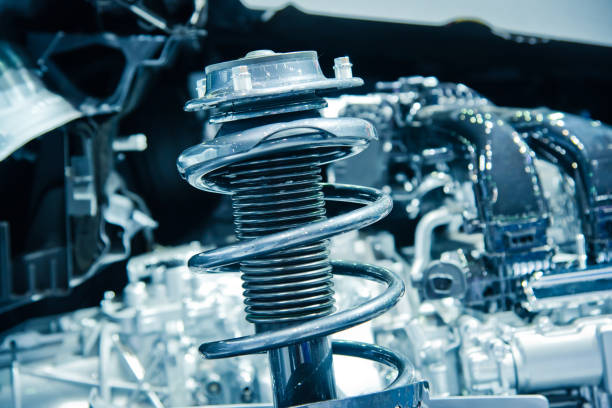
This series of rubber vibration isolation mounts is widely used in CNC equipment, industrial automation equipment, precision instruments, machine tools, power systems, automotive chassis components and other fields to absorb vibration and impact loads, prevent vibration transmission, and improve equipment service life and operational stability.
The stepper motor vibration isolation mount is an indispensable component in high-precision CNC machinery, where stability and minimal vibration transmission are paramount to achieving tight tolerances and superior surface finishes. CNC equipment, which includes machine tools and precision instruments, relies on the accurate, incremental movements of stepper motors for positioning and driving cutting tools. However, these motors inherently generate impact and torsion vibration, particularly during high-frequency operation and rapid changes in direction. The vibration isolation mount is specifically engineered to mitigate these disturbances.
Its primary application is motor transmission vibration damping. In CNC machinery, any vibration originating from the motor must be prevented from propagating through the machine frame to the cutting tool or the workpiece. The mount, constructed from NBR and SECC metal skeleton composite moulding, acts as a highly effective buffer. The NBR composite vibration-reducing rubber mount utilizes its high elastic modulus to absorb the high-frequency energy and mechanical shock produced by the stepper motor's pulsed operation. This absorption function is crucial because uncontrolled vibration directly leads to chatter marks, reduced cutting efficiency, and accelerated wear on expensive machine components.
The mount's design ensures structural stability while providing high-elasticity cushioning performance. This allows the stepper motor to remain rigidly secured (via the metal skeleton) relative to the machine structure, while the NBR layer isolates the vibrational energy. This combination is essential for maintaining the precision required in CNC applications. The mount is key to preventing vibration transmission, thereby preserving the equipment's service life and significantly improving the operational stability of the entire system. Applications extend across various components within the CNC machine, including power systems and critical motion control modules, where effective damping ensures repeatable, accurate motion control. The mounts are key components in the overall mechanical equipment vibration control systems, enabling the machinery to operate under heavy-load operating conditions without compromising precision.
The stepper motor vibration isolation mount plays a critical role in enhancing noise reduction within industrial automation systems by addressing the fundamental source of structure-borne noise: mechanical vibration. Stepper motors are ubiquitous in automation equipment for their precision in positioning, but their pulsed nature and rapid start-stop cycles inherently generate significant vibrational energy, which radiates as audible noise when transmitted through the rigid frames of the machinery.
The mount is specifically designed to prevent this vibrational energy from entering the main structure. It achieves this using a composite design that provides vibration absorption and noise reduction capabilities. When the stepper motor operates, the impact loads and torsional vibrations generated are first channeled into the highly elastic NBR composite vibration-reducing rubber mount. The rubber's viscoelastic properties efficiently dissipate this mechanical energy as negligible heat rather than allowing it to transmit as structural vibration (noise).
This is achieved through the mount's core function of damping, which significantly improves the stability and comfort of equipment operation. In many industrial environments, excessive noise is not just a comfort issue; it can be a safety concern and may violate workplace noise regulations. By isolating the motor's vibration, the mount effectively lowers the noise footprint of the entire automation system, making it suitable for deployment in quieter environments or for meeting stringent operational standards.
Furthermore, the mount’s material resilience ensures its noise reduction capabilities are long-lasting. Featuring heat resistance, oil resistance, and long-term fatigue resistance, the mount maintains its high elastic modulus and stable damping performance over time, even in challenging industrial settings that involve high-frequency or heavy-load operating conditions. This durability guarantees that the noise reduction benefit persists throughout the equipment’s service life. The mount is, therefore, a key component not only for protecting equipment but also for creating a quieter, more stable working environment for automation personnel.
The use of NBR and SECC metal skeleton composite moulding provides decisive structural advantages for the stepper motor vibration isolation mount, ensuring optimal performance in vibration control systems. This integrated design allows the mount to simultaneously fulfill the conflicting requirements of high-strength support and high-elasticity damping.
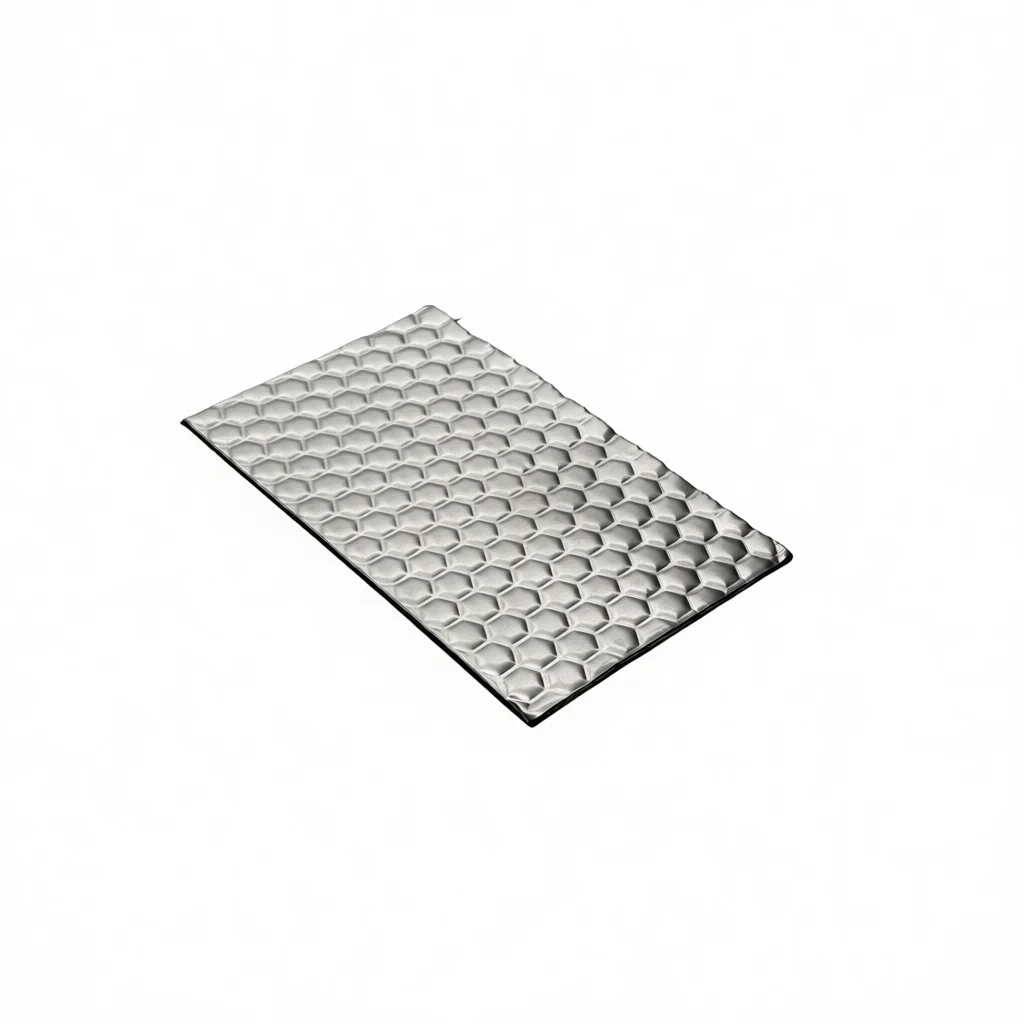
The SECC metal skeleton, typically made from electro-galvanized steel plate, provides the necessary high-strength support and rigid interface for mounting the stepper motor to the machine frame. The metal component ensures the motor is securely held, preventing large-scale movement or alignment shifts that would compromise the precision of the mechanical equipment. It is the backbone that maintains the positional accuracy of the motor drive system.
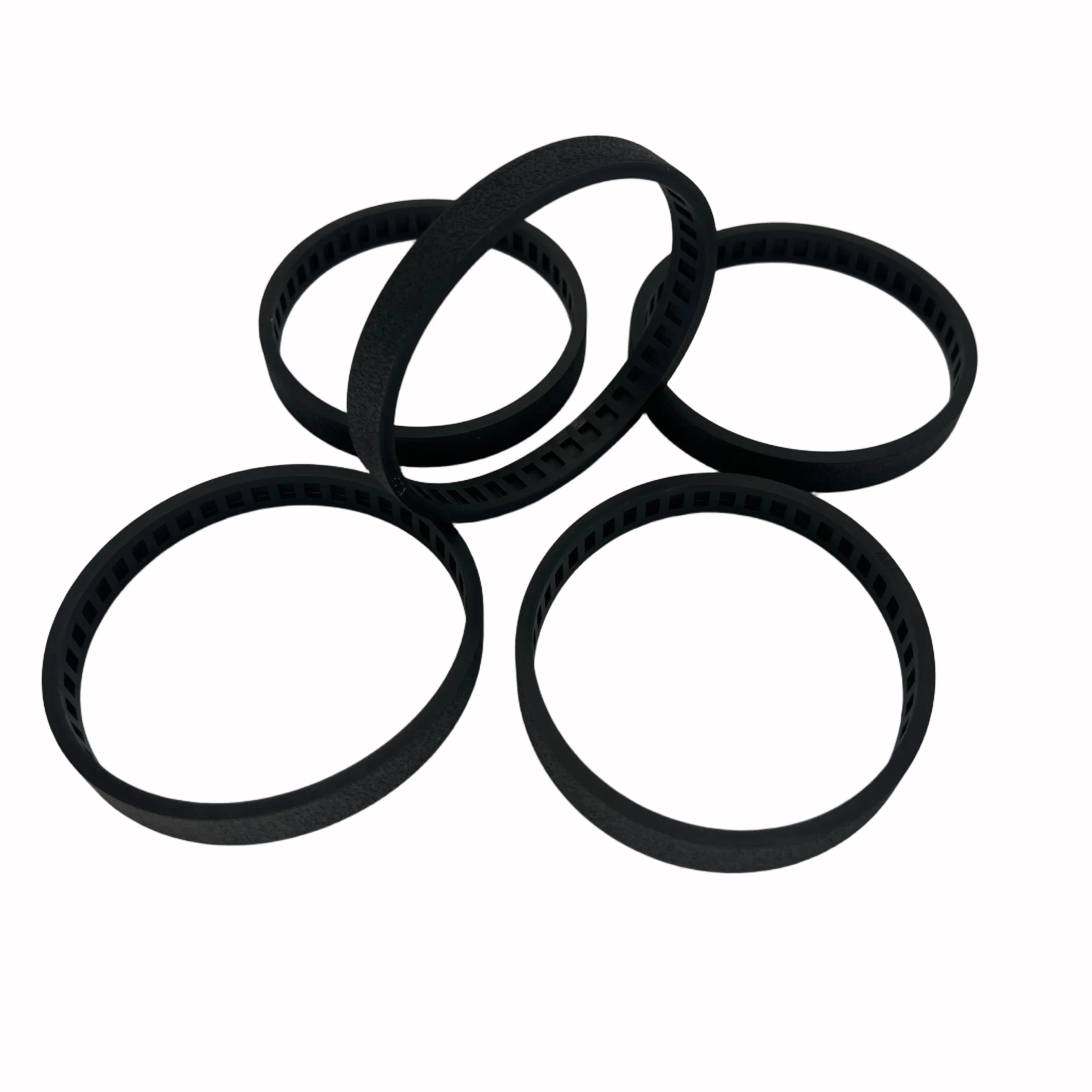
The NBR composite vibration-reducing rubber mount provides the damping function. NBR (nitrile rubber) is a specialized elastomer chosen for its heat resistance, oil resistance, and high elastic modulus. This combination allows the rubber layer to absorb impact loads and torsional vibrations with stable damping performance without degrading or suffering permanent deformation, even under high-temperature or heavy-load operation.
The critical advantage lies in the integration method: metal skeleton integrated moulding. This process ensures the rubber layer is firmly bonded to the metal skeleton. The bond strength is engineered to provide excellent resistance to delamination and peeling, even when subjected to multiple high-frequency impact loads and continuous operational stress.
This firm mechanical bond ensures that the damping properties of the rubber are fully transferred and utilized to isolate the vibration, while the rigidity of the metal structure remains uncompromised.
This structural synergy—rigid mounting (metal) combined with highly elastic cushioning (NBR) via a robust bond—makes the stepper motor vibration isolation mount a durable, high-performance component essential for improving equipment service life and operational stability in demanding applications like CNC equipment and industrial automation equipment.