 Select Language


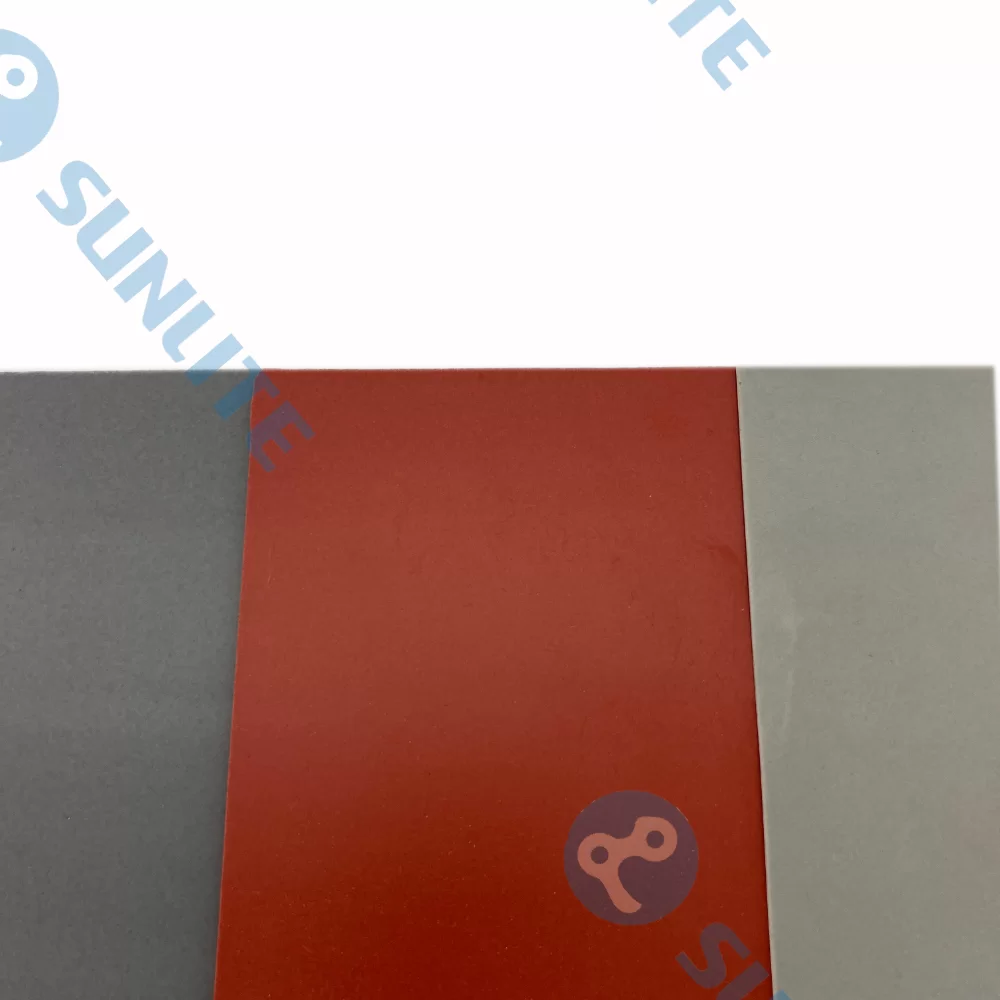
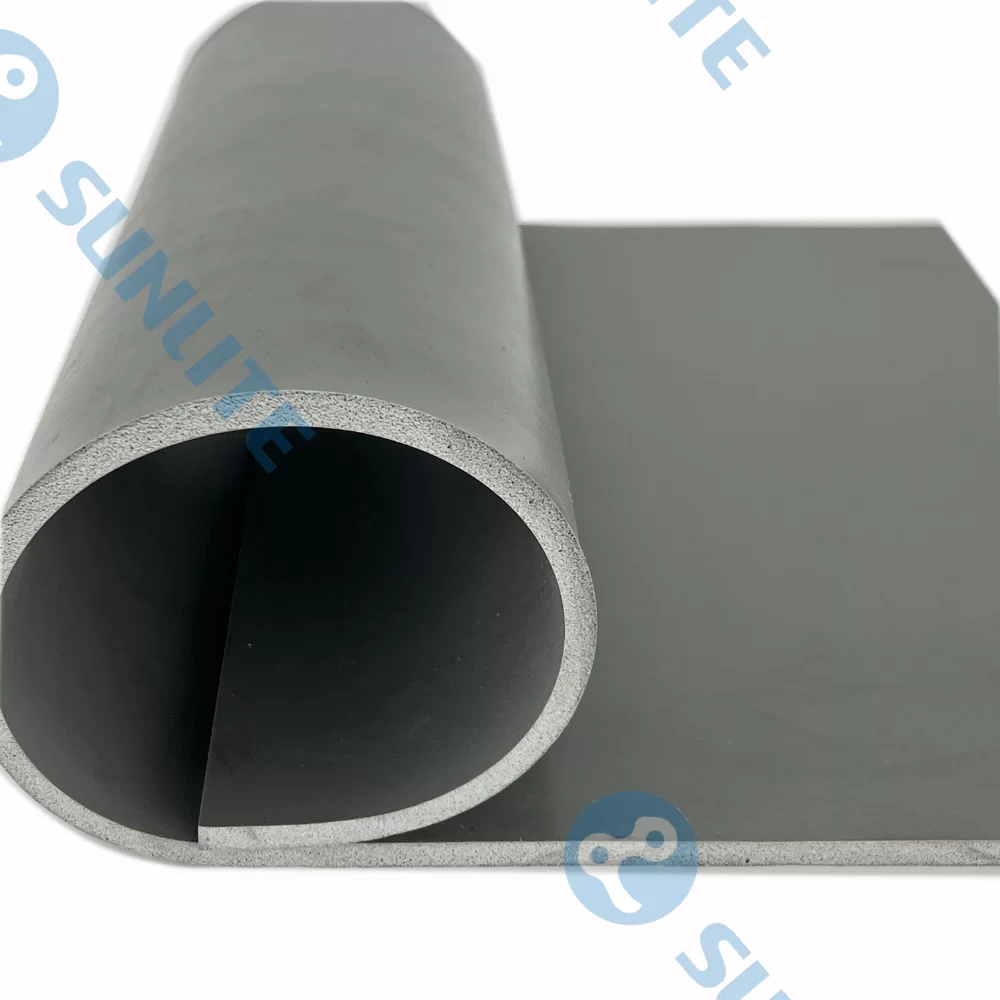
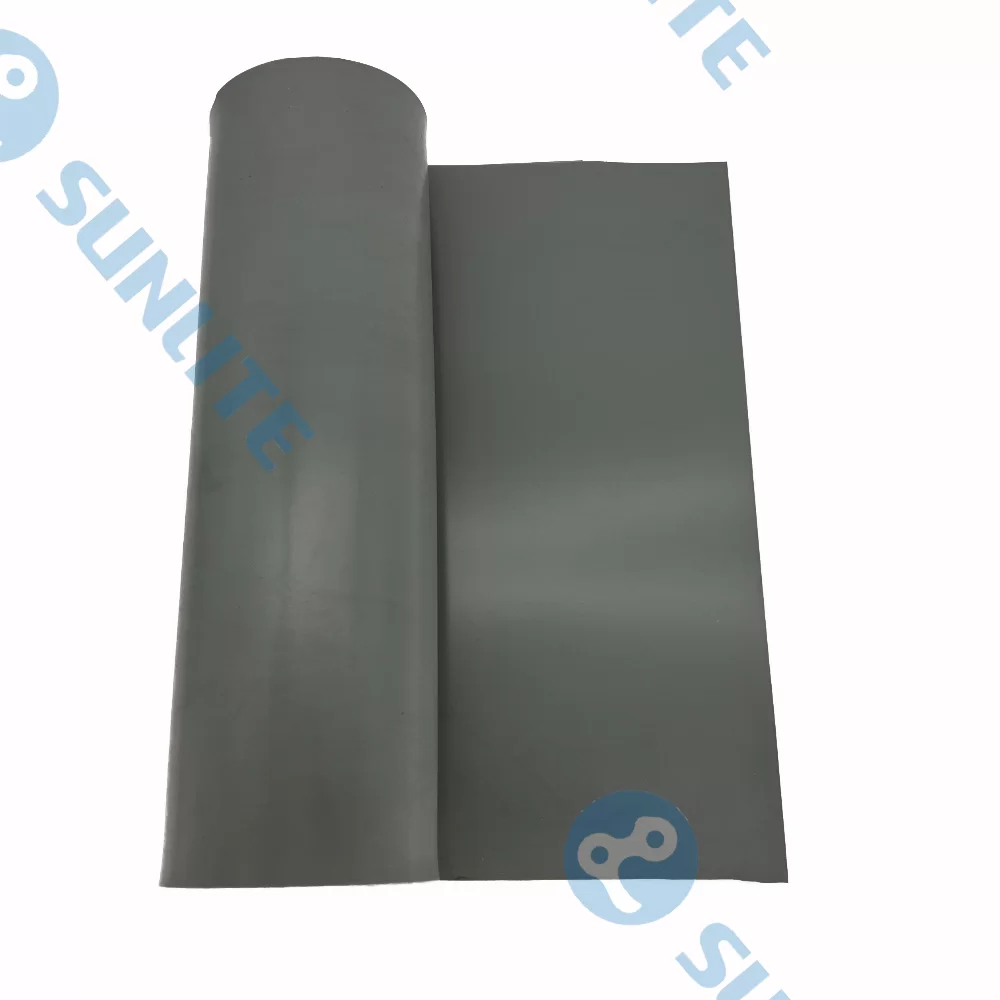
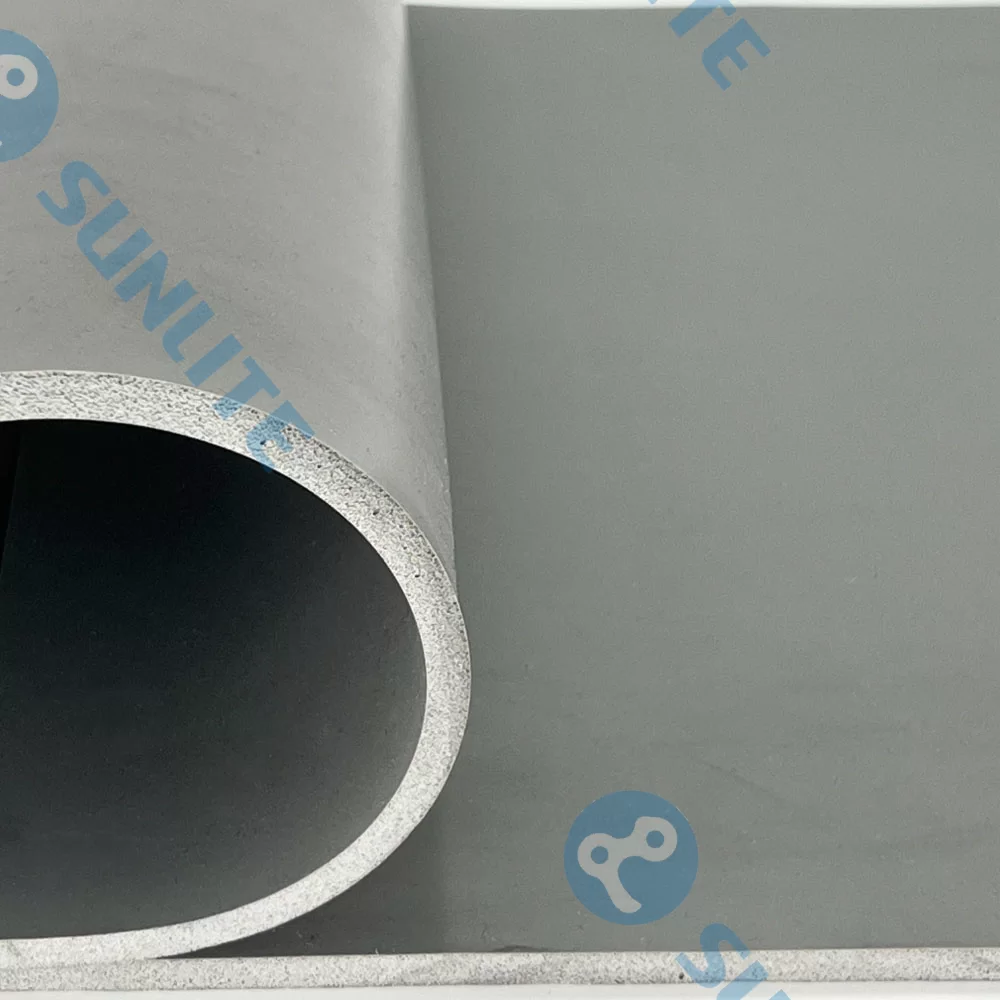
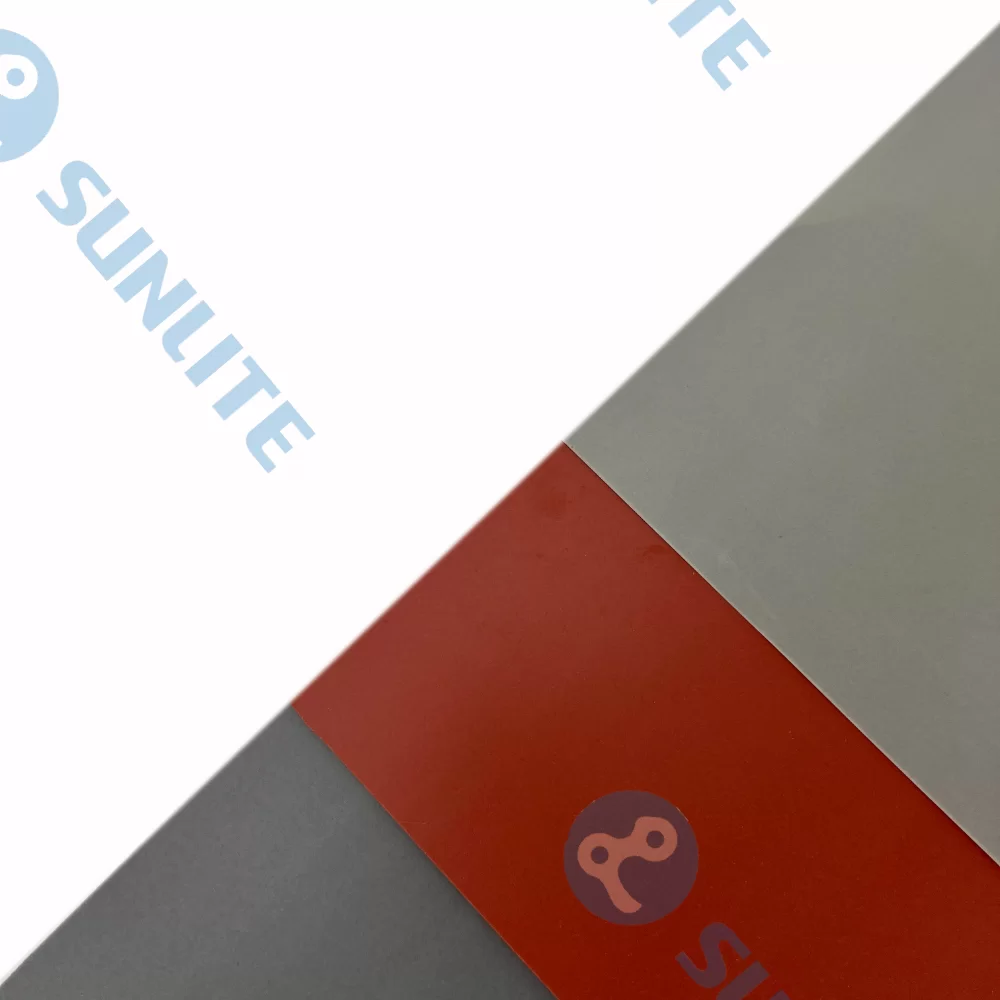
Our premium Vibration Damping Mats are engineered from advanced liquid silicone foam, designed to provide superior structural load reduction and vibration isolation for the most demanding industrial and transport environments. By utilizing a precise liquid foaming process, these mats achieve a critical balance between ultra-low density and exceptional mechanical stability, making them ideal for applications where weight reduction is as vital as performance.
Specifically developed for high-reliability sectors such as rail transit, aerospace, and new energy vehicles, these mats ensure permanent sealing and vibration buffering even under extreme thermal stress. With certifications including EN45545-2 HL3 and REACH, our solution offers an uncompromising combination of fire safety, environmental compliance, and long-term durability for critical infrastructure and precision equipment.
| Density Range | 330-370 kg/m³ (±3% tolerance) | Fire Rating | EN 45545-2 HL3 (R24-R29 compliant) |
|---|---|---|---|
| Temperature Range | -55℃ to 200℃ | Service Life | Continuous service > 10 years |
| Compression Set | < 1% (70℃ × 22h) | Rebound Rate | ≥ 90% (ASTM D1054) |
| Tear Strength | ≥ 8 kN/m | Deformation Recovery | > 99% after 100k cycles |
| Compliance | REACH, RoHS 2.0, TB/T 3139 | Weight Advantage | 40% reduction vs. EPDM |
Complies with EN45545-2 HL3, the highest rail vehicle fire protection level, with 50% lower smoke toxicity than standard limits.
Maintains elasticity at -55℃ and resists hardening at 200℃, with less than 5% degradation after thermal aging.
Exceptional compression set (<1%) ensures the material recovers its shape fully, preventing structural noise over time.
Ultra-low density reduces equipment load by 40% compared to EPDM, enhancing fuel and battery efficiency.
Versatile application from EV battery trays and high-speed rail to aerospace engine compartments and cleanrooms.
Fully certified under EU REACH, RoHS 2.0, and TB/T 3139 standards for environmental and health safety.
Optimized buffering for battery compartments to protect cells from road impact and cyclical stress.
High-performance sealing for high-speed rail doors and fireproof electrical cabinets.
Lightweight vibration-damping pads for avionics and high-temperature engine sealing.
Specialized gaskets for reaction kettles and semiconductor cleanroom door seals.
Reduction of structural noise at chassis connections and enhancement of cab riding comfort.
Pressure-resistant sealing for deep-sea exploration and geothermal power pipelines.
| Feature | Traditional EPDM | Our Silicone Foam |
|---|---|---|
| System Weight | Standard Weight | 40% Weight Reduction |
| Temperature Limit | Limited Stability | -55℃ to 200℃ Range |
| Fire Rating | Basic Flame Retardant | EN 45545-2 HL3 Certified |
| Compression Set | Moderate Recovery | < 1% (Permanent Seal) |
| Service Lifespan | Standard Wear | 10+ Years Stability |
Silicone foam provides significantly lower density (reducing weight by 40%), a much wider operating temperature range (-55℃ to 200℃), and superior fire safety certifications like EN45545-2 HL3 compared to traditional EPDM.
Yes, they are specifically designed for the bottom of EV battery compartments to buffer vibrations and protect the battery pack from road impacts while providing essential fireproof sealing.
HL3 is the highest fire protection level for rail vehicles, ensuring the material is extremely resistant to fire and produces minimal toxic smoke, which is critical for passenger safety in tunnels.
Our silicone foam remains stable at 200℃ without hardening. Thermal aging tests show a performance degradation of less than 5%, ensuring a service life exceeding 10 years.
Absolutely. The product meets EU REACH and RoHS 2.0 regulations, as well as the TB/T 3139 environmental protection standard, making it suitable for global industrial applications.
Compression set refers to the material's tendency to remain deformed after stress. A set of <1% means the mat recovers nearly 100% of its original thickness, ensuring the sealing and damping effect never fades.