Select Language


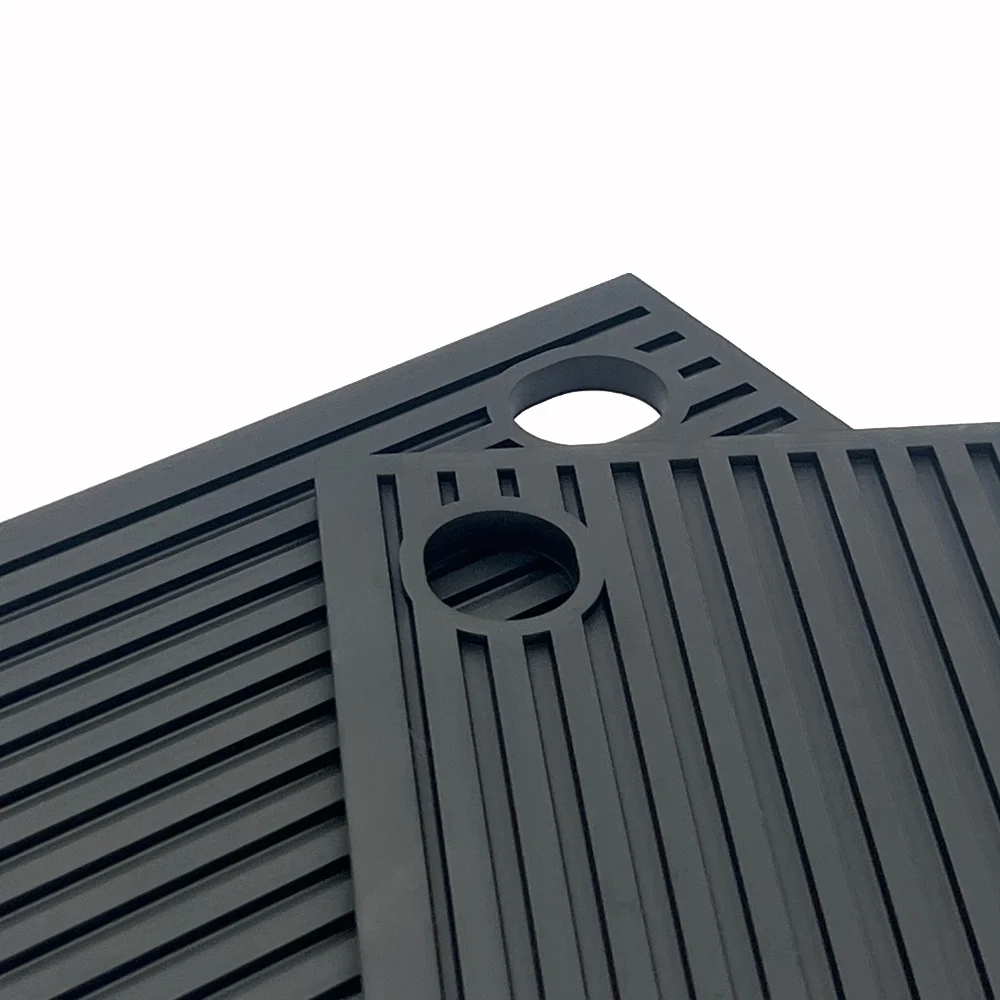
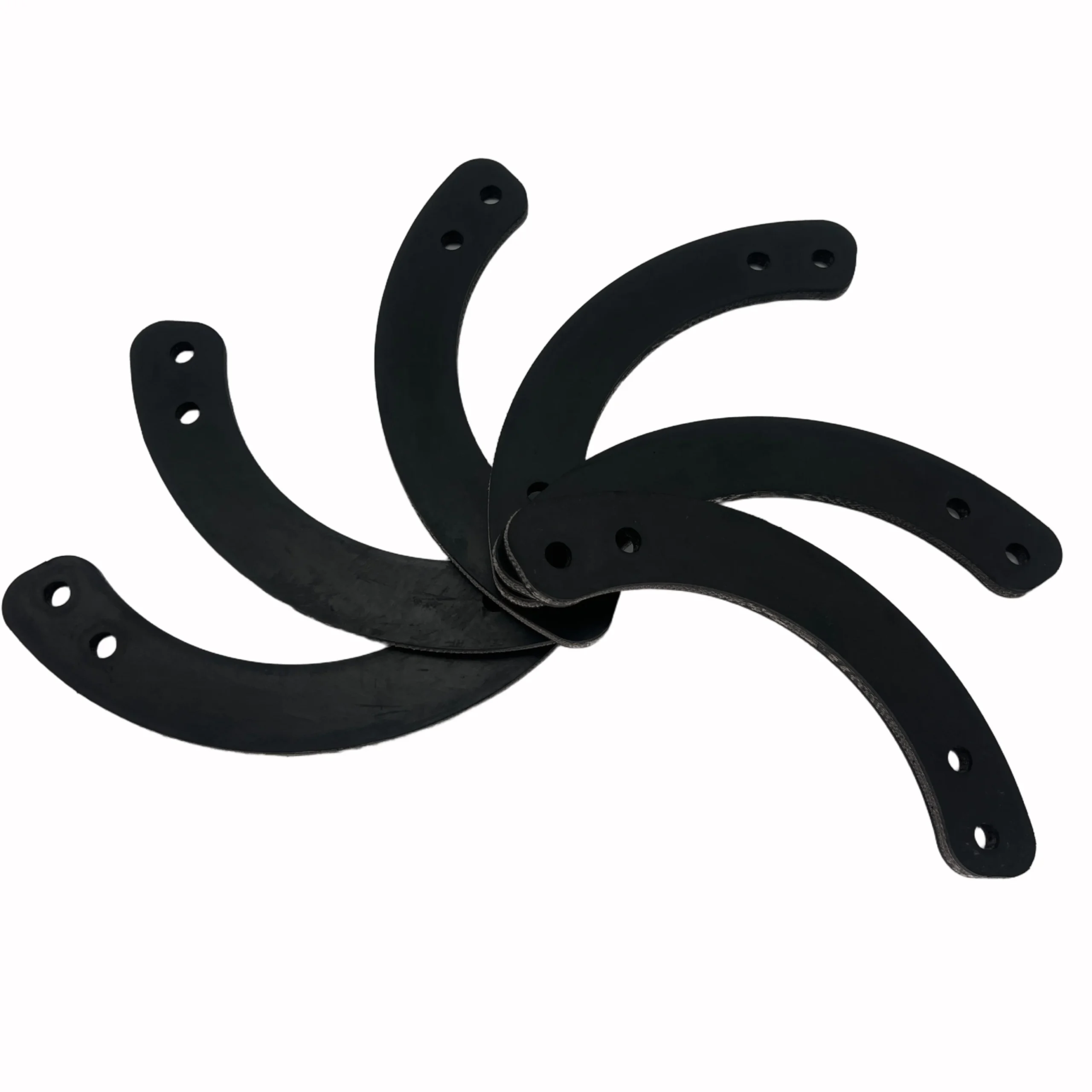
Our High-Performance Rubber Plates are engineered for industrial-grade durability, offering a versatile solution for non-slip surfacing, vibration isolation, and precision sealing. By utilizing advanced compounds such as EPDM, NBR, CR, and natural rubber, these plates provide exceptional mechanical resilience, ensuring stability and safety across demanding environments ranging from heavy machinery bases to delicate electronic housing.
Specially optimized for extreme conditions, our composite rubber series—reinforced with high-strength fiber cloth—is purpose-built for winter outdoor equipment. These plates exhibit superior resistance to low-temperature embrittlement, UV radiation, and ozone aging, while complying with stringent global environmental standards including RoHS 2.0, REACH, and PFAS, making them the ideal choice for municipal engineering and industrial tool manufacturing.
| Base Material | EPDM, NBR, CR, Natural Rubber, Composite Fiber Rubber | Low-Temp Limit | Stable performance down to -40℃ |
|---|---|---|---|
| Reinforcement | High-strength fiber cloth layer (for composite series) | Environmental Compliance | RoHS 2.0, REACH, PAHs, POPs, TSCA, PFAS |
| Core Functions | Non-slip, Vibration Damping, Sealing, Cushioning | Surface Texture | Customizable (Smooth, Textured, High-Grip) |
| Mechanical Properties | High tensile strength and tear resistance | Weather Resistance | Excellent UV and Ozone aging resistance |
| Customization | Thickness, Hardness, Density, Color, Adhesive Backing | Service Life | Over 2x conventional rubber in heavy-duty use |
Composite structures with fiber reinforcement withstand high-intensity scraping and friction, doubling the lifespan of standard rubber.
Engineered to prevent hardening, cracking, or brittle fracture at -40℃, ensuring continuous operation in alpine and arctic regions.
Effectively absorbs motor vibrations to protect internal circuit boards and sensors while reducing user fatigue and noise.
High friction coefficient provides secure stability on metal, wood, and concrete, preventing equipment slippage during high-torque tasks.
Compressible material forms a tight barrier against water, dust, and debris, critical for outdoor and cordless tool longevity.
Fully compliant with RoHS, REACH, and PFAS regulations, ensuring safe integration into international markets and supply chains.


Support for custom cutting, stamping, and lamination based on precise samples or technical drawings.
Expert selection of NBR for oil resistance, EPDM for weathering, or CR for flame retardancy.
Strict testing for tensile strength, tear resistance, and deformation stability under long-term pressure.
Full documentation and certification for REACH, RoHS, and PFAS compliance for global exports.
Integrated packaging solutions using rubber cushioning to prevent transit damage to heavy machinery.
Technical guidance for optimizing rubber hardness and density based on specific industrial tool needs.
| Performance Metric | Conventional Rubber | Our Specialized Rubber Plate |
|---|---|---|
| Service Life | Standard wear cycle | 2x+ longer service life |
| Low-Temp Performance | Hardens/Cracks < -20℃ | Flexible and stable at -40℃ |
| Vibration Absorption | Basic dampening | High-efficiency energy dispersion |
| Environmental Rating | Variable/Basic | Full RoHS/REACH/PFAS Compliance |
| Maintenance Cost | Frequent replacements | Significantly reduced downtime |
EPDM is primarily used for outdoor applications due to its superior resistance to UV, ozone, and weathering. NBR (Nitrile Rubber) is specifically engineered for oil and fuel resistance, making it ideal for automotive and industrial machinery environments.
The integration of high-strength fiber cloth creates a composite structure that significantly increases tensile strength and tear resistance, preventing the rubber from stretching or ripping under high-intensity operations like snow scraping.
Yes, we support full customization based on your technical drawings or physical samples. This includes precise cutting, stamping, thickness adjustment, and the addition of adhesive backing for easy installation.
For vibration isolation, we recommend rubber plates with optimized density and elasticity (such as Natural Rubber or specialized CR blends) that act as dampers to absorb kinetic energy and protect sensitive internal components.
Absolutely. Our products are manufactured to comply with international environmental standards including RoHS 2.0, REACH, and PFAS, ensuring they are free from hazardous substances and safe for global use.
Soft hardness is ideal for cushioning and sealing; medium hardness works best for general-purpose vibration isolation; and high hardness is recommended for heavy-duty wear plates and non-slip bases. Our engineers can provide guidance based on your load requirements.