 Select Language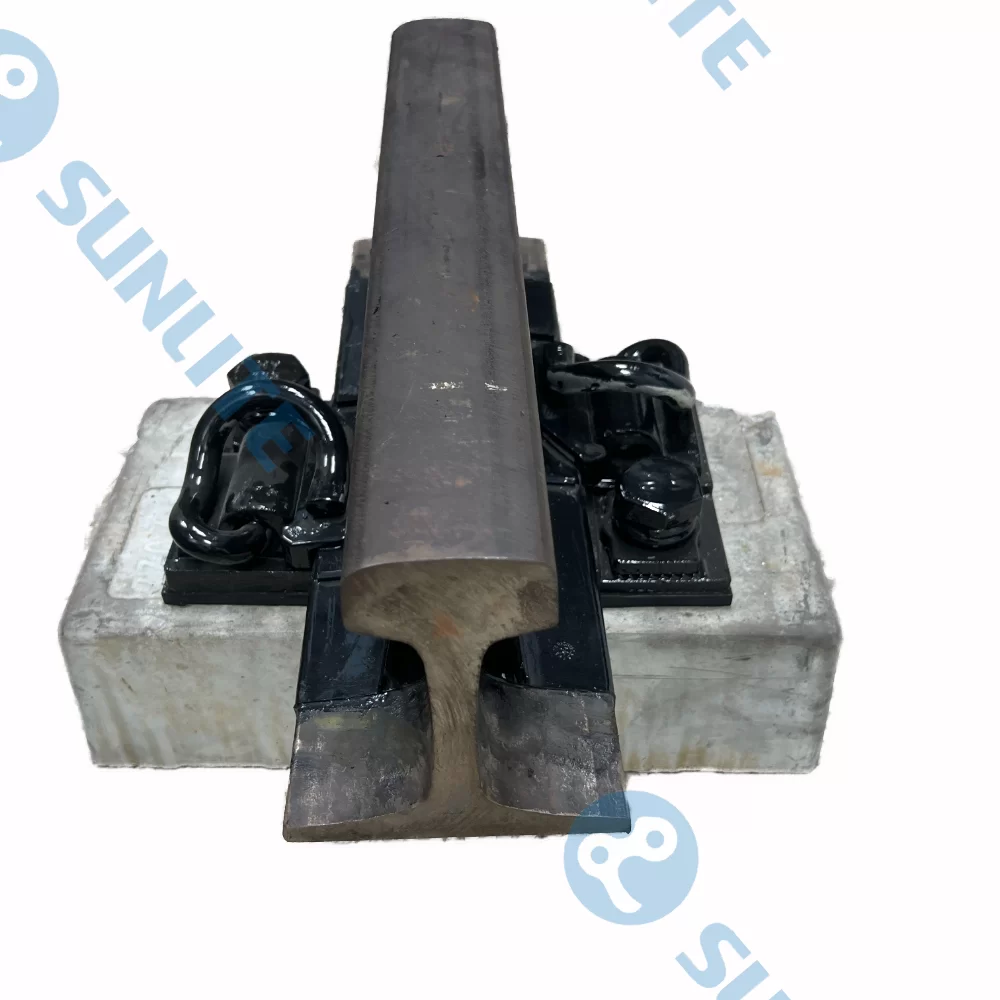
APPLICATION SCENARIOS
1. Urban metro track systems – prevents stray current corrosion of rails
2. High-speed railway lines – protects rails and infrastructure integrity
3. Electrified railway systems – safeguards tracks beneath the overhead catenary
4. Critical zones such as rail bridges and turnouts – provides targeted protection
Product Description
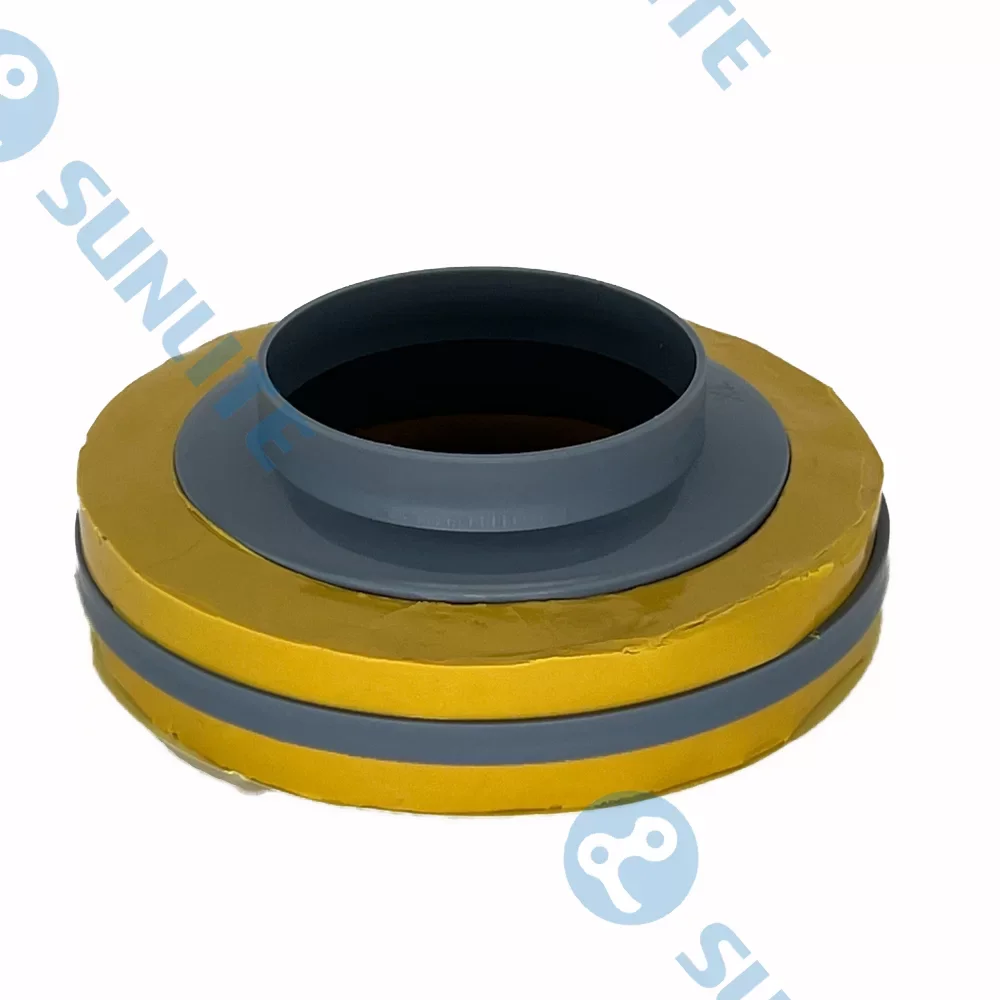
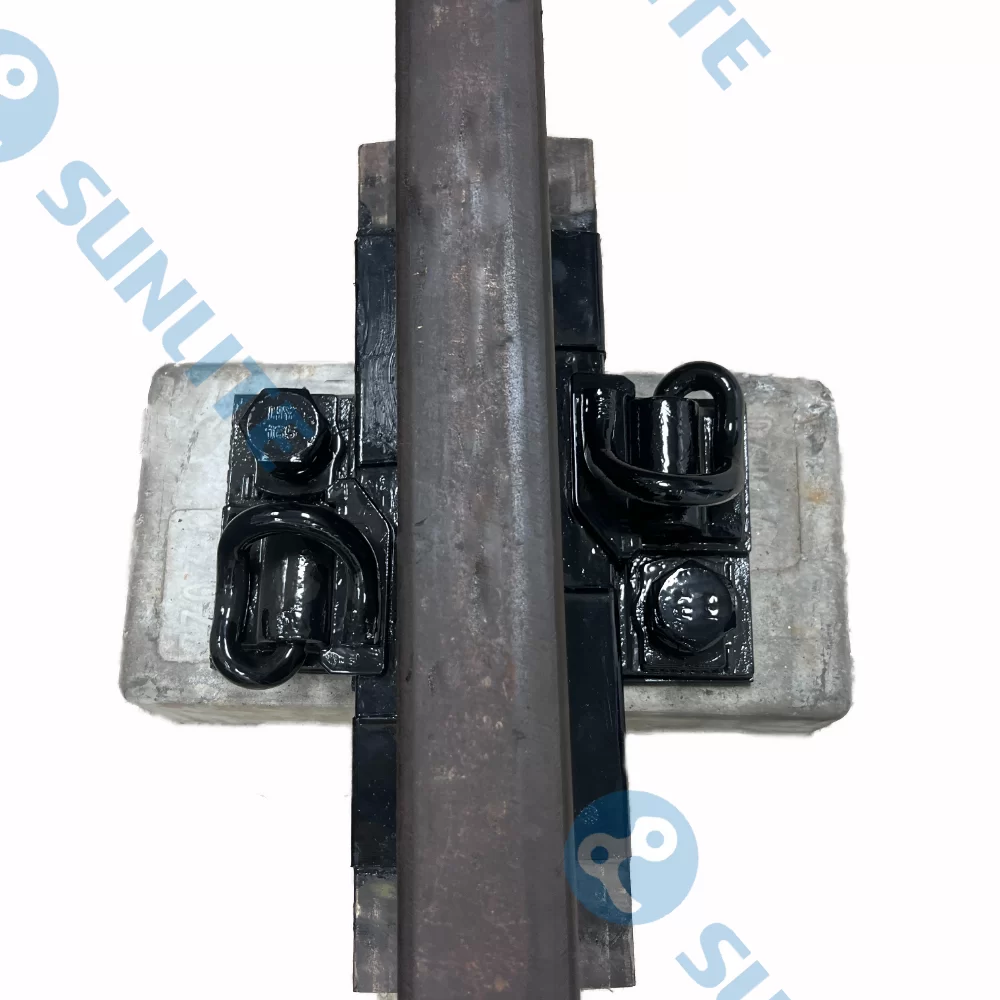
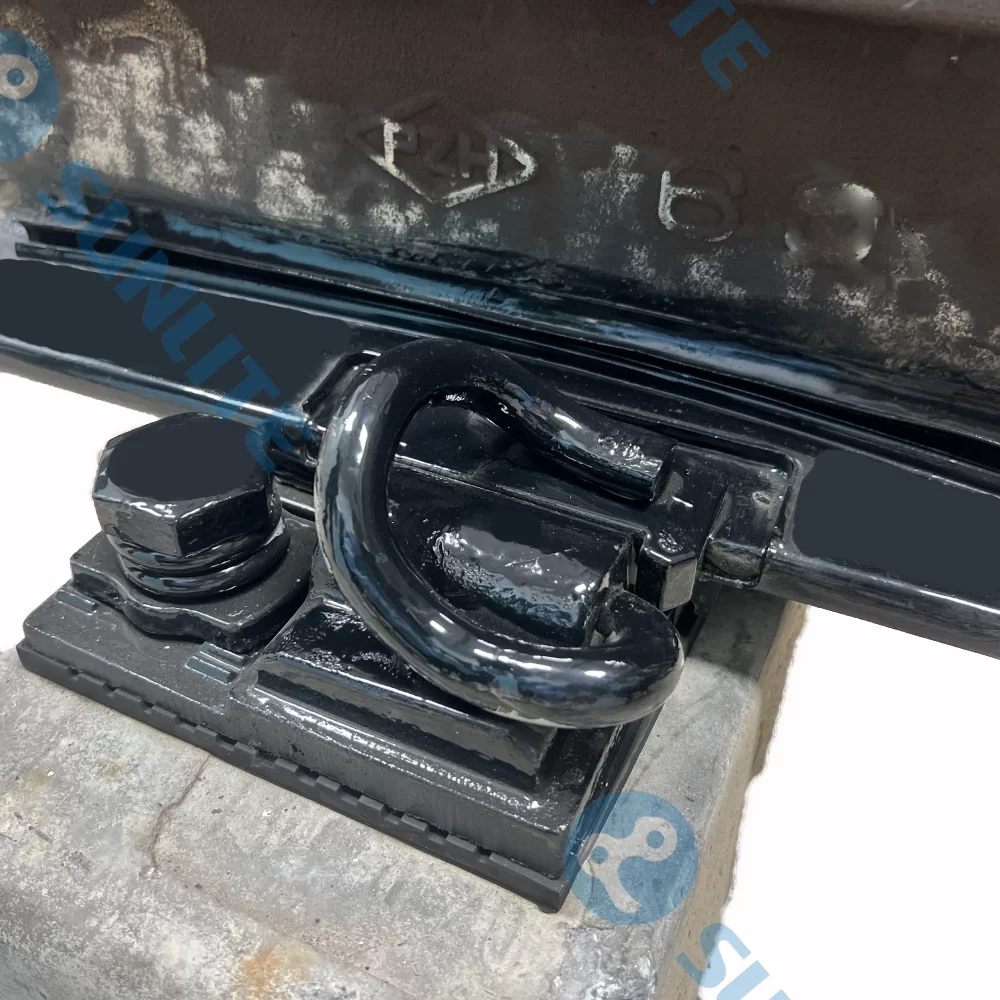
This system integrates a polymer composite encapsulation layer with a weather-resistant dual-hydrophobic insulating coating, achieving a breakthrough in rail-to-ground transition resistance exceeding 30 Ω·km. The dual-layer protection effectively blocks electrochemical corrosion pathways, ensuring long-term insulation stability of the rails under harsh conditions such as rain, snow, and salt spray. This significantly enhances the reliability of track circuit signal transmission.
PRODUCT FUNCTION
Leap in insulation performance:
Special polymer substrates form a three-dimensional wrapping layer, blocking current leakage between metal and ground.
The amphiphobic (hydrophobic and oleophobic) insulating coating inhibits the formation of surface conductive films, achieving a transition resistance of >30Ω·km.
All-environment weather resistance:
Amphiphobic coating resists rain/snow infiltration, salt spray condensation, and dust adhesion, ensuring insulation stability in humid environments.
UV resistance and ability to withstand temperature alternations from -40℃ to 80℃, suitable for deployment across global climate zones.
Doubled anti-corrosion performance:
The wrapping layer physically isolates rails from ballast media, reducing electrochemical corrosion rate by over 70%.
The coating contains corrosion-inhibiting ions, delaying the oxidation process of metal surfaces.
Optimized operation and maintenance costs:
25-year maintenance-free service life (compliant with EN 50122 standards), reducing track circuit failure rate by 90%.
PERFORMANCE INDEX
Core Technology: Polymer Encapsulation Layer + Nano Dual-Hydrophobic Insulating Coating
Electrical Performance: Rail-to-ground transition resistance >30 Ω·km (IEC 62128 wet condition test)
Mechanical Strength: Encapsulation layer peel strength ≥8 kN/m; ballast impact resistance >5000 cycles
Environmental Durability:
Salt spray resistance >1000 hours (ISO 9227)
UV aging resistance >3000 hours (ISO 4892)
Temperature Range**: -40℃ to 80℃, no cracking after 200 dynamic thermal cycles
Safety Certification**: Compliant with EN 45545-2 fire protection standard
APPLICATION AREA
High-Speed Rail: Enhanced rail insulation for ballastless track sections
Heavy Haul Railways: Anti-electrolytic corrosion protection for dedicated mining lines
Subway Tunnels: Signal reliability assurance for track circuits in humid environments
Coastal Railways: Extended rail insulation lifespan in high salt-spray regions
Turnout Zones: Preventive protection in high-failure areas of track circuits
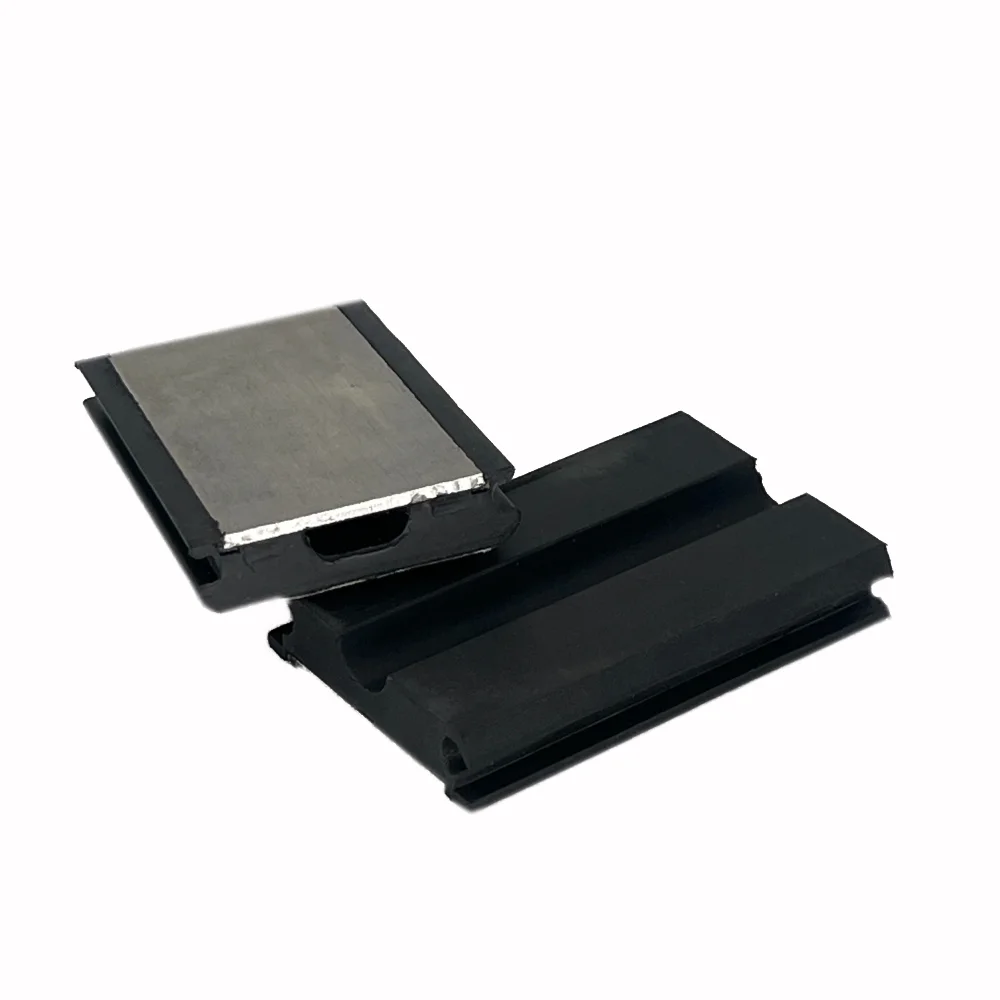
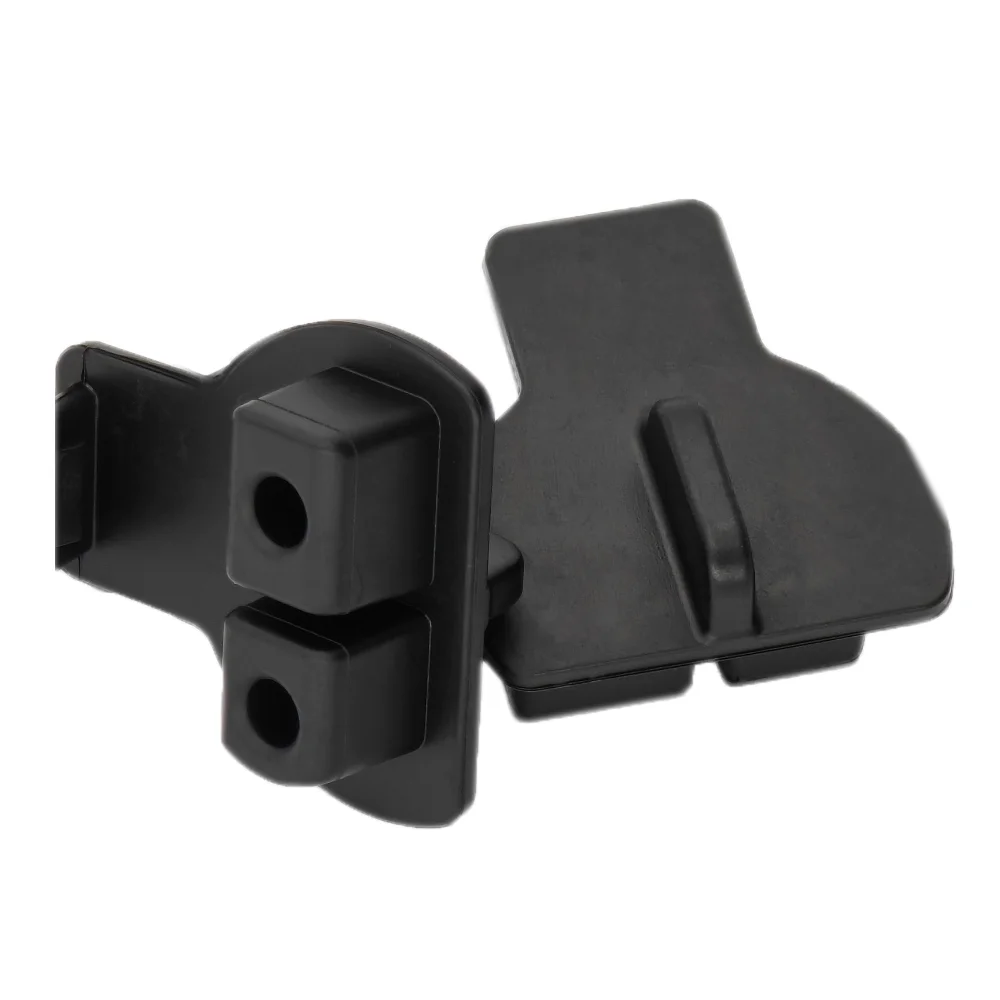
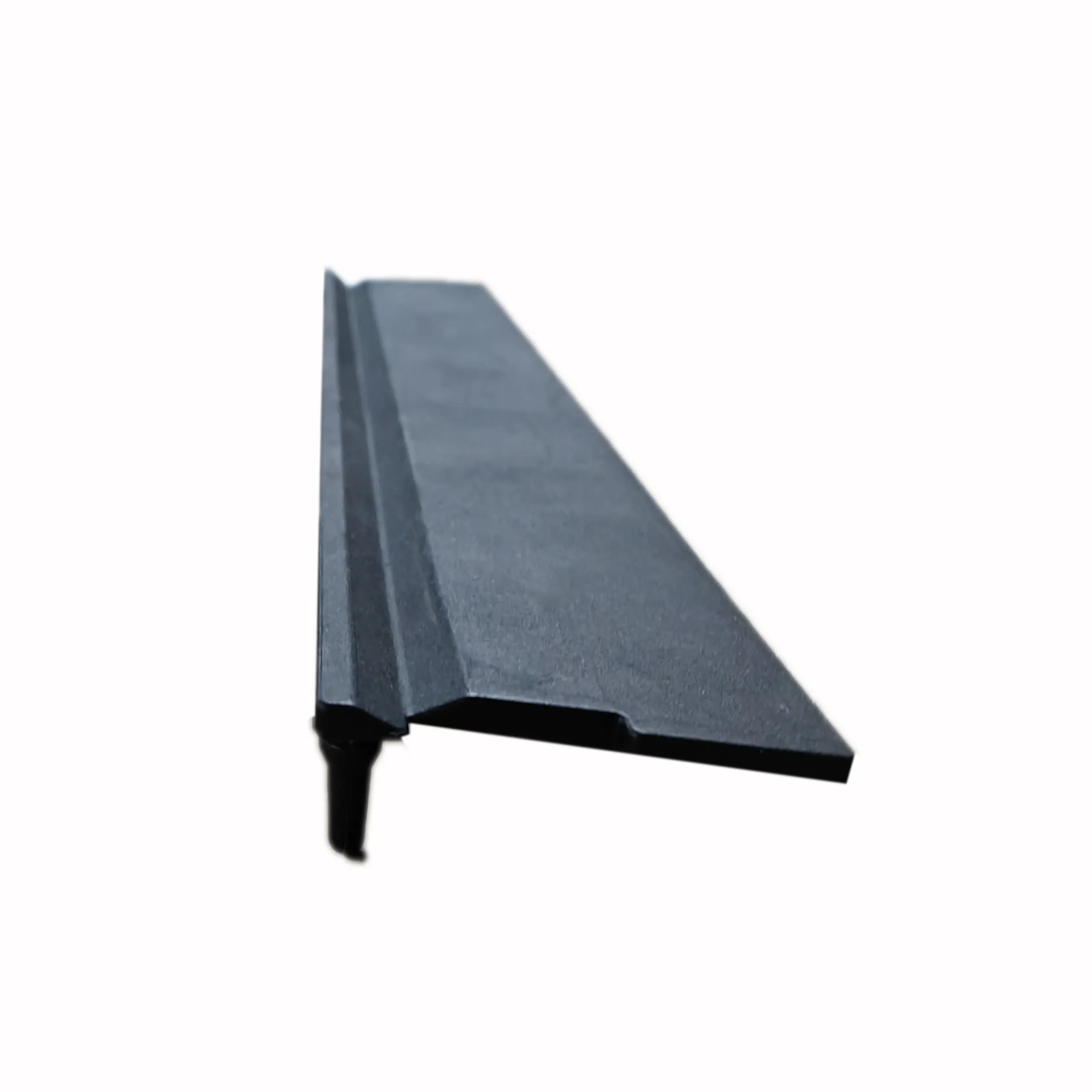
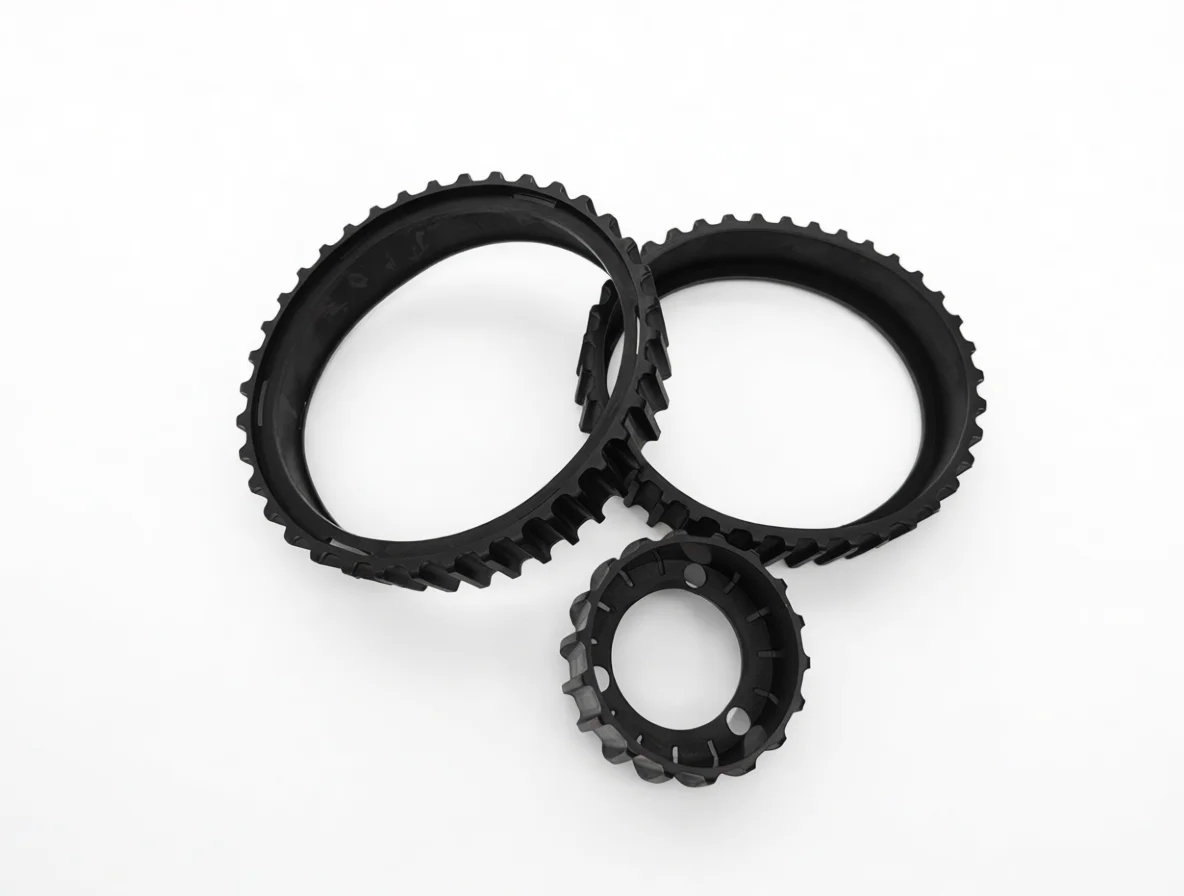
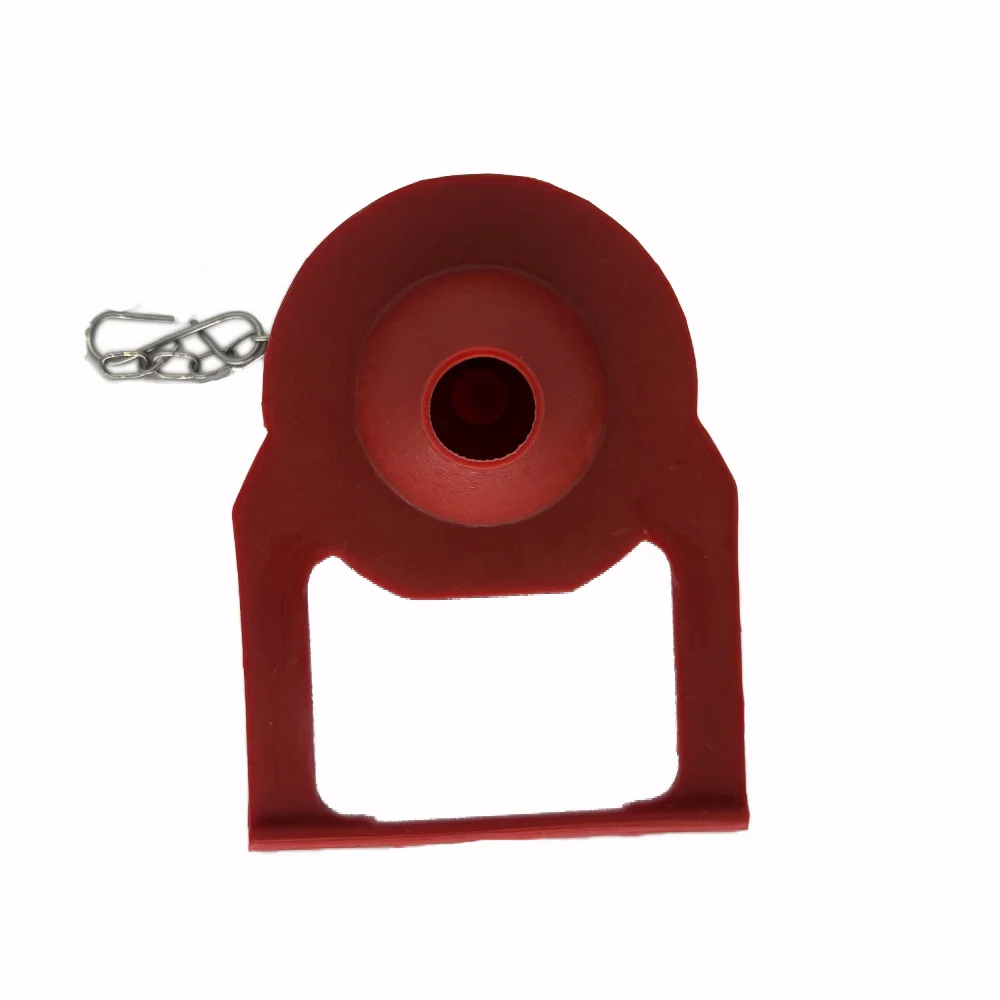
The stray current insulation protection system employs advanced polymer composite technology to create highly durable stray current rubber parts (or polymer components) that are absolutely vital for protecting high-speed railway lines. The infrastructure supporting high-speed rail demands the highest level of material integrity and uninterrupted signal transmission, making an effective stray current corrosion prevention system an essential investment for ensuring long-term track health and operational safety across the network.
The core of this advanced protection lies in the system's ability to achieve a robust and reliable leap in insulation performance. This is accomplished through a sophisticated dual-layer application. The first layer is a specialized polymer encapsulation layer designed to form a complete three-dimensional wrapping layer around the sensitive rail structure. This physical sheath acts as a primary, impenetrable barrier that fundamentally blocks the pathways of current leakage between the metal rail and the ground media, thereby drastically minimizing the risk of electrochemical corrosion. This comprehensive physical isolation is especially critical for maintaining the stability and integrity of ballastless track sections, which are common on high-speed routes and highly susceptible to current effects on structural components.
The second, synergistic defense is a weather-resistant dual-hydrophobic insulating coating. This surface layer utilizes amphiphobic properties, meaning it repels both water and oil, actively inhibiting the formation of surface conductive films caused by moisture, salt, or grime accumulation. By ensuring the insulating surface remains dry and clean, the system maintains a consistently high rail-to-ground transition resistance. For high-speed rail, preserving track circuit signal integrity is paramount, and this enhanced insulation reliably prevents signal distortion or potential failure that could be triggered by ground leakage or unwanted electrical interference. Furthermore, the overall design ensures resilience against environmental stress, providing comprehensive, all-weather corrosion protection necessary for the decades-long service life expected of high-speed rail infrastructure.
The stray current insulation system offers an essential and specialized stray current isolation solution for metro systems and other railways that operate in challenging coastal and salt-spray prone environments. These maritime conditions are aggressively corrosive, necessitating a robust, all-environment weather resistance profile to ensure the longevity of the track infrastructure and maintain operational reliability near the sea.
The key to its superior durability in coastal and humid areas is the innovative all-environment weather resistance inherent in the composite structure. The exterior amphiphobic insulating coating is specifically engineered to resist the unique contaminants found in these regions. It actively repels moisture, prevents salt spray condensation, and minimizes the adhesion of dust and grime. Airborne salt is particularly damaging as it creates highly conductive electrolytes on exposed surfaces; the dual-hydrophobic nature of the coating ensures the insulating layer remains dry and non-conductive, thereby guaranteeing consistent insulation stability in humid environments and preserving the high electrical separation required for reliable operation.
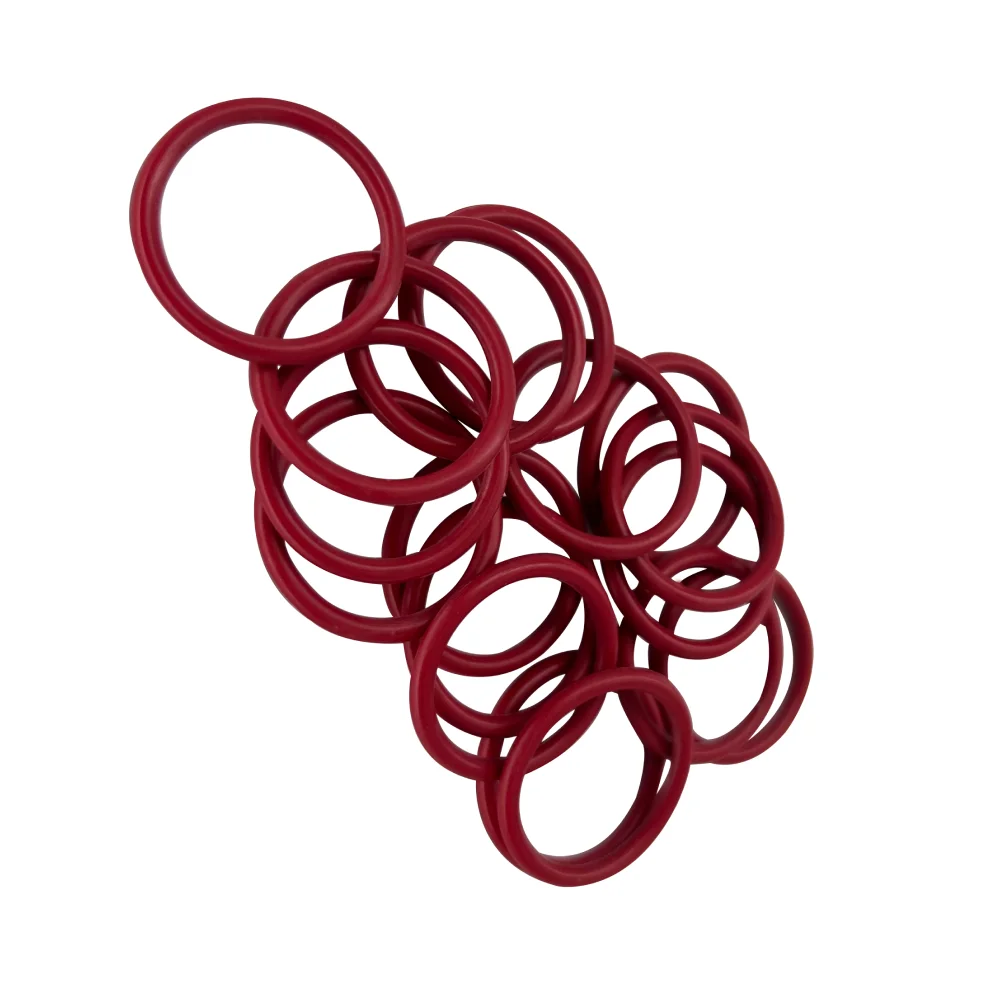
This robust material specification provides a comprehensive anti-stray current insulation pads solution tailored for severe conditions. The polymer layer is resistant to degradation from salt, and its enhanced durability, including resistance to UV aging and temperature alternations, ensures that its performance remains stable across the climatic variations of global coastal regions. This stability directly translates into effective stray current corrosion prevention system functionality, protecting the rails from accelerated degradation caused by the combination of stray currents and a highly corrosive, conductive environment.
By maintaining the integrity of the insulation over an extended period, the system significantly enhances the rail insulation lifespan, protecting both the rails and critical infrastructure components like rail bridges and turnouts from premature deterioration. This makes the stray current insulation system a vital strategic defense for ensuring the long-term structural integrity and maintenance-free operation of coastal railways and other infrastructure exposed to high-salt conditions.
The underground stray current protection system is absolutely critical for urban metro track systems, particularly within confined subway tunnels where elevated humidity and proximity to structure foundations heighten the risks associated with stray current leakage. The system is designed to provide comprehensive isolation, which is indispensable for enhancing signal reliability and protecting the immense infrastructure investment in subterranean environments.
A major operational challenge in subway tunnels is the continuous presence of moisture, which facilitates the formation of conductive pathways along the rails and components. The outer amphiphobic insulating coating is the primary protective layer against this. It actively prevents moisture from condensing and creating a surface conductive film that could compromise the electrical isolation. By keeping the insulating surface dry and clean, this solution ensures a consistently high rail-to-ground transition resistance, which is fundamentally necessary for accurate and reliable track circuit signal transmission throughout the tunnel network.
The core technology integrates a powerful physical and electrical barrier. The inner polymer encapsulation layer forms a durable, three-dimensional wrapping layer around the rails, creating a permanent separation between the rail metal and the surrounding concrete or soil. This isolation drastically reduces the ability of stray currents to leak and initiate electrochemical corrosion on the rail, which would otherwise threaten the structural integrity of the tracks and adjacent tunnel infrastructure. The system is a dedicated underground stray current protection system that significantly slows down the corrosion rate.
Furthermore, this enhanced insulation system delivers substantial benefits for optimized operation and maintenance costs. By ensuring long-term insulation stability, the system minimizes the occurrence of signal interference and outages caused by current leakage, directly reducing the track circuit failure rate. Reliable signaling is the backbone of metro safety and scheduling; the stability provided by these stray current isolation solution for metro systems ensures continuous, safe operation, thereby guaranteeing the structural longevity and operational stability required in high-traffic, enclosed environments.