Welcome to the official website of Sunlite Tech
Specialist in Elastomer Applications
Best Solutions to NVH SINCE 1998
banne

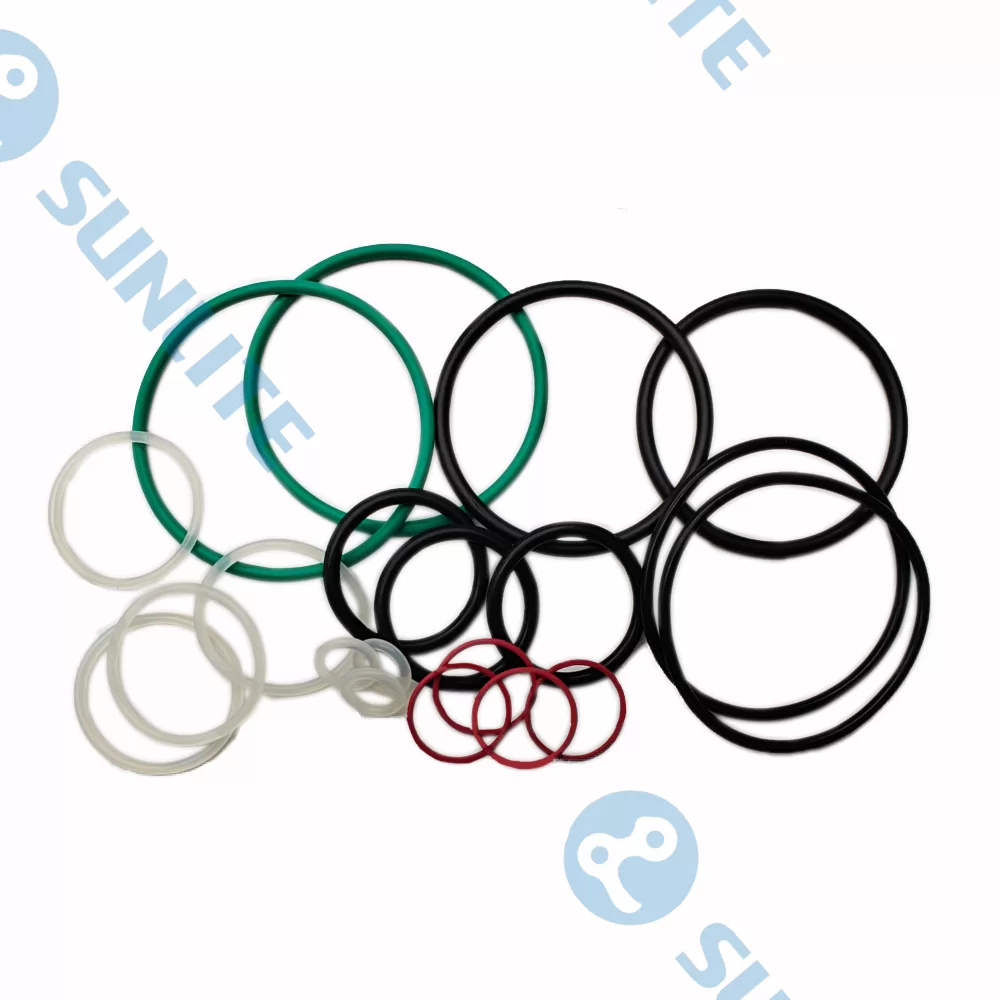
Self-Lubricating Sealing Ring‌

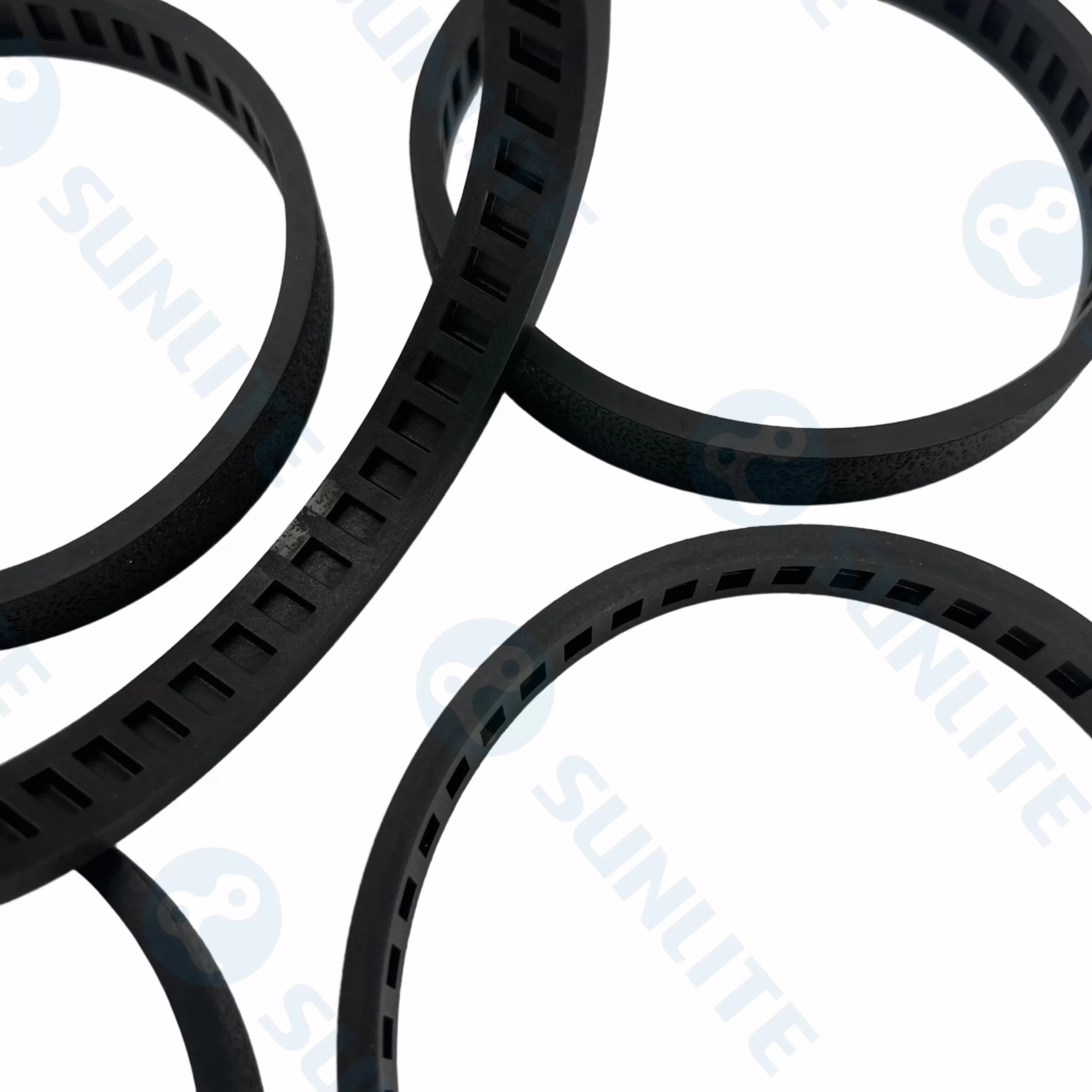
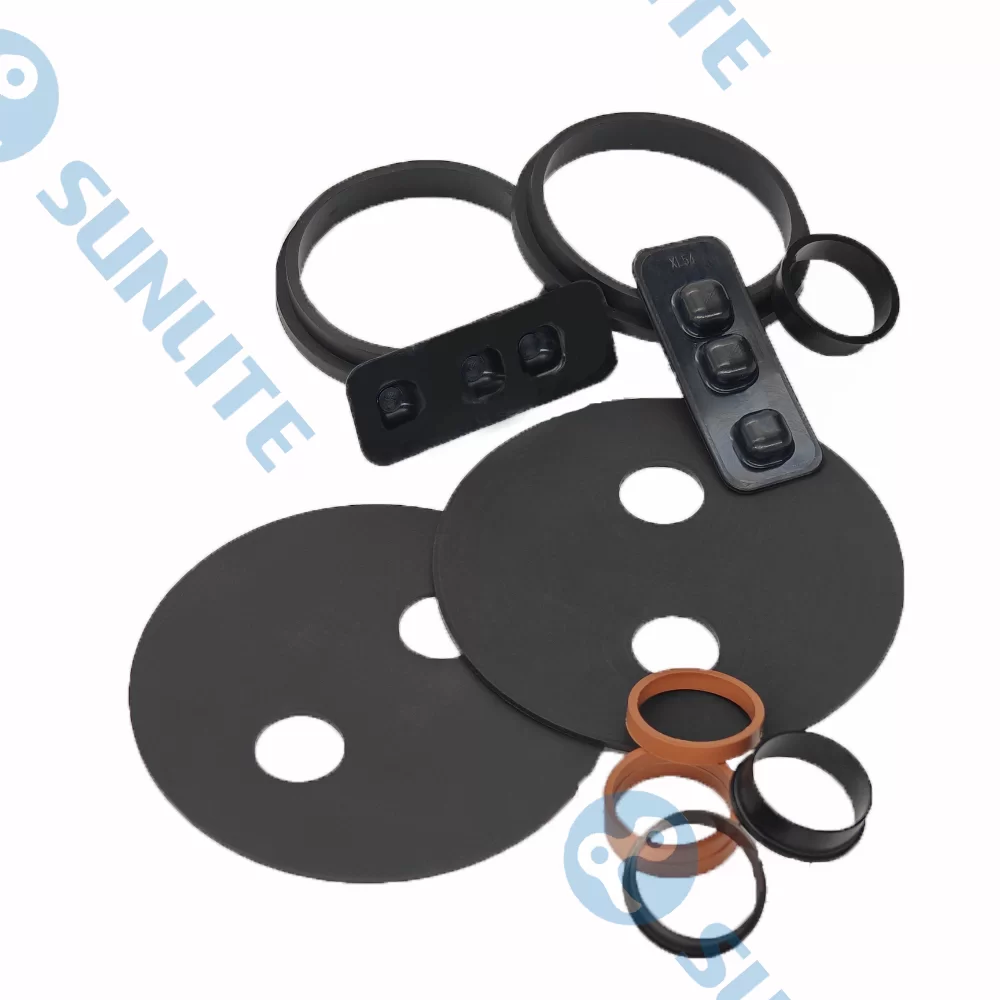
Self-lubricating Rubber Sealing Ring
Special for Power Tools
Oil-resistant and Wear-resistant
250,000 Cycles Service Life with Sealing Without Leakage


APPLICATION SCENARIOS


1. Motor rotating shaft sealing

2. Gear box sealing

3. Hydraulic or pneumatic system sealing

4. Dust-proof and waterproof sealing

5. High-frequency vibrating components sealing

Product Description


This series of sealing ring products are composite-made from oil-resistant rubber and self-lubricating materials, featuring self-lubricating function and excellent sealing performance. They are suitable for oil-free lubrication sealing systems in high-speed reciprocating motion structures such as power tools, nail guns, torque wrenches, and impact drills. The products can maintain low wear and low resistance during long-term operation, improving the operating efficiency and service life of the entire machine. Supporting customization of various materials and structures.

PRODUCT FUNCTION


Self-lubricating surface design can reduce the friction coefficient under oil-free lubrication conditions, minimizing wear and heat accumulation at the sealing parts;

Effectively reducing the operating resistance of moving components, improving the tool's response speed and efficiency;

With low compression set, it ensures long-term stable sealing performance and avoids leakage risks;

Strong resistance to grease, high and low temperatures, and thermal aging, suitable for sealing applications under severe working conditions.

PERFORMANCE INDEX


Tensile strength: ≥20 MPa;

Right-angle tear strength: >40 N/mm;

Compression set: 100℃×24h ≤25%;

Oil resistance + hot air aging performance: After 100℃×120h, mechanical property retention rate ≥90%, weight/volume change rate ≤5%;

Operating temperature range: -40℃ ~ 120℃;

Life test: Passed 250,000 cycles of reciprocating motion sealing life test.


APPLICATION AREA


This product of sealing ring is widely used in high-speed motion sealing systems such as electric nail guns, impact drills, torque wrenches, and electric motors. It is especially suitable for oil-free lubrication scenarios and industrial tools/equipment with high requirements for sealing precision and durability, effectively extending the equipment's operating life and improving working stability.


Self-Lubricating Sealing Ring for High-Performance Equipment — Enhanced Durability and Zero-Maintenance Sealing


A Self-Lubricating Sealing Ring is a high-performance sealing component engineered to deliver long-term reliability, reduced friction, and superior resistance against extreme operating environments. Unlike conventional sealing rings that rely on external lubrication, a self-lubricating design incorporates solid lubricants such as PTFE, graphite, or molybdenum disulfide directly into the material structure. This allows the sealing ring to maintain stable performance even under continuous friction, frequent motion, or low-maintenance industrial applications.


One of the primary advantages of a self-lubricating sealing ring is its ability to operate smoothly in dry-running or semi-dry conditions. This makes it ideal for equipment where oil contamination must be prevented—such as compressors, precision machinery, pumps, robotics, or medical devices. The built-in lubrication significantly minimizes wear between the moving metal surfaces, extending the lifespan of both the seal and the equipment components.


In terms of material composition, self-lubricating sealing rings are often produced using high-strength elastomers, polyurethane, FKM, PTFE composites, or engineering plastics designed to withstand chemical exposure, high temperature, or repeated mechanical stress. These materials ensure stable sealing integrity even under challenges such as high rotational speed, large pressure fluctuations, or exposure to corrosive media.


The sealing performance is further enhanced by the ring’s ability to maintain low friction coefficients. Reduced friction allows motors, pistons, shafts, and cylinders to run more efficiently with lower energy consumption. This advantage is especially valuable in industrial machinery and automation systems where long-term continuous operation is required.


Additionally, the self-lubricating design ensures minimal maintenance, eliminating the need for repeated oiling or greasing. This not only lowers operating costs but also reduces downtime, making it highly compatible with modern automated production lines. Its reliability in high-temperature, high-pressure, high-speed, and dusty environments also broadens its application across multiple industries—from automotive and aerospace to energy, chemical processing, and smart manufacturing.


Overall, a Self-Lubricating Sealing Ring provides a robust sealing solution that delivers longer service life, high efficiency, and consistent protective performance, making it an essential component for mission-critical applications.


Self-Lubricating Sealing Ring for Dynamic Motion Systems — Low-Friction, Long-Life, and High-Efficiency Sealing Solutions


The Self-Lubricating Sealing Ring is designed specifically for equipment and machinery that experience continuous motion, high-frequency vibrations, or demanding load cycles. Its built-in lubrication system reduces friction between moving components, enabling smoother mechanical operations and protecting critical parts such as shafts, pistons, drive systems, connectors, and rotary assemblies.


In dynamic motion environments, conventional sealing rings often face rapid wear due to repetitive movement and insufficient lubrication. However, a self-lubricating sealing ring prevents premature degradation by continuously releasing micro-layers of lubricant during operation. This allows the equipment to handle continuous sliding, rotation, and oscillation without performance loss.


The sealing ring’s ability to withstand extreme temperature gradients is another key advantage. Many designs retain flexibility at low temperatures while maintaining structural stability under high heat. This capability supports a wide range of applications, from outdoor power tools and automotive components to industrial automation equipment that operates around the clock.


Chemical resistance is also a critical performance factor. Self-lubricating sealing rings can withstand exposure to oils, fuels, coolant, solvents, and corrosive chemicals, ensuring long-term stability and preventing degradation that could compromise sealing reliability. This makes them ideal for environments such as chemical plants, hydraulic systems, and fluid-handling equipment.


Beyond sealing performance, the self-lubricating structure contributes to noise reduction and improved user experience. Reduced friction means lower mechanical noise during operation, smoother transitions, and improved precision for motion-control systems such as robotics, CNC equipment, and industrial actuators.


Maintenance efficiency is another highlight. Thanks to its durable, self-sustaining lubrication, the sealing ring significantly reduces the frequency of service, minimizing downtime and improving overall productivity. For users seeking high-efficiency, zero-maintenance solutions, the self-lubricating sealing ring stands out as a superior choice.


In summary, a Self-Lubricating Sealing Ring enhances sealing reliability, reduces friction-induced wear, maintains consistent performance in harsh environments, and supports long-term operational stability—making it indispensable for a variety of high-demand industries.


Self-Lubricating Sealing Ring FAQs

What is a Self-Lubricating Sealing Ring?

It is a sealing component with built-in lubricants that reduce friction and eliminate the need for external oiling.

What materials are used for self-lubricating sealing rings?

Common materials include PTFE composites, FKM, polyurethane, graphite-filled elastomers, and engineering plastics.

Where are self-lubricating sealing rings typically used?

They are widely used in compressors, pumps, hydraulic systems, automation equipment, robotics, and automotive components.

Can a self-lubricating sealing ring operate without oil?

Yes, it is designed to perform in dry or low-lubrication environments without compromising sealing effectiveness.

What are the main advantages of choosing a self-lubricating seal?

Lower friction, longer lifespan, reduced maintenance, better wear resistance, and improved efficiency for moving machinery.

If you are interested in our products, you can choose to leave your information here, and we will be in touch with you shortly.

  • captcha