 Select Language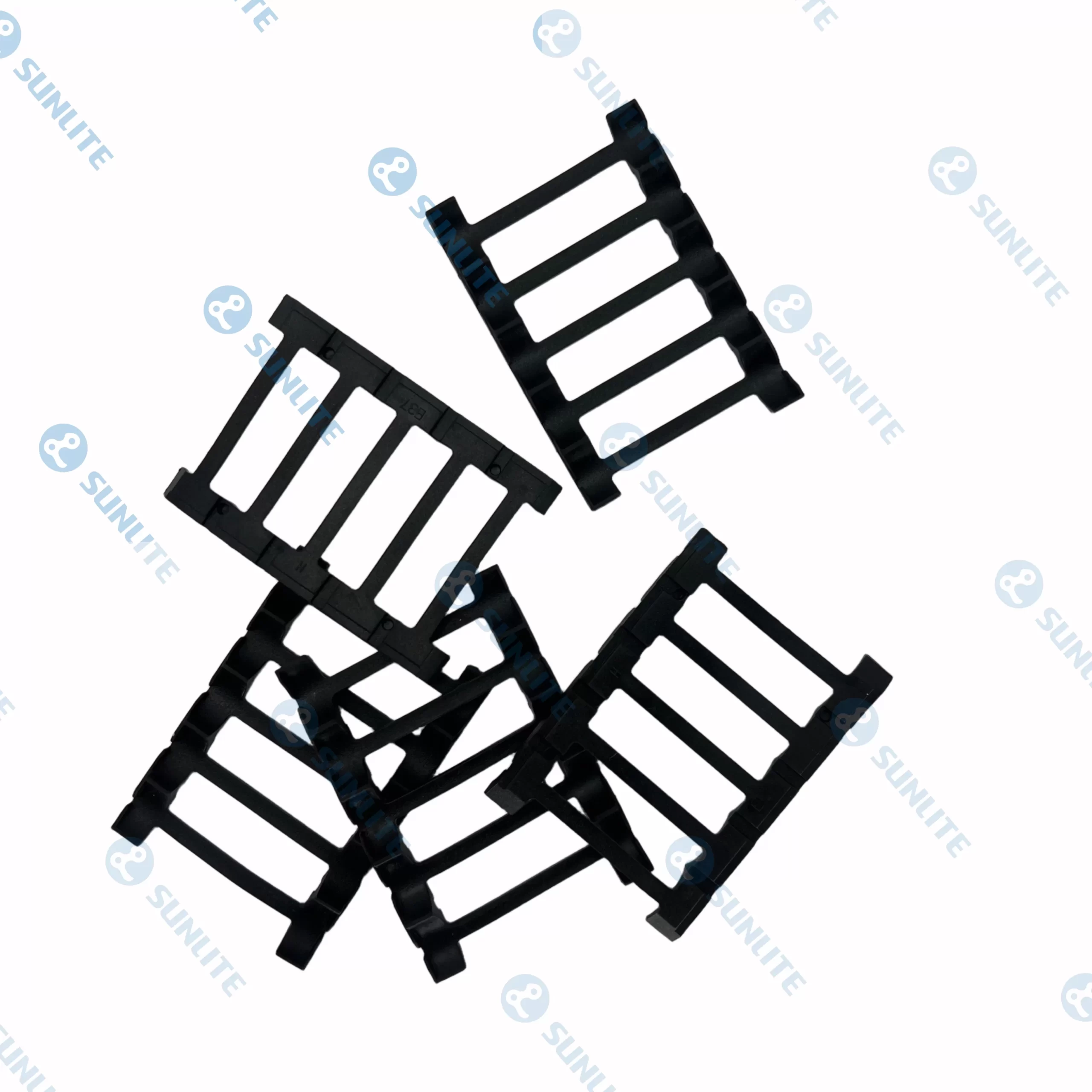
APPLICATION SCENARIOS
1. Electric tool battery compartment gasket
2. Electrical isolation between battery casings
3. Thermal buffer pad in high-temperature/high-power environments
4. Transportation and storage protection
Product Description
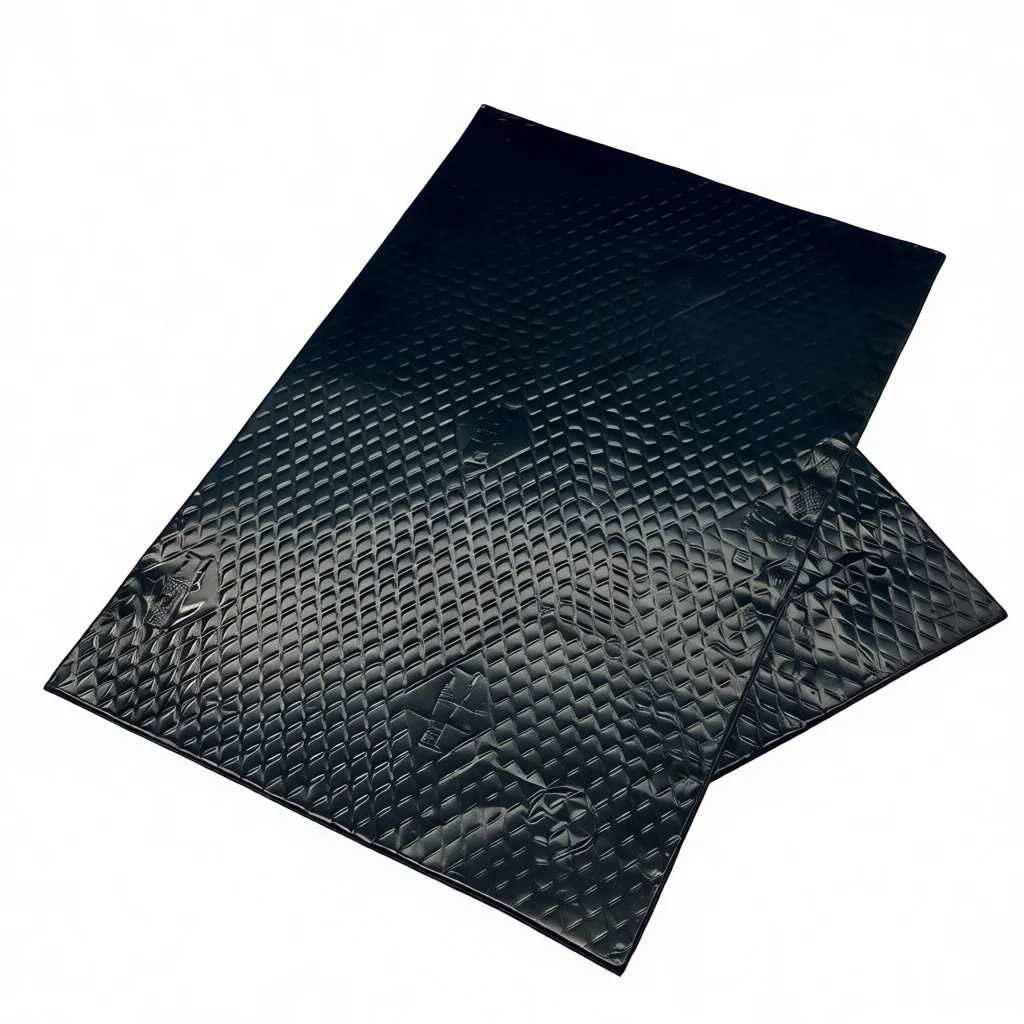
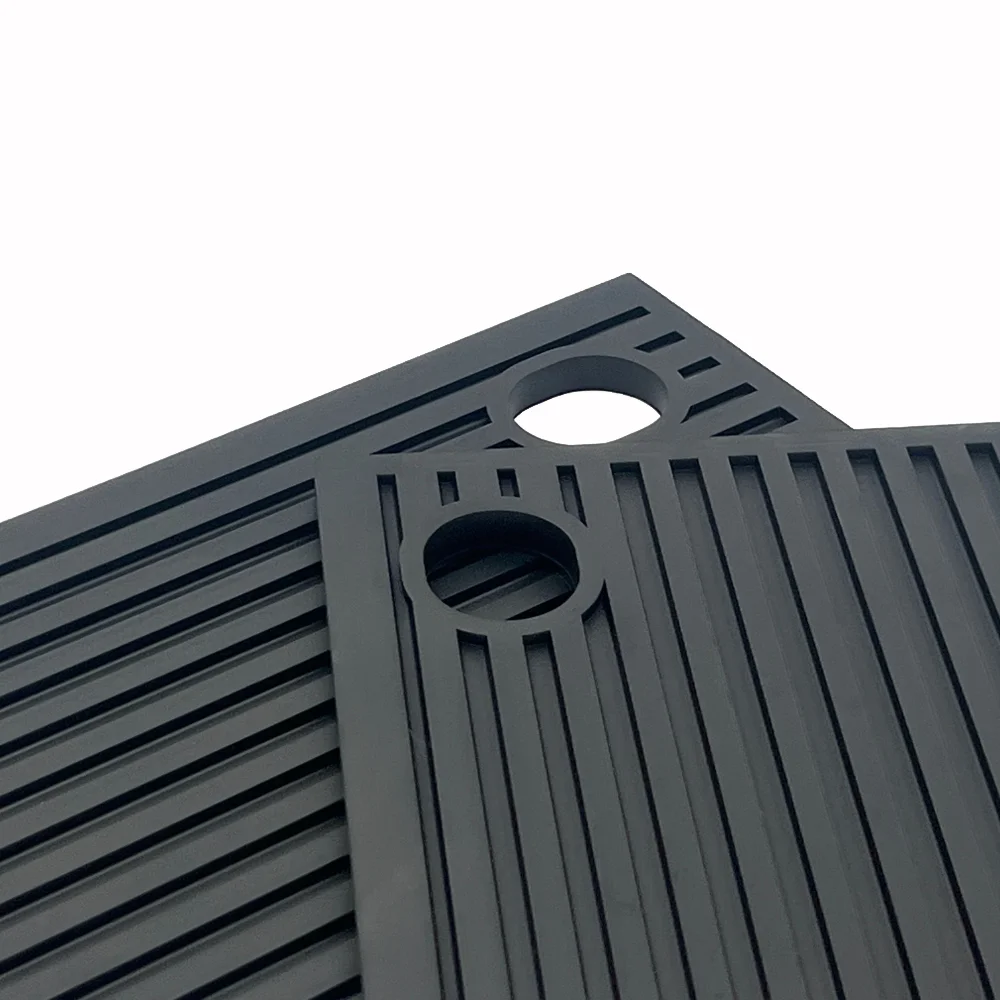
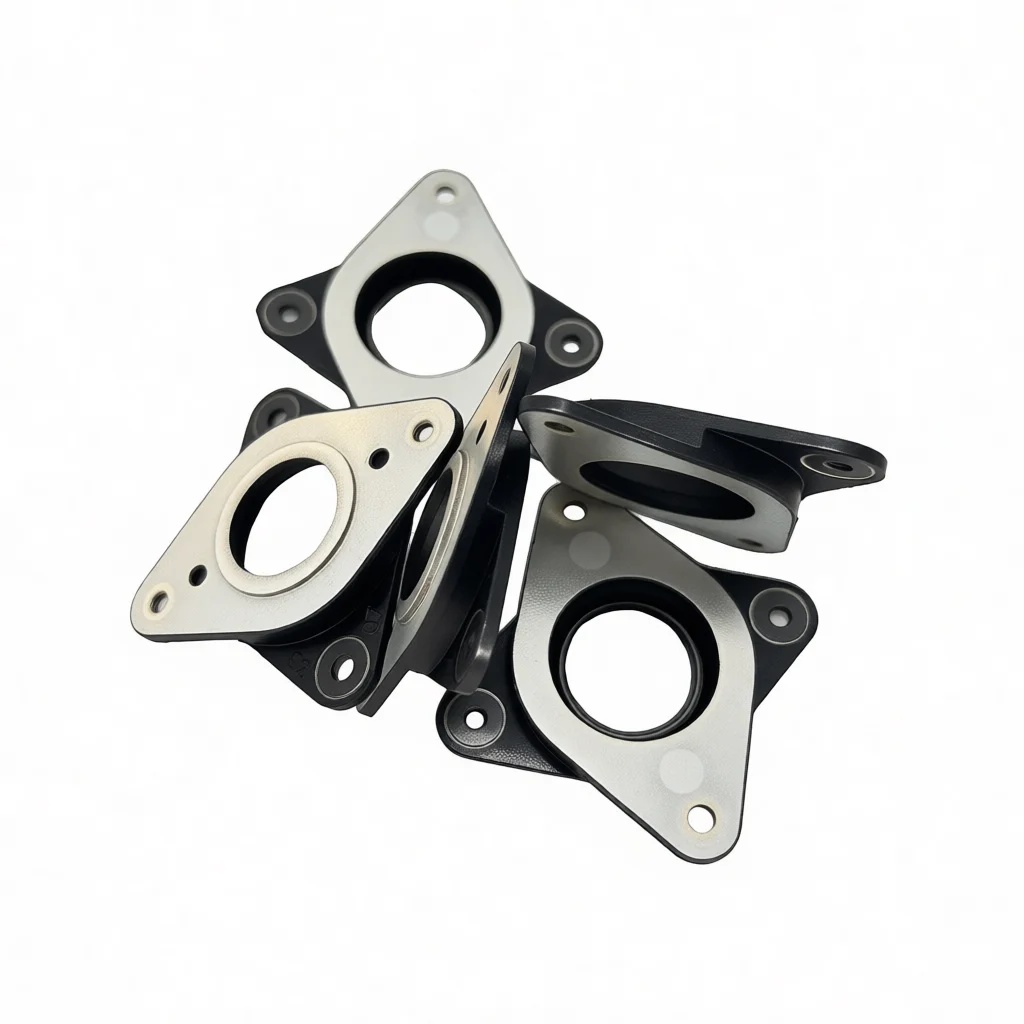
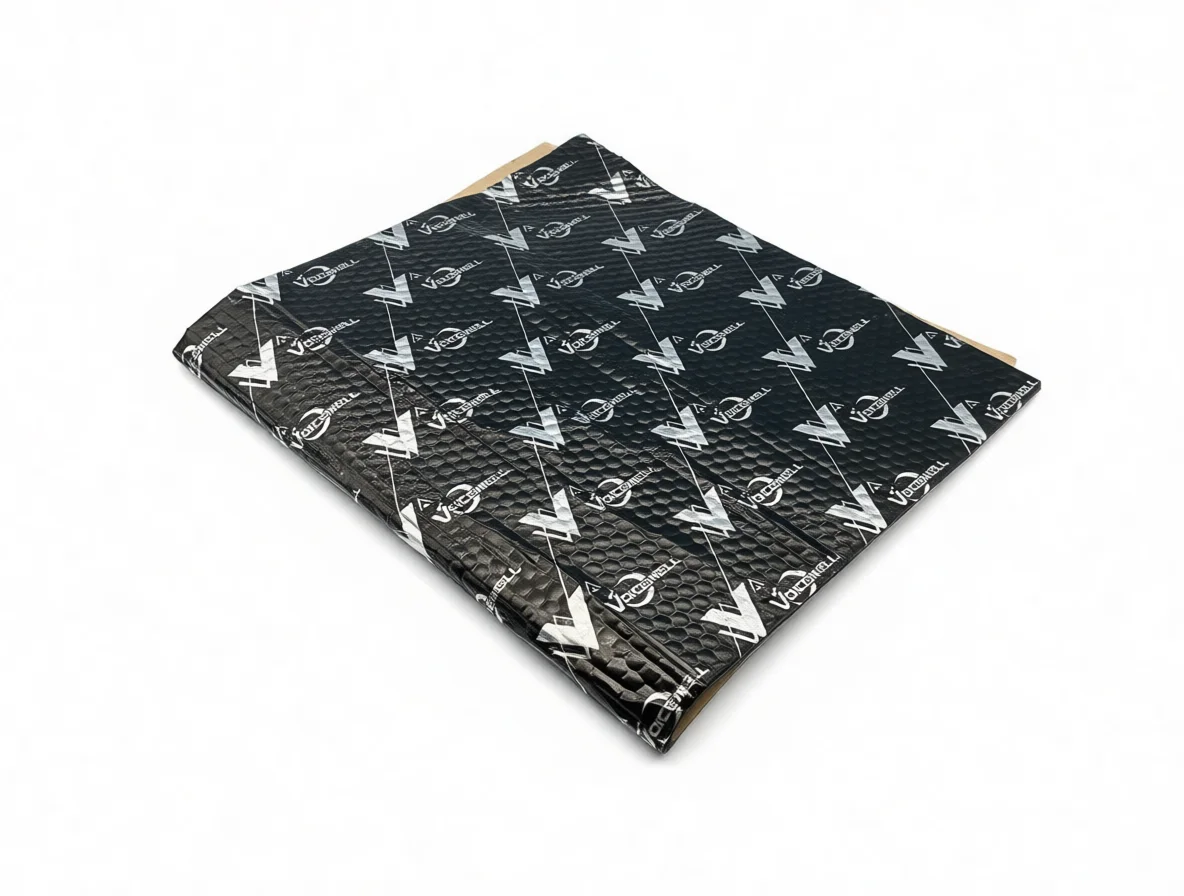
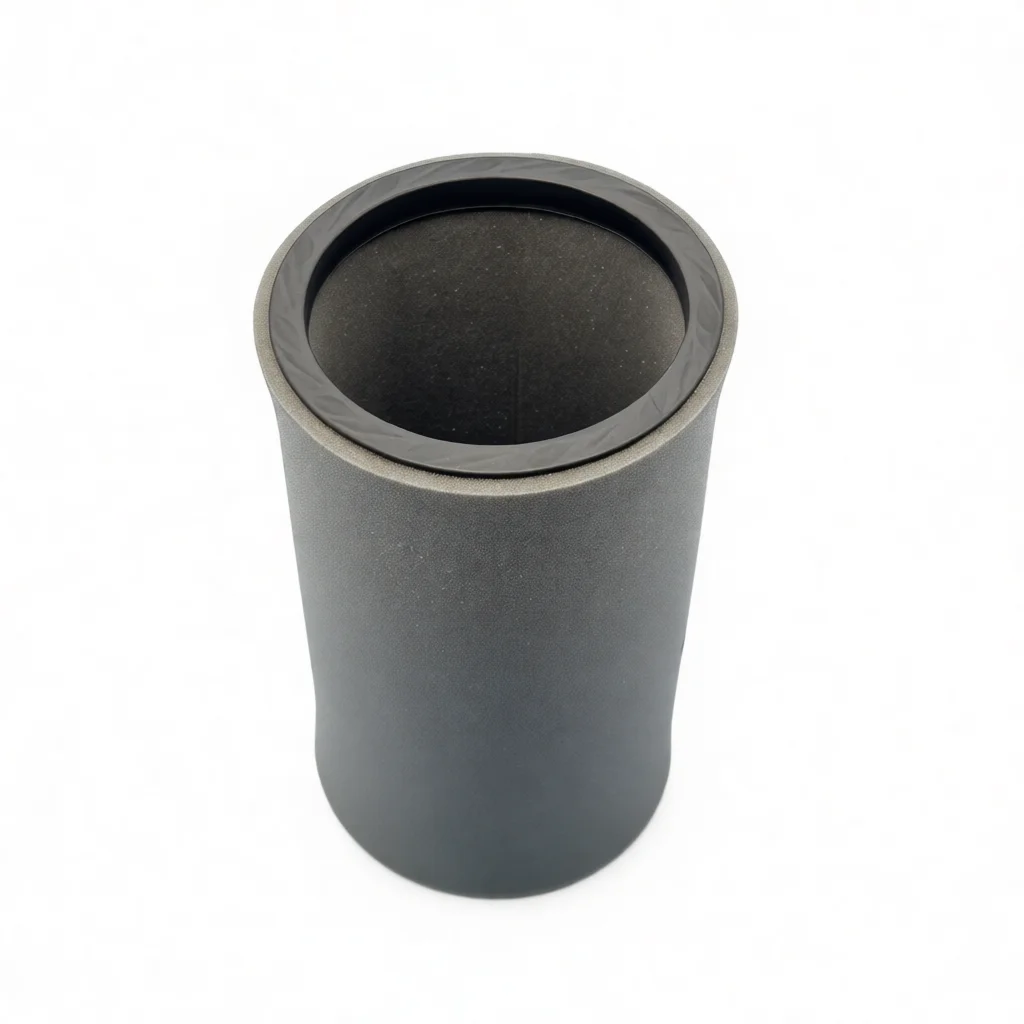
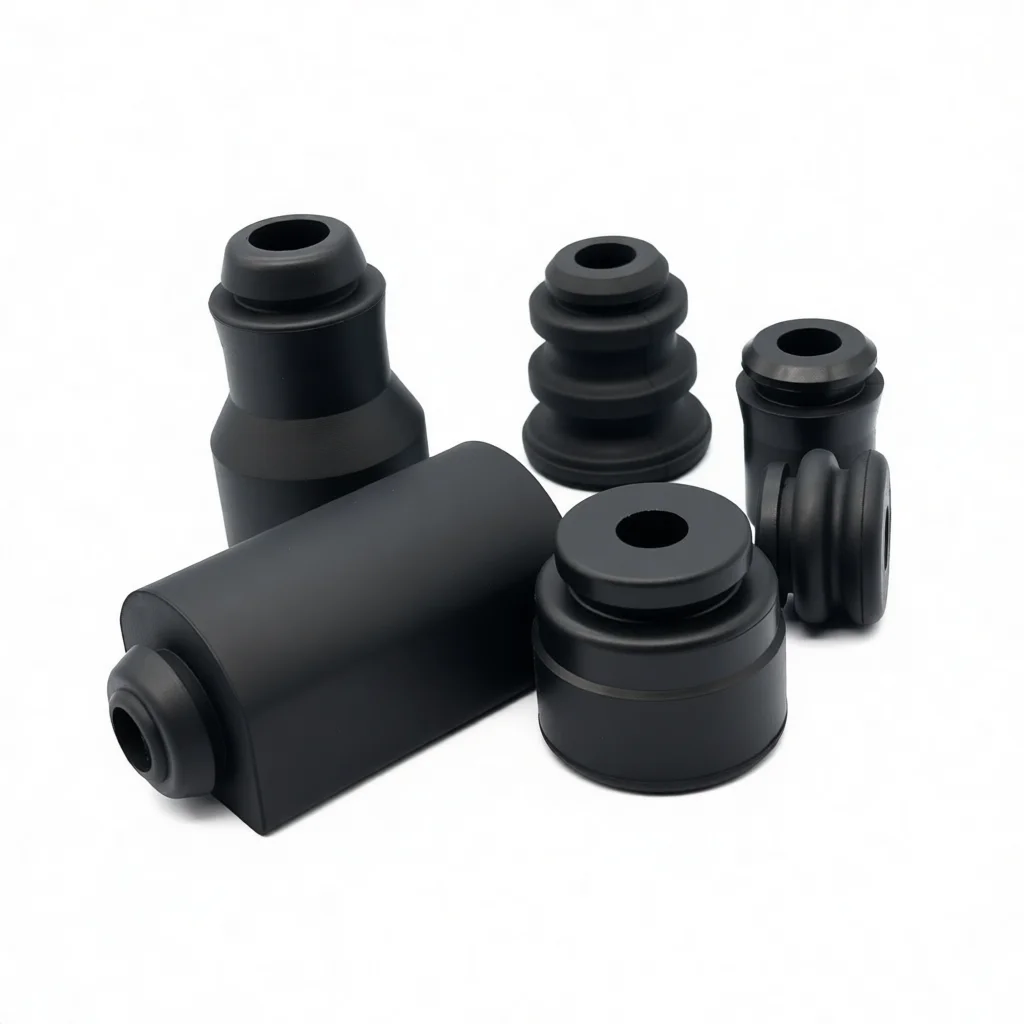
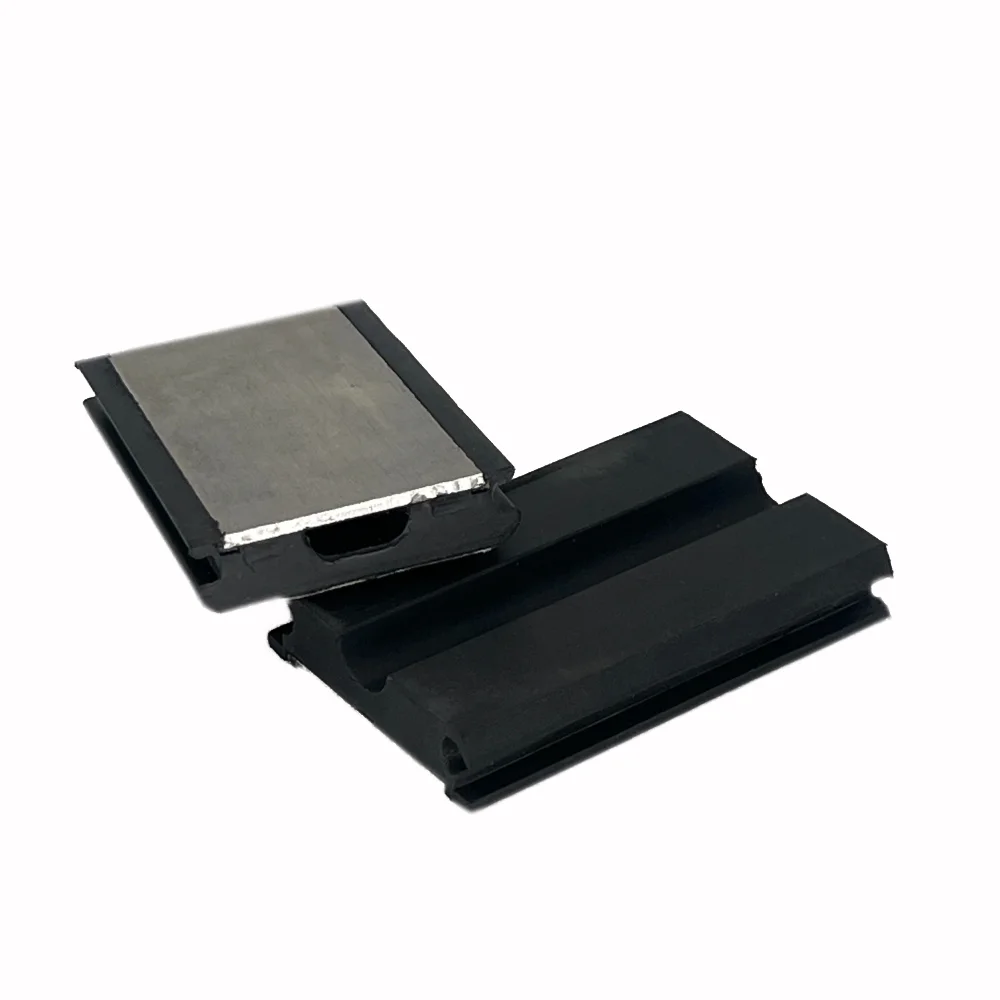
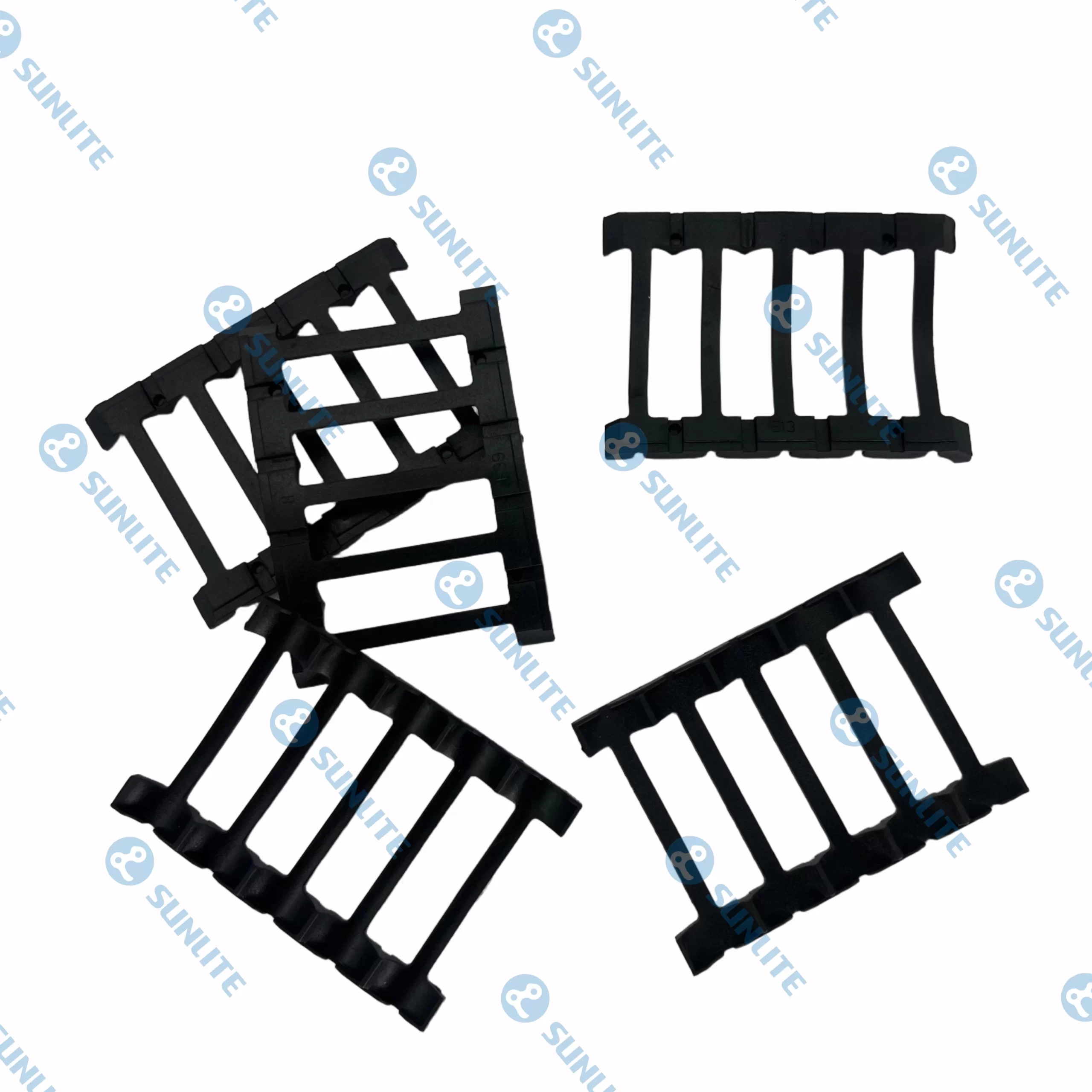
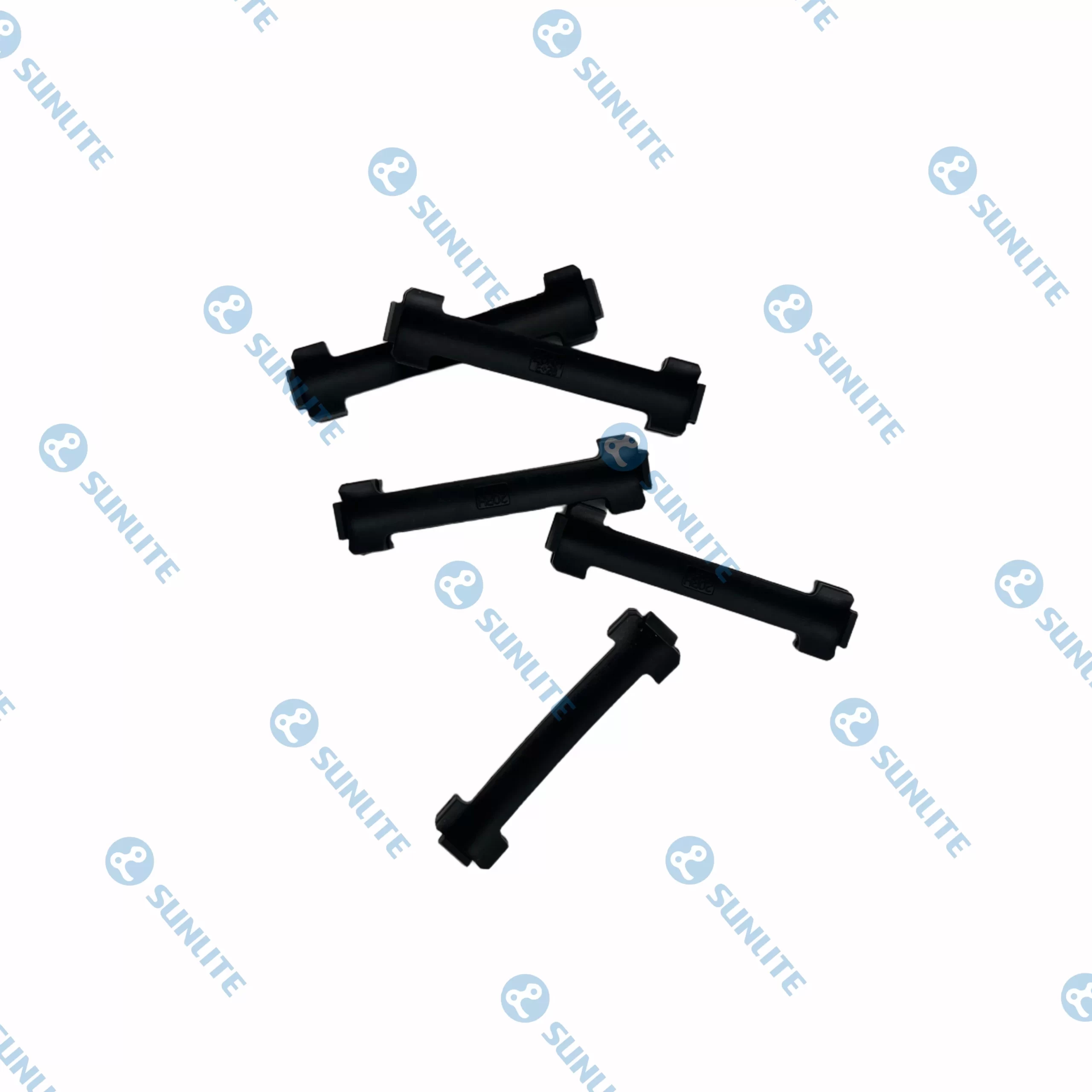
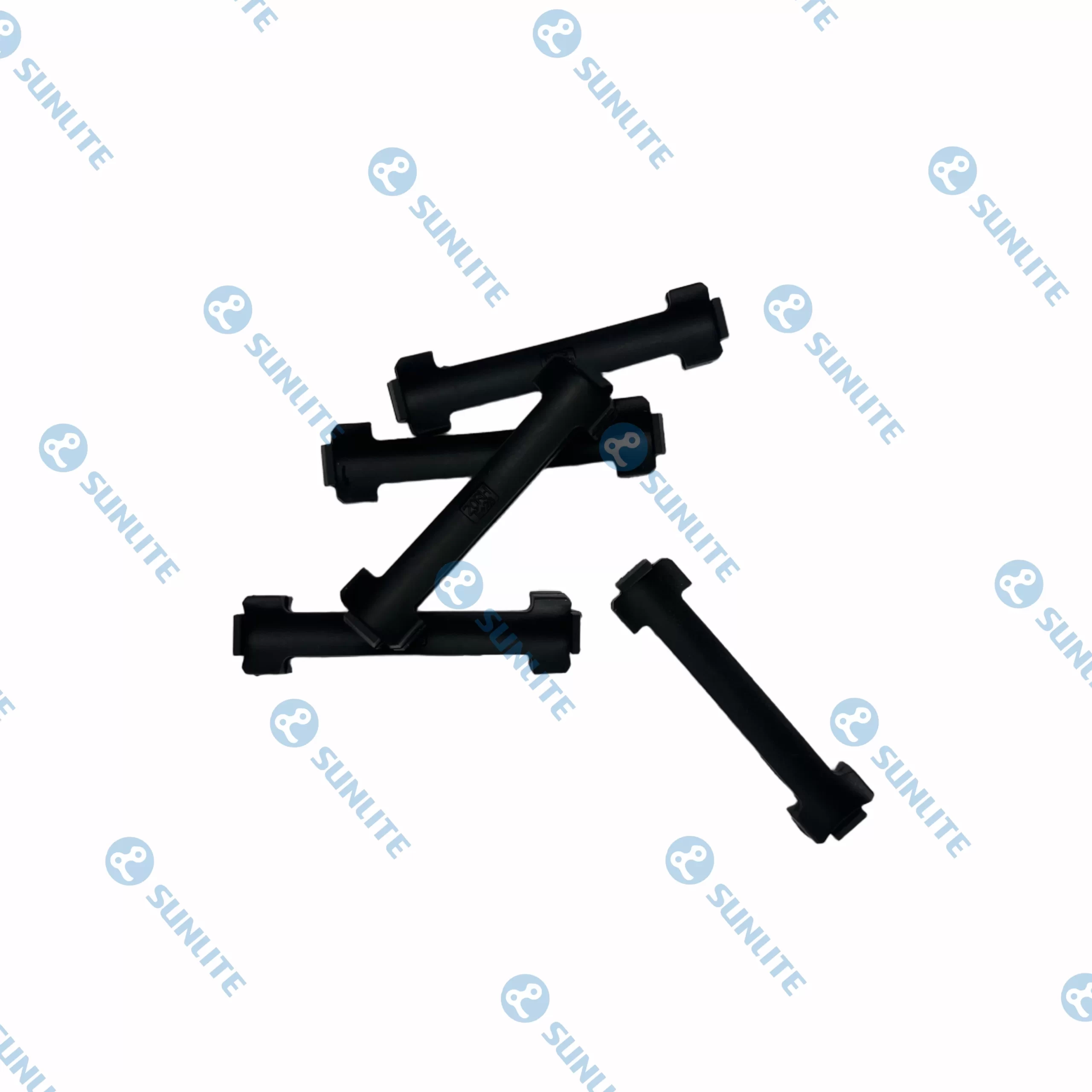
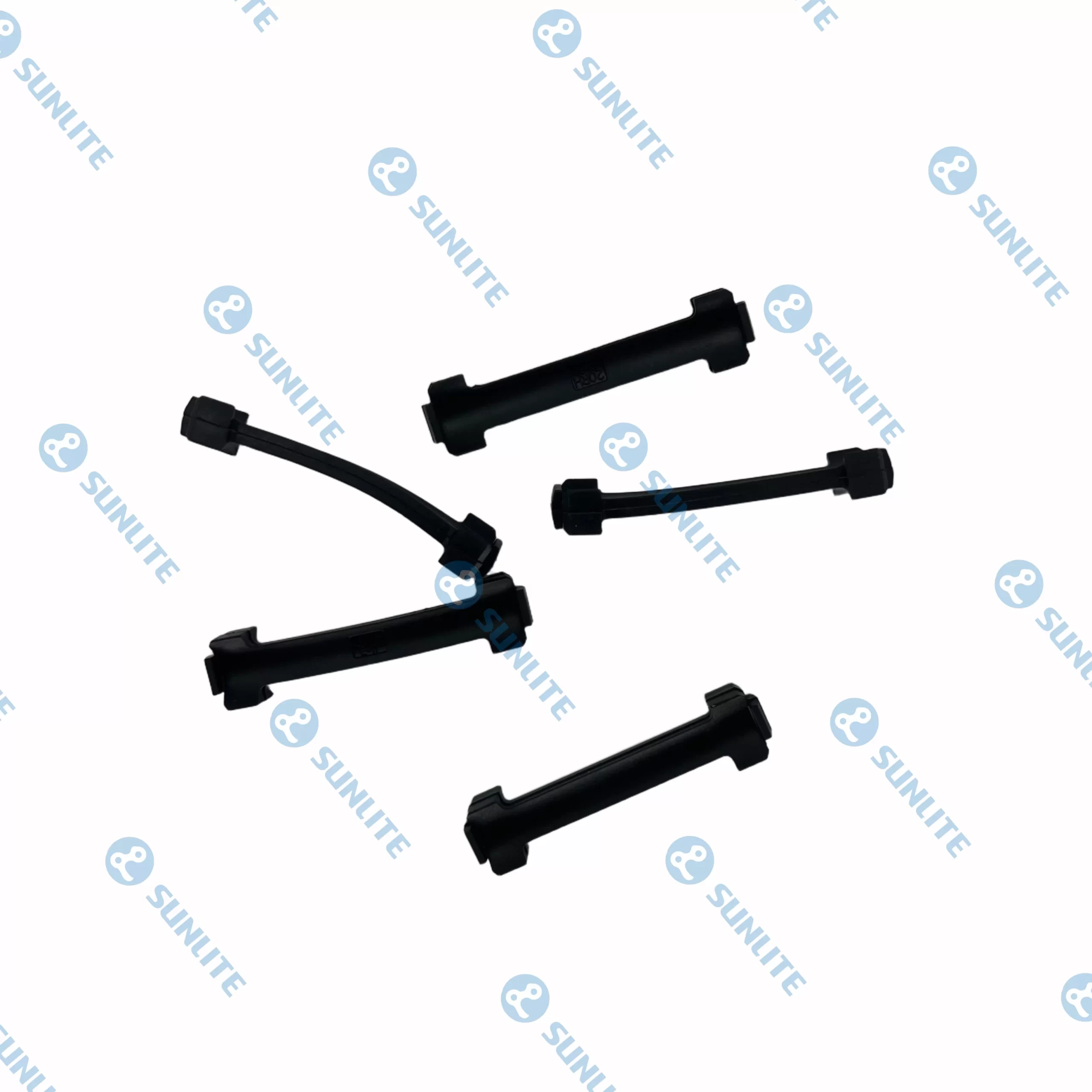
This series of BATTERY PAD adopt a composite formula of EPDM (Ethylene Propylene Diene Monomer) and halogen-free flame retardants, specially designed for the positioning, fixing and buffer protection of battery pack cells. The products firmly fix the cells in the plastic box through extrusion, with excellent resilience, electrical insulation and flame retardancy, which can effectively absorb drop vibrations, extend the service life of the battery pack, and ensure the structural stability of the cells. Supporting customization services based on drawings and samples.
PRODUCT FUNCTION
Utilizing high resilience and low compression set properties, it effectively offsets the impact force generated by drops or vibrations;
It positions and fixes cells for a long time without loosening during its service life, with a supporting life of up to 8 years;
The non-leaching formula design avoids contamination to cells or plastic casings;
It has excellent electrical insulation and flame retardancy, enhancing the safety protection level of battery modules.
PERFORMANCE INDEX
Material composition: EPDM + halogen-free flame retardants;
Rebound performance: Low compression set, no loosening after long-term use;
Weather resistance: No leaching after 1 month of high-low temperature cycle placement;
Water extraction test (80℃×24h): Weight change rate < 1%;
Electrical performance: Surface resistance up to 10¹⁴ Ω;
Mechanical performance: Tensile strength ≥ 7 MPa;
Flame retardancy: UL94 V0 (0.5mm thickness), EN45545-2 HL3 grade.
APPLICATION AREA
This product of battery pad is widely used in new energy vehicle power batteries, power tool battery packs, energy storage battery modules and other fields, used for positioning, shockproofing, fixing, flameproofing and insulation protection of cells, especially suitable for scenarios with high requirements for flame retardant grade, electrical safety and structural stability.
A Battery Pad is an essential protective component designed to ensure the safety, stability, and lasting performance of battery-powered tools, devices, and equipment. Made from specialized materials such as EVA foam, silicone rubber, neoprene, EPDM, or flame-retardant polyurethane, the battery pad provides cushioning, insulation, and thermal management for modern high-power battery systems.
One of the primary functions of the battery pad is to serve as an internal gasket for the battery compartment of electric tools. When installed around the battery housing, it prevents unwanted movement, minimizes vibration, and ensures that the battery remains firmly secured during operation. This is especially important for power tools used in environments with frequent shaking or impact, such as drilling, grinding, or cutting.
In addition to mechanical stability, the battery pad provides critical electrical isolation between battery casings or terminals. It prevents accidental short circuits, protects the internal wiring, and reduces the risk of electrical hazards. With the growing use of lithium-ion and high-capacity battery packs, maintaining reliable insulation is more crucial than ever.
Thermal buffering is another major benefit. Battery pads designed for high-temperature environments help dissipate heat, prevent overheating, and protect surrounding components from thermal transfer. This ensures the battery maintains stable performance even during extended operation or high-power output tasks. By improving heat management, the battery pad contributes to longer battery life and improved charging efficiency.
During transportation and storage, the padding function becomes even more valuable. It shields batteries from shocks, drops, and compression forces that may occur during shipping. This protects the battery structure, reduces the risk of damage, and ensures safe delivery to the end user.
Whether for consumer electronics, industrial tools, drones, smart devices, or energy storage units, a high-quality Battery Pad enhances safety, extends service life, and ensures consistent battery performance under demanding conditions.
A Battery Pad is engineered to provide comprehensive protection for modern battery systems by addressing mechanical shock, thermal stress, electrical insulation, and structural stability. As battery technology continues to evolve toward higher capacity and higher power output, the importance of reliable internal protection becomes increasingly significant.
One of the main functions of the battery pad is vibration control. Inside electric tools or portable equipment, continuous vibration can loosen battery contacts and degrade performance. The pad absorbs these vibrations, ensuring a stable connection and preventing intermittent power loss. This helps maintain consistent operating performance, especially in high-speed or precision tools.
The battery pad also acts as a protective barrier between the battery and surrounding components. When placed between casings or structural parts, it prevents abrasion, impact damage, and wear caused by repetitive motion or collisions. This is essential for maintaining the structural integrity of both the battery and the equipment.
Thermal management is a key feature of advanced battery pads. With improved heat resistance and thermal buffering, the pad helps regulate temperature during high-power or long-duration operation. By preventing heat buildup around the battery, it reduces the risk of thermal runaway and enhances overall system safety.
Electrical insulation is another critical function. Many battery pads are made from materials that resist electrical conduction, providing a safeguard against short circuits or accidental contact between conductive parts. This is important for ensuring the reliability of high-energy storage systems.
Finally, during transportation and long-term storage, the battery pad acts as a protective cushion. It prevents external impacts from damaging the battery pack and ensures safe, compliant packaging for domestic and international logistics.
Overall, a Battery Pad enhances mechanical protection, improves heat stability, provides essential insulation, and ensures long-term reliability for various battery-powered devices.