Select Language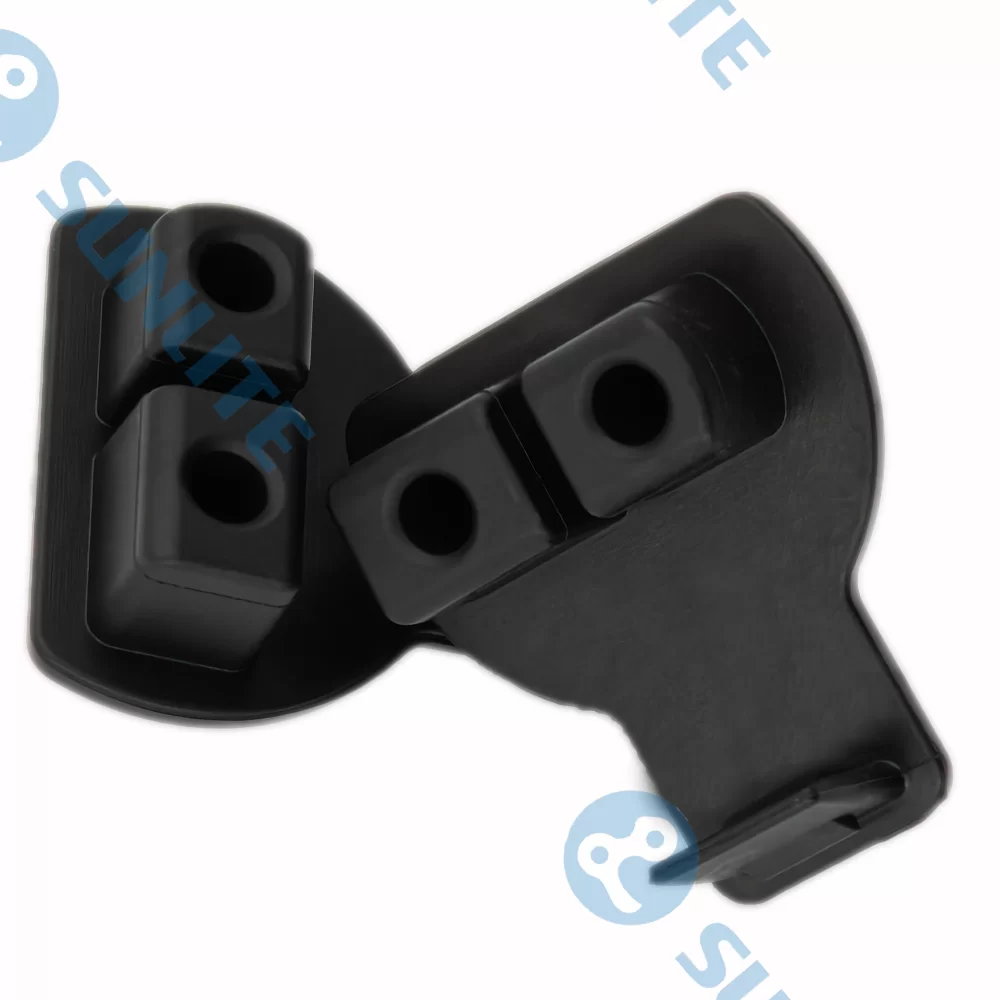
APPLICATION SCENARIOS
1. Power/data cable interface sealing
2. Sensor/probe hole position sealing
3. Drain/vent hole sealing
4. Battery compartment or maintenance port sealing
5. Factory shipment/testing stage sealing
Product Description
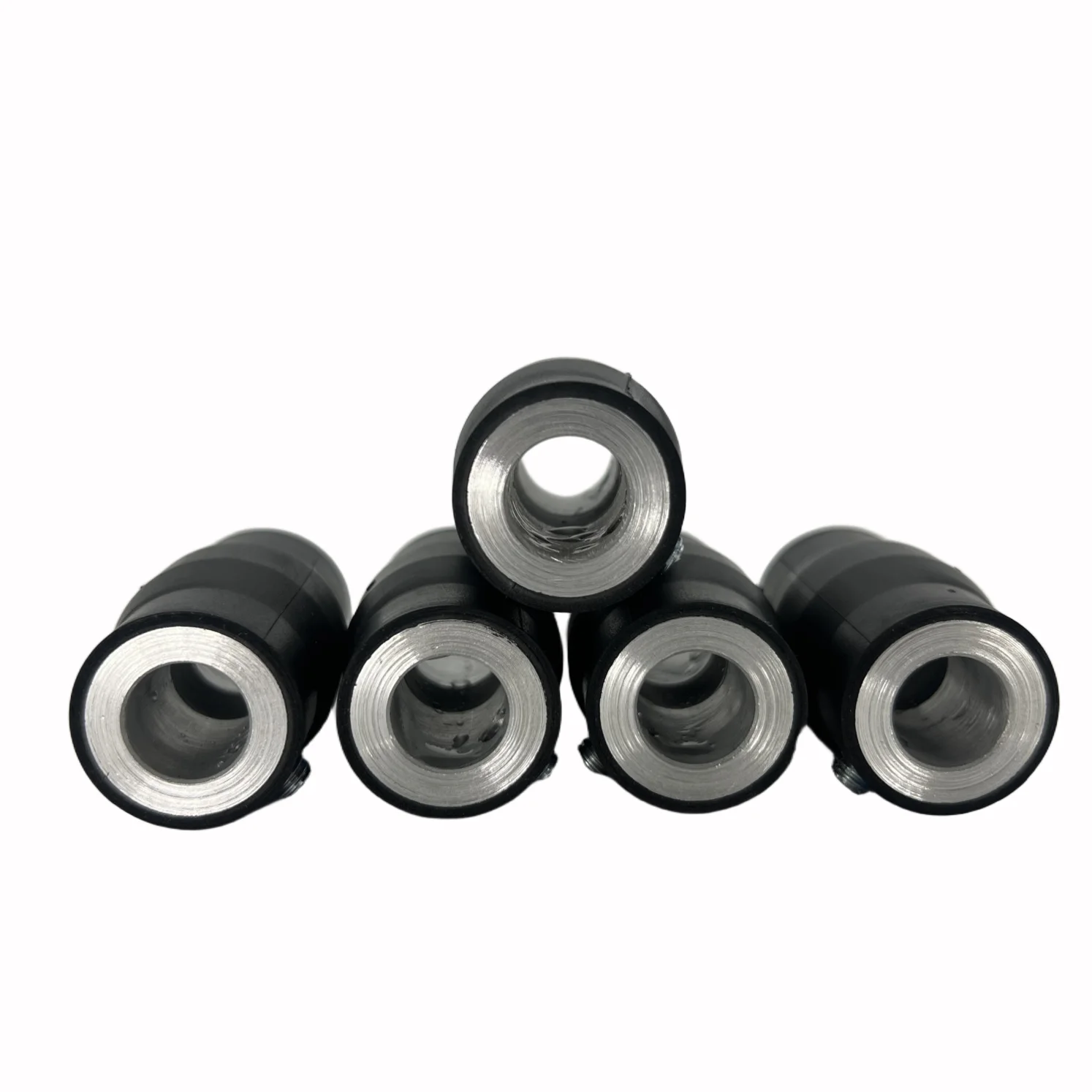
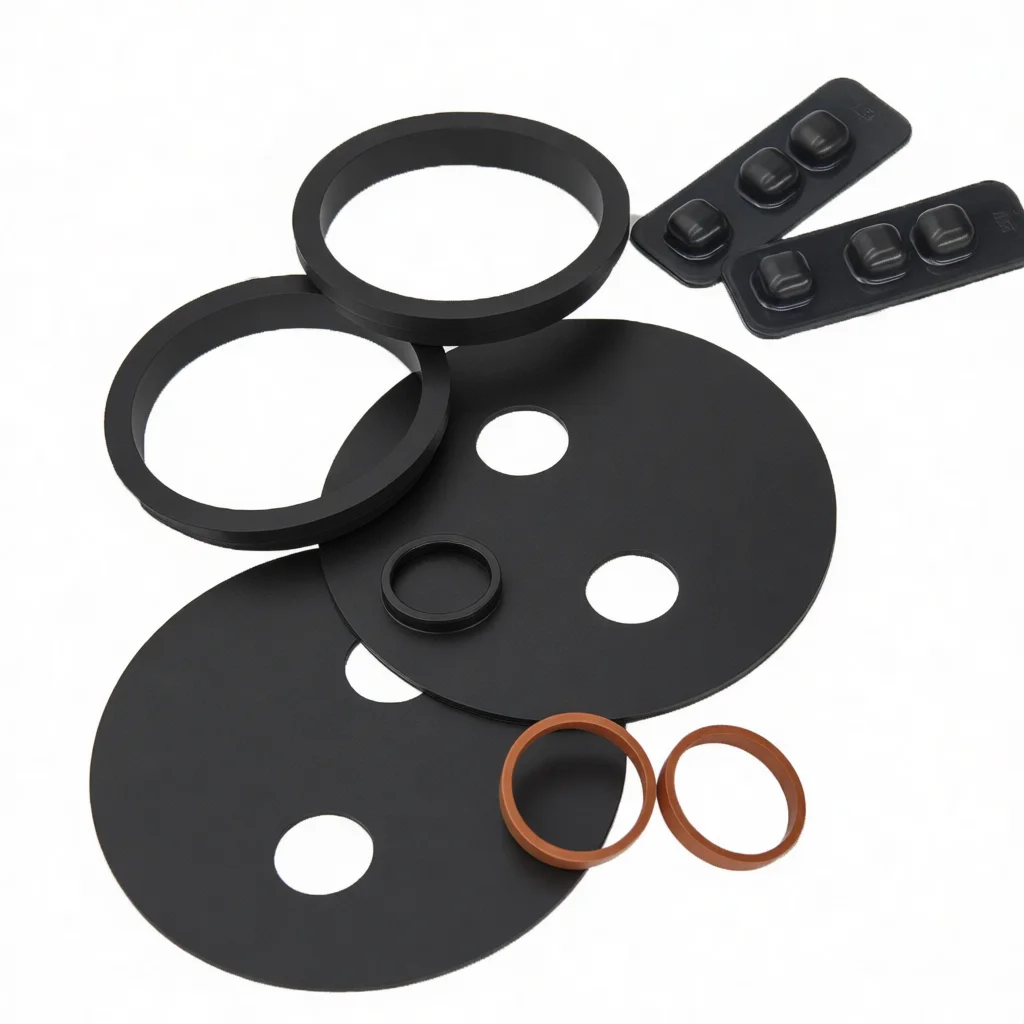
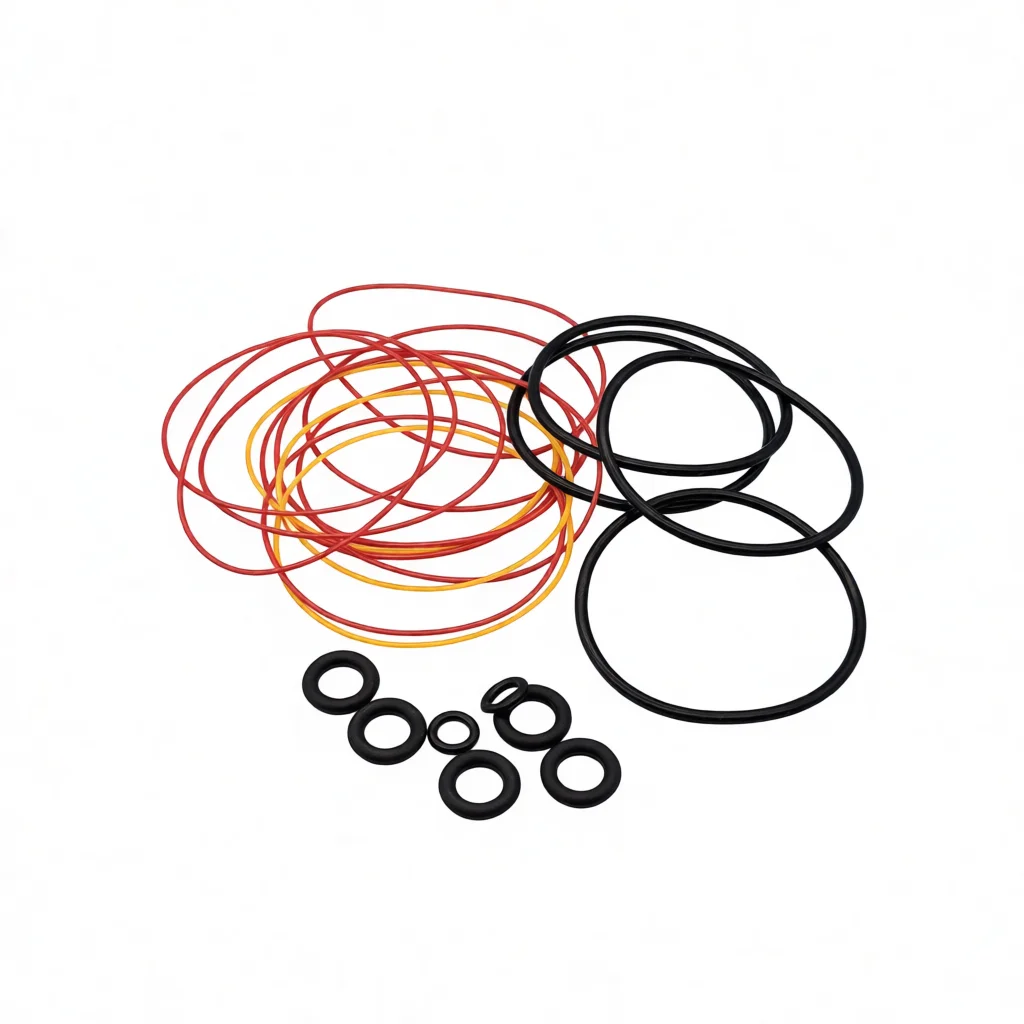
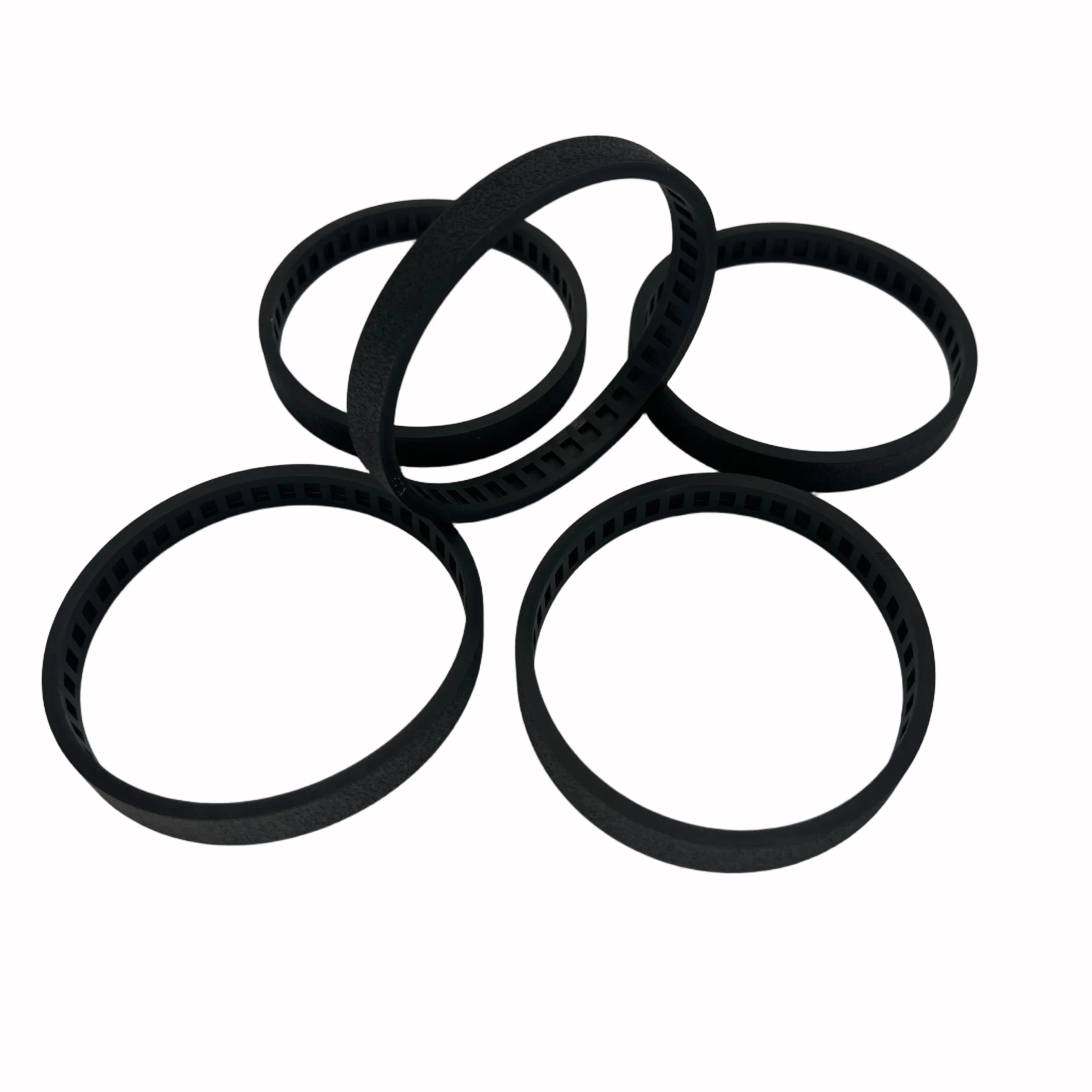
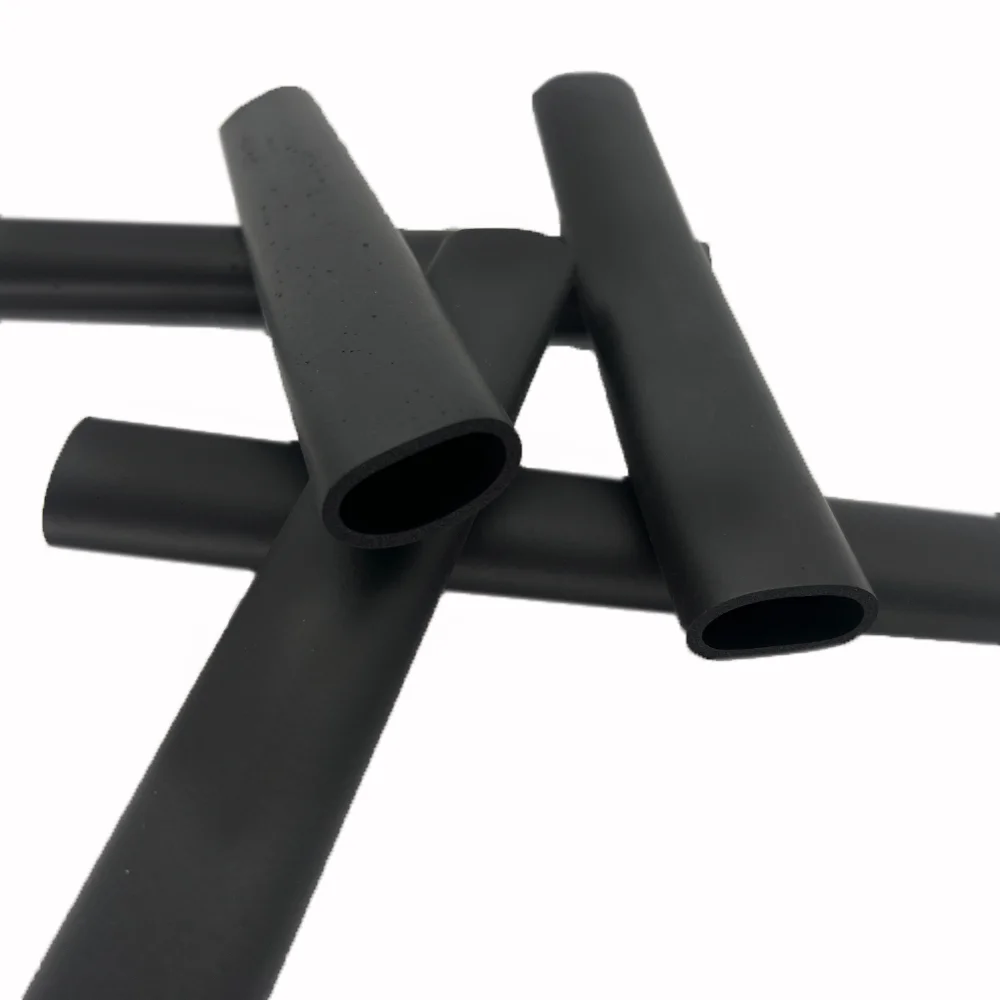
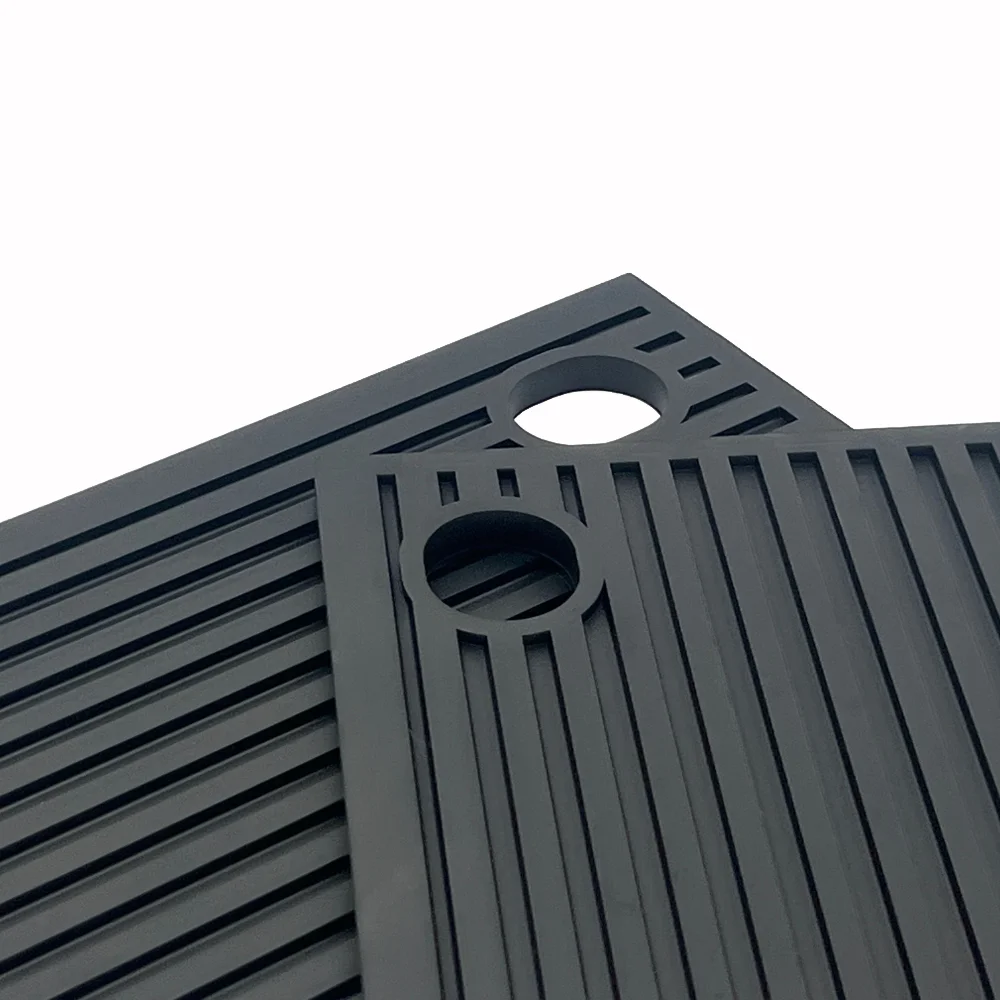
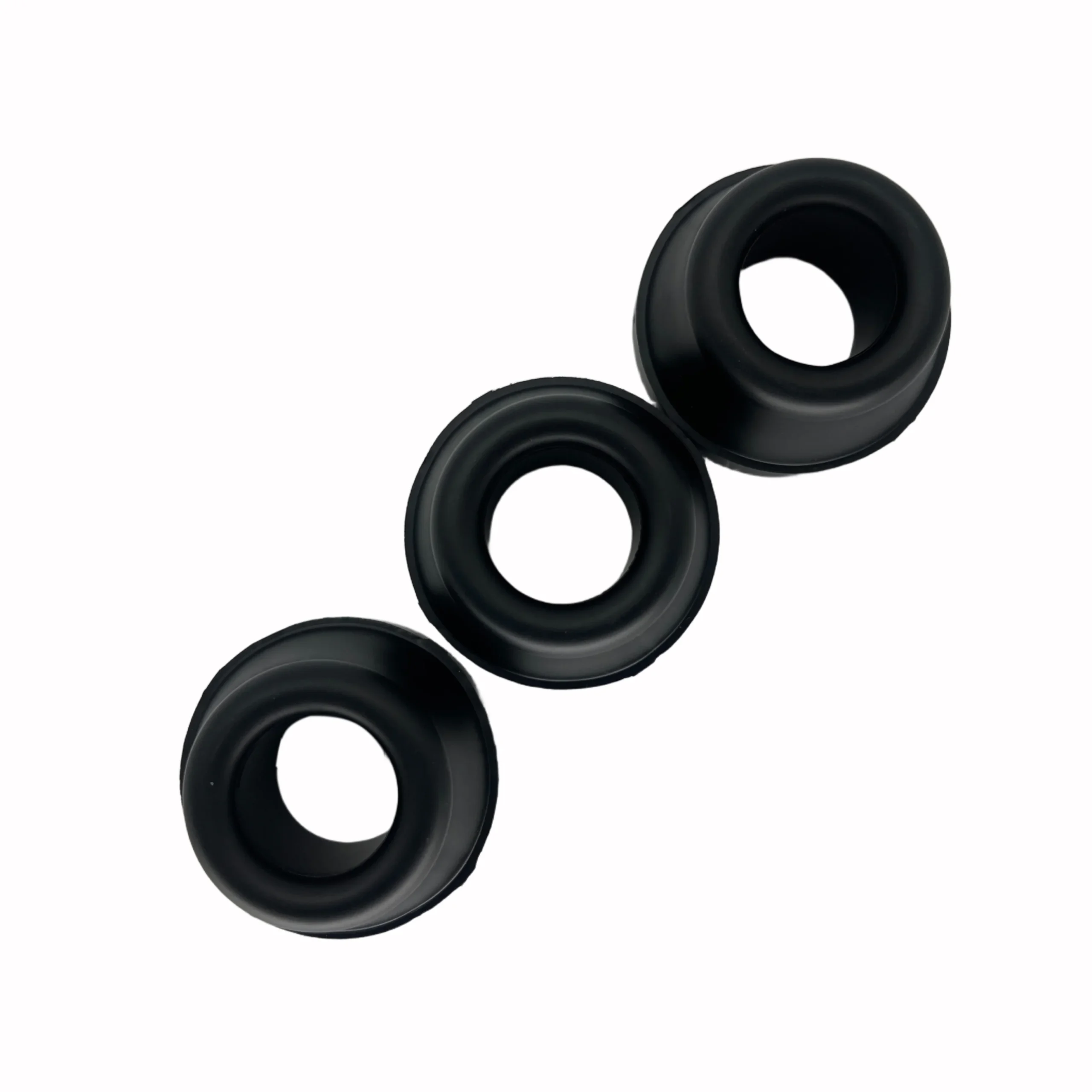
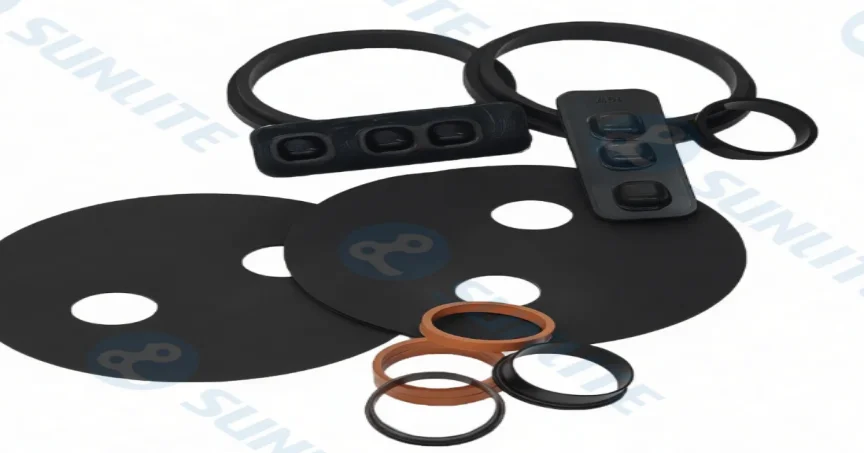
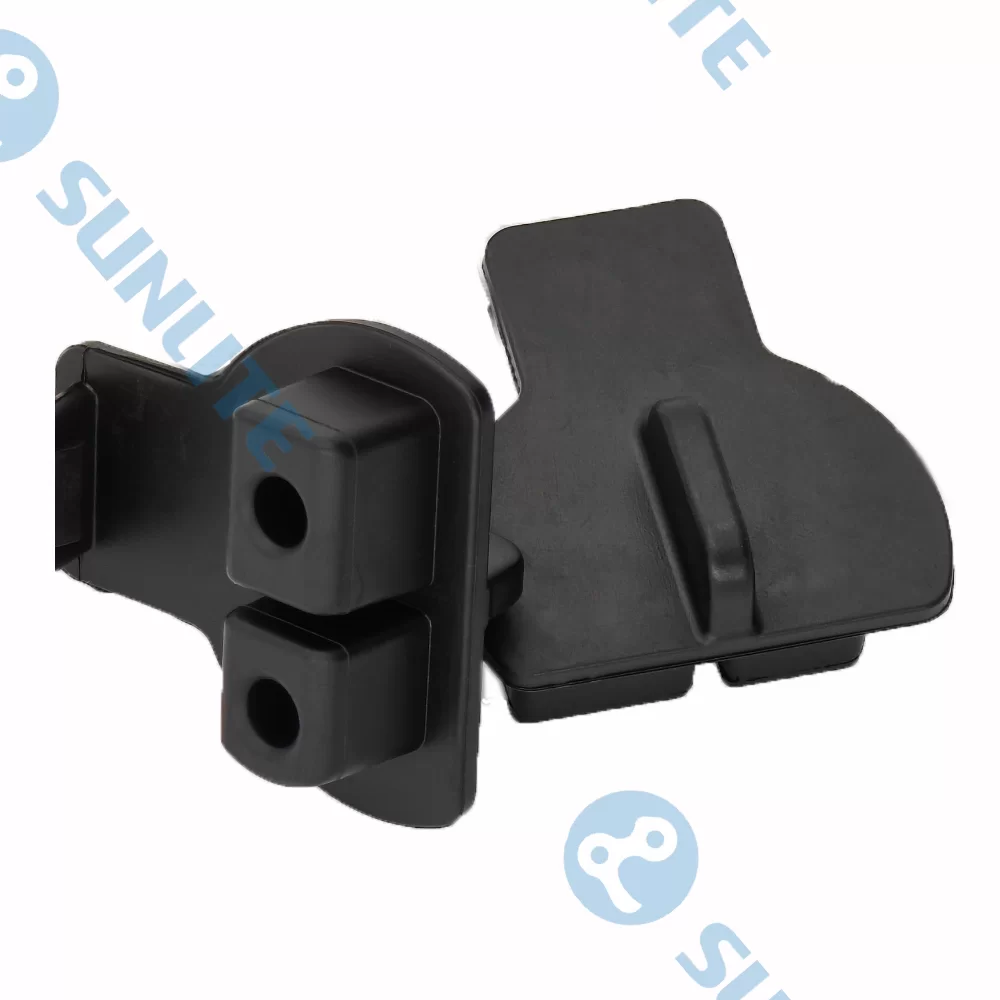
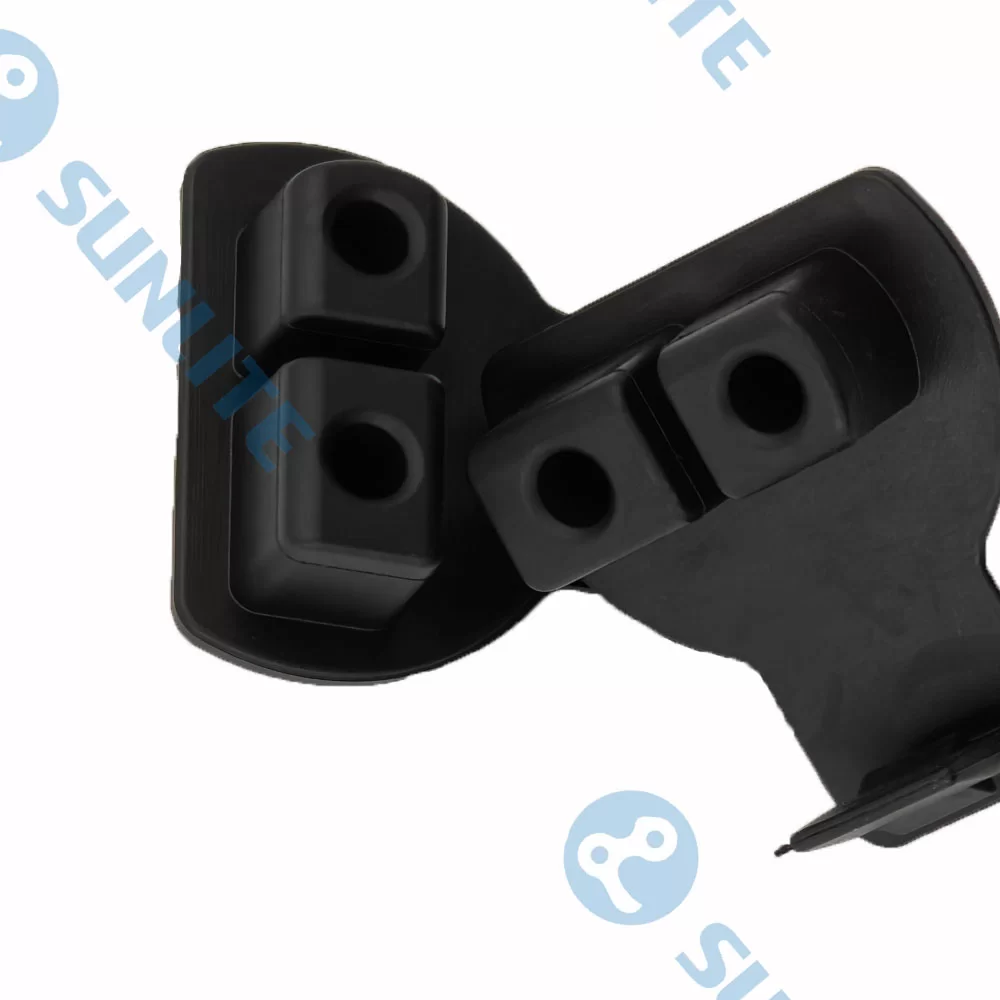
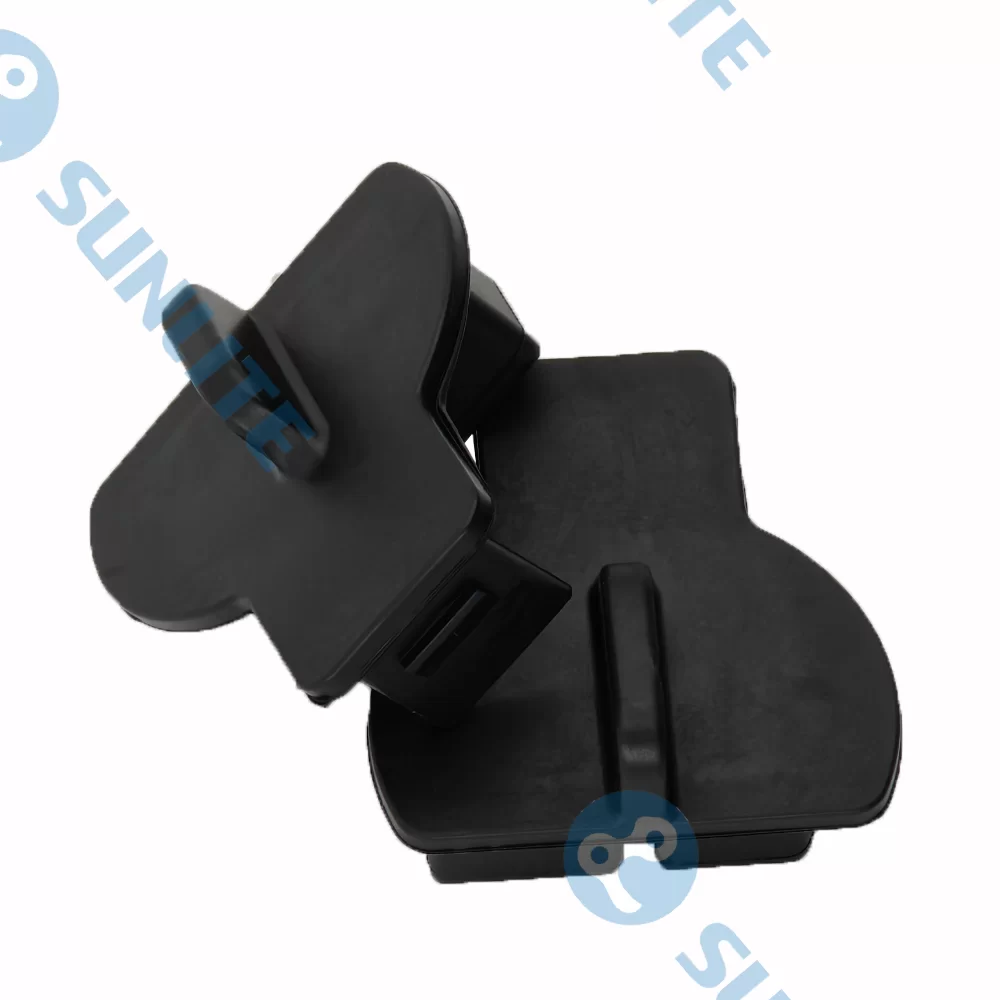
This series of rubber plug products are mainly made of NBR (nitrile rubber), suitable for sealing and protecting holes such as charging ports, sensors, etc. of underwater robots during operation, with excellent sealing performance and chemical corrosion resistance, adapting to various water quality environments. Supporting customization of specifications, structure and hardness.
PRODUCT FUNCTION
This rubber plug has multiple functions such as sealing and waterproofing, corrosion resistance and structural stability. It can effectively block liquids and impurities from entering the orifices in complex underwater environments, protect electronic components from damage, and enhance the operational safety and reliability of underwater equipment.
PERFORMANCE INDEX
Chemical corrosion resistance: After being immersed in media such as residual chlorine, copper sulfate, flocculant, acids and alkalis,
sodium hypochlorite for 30 days, the performance retention is ≥80% and the volume change is ≤15%;
UV resistance: After 168 hours of UV irradiation, the performance retention is ≥80%;
Ozone aging resistance: No cracks on the surface after 72 hours of testing;
High and low temperature cycle resistance: After 6 temperature cycles from -20℃ to 60℃, dimensional stability is maintained with no abnormalities.
APPLICATION AREA
The charging port plug is Widely used in underwater robots, underwater detection equipment, submersibles, aquaculture automation devices and other scenarios with high requirements for hole sealing, suitable for waterproof sealing and protection of parts such as charging ports, interfaces, sensor bases, redundant holes, etc.
A charging port rubber plug is an indispensable component, acting as the primary line of defense that profoundly enhances the reliability and operational safety of underwater robots deployed in harsh environments. These robotic systems are constantly challenged by forces far exceeding those on land: extreme hydrostatic pressure, chemical aggression, and dramatic thermal variations. The charging port, being an intentional opening for power access, is inherently a point of vulnerability that this plug is engineered to seal absolutely.
The reliability boost primarily stems from the plug’s ability to ensure strong sealing protection. Water ingress is the single largest threat to submersible electronics, leading inevitably to short circuits and corrosion of sensitive internal components. The high-grade rubber material, such as NBR (nitrile rubber), is specially formulated to form a complete, pressure-resistant seal around the port, maintaining the dry environment necessary for the robot's power supply and data circuits to function without interruption. The plug effectively seals not just the charging port, but also other critical access points like a battery compartment or maintenance port sealing.
Furthermore, the plug’s corrosion resistant and chemical corrosion resistance properties are essential. Underwater environments are not pristine; they can contain harsh chemicals like various acids, alkalis, and industrial cleaning agents. The advanced elastomer is designed to resist degradation when exposed to these substances. This crucial feature ensures that the sealing material itself does not swell, crack, or dissolve over time, which would otherwise compromise the seal and lead to catastrophic equipment failure. This chemical stability guarantees the long-term effectiveness of the barrier, particularly against pollutants that may be present near power/data cable interface sealing points.
The plug also delivers temperature difference resistant performance and anti-aging qualities. Submersible operations often involve moving between widely varying thermal layers. The charging port plug must maintain its dimensional stability and elasticity across these broad temperature cycles. By preventing material shrinkage or expansion, the plug guarantees the seal remains tight regardless of the operating environment’s thermal state. This anti-aging and resilience to environmental factors like ozone and UV radiation contributes directly to the overall longevity of the equipment, significantly reducing the likelihood of unexpected seal failure and maximizing the robot's mission uptime.
Selecting the correct waterproof charging port protective plug is a critical decision when sealing sensitive areas like sensors and data interfaces on underwater equipment. These interfaces are responsible for collecting vital information and maintaining command signals, meaning their protection is non-negotiable. The rubber plug must offer a precise and reliable seal to prevent water-induced corruption or failure of these expensive and crucial components. The integrity of the sensor/probe hole position sealing relies entirely on this component.
The choice hinges on ensuring the plug’s properties align perfectly with the high demands of the application. The material, often NBR rubber, must first demonstrate exceptional chemical corrosion resistance. Sensors and data interfaces are frequently used in waters treated with various chemicals or contaminated by industrial substances. The protective plug must be chemically stable and inert, resisting swelling or degradation upon prolonged exposure. This resilience ensures the material maintains its specified size and mechanical properties necessary for a reliable, tight fit over the long term, making it suitable for demanding application scenarios such as drain/vent hole sealing or protecting factory shipment/testing stage sealing points.
A key factor is the ability to support customization of specifications, structure and hardness. Sensors and data interfaces have unique, often complex, geometries. A generic waterproof charging port protective plug will not suffice. The correct plug must be custom-engineered to match the precise contours and dimensions of the interface, guaranteeing that the strong sealing protection is effective across the entire surface area. Customizing the material's hardness is also essential; it must be firm enough to resist hydrostatic pressure but pliable enough to conform to minor surface imperfections, creating an ideal seal. This precise engineering is necessary for power/data cable interface sealing where even a minor leak could disrupt signal integrity.
Furthermore, the plug must offer temperature difference resistant qualities. Sensitive electronics are highly susceptible to thermal shock and the resulting moisture condensation or seal failure. The chosen NBR rubber plug must withstand repeated cycles of high and low temperatures without losing its dimensional stability or sealing force. This ensures that even as the equipment moves through varying thermal layers or during surface preparation, the seal remains consistently watertight. Its anti-aging property further ensures the longevity required for protecting high-value components in the application area of underwater robots and detection equipment.
NBR rubber plug solutions are absolutely essential for the reliable sealing of submersible charging ports because they provide a comprehensive, multi-faceted protective envelope that meets the rigorous performance requirements of underwater machinery. The charging port is the gateway to the submersible's battery and power management system; protecting it is fundamentally linked to the equipment's core ability to operate, placing it within the critical application area of underwater robots and submersibles.
The necessity of NBR rubber stems from its superior chemical corrosion resistance compared to general-purpose elastomers. Submersibles frequently operate in environments containing hydrocarbons, oils, and other aggressive industrial pollutants besides typical saltwater. NBR excels in resisting swelling and softening when exposed to these media. This inherent corrosion resistant quality guarantees that the plug’s structure remains intact and functional, maintaining a high-performance seal even in highly contaminated waters, which is vital for long-duration deployments. This feature also extends the plug’s utility to general drain/vent hole sealing where chemical resistance is a concern.
In terms of mechanical performance, NBR rubber provides the crucial strong sealing protection required to counteract significant hydrostatic forces. Submersibles encounter immense pressure at depth. The material must be robust enough to resist being deformed or extruded from the port under this external pressure, a capability central to its structural stability. This ensures the seal remains complete and watertight, preventing water intrusion into the battery compartment. This physical resilience is also supported by its temperature difference resistant nature.