Select Language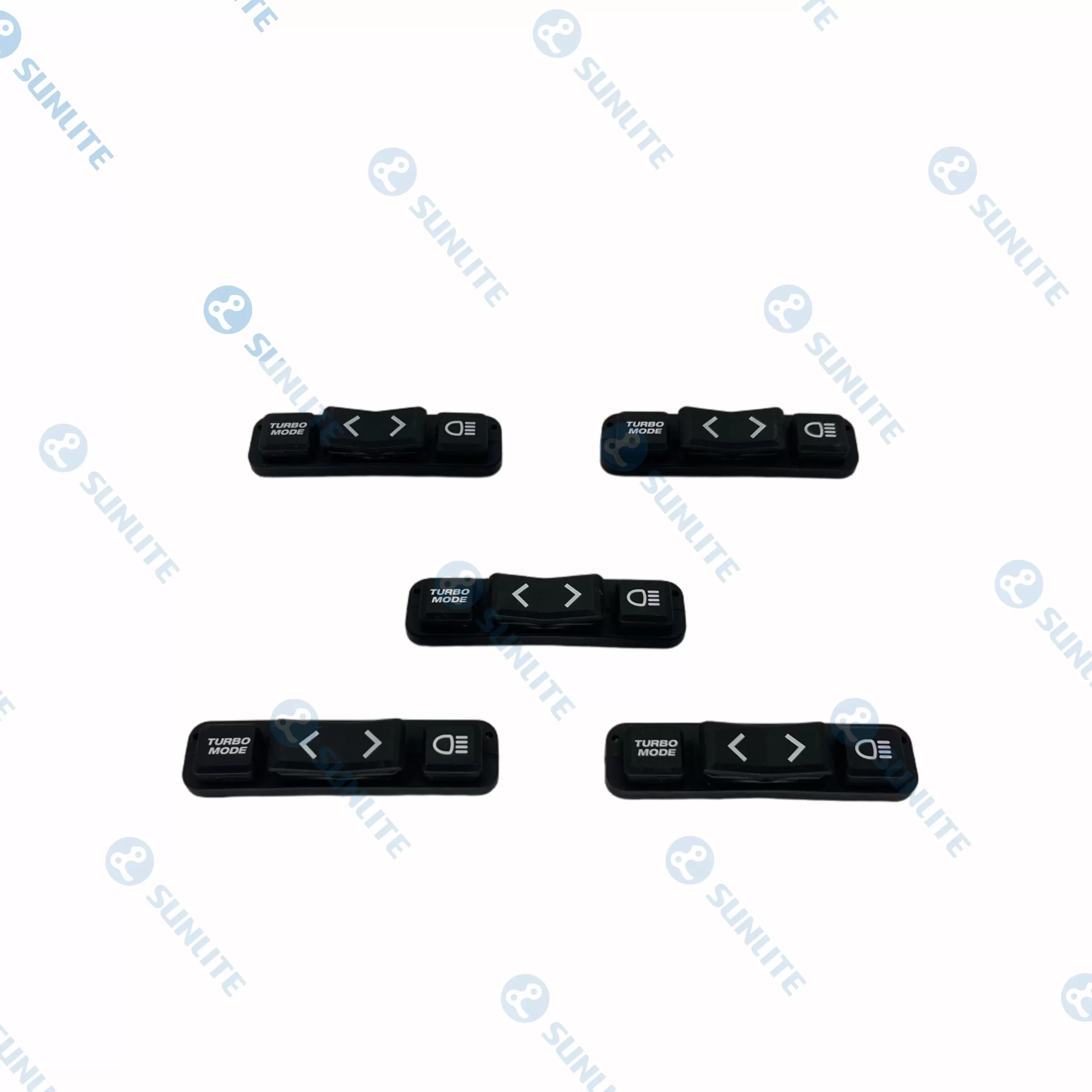
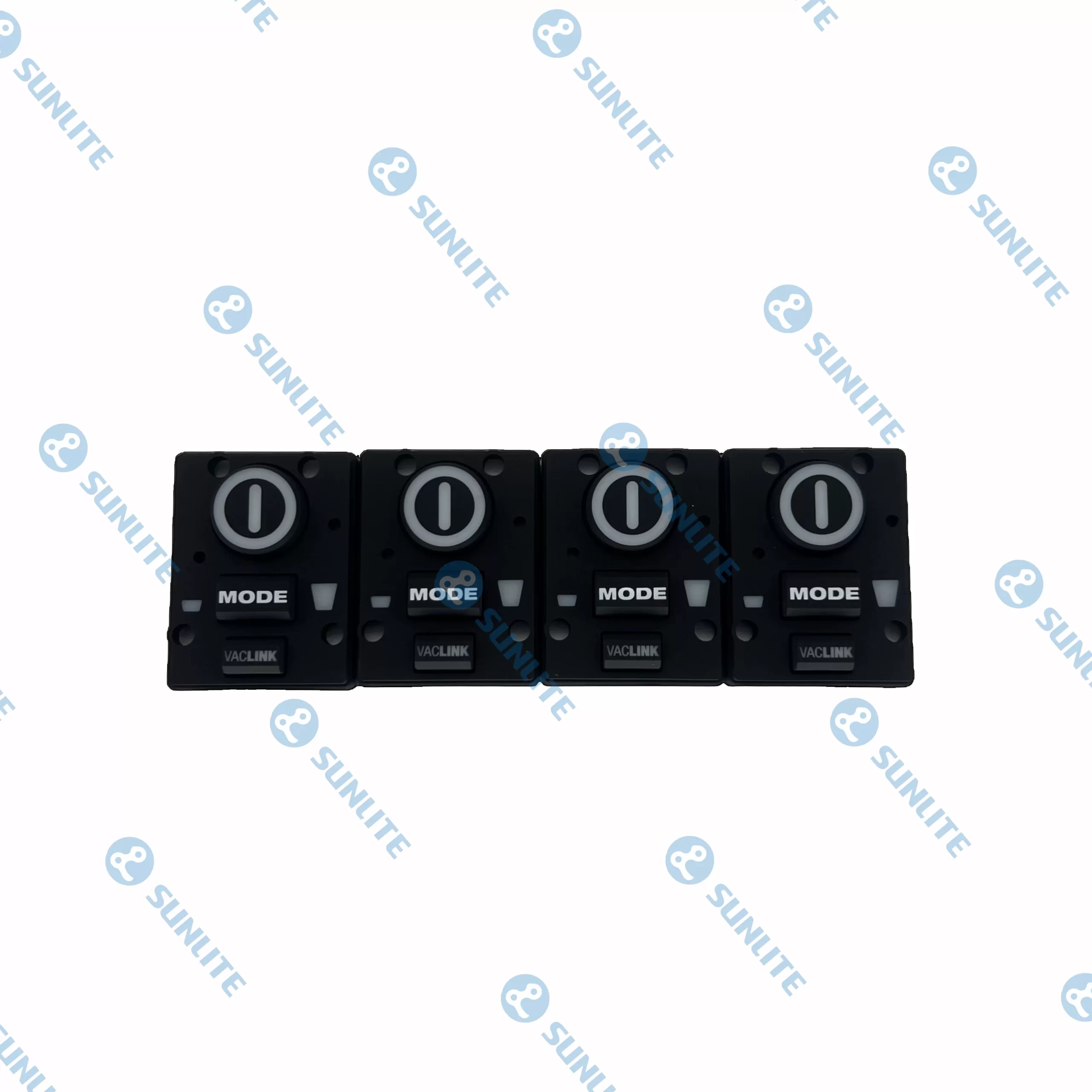
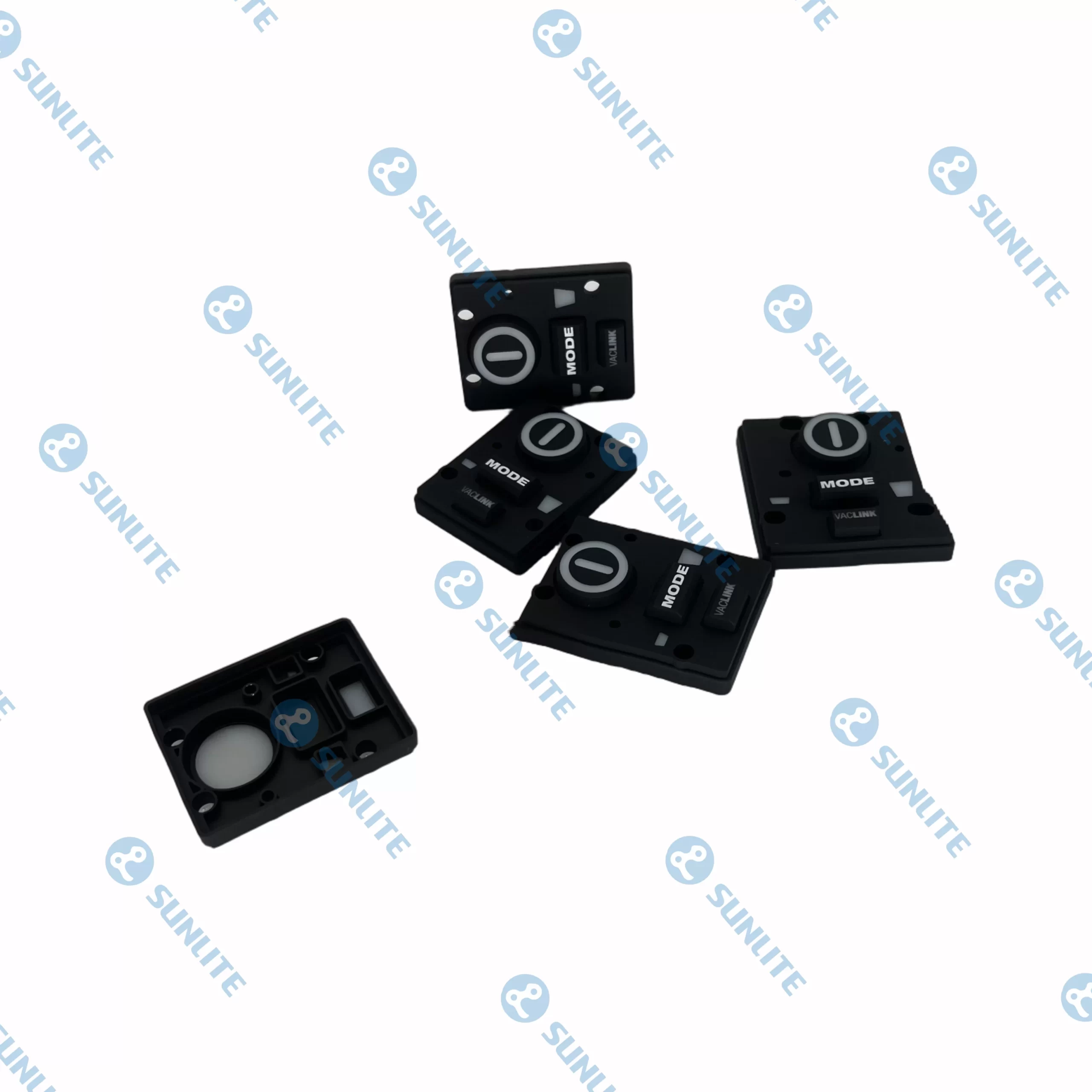
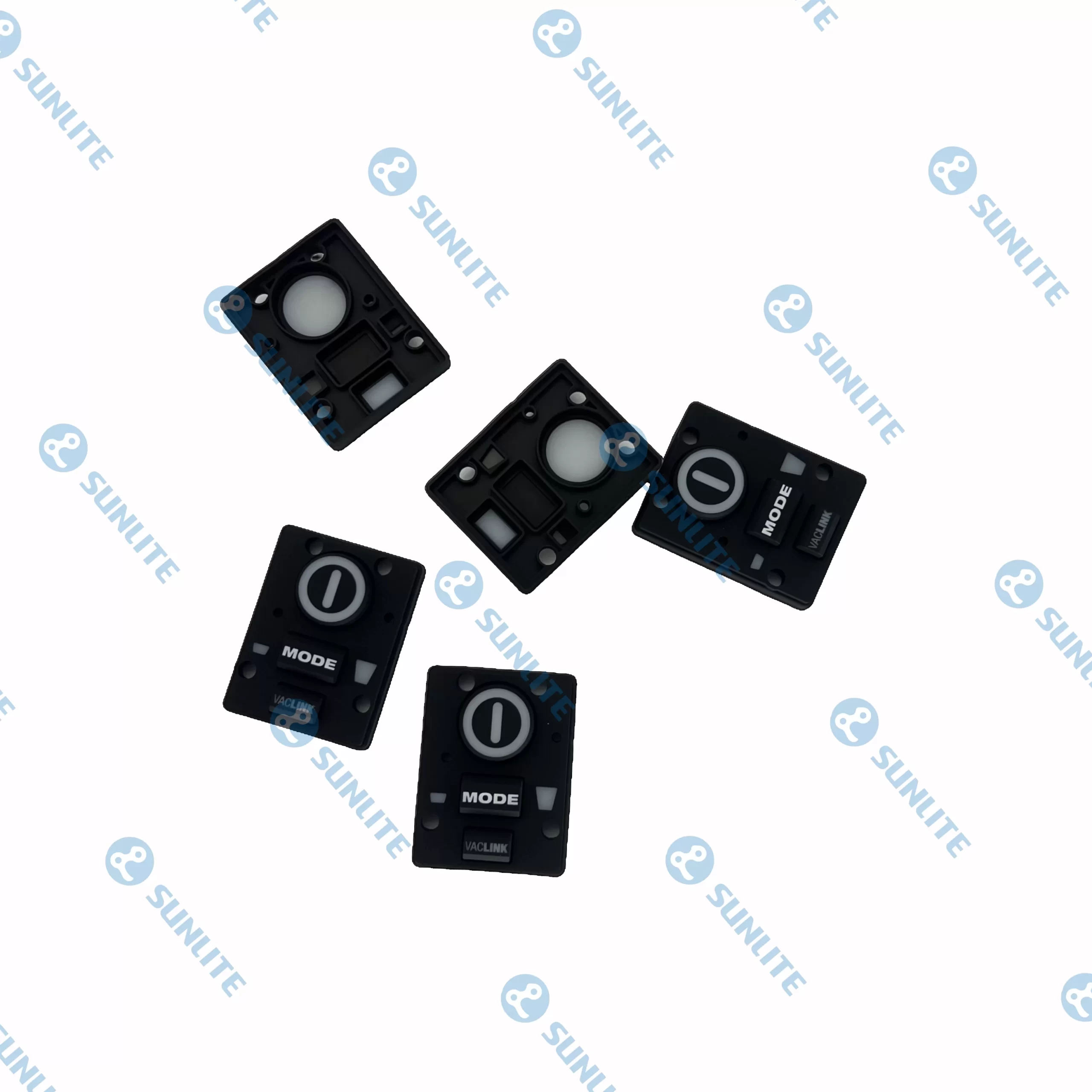
APPLICATION SCENARIOS
1. Start/Stop Button
2. Speed Control Button/Knob
3. Mode Switching Button
4. Safety Lock Button
5. Power Display/Function Indicator Button
Product Description
This series of silicone keypad products are made of high-performance silicone materials, featuring excellent high/low temperature resistance, electrical insulation, fatigue durability, and chemical stability. They are widely used in various equipment control button scenarios. The product design supports patterns with silk screen printing and structures with coexisting light-transmitting and light-blocking areas, meeting the dual needs of functionality and aesthetics for different equipment. Supporting customization based on drawings and samples, they are suitable for control panels and operation terminals in multiple industries.
PRODUCT FUNCTION
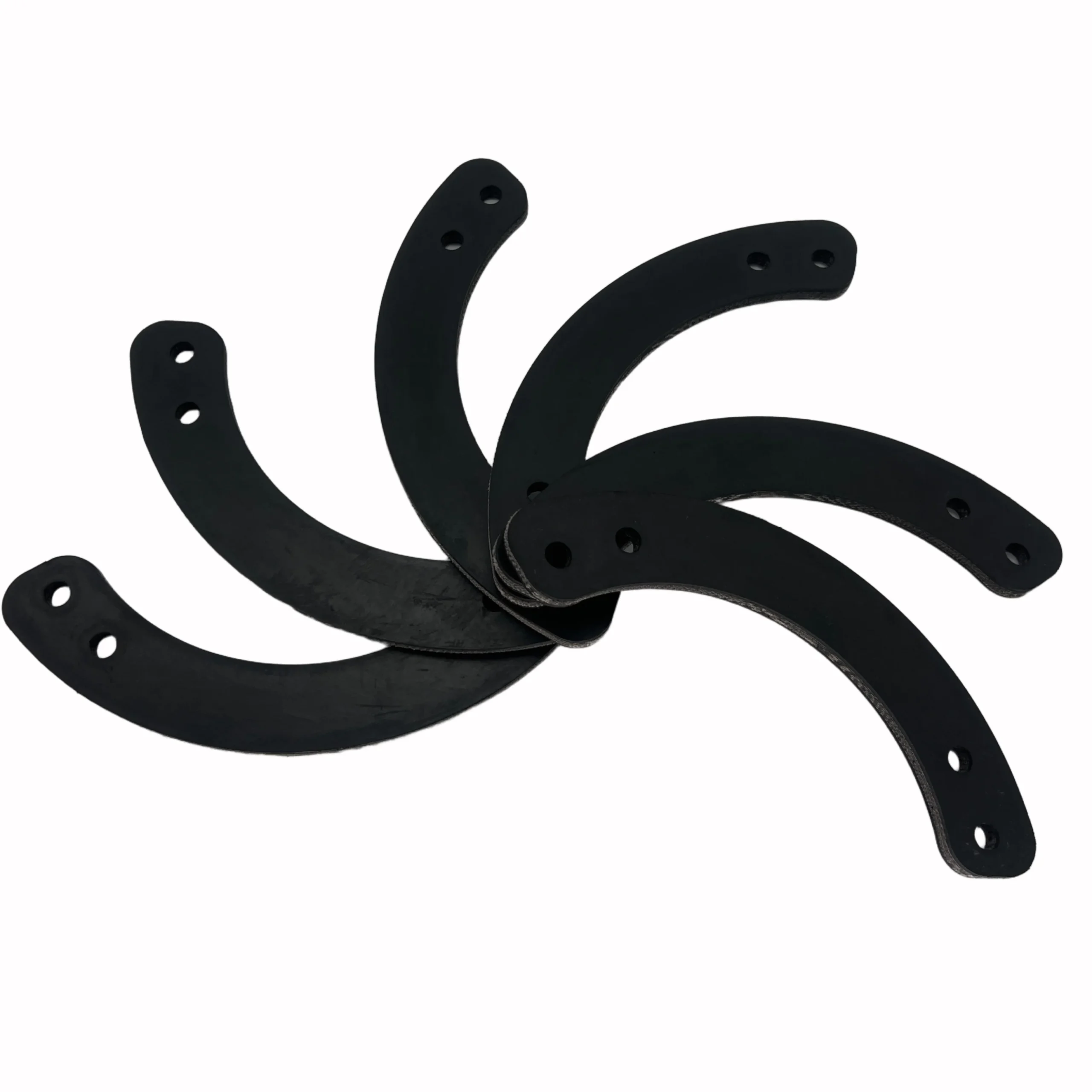
High-rebound elastic arm structure, supporting over 500,000 presses without failure;
Surface patterns can be silk-screen printed, meeting cross-cut test standards, with excellent adhesion and solvent resistance, not easy to peel off, deform or blur;
Enabling partial light transmission + partial light blocking on the same plane, enhancing the clarity of key backlighting and preventing light leakage interference;
The material has flame-retardant, dust-proof and anti-fouling properties, suitable for long-term stable use in complex environments.
PERFORMANCE INDEX
Press life: ≥500,000 times, with no obvious fatigue failure of the elastic arm structure;
Pattern adhesion test: Passes the cross-cut test, resistant to wiping with isopropyl alcohol, ethanol, alcohol, gasoline, etc., without peeling off;
Light transmission performance: Local light transmittance is controllable, with clear regional light sources and high contrast;
Material properties: Good flame retardancy, high and low temperature resistance (-40℃~200℃), good insulation and chemical resistance.
APPLICATION AREA
The silicone button and pad is widely used in operation key systems of products such as home appliance control panels, intelligent instruments, industrial operation terminals, automotive central controls, medical equipment, and electronic instruments, they are especially suitable for multi-functional control interfaces with requirements for frequent pressing, pattern recognition, and backlight clarity.
A Button is an essential control component used across a wide range of smart devices, industrial equipment, power tools, consumer electronics, and household appliances. Designed to provide intuitive operation, stable feedback, and long-term durability, the Button plays a key role in ensuring safe, efficient, and user-friendly interaction. Modern button systems integrate mechanical precision, tactile optimization, and electronic sensing to support advanced control functions in increasingly complex products.
Among the most widely used types is the Start/Stop Button, which offers simple and direct control over power activation. These buttons are engineered with clear tactile response, high durability, and safety mechanisms to prevent accidental activation. Whether used in electric tools, appliances, or machinery, the Start/Stop Button delivers reliable switching performance and fast response.
Another important category is the Speed Control Button or Speed Knob, allowing users to adjust operational speed with precision. These buttons often incorporate variable-resistance components or electronic modulation technologies, ensuring smooth speed transitions in applications like drills, grinders, kitchen equipment, and automated devices. The ergonomic design ensures that adjustments can be made comfortably and safely during operation.
Modern devices also utilize Mode Switching Buttons, enabling users to toggle between functions such as power modes, work modes, safety modes, or performance profiles. These buttons often feature LED indicators or illuminated rings to provide clear visual feedback, enhancing usability in dark or high-vibration environments.
A key safety feature found in many tools and machines is the Safety Lock Button. This button prevents unintended activation, ensuring user protection during storage, setup, or transport. In power tools or machinery, safety lock mechanisms are critical for preventing accidents and maintaining operational compliance.
In addition, many smart devices incorporate Power Display Buttons or Function Indicator Buttons. These buttons integrate LED lights, touch sensors, or micro-switches to display remaining battery levels, operating status, error alerts, or mode progress. The indicator button improves both safety and convenience by offering immediate visual feedback.
High-quality Buttons are designed with durability, water resistance, dust protection, and vibration resistance in mind. Materials such as ABS, polycarbonate, silicone rubber, stainless steel, and soft-touch polymers ensure long-term performance in outdoor environments, industrial settings, or high-wear devices. Internal components—such as tactile domes, micro-switches, or conductive rubber pads—are engineered to withstand tens of thousands to millions of press cycles.
Customizable options include tactile force, button travel distance, LED color, surface texture, engraving, waterproofing grade, and mechanical structure. This allows the Button to be tailored to different user experience goals, whether the product requires soft-touch comfort, precise clicking feedback, or robust industrial performance.
As devices continue to evolve, the Button remains a vital interface that ensures control precision, intuitive operation, and long-term reliability. Its multifunctional design and wide adaptability make it indispensable across modern electronic and mechanical systems.
The Button is a critical human-machine interface (HMI) component that provides direct control and operational command in countless devices. Whether embedded in power tools, wearable electronics, industrial machinery, or household appliances, the Button ensures that users can operate equipment safely, quickly, and accurately.
A major advantage of the Button is its precise tactile feedback, which informs the user of successful activation. This tactile response is engineered through domed metal switches, silicone rubber keypads, or micro-switch actuators, depending on the application. Devices requiring stronger confirmation—such as industrial equipment or outdoor tools—use buttons with firm, click-based feedback. Conversely, consumer electronics often feature softer, low-travel buttons for a smooth and quiet user experience.
Different types of Buttons serve different functions. The Start/Stop Button provides immediate power control, while preventing accidental triggering through recessed designs or protective housings. The Speed Control Button/Knob provides adjustable operation, essential in variable-speed tools and devices requiring precise modulation. Many control knobs include rotational steps, friction damping, or integrated sensors to enhance precision.
The Mode Switching Button is essential for devices with multiple operating modes, such as eco mode, turbo mode, night mode, or safety mode. These buttons often include backlighting or icon indicators, helping users easily identify settings during operation.
Safety remains a top priority, and the Safety Lock Button is designed specifically for preventing unintended operation. In power tools, this button ensures the device only activates when both the lock and trigger are engaged, dramatically reducing the risk of injury.
The Power Display/Function Indicator Button integrates electronic feedback and illumination. It communicates important information such as battery level, error status, or operational readiness, which improves user experience and prevents misuse. These indicator buttons often use energy-efficient LEDs, ensuring visibility in outdoor, industrial, or dimly lit environments.
Material engineering also plays an important role. High-quality Buttons use impact-resistant plastic, silicone elastomer, stainless steel, or aluminum to withstand heavy usage, vibrations, and harsh environmental conditions. Many industrial-grade Buttons comply with IP65 or IP67 waterproof and dustproof standards, supporting use in rain, dust, or high-moisture workplaces.
Buttons can also be fully customized with specific shapes, surface coatings, colors, laser-engraved icons, travel distances, and electrical configurations. Whether the requirement is for a soft silicone button on a wearable device, a rugged mechanical switch on construction equipment, or an illuminated control button on high-end electronics, the design can be tailored to match both functional and aesthetic needs.
Reliable performance, strong tactile feel, and excellent durability make the Button an essential component in modern device engineering. Its role in user interaction, safety control, and operational precision ensures it will remain a fundamental part of product design across numerous industries.