 Select Language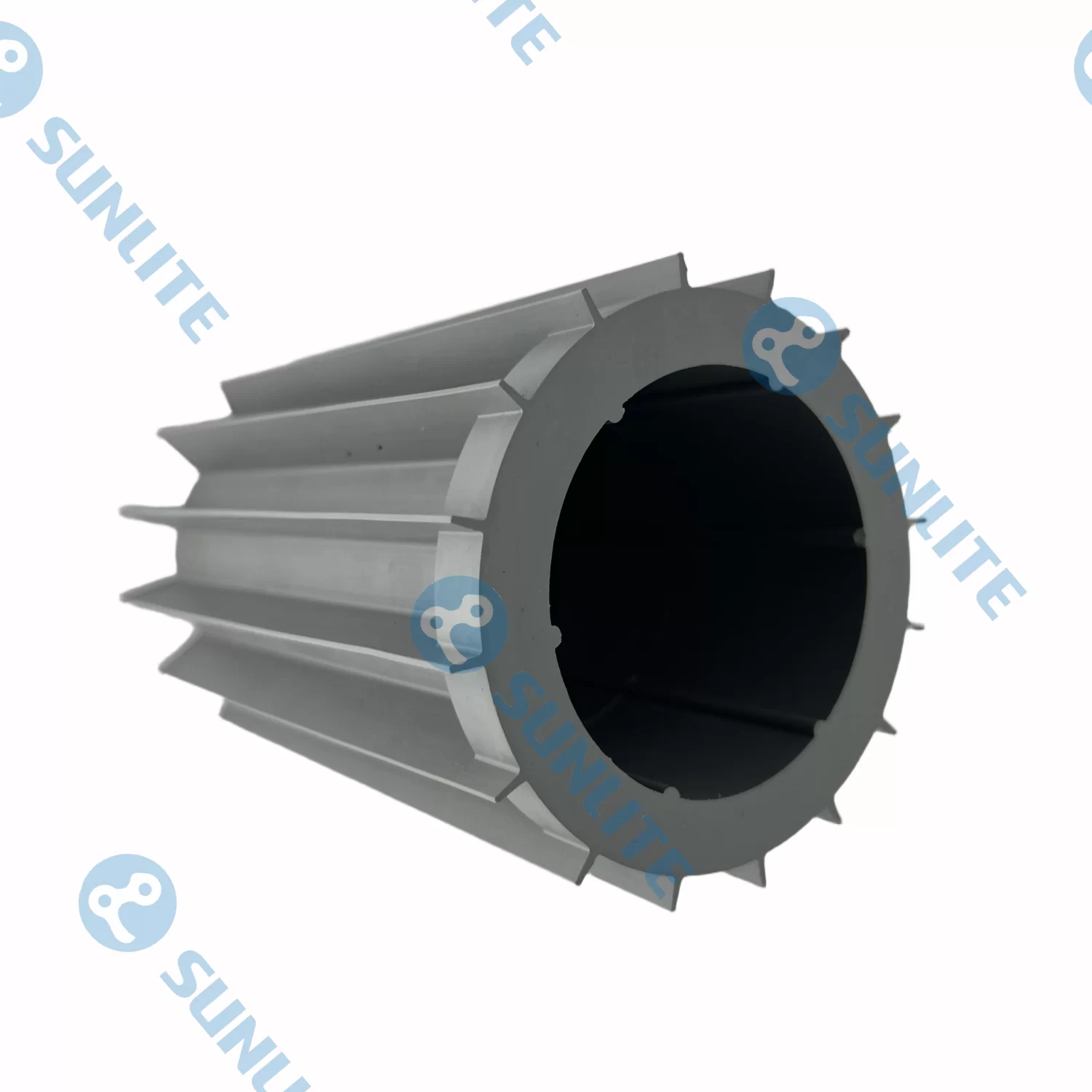
APPLICATION SCENARIOS
1. The brush special for Swimming Pool Cleaning
2. The brush for Large Aquarium Maintenance too.
3. Aquaculture Net Cage Cleaning
4. Hull/Dock Structure Cleaning (rubber brush)
5. Reservoir/Dam Hydraulic Facility Maintenance
6. Nuclear Cooling Pool Cleaning brusher
Product Description
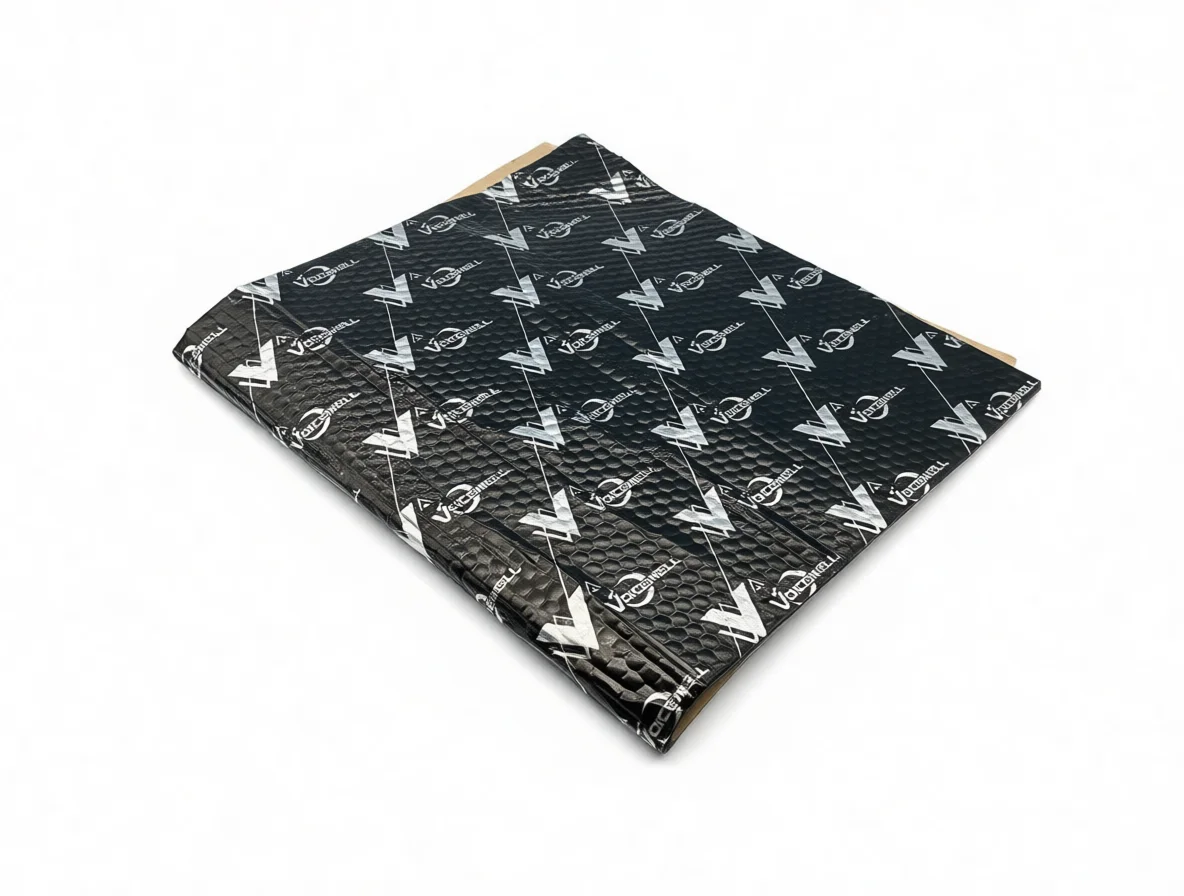
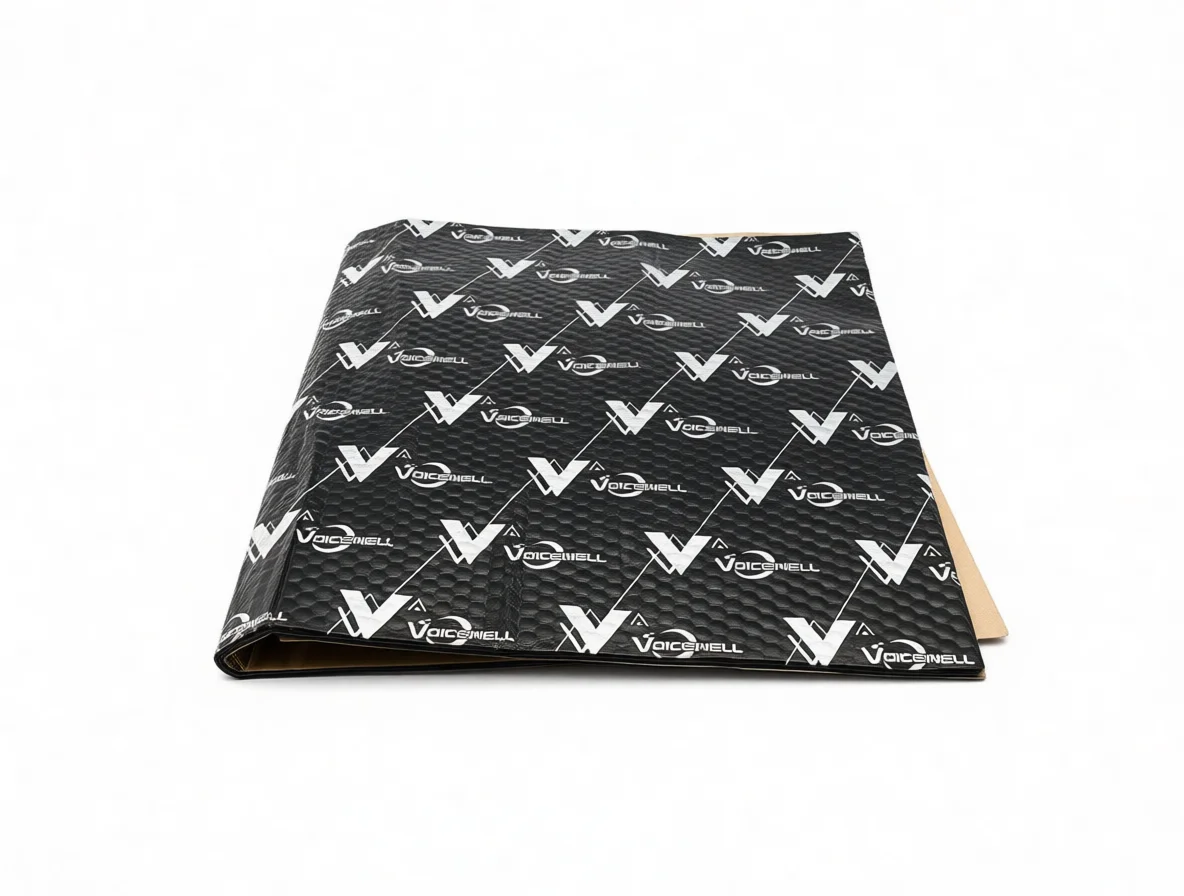
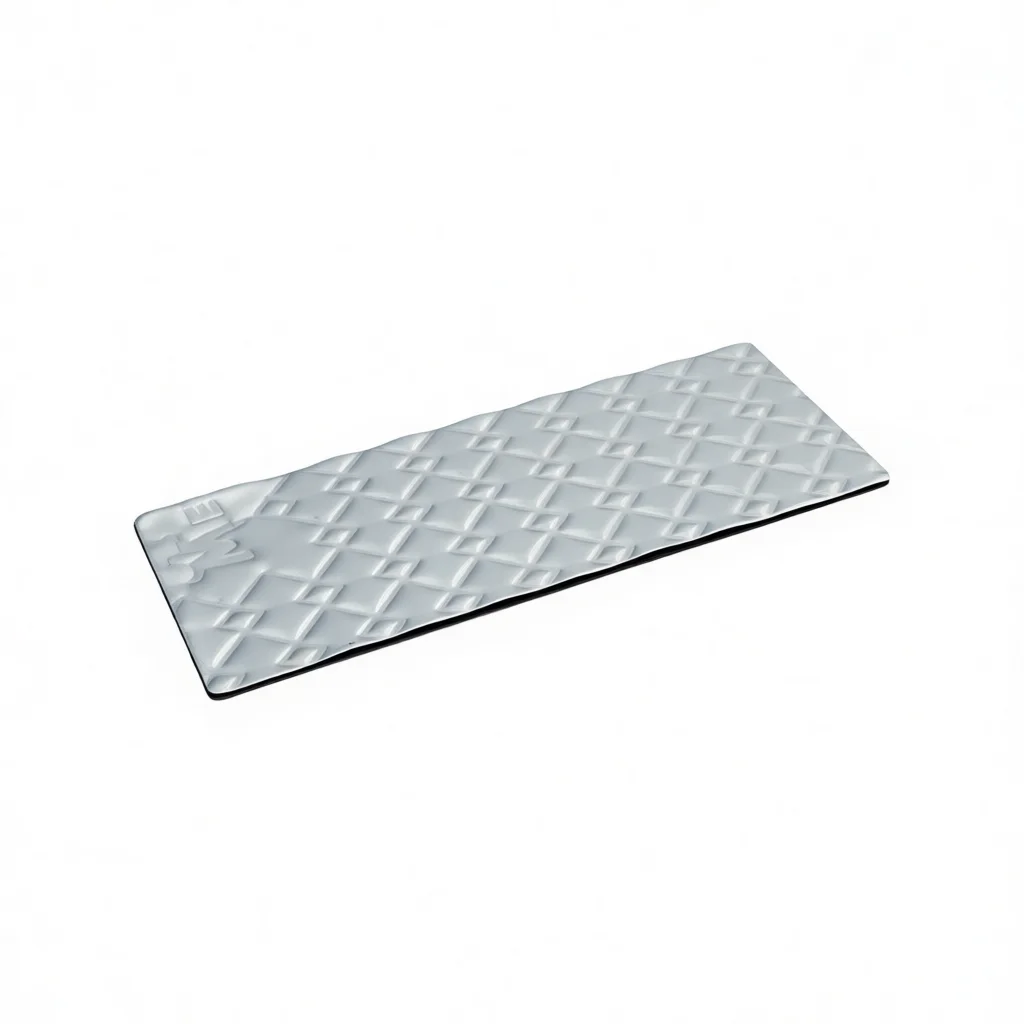
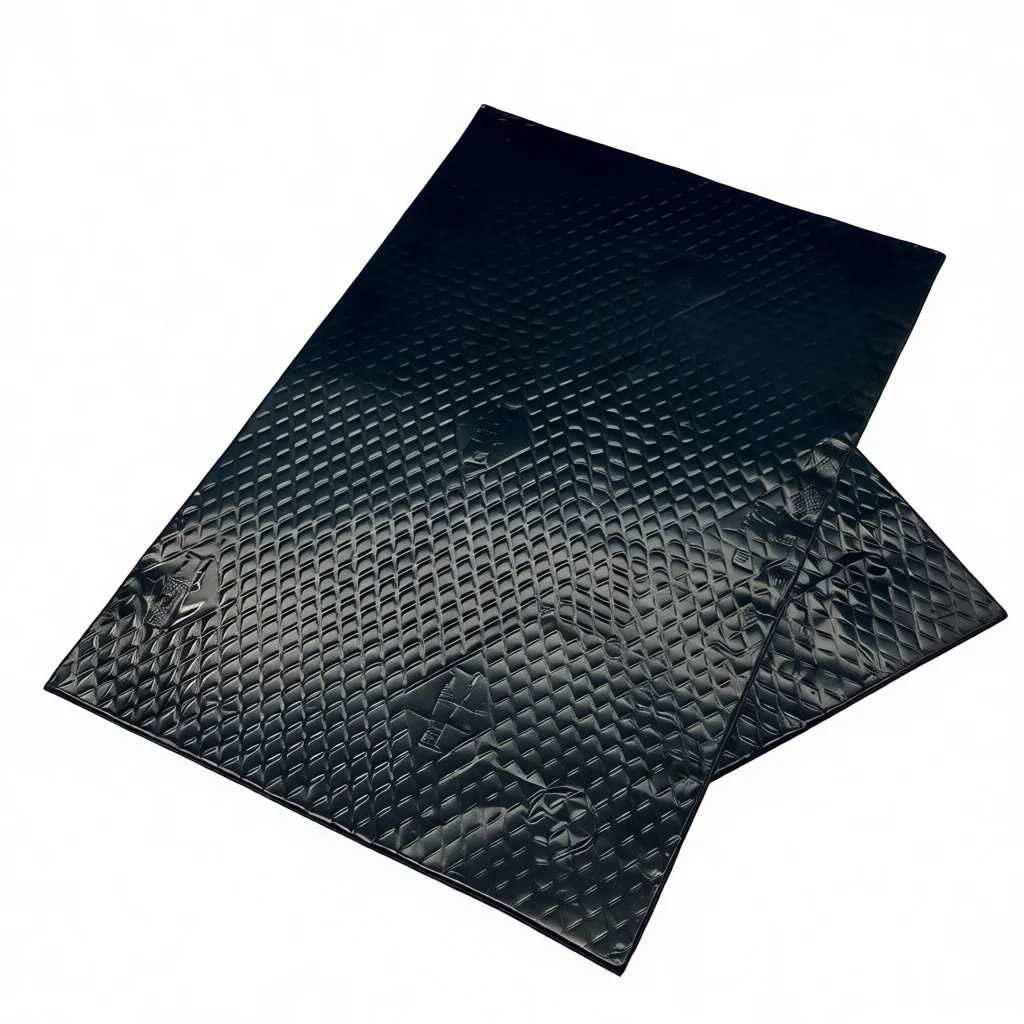
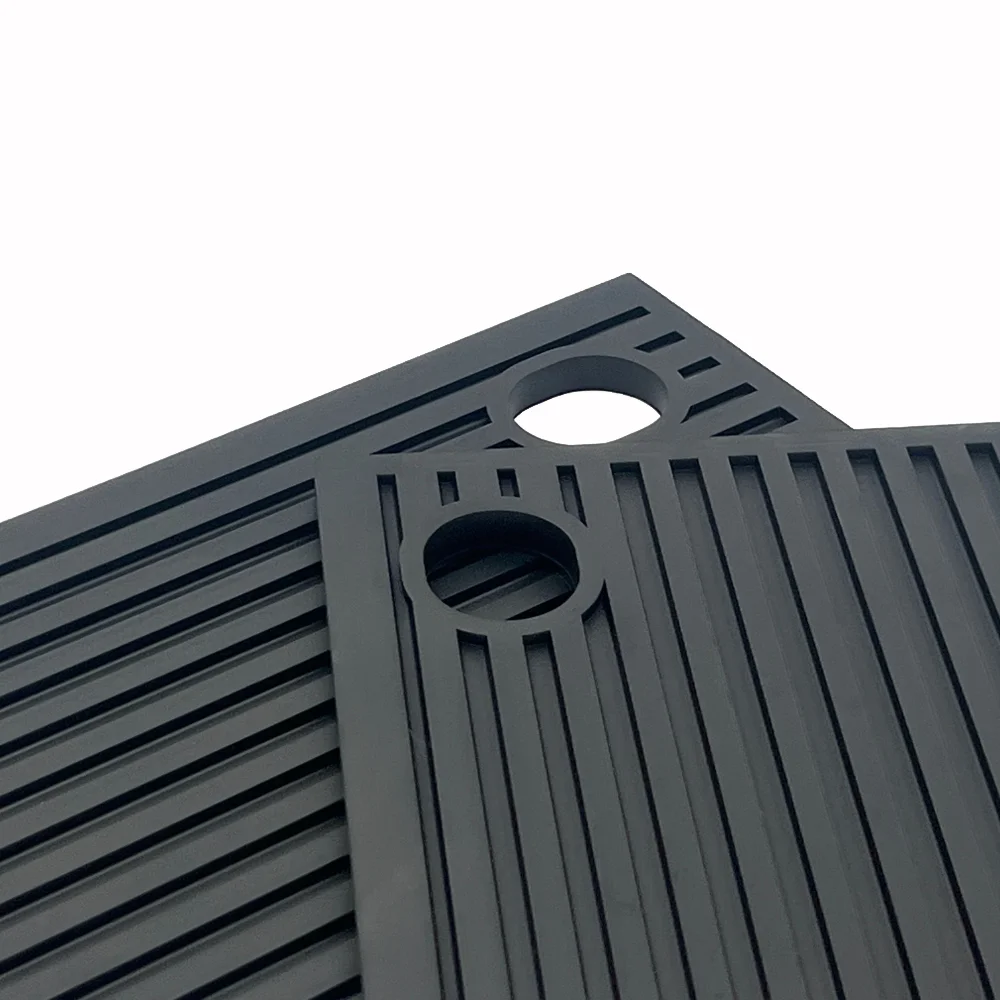
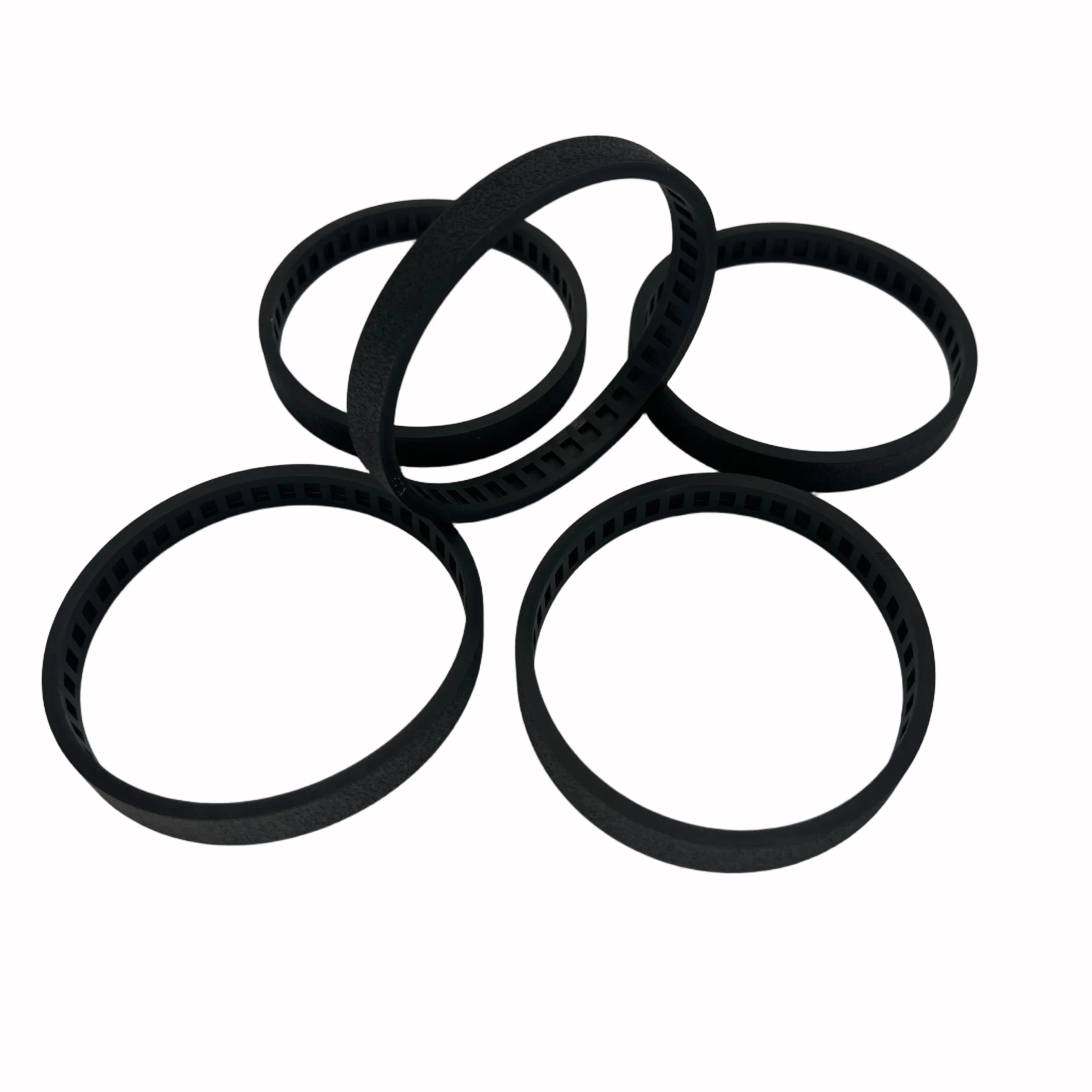
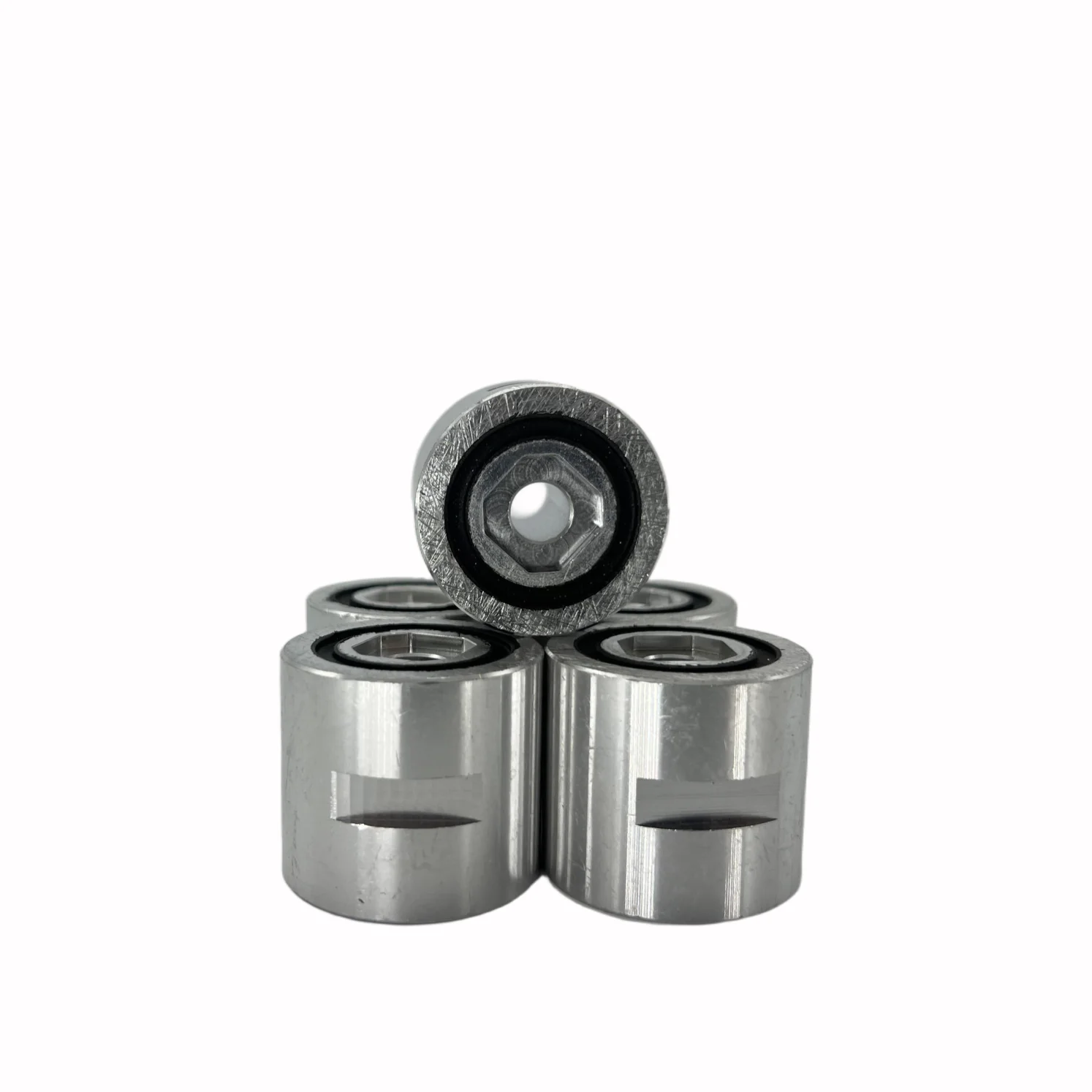
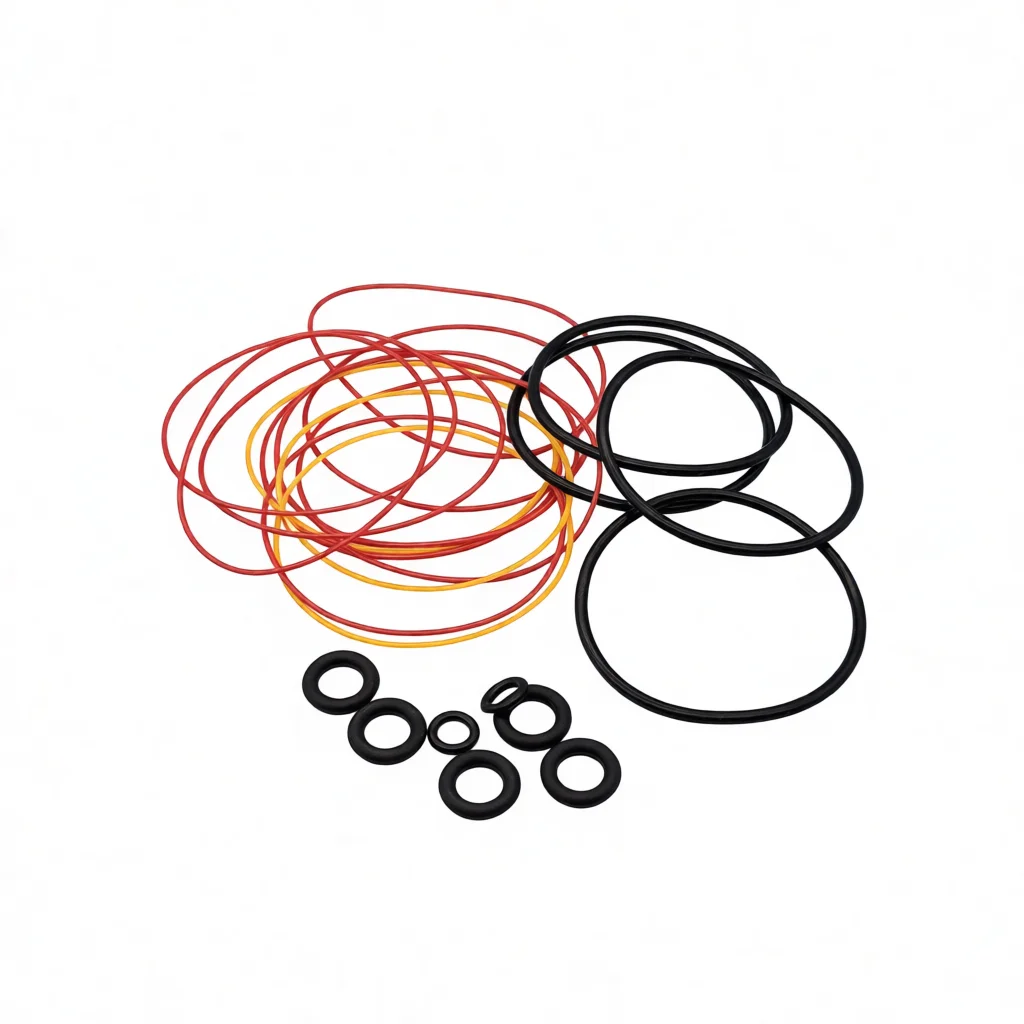
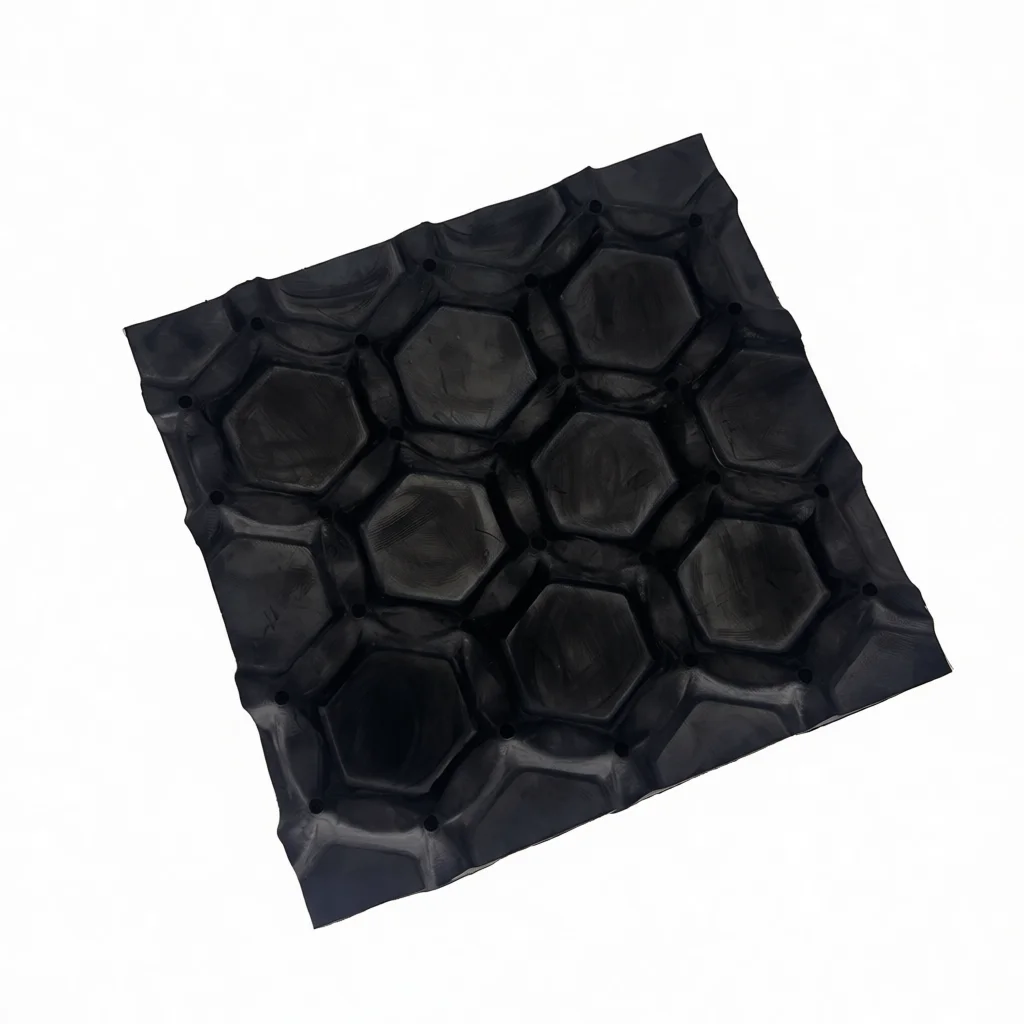
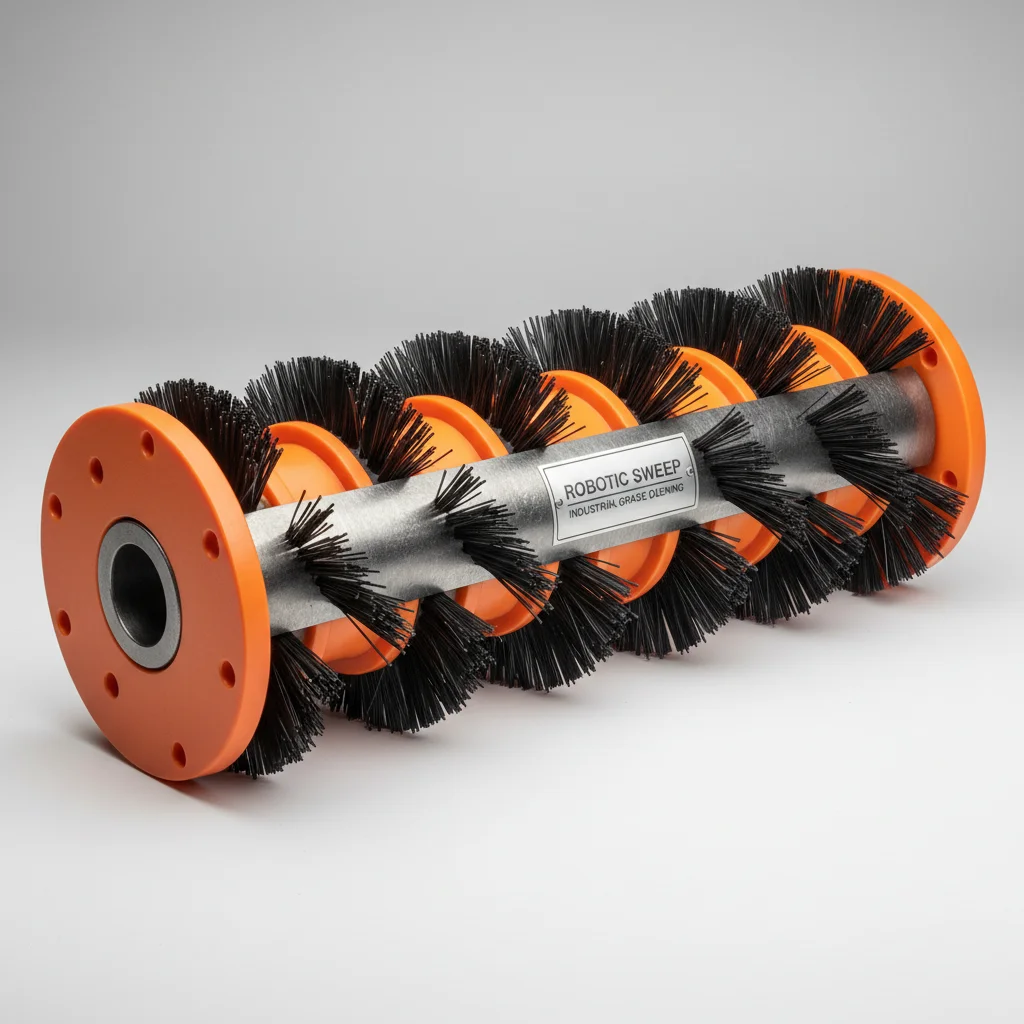
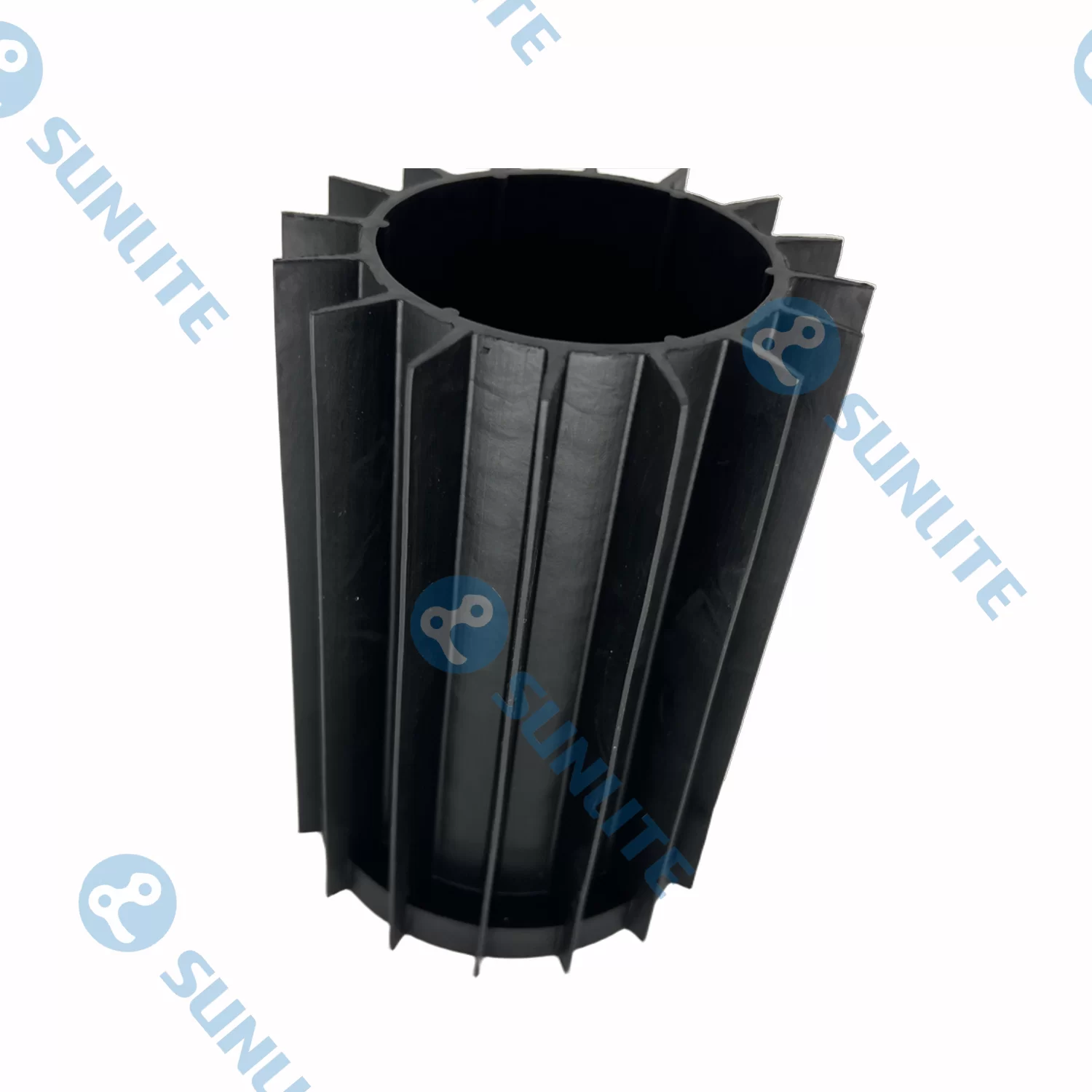
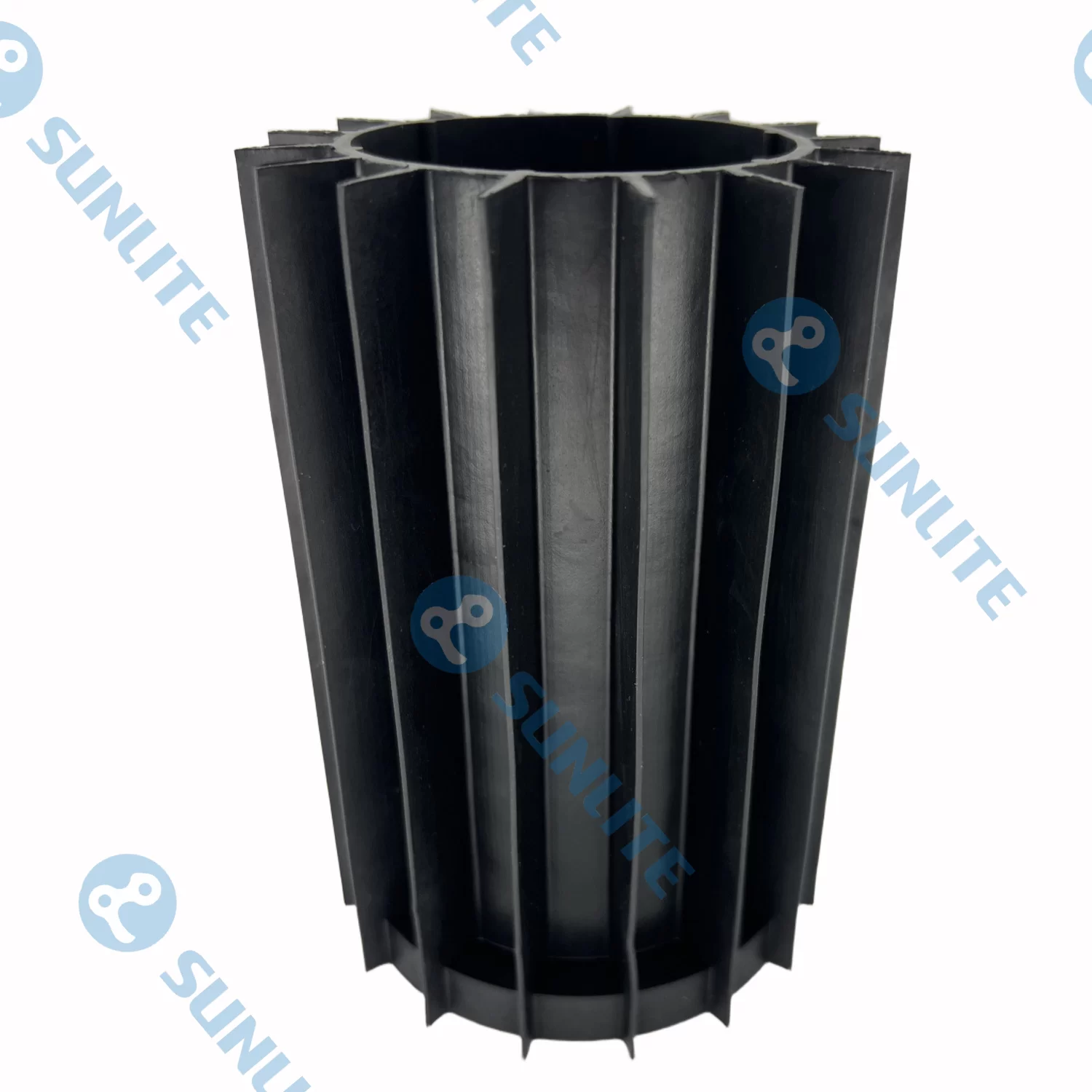
This series of rubber roller brushes primarily use NBR (Nitrile Rubber) as the base material, specifically developed for underwater robots and cleaning equipment. Suitable for cleaning applications in pools, aquariums, aquaculture tanks, as well as underwater structures like ship hulls, docks, and reservoirs. The products feature excellent chemical corrosion resistance and environmental adaptability, with customization services available based on provided drawings or samples.
PRODUCT FUNCTION
The rubber roller brush delivers superior underwater friction cleaning capability and chemical corrosion resistance, maintaining high performance in chlorinated, acidic or alkaline water environments to adapt to complex underwater cleaning conditions. This product effectively enhances underwater cleaning efficiency while ensuring long-term stable equipment operation.
PERFORMANCE INDEX
Chemical Resistance: Maintains ≥80% performance retention and ≤15% volume change after 30-day immersion in residual chlorine, copper sulfate, flocculants, acids/alkalis, sodium hypochlorite, etc.
UV Resistance: ≥80% performance retention after 168 hours of UV exposure
Ozone Aging Resistance: No surface cracks after 72-hour test
Temperature Cycling Resistance: Stable dimensions with no abnormalities after 6 consecutive cycles between -20℃ to 60℃
APPLICATION AREA
The rubber roller brush widely used in underwater robots, pool cleaning equipment, aquarium cleaning systems, aquaculture cleaning devices, as well as brushing and cleaning installations for underwater hard surfaces like ship hulls, docks, and reservoirs. Meets high-standard requirements for commercial and industrial underwater maintenance scenarios.
The diving robot roller brush provides a specialized and highly effective solution for maintaining the structural integrity and operational efficiency of large water infrastructures like reservoirs and dam hydraulic facilities. These environments present unique challenges, including vast underwater surfaces, the buildup of biofouling, silt, and often complex water chemistry requiring superior cleaning components. The nbr robot roller brush is specifically designed to meet these high-standard requirements.
The core of its effectiveness lies in its superior underwater friction cleaning capability. Unlike passive cleaning methods, the rotating action of the roller brush for robot actively scrubs away accumulated sediment, algae, and biofouling from surfaces. In reservoirs and dams, this is crucial for preventing the buildup of material on hydraulic gates, intake screens, and concrete surfaces. This buildup, if left unchecked, can compromise the structural health of the facility, reduce water flow efficiency, and potentially harbor invasive species. The friction cleaning action ensures these hard surfaces are returned to their clean state, guaranteeing smooth operation of critical infrastructure.
Material selection significantly enhances this cleaning power. The use of NBR (nitrile rubber) means the robot roller brush is inherently Corrosion-Resistant and Chlorine & Aging Resistant. Reservoir and dam waters often contain treatment chemicals, and the prolonged immersion itself is chemically aggressive. The brush’s ability to maintain high performance in chlorinated, acidic or alkaline water environments ensures the cleaning element does not degrade prematurely. This stability means the mechanical cleaning power remains constant over extended periods, providing reliable, long-term maintenance.
The design of a roller brush for robot is meticulously engineered to maximize friction cleaning efficacy on hard underwater surfaces such as ship hulls, docks, and pool floors. The goal is to deliver effective scrubbing power that removes fouling and sediment without causing damage to the underlying structure. The use of NBR rubber roller brush technology is central to achieving this balance of power and precision.
The enhancement in friction cleaning begins with the material choice: NBR rubber. This elastomer provides an optimal coefficient of friction that is aggressive enough to loosen and lift biological growth and debris, yet sufficiently compliant to prevent scratching or abrasive damage to smooth surfaces like pools/hulls and acrylic aquarium walls. The geometry of the brush is crucial; as a robot roller brush, its cylindrical form ensures continuous contact across a wide path, providing systematic and overlapping coverage in a single pass. This continuous action concentrates the cleaning force, boosting efficiency compared to fixed scraping methods.
Crucially, the material features Corrosion-Resistant and Chlorine & Aging Resistant properties. Friction cleaning components are subjected to both mechanical wear and chemical attack simultaneously. The brush’s ability to maintain its physical shape and elasticity while submerged in corrosive media, including highly chlorinated pool water or saltwater, ensures the cleaning bristles or surface profile remain intact. If the rubber were to stiffen, crack, or swell (aging), the friction coefficient would change, reducing the scrubbing power and potentially harming the surface. This resilience is what allows the robot roller brush to maintain superior underwater friction cleaning capability over the long term.
Furthermore, the roller brush for robot enhances operational stability. Its Temperature Cycling Resistance ensures that the brush does not deform when moving between water layers of differing temperatures or during storage. This dimensional stability guarantees that the intended friction profile is maintained for every cleaning operation. The brush is designed not just for simple scrubbing, but for effective operation in environments like hull/dock structure cleaning, where tenacious biofouling requires significant, reliable friction. The availability of customization services further allows the density, size, and stiffness of the brush to be tailored to the specific type of fouling and hardness of the surface being cleaned, optimizing the cleaning force.
The diving robot roller brush technology represents a significant advancement in the maintenance of complex aquaculture environments, particularly for tasks like aquaculture net cage cleaning. Maintaining cleanliness in these systems is vital for fish health, maximizing water flow, and ensuring the structural longevity of the farming infrastructure. The nbr rubber roller brush provides a durable, specialized tool for this demanding application.
The primary benefit lies in the brush's ability to deliver superior underwater friction cleaning capability to remove biofouling from nets and cages. Biofouling—the buildup of organisms like algae, mussels, and barnacles—restricts water flow through the nets, which reduces oxygen supply and waste removal, stressing the farmed aquatic life. The gentle yet firm friction provided by the robot roller brush effectively removes this fouling without damaging the delicate net structures. This continuous maintenance is key to maximizing water exchange and ensuring a healthy growing environment.
Material performance is critical due to the corrosive nature of the aquatic environment. The rubber roller brush is specifically formulated to be Corrosion-Resistant and Chlorine & Aging Resistant. Aquaculture environments often involve specific chemical treatments or high organic loads, making the water chemically active. The nbr material resists degradation from these substances, ensuring the brush maintains its effective cleaning geometry and mechanical strength over extended periods of continuous immersion. This material stability is paramount for long-term stable equipment operation in the aquaculture cleaning systems.
Beyond the nets, the diving robot roller brush is applicable to other structures within the farming operation, such as the cleaning of tanks and smooth viewing windows, as seen in large aquarium maintenance. The roller brush for robot can be adapted through available customization services to achieve the optimal balance of stiffness for the target surface. Furthermore, the brush's resilience, including UV Resistance and Temperature Cycling Resistance, ensures it can withstand surface exposure during non-operational periods and variable thermal conditions within large water bodies, extending the service life of both the brush and the overall cleaning robot.