 Select Language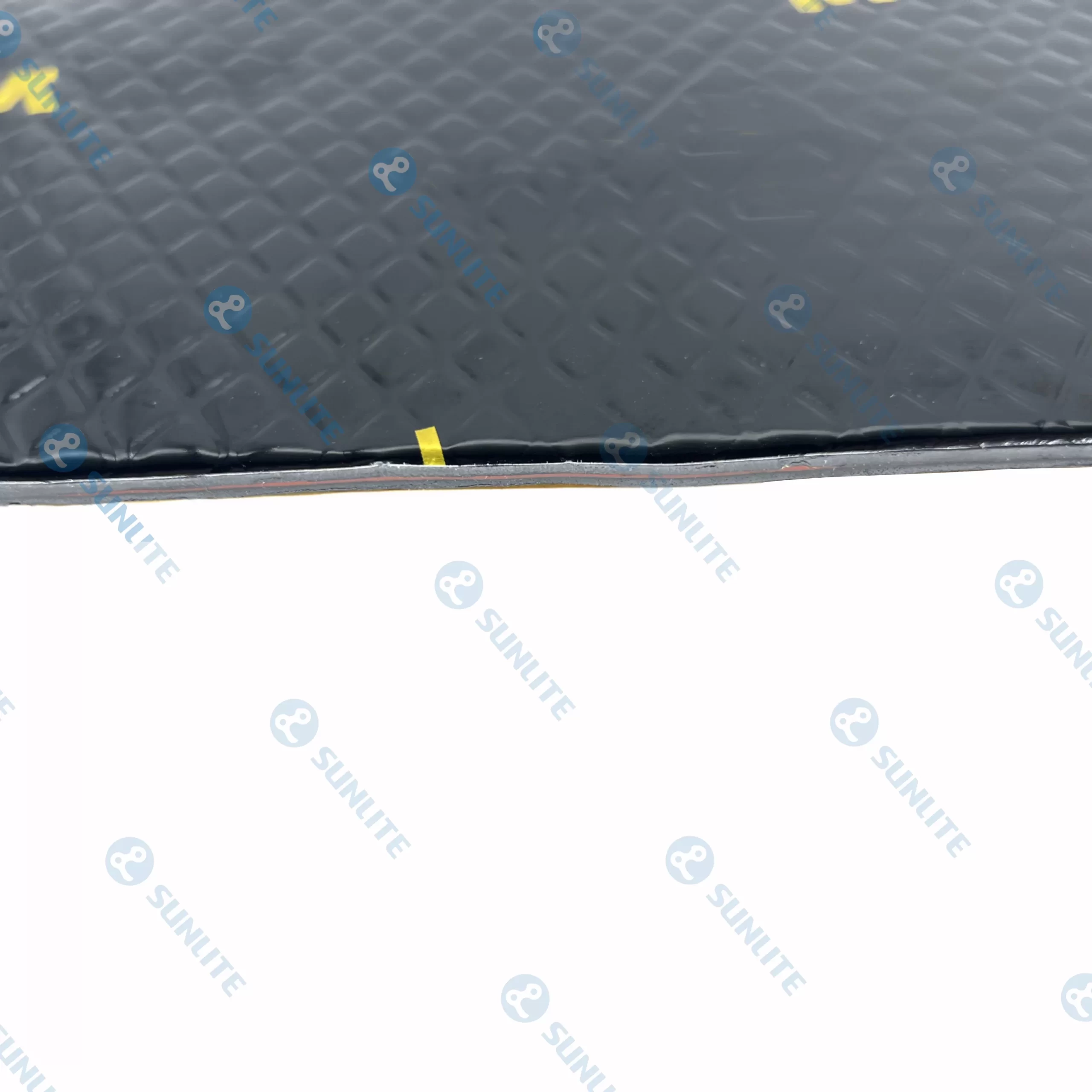
APPLICATION SCENARIOS
1. Laid on underbody floor, enhancing low-frequency sound insulation effect
2. Trunk bottom, blocking tire noise and resonance
3. Engine hood and firewall area, improving engine noise isolation capability
4. Inner layer of door and side panel sheet metal, reducing resonance and improving overall vehicle quietness level
Product Description
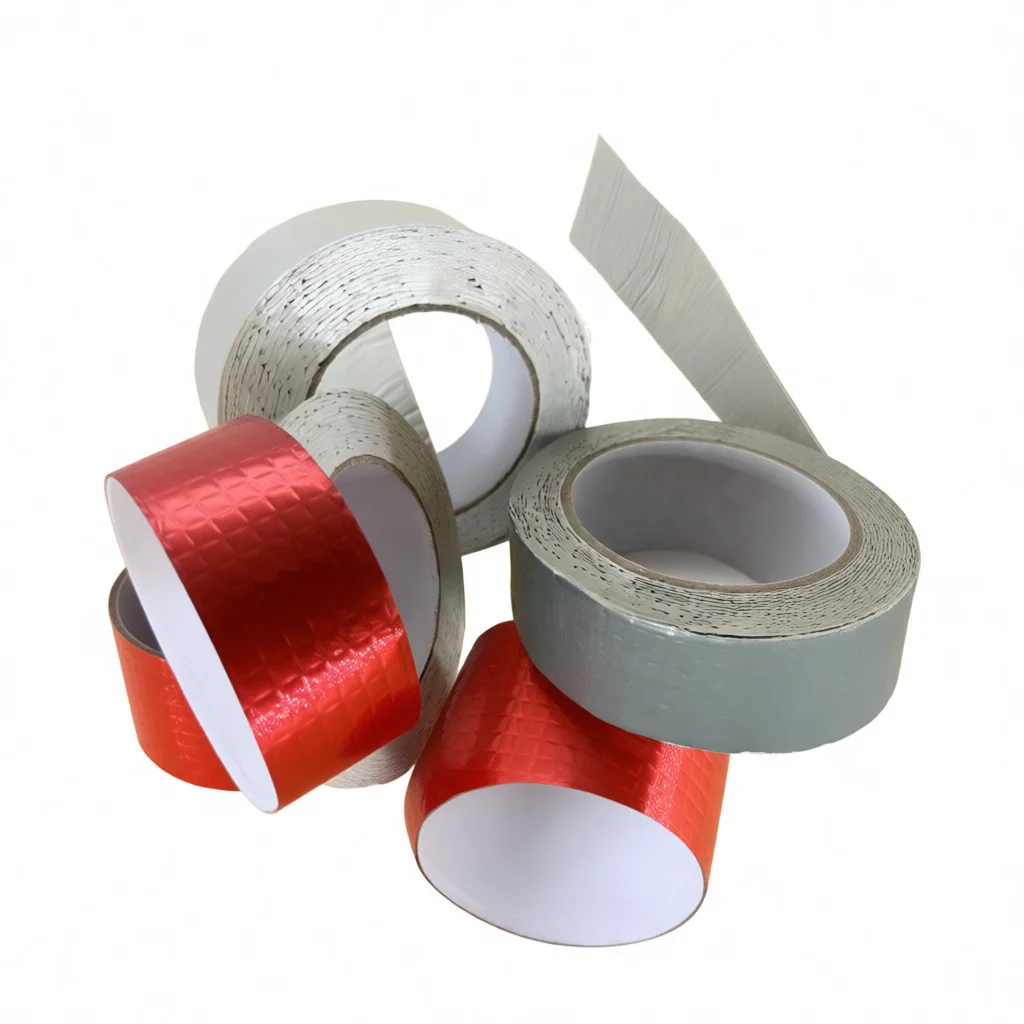
This series of automotive vibration damping sheets (also known as damping pads or shock absorbing plates) are made of a composite structure of butyl rubber and aluminum foil, with a composite loss factor of ≥0.25 and a density of ≥2.3g/cm³. Specifically designed to suppress vibration and noise transmission in sheet metal structures, they are widely used in vibration-prone parts such as car doors, floors, fenders, and trunks. The product features good conformability, moisture resistance, and anti-aging ability, with easy pasting and support for free cutting and curved surface installation. By optimizing the vehicle's overall NVH performance, it enhances the vehicle's quietness and driving/riding experience.
PRODUCT FUNCTION
High damping and vibration absorption performance: The butyl rubber layer effectively absorbs and disperses sheet metal vibration energy, especially suitable for areas with strong vibration (such as fenders, chassis);
Multi-level noise reduction synergy: When used in combination with sound insulation cotton, it can significantly reduce multi-source noise such as engine noise, road noise, and wind noise;
Long-lasting adherence and anti-aging: Non-hardening and non-shedding during long-term use, with excellent moisture and heat resistance;
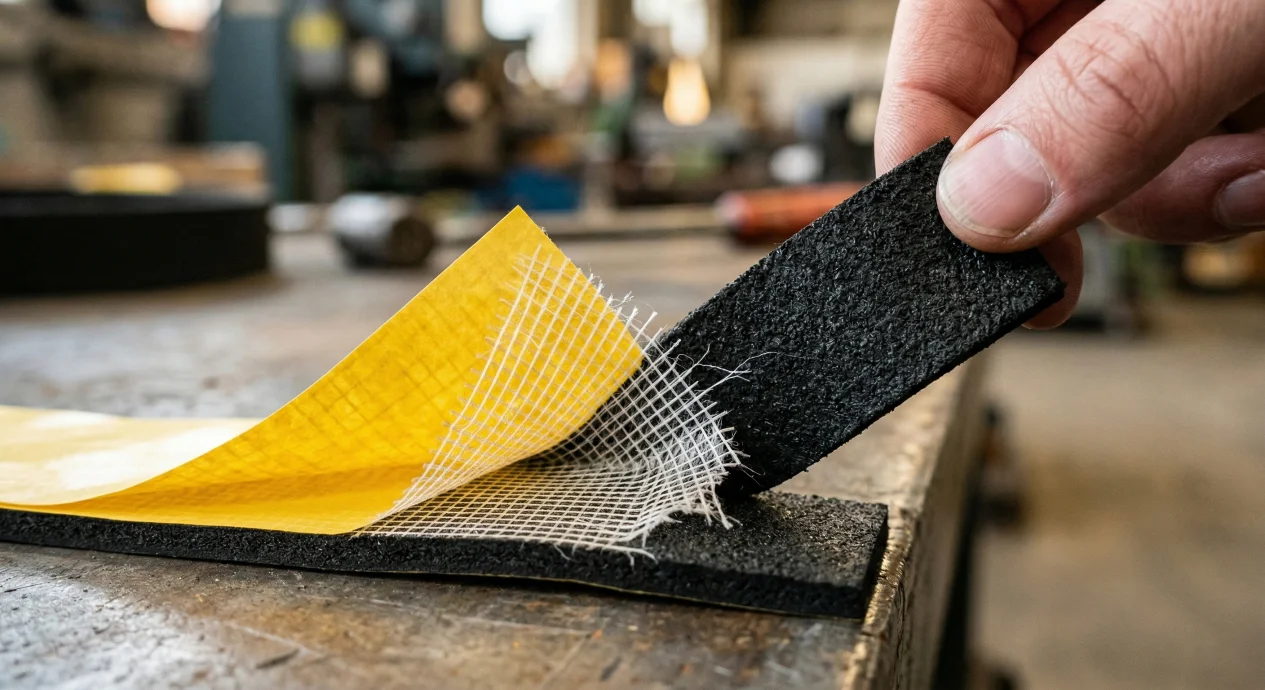
Flexible and convenient construction: Featuring a self-adhesive backing design, it can be directly pasted on clean metal surfaces, supporting free cutting and adapting to different vehicle structures.
PERFORMANCE INDEX
Composite loss factor: ≥0.25 (high damping performance)
Material density: ≥2.3 g/cm³ (high compactness and excellent vibration absorption capability)
Operating temperature range: -40℃ ~ 80℃
Recommended construction temperature: 10℃ ~ 40℃
Structural composition: Butyl rubber + aluminum foil + pressure-sensitive adhesive + release paper
Long-term use stability: Anti-aging, moisture-proof, anti-hardening, non-oil-seepage, and no bulging after pasting
Environmental compliance: Customizable versions compliant with environmental regulations such as RoHS, REACH, PAHs, TSCA, etc.
APPLICATION AREA
Suitable for sheet metal vibration damping and noise reduction systems of various vehicle models. Typical application scenarios include:
Inside of car doors/trunk lids: Reducing body resonance and door panel reverberation;
Floor and fender areas: Absorbing road noise and low-frequency vibration during high-speed driving;
Wheel hubs/rear wheel arch positions: Blocking tire stone-splash noise and vibration transmission;
Engine compartments and front wall structures: Reducing the transmission of engine vibration into the vehicle interior;
Chassis and enclosed side wall structures: Enhancing overall vehicle quiet performance and structural stability.
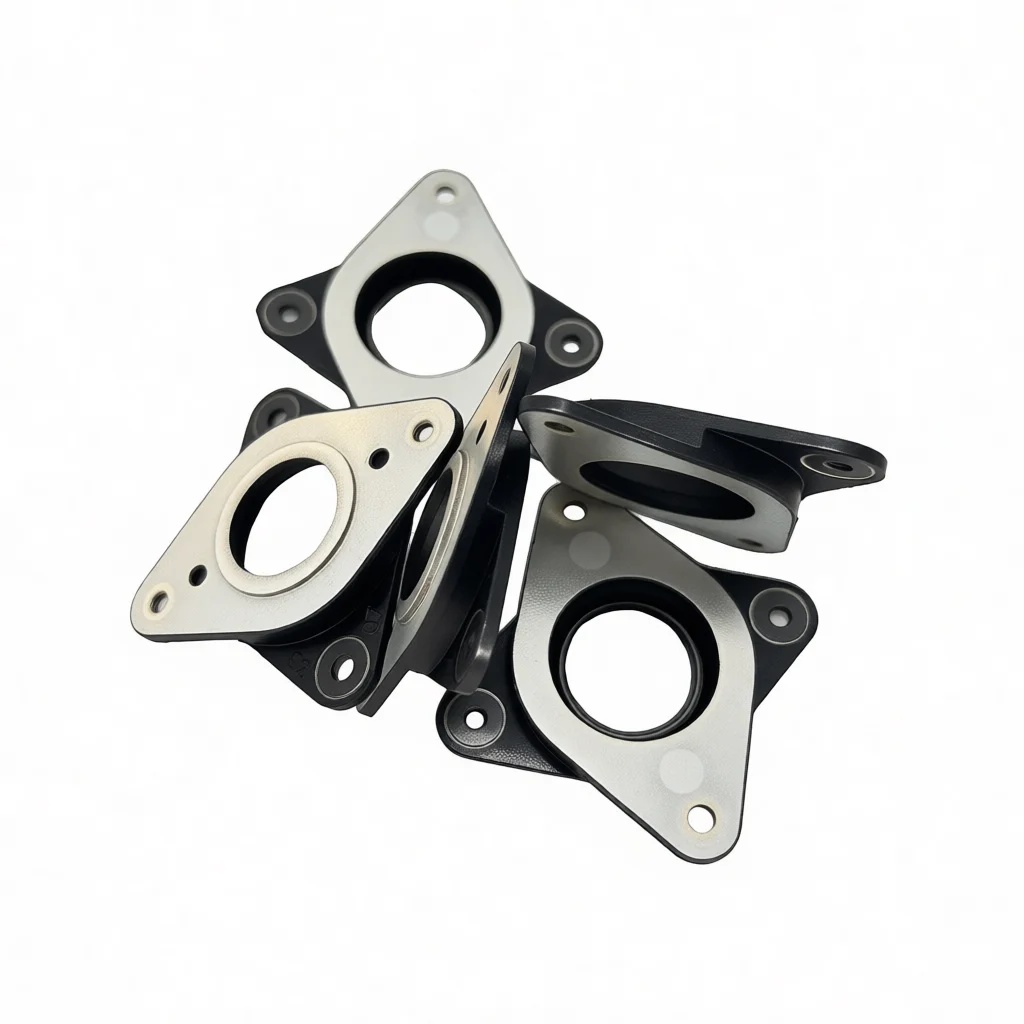
The High-Density Vibration Plate is an advanced vibration control solution designed to provide superior damping performance and structural stability for industrial machinery, precision instruments, and electronic devices. With its high-density construction, this vibration plate effectively absorbs and dissipates mechanical energy, minimizing resonance, reducing noise, and protecting sensitive components from mechanical stress.
Manufactured from high-density polymers, viscoelastic composites, and reinforced layers, the High-Density Vibration Plate offers exceptional load-bearing capacity while maintaining excellent vibration isolation. The dense material composition ensures that vibrations are absorbed at the source, preventing their transmission to surrounding equipment or critical components such as batteries, circuit boards, and mechanical assemblies. This makes it a reliable solution for high-precision and heavy-duty applications.
One of the key advantages of a high-density vibration plate is its ability to stabilize equipment under dynamic and high-frequency loads. The plate’s dense structure allows it to reduce vibration amplitude, limit mechanical fatigue, and maintain consistent damping performance over time. Its multi-layered design further enhances energy absorption, distributing stress evenly and preventing localized deformation or wear.
Durability is another significant feature. The High-Density Vibration Plate is resistant to heat, moisture, UV exposure, and chemical contaminants, making it suitable for industrial, automotive, and outdoor applications. It maintains its structural integrity and damping efficiency even under extreme environmental conditions, ensuring long-term performance and reliability.
In addition to vibration control, this plate contributes to noise reduction, improved equipment accuracy, and extended component life. By reducing resonance and mechanical stress, it helps prevent premature wear and enhances operational safety. For industrial machinery, battery-powered devices, or consumer electronics, the High-Density Vibration Plate ensures stable and reliable operation while minimizing maintenance costs.
Overall, the High-Density Vibration Plate provides a high-performance, durable, and versatile solution for vibration isolation. Its dense material composition, multi-layer design, and environmental resistance make it an essential component for manufacturers and engineers seeking reliable vibration control for industrial and precision equipment.
The High-Performance High-Density Vibration Plate is engineered to deliver optimal vibration damping and mechanical stability in demanding industrial and electronic applications. Its high-density material construction ensures maximum energy absorption, reducing mechanical resonance and protecting sensitive equipment from vibration-induced wear and damage.
This vibration plate is constructed using advanced viscoelastic polymers, reinforced composites, and high-density layers that work together to dissipate vibrational energy effectively. The High-Density Vibration Plate minimizes the transmission of vibration to delicate components such as motor assemblies, circuit boards, battery packs, and measurement instruments, ensuring enhanced precision and reliability.
One of the primary benefits of the high-density design is its ability to handle heavy loads while maintaining excellent damping performance. The dense structure stabilizes machinery under dynamic stress, reduces resonance, and prevents vibration-induced component fatigue. Its multi-layer composition distributes stress evenly, preventing deformation and extending the service life of the equipment.
Durability and environmental resistance are integral features of the High-Density Vibration Plate. The materials used resist high temperatures, moisture, chemical exposure, and UV radiation, making the plate suitable for industrial plants, automotive systems, outdoor installations, and high-precision electronics. Its robust construction ensures long-term stability and consistent damping performance even in harsh environments.
In addition to vibration isolation, the plate reduces noise, improves operational accuracy, and prolongs the lifespan of mechanical and electronic components. It is widely used in CNC machines, automotive electronics, industrial automation systems, consumer electronics, and energy storage devices. The High-Density Vibration Plate provides a cost-effective solution for equipment protection and performance optimization.
In conclusion, the High-Performance High-Density Vibration Plate combines high-density materials, multi-layer damping technology, and exceptional durability to deliver superior vibration isolation and structural stability. Its versatility and reliability make it an essential component for OEMs, industrial manufacturers, and precision equipment engineers seeking high-quality vibration control solutions.