 Select Language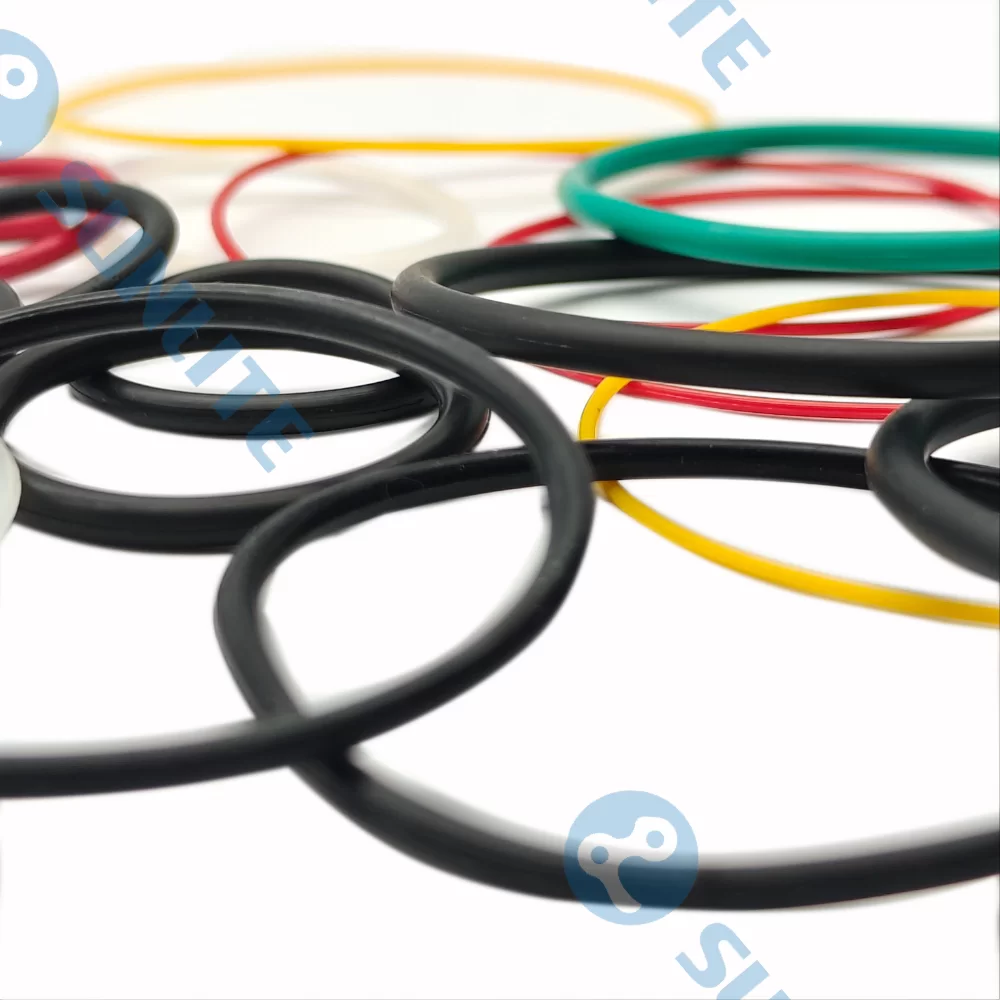
APPLICATION SCENARIOS
1. Sealing of engine fuel systems to prevent fuel leakage
2. Sealing of hydraulic brake systems to ensure the safety of brake oil circuits
3. Sealing of cooling system pipeline connections to prevent external coolant leakage
4. Sealing of interfaces between air conditioning system compressors and pipes to ensure air tightness
Product Description
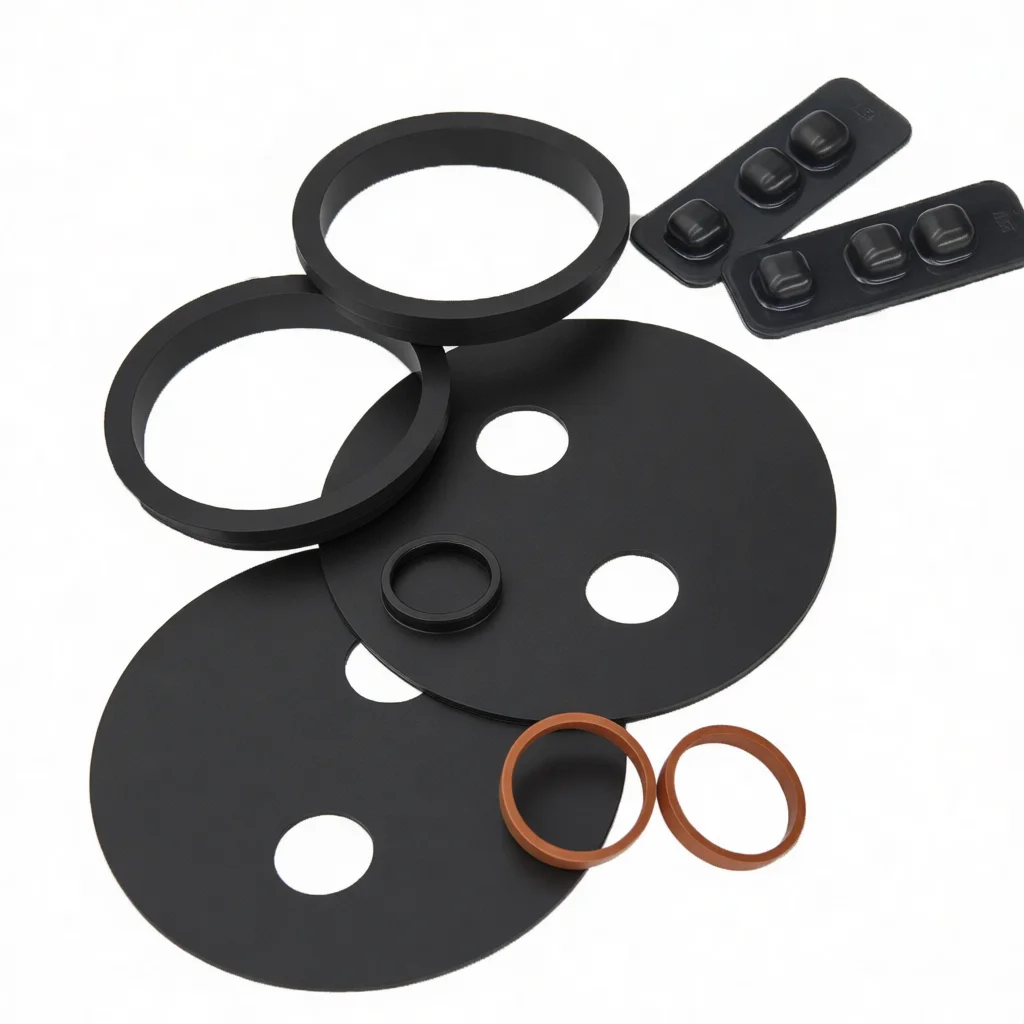
AEM (ethylene-acrylic ester rubber) is a synthetic rubber material that combines high temperature resistance, oil resistance, and low temperature resistance, suitable for various high-performance sealing scenarios. This material can be used stably for long periods at -40℃~175℃, with short-term temperature resistance up to 200℃. Its oil heat resistance is superior to NBR and comparable to FKM, while also exhibiting excellent elasticity and anti-aging properties. It is widely used in key components such as engines, transmissions, turbine systems, hydraulic seals, and refrigerant seals in the automotive, industrial equipment, and aerospace industries.
PRODUCT FUNCTION
Excellent high-temperature resistance: Long-term temperature resistance up to 175℃, short-term up to 200℃, suitable for high-temperature working conditions such as engines, transmissions, and supercharging systems;
Outstanding oil resistance: Resistant to corrosion from various oils including hot engine oil, gear oil, ATF fluid, and aviation fuel;
Good low-temperature resistance and elasticity retention: Low-temperature flexibility is superior to traditional ACM/NBR materials, meeting low-temperature startup requirements;
Strong refrigerant resistance/compression resistance: Applicable to compressor sealing in refrigerant environments such as R134a and R1234yf;
Anti-aging and oxidation resistance: Excellent stability under the action of ozone, hot air, and chemical media, suitable for long-term use.
PERFORMANCE INDEX
Temperature resistance range: -40℃~175℃ (long-term), short-term temperature resistance up to 200℃
Oil resistance (ASTM #3 oil immersion at 150℃×70h): Volume change rate<10%, hardness="" change="">
Compression set: ≤25% (150℃×22h)
Tensile strength: ≥10MPa, elongation at break ≥200%
Refrigerant resistance: No cracks or performance failure after 500h of continuous operation at 120℃ in R134a environment
Environmental regulations: Compliant with multiple environmental requirements such as RoHS, REACH, PAHs, TSCA, PFAS, etc.
APPLICATION AREA
AEM rubber is widely used in:
Automotive industry: Engine oil seals, turbocharger pipes, AT transmission seals, PCV system seals, etc.;
Industrial field: Hydraulic system sealing rings, hydraulic cylinder gaskets, refrigerant compressor seals;
Aerospace: Aviation fuel system seals, high-temperature oil product seals around aero-engines;
New energy equipment: Applications of heat-resistant oil cooling seals in electric drive systems;
High-temperature and oil-resistant environments: Suitable for long-term sealing requirements under severe conditions of high-frequency cycles and alternating cold and heat.
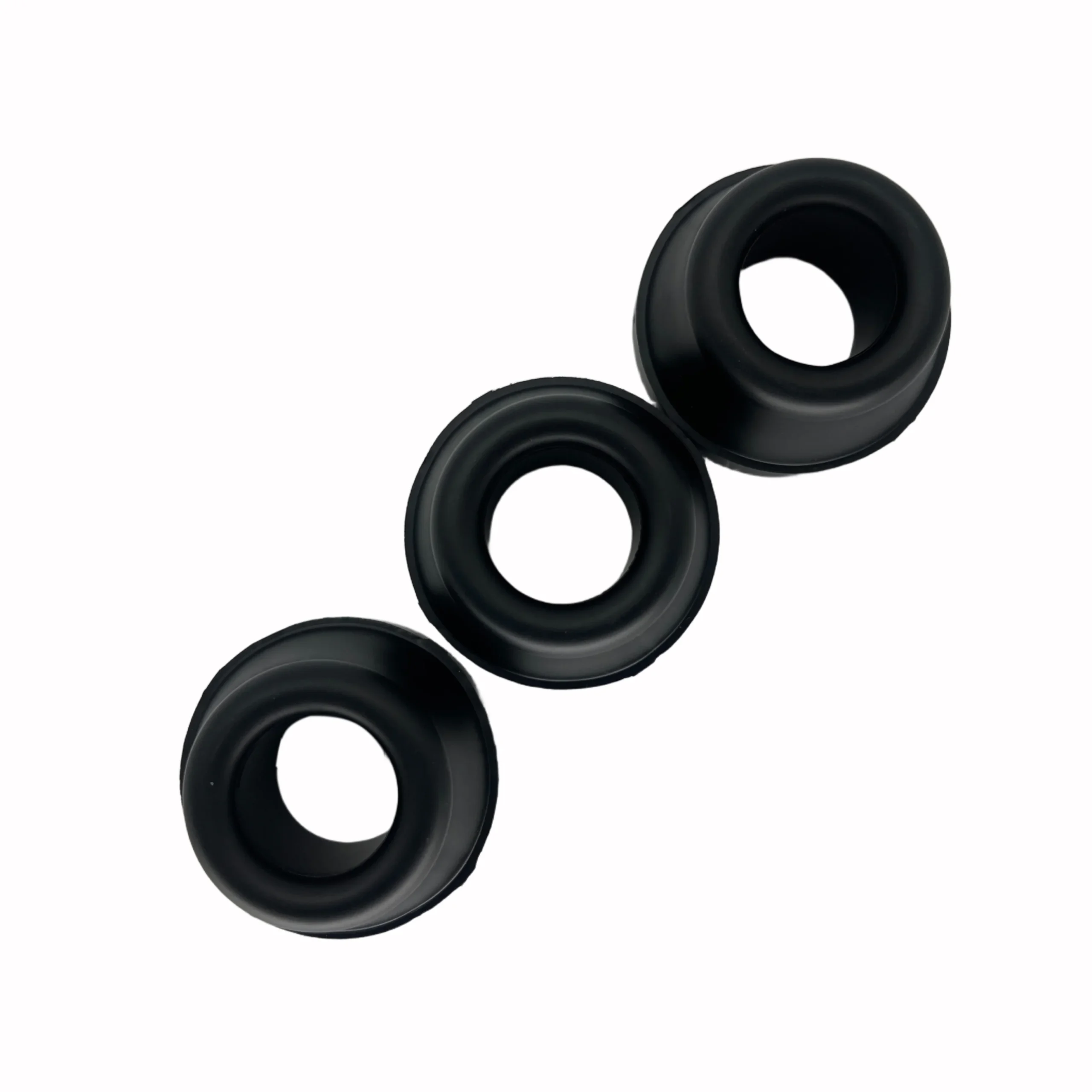
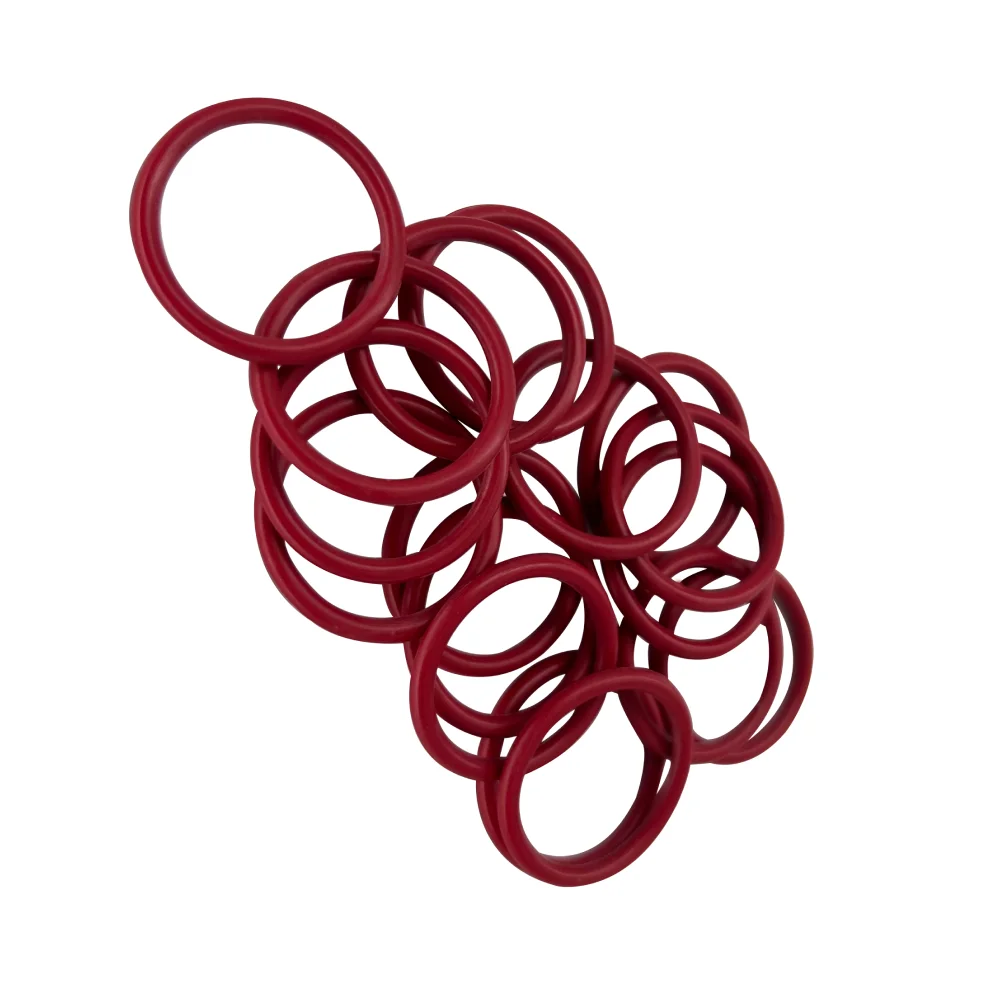
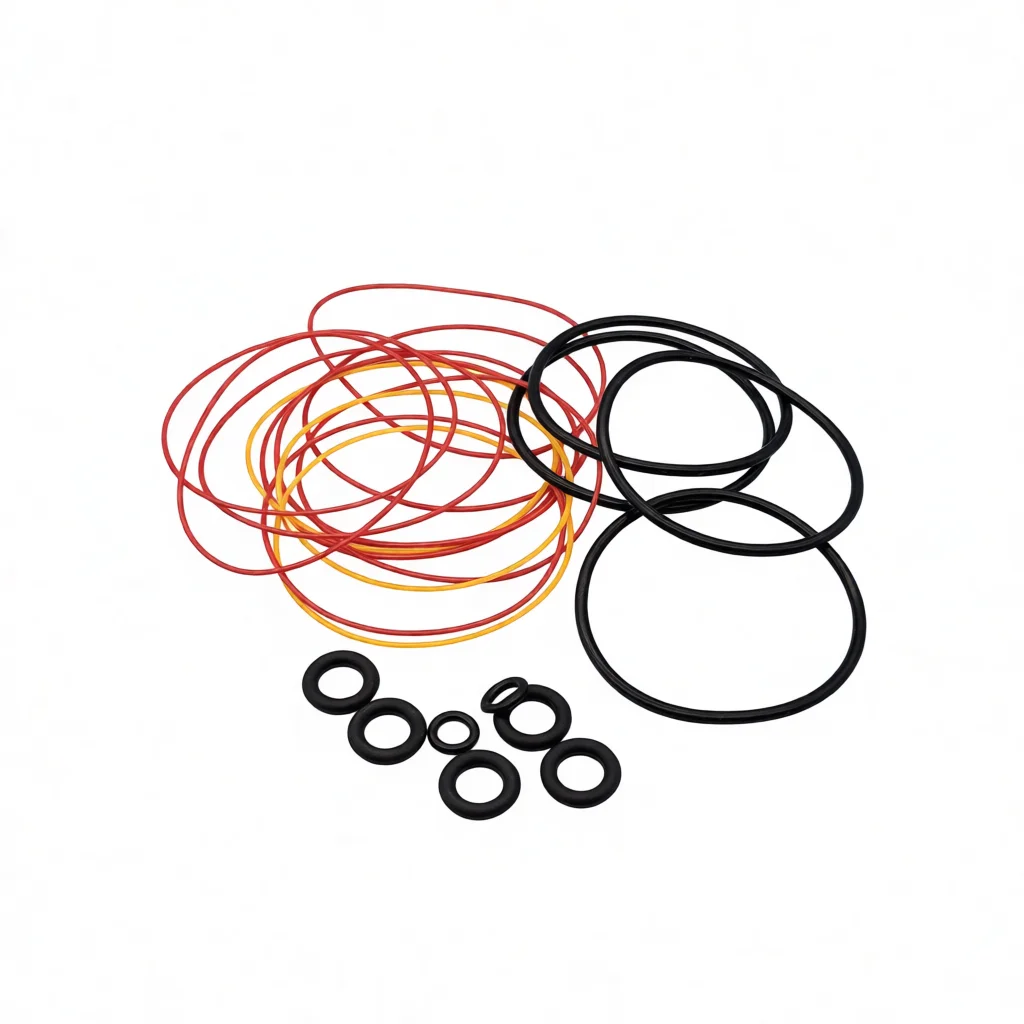
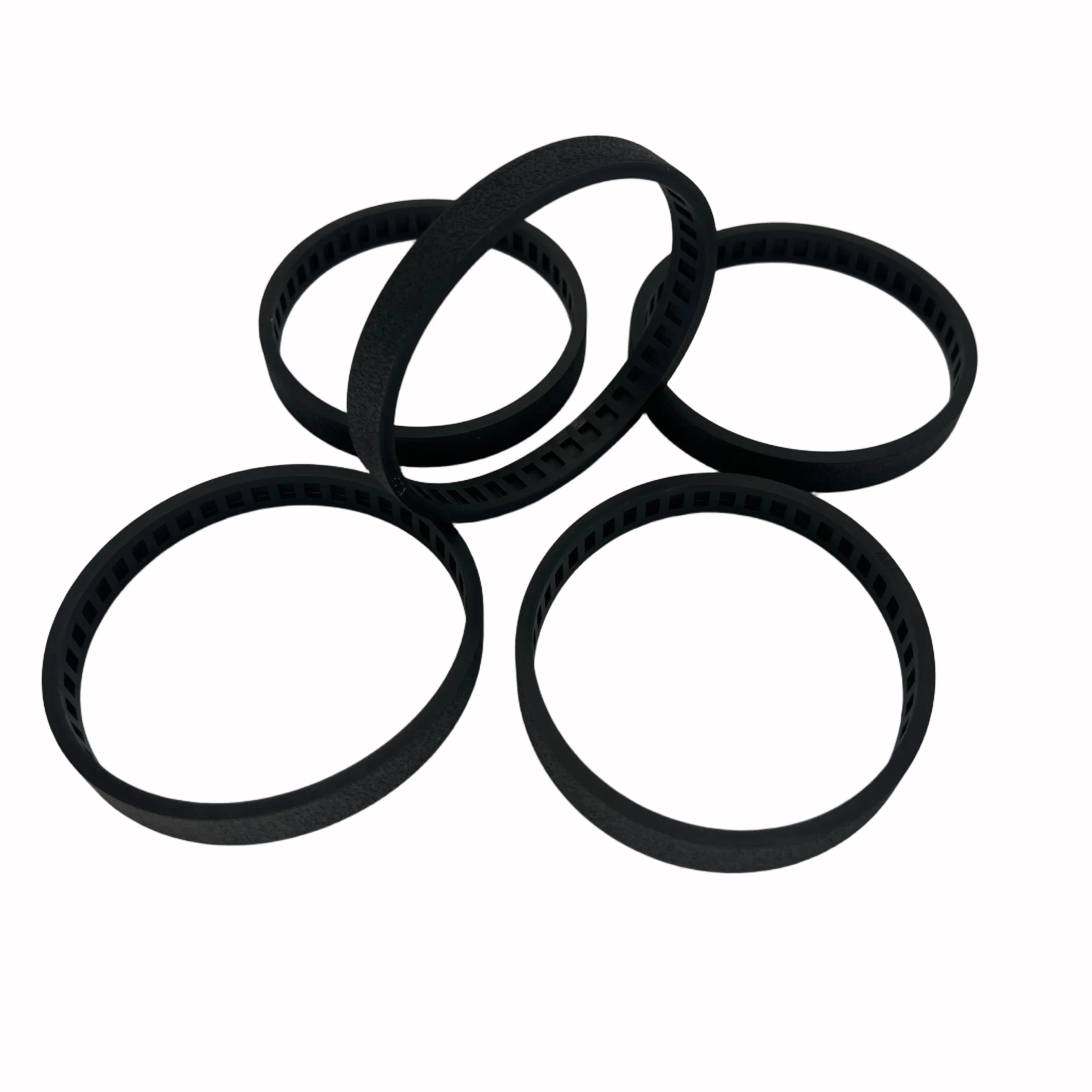
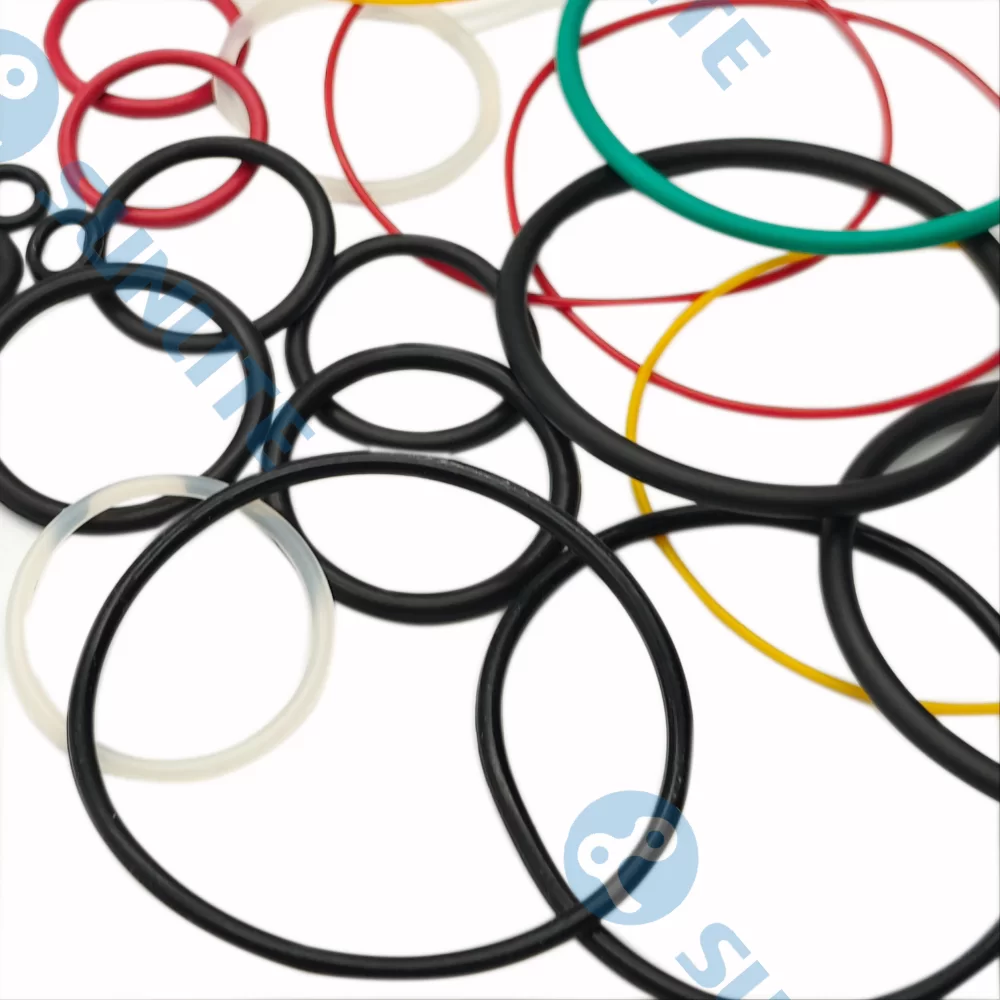
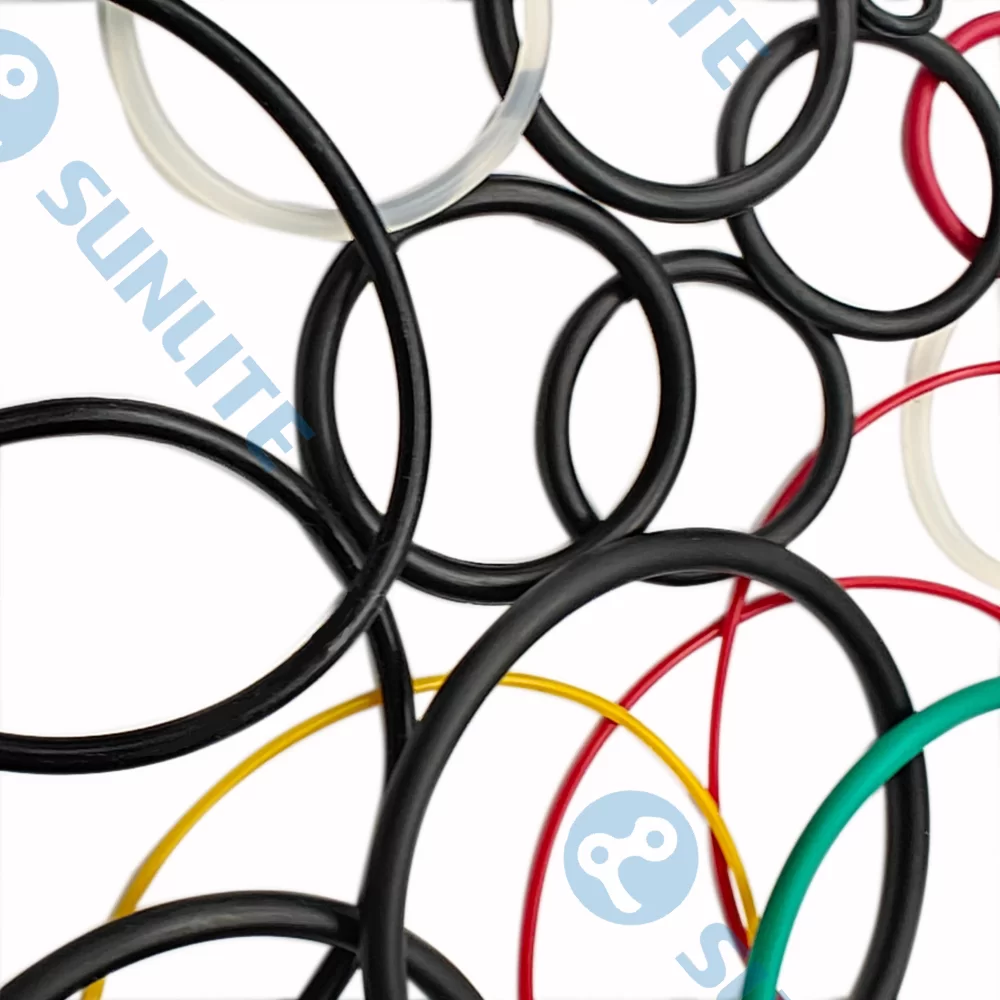
The O-Ring is a versatile and essential sealing component widely used in automotive and industrial applications. Designed to provide reliable sealing performance, O-Rings prevent leakage in critical systems such as engine fuel lines, hydraulic brakes, cooling pipelines, and air conditioning compressors. Made from high-quality elastomers and engineered polymers, these rings combine flexibility, chemical resistance, and durability to ensure safe and efficient operation.
One of the most common uses of the O-Ring is in engine fuel systems. By sealing fuel injectors, fuel pumps, and pipeline connections, O-Rings prevent fuel leakage, improve engine efficiency, and reduce the risk of fire hazards. Their precision design ensures a tight seal even under high pressure and temperature fluctuations commonly found in automotive engines.
In hydraulic brake systems, O-Rings play a critical role in maintaining the integrity of brake oil circuits. A properly functioning O-Ring ensures that hydraulic pressure is transmitted effectively, guaranteeing safe braking performance. Resistance to brake fluids and high-pressure environments makes these O-Rings reliable in preventing oil leaks and maintaining long-term system safety.
Cooling systems also rely on O-Rings to seal pipeline connections and prevent external coolant leakage. High-performance O-Rings withstand extreme temperatures and contact with coolant chemicals, ensuring that engines and machinery maintain optimal operating temperatures without loss of coolant or pressure.
Air conditioning systems use O-Rings to seal interfaces between compressors and pipelines, maintaining airtight connections and preventing refrigerant leakage. This ensures high efficiency, reduces environmental impact, and enhances system longevity. The ability to maintain airtightness under varying pressure and temperature conditions makes O-Rings indispensable in HVAC applications.
With their combination of chemical resistance, elasticity, and high-temperature tolerance, O-Rings provide a reliable, cost-effective solution for sealing applications across multiple industries. Automotive manufacturers, HVAC system designers, and industrial engineers rely on O-Rings for performance, safety, and long-lasting operation.
In summary, the O-Ring is an essential sealing component that ensures the safe and efficient operation of engines, brakes, cooling systems, and air conditioning compressors. Its versatility, durability, and precision make it a key part of modern industrial and automotive engineering.
The O-Ring is a high-performance sealing solution designed for applications requiring reliability, chemical resistance, and precision. Widely used in automotive engines, hydraulic brakes, cooling systems, and air conditioning compressors, O-Rings prevent fluid and gas leakage, ensuring optimal performance, safety, and efficiency.
In engine fuel systems, O-Rings are critical for sealing injectors, fuel pumps, and pipelines. They prevent fuel leakage, maintain pressure stability, and protect against engine inefficiency or fire hazards. High-quality elastomers and precise dimensions ensure a tight seal even under fluctuating temperatures and vibrations common in vehicle operation.
Hydraulic brake systems also depend on O-Rings for safe and reliable performance. By sealing brake fluid passages and interfaces, O-Rings maintain hydraulic pressure and prevent fluid loss. Their compatibility with brake oils and resistance to high pressure ensures consistent braking performance, contributing to overall vehicle safety.
Cooling systems rely on O-Rings to seal pipeline connections and prevent external coolant leakage. This is essential to maintain engine temperature and prevent overheating. Resistant to temperature extremes and chemical exposure, O-Rings ensure long-lasting reliability in engine and industrial cooling circuits.
In air conditioning systems, O-Rings seal the connection between compressors and pipelines, preventing refrigerant leaks. Proper sealing maintains system efficiency, reduces energy consumption, and prolongs equipment life. Their ability to endure varying pressure and thermal conditions makes them a vital component in HVAC design.
Durability, chemical resistance, and elasticity are the core benefits of O-Rings. They are cost-effective, easy to install, and provide consistent sealing performance across multiple applications. Automotive engineers, HVAC technicians, and industrial designers depend on O-Rings to maintain system integrity, safety, and efficiency.
In conclusion, the O-Ring is a versatile and essential sealing component for fuel systems, brake systems, cooling circuits, and air conditioning applications. Its precision engineering, durability, and reliability make it indispensable for modern automotive and industrial systems.