 Select Language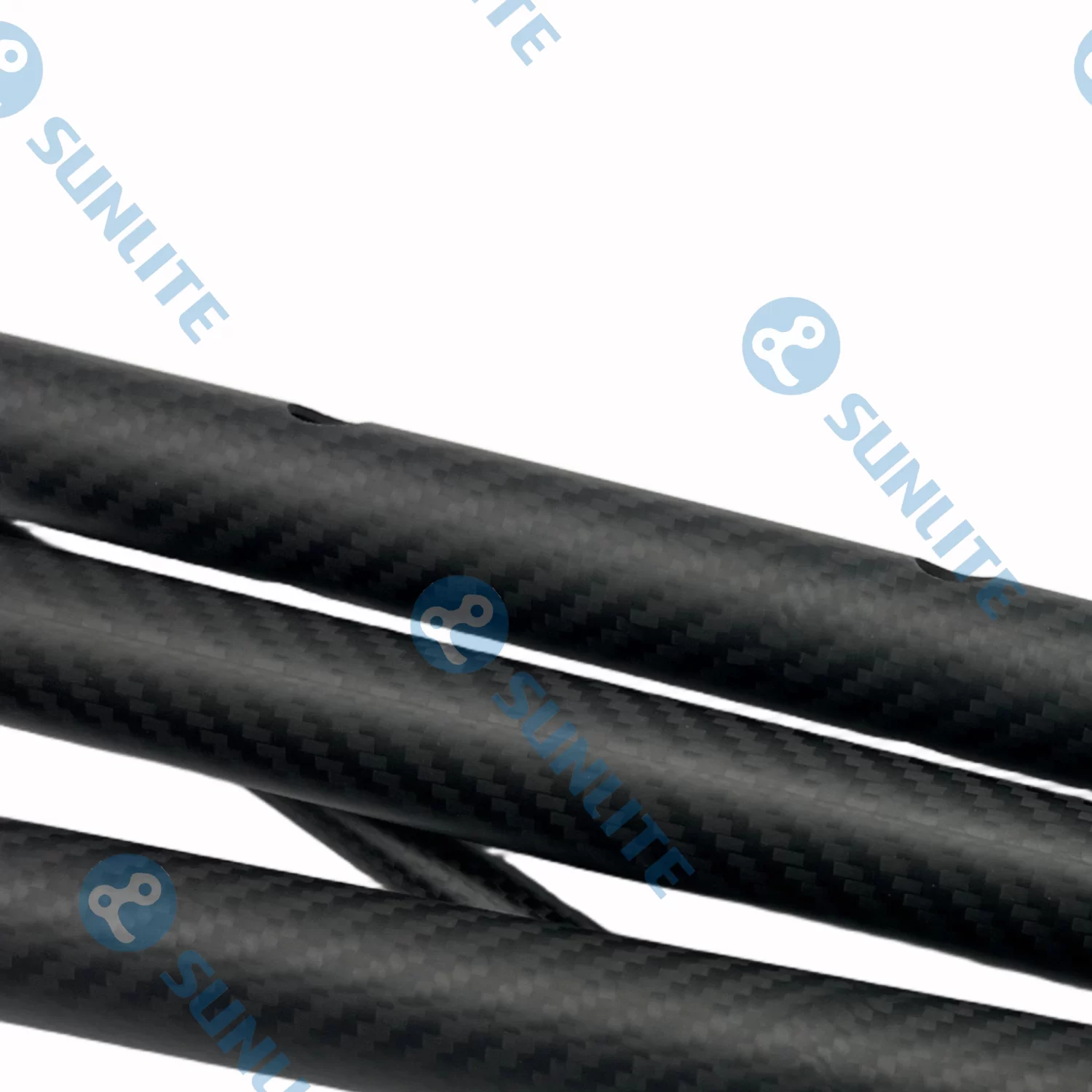
APPLICATION SCENARIOS
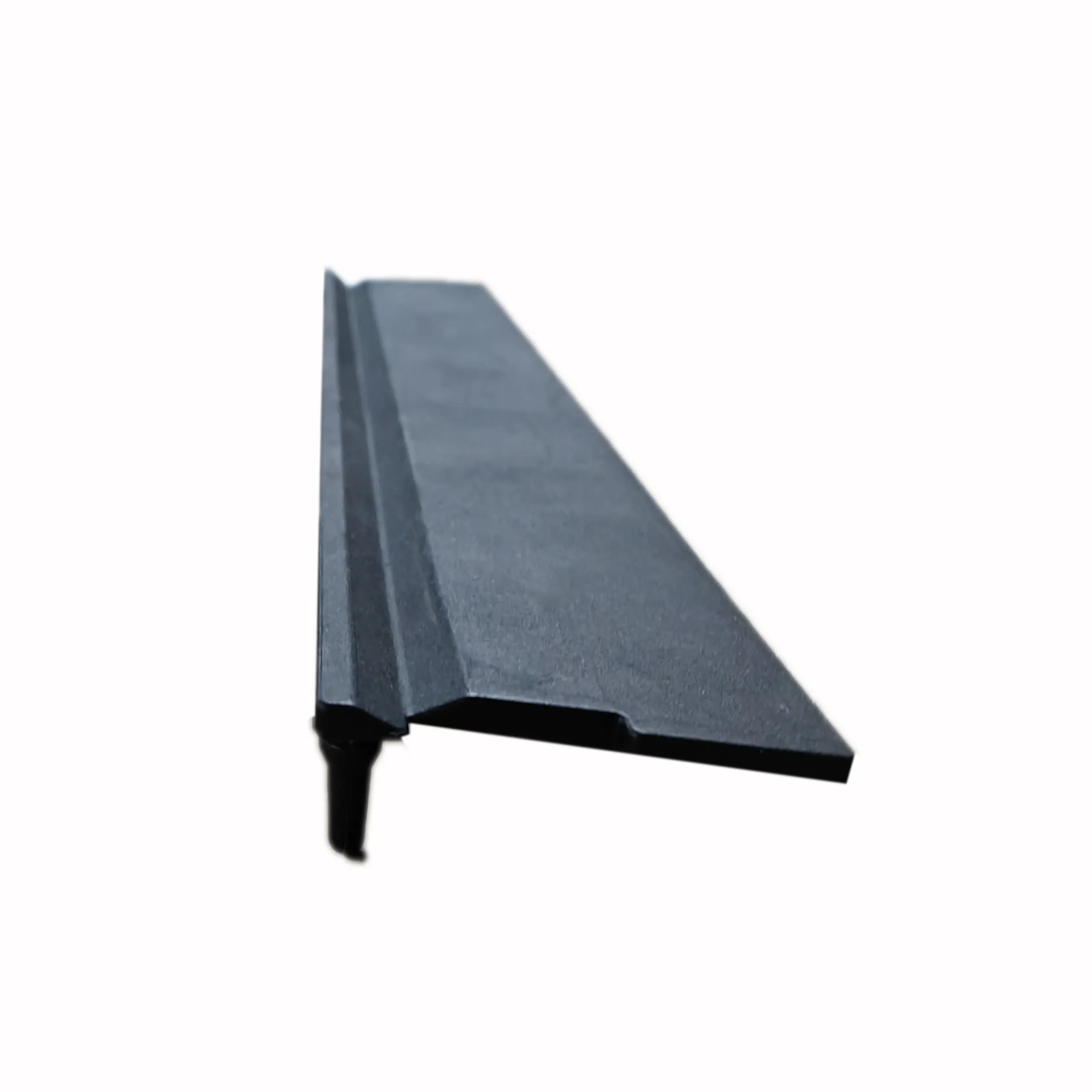
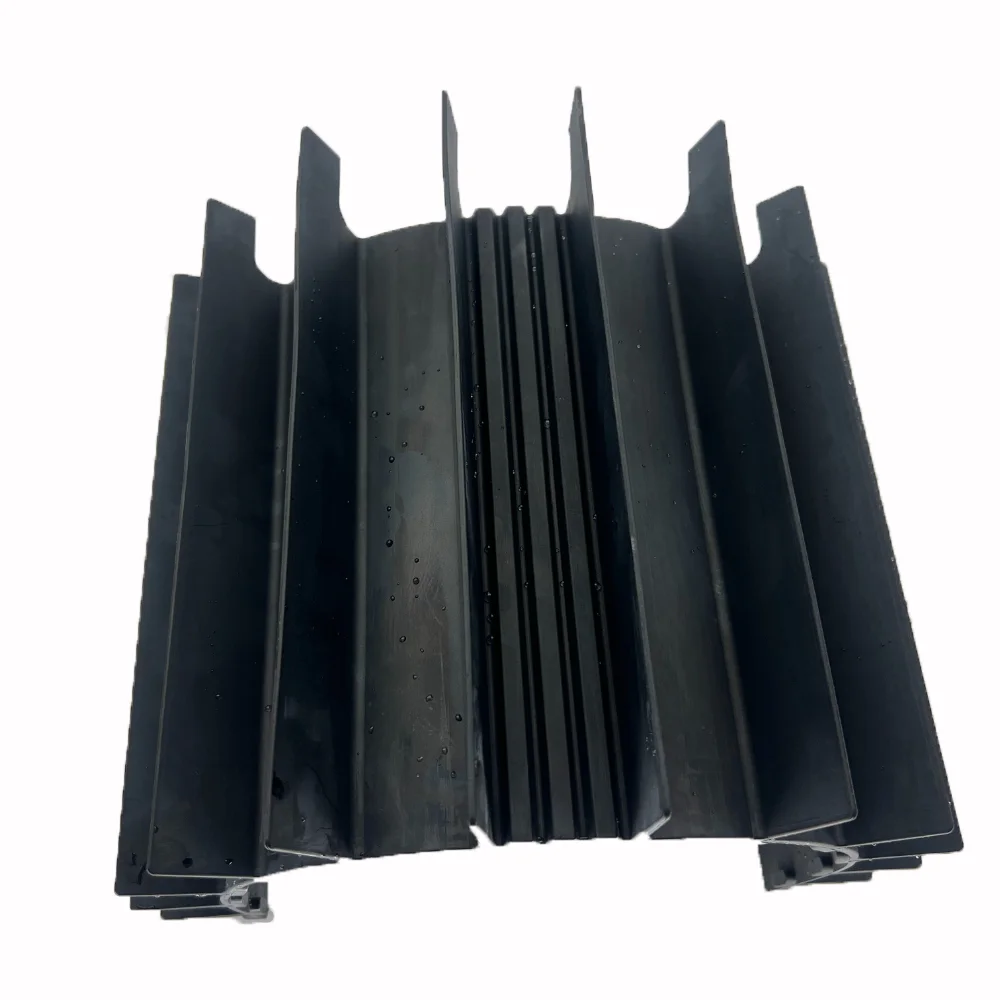
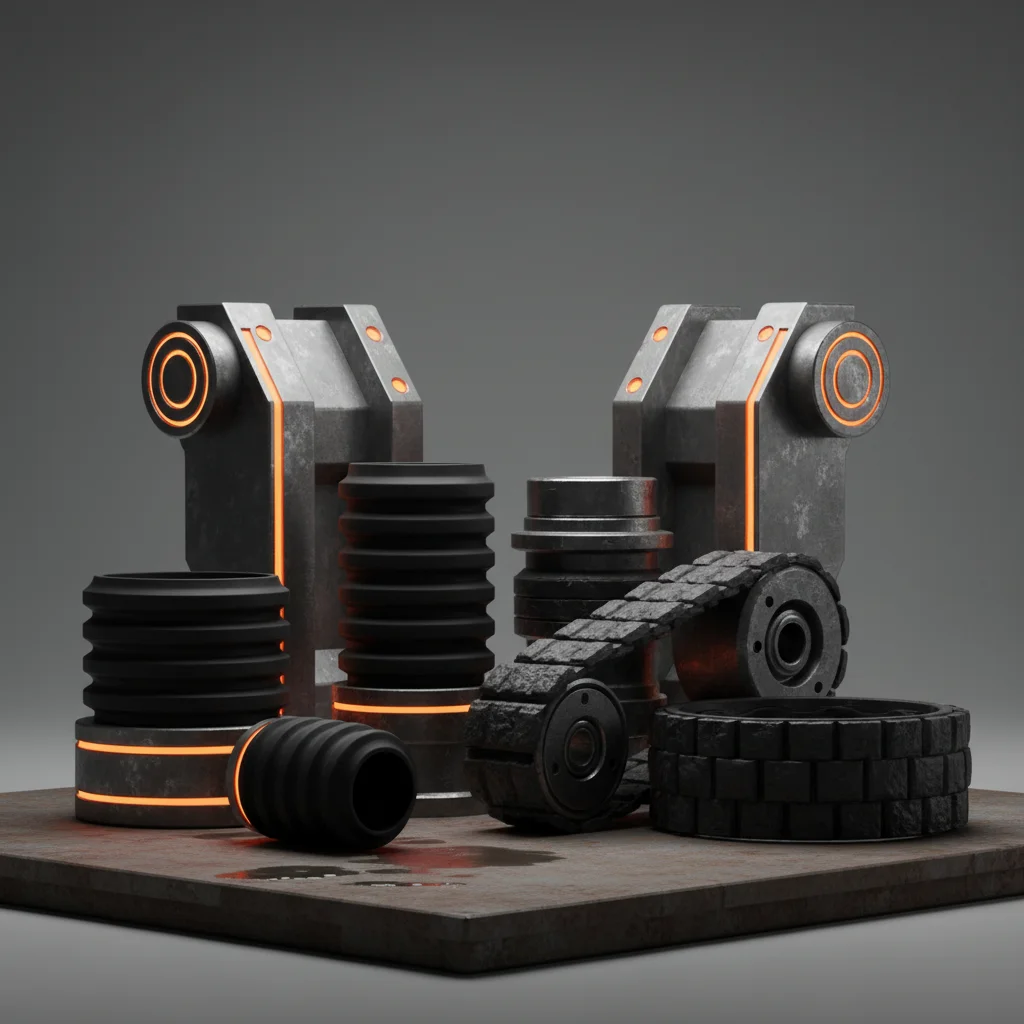
1. Tool handle support structure – reduces weight while enhancing strength
2. Extension rod structure – designed for electric tools used in high-altitude operations
3. Battery pack housing support frame – reinforces structural rigidity
4. Precision positioning conduit – ensures stable operation of attachments
Product Description
This product series is manufactured using high-strength reinforced fiber materials—including carbon fiber and fiberglass—combined with a thermoset resin matrix through advanced processes such as filament winding, compression molding, or pultrusion. These components offer a unique combination of lightweight construction, high mechanical strength, corrosion resistance, and fatigue durability. Fiber orientation can be customized to meet specific mechanical requirements for different applications. All products comply with international environmental standards, including RoHS 2.0, REACH, PAHs, POPs, TSCA, and PFAS regulations.
PRODUCT FUNCTION
Lightweight and High Strength: Significantly reduces product weight while providing strong structural support, enhancing overall structural efficiency.
Versatile Processing Compatibility: Customizable in length, outer diameter, and fiber orientation through filament winding, compression molding, or pultrusion.
Material-Specific Functionalities: Carbon fiber offers excellent electrical and thermal conductivity; fiberglass provides outstanding insulation and signal transparency.
Durability and Reliability: Excellent corrosion resistance, UV stability, and long-term performance under cyclic loading.
PERFORMANCE INDEX
Carbon fiber composite materials:
Tensile strength: 3000~7000 MPa
Elastic modulus: 230~600 GPa
Density: 1.5~1.8 g/cm³
Excellent electrical/thermal conductivity
Glass fiber composite materials:
Tensile strength: 1000~3000 MPa
Elastic modulus: 70~85 GPa
Density: 1.8~2.0 g/cm³
Excellent insulation/wave transmission performance
Durability test: Resistant to salt spray, acid and alkali corrosion, with high cyclic fatigue life;
Environmental compliance: Compliant with regulations such as RoHS2.0, REACH, PAHs, POPs, TSCA, and PFAS.
APPLICATION AREA
Widely used in the following structural and functional components:
Tool handle support structures: Reduce weight, enhance strength and operational convenience;
Power tool extension rods: Used in operations such as high-altitude maintenance, pruning, and cleaning;
Battery pack frameworks/case reinforcing ribs: Enhance structural rigidity and improve impact resistance;
Precision guiding structures/positioning conduits: Enable stable operation of high-precision components, suitable for equipment such as robots and medical devices.
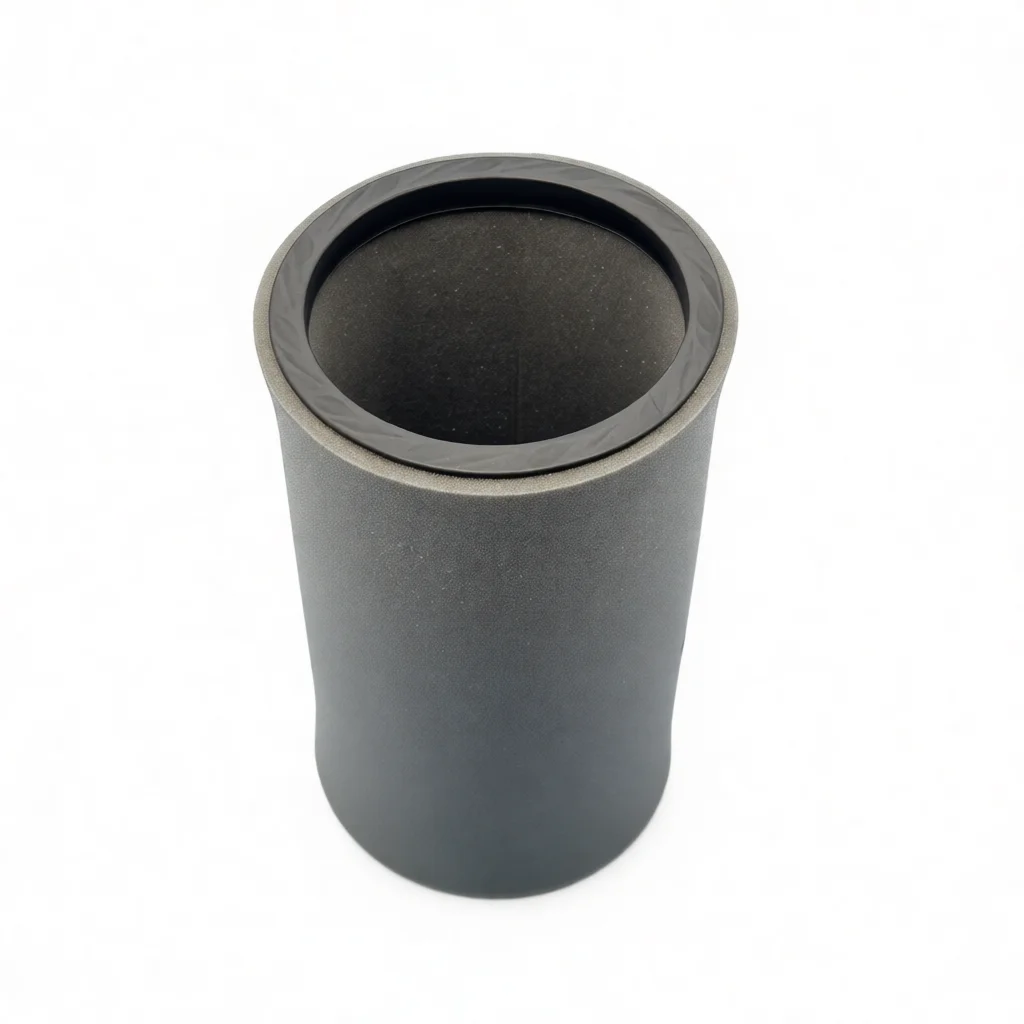
The Carbon Fiber Tube is a premium composite structural material engineered for applications requiring exceptional strength-to-weight performance, high rigidity, and long-term durability. Manufactured through advanced roll-wrapping, pultrusion, or filament winding processes, carbon fiber tubes provide superior mechanical properties compared to traditional metal materials such as aluminum or steel. Their high tensile strength, low density, and corrosion-resistant characteristics make them an ideal solution for aerospace, UAVs, robotics, industrial machinery, automotive parts, and sports equipment.
One of the most notable advantages of the carbon fiber tube is its impressive strength-to-weight ratio. Despite being significantly lighter than metal alternatives, it offers unrivaled stiffness, ensuring excellent performance in load-bearing and high-impact environments. This makes carbon fiber tubes particularly valuable for UAV arms, drone frames, camera stabilizers, and robotic joints where weight reduction directly enhances operational efficiency, battery endurance, and motion control accuracy.
Carbon fiber tubes also offer excellent resistance to fatigue and bending, even under repeated stress. Thanks to their anisotropic fiber orientation, they maintain structural stability under dynamic motion, vibration, and long-term cycling. Additionally, their corrosion resistance ensures outstanding performance in harsh environments, including high humidity, UV exposure, marine conditions, and extreme temperatures.
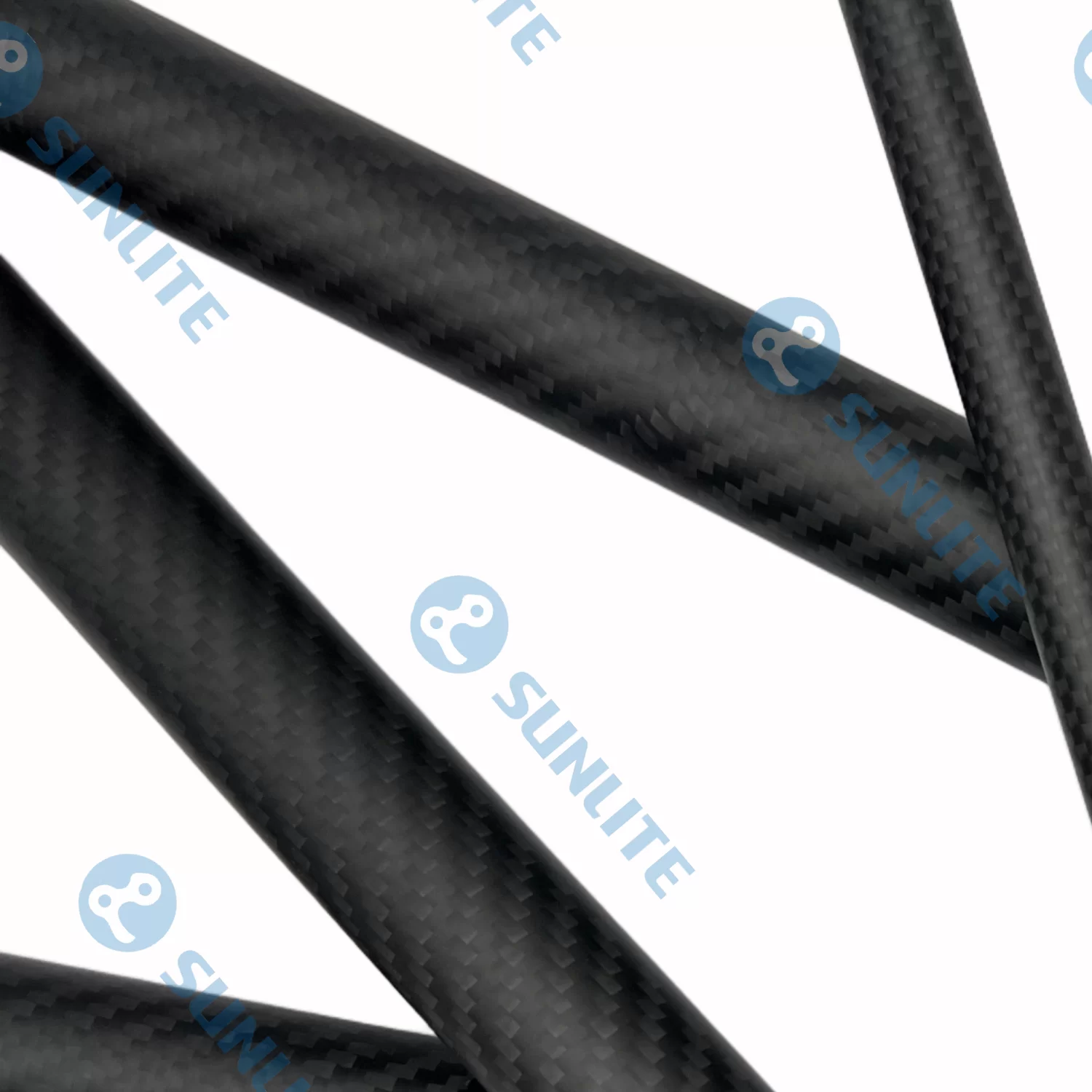
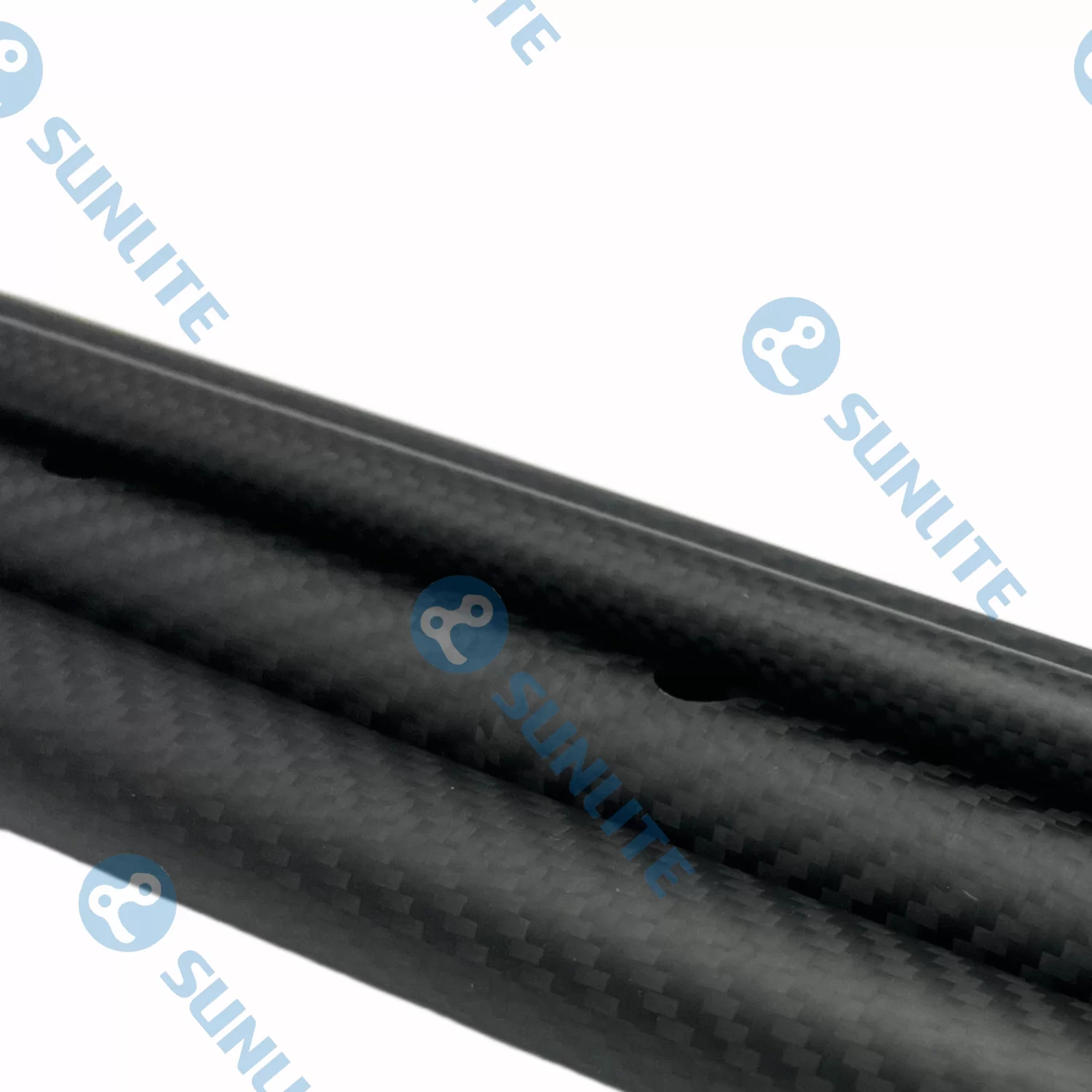
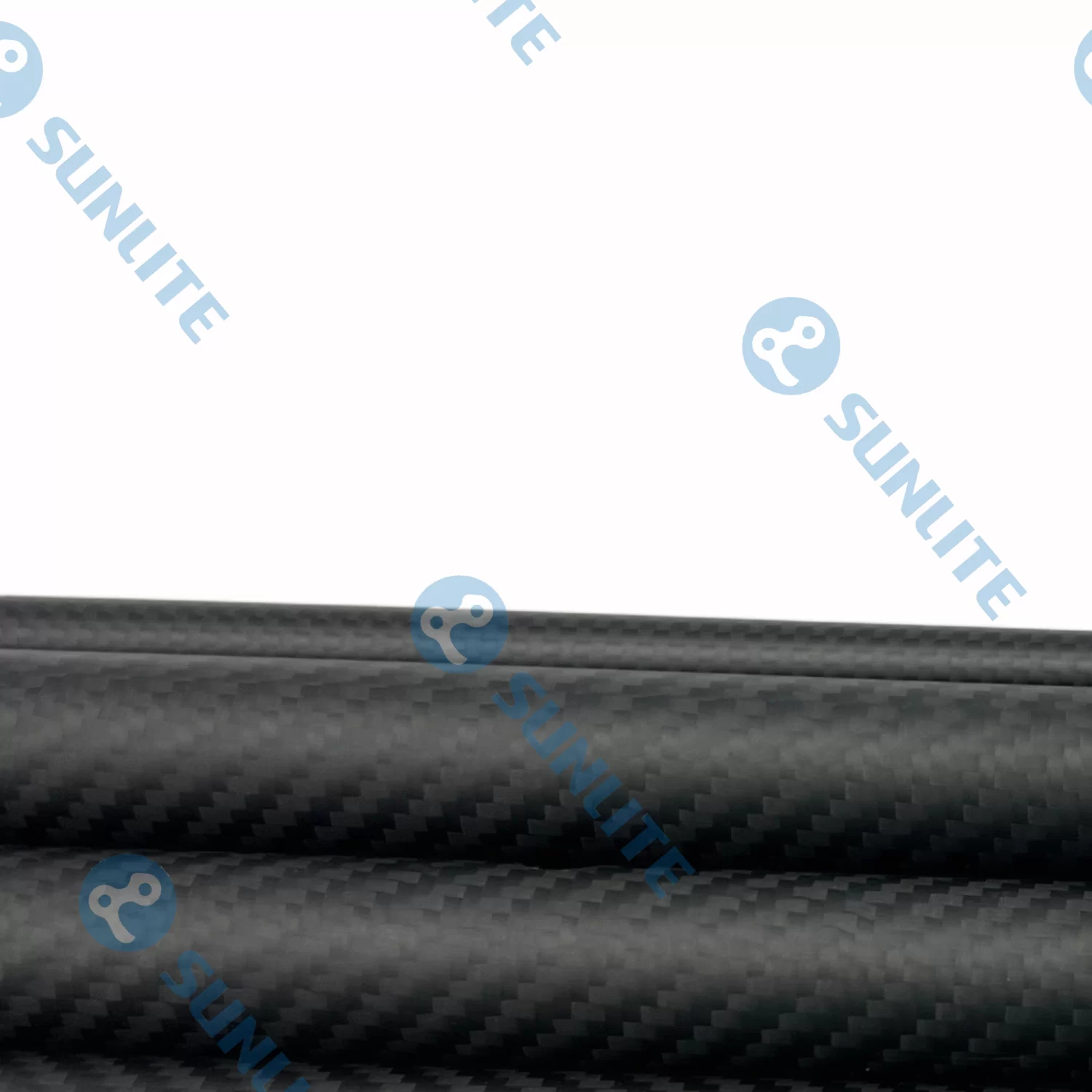
The tube’s aesthetic appeal is another key selling point. The signature 3K carbon fiber woven finish provides a sleek, premium appearance widely favored in high-end consumer electronics, performance sports gear, and photography equipment. Custom surface treatments—including matte, glossy, twill, and unidirectional finishes—are available to meet different branding or functional requirements.
To accommodate diverse engineering needs, carbon fiber tubes can be customized in terms of diameter, thickness, fiber type, resin matrix, structural layup, and mechanical properties. Whether the application demands torsional rigidity, crush resistance, impact strength, or specific flexural characteristics, tailored layup configurations such as 0°/90°, ±45°, or multi-angle winding can be applied.
Overall, the Carbon Fiber Tube is a cutting-edge material offering exceptional performance, universal application flexibility, and unmatched lightweight strength. For industries seeking to improve efficiency, reduce weight, and elevate structural capability, carbon fiber tubes deliver reliable and long-lasting solutions.
The Carbon Fiber Tube is engineered to deliver maximum stability and precision for modern industries that rely on lightweight yet strong structural components. With continuous advancements in composite processing technology, carbon fiber tubes now offer performance far exceeding conventional materials. These tubes are designed to provide optimized stiffness, vibration damping, and dimensional accuracy—critical for UAV frames, robotic arms, automation equipment, inspection tools, and high-performance industrial devices.
One of the major performance features is the tube’s high modulus and low deformation rate, ensuring minimal bending or twisting under load. This is essential for drone arms where motor thrust, torque, and aerodynamic forces require a rigid and stable structure. Improved rigidity enhances flight accuracy, reduces oscillation, and helps maintain consistent propulsion efficiency. In robotics, the precision and stability of carbon fiber tubes ensure smooth mechanical movement, precise positioning, and higher load capacity without adding unnecessary weight.
Carbon fiber tubes also excel in environments characterized by continuous vibration or mechanical shock. The inherent damping property of carbon fibers significantly reduces vibration transmission, extending the service life of attached components such as sensors, motors, and control units. This unique characteristic is especially beneficial in high-speed automation systems, handheld stabilizers, and inspection devices.
Another core advantage is their excellent thermal stability and resistance to expansion under temperature fluctuations. Carbon fiber exhibits extremely low thermal expansion, maintaining stable dimensions even in high-heat industrial settings or cold outdoor environments. This makes carbon fiber tubes a reliable choice for aerospace components, measurement instruments, precision mounts, and outdoor UAV equipment.
From a production perspective, carbon fiber tubes support a wide range of customization options, including tapered tubes, multi-layered hybrid tubes (carbon + fiberglass + Kevlar), and specialized structural layups for enhanced torsional or compressive strength. They can be machined or drilled with high precision, enabling straightforward integration with metal inserts, connectors, joints, and brackets.
The Carbon Fiber Tube is also recognized for its long service life. Unlike metal, it does not rust, deform, or suffer from fatigue cracking. Its chemical resistance ensures compatibility with various environments—from chemicals and oils to saltwater exposure—making it suitable for marine devices, chemical equipment, and outdoor structures.
In summary, the carbon fiber tube stands out as a superior engineering material offering lightweight performance, structural reliability, and broad application flexibility. Whether used in drones, robotics, automotive systems, or industrial machinery, it provides unmatched value and durability, supporting high-efficiency design and long-term operational stability.