 Select Language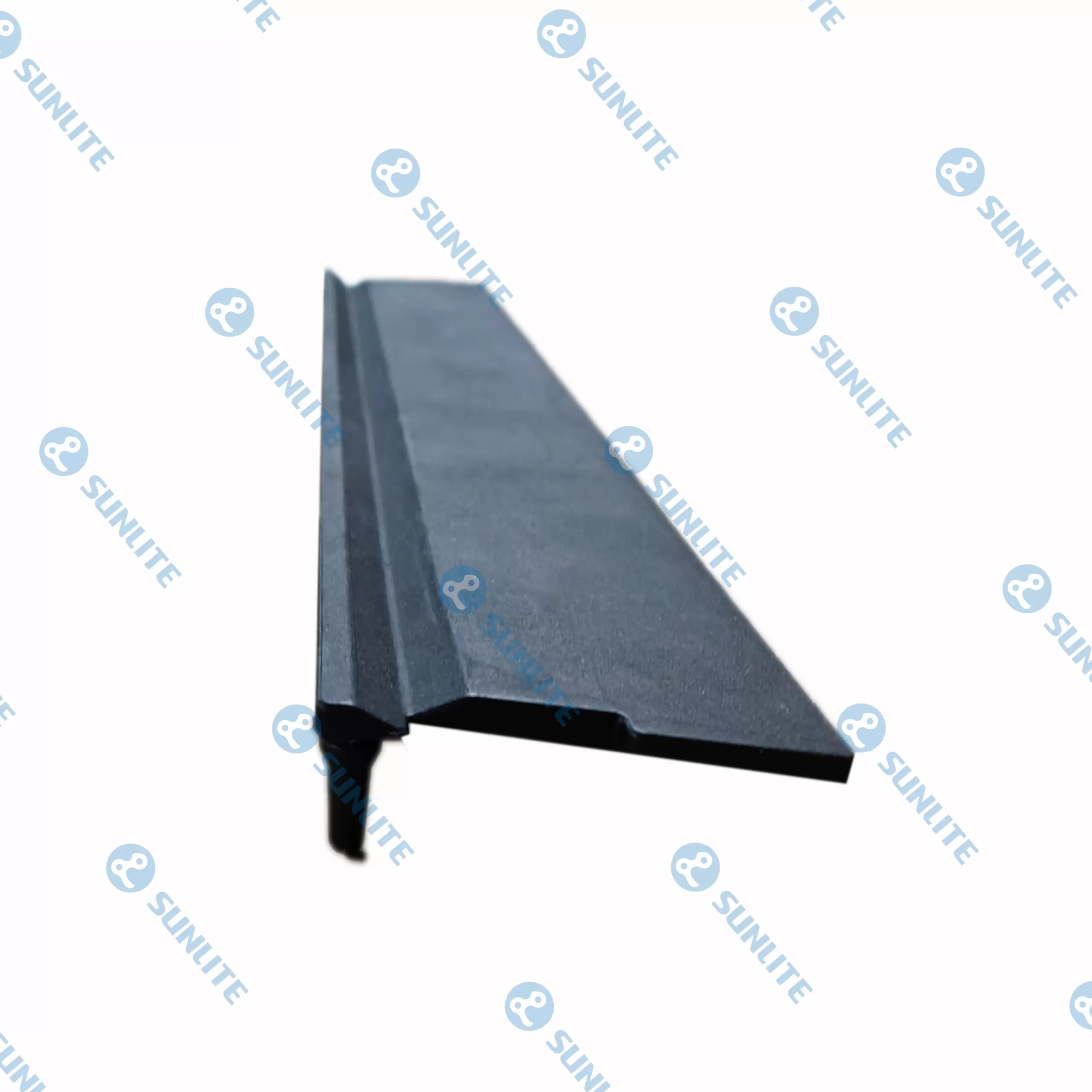
APPLICATION SCENARIOS
1. Household and commercial swimming pool cleaning
2. Glass tank/aquarium bottom cleaning
3. Flat cement/tile pool bottom cleaning
4. Ground sediment monitoring and cleaning
5. Light-load tool platform
Product Description
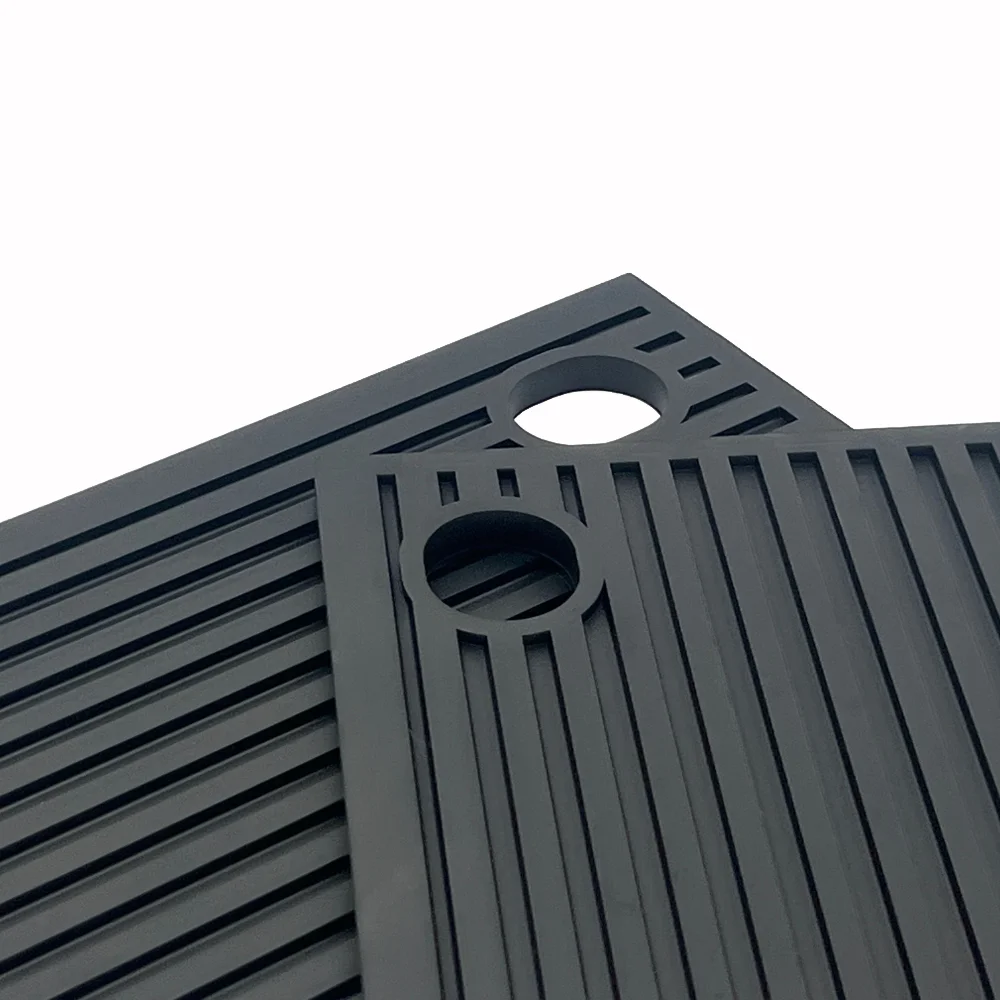
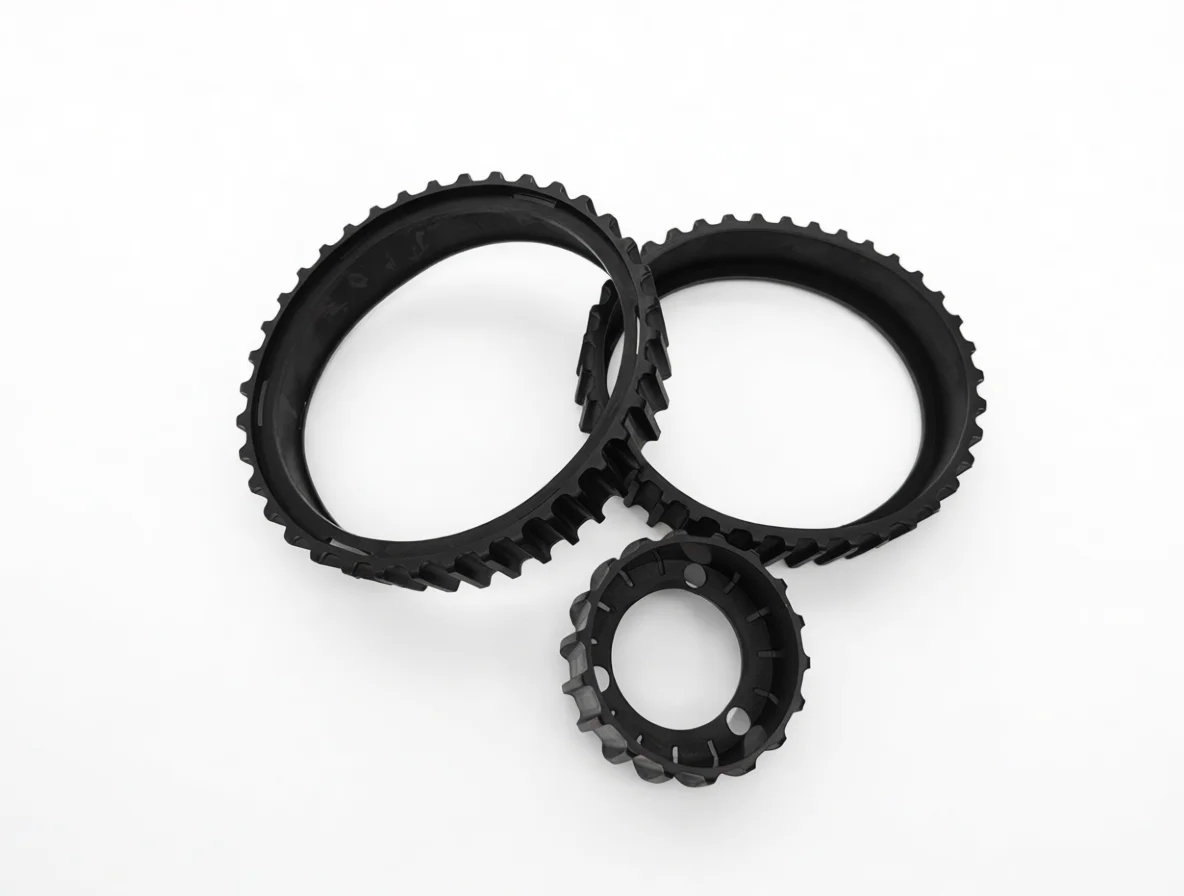
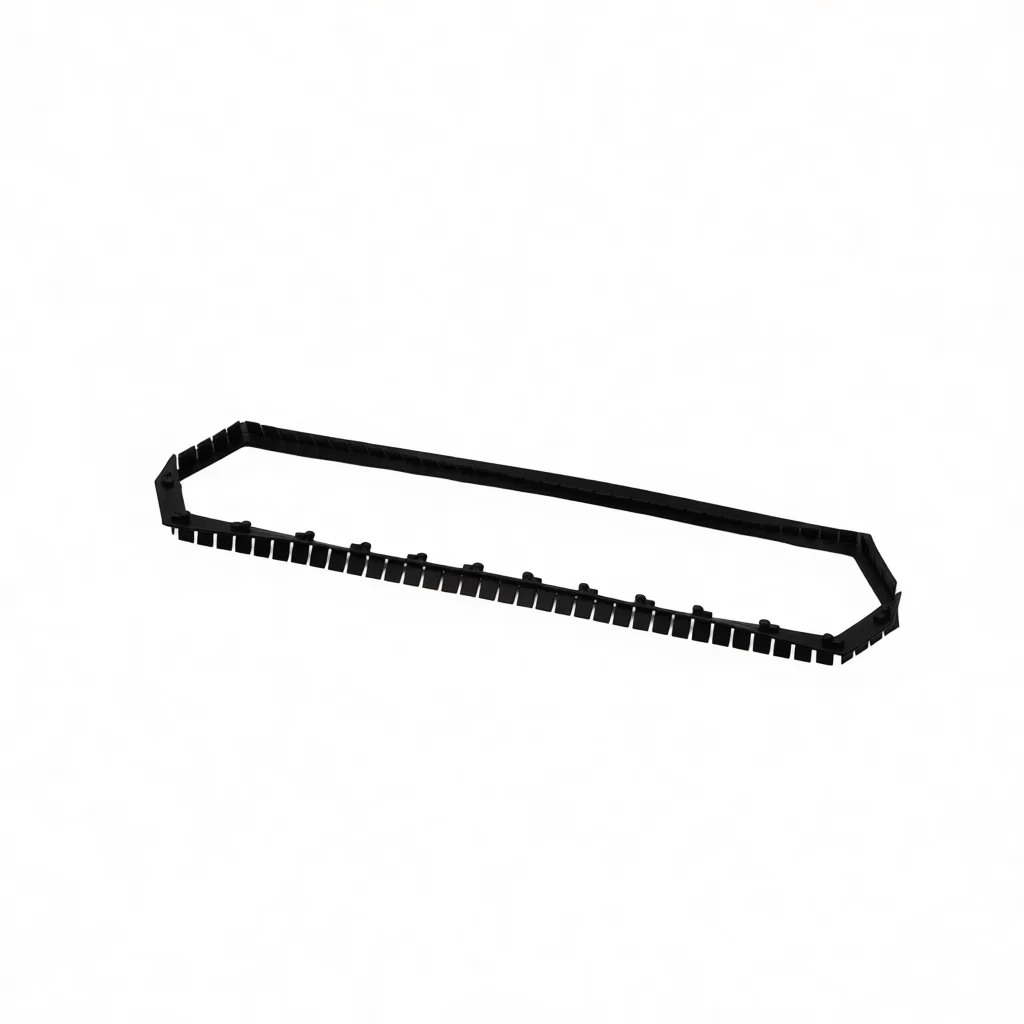
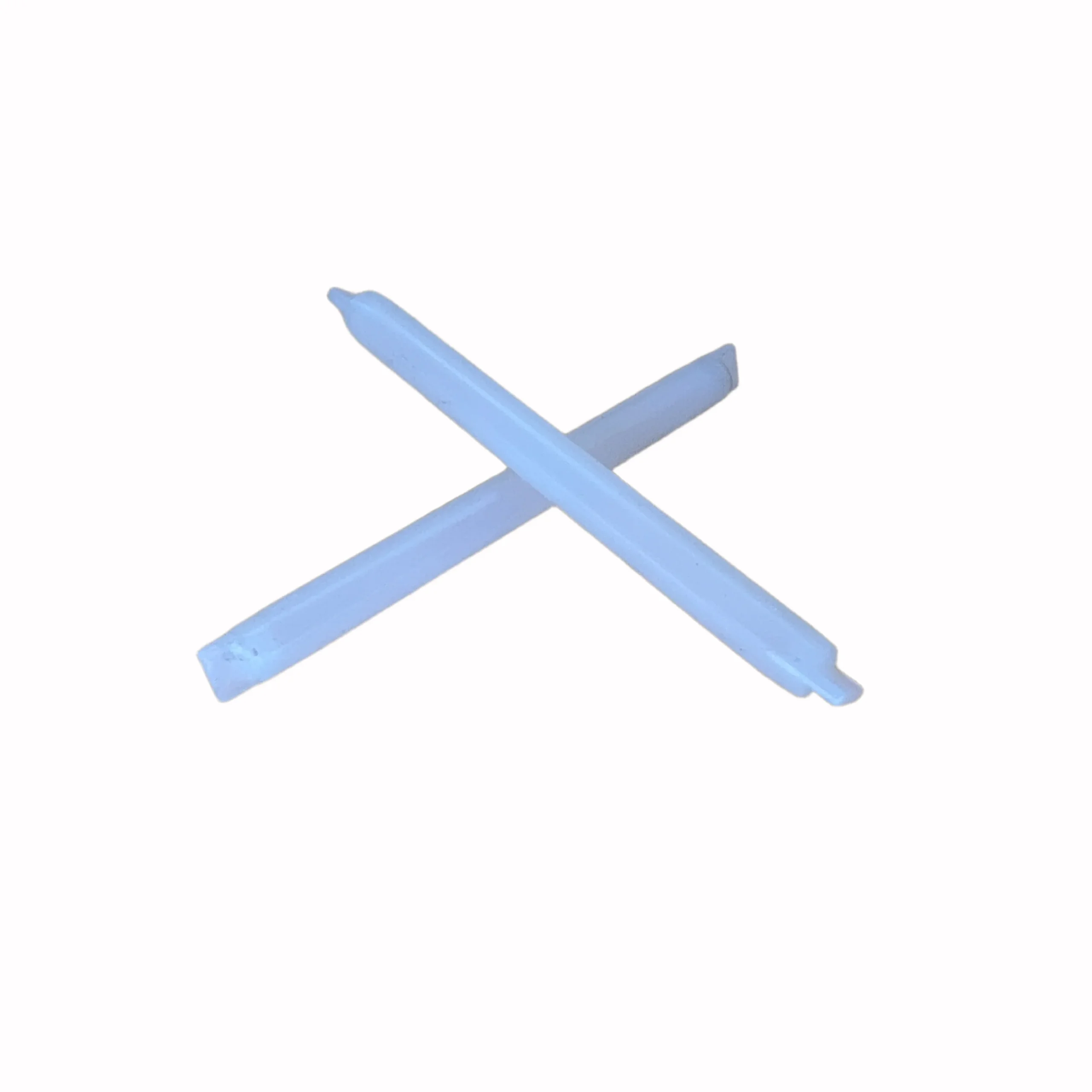
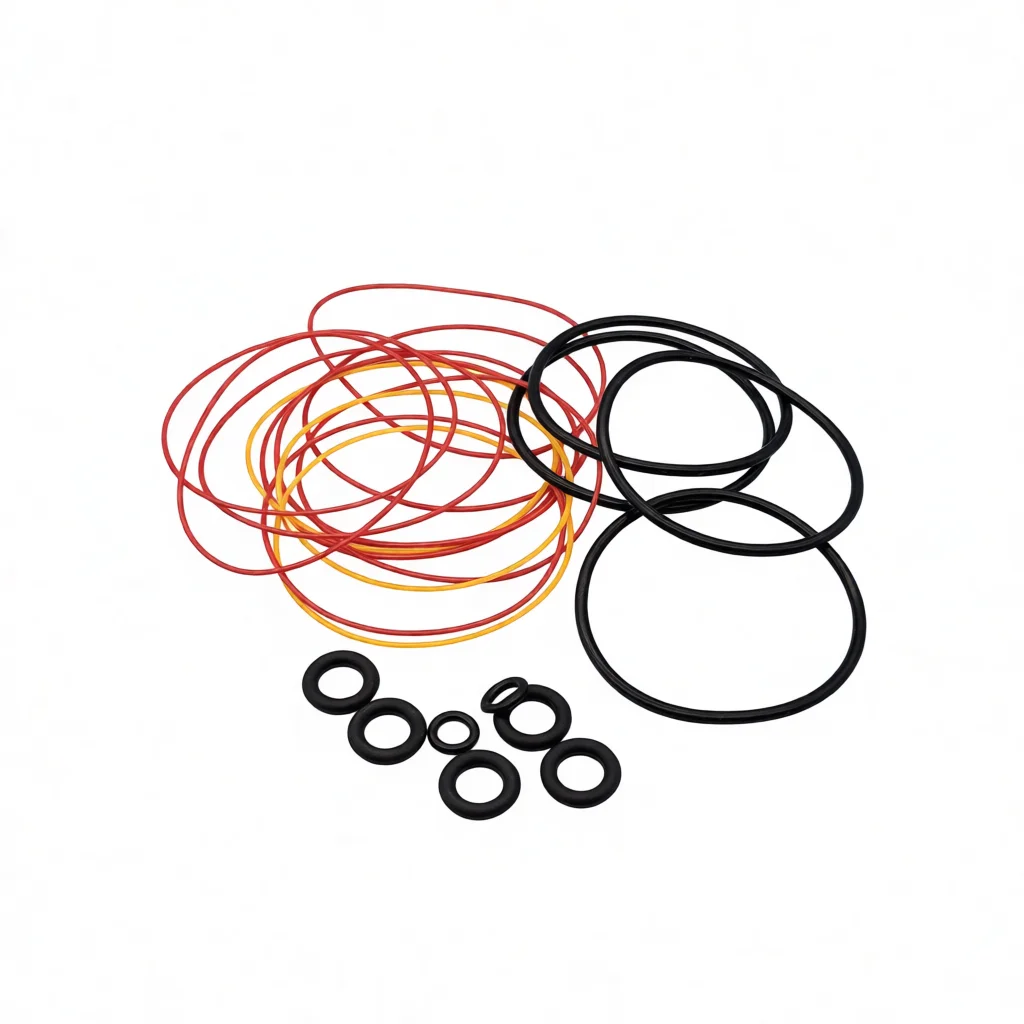
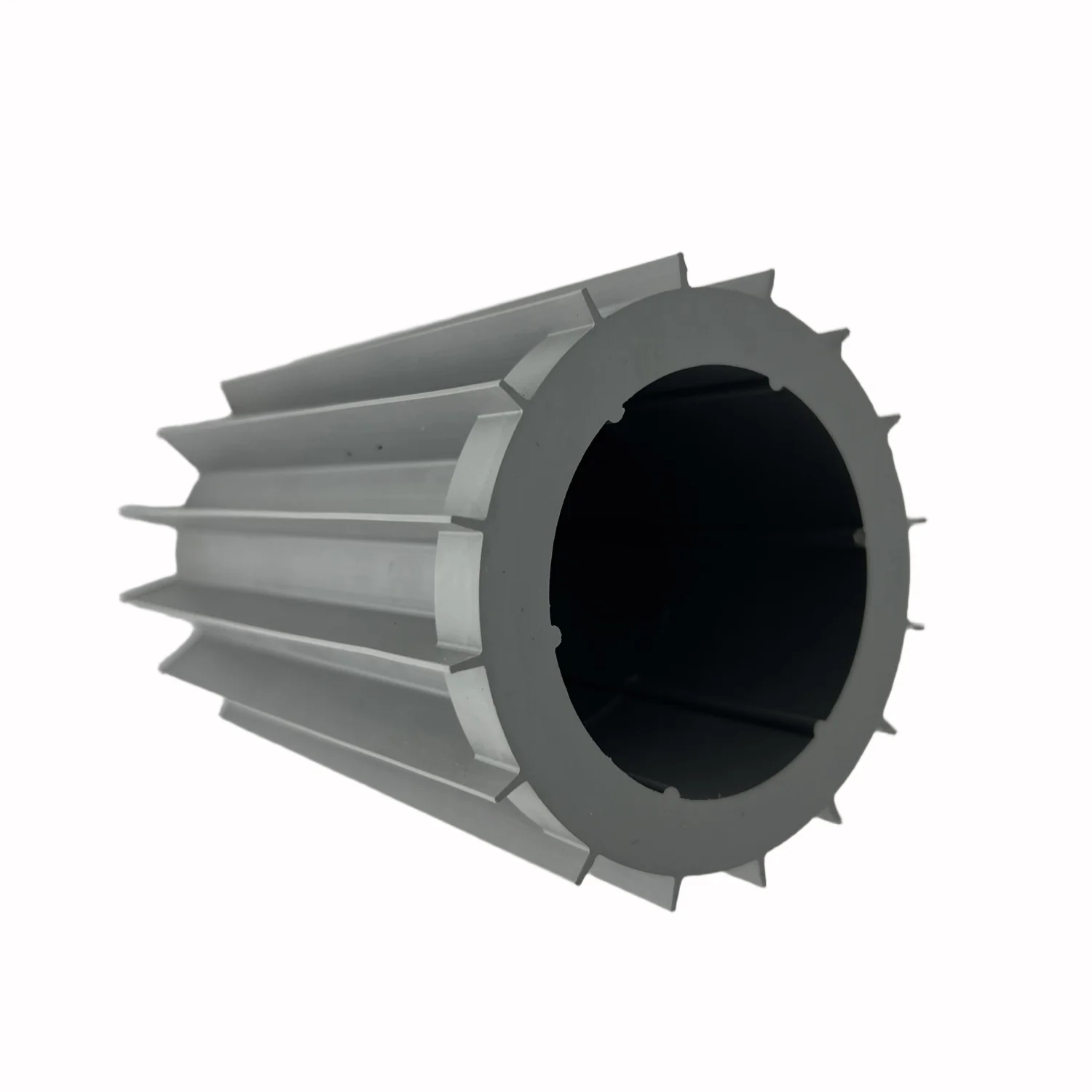
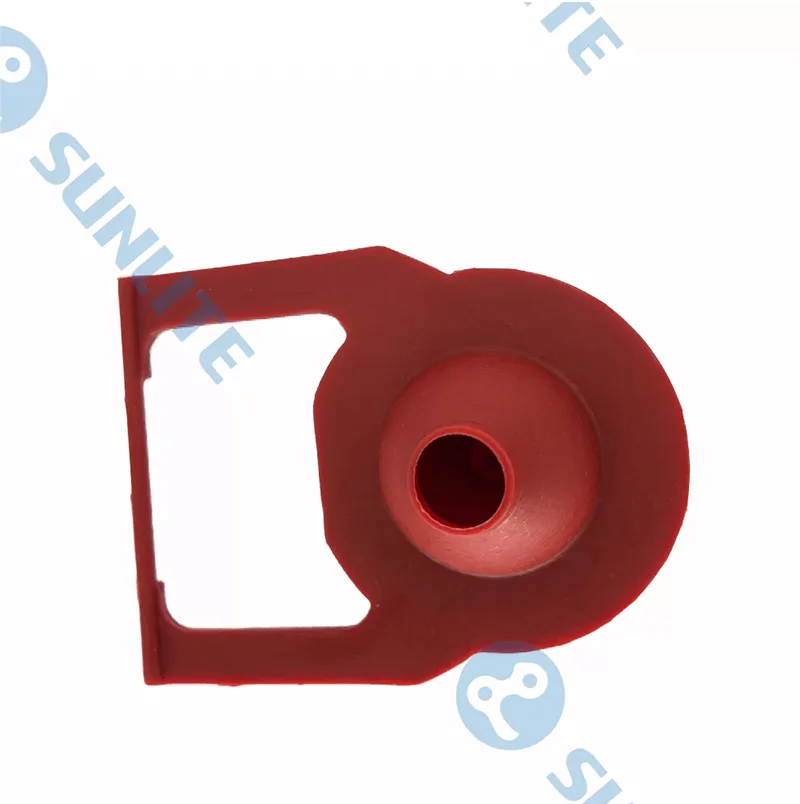
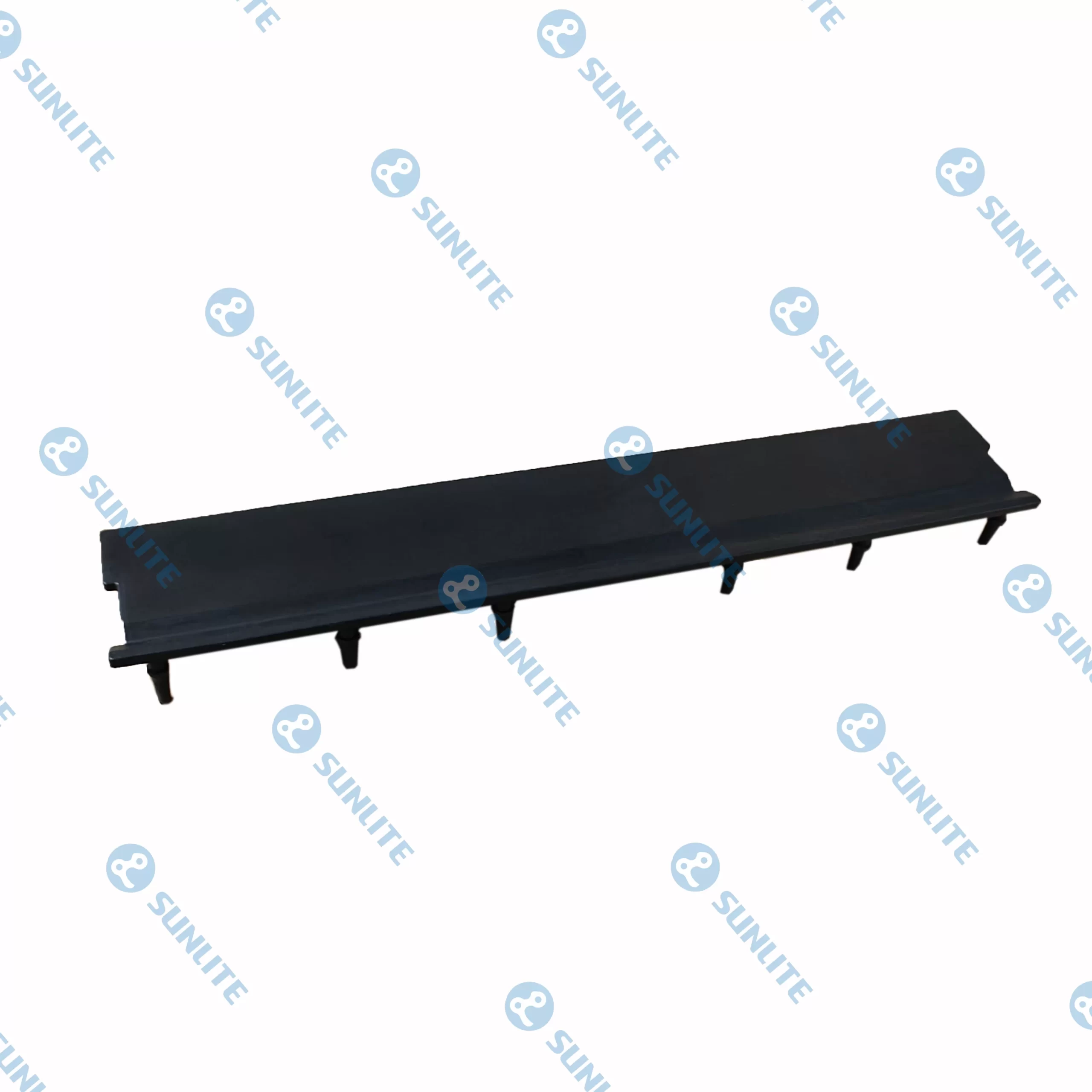
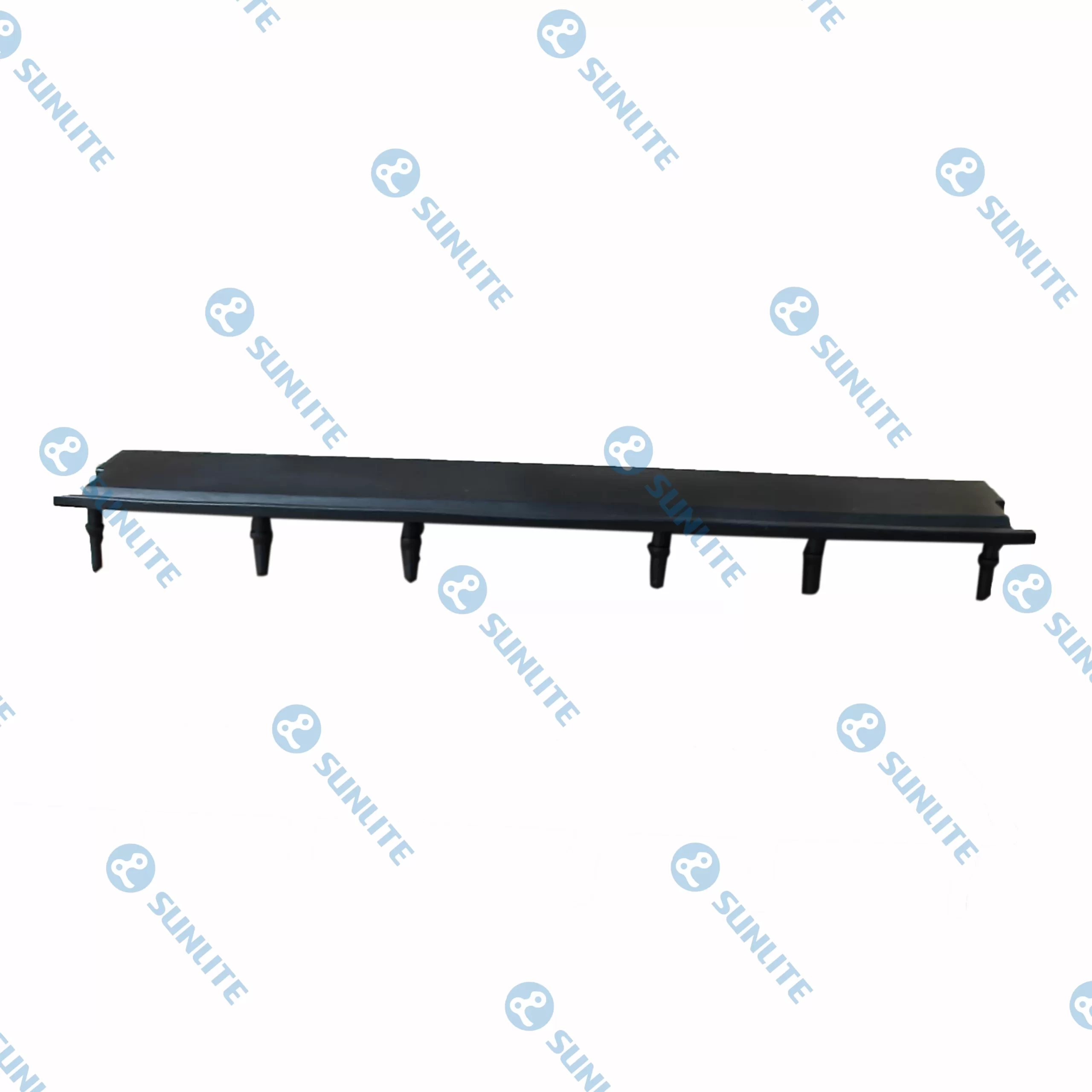
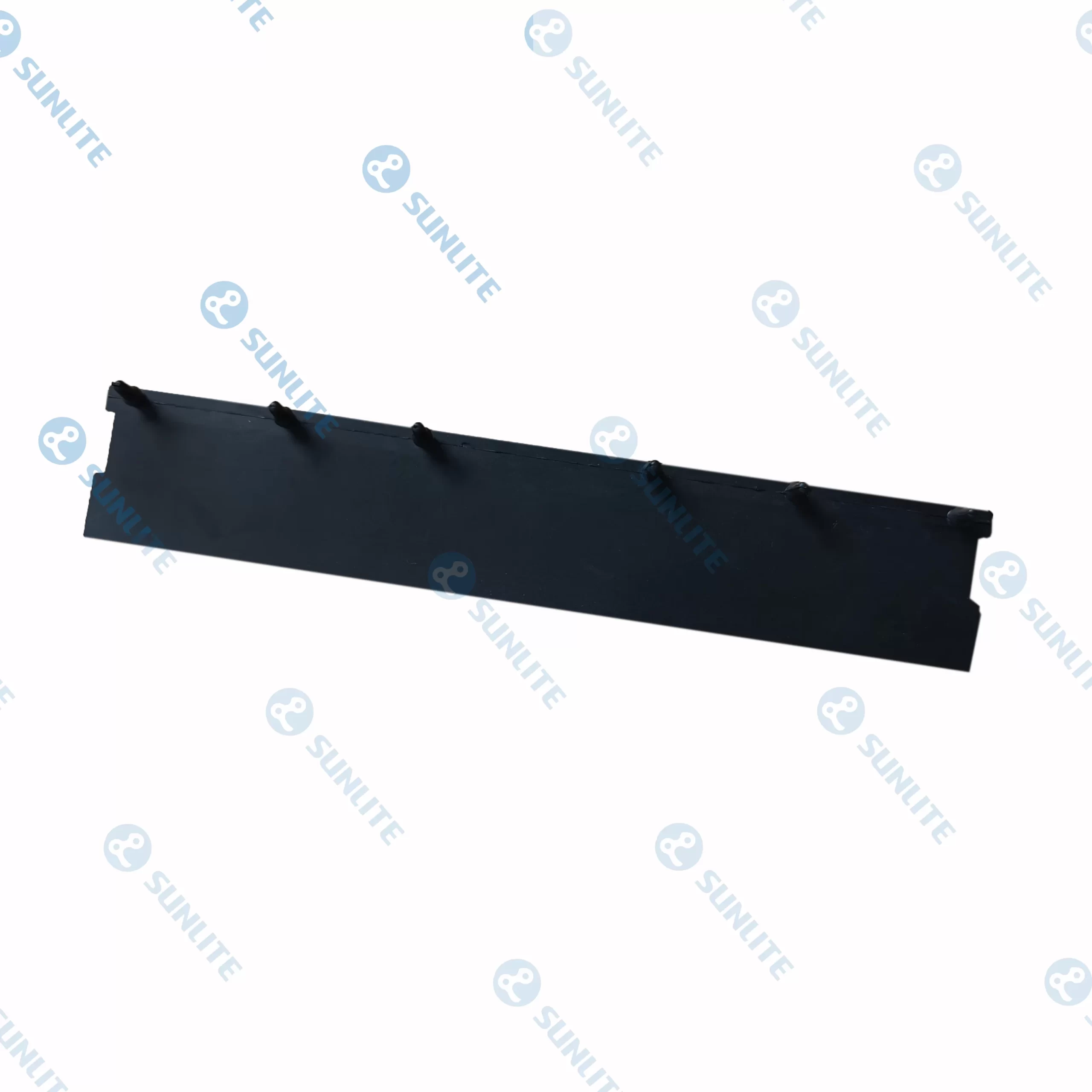
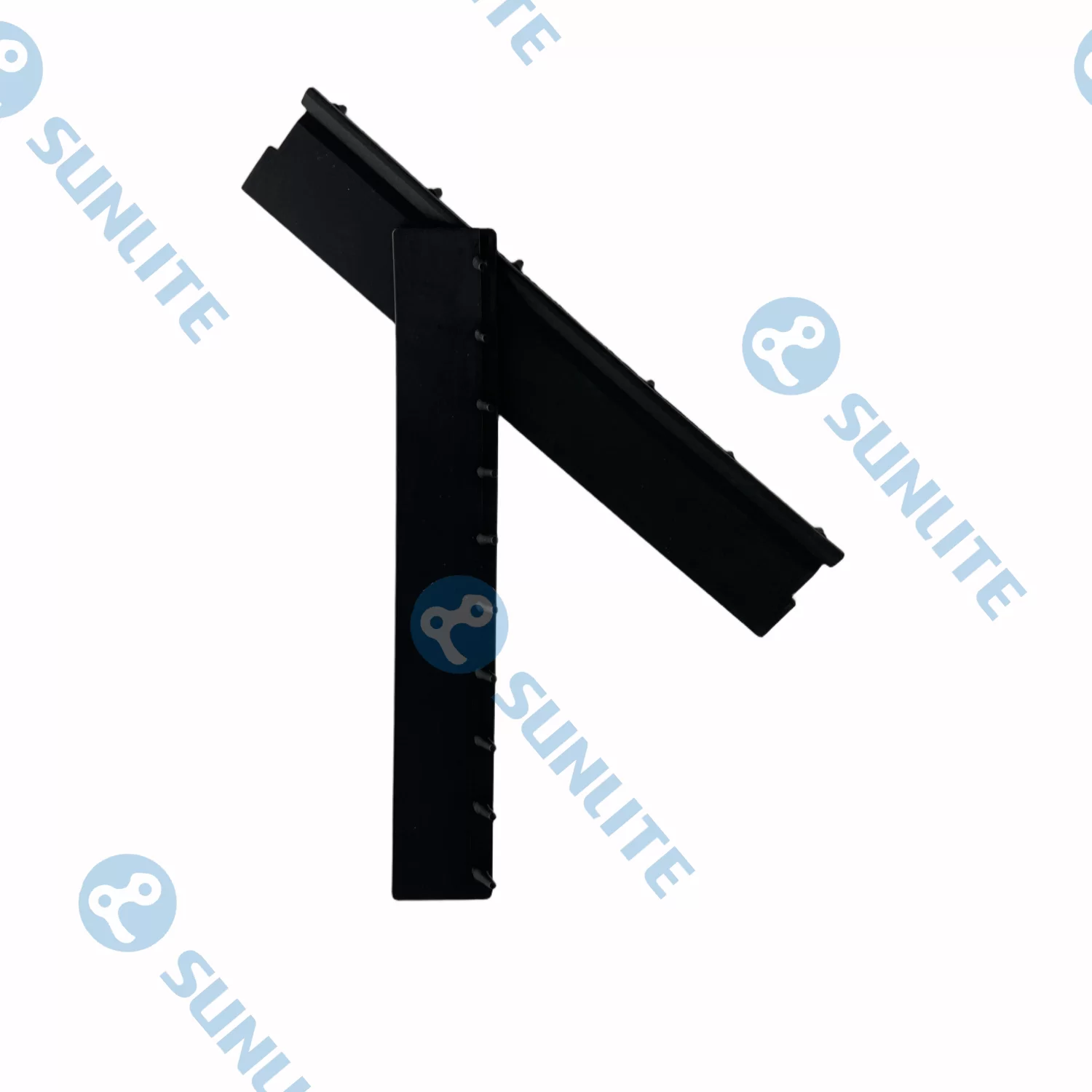
This series of rubber baffle products are mainly made of NBR (nitrile rubber), specially designed for blocking control in the garbage or sludge collection process during the operation of underwater robots. They feature good chemical corrosion resistance and environmental adaptability, suitable for complex underwater cleaning scenarios. Customization services for structural size, hardness, etc. are available.
PRODUCT FUNCTION
Rubber baffles play an effective role in blocking and guiding during the collection operation of underwater robots, preventing garbage and sludge from backflow or leakage. The material has excellent hydrolysis resistance, corrosion resistance and anti-aging performance, suitable for long-term immersion and flow impact environments, ensuring the operation efficiency and sealing effect of the equipment.
PERFORMANCE INDEX
Chemical corrosion resistance: After being immersed in corrosive media such as residual chlorine, copper sulfate, flocculant, acids and alkalis, sodium hypochlorite for 30 days, the performance retention is ≥80% and the volume change is ≤15%;
UV resistance: Performance retention ≥80% after 168 hours of irradiation;
Ozone aging resistance: No cracks on the surface after 72 hours of ozone aging;
High and low temperature cycle resistance: Within the range of -20℃ to 60℃, after 6 cycles, dimensional stability is maintained with no abnormal deformation.
APPLICATION AREA
This product of rubber scraper strip is widely used in underwater cleaning robots, aquaculture cleaning equipment, reservoir maintenance systems, port or dock cleaning robots and other equipment, for water flow control at the inlets and outlets of collection boxes, impurity blocking and sludge backflow prevention, suitable for the continuous operation needs of various complex underwater environments.
The implementation of rubber roller cover and baffle seal systems is critically advantageous in enhancing the efficiency and durability of cleaning operations within demanding environments like reservoirs and docks. These components are specifically designed to address the challenges posed by large bodies of water, which contain varied sediments, chemical treatments, and continuous flow patterns. By utilizing an nbr rubber baffle, cleaning robots achieve superior performance through enhanced functionality and material resilience.
One of the primary advantages lies in the core function of stable mud blocking and flow guiding. In reservoirs, dock areas, and large aquaculture cleaning equipment, effective debris management is key. The rubber baffle acts as a flexible scraping or sealing element, ensuring that collected sludge, debris, and sediments are effectively guided into the collection mechanism and prevented from escaping or backflowing. This direct control over the flow path maximizes the debris collected during each pass, significantly boosting the overall operational efficiency of the cleaning robot. This is vital for maintaining water quality and managing accumulated sediment, as seen in ground sediment monitoring and cleaning applications.
Another key advantage is the system's inherent durability, largely due to the use of NBR material. These cleaning environments subject components to constant physical abrasion, chemical exposure, and prolonged immersion. The rubber roller cover and baffle seal are formulated for corrosion resistant performance and possess excellent hydrolysis resistance and anti-aging performance. This ensures the sealing and scraping edges remain intact and flexible despite long-term exposure to various water chemistries, including residual chlorine, acids, and alkalis. Furthermore, the material offers UV resistant qualities and strong weather resistance, guaranteeing structural integrity even when equipment is stored outdoors or operates near the surface.
A high-durability baffle seal is not merely a desirable feature but an essential requirement for maintaining operational integrity and efficiency in underwater collection systems, specifically by preventing backflow in collection boxes. When underwater robots operate—whether cleaning a large commercial swimming pool or conducting port or dock cleaning—they generate suction and forward motion to collect debris. If the seal fails, collected material will leak or flow back out, rendering the entire collection pass inefficient and contaminating the area just cleaned.
The fundamental function of the baffle seal is precisely blocking and guiding during the collection operation. This requires the seal to maintain a tight, flexible barrier against the surface or the collection box opening, which is only possible with high-durability materials like NBR rubber. Durability in this context means resistance to three primary threats: chemical degradation, physical wear, and environmental aging.
Firstly, the baffle seal must exhibit excellent Chemical Corrosion Resistance. Underwater environments, including aquaculture cleaning equipment and reservoirs, often contain corrosive media. The seal's ability to resist performance loss after prolonged immersion in substances like residual chlorine, copper sulfate, acids, and alkalis ensures that its structural size and sealing capability remain stable. A low-durability material would quickly degrade, losing its flexibility and developing gaps that allow sludge and garbage to backflow, compromising the robot's primary function of impurity blocking.
Secondly, the seal must withstand continuous flow impact and physical wear. As the robot moves, the rubber baffle scrapes against surfaces like glass or concrete and is constantly subjected to the movement of collected materials. Its anti-aging performance and resistance to ozone ensure that the material remains pliable and intact, preventing surface cracks or hardening that would break the seal. This high resilience is vital for long-term immersion scenarios, ensuring the collection efficiency is sustained.
The design and material composition of an nbr rubber baffle play a critical and strategic role in enhancing both chemical corrosion resistance and UV resistance, which are non-negotiable features for equipment intended for long-term underwater immersion and cleaning tasks. NBR (Nitrile Butadiene Rubber) is specifically chosen for this application because its unique polymer structure provides the necessary resilience against the complex environmental stresses encountered by submersible robots, whether they are used for swimming pool cleaning or reservoir maintenance systems.
The primary function of the nbr rubber baffle in terms of material science is to provide chemical corrosion resistance and hydrolysis resistance. Submersible environments are complex chemical soups that can contain saltwater, treatment chemicals (like chlorine), acids, alkalis, and pollutants. NBR's molecular composition is highly resistant to volume change and degradation when exposed to these corrosive media. This resilience is essential because a material that swells, shrinks, or hardens upon chemical exposure will immediately lose the tight fit required for strong sealing protection. By maintaining its physical integrity and elasticity, the nbr rubber baffle ensures the sealing effect is preserved, guaranteeing effective sludge backflow prevention and flow control within the collection system. This stability supports the long-term immersion requirement across varied water quality environments.
Beyond chemistry, the nbr rubber baffle is engineered for strong weather resistance and UV resistant qualities. While UV degradation is typically associated with exposure on the surface, its resistance is vital for equipment that operates or is frequently staged near the water surface, and during deployment or recovery phases. UV exposure accelerates the breakdown and embrittlement of conventional rubbers. The NBR formulation, alongside its built-in anti-aging performance and ozone aging resistance, ensures that the material does not develop surface cracks or lose its mechanical properties even after significant environmental exposure. This long-term integrity is essential for maintaining the operational efficiency and flexibility of the baffle, which must conform precisely to surfaces like flat cement/tile pool bottoms or glass tank walls.