 Select Language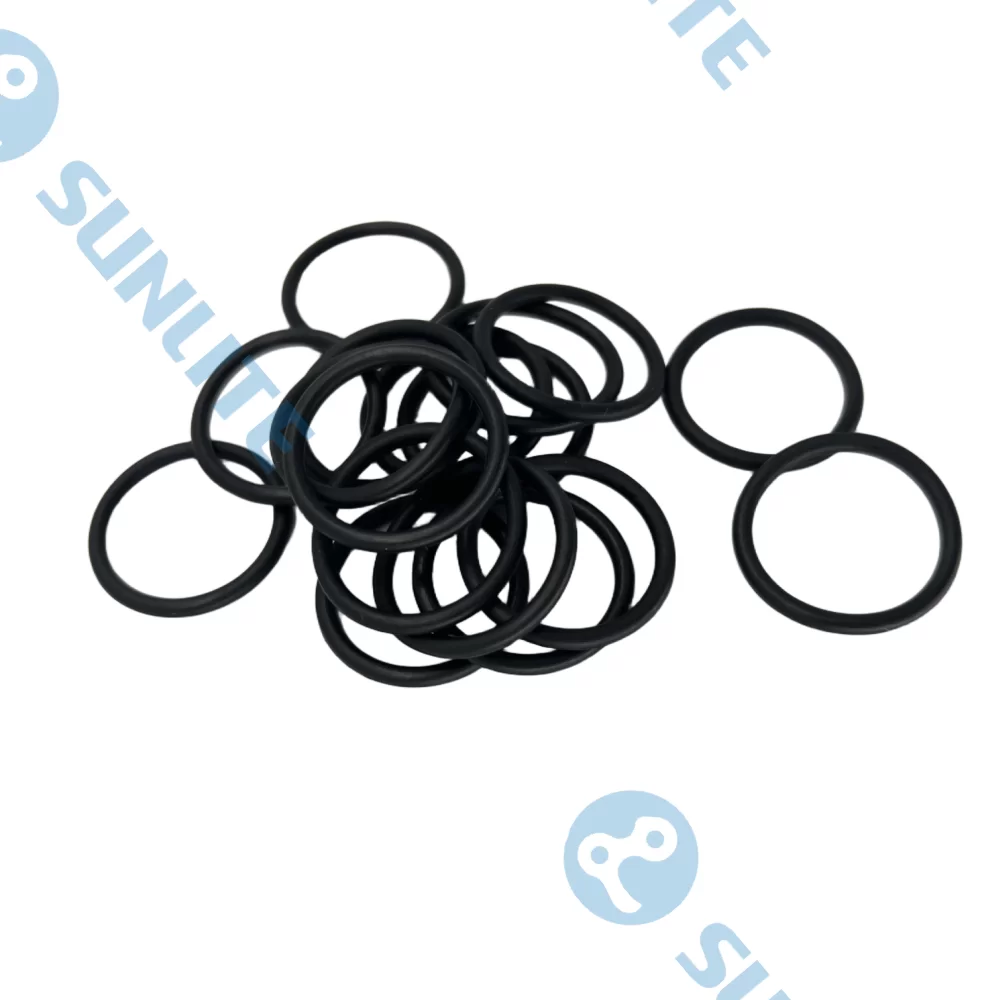
APPLICATION SCENARIOS
1. Sealing of toilet bowl flange interface to prevent water leakage and odor
2. Sealing of the connection between faucet and pipe to ensure no water leakage in the water path
3. Sealing of washbasin drain pipe to avoid water leakage
4. Sealing of shower equipment joints to prevent water leakage and water vapor penetration
Product Description
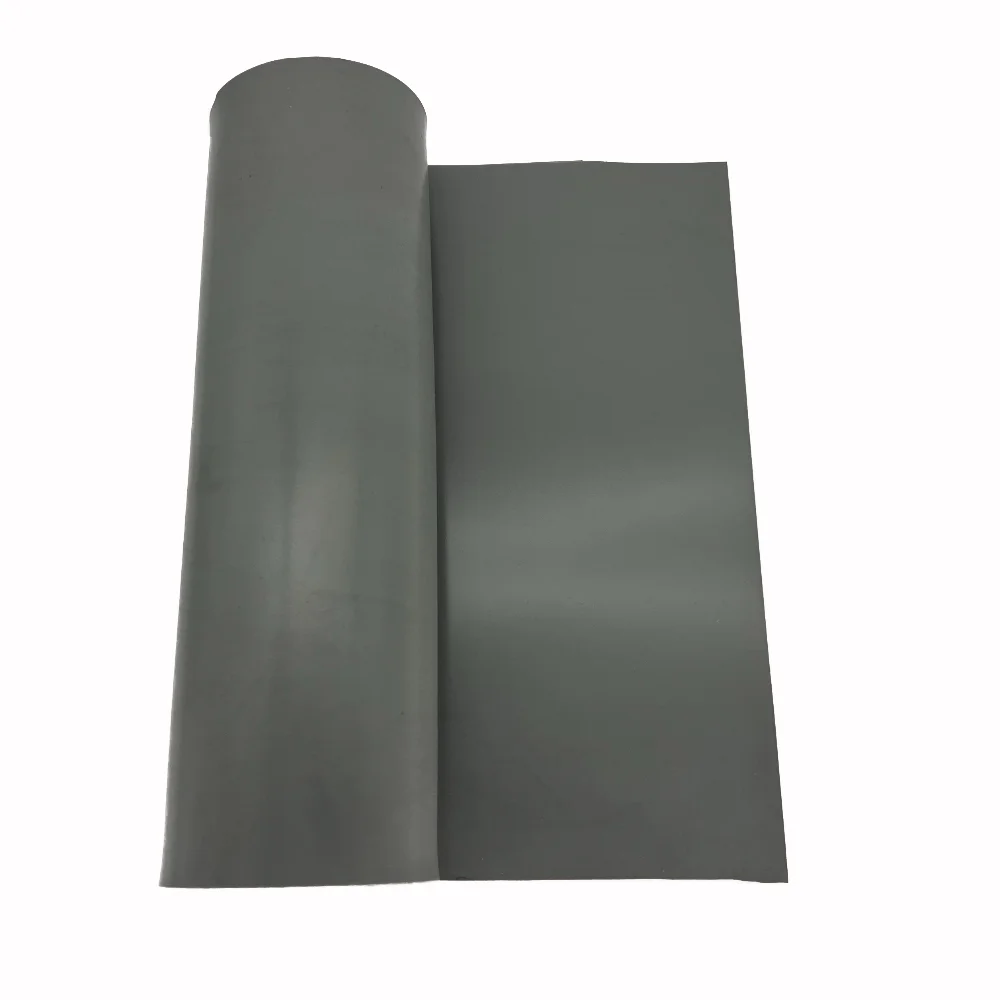
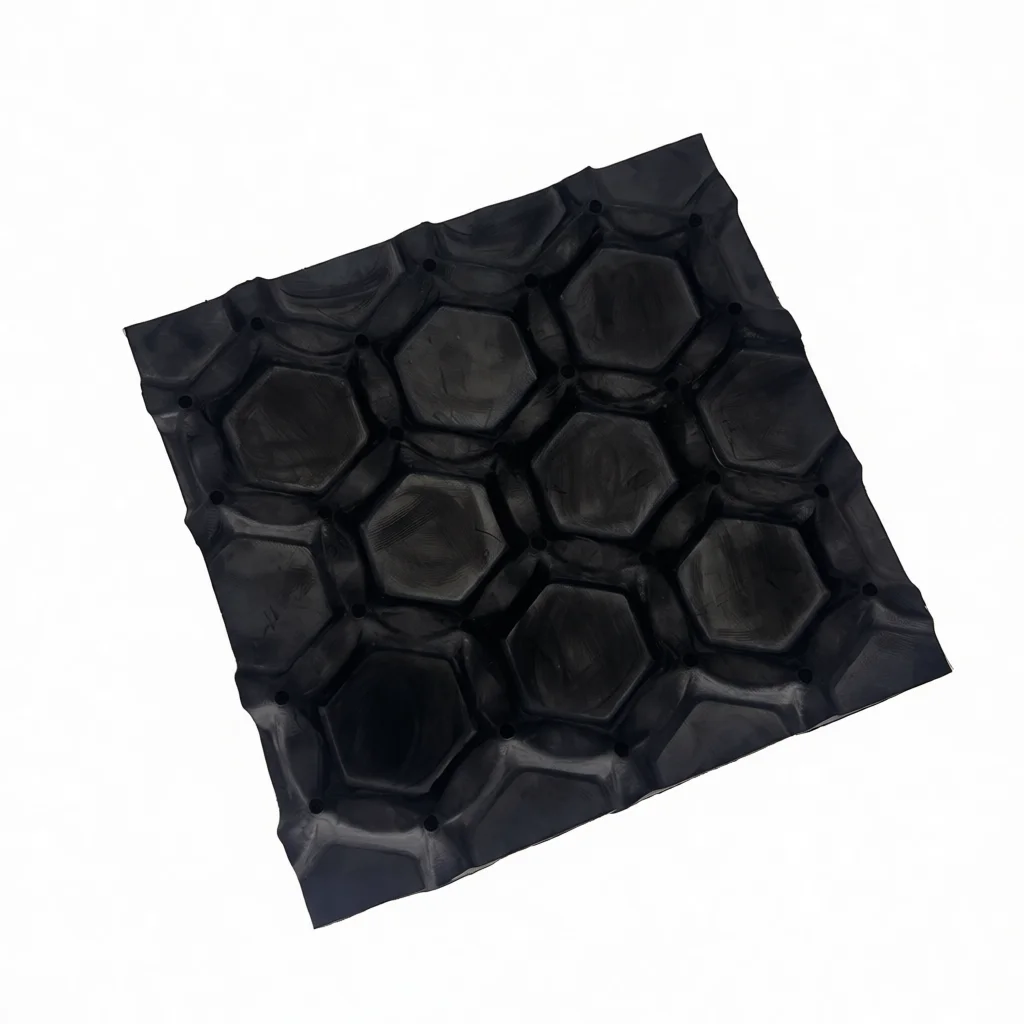
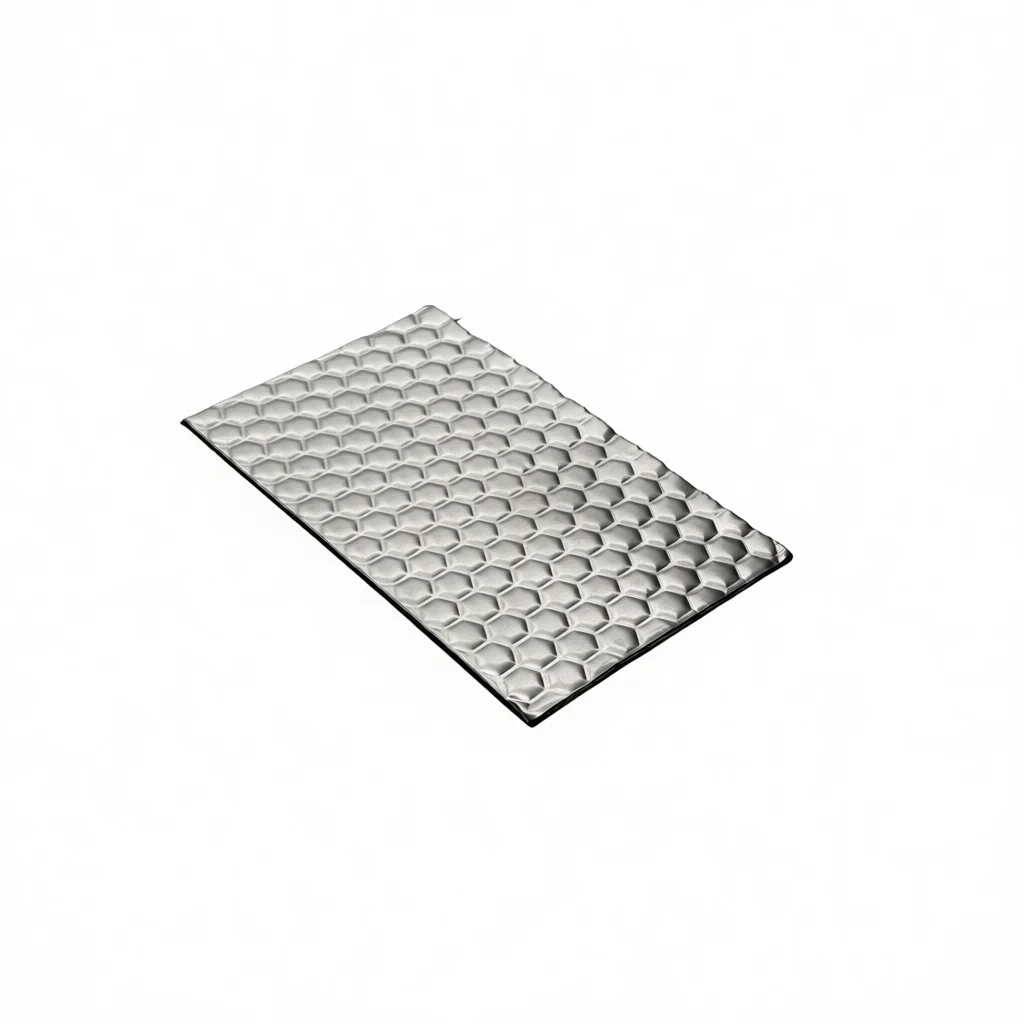
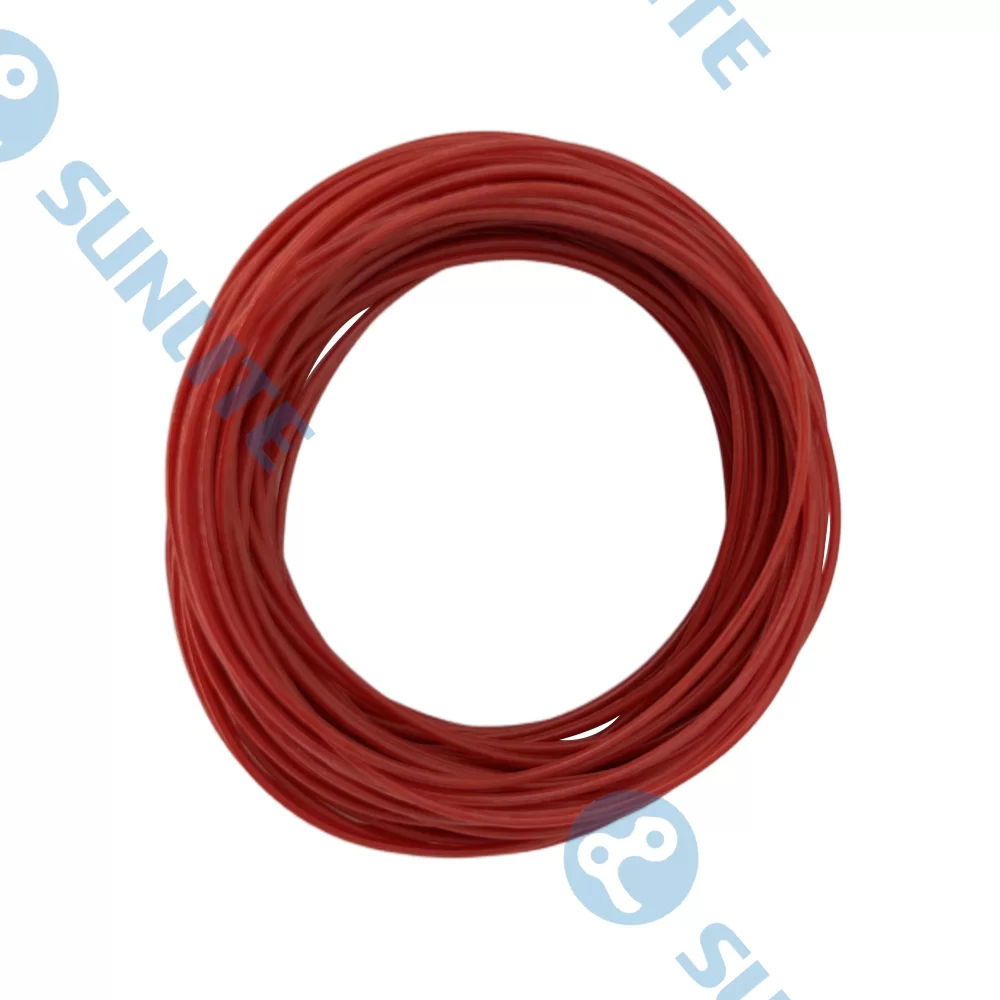
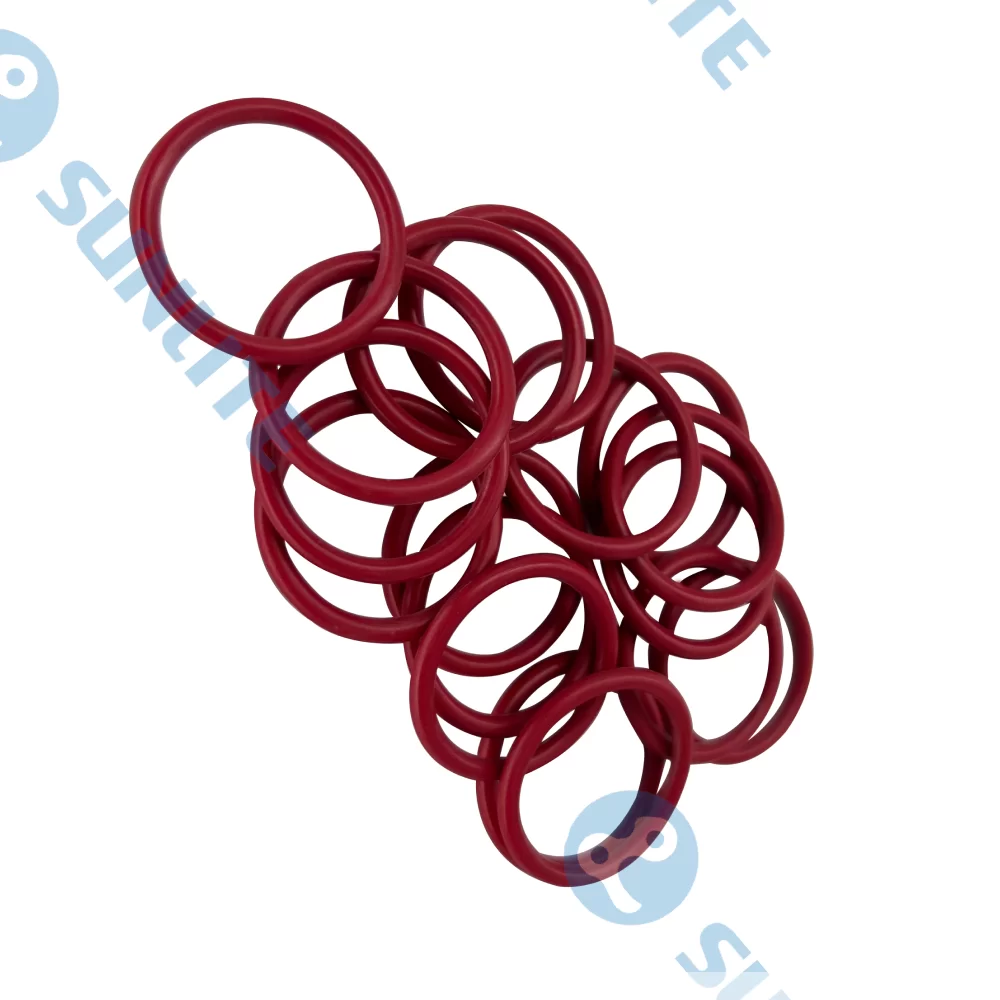
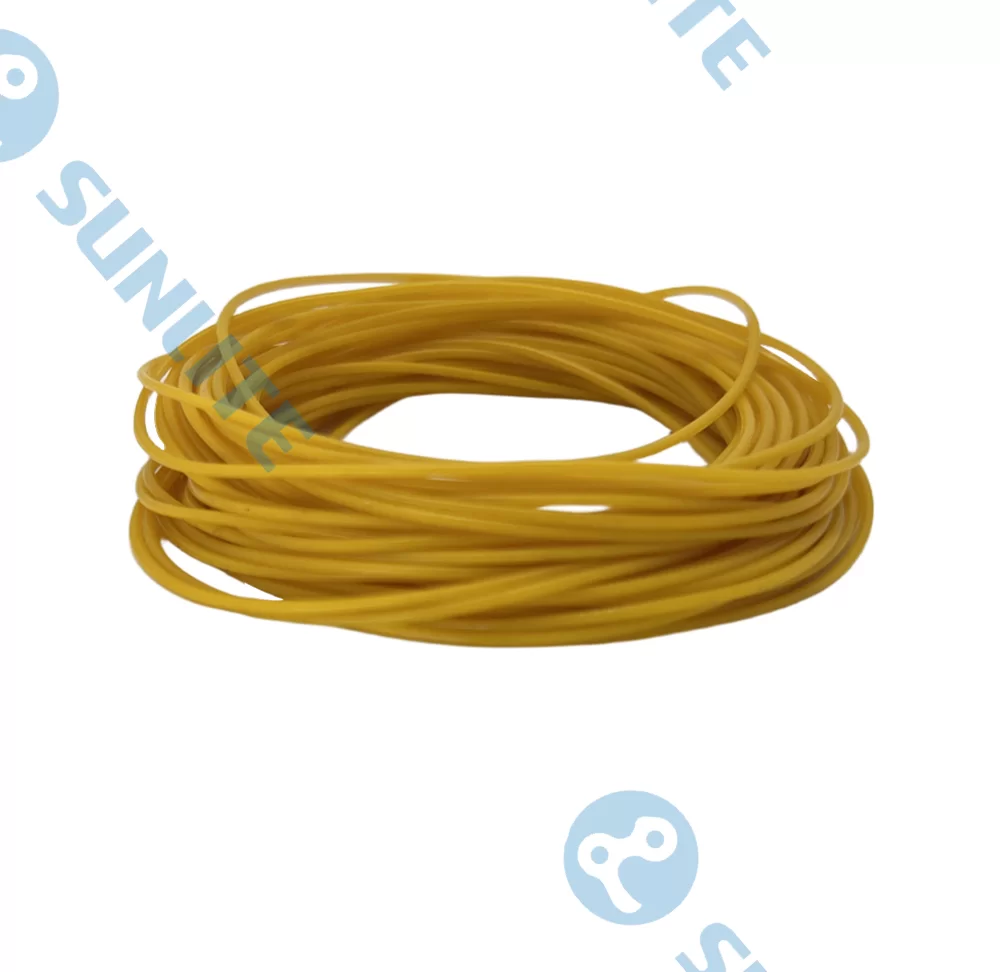
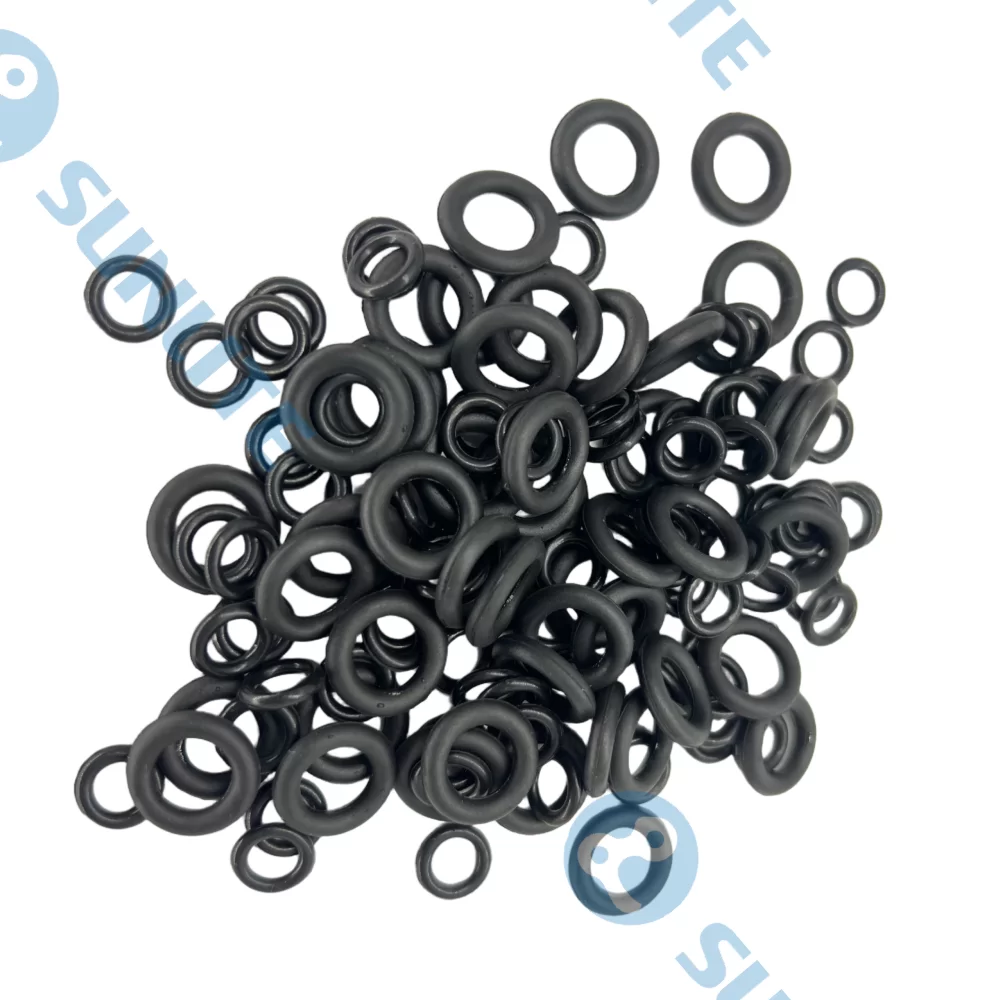
This product adopts an EPDM/SR (Ethylene Propylene Diene Monomer/Synthetic Rubber) composite system, incorporating coupling agent grafting and blending modification technologies. It features excellent weather resistance, water resistance, and chemical corrosion resistance. The material formulation complies with global environmental regulatory standards such as RoHS 2.0, REACH, PAHs, POPs, TSCA, and PFAS. Widely applicable to water tank systems and bathroom pipeline sealing scenarios, it remains free from deformation and aging during long-term use, ensuring the safety and water-saving performance of water systems.
PRODUCT FUNCTION
Precise sealing and water control: Used in water outlet valves, flanges, pipe openings, etc., preventing leakage and waste;
Chlorine and chemical corrosion resistance: Suitable for chlorine-containing municipal tap water and chlorine/chloramine-treated environments;
Long-term aging resistance: No cracking, softening, or peeling in long-term humid and hot water environments;
Broad chemical compatibility: Resistant to acid-base liquids within pH 2–12 range, compatible with various cleaning/disinfecting agents;
Eco-friendly and non-toxic: Low leaching, suitable for water-sealing and sealing structures in parts in contact with drinking water.
PERFORMANCE INDEX
Main material: EPDM / SR blended modified rubber
Environmental standards: Compliant with requirements such as RoHS2.0, REACH, PAHs, POPs, TSCA, PFAS, etc.
Chemical resistance (ASTM D471):
— 500h immersion in chlorine solution (5 ppm), volume change rate <3%
— 1% chloramine solution test rating: Excellent
Acid and alkali resistance: Stable performance during long-term use under pH 2–12 conditions
Operating temperature range: -30℃ ~ 120℃
APPLICATION AREA
Water tank outlet valve sealing ring: Prevents water leakage, controls flush precision, and improves water-saving efficiency;
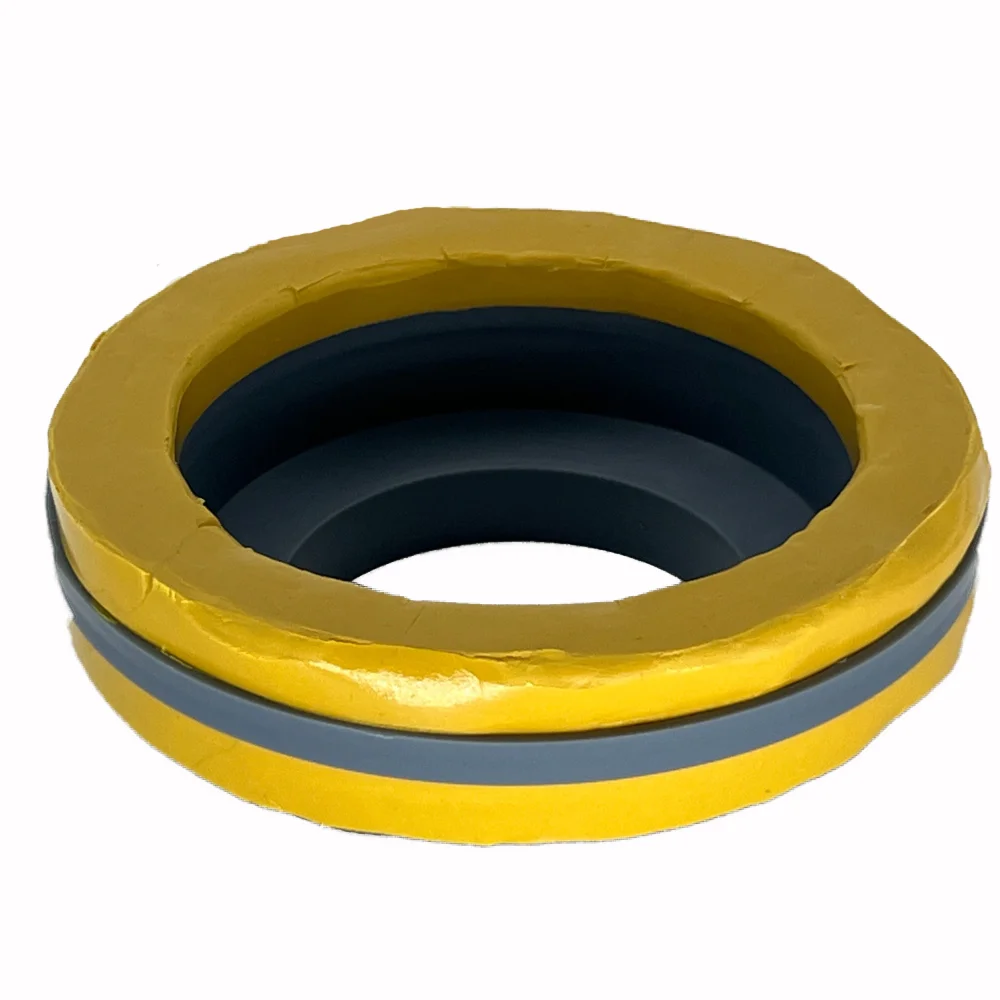
Toilet flange interface sealing: Blocks odor penetration, with long-lasting and reliable sealing;
Sealing of faucet and pipe connection: Prevents leakage and loosening, and enhances connection stability;
Sealing of washbasin/vanity basin drain pipe: Ensures no leakage at joints and extends service life;
Sealing of shower equipment connection parts: Blocks water vapor, delays corrosion, and enhances system stability.
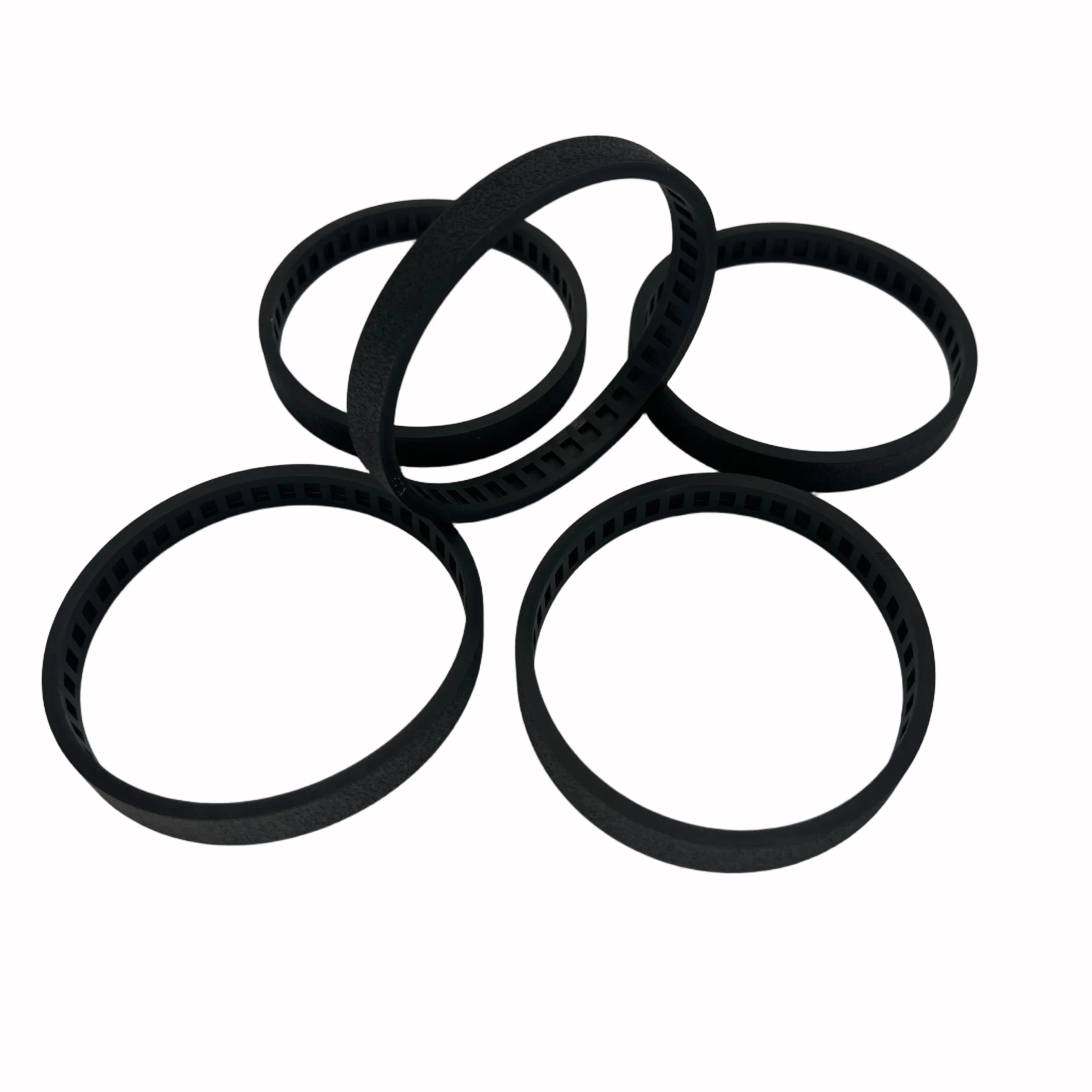
Rubber seal ring solutions are indispensable components for actively preventing water leakage across a multitude of joints and interfaces in both household and commercial plumbing systems. These systems rely on a network of connections—from faucets to drain pipes—where a reliable seal is essential for both water-saving performance and structural integrity. The use of advanced elastomer composites like EPDM/Silicone Rubber (SR) is fundamental to the high performance of these seals.
The core function of the rubber seal ring is precise sealing and water control. It is strategically deployed at points like the connection between faucet and pipe, washbasin drain pipe joints, and shower equipment joints. In each location, the ring physically fills the micro-gaps between components, utilizing the material's elasticity to maintain a constant compressive force. This ensures no water leakage in the water path and blocks the penetration of water vapor, thereby delaying corrosion and enhancing system stability.
A key factor in its reliability is the ring's chlorine and chemical corrosion resistance. Municipal tap water frequently contains chlorine or chloramine, which are known to degrade conventional rubber materials over time, leading to softening, cracking, and eventual seal failure. The EPDM/SR sealing ring is specifically formulated to maintain its dimensional and sealing stability after prolonged immersion in these chemicals, ensuring long-term aging resistance. This chemical compatibility extends to common cleaning and disinfecting agents, as the material remains stable across a broad pH range.
Furthermore, the seal rings offer exceptional environmental compliance. Being eco-friendly and non-toxic with low leaching properties, they are suitable for water-sealing and sealing structures in parts in contact with drinking water, reinforcing safety within the plumbing system. By preventing leaks and ensuring precise flow control, these highly durable rubber seal ring solutions ensure the water system operates efficiently, reliably, and safely for years without the need for frequent maintenance.
Significant water-saving benefits are achieved in modern plumbing systems through the precision sealing technology employed by the toilet bowl seal ring and other components like the water tank outlet valve sealing ring. Water loss in toilets, often caused by minor leaks at the tank valve or the flange, can accumulate into substantial water waste over time. The EPDM/SR sealing ring is engineered to eliminate this leakage and ensure precise flushing control.
The primary mechanism for water saving lies in the ring's ability to ensure precise sealing and water control at the water tank outlet valve sealing ring. This seal directly governs the integrity of the flush mechanism. By maintaining a perfect, long-lasting seal, the ring prevents the slow, continuous drip or ""ghost flushing"" that commonly plagues older or poorly maintained toilets. The elimination of this subtle but continuous leakage is one of the most effective ways to conserve household and commercial water resources.
Furthermore, the ring’s composition guarantees long-term aging resistance and structural stability. The EPDM/SR material is designed to withstand long-term humid and hot water environments without cracking, softening, or peeling. This long-term stability is crucial because the seal must maintain a consistent compressive force to prevent leakage over many years. A reliable seal preserves flush precision, ensuring that the exact amount of water intended for the flush is used, thereby improving the water-saving efficiency of the unit.
The resilience of the rubber seal ring to chemicals also supports water saving. Its chlorine and chemical corrosion resistance prevents degradation from treated municipal water. If the material were to fail, water would continuously leak, negating any water-saving features of the toilet fixture itself. By maintaining its structural integrity against chemicals and heat, the precision toilet bowl seal ring ensures the initial efficiency of the water system is sustained, reliably sealing the toilet bowl flange interface to prevent water leakage and odor and contributing directly to reduced utility costs and environmental stewardship.
The toilet bowl seal ring plays two critical roles in bathroom sanitation and plumbing reliability: ensuring long-lasting odor prevention and providing reliable flange sealing at the crucial interface between the toilet fixture and the waste pipe. This is arguably the most important sealing point in the plumbing system, where failure results in unsanitary conditions and structural water damage.
The most sensitive application is toilet flange interface sealing, specifically to block odor penetration. The flange connection provides the physical barrier between the sewer line and the indoor environment. The EPDM/SR sealing ring is designed to create a gas-tight seal, effectively blocking sewer gases, which are both hazardous and foul-smelling, from escaping into the bathroom space. The material's elasticity and compliance allow it to fill the micro-gaps and irregularities present in the flange surface, ensuring the seal remains hermetic for years.
For reliable flange sealing, the ring's material durability is paramount. The composite EPDM/SR system incorporates advanced modification technologies to give it excellent weather resistance, water resistance, and chemical corrosion resistance. This resilience is crucial because the seal is perpetually exposed to waste matter, cleaning agents, and a consistently humid, enclosed environment. The ring is formulated to be highly stable against acid-base liquids within pH 2–12 range, ensuring that common toilet cleaning and disinfecting agents do not compromise its sealing integrity.
Furthermore, the long-term aging resistance of the rubber seal ring ensures its reliability. The seal must maintain its flexibility and compressive strength over time without softening or cracking. This enduring stability ensures the toilet remains firmly seated and sealed, preventing both the leakage of water and the penetration of odor over the expected service life of the fixture. The ring’s adherence to global environmental regulatory standards also ensures that this long-lasting performance is achieved using eco-friendly and non-toxic materials. By delivering reliable, long-term sealing, the toilet rubber seal ring safeguards health, prevents property damage, and ensures the functional longevity of the entire plumbing installation.