Select Language


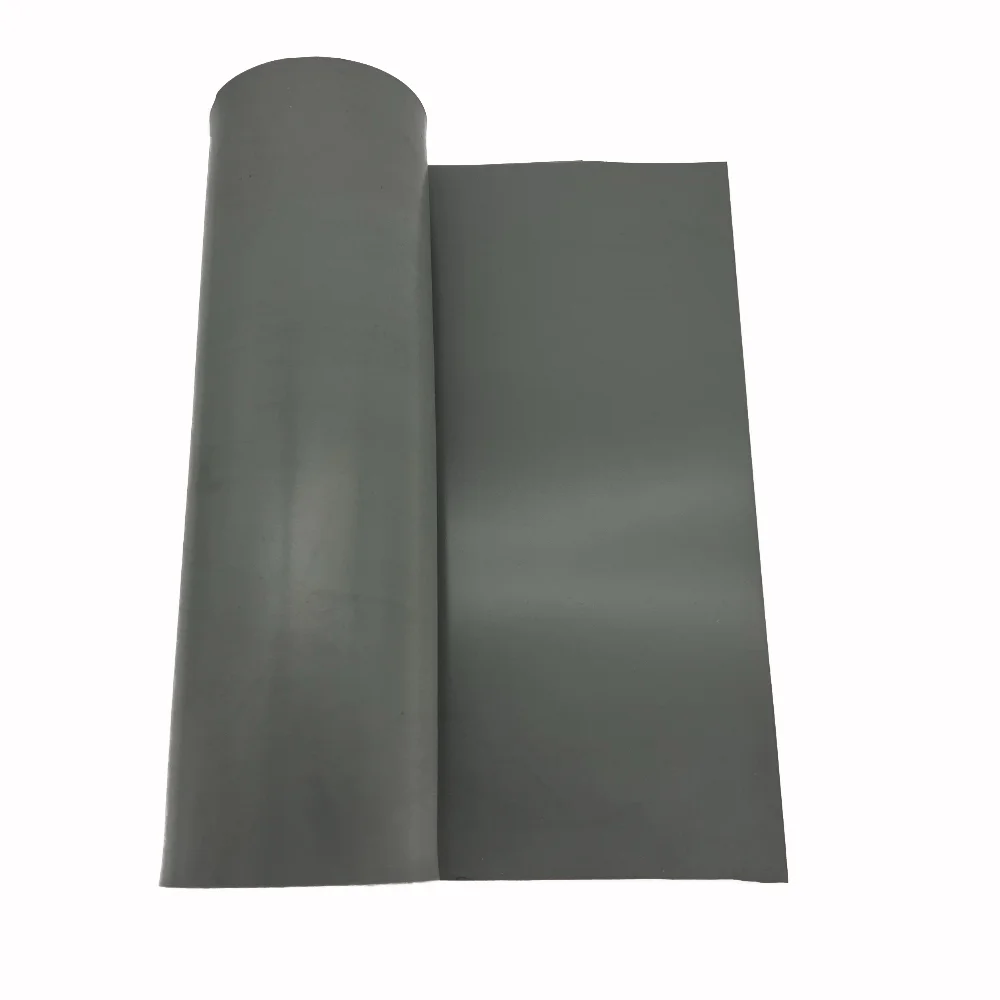
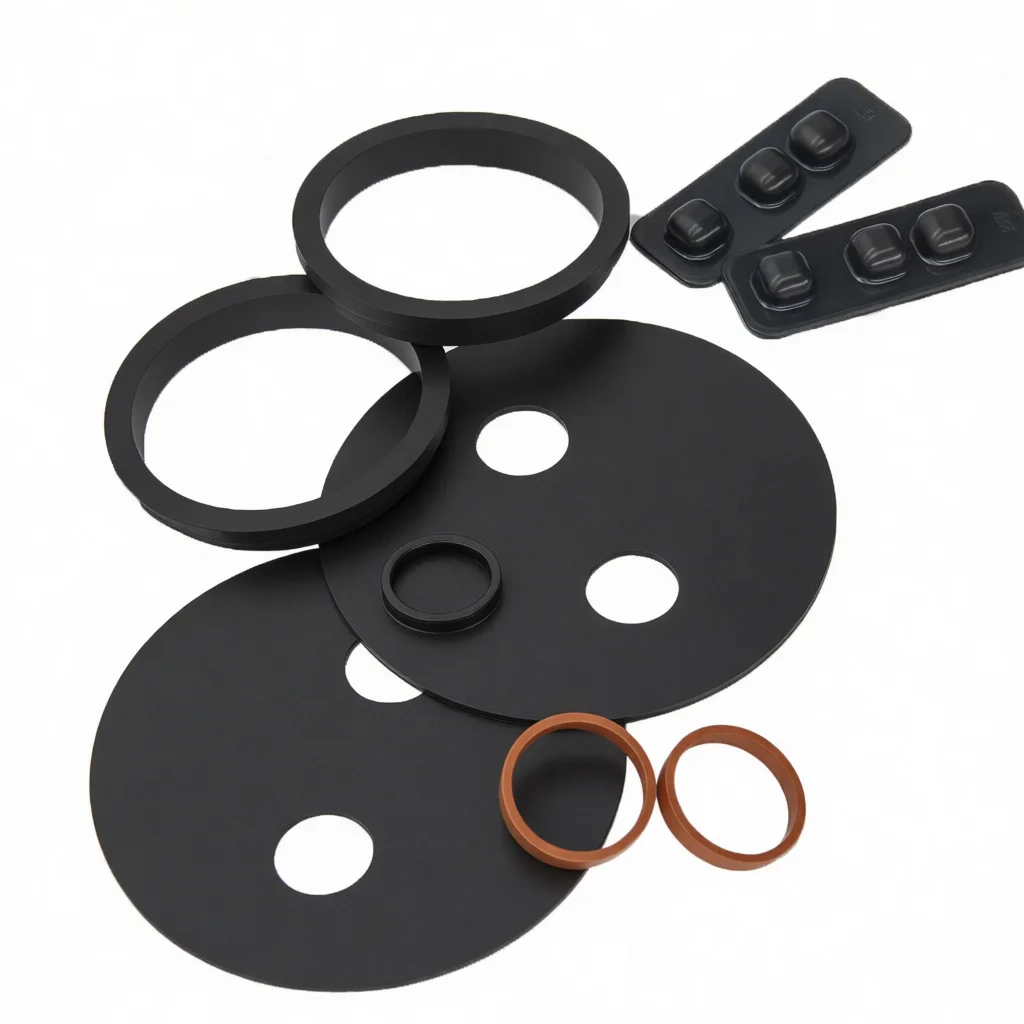
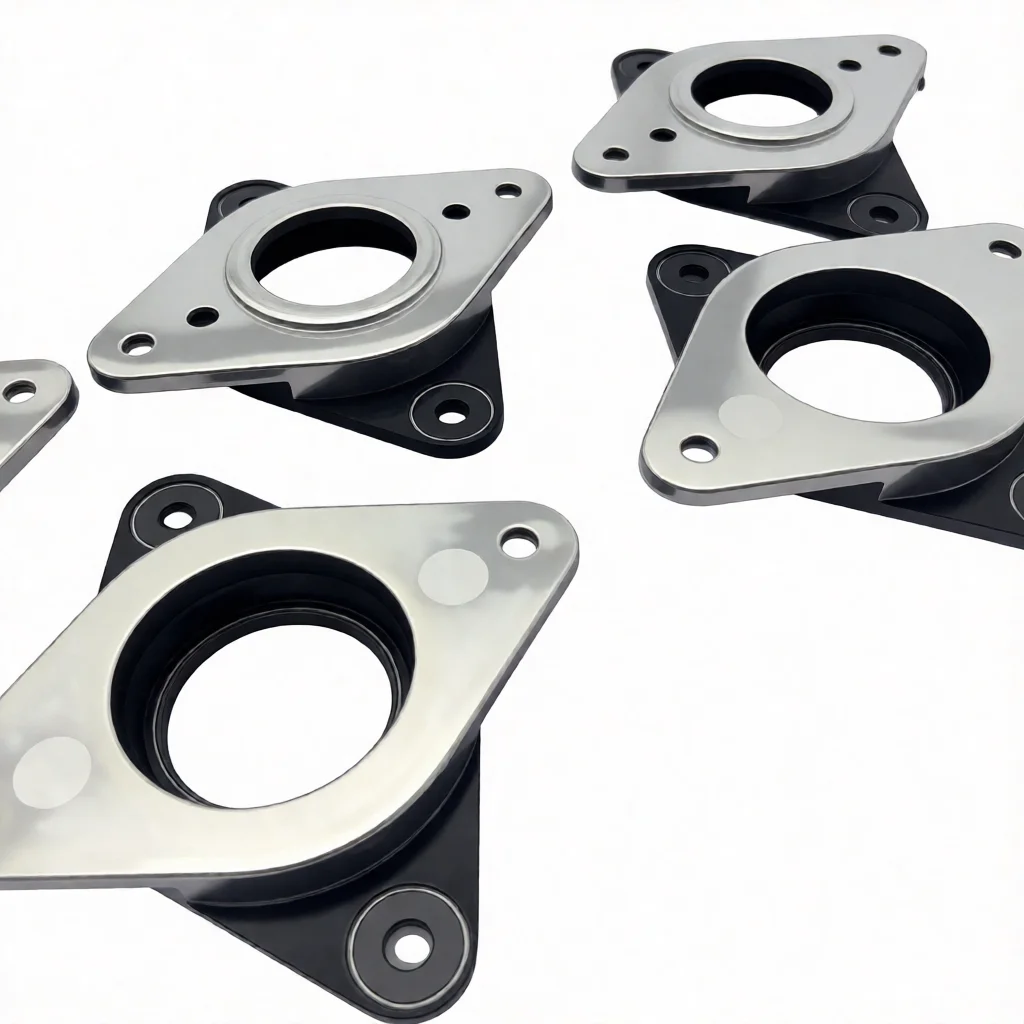
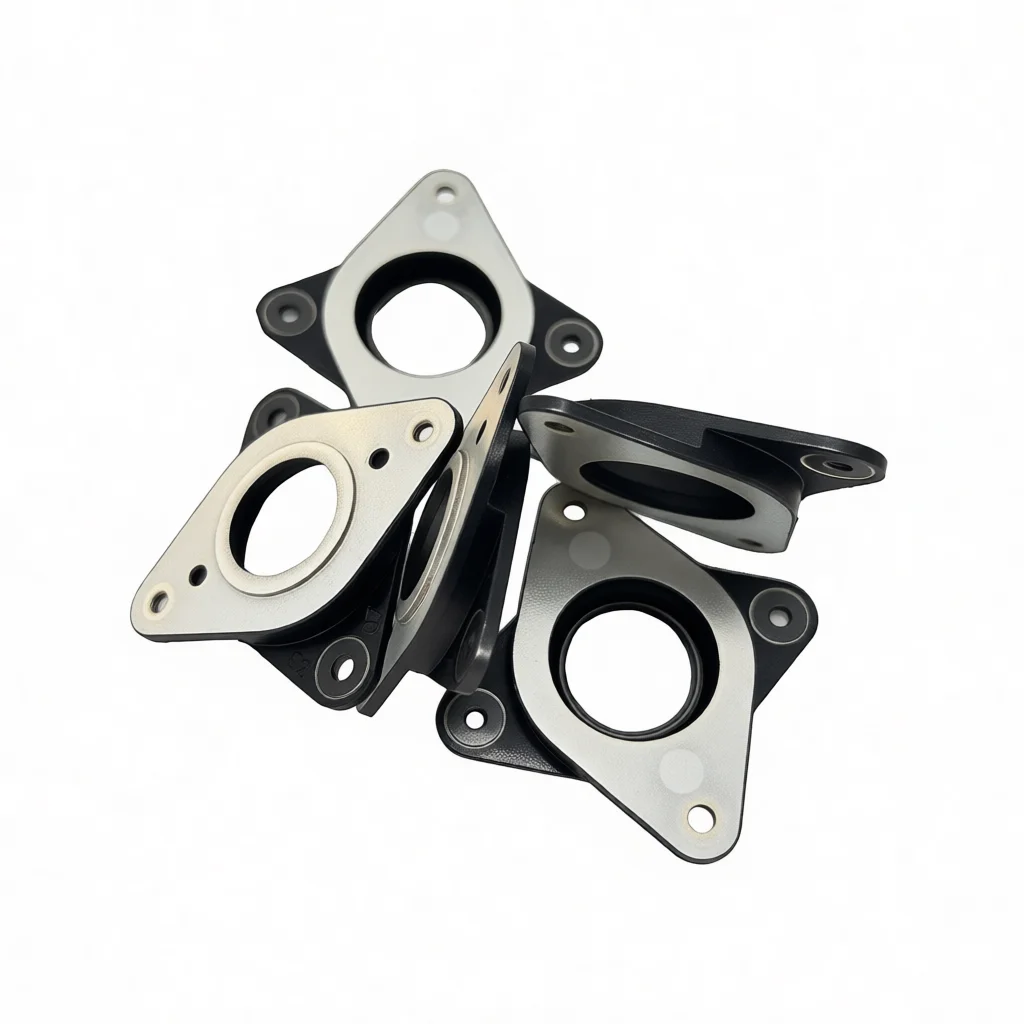
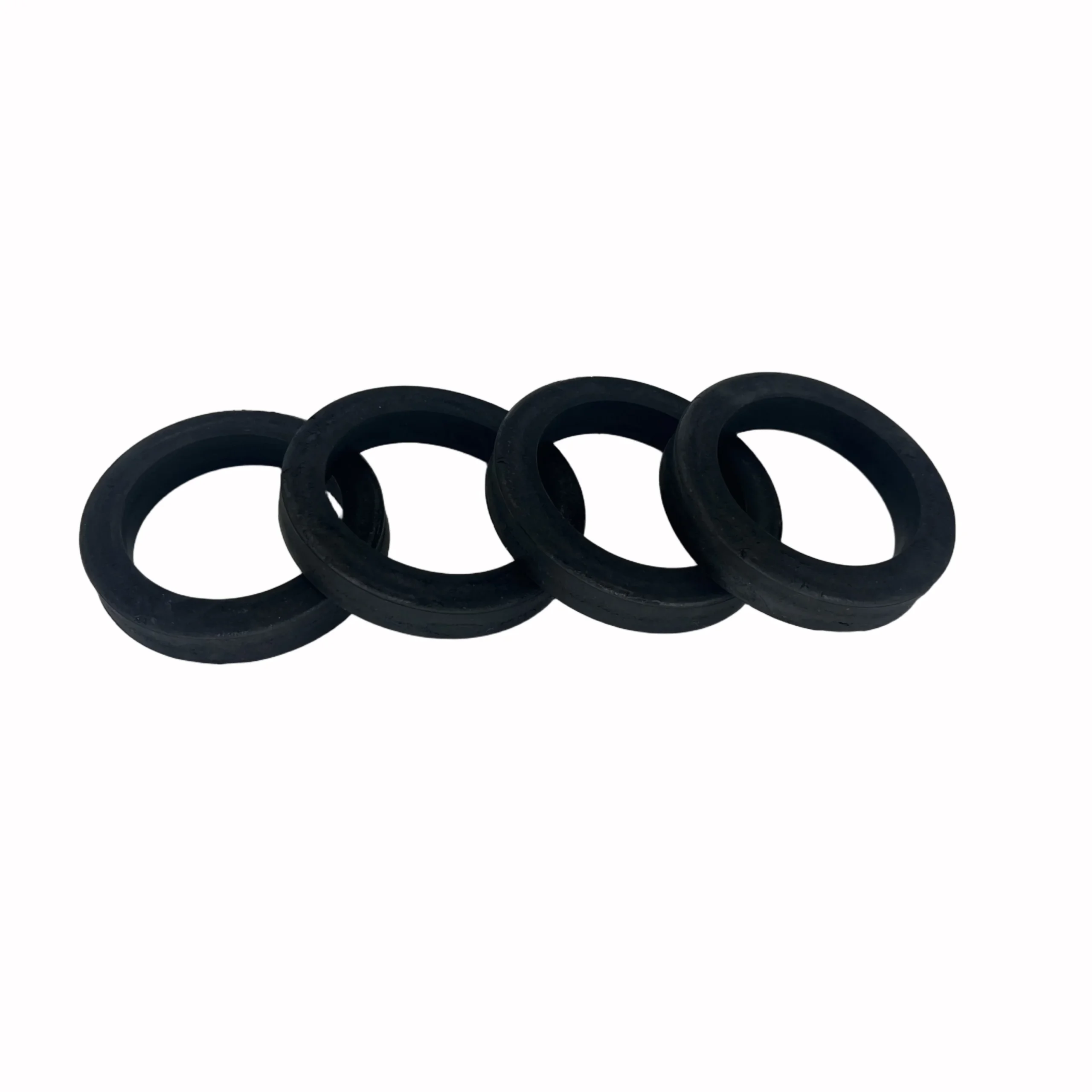
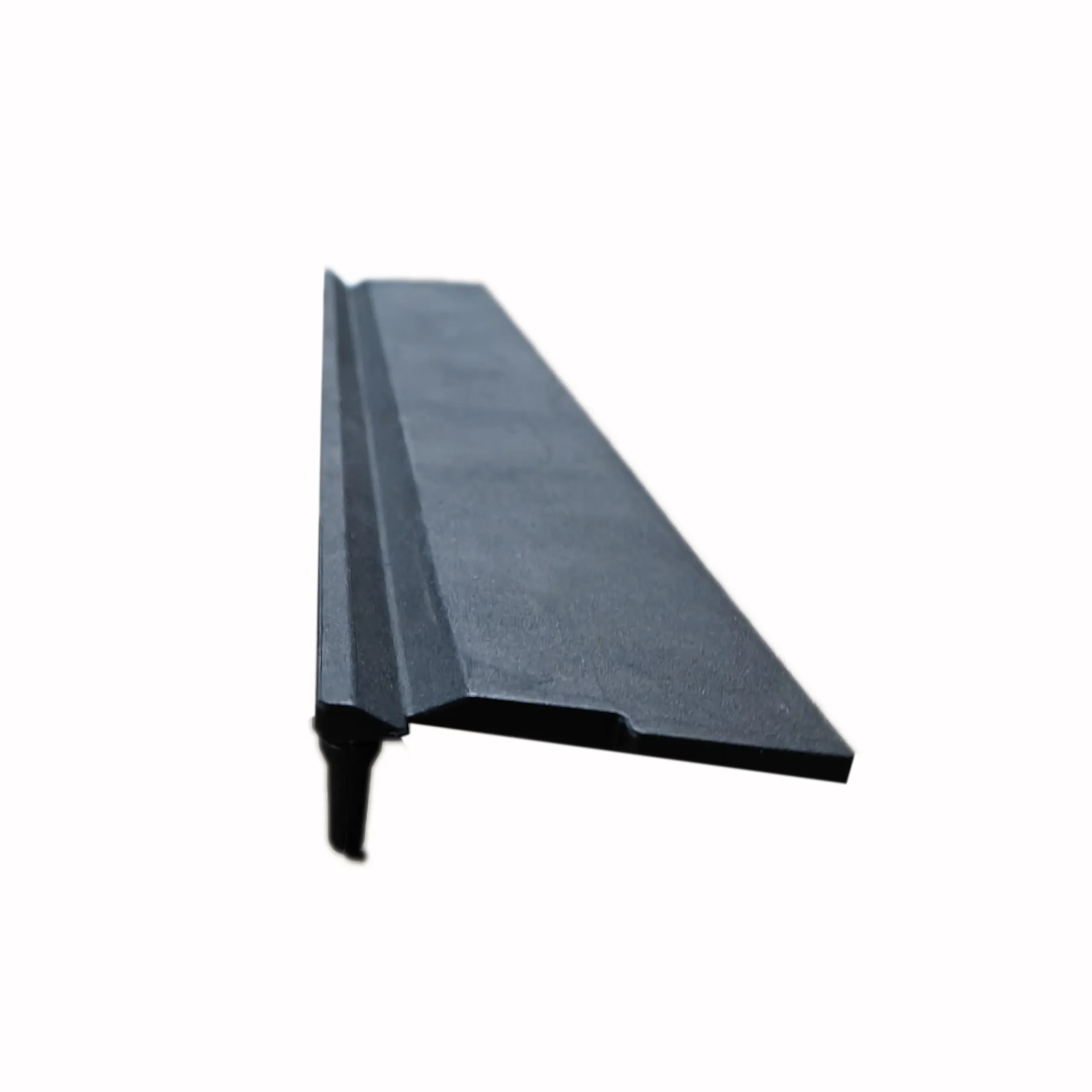
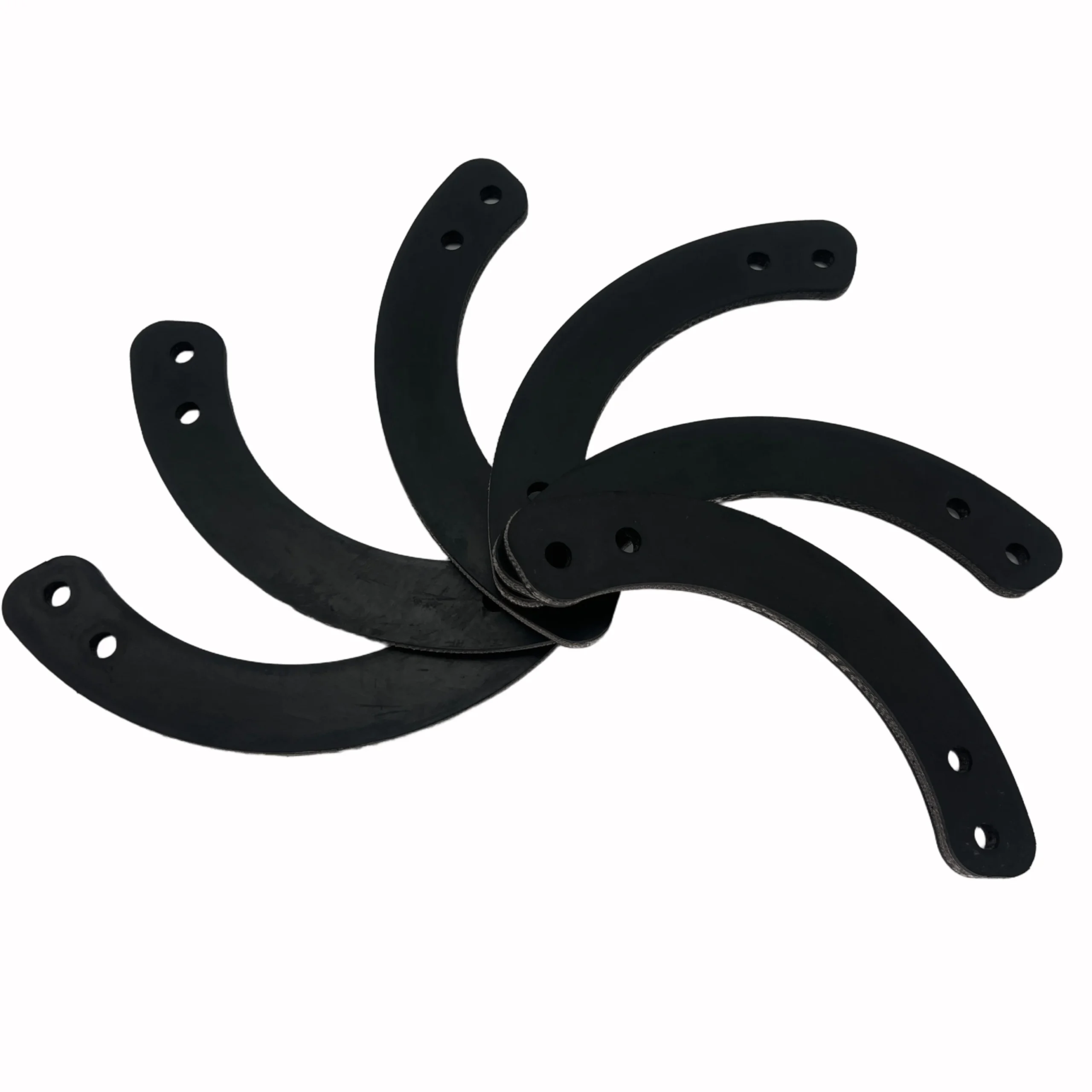
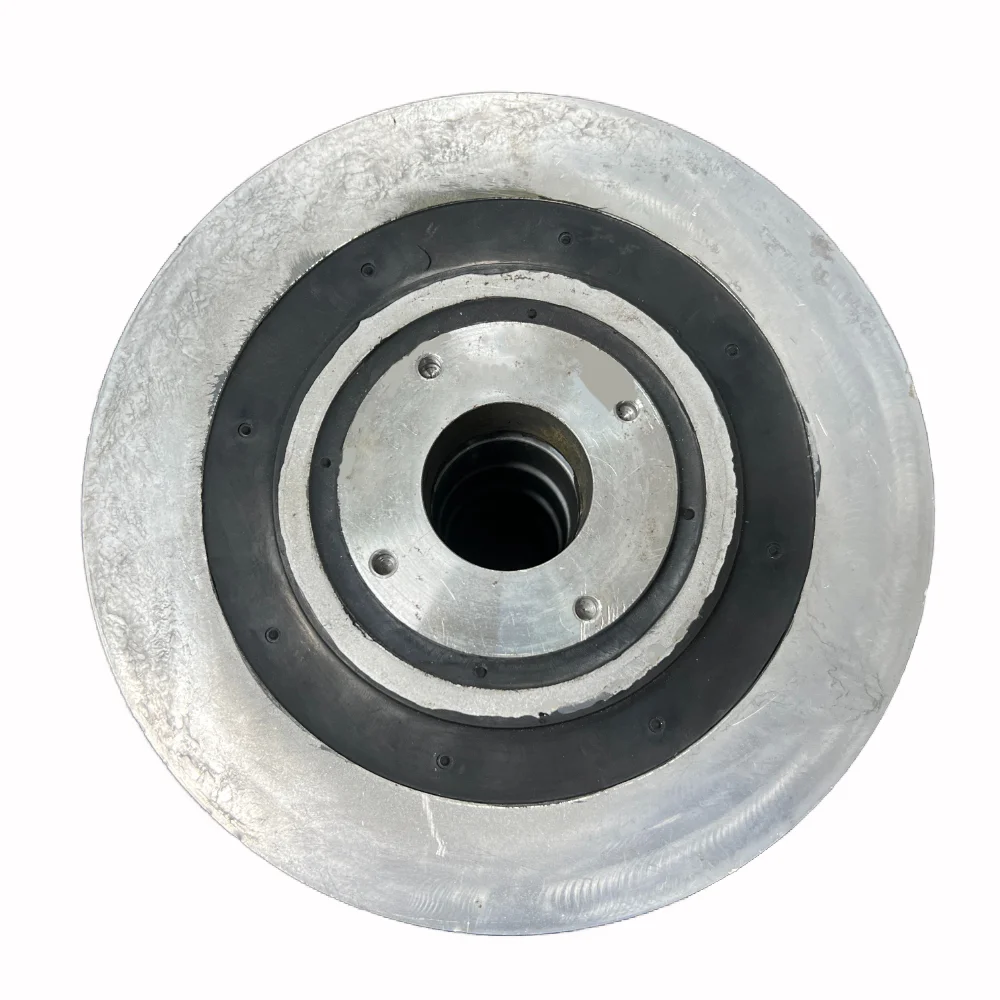
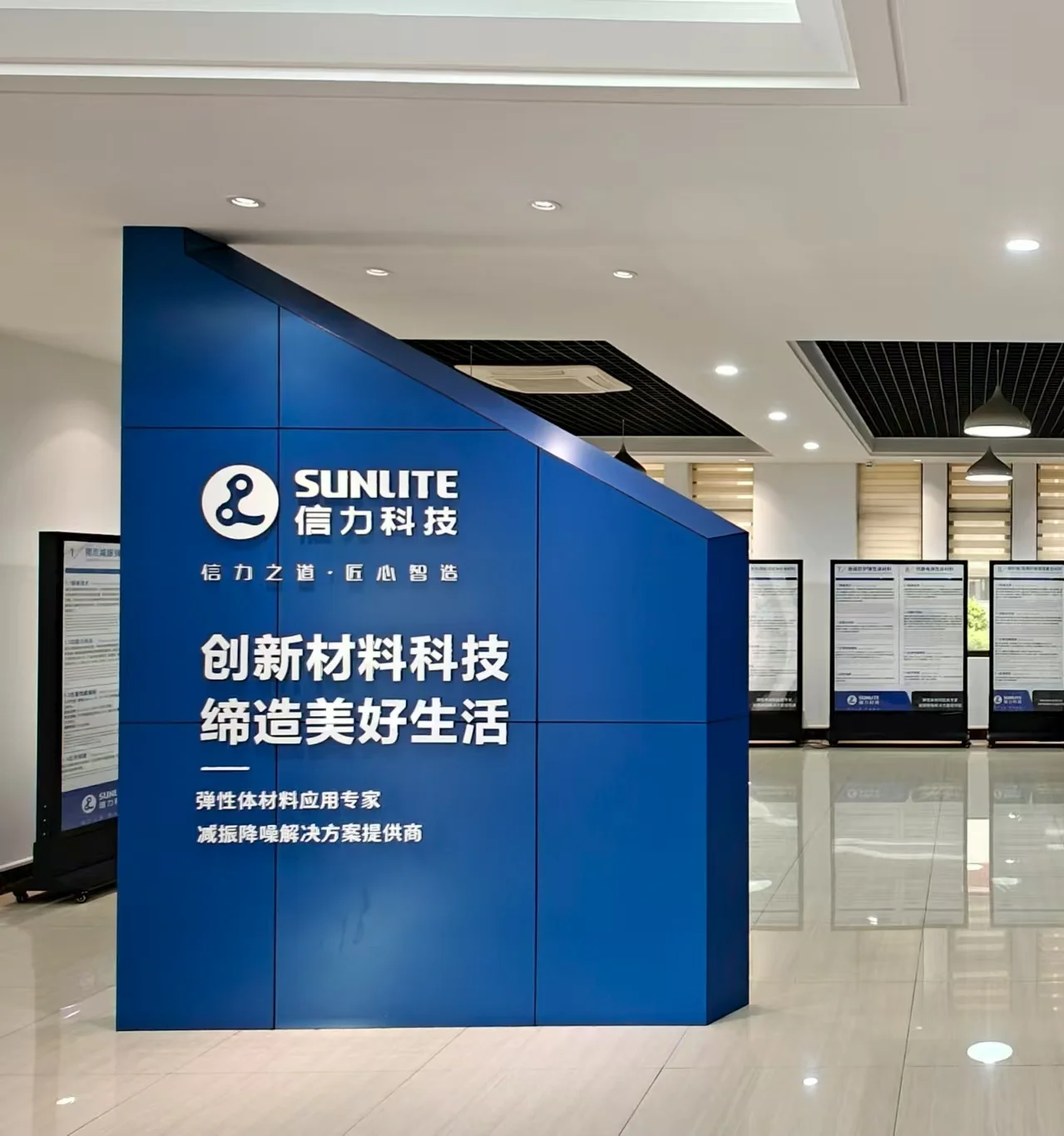
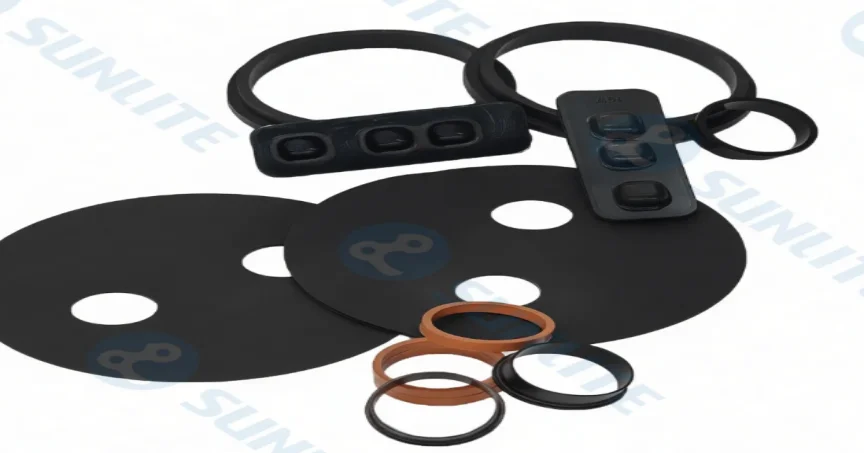
Our high-performance Flexible Rubber Pads are engineered for the most demanding industrial and transit environments, providing critical vibration damping and structural stabilization. Specially developed for rail transit and heavy-duty machinery, these pads mitigate high-frequency impact forces and operational noise, ensuring the long-term integrity of infrastructure and equipment foundations through precision-controlled material science.
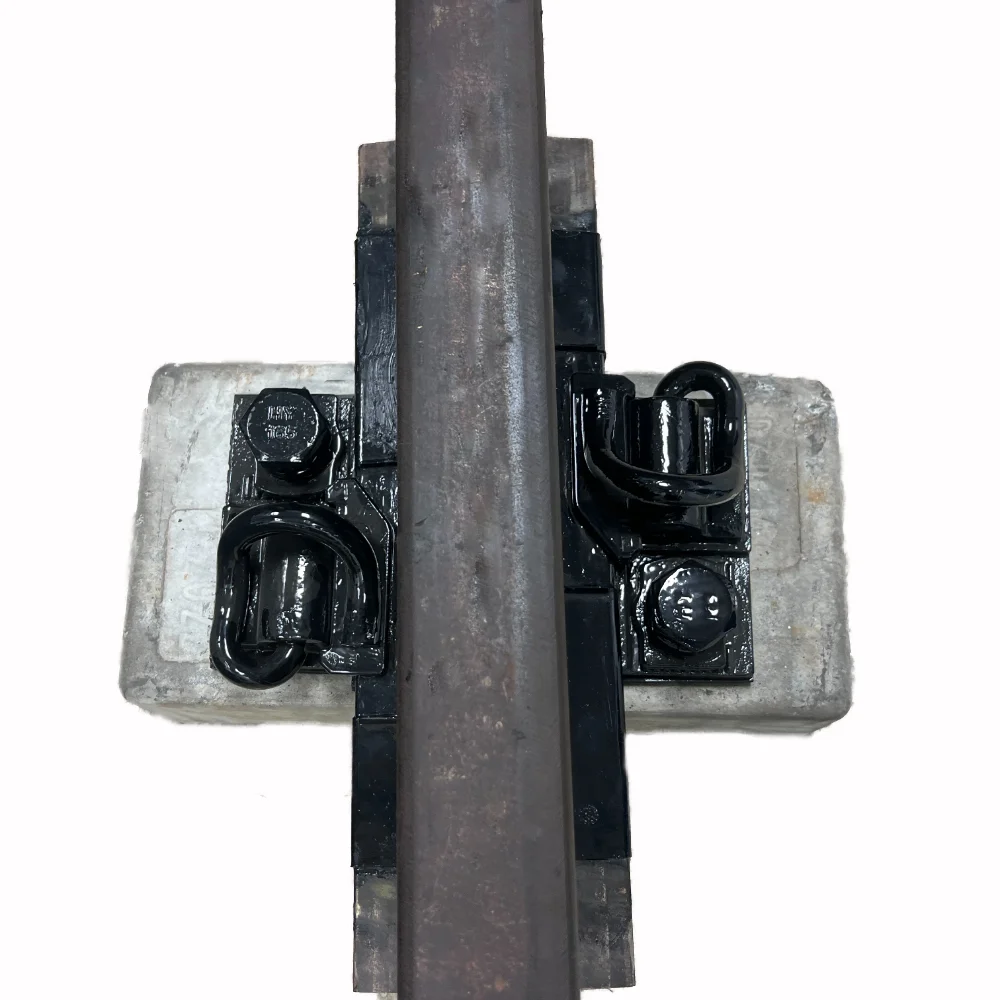
By utilizing advanced Natural Rubber (NR) and Chloroprene Rubber (CR) formulations, our rubber pads deliver an exceptional balance of tensile strength and dynamic elasticity. Whether deployed under railway sleepers to reduce ballast wear or as isolation sheets for heavy industrial compressors, these components are rigorously tested to maintain stability over millions of fatigue cycles, drastically reducing maintenance costs and enhancing operational safety.
| Material Options | Natural Rubber (NR), Chloroprene Rubber (CR) | Tensile Strength | ≥ 15MPa |
|---|---|---|---|
| Dynamic-Static Ratio | ≤ 1.5 | Fatigue Life Test | 3 Million Cycles |
| Stiffness Change | ≤ 15% after fatigue testing | Thickness Change | ≤ 10% after fatigue testing |
| NR Temp Range | -40°C to 70°C | CR Temp Range | -30°C to 120°C |
| Key Properties | Oil-resistant, Weather-resistant, High Elasticity | Customization | Available based on line load and space |
High tensile strength ≥15MPa prevents material degradation under severe torsional and tensile stresses.
Maintains >85% stiffness stability after 3 million cycles, ensuring long-term performance consistency.
A dynamic-static stiffness ratio ≤1.5 ensures efficient absorption of vibration energy under dynamic loads.
NR series offers low heat build-up, preventing material softening during continuous high-frequency stress.
CR series provides superior oil and chemical resistance for harsh outdoor or industrial environments.
Tailored structural optimization based on specific line loads, installation space, and environmental media.


Optimization for rail pads and subway track systems to reduce operational noise.
Stabilizing compressor and stamping machine bases against structural fatigue.
Implementation in bridge bearings and building isolation for seismic protection.
Vibration isolation for generator sets and anti-seismic oil pipeline cushions.
Impact-resistant layers for port cranes and large-scale mining equipment.
Continuous R&D in NR and CR formulas for extreme temperature adaptability.
| Performance Metric | Standard Rubber Pads | Our Premium Elastic Pads |
|---|---|---|
| Fatigue Life | Rapid degradation after 1M cycles | Stable performance up to 3M cycles |
| Maintenance Frequency | High (Frequent replacements) | Low (Extended service life) |
| Stiffness Stability | High variance under load | <15% change after fatigue test |
| Vibration Reduction | Basic damping | Optimized Dynamic-Static ratio ≤1.5 |
| Infrastructure Wear | Moderate structural stress | Significantly reduced stress concentration |
Natural Rubber (NR) is ideal for normal temperature environments due to its high elasticity and low heat build-up. Chloroprene Rubber (CR) is designed for challenging conditions, providing superior oil resistance, weather resistance, and stability in chemically corrosive environments.
A lower ratio (below 1.5) ensures that the rubber pad behaves consistently under both static loads and dynamic impacts. This allows for more efficient absorption of vibration energy, reducing noise and protecting the underlying structure from shock.
Yes, especially our Chloroprene Rubber (CR) series. It is specifically formulated to be weather-resistant and stable in humid-heat conditions, making it suitable for underwater cleaning robot supports or outdoor civil engineering projects.
Our pads are tested for 3 million fatigue cycles with less than 10% thickness change. This ensures long-term stability and significantly extends the replacement interval compared to standard industrial rubber pads.
Absolutely. We provide full customized design support, optimizing the material formula and structural geometry based on your specific line load, installation space, and the environmental medium the pad will be exposed to.
By acting as a resilient buffer, the pads absorb the dynamic impact forces from machinery before they reach the concrete foundation. This prevents the transmission of peak stresses that typically cause structural fatigue and cracking over time.